The beauty industry offers incredible earning potential, but most professionals never realize their true value. According to a recent survey by the National Accrediting Commission of Career Arts and Sciences (NACCAS), cosmetologists earned an average salary of $38,843, yet the highest earners in specialized markets are breaking six-figure barriers through strategic positioning and advanced skill development.
Many beauty professionals struggle with replacing lost diplomas from their cosmetology training, which can impact their ability to demonstrate qualifications for higher-paying positions. I’ve seen too many talented cosmetologists miss out on premium opportunities simply because they couldn’t provide proper documentation of their credentials.

Table of Contents
- The Geographic Salary Game-Changer
- Skills That Actually Pay the Bills
- Breaking Free from Traditional Employment Models
- Fast-Tracking Your Career Growth
- Beautician vs. Cosmetologist: The Title That Changes Everything
- Protecting Your Professional Investment
- Final Thoughts
TL;DR
- Small-town beauticians often out-earn city professionals due to less competition and higher client loyalty (80% vs 45% retention rates)
- Mastering specific skills like color correction can increase your rates from $75 to $400 per session
- Alternative business models can boost income by 300-500% compared to traditional employment
- Strategic certifications immediately justify premium pricing and attract higher-paying clients
- The cosmetologist title commands 20-35% higher salaries than beautician positions
- Wedding specialization alone can add $15,000-$30,000 to your annual income
- Virtual consultations and digital services create new revenue streams worth $2,000-$10,000 monthly
The Geographic Salary Game-Changer
Most beauticians focus on national salary averages, but I’ve discovered that location creates dramatic earning differences that go way beyond what you’d expect. The real opportunities aren’t always in big cities – sometimes the best money is hiding in places you’d never think to look.
When I started researching beautician salary data across different markets, the patterns shocked me. We’re talking about differences that can make or break your financial future, yet most professionals never consider geography as a strategic career decision.
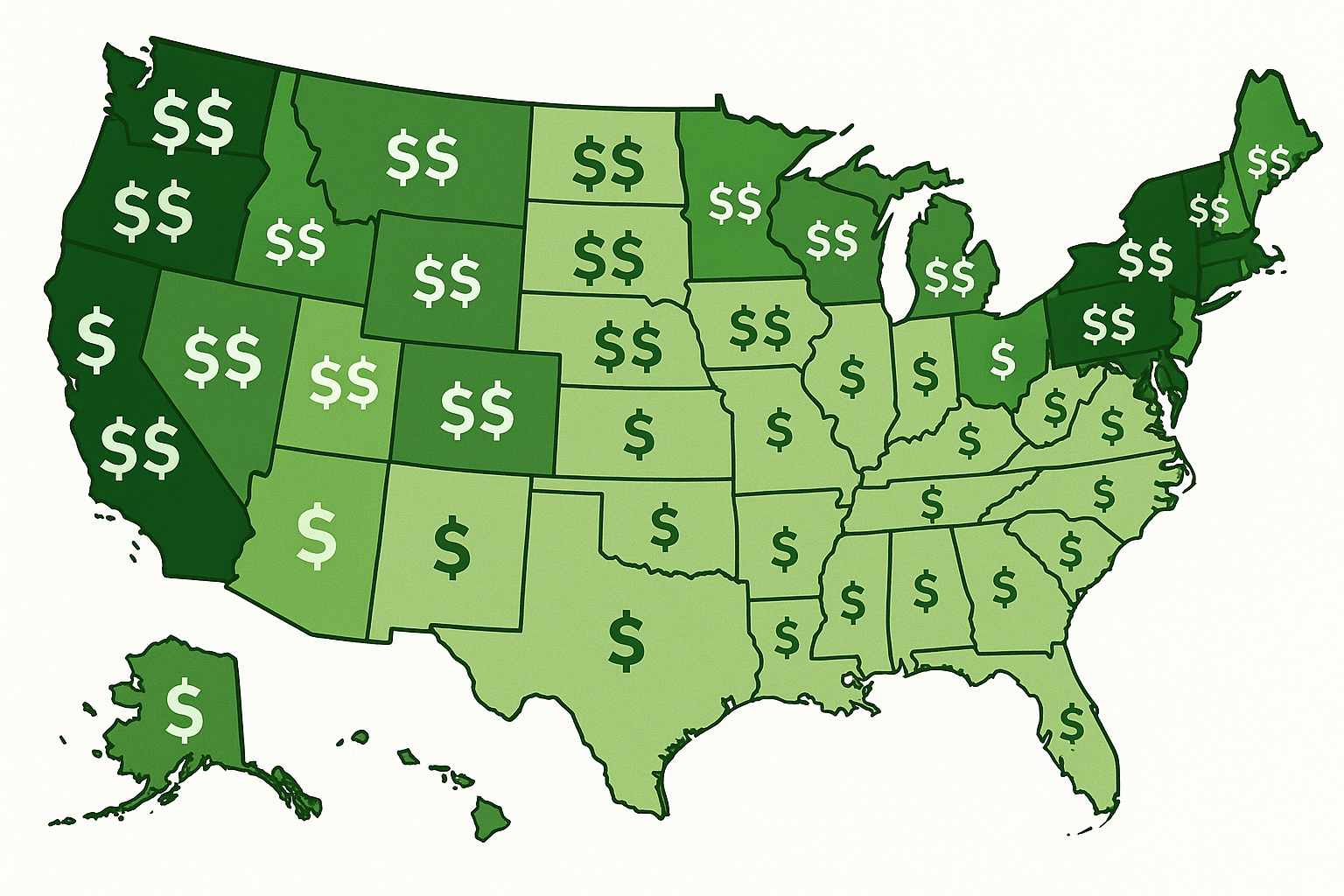
Small Towns vs. Big City Dreams
Here’s something that completely changed my perspective on beautician salary potential: small-town professionals can actually make more money than their big-city counterparts. It comes down to competition and client relationships, and the numbers tell a completely different story than what most people believe.
I’ve watched cosmetologists struggle in saturated urban markets while their counterparts in smaller communities build thriving practices with waiting lists. The math is simple, but the implications are huge for your earning potential.
When Less Competition Means More Money
I found that areas with fewer than 3 salons per 10,000 residents create a “competition desert” where beauticians can charge 15-25% more than saturated markets. Basic supply and demand works in your favor when you’re one of the few qualified professionals serving a community.
Think about it – when clients have limited options, they’re willing to pay premium rates for quality service. You’re not competing on price; you’re competing on availability and expertise.
The Loyalty Factor That Changes Everything
Small-town beauticians maintain 80% client retention rates compared to just 45% in cities. This creates predictable income streams that urban cosmetologists rarely achieve, making your monthly earnings much more stable and allowing you to plan for growth.
Your clients become part of your extended network. They refer friends, family members, and coworkers. In smaller communities, word-of-mouth marketing is incredibly powerful, and satisfied clients become your best sales team.
| Location Type | Average Salary Range | Client Retention Rate | Competition Level | Premium Pricing Opportunity |
|---|---|---|---|---|
| Small Town (<25K pop) | $35,000-$55,000 | 80% | Low | 15-25% above market |
| Mid-Size City (25K-100K) | $32,000-$48,000 | 65% | Medium | 5-10% above market |
| Large City (100K+) | $28,000-$45,000 | 45% | High | Market rate only |
| Suburban Areas | $38,000-$58,000 | 70% | Medium-Low | 10-15% above market |
Finding Your Perfect Client Match
Understanding which demographic segments pay premium rates can literally double your earning potential. Yet most beautician salary discussions completely ignore this strategy, even though it’s one of the fastest ways to increase your income without working more hours.
I’ve seen professionals transform their entire financial picture by shifting their target market. The work doesn’t get harder – it just gets more profitable.
The Wedding Goldmine
Capturing just 2-3 weddings per month can boost your annual income by $15,000-$30,000. Bridal packages typically range from $200-$500, and brides are willing to pay premium rates for their special day. The best part? Wedding referrals often lead to more wedding bookings.
Sarah, a cosmetologist in suburban Denver, transformed her $35,000 annual salary into a $65,000 income by specializing in bridal services. She started by offering wedding trials at $75 each, then charged $350 for wedding day services. By booking just 2 weddings per month and gaining referrals from wedding planners, she added $30,000 to her annual income while working the same number of hours.
Wedding clients are different from regular salon clients. They’re planning one of the most important days of their lives, and they’re willing to invest in making sure everything is perfect.
Corporate Contracts Nobody Talks About
Partnering with local businesses for employee wellness programs or professional headshot preparation generates $1,000-$3,000 in monthly recurring revenue. These B2B opportunities are everywhere, but most beauticians never think to pursue them.
Companies want their employees to look professional for client meetings, conferences, and corporate photography. You can offer on-site services or special rates for groups of employees.
The Senior Market Premium
Mobile beauty services for seniors command 40-60% higher rates than salon-based services. This demographic shows less price sensitivity and typically tips better, making it one of the most profitable specializations you can pursue.
Many seniors have mobility issues that make salon visits challenging. By bringing your services to them, you’re solving a real problem while earning premium rates for the convenience.

Skills That Actually Pay the Bills
The beauty industry operates on a skills-based economy where specific advanced techniques can increase your earning potential by 200-400%. The problem? Most professionals have no idea which skills generate the highest returns on their time investment.
I’ve watched beauticians spend months learning techniques that barely move the needle on their beautician salary, while others master high-value skills that immediately transform their earning power. The difference comes down to understanding which skills clients will pay premium rates to access.
Chemical Services: Your Ticket to Higher Rates
Mastering chemical treatments like keratin, color correction, and advanced highlighting can transform a $30,000 annual cosmetologist salary into a $60,000+ income stream. These services command premium pricing because they require specialized knowledge and carry higher risk.
Clients understand that chemical services require expertise. They’ve heard horror stories about botched color jobs and damaged hair, so they’re willing to pay more for a cosmetologist who can deliver results safely.
Color Correction: The Problem-Solver’s Premium
Color correction specialists charge $150-$400 per session because clients desperately need expertise in fixing previous salon mistakes. You’re solving a problem that other professionals created, and people will pay handsomely for that solution.
Recent industry incidents highlight the importance of specialized skills and professional standards. A “beautician charged extra for Brazilian wax due to client’s body size” DailyMail controversy demonstrates how unprofessional practices can damage the industry’s reputation. This emphasizes why mastering advanced techniques and maintaining professional standards commands premium pricing – clients are willing to pay more for expertise and respectful service.
When someone walks into your salon with orange hair from a box dye disaster, they’re not shopping for the cheapest fix. They want someone who can restore their hair without causing further damage.
Advanced Chemical Treatments Create Service Monopolies
Beauticians certified in treatments like Brazilian Blowouts or Olaplex can charge 3-5 times standard rates while maintaining full booking schedules. These specialized services create a mini-monopoly in your market because so few cosmetologists offer them.
The certification process might take a few days and cost a few hundred dollars, but the return on investment is immediate. You can often recoup your training costs with just one or two clients.
Technology Integration: The Modern Advantage
Beauticians who integrate technology through virtual consultations, digital color matching, and strategic social media marketing can increase their client base by 150-300%. Technology isn’t replacing personal service – it’s enhancing it and creating new revenue opportunities.
The cosmetologists who embrace technology are building stronger client relationships and creating additional revenue streams that their competitors can’t match.
Virtual Consultations: Money While You Sleep
Offering $50-$100 virtual consultations for color planning and style advice creates additional revenue streams while building client relationships before in-person visits. You’re getting paid to plan services you’ll likely perform anyway, making it almost pure profit.

Virtual Consultation Setup Checklist:
- Professional lighting setup for video calls
- High-quality webcam or smartphone with tripod
- Reliable video conferencing platform (Zoom, Google Meet)
- Digital portfolio of previous work
- Color matching tools and charts
- Consultation intake forms
- Payment processing system for advance bookings
- Follow-up email templates
- Scheduling software integration
Virtual consultations also help you avoid the disappointment that comes when clients have unrealistic expectations. You can show them examples of what’s possible with their hair type and discuss the process before they commit to an appointment.
Breaking Free from Traditional Employment Models
Traditional employment severely limits beautician earning potential, but alternative business structures can increase income by 300-500% while giving you greater professional autonomy. The key is understanding which models work best for your situation and market.
I’ve seen too many talented beauticians accept whatever salary their employer offers, never realizing they could be earning three times as much with a different business structure. The cosmetologist who breaks free from traditional employment often discovers earning potential they never knew existed.
The Multi-Stream Income Revolution
Successful beauticians combine traditional services with education, product sales, and digital content creation to build six-figure businesses. Instead of relying on one income source, they create multiple revenue streams that support and amplify each other.
Why limit yourself to trading time for money when you can create income that works even when you’re not actively serving clients?
Teaching What You Know
Creating online courses, tutorials, and certification programs generates $2,000-$10,000 monthly passive income while establishing you as an industry authority. Your expertise becomes a product that can be sold repeatedly without additional time investment.
Many experienced cosmetologists leverage their education by displaying their diplomas professionally in their teaching spaces to establish credibility with students.
The beauty industry is always evolving, and newer professionals are hungry for guidance from experienced practitioners. You can monetize your knowledge while helping others avoid the mistakes you made early in your career.
Product Lines: Your Brand Extension
Developing signature product lines or partnering with manufacturers for private labeling creates 30-50% profit margins on retail sales. You’re leveraging your professional reputation to sell products that complement your services.
Your clients already trust your expertise with their hair and skin. When you recommend products, they listen. Why not profit from those recommendations?

The Franchise Path to Ownership
Moving from employee to franchise owner or independent salon operator can increase annual earnings from $35,000 to $100,000+ while building equity. You’re creating an asset that has value beyond your daily work.
The global demand for beauty professionals continues to expand, with “Pakistan exporting skilled beauticians to Saudi Arabia” Arab News reporting monthly salaries of $800 (3,000 Saudi Riyals) plus benefits. This international opportunity demonstrates the growing value of beauty expertise worldwide and highlights alternative employment models beyond traditional salon work.
Understanding Franchise Investment Returns
Beauty franchise investments typically range from $50,000-$200,000 with 18-24 month payback periods for well-positioned locations. The key is choosing franchises with proven systems and strong brand recognition in your target market.
| Business Model | Initial Investment | Monthly Income Potential | Time to Profitability | Pros | Cons |
|---|---|---|---|---|---|
| Traditional Employee | $0 | $2,500-$4,000 | Immediate | Stable, no risk | Limited growth |
| Chair Rental | $500-$2,000 | $3,000-$8,000 | 2-3 months | Flexibility, higher earnings | Client acquisition |
| Franchise Owner | $50,000-$200,000 | $8,000-$25,000 | 12-18 months | Proven system, support | High investment |
| Independent Salon | $25,000-$100,000 | $6,000-$20,000 | 6-12 months | Full control, equity building | High responsibility |
| Mobile Services | $3,000-$10,000 | $4,000-$10,000 | 1-2 months | Low overhead, premium pricing | Travel time |
Franchise ownership isn’t for everyone, but it can provide the structure and support that many cosmetologists need to successfully transition from employee to business owner.
Fast-Tracking Your Career Growth
Most beauticians follow linear career paths that limit earning potential, but strategic skill development and positioning can accelerate salary growth by 400-600% within 3-5 years. Working smarter beats working harder every time.
I’ve watched cosmetologists plateau at the same income level for years because they kept doing the same things. The professionals who break through to higher earning levels make strategic decisions about which skills to develop and how to position themselves in the market.
The Certification Cascade Effect
Obtaining specific certifications in high-demand areas immediately increases service rates and client willingness to pay premium prices. The right certifications prove your skills and justify higher pricing in clients’ minds.
According to industry data from Beauty School Edu, estheticians earned an average beautician salary of $40,126, while nail technicians reported an average salary of $33,148. This demonstrates how specialization within the beauty industry directly impacts earning potential, with estheticians out-earning nail technicians by over $7,000 annually.
Master Colorist: The Elite Level
Master colorist certification allows you to charge $200-$500 per service compared to $75-$150 for standard color services. This single certification can double or triple your per-service income while attracting clients who specifically seek advanced expertise.
The certification process is rigorous, but that’s exactly why it commands premium pricing. Clients understand that master colorists have invested significant time and money in their education.
Medical Aesthetics: The Healthcare Crossover
Beauticians who obtain medical aesthetics training can transition to roles paying $50,000-$80,000 annually while maintaining flexible schedules. You’re expanding into a related field that values your existing skills while offering significantly higher compensation.
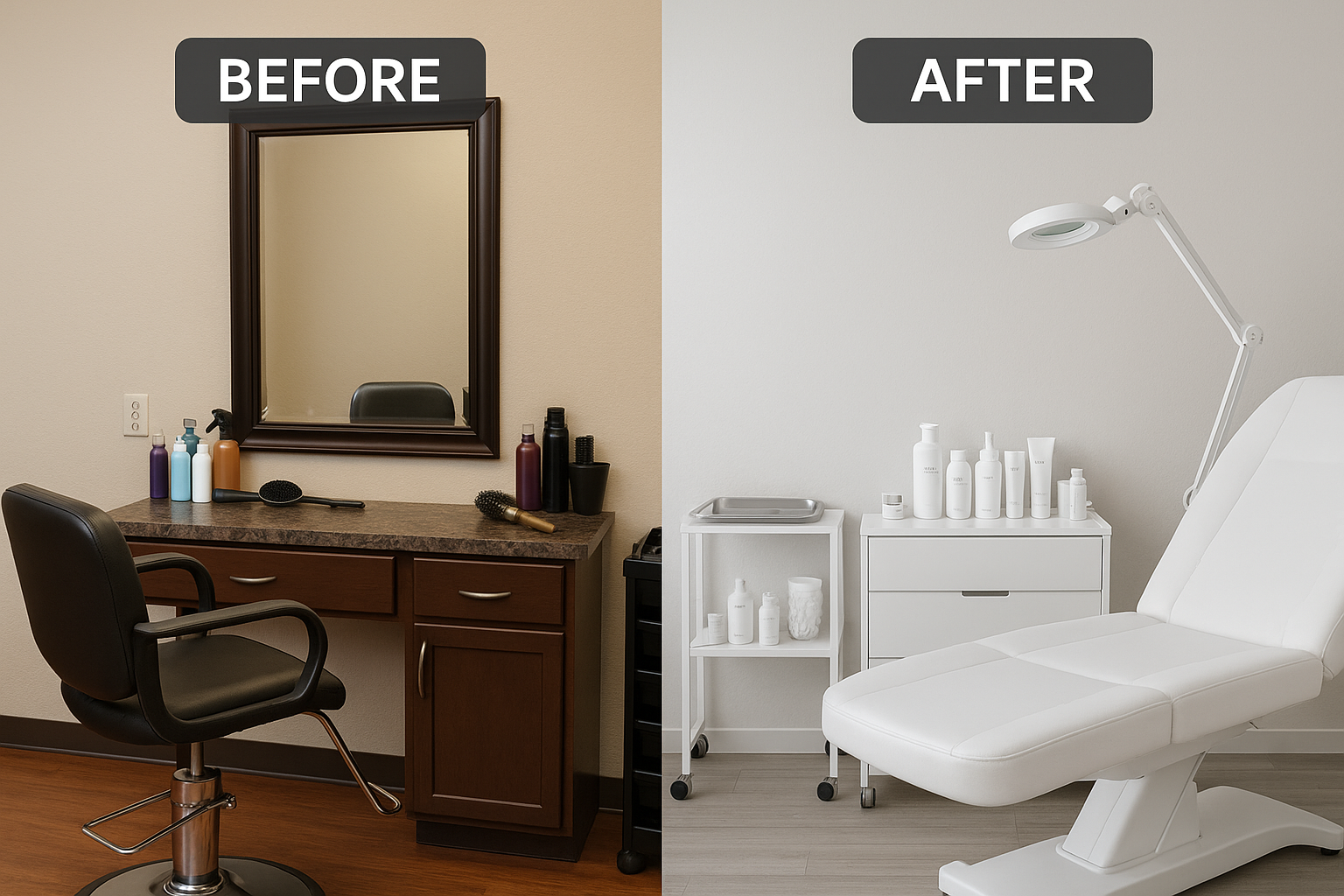
Medical aesthetics combines your beauty expertise with healthcare protocols. The training is more intensive than traditional cosmetology education, but the earning potential makes it worthwhile for many professionals.
International Techniques: Global Expertise
Mastering international techniques like Japanese straightening or French balayage creates unique market positioning with premium pricing power. You become the go-to professional for specialized services that few others in your area can provide.
The Mentorship Revenue Model
Experienced beauticians can generate substantial additional income through apprenticeship programs, workshop instruction, and one-on-one mentoring. You’re monetizing your experience and knowledge while helping others grow in the industry.
The cosmetologist who develops teaching skills creates a revenue stream that can continue throughout their career, even as they age out of the physical demands of full-time salon work.
Building Your Apprenticeship Program
Developing formal apprenticeship programs generates $500-$2,000 monthly per student while building a pipeline of future employees or partners. Here’s how to implement this revenue stream: obtain instructor certification through your state board, develop structured curriculum for 6-12 month programs, partner with local beauty schools for student referrals, create assessment tools and graduation requirements, and establish pricing structure ($200-$500 monthly per apprentice).
Maria, a master colorist in Phoenix, created a 6-month color correction mentorship program charging $400 monthly per student. With 4 students per session and running 2 sessions yearly, she generates an additional $19,200 annually while building relationships with the next generation of colorists. Her students often become referral sources and some eventually rent chairs in her salon.
Apprenticeship Program Development Template:
- Obtain state instructor certification
- Develop 6-12 month curriculum outline
- Create assessment rubrics and milestones
- Establish pricing structure ($200-$500/month)
- Partner with local beauty schools
- Design graduation requirements
- Create marketing materials for program
- Set up payment processing system
- Develop student contract templates
- Plan hands-on practice schedules

Teaching others also keeps you sharp and forces you to stay current with industry trends. Your students will challenge you with questions that make you think about your techniques in new ways.
Beautician vs. Cosmetologist: The Title That Changes Everything
The distinction between “beautician” and “cosmetologist” significantly affects earning potential, with cosmetologists typically commanding 20-35% higher salaries due to broader skill sets and professional positioning. This title difference can make or break your income goals.
I’ve seen qualified professionals lose opportunities simply because their title didn’t match what employers or clients were seeking. The beautician salary gap compared to cosmetologist earnings is real, and it affects everything from job opportunities to client perceptions.
The Scope of Practice Advantage
Cosmetologists can legally perform a wider range of services than beauticians, including nail care, skin treatments, and advanced chemical processes. This expanded scope directly translates to higher revenue opportunities because you can serve more client needs in a single visit.
Industry salary surveys reveal significant variations in compensation. Beauty School Edu reports that 33 percent of all beauticians, including barbers, were self-employed as of 2011, according to the Professional Beauty Association (PBA). This high percentage of self-employment demonstrates the entrepreneurial nature of the beauty industry and explains why traditional salary statistics often underrepresent actual earning potential.
Multi-Service Revenue Multiplication
Cosmetologists who offer hair, nail, and skin services can increase per-client revenue by 150-250% compared to single-service beauticians. You’re creating a more comprehensive client experience that justifies premium pricing.
When clients can get multiple services in one appointment, they’re willing to pay more for the convenience. You’re also increasing the lifetime value of each client relationship.
The Professional Perception Premium
The cosmetologist title carries greater professional weight, allowing practitioners to charge premium rates and attract higher-income clientele who associate the term with advanced expertise. Perception becomes reality when it comes to pricing power.
Professional advancement often requires proper documentation, and many cosmetologists benefit from understanding the difference between certificates and degrees when planning their career trajectory.
Access to High-End Markets
Luxury spas and high-end salons predominantly hire cosmetologists over beauticians, with these positions offering 40-60% higher base salaries plus commission structures. The title literally opens doors to better-paying opportunities.
The average beautician salary ranges from $25,000-$35,000 annually, while cosmetologists typically earn $30,000-$45,000 in the same markets. However, specialized cosmetologists implementing these strategies can achieve $60,000-$100,000+ annual incomes through strategic positioning and service diversification.
Jessica transitioned from “beautician” to “cosmetologist” by completing additional training in nail care and basic esthetics. This expanded scope allowed her to offer complete wedding packages including hair, makeup, and nail services. Her average bridal client spend increased from $200 to $450, and she began attracting high-end spa clients who specifically sought “cosmetologists” rather than “beauticians.”
To transition from beautician to cosmetologist: research your state’s specific licensing requirements, enroll in additional training programs, complete required practice hours (typically 300-800 additional hours), pass state board examinations, and update your professional marketing materials.
Cosmetologist Transition Checklist:
- Research state licensing requirements
- Enroll in additional training programs
- Complete required practice hours (300-800 hours)
- Schedule state board examinations
- Update professional marketing materials
- Revise service menu and pricing
- Notify existing clients of expanded services
- Update insurance coverage
- Obtain new business licenses if needed
- Join professional cosmetology associations

The transition process requires time and investment, but the long-term earning potential makes it worthwhile for most professionals who are serious about maximizing their income.
Protecting Your Professional Investment
The beauty industry’s emphasis on credentials and certifications creates unique challenges when original documentation is lost or damaged. Your educational achievements and certifications directly impact your earning potential, making document security crucial for maintaining your competitive edge.
Beauty professionals often invest thousands of dollars in specialized training that directly correlates to higher beautician salary potential. When these crucial documents are lost, damaged, or need to be displayed in multiple locations, ValidGrad provides an affordable solution that protects these valuable credentials.
Beauty professionals frequently need to display their certificates professionally in their workspace to build client confidence and justify premium pricing.
State licensing boards require proper documentation for renewals. Continuing education verification is essential for advanced certifications. High-end salon positions demand employment verification, and franchise applications require educational background verification. ValidGrad’s document replacement services ensure you can maintain continuous professional operation without interruption.
The beauty industry’s mobile nature – with professionals working across multiple locations or transitioning between employment models – makes document security particularly challenging. ValidGrad’s quick turnaround and professional quality support the alternative revenue streams and advanced positioning strategies that drive higher cosmetologist salaries in this dynamic field.

Ready to protect your professional credentials? Visit ValidGrad today to secure replacement documents for your beauty certifications and educational achievements.
Final Thoughts
Your beautician salary doesn’t have to be limited by traditional thinking or conventional career paths. The strategies I’ve outlined here aren’t theoretical – they’re being used by successful professionals who’ve broken through the income barriers that hold most beauticians back.
The beauty industry rewards specialization, strategic positioning, and business thinking. Whether you choose to master high-value chemical services, explore alternative business models, or transition to cosmetology, the key is taking action on the opportunities that align with your goals and market.
Remember, your earning potential isn’t about the services you provide – it’s about how you position yourself, who you serve, and how you structure your business. The professionals earning six figures in this industry aren’t necessarily more talented than you; they’re more strategic about their approach.
Start with one strategy that resonates with your situation. Master it, see the results, then expand to additional revenue streams. Your future self will thank you for taking control of your earning potential instead of accepting whatever the market seems to offer.
The average beautician salary statistics don’t have to define your career. You have the power to write your own success story in this industry, and the cosmetologist who thinks strategically about their career will always out-earn the one who simply shows up to work each day.