
Three years ago, I landed in Dubai with a laptop, big dreams, and absolutely no clue what I’d actually earn as a web developer. Now, after navigating this market firsthand, I want to share the real story—the good, the surprising, and the stuff nobody tells you in those generic salary surveys.
Quick reality check: “Our data indicates that the highest pay for a Web Developer is $98k / year” PayScale says globally, but Dubai? It’s a completely different game.

For anyone considering the broader tech landscape here, understanding software engineer salaries in Dubai gives you valuable context for what’s possible in this market.
What You’ll Actually Learn Here
-
What developers really earn (not the inflated numbers you see online)
-
Which skills will get you paid the most
-
How to navigate the job market without losing your mind
-
Real strategies that worked for me and other devs I know
The Real Numbers (No BS)
Let’s cut through the noise. Here’s what web developers actually earn in Dubai, and trust me—the market has exploded recently. “Tech investments expected to shoot up by 145%, hitting $313.5 million by year’s end” according to Nucamp, and that’s creating real opportunities for developers at every level.
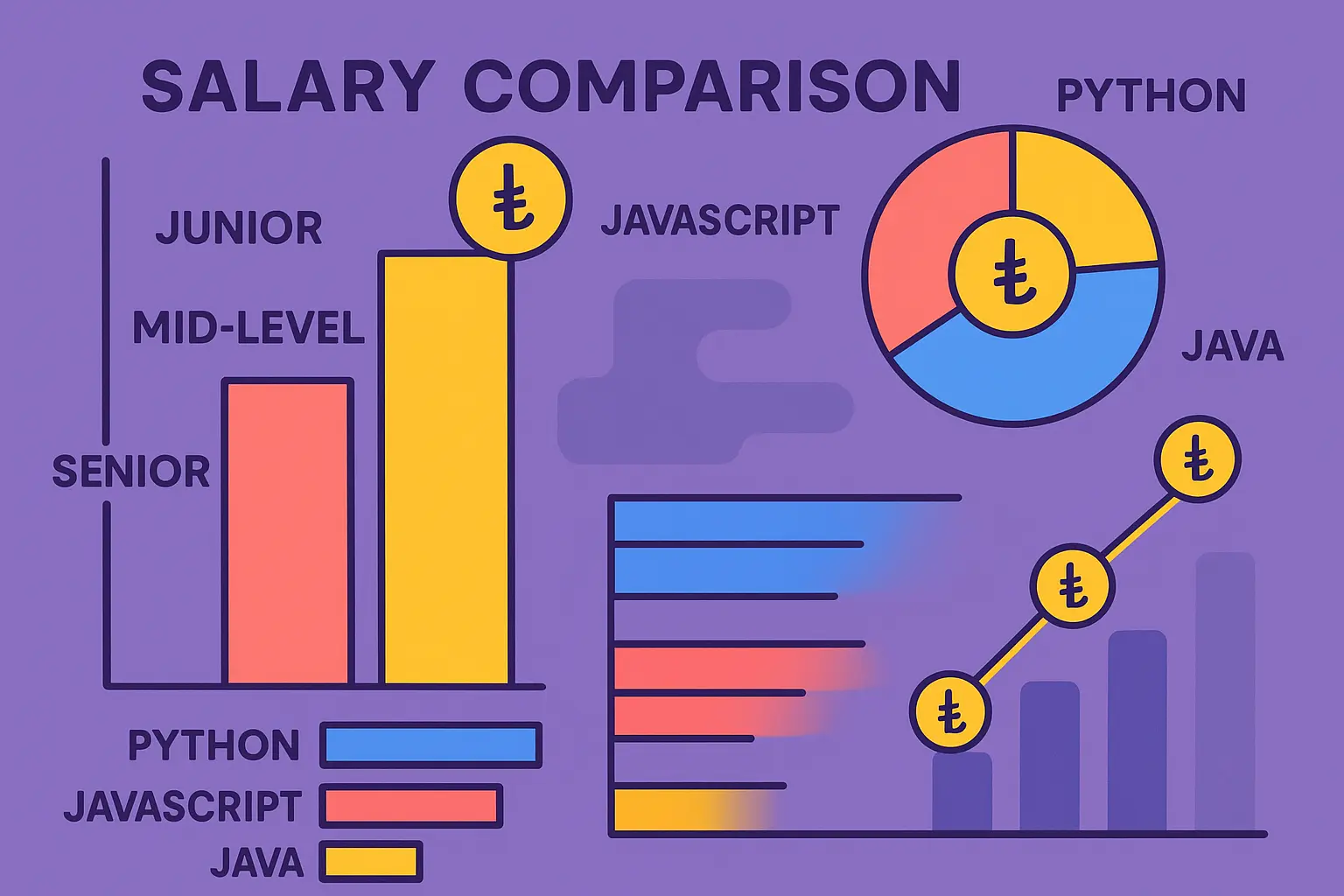
Just Starting Out (0-2 years): AED 5,000-7,500/month
Yeah, it seems low, but stick with me—there’s more to the story.
Getting Comfortable (3-5 years): AED 8,000-15,000/month
This is where things get interesting, and your skills start paying off.
Senior Level (6+ years): AED 15,000-25,000/month
Now we’re talking real money.
Team Lead/Architect (8+ years): AED 25,000-35,000/month
The sweet spot where technical skills meet leadership.
But here’s what those numbers don’t tell you: benefits in Dubai can be HUGE. Housing allowances, health insurance, annual flights home—I’ve seen packages where benefits add 40% to your actual take-home value.
Sarah, a recent computer science graduate, landed her first role at a Dubai e-commerce startup. Her base salary of AED 6,500 seemed modest until she calculated her total package: AED 3,000 housing allowance, comprehensive health insurance, and training budget. Her effective compensation hit nearly AED 130,000 annually—way higher than the base salary suggested.
Interestingly, having proper educational credentials significantly impacts starting salary negotiations here. Companies value formal education, especially when combined with a solid portfolio.
Where the Money Actually Is
After three years of watching friends switch jobs and industries, I’ve noticed clear patterns in where the real money flows:
Fintech = Gold Mine
Companies dealing with financial services pay 20-30% above market rates. The catch? You need to understand compliance and security. But trust me, it’s worth learning. I know developers who’ve increased their salaries by 40% just by moving from e-commerce to financial services.
E-commerce is Booming
Dubai’s position as a regional shopping hub means constant demand for developers who understand platforms like Shopify, Magento, and custom solutions. The need for optimization and new features keeps salaries competitive in this fast-moving sector.
Government Work = Stability
Smart Dubai initiatives pay well and offer incredible job security. The pace might be different from private sector work, but the work-life balance and comprehensive benefits are unmatched.

Skills That Actually Pay the Bills
Here’s what I wish someone had told me when I started:
React/Vue/Angular developers earn 15-25% more than traditional HTML/CSS folks. Period. React developers especially stand out—many companies specifically hunt for this expertise.
Ahmed learned this the hard way. He transitioned from traditional HTML/CSS to React through a 6-month intensive program. Within three months of building his React portfolio, he landed a fintech position with a 40% salary increase—jumping from AED 8,000 to AED 11,200 monthly.
Cloud skills are your ticket to higher pay. AWS, Google Cloud, Azure certifications can boost your salary by 20-40%. Most companies will even pay for your training.
Backend + Cloud = Career Gold
Node.js, Python Django, and .NET developers are experiencing unprecedented demand. Add cloud integration skills to your backend expertise, and you can push into senior developer salary ranges even with mid-level experience.
The combination of backend skills with cloud expertise has become the golden ticket for salary negotiations. Companies are willing to pay premium rates for developers who can architect scalable solutions from day one.
Your Career Growth Game Plan
The thing about Dubai’s tech scene? It moves fast. What worked two years ago might not work today. Here’s how to stay ahead:

Certifications That Actually Matter:
-
AWS Solutions Architect Associate (this one opened doors I didn’t even know existed)
-
Google Cloud Professional Developer
-
Microsoft Azure Developer Associate
-
React/Angular/Vue.js framework certifications
-
Docker and Kubernetes fundamentals
-
Cybersecurity basics (CompTIA Security+)
Most companies here have generous training budgets. Use them. I got my AWS cert on company time and budget, then used it to negotiate a 30% raise six months later.
Language Skills Beyond Code:
English proficiency is absolutely essential, but Arabic language skills provide significant career advantages, especially for government contracts and local business development roles.
Building Your Brand:
Your GitHub profile is your resume in Dubai. I’ve seen developers get interviews based purely on their open-source contributions. One guy I know got hired at a fintech company because they found his React component library and loved his code style.
A strong online presence through GitHub, personal websites, and open-source contributions helps you stand out in this competitive market. I’ve witnessed job offers emerge from impressive portfolios alone.
The Different Paths You Can Take
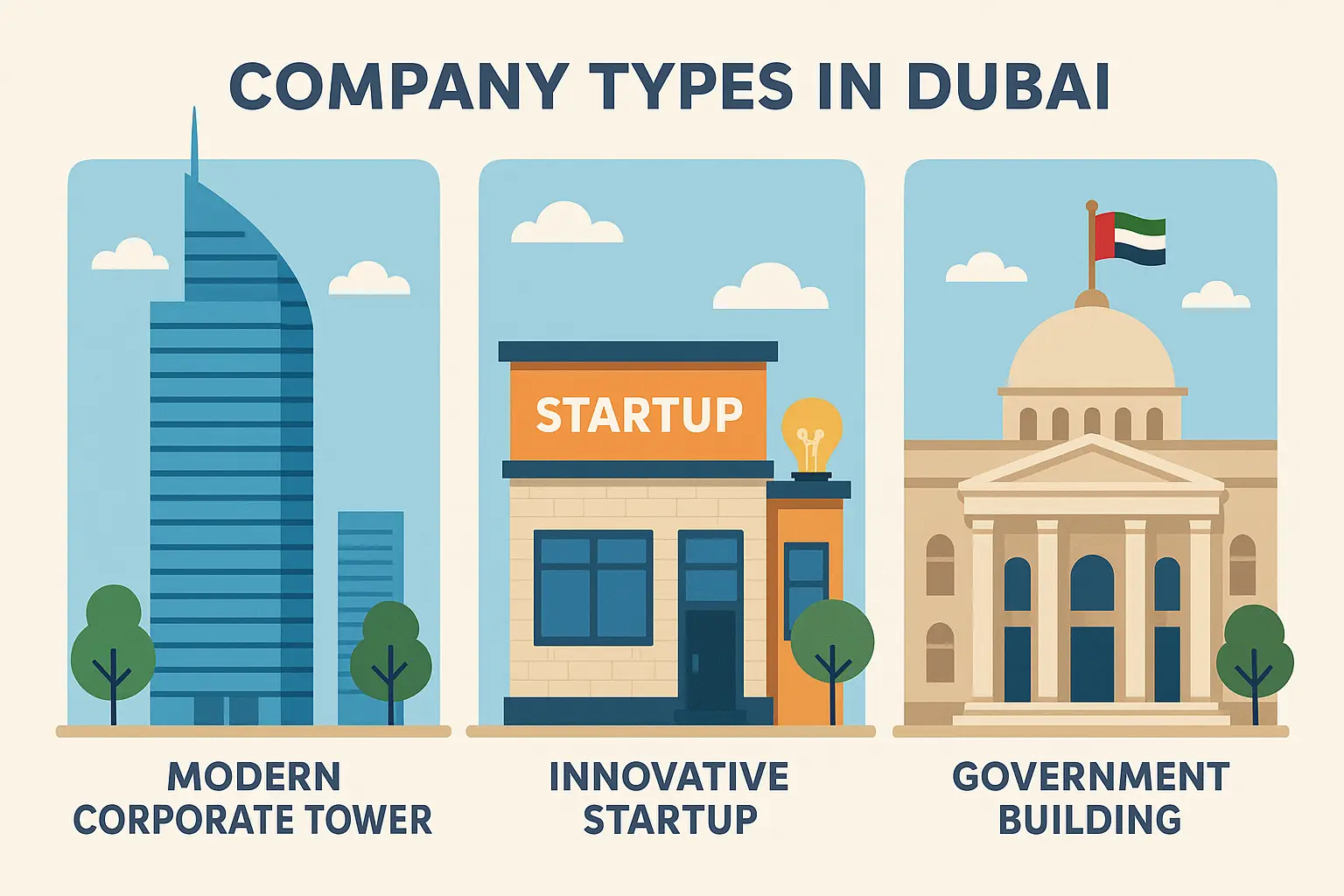
Multinational Tech Companies (The Premium Route)
Think Microsoft, Google, Amazon. Salaries hit AED 200,000-400,000+ annually, plus stock options and comprehensive benefits. The interview process is brutal, but if you make it through, you’re set. These companies also provide the best learning opportunities and global career advancement paths.
Local Startups (High Risk, High Reward)
Base salaries might be 10-20% lower, but equity can change your life. I know a developer who joined a Dubai e-commerce startup early—his equity is now worth more than five years of salary. These positions offer rapid career growth that established companies can’t match.
Government Work (The Stable Choice)
Smart Dubai, various government entities. AED 120,000-250,000 annually with incredible job security and genuine work-life balance. Perfect if you want predictability and comprehensive benefits.
SMEs and Consultancies (The Learning Path)
Great for building diverse experience quickly. You’ll work on everything from small business websites to enterprise applications. Salaries range AED 100,000-200,000 with variable benefits.
Beyond the Base Salary
This is where Dubai gets interesting. Your “salary” might be AED 10,000/month, but your total package could be worth AED 15,000+.
Housing allowances can add AED 2,000-8,000 monthly. That’s potentially AED 96,000 per year on top of your base salary—representing 30-40% of your total compensation value.
Health insurance here is comprehensive—dental, vision, family coverage. Worth AED 10,000-25,000 annually. Some companies even include annual health checkups and wellness programs.
Annual flights home are standard for expats. For a family of four, that’s easily AED 20,000+ in value.
I once calculated that a job with AED 12,000 base salary plus full benefits was actually worth more than a AED 15,000 salary-only position. I’ve seen developers accept positions with AED 5,000 lower base salaries because the housing allowance made their take-home pay significantly higher.
The Job Hunt Reality
LinkedIn works, but it’s not everything. Here’s my hierarchy of what actually gets results:

1. Direct company applications (seriously underrated)
Many Dubai companies prefer direct applications through their career pages, especially for senior positions. This demonstrates genuine interest and often results in faster response times.
Maria discovered that Careem wasn’t actively posting senior React positions on job boards but was hiring through their careers page. She applied directly with a customized cover letter highlighting her e-commerce experience. Within two weeks, she received an offer 25% higher than her previous salary, plus equity options.
2. LinkedIn (obvious but effective)
Particularly effective for international companies, with Dubai-relevant keywords essential for visibility.
3. Local platforms like Bayt.com and GulfTalent
Bayt.com is huge for local companies. GulfTalent has government contracts. These platforms often feature opportunities with UAE-based businesses that don’t appear elsewhere.
4. Recruitment agencies (great for senior roles)
Cooper Fitch, Michael Page, Robert Half—build real relationships with these firms. They know about positions weeks before they’re posted publicly and provide valuable salary benchmarking data.
5. Networking events (Dubai’s tech community is surprisingly small)
GITEX, Dubai Tech Talks, various meetups. The community is smaller than you think. That random conversation at a meetup could lead to your next job. I’ve witnessed numerous job offers emerge from casual conversations at these gatherings.

Pro tip: Many companies hire through their career pages weeks before posting on job boards. I landed my best offer this way.
Negotiation Reality Check
Forget everything you learned about negotiation in other markets. Dubai is different:

Relationship first, money second. UAE business culture responds well to collaborative rather than confrontational approaches. Build rapport before discussing salary.
Patience pays. Rushing negotiations kills deals. I’ve seen developers lose offers by being too aggressive. Dubai’s business culture requires more patience than other markets.
Know the market. Use salary surveys from Robert Half, Michael Page, and Glassdoor Dubai data. Come prepared with solid benchmarking information. Understanding the broader average salary landscape in Dubai helps position your requests within the city’s economic context.
Consider everything. A lower base salary with housing allowance might be better than a higher salary without benefits. One friend turned down a higher base salary for better housing allowance and ended up earning more overall.
Timing matters. Annual reviews, project completions, when you’re taking on new responsibilities—these are your golden moments.
The Documentation Reality
Here’s something practical nobody talks about: paperwork matters in Dubai. A lot.
Visa applications, job changes, professional certifications—you’ll need your educational credentials constantly. Dubai’s emphasis on proper documentation means having professional-quality credentials readily available can make the difference between securing ideal positions and missing out due to paperwork delays.
The fast-paced nature of Dubai’s tech industry means opportunities can arise quickly. I’ve seen developers miss out on fast-moving opportunities because they couldn’t provide required documentation quickly enough.
Whether you need assistance with replacing a lost diploma or require replacement diplomas for multiple applications, having backup copies ensures you’re always prepared when opportunities arise in this dynamic market.

What’s Coming Next
Dubai’s tech scene is evolving rapidly. The market shows clear demand for specialized skills, with “AI professionals commanding salaries between AED 250,000 to 400,000 annually” according to Nucamp. Web developers with AI/ML skills are following close behind.
The city’s Vision 2071 plan includes becoming a global technology hub. That’s not just marketing—it’s creating real demand for skilled developers willing to grow with the market.
My prediction? Web developers with AI/ML skills will be the next high-earners, following the pattern we’ve seen with cloud specialists.
The Bottom Line
Three years in, here’s what I know for sure: Dubai rewards developers who think strategically about their careers. It’s not just about coding—it’s about understanding the market, building relationships, and positioning yourself where the growth is happening.
The salary potential is real. The opportunities are substantial. But success requires more than technical skills—it requires understanding how this unique market actually works.
Whether you’re just starting out or looking to level up, focus on modern frameworks, get comfortable with cloud platforms, and invest time in the community. The financial rewards will follow.
For those considering broader technology roles beyond web development, exploring opportunities in data analysis or digital marketing can provide additional career pathways within Dubai’s thriving tech ecosystem.
Final thought: This market rewards those who approach it thoughtfully and professionally. Consider the complete package—salary, benefits, growth opportunities, and work-life balance—when making career decisions. The web developer salary in Dubai continues evolving as the market matures and demand for skilled professionals grows.
Do that, and Dubai’s web developer scene can be incredibly rewarding both financially and professionally.