
Three months ago, my friend Sarah landed what she thought was her dream data analyst job in Dubai. The salary looked great on paper – 25,000 AED monthly. But six months later, she discovered her colleague doing the exact same job was earning 35,000 AED. The difference? He knew the unwritten rules of Dubai’s job market that nobody talks about.
According to SalaryExpert, the average analyst data gross salary in Dubai stands at 293,154 AED annually, which is 7% higher than the UAE national average. However, this figure only tells part of the story – the real earning potential lies in understanding Dubai’s complex cultural, geographic, and timing dynamics that can dramatically impact your total compensation package.

Table of Contents
-
The Cultural Currency Game: Why Your Western Degree Matters More Than You Think
-
Emiratization’s Hidden Impact on Your Paycheck
-
Location, Location, Salary: Dubai’s Geographic Pay Gaps
-
Timing Is Everything: The Ramadan Revenue Cycle
-
The Document Authentication Maze That Controls Your Earning Power
-
Housing Hacks That Add 40% to Your Real Income
-
How ValidGrad Keeps Your Career Moving During Bureaucratic Delays
TL;DR
-
Western qualifications command premium salaries in Dubai, but local market knowledge adds 15-25% more
-
The 70-30 expat-to-local hiring ratio creates intense competition for limited high-paying positions
-
DIFC financial roles pay 20-30% more than DMCC positions, while crypto analysts earn 50-80% above traditional tech
-
Pre-Ramadan hiring freezes and summer exodus periods create strategic negotiation windows
-
Document attestation delays can cost you opportunities – temporary solutions maintain career momentum
-
Housing allowance optimization can effectively increase your salary by 25-40% through strategic choices
-
Family status multiplies compensation packages with education allowances worth 40,000-80,000 AED annually
The Cultural Currency Game: Why Your Western Degree Matters More Than You Think
Look, I’m going to be straight with you – Dubai’s job market can feel like a weird game where the rules keep changing. But here’s one rule that never changes: your Western degree is worth its weight in gold here, and I mean that literally.
I’ve watched too many talented analysts undersell themselves because they didn’t realize how much their educational background matters in this market. Your degree isn’t just a piece of paper here – it’s your ticket to the premium salary club.
Here’s the thing nobody tells you: companies here will pay you more just because your degree says “University of Michigan” instead of “American University of Sharjah.” Is it fair? Probably not. Is it reality? Absolutely.
But here’s where it gets interesting – just having that Western degree isn’t enough anymore. I know a guy with a Harvard MBA who got passed over for a promotion because he couldn’t connect with the local team. Meanwhile, his colleague with a decent US degree but fluent Arabic got the senior role and a 30% raise.
When considering your educational credentials for Dubai’s market, understanding whether your college degree investment translates to higher earnings becomes particularly relevant in the UAE’s competitive landscape.
The sweet spot? Combine that Western credential with some local market savvy. Learn a few Arabic phrases, understand Ramadan timing, know which areas of town matter for business – suddenly you’re not just another expat with a fancy degree.
The data analyst salary in UAE market rewards Western qualifications with measurable premiums, but companies also value professionals who understand regional business practices. I’ve seen analysts with identical technical skills receive vastly different offers based solely on their ability to navigate cultural nuances and communicate effectively with diverse stakeholders.

|
Educational Background |
Salary Premium |
Market Positioning |
|---|---|---|
|
Western University + MBA |
25-35% |
Executive track |
|
Western Bachelor’s |
15-25% |
Senior analyst |
|
Regional Qualification + Certification |
10-15% |
Specialist role |
|
Local Degree + Experience |
5-10% |
Market knowledge |
A data analyst with a US computer science degree and Arabic language skills recently negotiated a starting salary of 28,000 AED monthly at a Dubai fintech company – 40% above the standard offer of 20,000 AED for the same role, purely based on their ability to interpret local market data and communicate with Arabic-speaking stakeholders. This premium directly impacts the overall data analyst salary in UAE market positioning.
Emiratization’s Hidden Impact on Your Paycheck
Okay, let’s talk about the elephant in the room – Emiratization. If you’re scratching your head wondering what that means, it’s basically the UAE’s push to hire more locals. And yes, it affects your salary more than you think.
Here’s the deal: companies have to justify paying you more than they’d pay a local candidate. That means you need to be really, really good at explaining why you’re worth the premium. It’s not enough to just show up with your resume anymore.
I’ve seen this play out in interviews where they’ll ask you point-blank: “Why should we pay you 25,000 AED when we could hire a local for 18,000?” If you can’t answer that question confidently, you’re in trouble.
The good news? If you can articulate your value clearly, companies will pay for it. They know they need the skills, they just need you to help them justify the budget to their bosses.
According to Nucamp’s UAE Tech Guide, about 47% of business leaders are struggling to find candidates with the right skills, creating opportunities for qualified expatriate data analysts who can demonstrate exceptional value to justify their premium compensation packages.
The Unspoken 70-30 Rule That Controls Tech Hiring
Most Dubai tech companies operate on an unofficial 70% expatriate, 30% local employee ratio that creates intense competition for limited expatriate positions. This ratio directly impacts your salary negotiations since companies must demonstrate exceptional value to justify hiring you over local candidates who often receive preferential compensation packages. Understanding this dynamic is crucial when evaluating data analyst salary in UAE opportunities.
Companies face pressure to meet Emiratization targets while maintaining technical excellence. This tension works in your favor if you can articulate your unique value proposition clearly during negotiations.

Visa Categories That Set Your Salary Floor Before You Even Interview
Your visa category establishes your negotiation starting point before you walk into any interview. Golden Visa holders command minimum monthly salaries of AED 30,000+, while standard work permit holders start at AED 4,000+. These aren’t bureaucratic details – they’re fundamental salary brackets that influence every compensation discussion.
Here’s what works:
-
Specific technical skills that are hard to find locally
-
Experience with international markets
-
Language skills (especially if you speak Arabic AND English fluently)
-
Track record of training local team members
Visa Category Salary Requirements Checklist:
-
Golden Visa: Minimum AED 30,000 monthly salary
-
Investor Visa: Flexible salary based on investment
-
Employment Visa: Minimum AED 4,000 monthly
-
Freelancer Permit: Variable income documentation required
-
Family Visa Sponsorship: Additional 3,000-5,000 AED monthly costs
The Arabic Language Premium That Nobody Mentions in Job Postings
Want to know a secret? Speaking Arabic in Dubai is like having a cheat code for salary negotiations. I’m talking 15-25% more money, and most job postings won’t even mention it as a requirement.
I watched a friend of mine negotiate her salary from 22,000 to 28,000 AED just by casually mentioning she could handle Arabic-speaking clients. The hiring manager’s eyes literally lit up. Suddenly she wasn’t just another data analyst – she was the analyst who could bridge the communication gap.
Even basic Arabic helps. You don’t need to be fluent – just enough to show respect and handle simple business conversations. Companies value this more than you’d expect because it shows you’re serious about working in the region long-term. This linguistic advantage significantly affects data analyst salary in UAE negotiations.
How Relationship Networks Accelerate Your Career (And Salary) Faster Than Performance Reviews
Dubai’s relationship-based influence systems often impact promotion timelines and salary increases more significantly than traditional performance metrics. Understanding and navigating these informal networks can accelerate your career progression in ways that Western corporate structures don’t typically accommodate.
Building genuine professional relationships here requires patience and cultural sensitivity, but the career acceleration potential makes the investment worthwhile.
Location, Location, Salary: Dubai’s Geographic Pay Gaps
This might blow your mind, but where your office is located in Dubai can make or break your salary. I’m talking about the same job, same company, but 8,000 AED difference per month just because of the address on your business card.
DIFC (that’s the financial district) pays like they’re printing money. But here’s the catch – they expect you to work like you’re paying off a mortgage every month. High pressure, long hours, but the paychecks are fat.
DMCC is more chill but the base salaries are lower. However, their bonus structures can be insane if you hit your targets. I know analysts there who made more in bonuses than their entire base salary.
Then you’ve got Dubai Silicon Oasis – the startup playground. Lower base salaries but equity options that could make you rich if you pick the right company. It’s basically gambling with your career, but the potential upside is huge.
The data analyst salary in UAE varies significantly based on which free zone or business district houses your employer. I’ve seen identical job descriptions with 8,000-12,000 AED monthly differences purely based on location.
DIFC vs. DMCC: Two Different Compensation Philosophies
Financial services roles in Dubai International Financial Centre typically offer 20-30% higher base salaries but come with stricter performance metrics and pressure. Meanwhile, Dubai Multi Commodities Centre focuses on bonus-heavy structures that can be more volatile but potentially more rewarding for high performers. These location-based differences create significant variations in data analyst salary in UAE ranges.
Real talk: Don’t just look at the salary number. Look at the total package, the work culture, and ask yourself if you can actually live with the trade-offs.
|
Business District |
Average Base Salary (AED) |
Bonus Structure |
Work Culture |
|---|---|---|---|
|
DIFC |
25,000-35,000 |
10-20% annual |
High pressure, formal |
|
DMCC |
20,000-28,000 |
15-30% performance |
Flexible, results-driven |
|
Dubai Silicon Oasis |
18,000-25,000 |
Equity options |
Startup culture |
|
Downtown |
22,000-30,000 |
12-18% annual |
Corporate traditional |
Free Zone Benefits That Aren’t Reflected in Your Salary Number
Working in different free zones affects your actual take-home pay through varying fee structures and benefit packages that don’t appear in salary negotiations. These hidden costs and benefits can significantly impact your real compensation value beyond the stated salary figure.
The Silicon Oasis Startup Goldmine
Let me tell you about my friend who took a “low-paying” job at a Dubai Silicon Oasis startup. Everyone thought he was crazy for accepting 22,000 AED when he could have gotten 30,000 elsewhere.
Eighteen months later, the company got bought out and his equity package was worth more than two years of that higher salary he turned down. Sometimes the “worse” offer on paper is actually the goldmine.
But here’s the reality check – for every success story like his, there are three startups that went nowhere. You need to really believe in the company and be okay with the risk.
Remote Work Arbitrage: Living Cheap While Earning Dubai Salaries
Here’s a hack that’s still flying under the radar: work for a Dubai company but live somewhere cheaper in the UAE. Post-COVID, a lot of companies are cool with remote work, and you can stretch that Dubai salary way further in Sharjah or Ajman.
I know people saving 15,000 AED monthly on rent alone by living 45 minutes outside Dubai but keeping their Dubai salaries. That’s 180,000 AED extra in your pocket every year. Not bad for a commute, right?
Crypto Sector Outliers That Break All Salary Rules
Dubai’s crypto-friendly regulations have created salary outliers where blockchain data analysts earn 50-80% above traditional tech roles. However, these positions come with higher volatility and require specialized skills that command premium compensation in this emerging sector.
The latest UAE tech market analysis shows that tech investments are expected to increase by 145%, reaching $313.5 million by year’s end, with AI revolutionizing everything from healthcare diagnostics to financial services and creating numerous high-paying opportunities for data analysts. This growth directly impacts data analyst salary in UAE projections for the coming years.

Timing Is Everything: The Ramadan Revenue Cycle
Nobody warned me about this when I first moved here, but timing in Dubai isn’t just important – it’s everything. Try to negotiate a salary during Ramadan and you’ll be talking to empty offices. Plan a job search in July and you’ll be interviewing with summer interns because everyone else is on vacation.
Here’s what I learned the hard way: the best time to make career moves is September through November. That’s when budgets are fresh, decision-makers are back from summer break, and companies are planning for the new year.
The worst time? The six weeks before Ramadan. Everyone’s mentally checked out, no one’s making big decisions, and your amazing job application will sit in someone’s inbox until after Eid.
Fiscal Year Chaos: When Islamic and Gregorian Calendars Collide
Companies operating on Islamic calendar fiscal years versus Gregorian calendars create different budget approval cycles that affect when salary increases and bonuses are most likely to be approved. Timing your negotiations around these cycles can mean the difference between success and waiting another year.

The Pre-Ramadan Hiring Freeze Nobody Warns You About
Most companies pause major hiring decisions and salary reviews during the 6-8 week pre-Ramadan period. Understanding this timing helps you strategically plan job searches and negotiations to avoid dead periods when decision-makers are focused on other priorities.
Strategic Timing Checklist:
-
Avoid salary negotiations 6-8 weeks before Ramadan
-
Plan major career moves for September- November window
-
Target bonus discussions for post-Eid periods
-
Schedule interviews during January-March peak hiring
-
Leverage summer exodus for emergency negotiations
Summer Exodus: Your Secret Salary Negotiation Window
Want to know when companies get desperate? July and August. Half their staff is on vacation, projects are piling up, and suddenly they need you more than you need them.
I’ve seen people negotiate 20% raises just by being available during the summer heat. Companies will pay premium for reliability when everyone else has fled to Europe.
The downside? You’ll be working in 45-degree weather while your friends are posting beach photos from Mykonos. But your bank account will thank you.
Have you ever considered staying in Dubai during the summer heat? The career advantages might surprise you.
The Document Authentication Maze That Controls Your Earning Power
Let’s talk about the most frustrating part of working in Dubai – getting your documents attested. This process is honestly soul-crushing, and it can kill your career momentum if you’re not prepared.
Here’s what happens: you land an interview for your dream job, they love you, they want to hire you, and then… “We just need your attested degree.” Six months later, you’re still waiting for government offices to stamp your paperwork while that opportunity has moved on to someone else.
I can’t tell you how many talented people I’ve seen miss out on great jobs because they were stuck in attestation limbo. It’s heartbreaking and completely avoidable if you plan ahead.
During the lengthy attestation process, professionals often need replacement diplomas for interviews and presentations while their original documents are tied up in government offices.

Attestation Status: The Hidden Salary Tier System
Fully attested degrees from recognized institutions command salary premiums, while analysts working through attestation processes often must accept lower initial offers with built-in increases upon completion. The UAE’s three-tier degree recognition system creates distinct salary brackets that standard compensation surveys don’t capture.
A data analyst with an unattested UK degree initially accepted 18,000 AED monthly at a Dubai bank with a written agreement to increase to 24,000 AED upon degree attestation completion. The 6-month documentation process cost them 36,000 AED in potential earnings, but the final verified position commanded a 33% salary premium over similar roles.
The 3-6 Month Documentation Gap That Kills Career Momentum
The attestation process isn’t just slow – it’s career suicide if you’re not prepared. Your original documents disappear into government offices for months, and you’re left trying to explain to potential employers why you can’t prove you graduated college.
This is where smart people get creative. You need something to bridge that gap – professional documentation that keeps you looking credible while the bureaucracy does its thing.
How ValidGrad Bridges the Documentation Gap
While pursuing official attestation, ValidGrad’s professional replica diplomas provide temporary documentation for interviews and portfolio presentations, maintaining career momentum during lengthy verification processes. This solution prevents missed opportunities and maintains professional appearance when original documents are tied up in government offices.
Understanding proper certificate display techniques becomes crucial when maintaining professional credibility during the attestation waiting period.
Housing Hacks That Add 40% to Your Real Income
Here’s something most people get wrong about Dubai salaries – they focus on the number on their contract and ignore how much money they’re actually keeping. Your housing situation can make a 20,000 AED salary feel like 30,000, or make a 30,000 AED salary disappear into thin air.
I learned this lesson expensively. My first year here, I lived in a fancy Marina apartment because it looked good on Instagram. Turns out, between rent, parking, and the fact that I had to take taxis everywhere, I was spending almost half my salary just on housing and transportation.
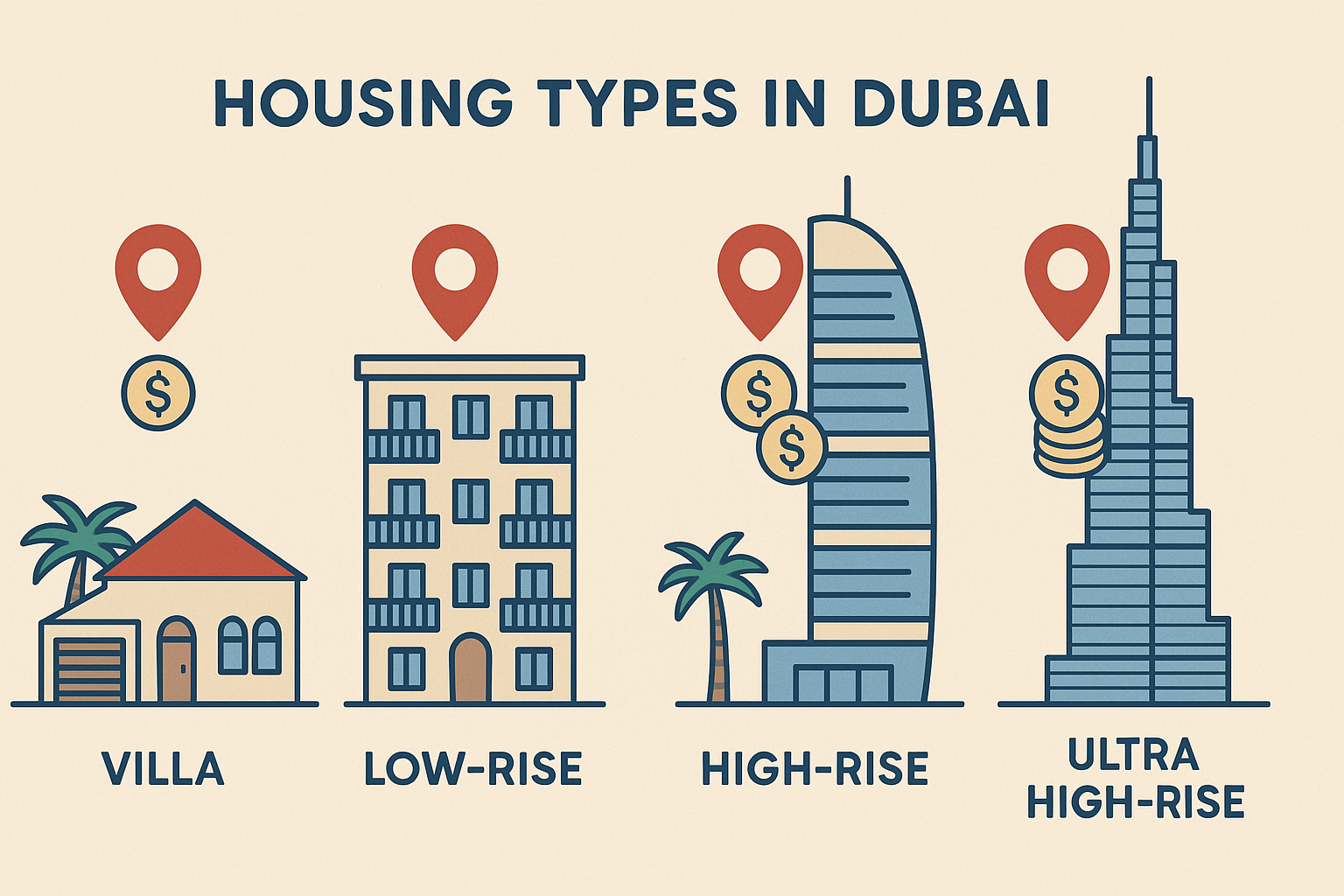
Company Housing vs. Cash Allowance: The Strategic Choice
Negotiating between company-provided housing versus cash allowances based on market conditions and personal circumstances can significantly impact your net compensation. The right choice depends on your lifestyle preferences and current market dynamics.
Shared Housing: The Salary Boost Strategy
Data analysts who accept shared company housing can often negotiate higher base salaries since companies save on individual accommodation costs. This trade-off can result in higher overall compensation while reducing your housing expenses.
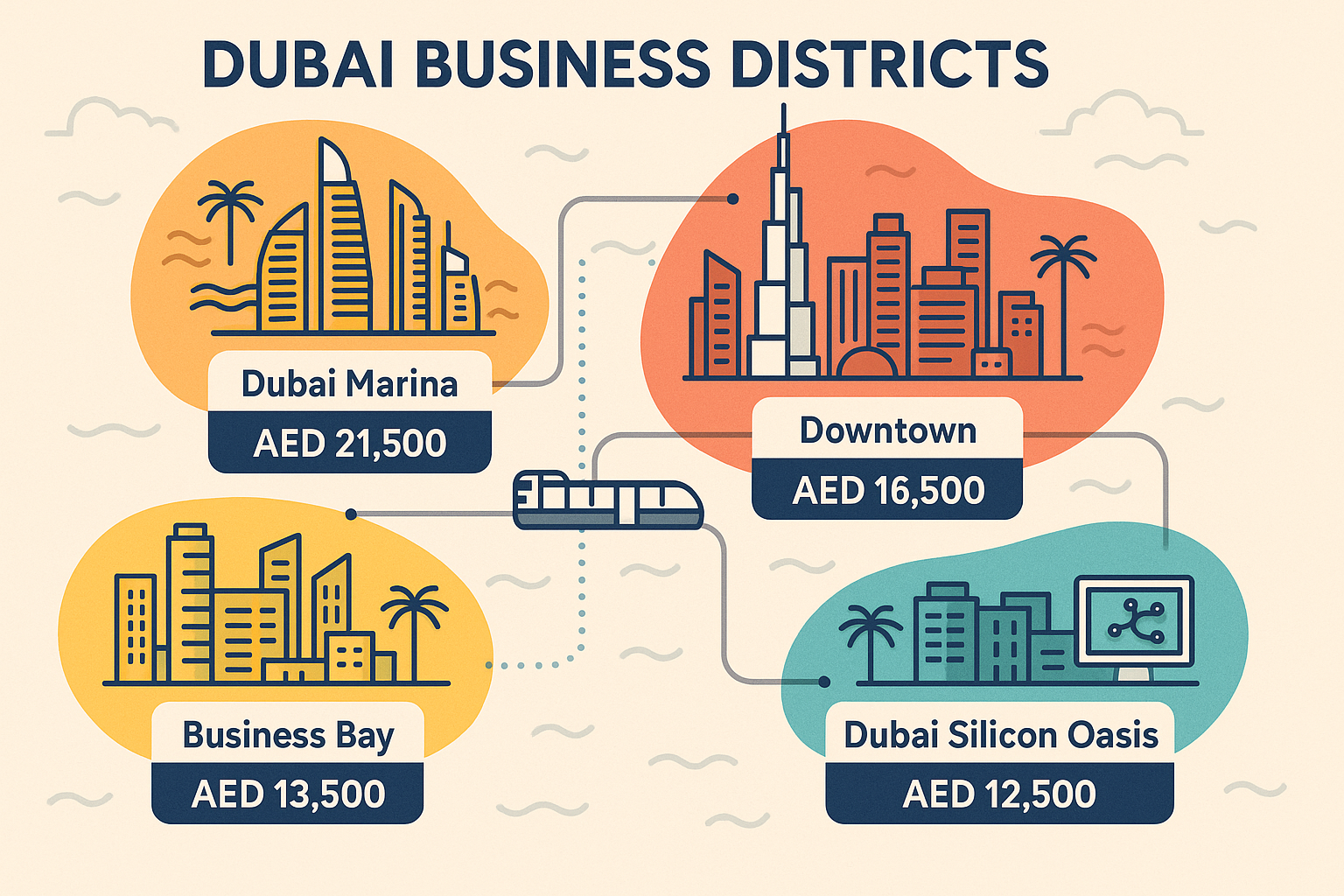
Marina vs. Downtown vs. Silicon Oasis: The Cost Differential Game
Marina looks amazing, but it’s a money pit. You’ll pay premium rent to live in a tourist area where everything costs twice as much. Downtown is prestigious but parking alone will cost you 500 AED monthly. Silicon Oasis is boring but your money goes twice as far.
Do the math on your total monthly costs, not just rent. Include parking, utilities, internet, transportation – everything. You might find that “cheap” apartment in Marina actually costs more than the “expensive” one in Silicon Oasis once you factor in all the hidden costs.
Strategic location choices within Dubai create 15,000-30,000 AED annual savings that effectively increase your purchasing power. Marina’s premium lifestyle costs versus Silicon Oasis’s emerging tech hub affordability can dramatically impact your real income, while Downtown offers prestige at a premium price point.
The Hidden Commute Cost Calculator
Metro accessibility versus car dependency creates hidden salary impacts of 8,000-15,000 AED annually in transportation costs. Your housing choice doesn’t affect rent alone – it determines whether you’re spending money on metro cards or car payments, insurance, and parking fees that can eat into your salary significantly.
Housing Cost Optimization Template:
-
Base Salary: _______ AED
-
Housing Allowance: _______ AED
-
Actual Housing Cost: _______ AED
-
Transportation Costs: _______ AED
-
Utilities & Internet: _______ AED
-
Net Housing Savings: _______ AED
-
Effective Salary Increase: _____%
The Family Status Salary Multiplier
If you have kids, you’re playing a completely different game. Companies expect to pay more for family packages, and education allowances alone can be worth 40,000-80,000 AED annually.
But here’s the catch – those dependent visas aren’t free. Each family member costs you 3,000-5,000 AED yearly in visa fees. Factor that into your negotiations because companies often forget about these costs when they’re calculating your total package.
Family versus bachelor status dramatically affects total compensation packages, with family packages often including education allowances worth 40,000-80,000 AED annually. Understanding these multipliers helps you negotiate comprehensive packages that account for your actual living situation and needs.

School Fee Negotiations: The Parent’s Secret Weapon
Data analysts with children can negotiate education allowances that exceed actual school costs, creating additional income streams. Companies often budget standard amounts for education benefits, but savvy parents can structure these allowances to maximize value beyond covering tuition fees.
Dependent Visa Costs That Eat Into Your Raise
Understanding the 3,000-5,000 AED annual cost per dependent helps you negotiate family status premiums during salary discussions. These aren’t one-time costs – they’re recurring expenses that should factor into your total compensation calculations when comparing offers.
Medical Insurance: The Family Coverage Premium Nobody Calculates
Family medical coverage worth 15,000-25,000 AED annually often goes unaccounted in salary comparisons but represents significant compensation value. When you’re comparing job offers, this benefit can make a lower base salary actually more valuable than a higher one without comprehensive family coverage.
Business Relationship Access: The Relationship ROI
Data analysts who gain entry to informal business councils see accelerated career growth and salary increases through relationship building rather than traditional corporate ladders. These aren’t networking events you can buy tickets to – they’re invitation-only gatherings where real business decisions get made.
August Hiring Desperation: When Companies Pay Premium
Companies scrambling to fill positions before September often offer above-market salaries and accelerated benefit packages to available candidates. If you can handle Dubai’s summer heat and maintain availability during peak vacation season, you’ll find employers much more flexible with compensation packages.
Winter Return Negotiations: The September-October Sweet Spot
The September-October return period when companies reassess staffing needs and expatriates return from summer breaks creates optimal conditions for salary discussions. This timing coincides with new fiscal year planning and budget allocations, making it ideal for compensation conversations.
Understanding data analyst salary in UAE trends becomes crucial during these peak negotiation windows.
Hajj Season Staffing Premiums: The Temporary Goldmine
Temporary salary increases during Hajj season when local staff take extended leave create short-term earning opportunities for available expatriate analysts. These aren’t permanent raises, but they can provide significant income boosts and demonstrate your value to employers during critical periods.
HRD and Embassy Authentication: The Timeline That Controls Your Career
The 3-6 month document authentication process creates specific negotiation windows where temporary contracts at reduced rates can transition to full packages upon completion. Understanding these timelines helps you plan career moves and avoid getting stuck in lower-paying temporary positions longer than necessary.
Many professionals discover they need to obtain diplomas from institutions that have closed during the UAE attestation process, creating additional complexity in their career timeline.
Document Authentication Timeline Checklist:
-
University transcript requests: 2-4 weeks
-
Home country attestation: 4-6 weeks
-
UAE Embassy verification: 3-4 weeks
-
MOFA attestation in UAE: 1-2 weeks
-
Ministry of Education verification: 2-3 weeks
-
Total process time: 3-6 months
Portfolio Presentation Strategy: Maintaining Professional Image
Using high-quality diploma replicas from ValidGrad for client presentations and office displays while original documents undergo attestation ensures your professional appearance doesn’t suffer during transition periods. Your office wall shouldn’t look empty because your real diploma is stuck in a government office somewhere.
Professional presentation requires understanding proper diploma framing and display techniques that maintain credibility throughout the attestation process.

Interview Confidence During Documentation Delays
ValidGrad’s replica certificates help analysts maintain confidence during the interview process when original documents are tied up in government offices, preventing missed opportunities due to documentation delays. You shouldn’t have to explain why you can’t show your credentials during the most important career conversations.
The data analyst salary in Dubai market moves quickly, and documentation delays can cost you prime opportunities if you’re unprepared.
How ValidGrad Keeps Your Career Moving During Bureaucratic Delays
Look, I get it – you need your real documents attested properly. But you also can’t afford to put your career on hold for six months while government offices shuffle paperwork around.
This is where you need to be smart about maintaining your professional image. When your original diploma is stuck in some ministry office, you still need something professional-looking for interviews, office displays, and client presentations.
ValidGrad’s replica diplomas aren’t about cutting corners – they’re about keeping your career moving while you jump through all the official hoops. Your office wall shouldn’t look empty because your real diploma is buried in bureaucracy somewhere.
When facing documentation challenges, professionals often need high-quality replica diplomas to maintain their professional standing during the lengthy UAE attestation process.
The key is using these strategically while you’re going through proper attestation. Think of it as professional insurance – you’re covered while the official process plays out.

Final Thoughts
Dubai’s data analyst salary landscape operates on hidden rules that traditional compensation surveys never capture. Your earning potential depends on understanding cultural dynamics, timing your moves strategically, and navigating bureaucratic processes that can make or break career opportunities.
The most successful analysts I’ve observed don’t focus solely on base salary numbers – they optimize their total compensation through housing strategies, leverage cultural competencies for premium positioning, and time their career moves around Dubai’s unique business cycles.
Bottom line: Don’t let paperwork kill your momentum. While you’re waiting for attestation, keep interviewing, keep networking, and keep your professional game strong. The Dubai job market moves fast, and you can’t afford to sit on the sidelines for months because of documentation delays.
Your career is too important to pause for bureaucracy. Stay professional, stay visible, and keep moving forward while the official wheels turn slowly in the background.
When document authentication delays threaten to derail your career momentum, ValidGrad’s professional documentation solutions ensure you never miss critical opportunities while navigating UAE bureaucracy. Ready to maintain your professional edge during the attestation process? Explore ValidGrad’s diploma solutions and keep your career moving forward.