
Here’s what nobody tells you about stockbroker salaries: that $46,382 entry-level figure you see online? It’s basically meaningless. The real money isn’t in your base pay—it’s in everything else. We’re talking commissions, bonuses, and performance incentives that can multiply your income several times over.
Table of Contents
-
Understanding the Real Money Behind Stock Broker Compensation
-
Where You Work Actually Matters More Than You Think
-
Industry Specialization Can Make or Break Your Paycheck
-
Building Your Career (And Bank Account) the Smart Way
-
Daily Responsibilities That Directly Impact Your Earnings
-
How ValidGrad Supports Your Professional Journey
TL;DR
-
Stock broker salaries aren’t just about base pay – commissions and bonuses often make up 60-80% of total compensation
-
Location dramatically affects earnings, with NYC brokers earning 20-40% more than national averages
-
Specializing in institutional clients or complex instruments can boost your salary by 15-30%
-
Entry-level brokers start around $35K-$55K base, but total compensation can reach six figures quickly
-
Professional certifications and client relationship building are your fastest paths to higher earnings
-
The difference between retail and institutional brokerage can mean tens of thousands in annual income
Understanding the Real Money Behind Stock Broker Compensation
Most people have no clue how broker compensation actually works. They think it’s like any other job—show up, do your work, get your paycheck. Wrong. Your income has multiple moving parts, and base salary is just the foundation while you build your client book.

Think of it this way: your base salary keeps the lights on while you’re learning the ropes and building relationships. But within a few years, if you’re any good at this, your commissions and bonuses will dwarf that guaranteed income. I’ve seen brokers making $300K total while their base was still under $80K.
The Foundation: Base Salary Breakdown
Your base salary is like training wheels—it’s there for security while you figure out how to actually make money in this business. But don’t get too comfortable with it, because the real growth happens when you start bringing in clients and generating revenue.
Starting Out: What New Brokers Actually Make
Fresh out of college or switching careers? You’re looking at $35,000-$55,000 base salary to start. Most firms have training programs where they’ll pay you around $40K-$50K for your first six to twelve months while you study for licensing exams and learn not to lose people’s money.
Here’s the deal: you’re basically getting paid to learn skills that could eventually earn you six figures. The catch? Once training ends, you need to start producing. Fast.
PayScale research shows entry-level brokers with less than a year of experience average $54,045 total compensation, which includes base plus any early commissions or bonuses.
My buddy Jake started at a major firm making $42K base. Sounds terrible, right? But by month eight, he was generating small commissions from practice trades. By year-end, his total take-home hit $62,000 through base pay, commissions, and a training completion bonus.
For anyone considering this path, it’s worth understanding whether a college degree is worth the investment since most firms require one, and you’ll be competing against other finance graduates.
Mid-Career Momentum: The $60K-$90K Range
Stick around for three to seven years without completely bombing, and your base climbs to $60,000-$90,000. At this point, you’ve proven you can keep clients happy and generate consistent revenue, so firms start investing more in keeping you around.
But here’s where it gets interesting. Your base might be $75,000, but if you’re decent at building relationships, your total compensation could easily hit $150,000-$200,000 with commissions and bonuses. I’ve seen brokers at this level making more than their managers because they had strong client books.
This is when you realize the power of compound relationships. Your established clients start referring their friends, and suddenly your income growth accelerates without you working twice as hard.
Senior Level: Breaking the $100K Base Barrier
Senior brokers and those moving into management roles often command base salaries exceeding $100,000. At major firms, top performers can negotiate significantly higher guaranteed compensation based on their track record.
Once you’re consistently generating seven-figure revenue for your firm, they’ll pay handsomely to keep you from walking across the street to a competitor. Base salaries of $150,000-$200,000+ aren’t uncommon for proven producers.
When you’re starting out, expect around $35K-$55K base. Not exactly champagne money, but stick with me. By your third year, assuming you don’t completely bomb, that base jumps to $60K-$90K. But here’s the kicker—your total take-home could hit $200K because of commissions. Senior brokers? They’re playing a different game entirely, with bases over $100K and total comp that can reach half a million.
Where the Real Money Lives: Commissions and Performance Pay
This is where things get spicy. Commission structures and performance bonuses represent the majority of most brokers’ income. Understanding how these systems work—and how they vary between firms—is crucial for maximizing your earning potential.

Commission rates can make or break your financial success. The difference between a 35% and 50% commission rate on the same revenue generation can mean tens of thousands of dollars annually.
Commission Rates: Not All Firms Are Created Equal
Full-service brokerages typically offer commission rates between 35-50% of the revenue you generate. Here’s what that looks like in real numbers: if you generate $500,000 in revenue and your firm pays 40% commission, you’re looking at $200,000 just from commissions. Add your base salary and bonuses, and you can see how total compensation quickly surpasses what most people think brokers make.
The key is understanding which model fits your strengths. High transaction volume with lower margins? Or fewer, higher-value client relationships? Your commission structure should match your approach.
Industry data shows brokers earn an average yearly bonus of $5,833 and profit share of $5,129, but these figures only represent guaranteed bonus components, not the performance-based commissions that often dwarf base compensation.
Smart brokers negotiate their commission structures aggressively after proving they can generate consistent revenue. Firms would rather pay higher commissions than lose productive brokers to competitors.
Bonus Systems: The Wild Card in Your Compensation
Annual bonuses can range from 20% to 200% of your base salary, depending on your individual performance, team results, and overall firm profitability. These bonuses often make the difference between a good year and a great year financially.
Bonus calculations vary wildly between firms. Some focus purely on your individual numbers, while others factor in team performance or firm-wide profitability. The best performers I know have learned to game these systems (legally, of course) to maximize their bonus potential.
Understanding your firm’s bonus structure lets you strategically time transactions and client acquisitions to maximize your annual payout. Sometimes this means delaying gratification for bigger rewards, but it’s worth it.
The Hidden Value: Benefits and Perks
Don’t overlook the benefits package when evaluating total compensation. Comprehensive benefits add significant value—often $15,000-$25,000 annually—and vary dramatically between firms.
Health and Retirement: The Basics That Add Up
Most established firms provide full health insurance, dental, vision coverage, and 401(k) matching programs. While these might seem standard, the quality and employer contribution percentages vary significantly.
A firm that covers 100% of your health premiums and matches 6% on your 401(k) is essentially giving you thousands more per year than a firm with basic coverage and minimal matching. Don’t overlook this stuff when evaluating job offers.
Here’s what to evaluate: base salary ranges for your experience level, commission structure and payout percentages, bonus calculation methods, health insurance coverage and employer contributions, 401(k) matching programs and vesting schedules, plus additional perks like professional development allowances.
Professional presentation matters in financial services, and knowing how to properly display certificates on your office wall can enhance credibility with high-net-worth clients who expect polished professionalism.
Where You Work Actually Matters More Than You Think
Location isn’t just about lifestyle—it’s about money. Major financial centers command premium salaries, but you need to weigh those higher earnings against cost of living and quality of life factors.

Geography affects everything from client base quality to competition levels and regulatory environments. Choose your location strategically, and you can dramatically impact your lifetime earnings.
The New York Premium: Is It Worth the Hype?
Brokers in New York, particularly Manhattan’s financial district, typically earn 20-40% more than the national average. But here’s the reality check: higher cost of living means your actual purchasing power might not be as impressive as those salary numbers suggest.
Wall Street: Where the Big Money Really Lives
Brokers at prestigious Wall Street firms can earn total compensation packages ranging from $150,000 to $500,000+ annually, with top performers reaching seven-figure incomes. These positions are highly competitive and demanding, but the financial rewards can be extraordinary.
I know brokers who’ve made more in a single bonus than most people make in three years. But they’re also working 70-80 hour weeks and dealing with incredible pressure. The money’s there if you can handle the lifestyle.
Recent regulatory actions highlight the importance of compliance in high-stakes markets. “UBS Wealth Management USA’s broker-dealer has agreed to pay $3.5 million over allegations that it failed to supervise brokers’ short-term trading in syndicate preferred stock” according to AdvisorHub, demonstrating how regulatory oversight affects major firms and their brokers.
Working on Wall Street means operating in an environment where million-dollar mistakes can happen, but so can million-dollar opportunities. The pressure is intense, but the financial rewards can be life-changing.
Cost of Living Reality Check
While New York salaries are higher, housing and living expenses can eat up much of that premium. A $200,000 salary in Manhattan might provide similar purchasing power to $140,000 in a secondary market when you factor in rent, taxes, and daily expenses.
Geographic salary variations are significant—PayScale reports that brokers in Los Angeles earn 146% more than the national average, while brokers in St. Louis, Missouri, earn 26% less, highlighting the dramatic impact of location on compensation.
Running the numbers on take-home pay after living expenses often reveals that secondary markets offer better quality of life for similar purchasing power.
Secondary Markets: The Sweet Spot for Many Brokers
Cities like Chicago, San Francisco, Boston, and Los Angeles offer competitive salaries while potentially providing better work-life balance and more reasonable living costs than New York.
Regional Financial Centers: Best of Both Worlds
These markets typically offer salaries 10-25% above national averages, with total compensation packages ranging from $80,000 to $300,000 depending on experience and firm size. You get access to sophisticated clients without the crushing overhead of Manhattan.
Chicago’s been particularly attractive lately. You’ve got access to major institutional clients, reasonable housing costs, and firms willing to pay competitively to attract talent away from the coasts.
Take my former colleague Mike. He was grinding 70-hour weeks in Manhattan, making decent money but burning out fast. When he moved to Chicago, his base dropped $10K, but his commission rate jumped from 35% to 45%. Plus, his rent went from $4,500 to $1,800. Do the math—he came out way ahead, with better work-life balance and lower stress.
Choosing regional markets strategically often leads to higher net worth accumulation despite lower gross salaries.
Remote Work: The Game Changer
Smaller cities and remote positions are becoming more viable options, offering competitive compensation while significantly reducing living costs and improving quality of life. Technology has made it possible to serve high-net-worth clients from virtually anywhere.

Industry Specialization Can Make or Break Your Paycheck
Not all broker jobs are created equal. Different sectors within the industry offer varying compensation levels, and specialized roles often command premium salaries due to expertise requirements and the complexity of client needs.
Developing specialized expertise lets you command premium compensation and build a more defensible competitive position in the market.
Institutional vs. Retail: Two Different Worlds
The distinction between serving institutional clients versus individual retail investors significantly impacts your earning potential and career trajectory. Each path requires different skills and offers different rewards.
Choosing between institutional and retail clients is essentially choosing between two completely different career paths with vastly different compensation structures.
Institutional Sales: Where the Big Transactions Happen
Brokers serving pension funds, mutual funds, and corporate clients typically earn higher base salaries ($80,000-$150,000) with larger commission opportunities due to the size of transactions involved. A single institutional trade might generate more commission than dozens of retail trades.
When you’re moving millions of dollars in a single transaction, even small commission percentages add up quickly. I’ve seen institutional brokers make their entire year’s salary on a handful of major trades.
The regulatory environment continues to evolve, as evidenced by recent SEC actions. “Robinhood Securities and Robinhood Financial have agreed to pay US$45 million in combined civil penalties to settle charges arising from their brokerage operations” according to Securities Finance Times, highlighting the importance of compliance in modern brokerage operations.
Working with institutional clients means operating in a high-stakes environment where relationships can take years to develop but generate enormous revenue once established.
Retail Wealth Management: Building Long-Term Relationships Retail-focused brokers may start with lower base salaries but can build substantial recurring income through asset management fees and long-term client relationships. The key is developing a book of affluent individual clients who trust you with their financial futures. Focusing on retail clients means building wealth through recurring relationships rather than single large transactions. This approach requires patience but often provides more stable long-term income.
Specialized Markets: Where Expertise Pays Premium
Brokers who develop expertise in specific sectors or investment types often command premium compensation due to their specialized knowledge and the higher value they provide to clients with complex needs.
Becoming an expert in niche markets lets you charge premium fees and face less competition from generalist brokers.
Options and Derivatives: Complex Products, Higher Pay
Brokers specializing in complex financial instruments typically earn 15-30% more than generalist brokers due to the technical expertise required and higher transaction values involved. These products require additional licensing and ongoing education.
The learning curve is steep, but once you master options strategies and derivatives, you become incredibly valuable to both your firm and your clients. Not many brokers can explain complex hedging strategies or structure sophisticated trades.
Here’s how specialization affects compensation: Options/derivatives specialists earn 15-30% above base with additional licensing requirements, serving institutional investors and sophisticated individuals. International markets specialists earn 20-35% above base with foreign market certifications, serving multinational corporations and global funds. Fixed income specialists earn 10-25% above base with bond specialization, serving insurance companies and pension funds. Alternative investment specialists earn 25-40% above base with alternative investment credentials, serving high-net-worth individuals and family offices.
Mastering complex instruments often puts you in high demand, with firms competing aggressively to retain your expertise.
International Markets: Global Opportunities
Brokers with expertise in foreign markets or serving international clients can command premium compensation, especially in major financial centers with global client bases. Language skills and cultural knowledge become valuable assets.
Here’s the development path: master domestic markets and obtain core licenses, develop language skills relevant to target markets, study international market regulations and trading hours, build relationships with foreign institutional clients, obtain additional certifications for international trading, and establish expertise in currency hedging strategies.
Developing international expertise opens doors to clients and opportunities that most domestic -focused brokers never access.
Building Your Career (And Bank Account) the Smart Way
Want to make real money? Focus on these two things: strategic career development and relationship building. These are the primary drivers of long-term income growth in this business.
The job description evolves significantly as you advance—senior brokers focus more on relationship management and strategic planning than transaction execution.
Professional Development: Investing in Your Future Earnings
Advancing in this industry requires continuous education and certification maintenance. Each additional license or certification can increase your earning potential by 10-25% and open doors to more lucrative client segments.
For many professionals, maintaining proper documentation of their achievements is crucial, and understanding how to replace lost diplomas ensures your credentials remain properly displayed and accessible for career advancement opportunities.
Licensing and Certifications: Your Ticket to Higher Pay
Obtaining advanced licenses (Series 7, 63, 65, 66) and professional certifications (CFA, CFP) demonstrates expertise and allows you to offer more comprehensive services to clients, directly translating to higher fees and commissions.
Here’s your roadmap: Complete your Series 7 within the first year, pursue CFA designation within 3-5 years, maintain continuing education requirements, and consider specialized certifications based on your target client segments. Each step opens new revenue opportunities.
Your timeline should look like this: Year one, complete Series 7 and Series 63 exams. Year two, add Series 65/66 for investment advisory services. Years three through five, begin the CFA program (three levels, 100+ hours study each). Year five and beyond, consider specialized certifications like CFP, CAIA, or FRM. Ongoing, maintain continuing education requirements and attend industry conferences.
Brokers who invest in continuous education consistently outearn peers who rely solely on experience without formal advancement of their credentials.
Client Relationships: The Foundation of Success
Developing a strong, loyal client base is the primary driver of long-term income growth. Successful brokers focus on building deep relationships with affluent clients who generate higher fees and provide valuable referrals.
High-Net-Worth Clients: Where the Real Money Is
Brokers who successfully build relationships with affluent clients can dramatically increase their earning potential. These clients typically generate higher fees, make larger transactions, and are more likely to refer other wealthy individuals.
Network within affluent communities, develop expertise in wealth management strategies, obtain necessary licenses for investment advisory services, and create comprehensive financial planning capabilities. One high-net-worth client can be worth dozens of smaller accounts.
Consider James, a broker who focused exclusively on physicians in his metropolitan area. By developing expertise in medical practice financial planning, student loan strategies, and disability insurance, he built a client base of 85 doctors with an average account size of $750,000. His specialized knowledge allowed him to charge premium fees and generate $340,000 in annual income within five years.
Targeting specific affluent demographics lets you build expertise that commands premium pricing and generates strong referral networks.
Referral Networks: Your Growth Engine
Building strong referral relationships with attorneys, accountants, and other financial professionals provides a steady stream of qualified prospects and increases client acquisition efficiency. These relationships often become your most valuable business asset.
Identify complementary professionals in your market, develop formal referral partnerships, provide value through market insights and educational content, and maintain regular communication with your network. The best brokers I know get 60-70% of their new clients through referrals.

Building systematic referral relationships creates a sustainable competitive advantage that compounds over time.
Daily Responsibilities That Directly Impact Your Earnings
Here’s what you’ll actually be doing day-to-day, and how well you execute these tasks determines your long-term earning potential.
Brokers who master time management and focus on high-value activities consistently outperform peers who get bogged down in administrative tasks.
Core Functions: The Revenue-Generating Activities
Brokers serve as intermediaries between investors and securities markets, with specific responsibilities that directly correlate to income generation. Mastering these core functions is essential for maximizing your earning potential.
Portfolio Management: Keeping Clients Happy and Invested
Managing client investment portfolios requires ongoing market analysis, risk assessment, and strategic rebalancing. Successful portfolio performance directly correlates to client retention, asset growth, and referral generation—all of which boost your income.
Your ability to grow client portfolios while managing risk determines whether clients stick with you long-term. Happy clients with growing accounts tend to invest more money and refer their friends. It’s a virtuous cycle that compounds your earning potential.
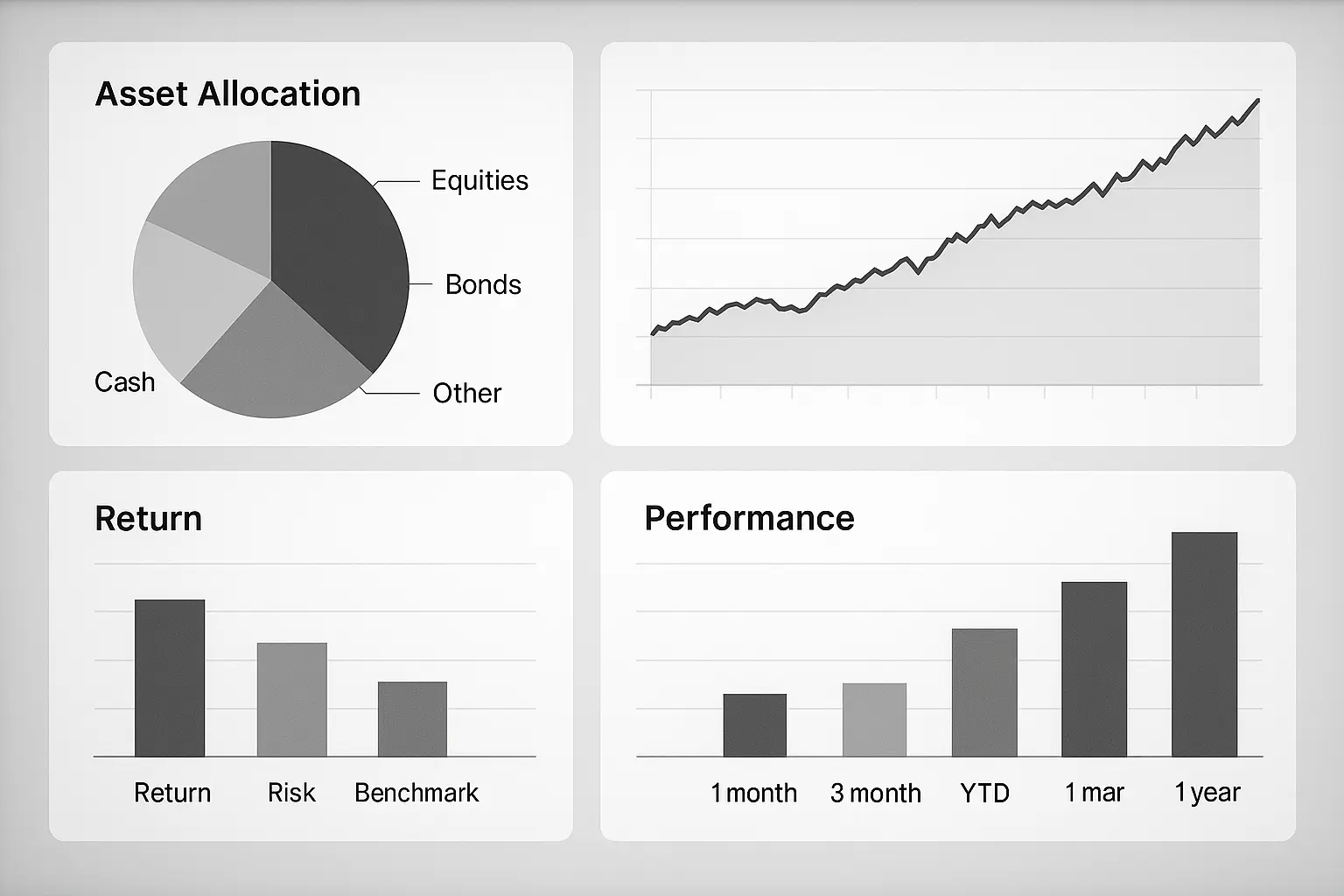
Brokers who consistently deliver strong risk-adjusted returns build reputations that attract high-net-worth clients and generate premium fees.
Market Research: Your Value Proposition
Conducting thorough market research and providing investment recommendations forms the foundation of your value proposition to clients. Brokers who consistently provide valuable insights command higher fees and maintain stronger client relationships.
For professionals displaying their credentials, understanding proper framed college diploma display techniques can enhance office presentation and build client confidence in your professional qualifications and expertise.
Advanced Services: Expanding Your Revenue Streams
Brokers who expand beyond basic trade execution to comprehensive financial services can significantly increase their revenue streams and create more predictable income through recurring fees.
Financial Planning Integration: Recurring Revenue Gold Mine
Offering comprehensive financial planning services allows brokers to charge advisory fees in addition to transaction commissions, creating more stable and predictable income streams. This shift from transactional to relationship-based revenue is where many successful brokers focus their energy.
Instead of just executing trades, you become their trusted financial advisor for retirement planning, tax strategies, and major financial decisions. This deeper relationship justifies higher fees and creates stickier client relationships.
Your daily revenue-generating activities should include: reviewing and updating client portfolios (30-45 minutes), conducting market research and analysis (60-90 minutes), client communication and relationship maintenance (2-3 hours), prospecting and business development (1-2 hours), administrative tasks and compliance (30-60 minutes), and professional development and continuing education (30 minutes).

Salary potential increases dramatically when daily activities focus on relationship building and value-added services rather than purely transactional work.
How ValidGrad Supports Your Professional Journey
While building a successful career requires legitimate education and proper licensing, ValidGrad understands that professionals sometimes need backup documentation for their achievements. Whether you’ve lost your original diploma or need replacement documentation for professional display purposes, ValidGrad’s services can help maintain your professional presentation.
The financial services industry values professional presentation, and having proper documentation displays can enhance credibility with clients. ValidGrad offers high-quality diploma replicas that serve as excellent backup copies for brokers who frequently move between offices, travel for client meetings, or want to display their educational achievements in multiple locations while protecting their original documents.
With quick turnaround times (2-7 business days for physical copies), ValidGrad ensures your professional presentation needs are met efficiently, allowing you to focus on what matters most—serving your clients and building your career in the competitive world of stock brokerage.
Ready to enhance your professional presentation? Visit ValidGrad today to learn more about our diploma replacement services and how we can support your career success.

For professionals who need to maintain their credentials across multiple office locations, understanding replacement diploma options ensures you can maintain professional presentation standards wherever your career takes you.
Final Thoughts
Look, being a stockbroker isn’t for everyone. The hours are long, the pressure is real, and you’ll have months where you question everything. But if you can handle the heat and you’re genuinely good with people, the money is absolutely there. Just don’t expect it to happen overnight, and definitely don’t believe those base salary numbers you see online—they’re only half the story.
Stock broker salaries are far more complex and potentially lucrative than most people realize. While the base salary might seem modest, the real money comes from commissions, bonuses, and performance incentives that can multiply your income several times over.
Your earning potential depends heavily on where you work, who you serve, and how well you build relationships. The brokers making serious money aren’t necessarily the smartest ones—they’re the ones who’ve mastered client relationships, chosen their specializations wisely, and positioned themselves in markets where their skills are valued.
Remember, this isn’t a get-rich-quick career. Building substantial income takes time, dedication, and continuous learning. But for those willing to put in the work, the financial rewards can be extraordinary. The key is understanding all the factors that influence your compensation and making strategic decisions about your career path from day one.
For those considering this career path, it’s important to evaluate the cost of obtaining the necessary college degree against the potential earnings in the financial services industry to make an informed decision about your educational investment.