
After 10 years in marine engineering, I’ve learned that what you’ll actually earn depends on way more than just your degree. Sure, the field is growing 6 percent from 2024 to 2034 according to the Bureau of Labor Statistics, but the real money comes down to three things: where you work, what you specialize in, and how smart you are about career moves.
The numbers you see in generic salary reports? They rarely tell the complete story. I’ve watched colleagues double their pay by switching sectors, seen fresh grads make or break their careers with their first job choice, and learned that geography can matter more than experience when it comes to your paycheck.
Table of Contents
- Current Market Reality: What Marine Engineers Actually Make
- Breaking Down Entry-Level Expectations
- Mid-Career Growth: Where the Real Money Starts
- Senior Positions: The Big Leagues
- Industry Sectors That Pay the Most
- Naval Architecture: The Premium Specialty
- Boosting Your Earning Power Through Development
- Negotiation Tactics That Actually Work
- How ValidGrad Can Protect Your Career Investment
TL;DR
- Entry-level positions start between $55,000-$85,000 depending on sector and location
- Mid-career professionals with 5-15 years experience typically earn $85,000-$150,000
- Senior positions and executive roles can reach $200,000-$400,000 annually
- Offshore energy sector offers the highest compensation packages
- Geographic location impacts pay by 15-50%, with coastal areas paying premium wages
- Advanced degrees and certifications can increase earnings by 15-35%
- Naval architects command premium salaries of $85,000-$250,000+
- International assignments offer 40-80% salary premiums
- Strategic career moves between sectors can boost pay by 20-40%
Current Market Reality: What Marine Engineers Actually Make
Here’s what surprised me most about marine engineering salaries – they swing wildly based on factors most people never consider. Market dynamics change based on shipping demands, offshore energy projects, and defense spending, creating real opportunities for those who understand these patterns.
If you can land a job designing computer systems for ships, you’re looking at around $165,350 according to Patent Education Series. Those working in deep sea and coastal transportation? They’re pulling in about $139,830. But here’s the thing – these represent the upper tier of what’s possible.
The real question isn’t just “how much do marine engineers make” – it’s understanding how your cost of a college degree investment stacks up against long-term earning potential. I’ve seen engineers make smart financial decisions early that paid dividends for decades.

Entry-Level Expectations: Your First Paycheck Reality Check
Fresh graduates always ask me the same question – what’s the starting salary for a marine engineer right out of college? The answer depends heavily on where you start and which sector you choose. I’ve watched new engineers make career-defining decisions without understanding the long-term implications.
Your educational background matters, but sector selection can make or break your financial foundation. Smart positioning during the job search often means the difference between struggling on $55,000 and building wealth on $85,000 from day one.
| Entry-Level Position | Salary Range | Typical Benefits |
|---|---|---|
| Commercial Shipping | $55,000-$70,000 | Health insurance, retirement plan |
| Offshore Oil & Gas | $65,000-$85,000 | Hazard pay, rotational schedule |
| Defense Contractors | $60,000-$80,000 | Security clearance bonus, federal benefits |
| Cruise Industry | $58,000-$75,000 | Travel benefits, accommodation |
| Naval Architecture Firms | $62,000-$78,000 | Design project bonuses, flexible hours |
What Different Sectors Actually Pay Newcomers
Commercial shipping companies typically offer new engineers $55,000-$70,000 annually. These positions provide steady work and predictable schedules, but you’re starting at the lower end of the pay scale.
Offshore oil and gas positions start higher at $65,000-$85,000. The premium reflects the challenging work environment and specialized skills required. Defense contractors fall somewhere in the middle at $60,000-$80,000, though they often provide security and benefits that aren’t immediately visible in base salary numbers.
Take Sarah – fresh out of Texas A&M with three offers on the table. The safe shipping job paid $58K, but that offshore gig at $72K? Yeah, she took it. The rotational schedule (3 weeks on, 3 weeks off) and higher starting pay aligned with her financial goals. Smart move.
Location Makes or Breaks Your Starting Salary
Geography plays a massive role in determining your initial earning potential. Coastal regions with major ports consistently offer 15-25% higher starting salaries than inland positions. I’ve seen engineers double their earning potential simply by relocating to the right market.
Marine engineers in San Francisco earn the highest average salary at $156,570, while Washington, DC, and Los Angeles follow with $143,160 and $137,530 respectively, according to Patent Education Series. These numbers reflect the premium that major metropolitan areas place on specialized engineering talent.
International opportunities can provide even more dramatic increases of 30-50% over domestic positions. But these come with additional considerations around living conditions and contract terms that require careful evaluation.
Certification Premiums for New Grads
Professional certifications serve as valuable credentials that complement your degree, much like understanding certificates vs diplomas helps clarify different educational achievements that boost earning potential. I always recommend new engineers pursue relevant certifications immediately after graduation.
Professional Engineer (PE) licenses immediately boost starting salaries by 10-15%. Specialized certifications in dynamic positioning or marine surveying can add 8-12% to base compensation. These credentials signal serious commitment and often fast-track new engineers into more responsible positions.
Entry-Level Certification Checklist:
- Complete STCW Basic Safety Training
- Obtain Engineer in Training (EIT) certification
- Pursue relevant API or ASME certifications
- Consider specialized training in dynamic positioning
- Complete maritime security awareness training
- Maintain current CPR/First Aid certification
Mid-Career Growth: Where the Real Money Starts
Here’s where it gets interesting. Marine engineers with 5-15 years of experience enter the field’s sweet spot for salary growth. This career stage offers the most dramatic compensation improvements for those who position themselves strategically. I’ve watched colleagues increase their pay by 50-75% during this critical period through smart specialization choices.
Specialized expertise development and leadership responsibilities create substantial earning increases. Your compensation at this level reflects both technical competency and the ability to manage complex projects and teams.

According to “Interesting Engineering”, demand for marine engineers is projected to grow at 12 percent in the United States, creating increased opportunities for mid-career professionals to command higher salaries and better positions. This growth creates leverage in salary negotiations.
How Specialization Drives Your Paycheck Higher
Naval architects focusing on vessel design command median salaries of $95,000-$130,000. Propulsion system specialists typically earn $85,000-$120,000. But the real money is in offshore engineering specialization at $100,000-$150,000 annually, reflecting the specialized knowledge and challenging work environments these roles demand.
Mark transitioned from general marine engineering to offshore wind farm development after completing specialized training in renewable energy systems. His salary jumped from $78,000 to $115,000 within 18 months, and he now leads installation projects for major wind energy companies along the East Coast. His story shows how strategic specialization can accelerate career growth.
Senior Positions: The Big Leagues
The real game-changer comes when you reach senior positions. These roles combine deep technical expertise with leadership responsibilities, creating compensation packages that reflect critical organizational value.
Chief engineers, project managers, and technical directors have moved beyond individual contributor roles into positions where they shape entire projects and organizations.
Leadership Roles That Pay the Bills
Chief marine engineers on commercial vessels earn $120,000-$180,000 annually. Shore-based engineering managers typically receive $110,000-$160,000. Senior naval architect positions at major shipyards can command $140,000-$200,000 plus performance bonuses, reflecting their critical role in major vessel development projects.
These positions require both technical excellence and proven leadership capabilities. I’ve seen engineers struggle to make this transition because they focused solely on technical skills without developing management competencies.

Executive and Consulting: The Top Tier
Marine engineering consultants with established practices can earn $150,000-$300,000 annually. They leverage their expertise across multiple clients and projects, often working on the most challenging and high-profile assignments in the industry.
Executive positions at major maritime companies offer $200,000-$400,000 with comprehensive benefit packages including equity participation. These represent the field’s ultimate earning potential, reserved for engineers who have demonstrated exceptional technical and business acumen over decades of service.
Industry Sectors That Pay the Most
Different maritime industry sectors offer distinct salary structures and career paths. Understanding these differences has helped me guide countless engineers toward career decisions that maximize long-term earning potential while aligning with personal preferences for work environment and lifestyle.
| Industry Sector | Entry Level | Mid-Career | Senior Level | Key Benefits |
|---|---|---|---|---|
| Offshore Energy | $65K-$85K | $100K-$150K | $160K-$250K | Hazard pay, rotational schedules |
| Commercial Shipping | $55K-$70K | $85K-$125K | $120K-$180K | Travel opportunities, stable employment |
| Defense/Military | $60K-$80K | $90K-$140K | $130K-$200K | Security clearance premiums, federal benefits |
| Cruise Industry | $58K-$75K | $82K-$135K | $125K-$185K | Travel benefits, international exposure |
| Renewable Energy | $62K-$82K | $95K-$145K | $150K-$220K | Growth sector, sustainability focus |
Commercial Maritime: Steady but Varied
The commercial shipping, cruise, and ferry industries provide stable employment with structured salary progressions. Compensation levels vary significantly based on company size and operational scope, with major international operators typically offering the most competitive packages.
Shipping Companies: The Backbone Industry
Major international shipping lines offer marine engineers $75,000-$140,000 for shore positions. Shipboard roles provide $90,000-$160,000 with additional benefits including housing allowances and extended leave periods.
These positions offer excellent work-life balance for those who enjoy rotational schedules. I’ve worked with engineers who prefer the predictability and structure that major shipping companies provide, even if the compensation doesn’t reach the peaks available in other sectors.
Cruise Industry: Travel Meets Engineering
Cruise line marine engineers earn $80,000-$135,000 annually for shore-based positions. Shipboard engineers receive $70,000-$120,000 plus comprehensive benefits including free accommodation, meals, and travel opportunities.
The lifestyle benefits often compensate for slightly lower base salaries compared to other sectors. Engineers in this field get to see the world while building their careers, which appeals to those who value experiences over pure compensation maximization.

Offshore Energy: Where the Big Money Lives
The offshore oil, gas, and renewable energy sectors typically offer the highest compensation packages for marine engineers. These premium salaries reflect the specialized nature of the work, challenging operating environments, and the critical importance of these roles in energy production operations.
The federal government paid marine engineers an average of $101,720 annually in 2018, while some of the top-paying companies include Maher Terminals ($182,000), OSG Ship Management ($151,000), and Manson Construction ($130,000), according to Interesting Engineering. These figures represent the upper tier of what’s achievable in specialized roles.
Oil and Gas Platforms: High Risk, High Rewar d
Marine engineers working on offshore drilling platforms earn $95,000-$180,000 annually. Many positions offer rotational schedules and additional hazard pay that can increase total compensation by 20-30%. The pay reflects both the specialized skills required and the challenging work environment.
These roles demand specialized skills but reward engineers with some of the industry’s highest compensation packages. The work can be demanding, but the financial rewards often justify the challenges for engineers who thrive in high-pressure environments.
Naval Architecture: The Premium Specialty
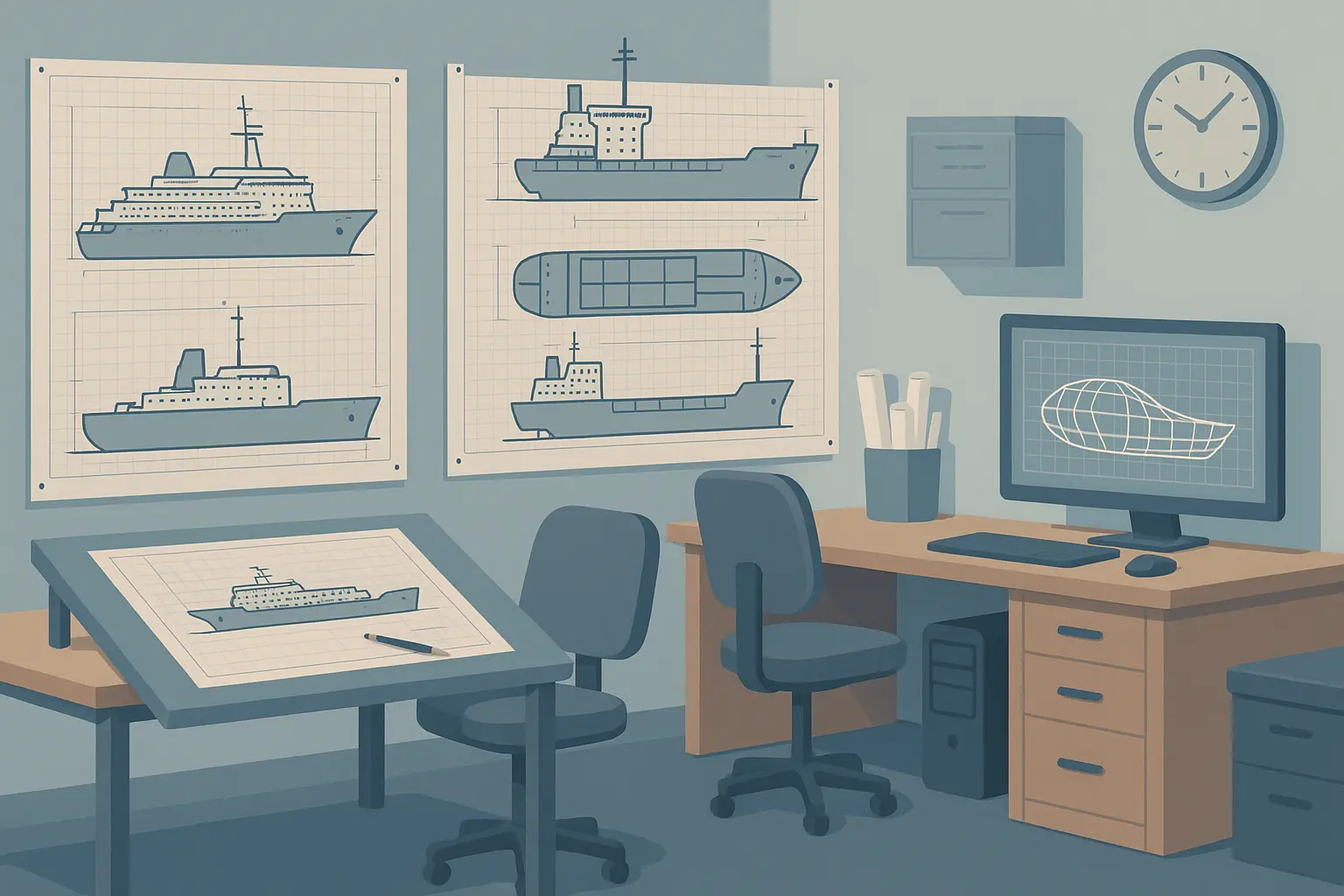
Naval architects represent a specialized subset of marine engineering with distinct salary structures and career paths. Their critical role in vessel development projects and specialized design expertise typically commands premium compensation compared to general marine engineering roles.
Naval architect salaries reflect the specialized nature of this work and the critical importance of design decisions in major maritime projects.
What Naval Architects Actually Earn
Naval architects typically command higher salaries than general marine engineers due to their specialized design expertise. Career progression in this field offers multiple pathways through design firms, shipyards, and government agencies, each with distinct compensation structures and advancement opportunities.
Design Firms: Where Creativity Pays
Naval architects at specialized design firms earn $85,000-$145,000 annually. Senior designers command $120,000-$180,000. Principal naval architects can earn $150,000-$250,000 plus project bonuses and equity participation, reflecting their critical role in major vessel development projects.
Working at design firms offers the opportunity to work on cutting-edge projects and innovative vessel concepts. The compensation reflects both the specialized skills required and the high-value nature of the design work.
Shipyards: Building the Future
Naval architects employed by major shipyards typically earn $90,000-$160,000. Lead naval architects earn $130,000-$200,000. Those specializing in military vessel design often receive 15-20% salary premiums due to security clearance requirements and the specialized nature of defense projects.
Shipyard work provides the satisfaction of seeing designs come to life while offering competitive compensation and career stability.
Government Work: Stability Plus Benefits
Naval architects working for government agencies like NAVSEA earn $95,000-$175,000 (GS-13 to GS-15 levels). Comprehensive federal benefits packages effectively increase total compensation by 25-35% compared to private sector base salaries.
These positions offer excellent job security and retirement benefits. Government work appeals to engineers who value stability and comprehensive benefits over maximum salary potential.
What Drives Marine Engineering Compensation Higher
Multiple variables beyond experience and education significantly impact marine engineering salaries. Company size, project complexity, and specialized requirements create additional earning opportunities for those who understand and pursue these premium positions.
Pay can vary dramatically based on these factors, often more than most people realize.
Jennifer, a naval architect with Top Secret clearance, transitioned from a commercial shipyard ($95,000) to a defense contractor working on submarine projects ($138,000). The security clearance premium, combined with her specialized submarine design experience, resulted in a 45% salary increase and access to exclusive high-value projects.
Company Size Makes a Difference
Marine engineers at Fortune 500 maritime companies typically earn 20-30% more than those at smaller firms. Engineers at industry-leading companies command additional premiums of 10-15% above market rates.
These companies offer better benefits, more advancement opportunities, and greater job security. The premium compensation reflects both the company’s ability to pay and the higher performance standards expected.
Project Responsibility Equals Higher Pay
Engineers managing multi-million dollar vessel construction projects earn $110,000-$180,000, while those overseeing major offshore installations can command $130,000-$220,000. Performance bonuses can add 15-25% to base compensation, rewarding successful project completion and budget management.
Taking on larger projects demonstrates capability and builds the track record necessary for senior positions. I’ve seen engineers accelerate their careers by volunteering for challenging assignments that others avoided.
Security Clearances: The Hidden Salary Booster
Marine engineers with active security clearances for defense projects typically earn 10-20% salary premiums. Top Secret clearances command the highest premiums in the 15-25% range above standard market rates. These clearances open doors to specialized defense projects with premium compensation.
The clearance process takes time and requires background investigation, but the long-term financial benefits make it worthwhile for engineers interested in defense work.

Boosting Your Earning Power Through Development
Strategic career development through education, certifications, and specialized training directly correlates with increased salary potential. Marine engineers who invest in continuous learning consistently outpace their peers in compensation growth and career advancement opportunities.
Investing in professional development is crucial for career advancement, and understanding is it worth it to get a college degree becomes even more relevant when considering advanced education options that can significantly boost your marine engineering salary.
Advanced Education: The Long-Term Investment
Pursuing advanced degrees, professional certifications, and specialized training programs creates measurable salary increases and expanded career opportunities. The investment in education typically pays for itself within 2-3 years through increased earning potential.
Master’s Degrees: The 25% Solution
Marine engineers with Master’s degrees in Naval Architecture, Ocean Engineering, or related fields typically earn 15-25% more than their bachelor’s degree counterparts. The premium increases to 25-35% for those in senior technical or management roles, making advanced education a smart long-term investment.
I’ve watched engineers struggle with the decision to pursue advanced degrees while working full-time. Those who made the commitment consistently reported that the financial benefits exceeded their expectations.
Professional Certifications: Quick Wins
Engineers holding Professional Engineer (PE) licenses see average salary increases of 12-18%. Specialized certifications from organizations like SNAME can add 8-15% to base compensation. These credentials often require less time investment than advanced degrees while providing immediate salary benefits.
Professional Development Checklist:
- Pursue Professional Engineer (PE) license
- Complete SNAME certification programs
- Attend annual industry conferences (OTC, SNAME, ASNE)
- Enroll in specialized software training (AutoCAD, SolidWorks)
- Obtain project management certification (PMP)
Continuing Education: The Compound Effect
Marine engineers who regularly participate in industry conferences, workshops, and technical training programs report 20-30% faster salary progression compared to those who rely solely on on-the-job experience. This ongoing investment in skills development creates compounding returns over time.
Staying current with industry trends and emerging technologies positions engineers for opportunities that others miss. The networking benefits alone often justify the investment in continuing education.
Strategic Career Moves That Pay Off
Understanding how to strategically move between different sectors, companies, and roles within marine engineering can maximize long-term earning potential. Timing these transitions correctly and preparing for new challenges ensures successful career progression.
Your salary can increase dramatically through well-planned career moves that leverage accumulated experience and skills.
The shipping industry continues to be the lifeline of global trade, with skilled seafarers in high demand. According to “Marine Insight”, appropriate training and education from excellent maritime colleges assures placement in reputed shipping companies with better growth prospects and higher salary packages.
Industry Switching: The Big Jump
Engineers transitioning from commercial shipping to offshore energy typically see 20-40% salary increases. Moves from military to civilian positions often result in 15-25% compensation improvements. Geographic relocation may be required, but the financial benefits often justify the lifestyle changes.
Planning these transitions requires careful timing and skill development to ensure success in the new sector.
International Opportunities: The Ultimate Premium
Marine engineers accepting international assignments in regions like the Middle East, Southeast Asia, or Northern Europe can earn 40-80% salary premiums. What marine engineers make in these international roles often surprises people with the substantial compensation packages available.
Additional benefits including housing allowances, education support for children, and tax advantages make these positions extremely attractive for career acceleration. The experience gained working in different regulatory environments and cultural contexts also enhances long-term career prospects.

Negotiation Tactics That Actually Work
Effective salary negotiation and strategic career planning are essential skills for marine engineers seeking to maximize their earning potential. Success requires thorough preparation, market knowledge, and strategic timing to achieve optimal results without damaging professional relationships.
Research-Based Negotiation Strategies
Successful salary negotiations require thorough market research and understanding of company compensation structures. Marine engineers who prepare properly and time their negotiations strategically consistently achieve better results than those who approach negotiations casually.
Know Your Market Value
Marine engineers should utilize resources like the Bureau of Labor Statistics, industry salary surveys from professional organizations, and networking with peers to establish realistic salary expectations. This research provides the foundation for confident, fact-based negotiations that employers respect.
Understanding your position relative to market standards gives you the confidence to negotiate effectively. I’ve seen engineers leave significant money on the table simply because they didn’t research their market value properly.
Salary Negotiation Preparation Template:
- Current market rate research for your position/location
- Documentation of recent accomplishments and projects
- List of additional certifications or training completed
- Comparison of your current compensation to market standards
- Specific salary range target (with justification)
- Alternative compensation options (benefits, flex time, training budget)
Timing Your Ask for Maximum Impact
The most effective salary negotiations occur during annual reviews, after successful project completions, or when taking on additional responsibilities. Engineers typically achieve 5-15% increases through well-prepared negotiations, with timing being crucial to success.
Approaching salary discussions when you’ve recently delivered significant value to the organization strengthens your negotiating position considerably.

How ValidGrad Can Protect Your Career Investment
Marine engineers face unique challenges when it comes to protecting their educational credentials. Whether you’re working on vessels where documents can be damaged by harsh marine conditions, accepting international assignments, or simply want backup copies for multiple office locations, ValidGrad provides professional replacement diplomas services that keep your career on track.
I’ve seen too many engineers struggle with damaged or lost diplomas when applying for international positions or security clearances. ValidGrad’s quick turnaround and high-quality reproductions ensure you can focus on advancing your career while keeping your educational qualifications properly documented and protected.
For professionals concerned about losing your college diploma during frequent relocations or harsh working conditions, having reliable backup documentation becomes essential for career continuity.
Ready to safeguard your marine engineering credentials? Visit ValidGrad today to learn how we can help protect your educational investment.
Final Thoughts
Marine engineering offers solid earning potential across multiple career paths and specializations. Your salary trajectory depends heavily on strategic decisions about sector selection, geographic location, and continuous skill development. The field rewards those who stay current with technology, pursue relevant certifications, and position themselves in high-demand specializations.
Success in maximizing your marine engineering salary comes down to understanding market dynamics and making informed career moves. Whether you’re just starting out or looking to advance to senior positions, the opportunities exist for substantial compensation growth. For those considering the field, exploring types of degrees available can help you choose the educational path that best aligns with your salary goals and career aspirations.
The key is aligning your skills and interests with the sectors and roles that offer the best combination of financial rewards and career satisfaction.