
Want to know a secret? When I tell people I research physician salaries for a living, the first question is always the same: “How much do dermatologists really make?” The answer might surprise you – and it’s way more complicated than just throwing out a number.
The field is exploding right now. Fortune reports a “15% increase of MD applicants in dermatology in the U.S. from 2022 to 2024, according to data from the Association of American Medical Colleges.” But getting in? Still brutal. Less than 70% of applicants match into dermatology residencies, which keeps the money flowing for those who make it through.

Table of Contents
-
The Real Numbers (No BS)
-
What Actually Drives Your Income
-
Smart Career Moves That Pay Off
-
How to Boost Your Earning Power Right Now
-
The Bottom Line
TL;DR
-
New dermatologists start around $300K-$400K while experienced docs can pull $500K-$800K+ annually
-
Private practice typically pays 20-40% more than hospital jobs, but you’ll handle more business headaches
-
Subspecialties like Mohs surgery and cosmetic work can add $100K-$200K to your base income
-
Geographic location matters huge – coastal areas pay more but cost more to live
-
The specialty’s competitiveness keeps salaries artificially high
-
Cash-pay cosmetic procedures offer better profit margins than insurance-dependent medical work
-
Your $200K+ medical school debt is manageable with dermatology’s earning potential
The Real Numbers (No BS)
Let me cut through the noise and give you the actual numbers. According to PracticeLink’s comprehensive salary analysis, the average dermatologist in the U.S. makes approximately $438,000 per year, ranking among the top five highest-paying physician specialties.
But here’s what those averages don’t tell you – the range is massive, and where you fall depends on choices you make throughout your career.

Starting Out vs. Making It Big
Fresh out of residency? You’re looking at $300K-$400K right off the bat. Not bad for your first job, right? But here’s where it gets interesting – stick around for 5-10 years, build your reputation, maybe add some cosmetic procedures to the mix, and suddenly you’re pushing $600K-$800K annually.
I’ve watched this progression happen countless times. The jump from entry-level to mid-career happens faster in dermatology than almost any other medical field. Some practitioners double their income within five years by making strategic moves.
Understanding the educational investment required for such high earning potential is crucial, especially when considering the cost of a college degree and subsequent medical school expenses that dermatologists must navigate.
|
Career Stage |
What You’ll Actually Make |
What Matters Most |
|---|---|---|
|
New Graduate (0-2 years) |
$300,000 – $400,000 |
Location, practice setting, signing bonuses |
|
Mid-Career (3-10 years) |
$450,000 – $600,000 |
Patient base, subspecialty skills, business acumen |
|
Senior/Experienced (10+ years) |
$500,000 – $800,000+ |
Reputation, subspecialty expertise, practice ownership |
|
Top Earners |
$750,000+ |
Cosmetic focus, multiple locations, brand recognition |
Take Dr. Sarah Chen (not her real name). She graduated residency in 2019, started at a Denver hospital making $320K. Three years later, she jumped to private practice and immediately bumped up to $485K. Now she’s pulling in $620K working four days a week. The kicker? She spends Fridays doing Botox and fillers, which basically pays for her mortgage.
Private Practice vs. Hospital: The Real Trade-Off
Private practice pays 20-40% more, but you’re basically running a small business. I’ve watched brilliant doctors struggle because they couldn’t handle the business side, while average clinicians thrived because they understood profit margins and patient flow.
Hospital employment? Lower stress, steady paycheck, someone else deals with insurance headaches and overhead costs. But you’re capped on earning potential, and good luck getting rich working for someone else.
Subspecialties That Actually Pay Off
Certain specialties within dermatology can add serious money to your annual income. We’re talking $100K-$200K bumps, not pocket change.
PracticeLink reports that cosmetic dermatologists can exceed $500,000 per year on average, with experienced practitioners in affluent urban areas earning over $750,000 annually.
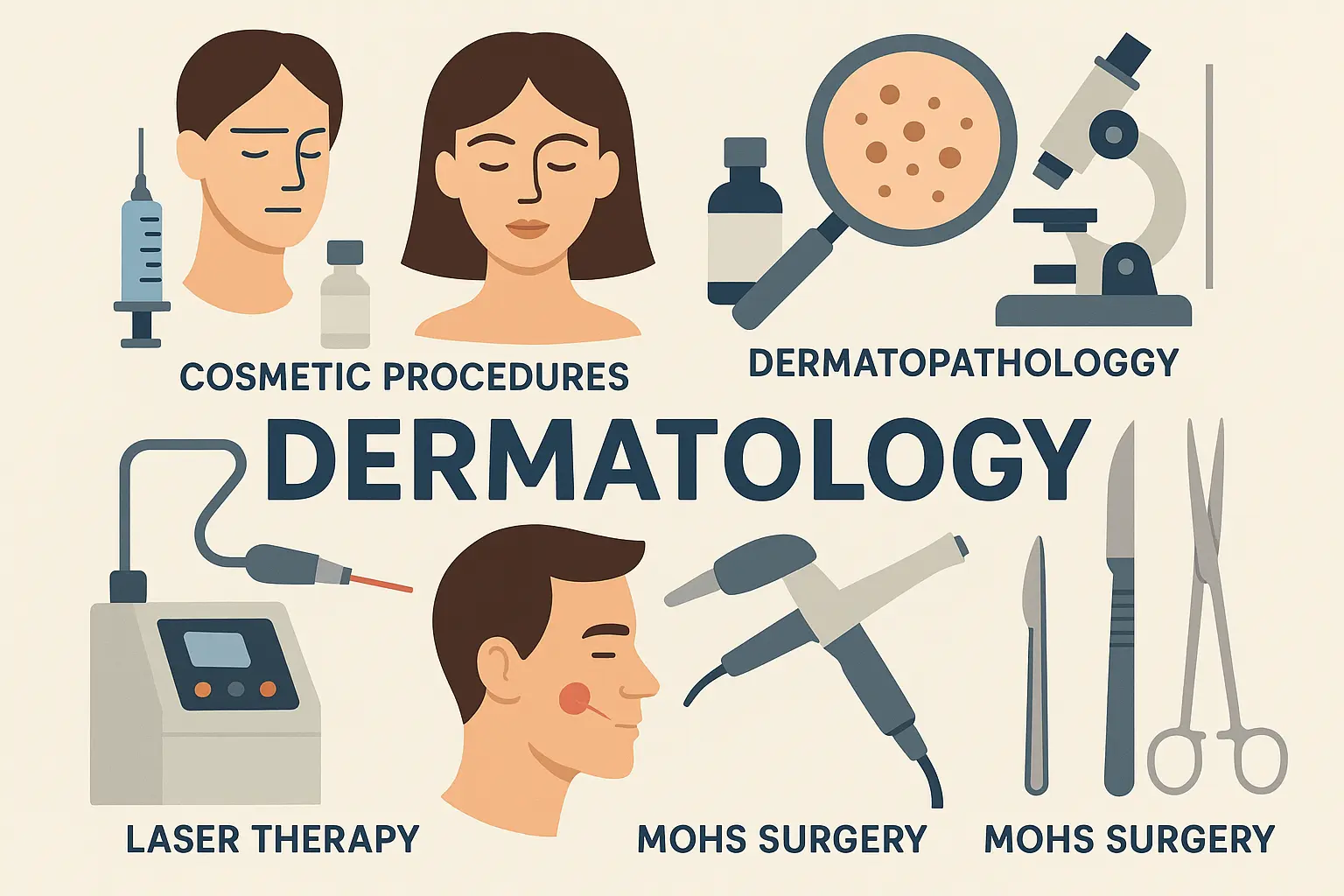
Mohs surgeons, dermatopathologists, and cosmetic specialists sit at the top of the earning pyramid. These aren’t just slight bumps in pay – we’re talking about substantial income differences that justify the additional training time.
Location: Where Geography Hits Your Wallet
Everyone assumes California and New York pay the most. They do – in raw dollars. But when you factor in taxes, housing costs, and quality of life? Some of the smartest financial moves are in places like Wisconsin, Minnesota, or Texas.
I ran the numbers, and sometimes the best-paying states aren’t the obvious ones. Conexiant highlights that “Minnesota offers the highest average salary (~$582K), while Wisconsin provides top-paying opportunities with a favorable cost-to-income ratio and below-average prices.”
|
State |
Average Salary |
Cost of Living Index |
Your Real Buying Power |
|---|---|---|---|
|
Minnesota |
$582,000 |
101.4 |
Excellent |
|
Wisconsin |
$520,000 |
96.8 |
Outstanding |
|
Idaho |
$492,000 |
94.3 |
Exceptional |
|
Pennsylvania |
$478,000 |
98.2 |
Very Good |
|
Texas |
$465,000 |
93.9 |
Excellent |
|
Florida |
$445,000 |
99.6 |
Good |
|
New York |
$412,000 |
139.1 |
Mediocre |
Take Dr. Mike Rodriguez. Left his Manhattan hospital job making $425K to join a rural Montana practice. New salary? $465K plus a $50K signing bonus, $15K annual education allowance, and up to $100K in loan forgiveness. His living costs dropped nearly in half. Sometimes the best financial move isn’t the obvious one.
Rural vs. Urban: The Surprising Truth
Rural practices often throw serious money at specialists to lure them away from cities. You might find better work-life balance, lower overhead costs, and surprisingly competitive compensation in smaller communities.
Urban areas give you diverse patient populations, networking opportunities, and cutting-edge technology, but the competition is fierce and overhead costs can eat into your profits.
Dr. Rodriguez’s story isn’t unique. I’ve seen this pattern repeatedly – specialists leaving high-cost urban markets for rural opportunities that offer better total compensation packages when you factor in cost of living and quality of life.
What Actually Drives Your Income
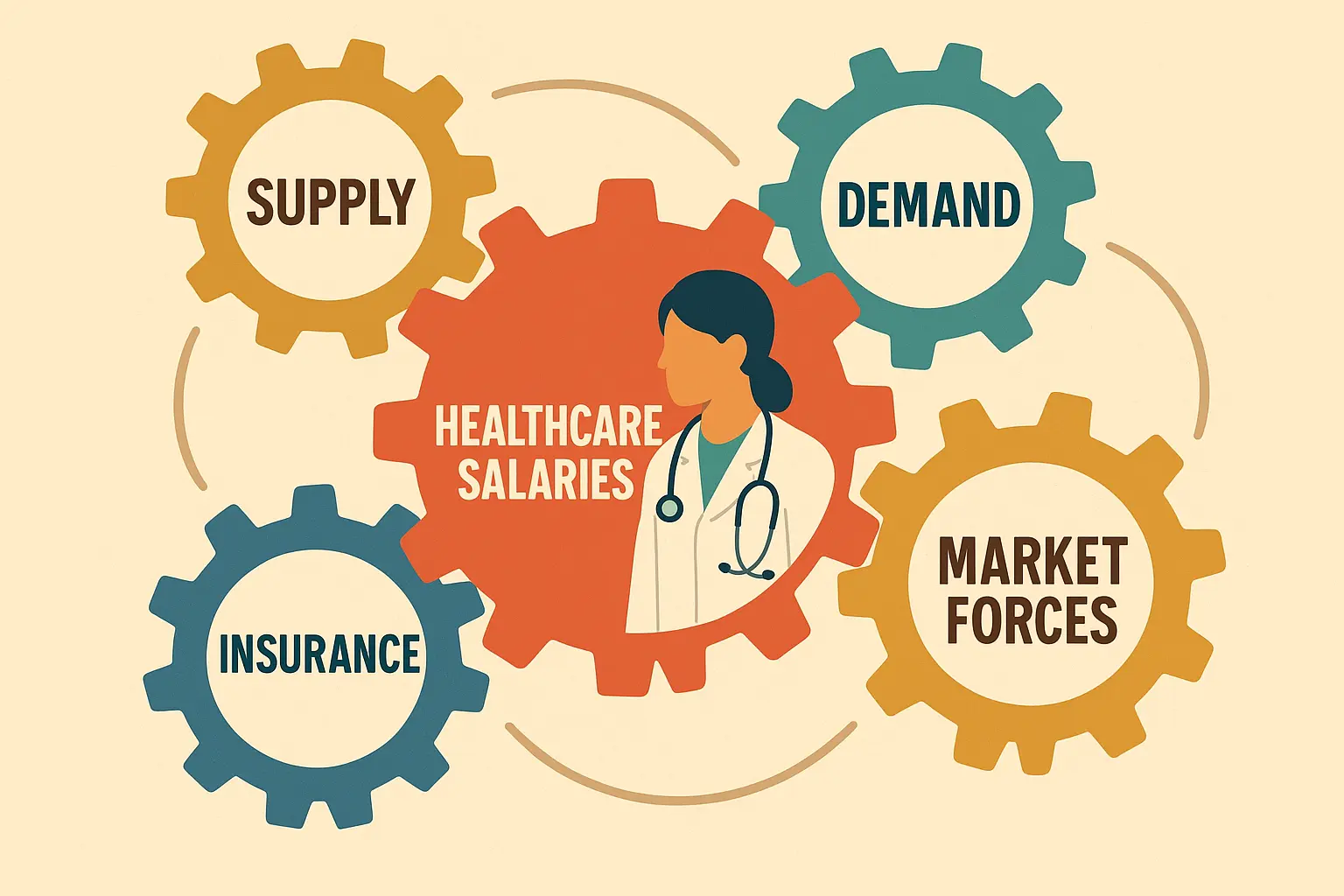
Understanding what influences your paycheck goes way beyond just seeing patients. Multiple economic factors, healthcare policies, and market dynamics directly impact how much money you’ll make throughout your career.
The Scarcity Game
Dermatology stays expensive because there aren’t enough dermatologists. Period. The residency bottleneck isn’t an accident – it’s what keeps your income high. Supply and demand at its finest.
The limited number of dermatology residency positions creates artificial scarcity that supports elevated compensation across all practice settings. When supply remains constrained while demand keeps growing, pay naturally increases to attract and retain qualified practitioners.
Cash vs. Insurance: The Game Changer
Here’s something most people don’t understand about dermatology economics: Medical dermatology (treating actual diseases) involves insurance companies, prior authorizations, declining reimbursement rates, and administrative nightmares.
Cosmetic work? Cash upfront, higher margins, happier patients, no insurance company telling you what you can and can’t do.

Smart dermatologists blend both. You help people with real medical needs AND offer services that pay the bills without insurance company interference. It’s not about abandoning medical dermatology – it’s about creating a sustainable business model that lets you practice good medicine while making good money.
Policy Changes That Hit Your Bottom Line
Healthcare policy shifts, insurance reimbursement cuts, and prior authorization requirements significantly influence how much money practices can generate. These external factors often force practitioners to adapt their business models and service offerings.
I’ve watched practices struggle with declining reimbursement rates while administrative burdens increase. The successful ones adapt by diversifying revenue streams and focusing on higher-margin services that patients actually want.
Smart Career Moves That Pay Off
Strategic career planning in dermatology requires understanding both the financial investment required and the long-term earning potential. This isn’t just about clinical excellence – you need business sense and strategic thinking to reach the highest earning levels.
The Education Investment Reality Check
The path to becoming a dermatologist requires substantial upfront financial investment, but the earning potential typically justifies the costs over a career span. Many aspiring dermatologists worry about educational costs, but understanding whether it’s worth it to get a college degree becomes clear when you consider dermatology’s exceptional earning potential.
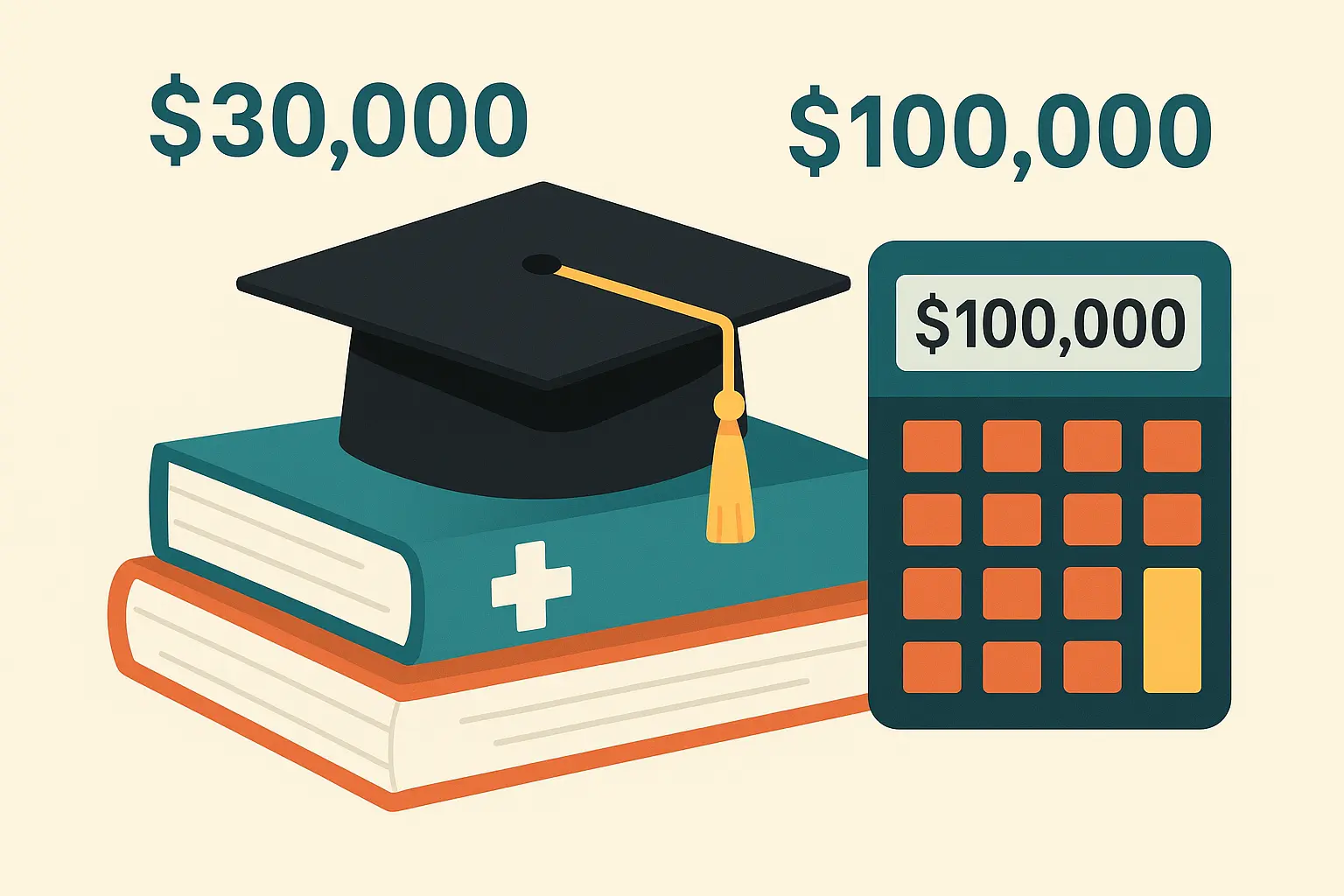
Average medical education debt exceeds $200K for most graduates, but dermatologists’ high earning potential allows for relatively rapid debt repayment compared to other medical specialties. According to the Medical Group Management Association data, dermatologists earn a median salary of $541,000 annually, making debt repayment significantly more manageable compared to pediatricians’ annual median salary of $258,000.
When you compare the debt-to-income ratio, dermatology offers one of the most favorable financial profiles in medicine. That $200K+ in medical school debt looks scary until you realize you’ll be making $400K+ right out of residency. The math works in your favor.
Building a Practice That Actually Makes Money
Successful dermatology practices require more than medical expertise – you need business acumen, marketing skills, and operational efficiency. These factors directly correlate with your income growth and long-term financial success.
Your reputation becomes your most valuable business asset, driving both patient volume and premium pricing opportunities. I’ve seen practitioners with mediocre clinical skills out-earn brilliant doctors who neglect their professional reputation and patient relationships.
Reputation Building Essentials:
-
Develop relationships with 10-15 primary care physicians for referrals
-
Maintain 4.8+ star ratings across Google, Healthgrades, and Vitals
-
Publish monthly educational content on your website and social media
-
Attend quarterly medical conferences and local healthcare networking events
-
Implement patient feedback systems with quick response protocols
-
Create subspecialty expertise in 2-3 specific conditions or procedures
-
Establish partnerships with local medical spas or aesthetic centers
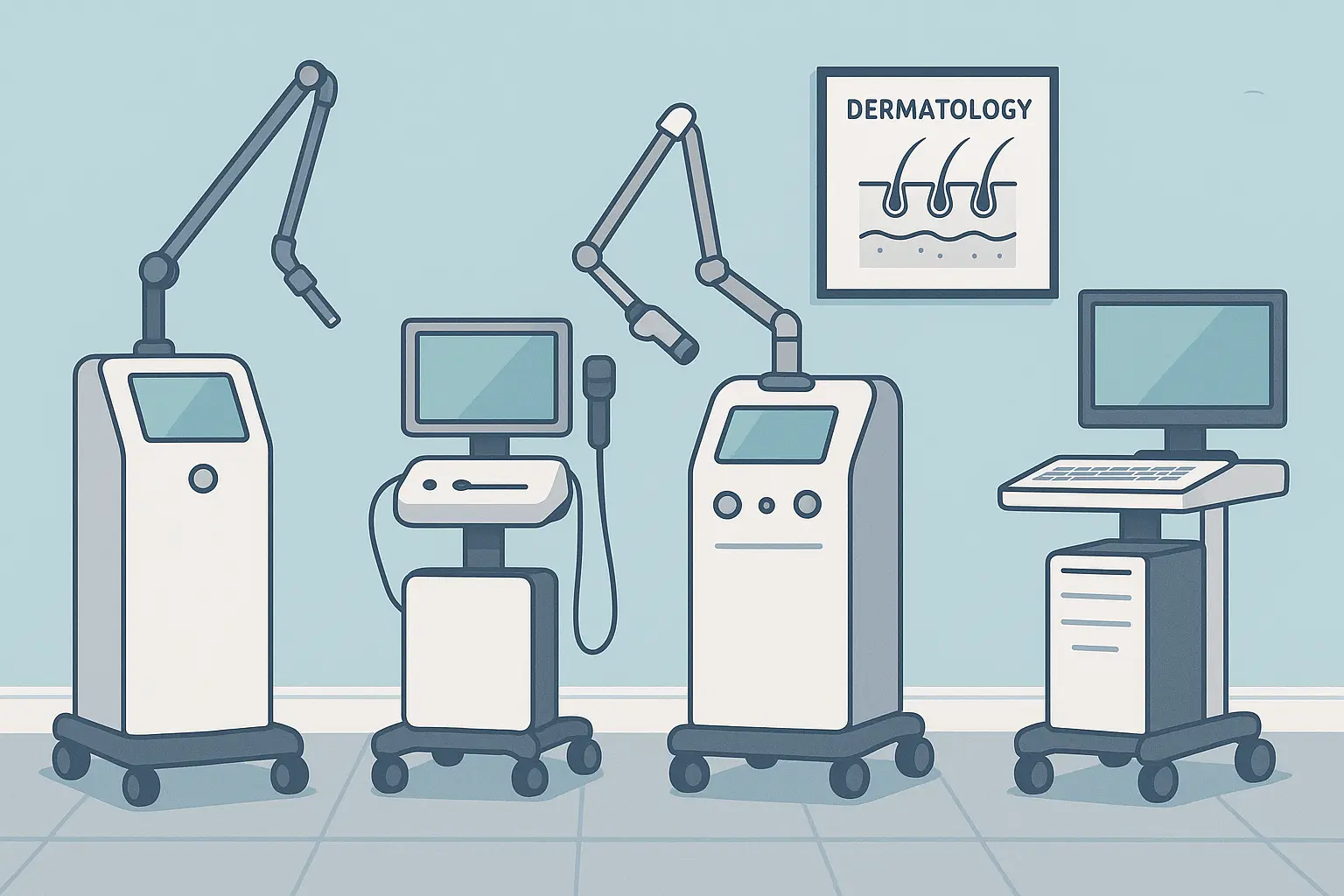
Modern dermatology requires significant capital investment in laser systems, diagnostic equipment, and practice management software. These investments can enhance your service offerings and increase revenue potential, but they require careful financial planning and return-on-investment analysis.
Efficient practice operations, appropriate staffing ratios, and smart cost management directly impact your net income. Many dermatologists focus solely on patient care while neglecting the business fundamentals that determine their actual earnings. Overhead management can make or break your profit potential.
How to Boost Your Earning Power Right Now
I’m giving you specific, actionable strategies that dermatologists can implement to optimize their compensation. These aren’t theoretical concepts – they’re practical steps you can take within the next 12 months to increase your earnings.

If You’re Already Practicing
Negotiate Like You Mean It: Most doctors are terrible at salary negotiations. Research current market rates for your position and geographic area, document your performance metrics and patient satisfaction scores, then present a compelling case for increases or improved benefit packages.
Most dermatologists underestimate their negotiating power in today’s market. Qualified practitioners remain scarce, giving you leverage if you know how to use it effectively.
Professional presentation matters during negotiations, and having proper documentation of your credentials is essential. Consider professional diploma display ideas to showcase your qualifications effectively in your office setting.
Salary Negotiation Game Plan:
-
Research salary data from 3+ reliable sources (Medscape, Doximity, MGMA)
-
Document patient volume, satisfaction scores, and revenue generation
-
Calculate your contribution to practice profitability
-
Prepare alternative compensation requests (CME funds, flexible schedule, equity)
-
Schedule negotiation meeting 2-3 months before contract renewal
-
Practice your presentation with a trusted colleague or career coach
-
Have backup options and exit strategy prepared
Diversify Your Income: Explore cosmetic procedures, telemedicine services, product sales, or consulting opportunities to supplement your primary practice income. Multiple revenue streams provide financial stability and growth potential.
Dr. Jennifer Park diversified her income by adding telemedicine consultations (adding $75,000 annually), partnering with a medical device company as a consultant ($45,000), and launching an online skincare education course ($30,000). These additional revenue streams increased her total compensation by $150,000 without significantly increasing her work hours.
Long-term Strategy Moves
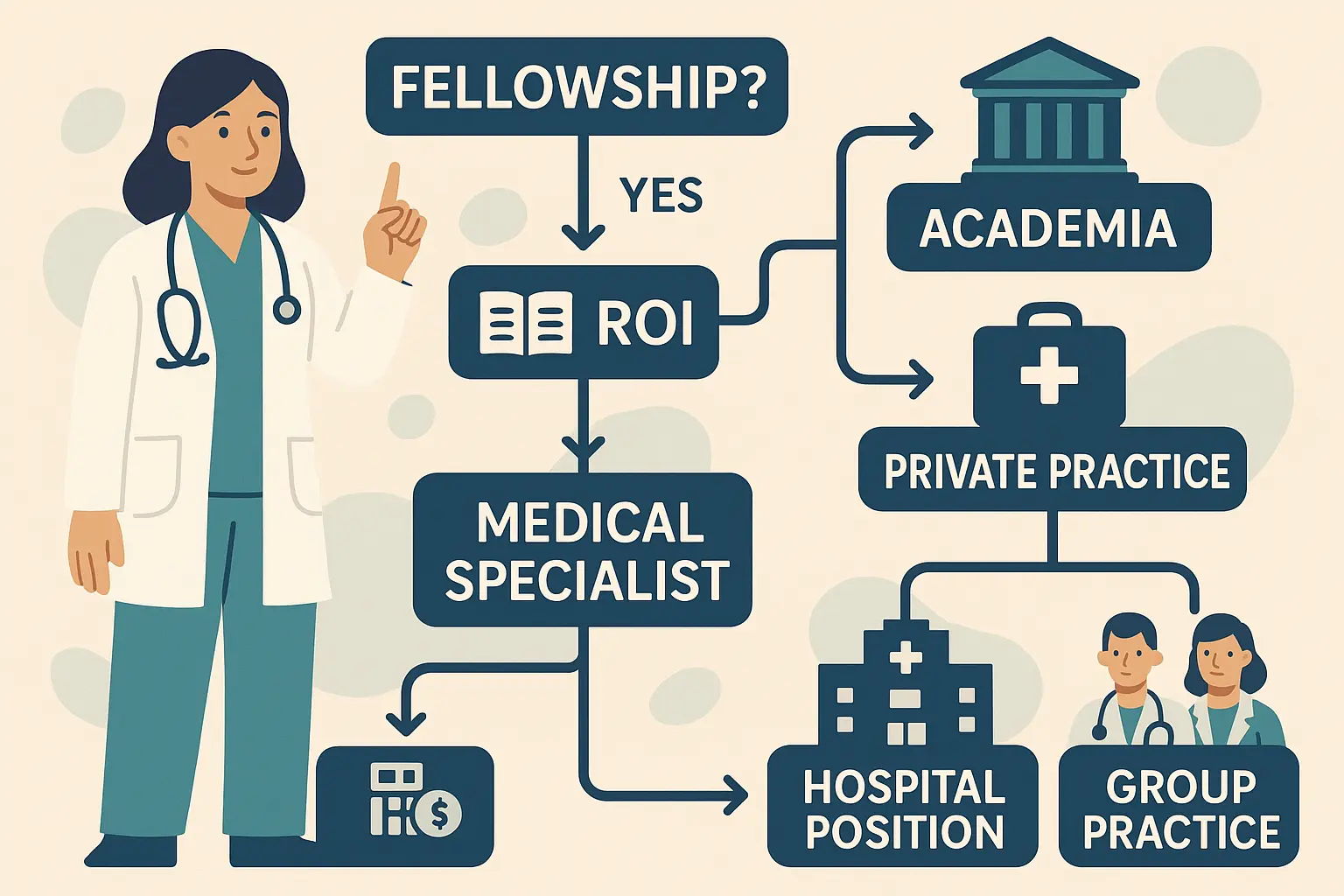
Fellowship Training ROI: Additional subspecialty training can increase your earning potential by $100,000 or more annually, but you need to weigh the opportunity costs of extended training against immediate earning potential. The decision depends on your financial situation, career goals, and market demand.
Fellowship training represents a calculated investment in your future earning potential. The income sacrifice during training years often pays dividends throughout your entire career.
Practice Ownership Transition: Moving from employed physician to practice owner requires business planning, capital investment, and risk management strategies. Ownership offers unlimited earning potential but comes with increased responsibilities and financial risks.
Practice ownership can dramatically increase your income, but success requires entrepreneurial skills that medical school doesn’t teach. The transition from employee to owner represents one of the biggest financial decisions in your career.
Practice Ownership Transition Essentials:
-
Secure business loan pre-approval or investment capital ($500K-$2M)
-
Complete business plan with 5-year financial projections
-
Identify target location with demographic analysis
-
Hire healthcare attorney for legal structure and compliance
-
Establish relationships with medical equipment vendors
-
Develop marketing and patient acquisition strategy
-
Create operational procedures and staff training protocols
-
Implement practice management and EHR systems
-
Secure malpractice insurance and business liability coverage
-
Plan 6-month operating expense reserve fund
Think Beyond Traditional Practice: Don’t just chase the highest salary numbers you see online. Factor in cost of living, lifestyle preferences, and long-term opportunities. The best financial decision isn’t always the most obvious one.
Business Skills Actually Matter: Whether you stay employed or go private, understanding the business side of medicine will make you more money. Take a business course, find a mentor, learn how practices actually generate profit. This knowledge directly translates to higher earnings.
The Bottom Line
Dermatology offers some of the best financial opportunities in medicine, but success isn’t automatic. The doctors making the most money aren’t necessarily the best clinically – they’re the ones who understand the business and position themselves strategically.
Your income will depend on where you practice, how you practice, and how well you navigate the business side of medicine. The potential is there, but you have to be smart about accessing it.
The field is competitive for a reason. Those who make it through the gauntlet are rewarded handsomely. Just make sure you’re prepared for more than just the medical challenges.
Smart dermatologists blend medical expertise with business acumen. They understand that maximizing income requires strategic thinking about location, practice setting, subspecialty focus, and long-term career planning. The money is there – but you need to position yourself to capture it.
For dermatologists establishing new practices or expanding to multiple locations, professional credentialing display becomes essential for patient trust and regulatory compliance. When setting up new offices, consider how to display certificates on wall effectively to showcase your qualifications. Additionally, framed college diploma display options can enhance your professional image while keeping your original documents safe – particularly valuable when setting up multiple office locations or replacing damaged originals.
The numbers don’t lie – dermatology remains one of the highest-paying medical specialties. But the practitioners who truly maximize their earning potential are those who treat their careers like the business ventures they actually are.