
Most people think becoming a hairstylist is just about learning to cut and color hair, but I’ve discovered there’s a whole hidden world of psychology, business strategy, and relationship management that separates successful stylists from those who struggle. After years in the industry, I’ve realized that beauty school only scratches the surface – the real skills that determine your success involve reading clients’ unspoken needs, navigating salon politics, and building multiple income streams.
The hairstyling industry is experiencing unprecedented growth, with employment projected to grow 7 percent from 2023 to 2033 – faster than the average for all occupations. This creates approximately 89,100 job openings annually, making it an opportune time to enter the field with the right strategic approach.
This guide reveals the insider knowledge that experienced stylists wish they’d known from day one, covering everything from micro-expression analysis during consultations to predicting hair trends before they hit mainstream. Whether you’re just starting out or looking to elevate your existing career, these unconventional strategies will transform how you approach the hairstyling profession.

What You’ll Learn in This Guide
-
The psychological secrets behind successful client transformations
-
Hidden revenue streams beyond basic cutting and coloring
-
How to read clients’ true desires through body language and micro-expressions
-
Salon politics navigation and mentor relationship building
-
Trend prediction techniques that keep you ahead of the curve
-
Strategic credential acquisition for premium opportunities
-
Multi-sensory experience design for client retention
-
Documentation systems that showcase your professional growth
Understanding how to become a hairstylist goes far beyond technical training – it requires mastering these interconnected systems that beauty schools rarely address.
TL;DR – The Game-Changing Insights
-
Client psychology matters more than perfect technique – learn to read micro-expressions and body language during consultations
-
Multiple income streams (social media monetization, educational content) often determine long-term financial success
-
Salon politics and mentor relationships can make or break your career advancement
-
Predicting trends 6-12 months early gives you a massive competitive advantage
-
Strategic certifications from prestigious institutions justify premium pricing
-
Creating signature styles based on your unique strengths attracts ideal clients
-
Multi-sensory experiences (aromatherapy, touch response) transform routine appointments into memorable events
The Mind Games: Understanding Client Psychology Beyond Small Talk
The biggest revelation in my hair stylist career came when I realized that technical skills only get you halfway there. What really separates successful stylists from the rest is understanding the deep psychological impact that hair transformations have on clients. I’ve learned that every client who sits in my chair is carrying emotional baggage, life transitions, and unspoken fears about their appearance.
Most beauty schools focus entirely on cutting techniques and color theory, but they completely ignore the fact that you’re essentially becoming a therapist who happens to work with hair. This psychological dimension involves mastering emotional intelligence, learning to decode what clients really want (versus what they say they want), and understanding how hair changes affect someone’s entire self-perception and confidence level.

Cracking the Code of What Clients Really Want
Here’s something that took me years to figure out – clients almost never tell you what they actually want. They’ll show you a picture of a celebrity with perfect bone structure and say “I want this exact cut,” but their body language is screaming something completely different. I’ve watched clients tense up when I mention certain words or unconsciously touch their face when discussing specific styles.
Learning to read these unspoken signals has saved me from countless disasters and helped me deliver results that genuinely surprise clients in the best way possible. The key is developing your observation skills to catch the subtle cues that reveal true preferences and fears.
Understanding client psychology becomes even more crucial when you’re working without traditional formal training, as many stylists who learn alternative paths to becoming a hairdresser discover that emotional intelligence often matters more than technical perfection in building a successful practice.
A client came in requesting a dramatic pixie cut similar to Charlize Theron’s, but I noticed she kept touching her long hair protectively and her shoulders tensed when I mentioned “short layers.” Instead of proceeding with the drastic cut, I suggested a graduated bob that maintained length while giving her the modern edge she craved. She left thrilled with a style that matched her comfort level, and six months later, she was ready for the pixie cut after building confidence with the intermediate style.
Spotting the Tell-Tale Signs in Their Face
I started paying attention to micro-expressions after a particularly awkward situation where a client said she wanted “something dramatic” but her face told a different story. Now I watch for those split-second reactions – the brief frown when I mention layers, the quick smile when discussing length, or the way their eyes widen slightly at certain suggestions.
These fleeting expressions happen before clients can filter their responses, giving you genuine insight into their comfort level. Training yourself to notice these micro-expressions during consultations will revolutionize how you approach each client and dramatically reduce the chances of post-appointment regret.
|
Micro-Expression |
What It Reveals |
Recommended Response |
|---|---|---|
|
Brief frown when discussing layers |
Concern about maintenance or past bad experience |
Explain low-maintenance layering options |
|
Eyes widening at color suggestions |
Excitement mixed with nervousness |
Start with subtle highlights before dramatic color |
|
Touching face when showing photos |
Insecurity about facial features |
Focus on styles that enhance their best features |
|
Shoulder tension during consultation |
General anxiety about change |
Suggest gradual transformation over multiple visits |
|
Quick smile at specific suggestions |
Genuine interest despite verbal hesitation |
Explore why this option appeals to them |
Reading Their Comfort Zone Through Touch
Something I discovered accidentally is how much you can learn about clients through their physical responses during shampooing and styling. Some people completely relax with firm pressure, while others tense up immediately – this tells you volumes about their personality and comfort level.
I’ve noticed that clients who are going through major life changes often have different touch responses than those in stable periods. Paying attention to how someone reacts to different types of touch helps you adjust your entire approach, from how you position them in the chair to how you discuss their styling options.

Becoming Their Transformation Guide
Once I understood that hair changes represent deeper life transitions, everything clicked into place. Clients aren’t just getting haircuts – they’re marking divorces, celebrating new jobs, processing aging, or trying to reinvent themselves after major life events. When you recognize this pattern, you stop being just a technical executor and become an emotional guide through their transformation process.
This shift in perspective transforms routine appointments into meaningful experiences that clients remember and talk about. Understanding the psychology behind why someone wants change helps you provide the right level of support and guidance throughout their journey.
Connecting Hair Choices to Life Moments
I’ve learned to identify which life transitions clients are experiencing based on subtle clues in how they describe what they want. Someone going through a divorce often uses words such as “fresh start” or “something completely different,” while someone starting a new job might focus on looking “professional” or “put-together.”
Recognizing these patterns allows you to provide appropriate emotional support while guiding them toward choices that truly serve their current life situation. This approach has helped me build incredibly loyal client relationships because people feel understood on a deeper level.
Building Confidence Through Smart Changes
Rather than shocking clients with dramatic transformations, I’ve developed techniques for gradually building their confidence through incremental changes. This might mean doing a subtle color change first, then addressing the cut in a follow-up appointment, or showing them how a small adjustment can make a big impact.
The goal is ensuring clients feel empowered and excited about their transformation rather than overwhelmed or regretful. This approach has virtually eliminated negative reviews and created clients who trust me with bigger changes over time.
Preventing the Post-Appointment Panic
I’ve implemented specific questioning techniques and visualization exercises that help clients truly understand their choices before we start cutting. This includes having them close their eyes and describe how they want to feel when they look in the mirror, or asking them to imagine explaining their new look to their best friend.
These protocols have dramatically reduced post-appointment regret because clients have mentally prepared for their transformation. The few extra minutes spent on this process saves hours of damage control later.
Pre-Cut Consultation Checklist:
-
☐ Ask client to describe their ideal morning routine
-
☐ Have them visualize explaining their new look to someone important
-
☐ Discuss their lifestyle and maintenance preferences
-
☐ Show similar cuts on people with comparable face shapes
-
☐ Ask about any previous haircut disappointments
-
☐ Confirm understanding by repeating their goals back to them
-
☐ Take before photos for reference
Creating Experiences That Engage All Five Senses
Transforming a basic hair appointment into a memorable multi-sensory experience has been one of my most effective client retention strategies. Most salons focus only on the visual outcome, but I’ve learned that engaging all five senses creates emotional connections that keep clients coming back and referring their friends.
This involves everything from carefully chosen scents that promote relaxation to the texture of towels and the temperature of products. When clients associate your salon with a complete sensory experience, they’re buying more than a haircut – they’re investing in a feeling.

Strategic Scent Selection for Different Personalities
I’ve discovered that different scents affect clients in predictable ways, and matching aromatherapy to personality types and appointment timing can dramatically enhance their experience. Lavender works well for anxious clients or evening appointments, while citrus scents energize morning clients or those needing confidence boosts.
I keep notes about which scents individual clients respond to positively, creating a personalized olfactory experience that makes them feel special and cared for. This attention to detail has become one of my signature touches that clients specifically mention when referring others.
Mastering the Business Side That Beauty School Ignores
The harsh reality about hairstyling careers is that technical skills alone won’t guarantee financial success. I learned this the hard way when I watched incredibly talented stylists struggle financially while others with average cutting skills built thriving businesses. The difference comes down to understanding the complex economic and social systems that the hairstyling industry operates within.
Most hairdressing training programs completely ignore these business dynamics, leaving new stylists to figure out salon politics, revenue diversification, and career strategy through trial and error. Understanding these hidden aspects of the industry allows you to make strategic decisions that accelerate your career growth and avoid the common pitfalls that derail promising stylists.
The financial reality of hairstyling is stark – the median hourly wage for hairdressers, hairstylists, and cosmetologists was $16.95 in May 2024, making diversified income streams essential for long-term financial stability.
Income Streams They Never Mention in School
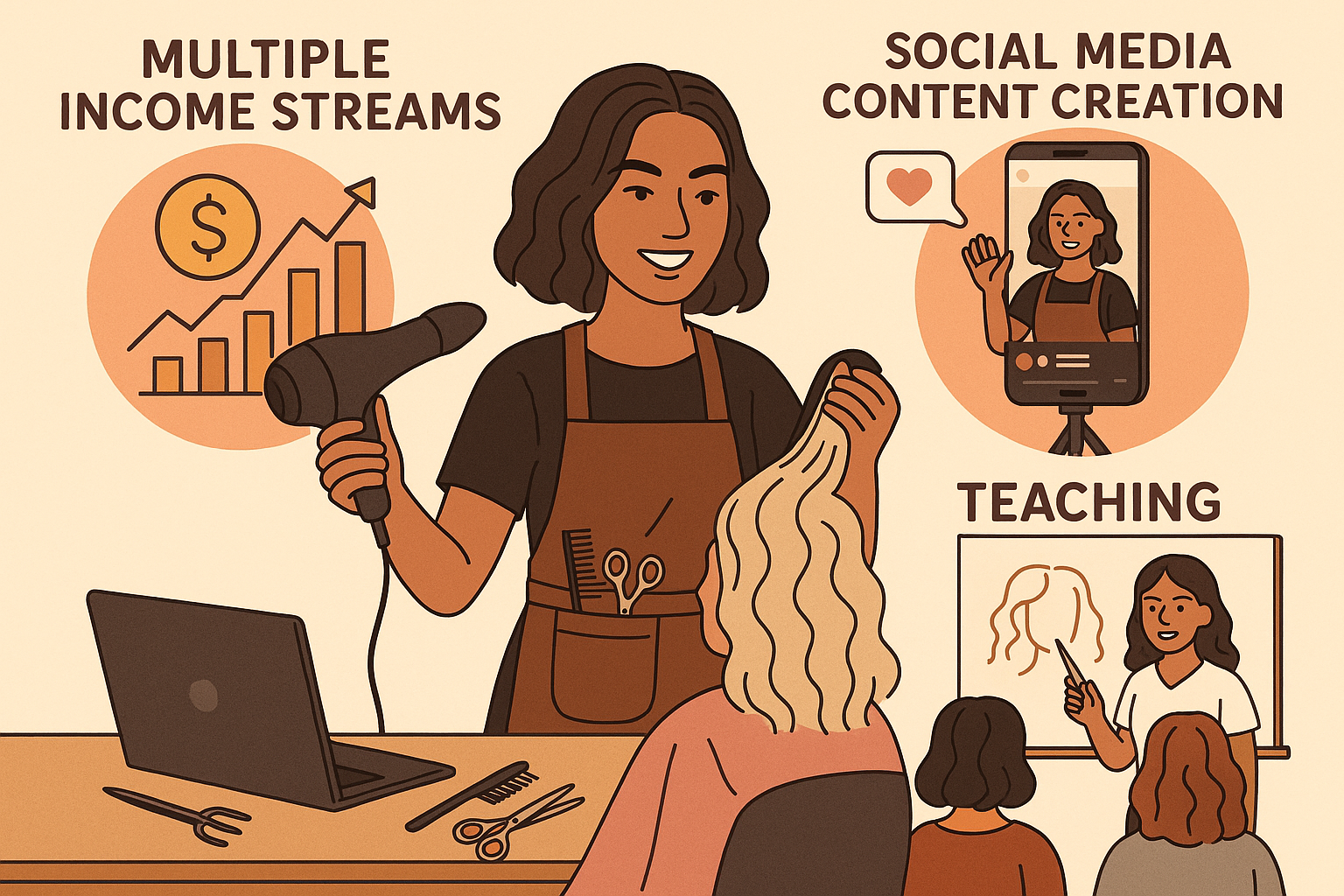
Beyond basic cutting and coloring services, successful stylists develop multiple income sources that often become more profitable than their chair time. I’ve discovered that these alternative revenue streams frequently determine long-term financial success in ways that traditional beauty school training never addresses.
The key is recognizing that your skills and knowledge have value beyond the salon floor, and there are numerous ways to monetize your expertise that don’t require you to be physically present for every dollar earned.
The traditional path to cosmetology licensing is being challenged by innovative programs. “California’s Apprenticeship Program” allows aspiring stylists to earn while they learn, with 2,031 barbers and 1,502 cosmetologists currently enrolled, proving that alternative education paths can lead to the same professional outcomes while reducing financial burden.
For stylists who need to demonstrate their educational credentials when pursuing these alternative income opportunities, having proper documentation becomes crucial, especially when dealing with replacing a lost diploma from beauty school or vocational training programs.
Turning Your Social Media Into a Money Machine
Social media monetization goes far beyond posting pretty pictures and hoping for likes. I’ve learned to create content that generates income through affiliate partnerships with product companies, sponsored posts for brands I genuinely use, and digital product sales such as styling guides or video tutorials.
The trick is building authentic relationships with your audience first, then introducing monetization strategies that provide real value. This approach has created a significant passive income stream that continues earning money even when I’m actively posting.
I partnered with a premium hair care brand to create a series of “Hair Health Wednesdays” posts featuring their products in real client transformations. Instead of obvious advertisements, I documented genuine results and shared honest reviews. This authentic approach generated $3,200 in affiliate commissions over six months while providing valuable content that helped my followers make informed product choices.
Teaching What You Know for Passive Income
Creating and selling online courses, tutorials, and styling guides has become one of my most rewarding income streams. I started by documenting techniques I use regularly, then packaging them into digital products that other stylists or clients could purchase.
This includes everything from “At-Home Blowout Mastery” courses for clients to advanced color correction tutorials for fellow professionals. The beauty of educational content is that you create it once but can sell it repeatedly, providing passive income while establishing yourself as an industry expert.
Navigating Salon Politics Behind the Scenes
Every salon has unwritten rules and power dynamics that can make or break your career, but nobody talks about this openly. I’ve learned that understanding and skillfully navigating these relationships is often more important for advancement and job satisfaction than technical ability.
This involves everything from identifying the real decision-makers (who might not be the official managers) to understanding which senior stylists are worth building relationships with. Mastering salon politics isn’t about being manipulative – it’s about being strategic in how you build professional relationships.
The reality of salon employment is complicated by restrictive contracts. “Workers are switching jobs more than ever, but here’s why your hairstylist might be stuck” reveals that about a third of salon owners require noncompete agreements, creating barriers to career mobility that new stylists must navigate carefully.

Finding and Cultivating the Right Mentors
All senior stylists make good mentors, and I’ve learned to identify which ones have both the skills and genuine willingness to help newcomers grow. The best mentors are usually those who are secure in their own success and enjoy teaching others.
I’ve developed strategies for building these relationships authentically, such as offering to assist with their difficult clients or staying late to help with inventory. The key is providing value first rather than immediately asking for guidance, which builds respect and makes mentors more invested in your success.
Smooth Client Transitions Without Drama
One of the trickiest aspects of salon life is handling client transitions when stylists leave or when you’re changing salons yourself. I’ve mastered the delicate art of inheriting clients from departing stylists and transitioning my own clients when making career moves.
This involves clear communication protocols, gradual relationship building, and ensuring minimal disruption to the client experience. Handling these transitions professionally protects your reputation and maintains client loyalty regardless of where you’re working.
Evolving Your Craft Beyond Basic Techniques
Traditional hairstylist education treats skill development as a linear progression – you learn basic cuts, then advanced cuts, then color, and you’re done. But I’ve discovered that true mastery requires understanding how to continuously evolve your craft throughout your entire career.
The industry changes constantly with new trends, technologies, and client expectations, so developing meta-skills that allow you to adapt becomes more valuable than memorizing specific techniques. This involves learning how to predict trends, develop your signature style, and stay ahead of technological developments that could impact your work.
When you’re figuring out how to become a hairstylist, understanding this evolution mindset from the beginning sets you apart from those who think education ends after licensing.

Predicting Trends Before They Hit Mainstream
Instead of scrambling to learn new trends after they become popular, I’ve developed a framework for predicting and even influencing hair fashion evolution. This involves understanding the cultural, technological, and social forces that drive style changes, then positioning myself ahead of these shifts.
Being 6-12 months ahead of mainstream trends gives you a massive competitive advantage and establishes you as an innovator rather than a follower in your market.
Reading Cultural Signals for Hair Trend Forecasting
I’ve learned to analyze broader cultural movements, fashion cycles, and social media patterns to predict which hair trends will gain traction before they become obvious. This includes watching what’s happening in high fashion, monitoring social media engagement patterns, and understanding how economic conditions influence beauty spending.
For example, economic uncertainty often leads to more conservative, low-maintenance styles, while periods of social change typically bring more experimental looks. Developing these analysis skills has helped me stay consistently ahead of trend cycles.
|
Cultural Signal |
Hair Trend Prediction |
Timeline |
Action Steps |
|---|---|---|---|
|
Economic downturn |
Low-maintenance, longer styles |
3-6 months |
Master air-dry techniques, natural textures |
|
Social media algorithm changes |
Authentic, less-filtered looks |
2-4 months |
Practice “lived-in” color, textured cuts |
|
Fashion week runway themes |
Complementary hair aesthetics |
6-12 months |
Study designer collections, adapt for street wear |
|
Celebrity lifestyle changes |
Copycat transformations |
1-3 months |
Monitor A-list hair changes, prepare tutorials |
|
Technology launches |
Futuristic, geometric styles |
6-18 months |
Experiment with precision cuts, metallic colors |
Building Relationships with Industry Innovators
Staying ahead of technological developments requires building relationships with manufacturers and beta-testing new innovations before they hit the general market. I’ve cultivated connections with product developers, tool manufacturers, and color chemists who give me early access to new technologies.
This insider access allows me to master new techniques and products before my competitors even know they exist, creating opportunities to become the local expert in cutting-edge services.

Developing Your Signature Style
Creating a distinctive personal style that clients specifically seek out requires understanding your unique strengths and market positioning rather than trying to be everything to everyone. I’ve learned that the most successful stylists develop signature approaches that reflect their personalities and technical strengths, then attract clients who specifically want that aesthetic.
This focused approach is more profitable and satisfying than trying to master every possible technique.
Turning Your Weaknesses Into Signature Strengths
Rather than fighting against my technical limitations, I’ve learned to convert them into signature styles that look intentional and desirable. For example, if you struggle with perfect geometric precision, you can develop a “lived-in” aesthetic that makes slight imperfections look intentional texture.
This approach allows you to work with your natural tendencies rather than against them, creating authentic signature styles that feel effortless to execute.
I initially struggled with creating perfectly straight, blunt cuts due to a slight hand tremor. Instead of viewing this as a limitation, I developed a signature “soft-edge” technique that incorporates subtle texture and movement. This imperfection became my trademark, and clients specifically request the “lived-in” look that my natural hand movement creates. What started as a technical challenge became my most profitable specialty service.
Attracting Your Ideal Clients Through Strategic Positioning
I’ve developed detailed profiles of my ideal clients, including their lifestyle, personality, and aesthetic preferences, then tailored my skills and marketing to attract these specific individuals. This involves understanding what styles they want, but how they live their lives, what they value, and what problems they need solved.
When you clearly define your ideal client, you can develop services and communication strategies that speak directly to their needs, making you the obvious choice in your market.
Ideal Client Profile Template:
-
Demographics: Age range, income level, location
-
Lifestyle: Work schedule, social activities, family situation
-
Hair Goals: Maintenance level, style preferences, color comfort zone
-
Pain Points: Previous bad experiences, time constraints, budget concerns
-
Values: Quality vs. price, sustainability, personal connection
-
Communication Style: Direct vs. consultative, visual vs. verbal
-
Referral Patterns: How they found you, who they trust

Building Credentials That Actually Matter
While basic state licensing gets you legally qualified to work, strategic credential acquisition can accelerate your career advancement and open doors to premium opportunities that remain closed to traditionally trained stylists. I’ve learned that all certifications are created equal – some carry real prestige and justify higher pricing, while others are essentially expensive pieces of paper.
The key is building a strategic collection of credentials that demonstrate expertise in high-value specialties while maximizing your return on investment in continuing hair stylist education.
The investment in cosmetology education is substantial, with the average cosmetology program costing more than $16,000, and graduates typically carrying around $7,100 in federal student loans while earning approximately $26,000 in their first year, making strategic credential selection crucial for career ROI.
When pursuing advanced certifications, maintaining organized documentation becomes essential for career advancement, and stylists should understand how to display certificates on wall professionally to showcase their expertise to clients and employers.
Choosing Certifications That Command Respect
Building a strategic collection of certifications from respected institutions creates credibility and justifies premium pricing, but requires careful selection to maximize return on investment. I’ve learned to research which certifications are actually valued by clients and employers in my market, focusing on those that demonstrate expertise in profitable specialties.
The goal is building a credential portfolio that differentiates you from local competitors while opening doors to higher-paying opportunities.

Prestigious International Training Programs
Pursuing certifications from renowned international academies such as Vidal Sassoon, Toni & Guy, or Aveda Institute carries prestige that local training simply can’t match. These programs are expensive and time-intensive, but they provide techniques and credibility that justify significantly higher pricing.
I’ve found that clients are willing to pay premium rates when they know you’ve trained at institutions they recognize and respect. The key is choosing programs that align with your signature style and target market.
Specialized Chemical Process Expertise
Developing expertise in specific chemical processes such as Brazilian blowouts, advanced color correction, or keratin treatments requires specialized knowledge and commands higher prices than basic services. These certifications often pay for themselves quickly because they allow you to offer services that many stylists can’t perform safely or effectively.
I’ve focused on chemical specializations that align with my client base’s needs and lifestyle preferences, creating additional revenue streams within my existing client relationships.
Documenting Your Professional Journey
Creating comprehensive documentation of your education, achievements, and client transformations builds a professional portfolio that opens doors to high-end opportunities and celebrity clients. This goes beyond just keeping certificates in a drawer – it involves creating systems for consistently showcasing your growth and expertise in ways that build credibility with potential clients and employers.
Professional documentation becomes especially important when pursuing premium opportunities or building your personal brand.
For stylists who have lost important educational documents during career transitions, knowing how to get diploma from closed school becomes crucial when beauty schools or training programs have shut down, ensuring you can still prove your qualifications to potential employers.
Creating Portfolio-Quality Before and After Documentation
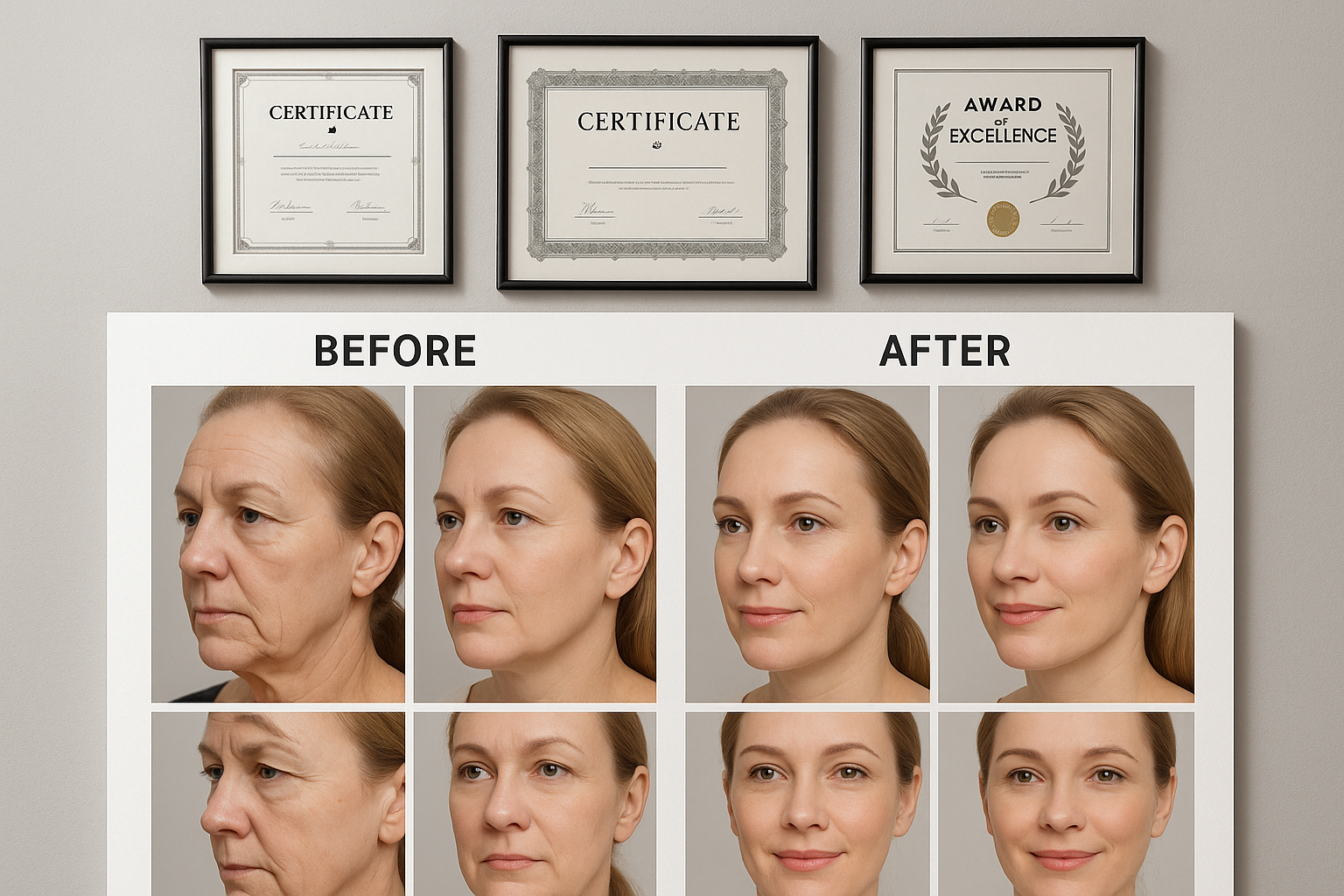
I’ve developed systems for consistently capturing high-quality before and after photos that effectively showcase my skills, including proper lighting techniques and client consent protocols. This involves understanding photography basics, creating consistent lighting setups, and developing efficient workflows that don’t disrupt the client experience.
Having a strong visual portfolio has been crucial for attracting new clients through social media and professional referrals, as well as demonstrating my capabilities to potential employers or collaboration partners.
Portfolio Photography Checklist:
-
☐ Obtain written consent for photo use
-
☐ Use consistent lighting setup (natural light preferred)
-
☐ Capture multiple angles (front, side, back)
-
☐ Include close-up detail shots of techniques
-
☐ Maintain consistent background and styling
-
☐ Record technical details (products used, timing, techniques)
-
☐ Edit photos for consistency but maintain authenticity
-
☐ Organize by service type and skill level demonstrated
How ValidGrad Supports Your Professional Journey
Throughout your hairstyling career, you’ll need to present your educational credentials to potential employers, licensing boards, and clients who want assurance of your professional training. Unfortunately, important documents such as diplomas and transcripts can be lost, damaged, or misplaced during career transitions, salon changes, or relocations.
ValidGrad understands these challenges and provides professional-quality replacement documents that allow you to showcase your credentials with confidence, ensuring you can maintain your professional image without lengthy delays or expensive fees from educational institutions.
Whether you need to replace educational documents or want to understand the broader context of professional credentials, ValidGrad offers comprehensive resources including guidance on is a certificate a degree to help you understand the value of different types of educational documentation in your career advancement.
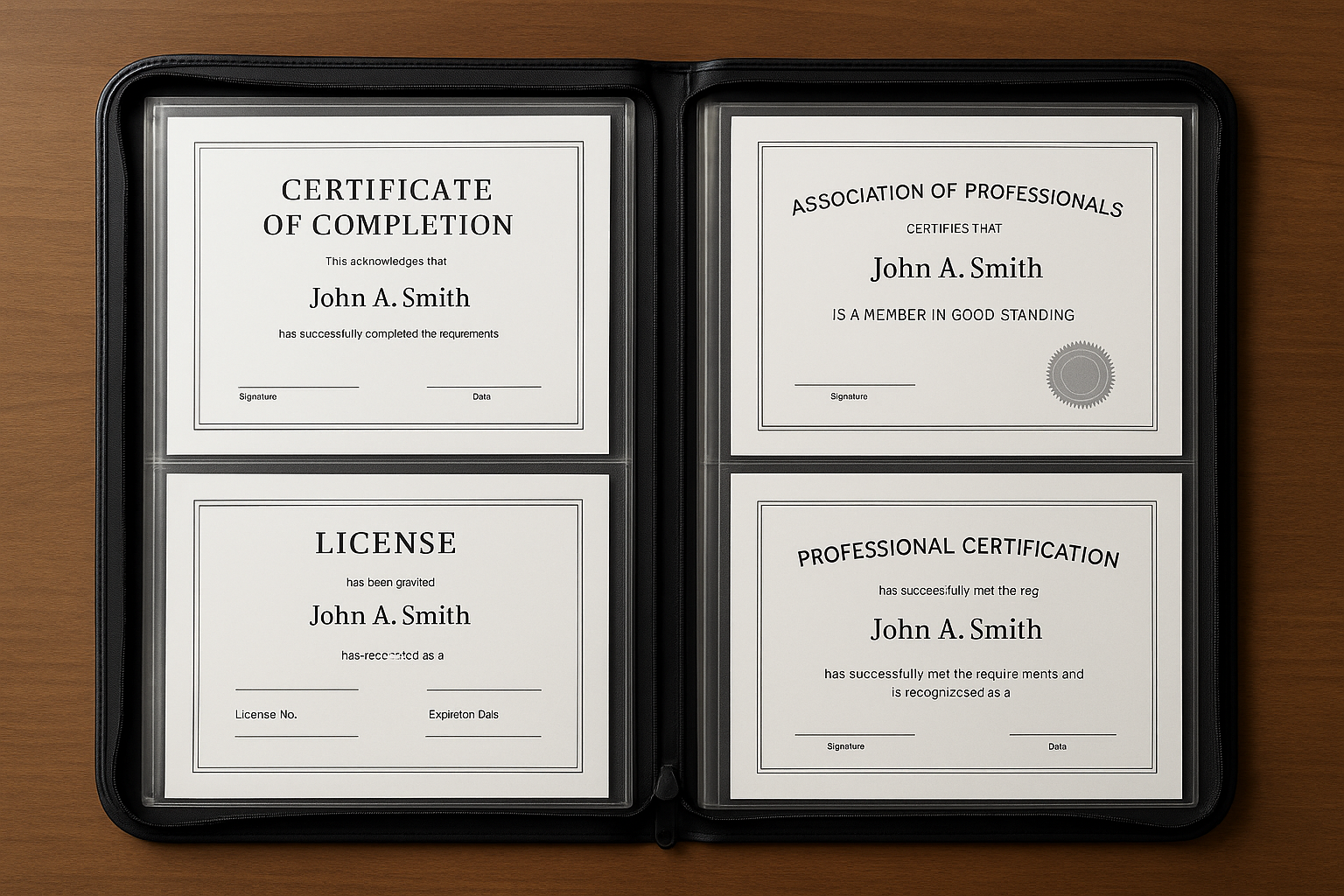
Having backup copies of your educational credentials displayed in your salon station or included in your professional portfolio demonstrates professionalism and builds client trust. ValidGrad’s quick turnaround time and attention to detail ensures you can focus on building your career rather than worrying about missing documentation.
Understanding how to become a hairstylist involves more than just technical training – it requires maintaining professional documentation throughout your career journey.
Ready to secure your professional credentials? Visit ValidGrad today to learn how we can help you maintain comprehensive documentation of your educational achievements throughout your hairstyling career.
Final Thoughts
Becoming a successful hairstylist involves so much more than the technical skills taught in beauty school. The real differentiators are understanding client psychology, navigating business dynamics, and continuously evolving your craft in response to industry changes. These insider insights have transformed how I approach my career and dramatically improved both my client relationships and financial success.
The hairstyling industry rewards those who think strategically about their professional development. By focusing on the psychological aspects of client service, developing multiple income streams, and building strategic credentials, you can create a thriving career that goes far beyond basic cutting and coloring services.
Remember that your journey as a hairstylist is unique, and these strategies should be adapted to fit your personality, market, and career goals. The key is recognizing that success in this industry requires both technical competence and business savvy – and now you have the roadmap to develop both.