
The beauty industry is experiencing unprecedented growth, with about 89,100 openings for barbers, hairstylists, and cosmetologists projected each year according to the U.S. Bureau of Labor Statistics. This surge in demand creates exceptional opportunities for those who understand that becoming a successful hairdresser requires more than technical skills—it demands a strategic approach that combines artistry, psychology, and business acumen.
Table of Contents
-
The Psychology of Hair Transformation
-
The Hidden Economics of Hair Entrepreneurship
-
The Technology Integration Revolution
-
The Continuous Evolution Mindset
-
The Sensory Science of Hair Artistry
TL;DR
-
Understanding client psychology creates stronger relationships than technical skills alone
-
Successful hairdressers diversify income through digital platforms, products, and specialized services
-
Technology integration separates modern professionals from traditional stylists
-
Continuous learning and specialization command premium pricing
-
Sensory mastery enables superior results and damage prevention
-
Multiple revenue streams provide financial stability beyond salon work
-
Personal branding and social media strategy drive client acquisition
The Psychology of Hair Transformation
Most aspiring hairdressers focus exclusively on cutting and coloring techniques, but the real foundation for career success lies in understanding how hair changes affect your clients’ confidence, identity, and emotional well-being. You’re facilitating personal transformation that impacts how people see themselves and how others perceive them. Understanding this psychological dimension is crucial when learning how to become a hairdresser who builds lasting client relationships.
Client psychology drives retention rates more than technical perfection, as emotional satisfaction creates loyalty that transcends minor styling imperfections. When clients feel understood and valued, they forgive small mistakes and become your biggest advocates. Understanding the deeper motivations behind hair requests allows you to exceed expectations by addressing unspoken needs and concerns.

The Emotional Architecture of Client Relationships
Building lasting client relationships requires recognizing that people’s connection to their hair runs deeper than appearance. Life transitions, emotional states, and personal identity often manifest through hair changes, making your role part stylist, part counselor, and part confidence builder. This understanding is fundamental when learning how to become a hairstylist who creates meaningful connections with clients.
Emotional intelligence in client interactions increases average ticket prices by 30-40% because clients value the experience as much as the result. When you can read someone’s emotional state and respond appropriately, they feel heard and understood. This connection translates directly into higher spending and longer-term loyalty.
Reading emotional cues during consultations prevents miscommunication that leads to dissatisfaction and negative reviews. I’ve seen stylists avoid major problems simply by noticing when a client seemed hesitant or uncertain about a dramatic change. Trust-building techniques create clients who become advocates, generating referrals that cost nothing but provide the highest conversion rates.
The recent surge in hair tinsel popularity, sparked by the film “Anora” and its star Mikey Madison’s glimmering hair, demonstrates how emotional connections to beauty trends drive client decisions. As “Hair tinsel makes me feel like I’m the centre of attention” according to Dazed Digital, understanding these psychological motivations helps stylists anticipate and capitalize on emerging trends.
The Ritual of Trust Building
Developing specific consultation techniques that uncover what clients want and why they want it requires understanding their lifestyle, personality, and emotional needs. This process transforms a transactional service into a collaborative partnership.
Structured consultation questions reveal lifestyle factors that impact style longevity and maintenance requirements. Instead of asking “How do you usually style your hair?” try “What does your ideal morning routine look like?” This approach reveals whether a client needs a 5-minute wash-and-go style or enjoys spending 30 minutes on their hair, leading to more appropriate recommendations and higher satisfaction rates.
Active listening techniques help clients articulate desires they struggle to express, reducing revision requests. Documentation of client preferences and history creates personalized service that feels exclusive and attentive.
Reading Unspoken Client Signals
Learning to interpret body language, hesitation patterns, and emotional cues reveals when clients aren’t communicating their true desires or concerns. This skill prevents misunderstandings and creates opportunities to address underlying issues.
Nonverbal communication accounts for 70% of client satisfaction, making observation skills crucial for service success. Watch for crossed arms, fidgeting, or avoiding eye contact during consultations. Hesitation patterns during consultations often indicate budget concerns, maintenance worries, or past negative experiences. Emotional cues help identify when clients need reassurance versus when they’re ready for dramatic changes.

The Business Psychology of Retention
Understanding the psychological triggers that make clients return and refer others goes beyond providing good service to creating memorable experiences. Client retention psychology involves anticipation, surprise, and emotional connection that makes your services feel irreplaceable.
Retention psychology increases lifetime client value by 400-500% compared to constantly acquiring new clients. Memorable experiences create emotional anchors that make clients resistant to competitor offers. Referral psychology leverages social proof and personal recommendations, which convert at 5x higher rates than advertising.
Creating Anticipation and Surprise
Implementing small, unexpected touches that make clients feel special creates positive associations with your services. These surprises don’t need to be expensive—they need to be thoughtful and personalized to each client’s preferences.
Surprise elements trigger dopamine release, creating positive emotional memories associated with your services. Personalized touches demonstrate attention to detail that clients interpret as caring and professionalism. Anticipation building through follow-up communication keeps your services top-of-mind between appointments.
The Follow-Up Psychology
Developing systems for post-appointment communication reinforces the positive experience and maintains connection between visits. Strategic follow-up timing and content can significantly impact rebooking rates and client satisfaction.
Follow-up communication within 24-48 hours reinforces positive memories while they’re still fresh. Educational follow-up content positions you as an expert while providing ongoing value. Systematic follow-up processes ensure no clients fall through the cracks, maintaining consistent revenue flow.
|
Follow-Up Timeline |
Communication Type |
Purpose |
Expected Response Rate |
|---|---|---|---|
|
24-48 hours |
Thank you + care tips |
Reinforce positive experience |
85-90% |
|
1 week |
Style maintenance check |
Show ongoing care |
70-75% |
|
3 weeks |
Rebooking reminder |
Maintain appointment schedule |
60-65% |
|
6 weeks |
Seasonal style update |
Introduce new services |
40-45% |
Building Your Personal Brand Mythology
Creating a compelling personal story and expertise narrative positions you as more than just a service provider. Your brand mythology should communicate your unique approach, values, and the transformation clients can expect.
Personal brand stories create emotional connections that justify premium pricing. Expertise narratives establish credibility that reduces client hesitation about trying new services. Brand mythology differentiates you from competitors who focus solely on technical skills.
The Hidden Economics of Hair Entrepreneurship
While most hairdressing education focuses on techniques, real success comes from understanding the complex financial ecosystem of the beauty industry. This includes unconventional revenue streams, strategic positioning, and creating multiple income channels that provide financial stability beyond traditional salon employment. Learning how to become a hairstylist with diverse income sources is essential for long-term financial success.
Understanding the financial investment required for your education is crucial, and knowing the true cost of professional education helps you make informed decisions about your career path and return on investment.
Portfolio career models generate 3-5x more income than single-revenue hairdressers by diversifying risk and maximizing earning potential. Strategic financial planning separates successful entrepreneurs from skilled technicians who struggle financially.
According to the U.S. Bureau of Labor Statistics, the median hourly wage for barbers was $18.73 in May 2024, highlighting the importance of developing multiple revenue streams to achieve financial success in the industry.
The Portfolio Career Model
Modern hairdressers succeed by diversifying income streams beyond traditional salon work, creating multiple revenue channels that provide financial stability and growth opportunities. This approach reduces dependence on any single income source while maximizing your expertise across different platforms.
Multiple revenue streams protect against economic downturns and seasonal fluctuations that affect traditional salon income. Digital platforms allow you to monetize expertise without trading time for money, creating scalable income opportunities. Portfolio careers provide flexibility to adjust focus based on market demands and personal preferences.
Digital Revenue Streams
Leveraging social media, online tutorials, and virtual consultations creates passive income while building your professional reputation. Digital platforms offer global reach and 24/7 earning potential that traditional salon work cannot match.
Online education platforms generate recurring revenue from course sales and subscription models. Virtual consultations expand your client base beyond geographic limitations while commanding premium rates. Social media monetization through sponsored content and affiliate marketing provides additional income streams.
A stylist specializing in curly hair might create a $97 online course teaching “The Complete Curly Hair Care System,” generating $10,000+ monthly in passive income while building authority in their niche market.
Product Development and Partnerships
Identifying opportunities to create or endorse hair care products, tools, or accessories that align with your brand and expertise opens lucrative revenue channels. Product partnerships leverage your credibility while providing ongoing royalty income.
Private label product development allows you to create recurring revenue from client purchases. Brand partnerships provide upfront payments plus ongoing commissions for product recommendations. Tool endorsements capitalize on your expertise while generating passive income from affiliate sales.
Strategic Location Intelligence
Understanding demographics, competition, and economic patterns of different markets helps position yourself advantageously, whether in salons, as a freelancer, or opening your own business. Location intelligence drives pricing strategies and service offerings.
Demographic analysis reveals underserved markets where specialized services command premium pricing. Competition mapping identifies gaps in local service offerings that create business opportunities. Economic pattern recognition helps predict seasonal trends and adjust business strategies accordingly.
The Micro-Market Analysis
Researching specific neighborhoods, demographics, and local spending patterns identifies underserved markets or premium opportunities. Micro-market analysis goes beyond general area research to understand block-by-block variations in client needs and spending power.
Neighborhood-level analysis reveals pockets of high-income clients within broader moderate-income areas. Local spending pattern research identifies optimal pricing strategies for maximum market penetration. Demographic shifts prediction helps position services for future market changes rather than current conditions.
|
Market Analysis Factor |
Research Method |
Key Metrics |
Impact on Pricing |
|---|---|---|---|
|
Median Income |
Census data, local surveys |
Household income ranges |
15-25% price adjustment |
|
Competition Density |
Google Maps, Yelp analysis |
Stylists per 1000 residents |
10-20% competitive positioning |
|
Age Demographics |
City planning data |
Primary age groups |
Service mix optimization |
|
Lifestyle Patterns |
Social media analytics |
Activity preferences |
20-30% service customization |
The Technology Integration Revolution
The hairdressing industry experiences technological transformation that extends far beyond booking apps, creating new opportunities for early adopters. Technology integration enhances client experience, improves service accuracy, and creates competitive advantages that traditional stylists cannot match. Understanding these technological advances is essential when learning how to become a hairstylist in the modern beauty industry.
Professional documentation and credentials become increasingly important as technology advances, and understanding the difference between certificates and diplomas helps you choose the right educational path for your career goals.
Early technology adoption creates first-mover advantages in local markets before competitors catch up. Technology integration improves service consistency and reduces human error in consultations and treatments.

AI and Personalized Hair Analysis
Understanding how artificial intelligence and advanced analysis tools change client consultations and service customization allows integration of these technologies into your practice. AI-powered analysis provides objective data that supports styling recommendations and reduces client dissatisfaction.
AI analysis removes guesswork from style recommendations by providing data-driven suggestions based on facial structure and hair characteristics. Personalized analysis tools increase client confidence in dramatic changes by showing scientific backing for recommendations. Technology-assisted consultations reduce revision requests and increase client satisfaction scores.
Virtual Reality Styling Previews
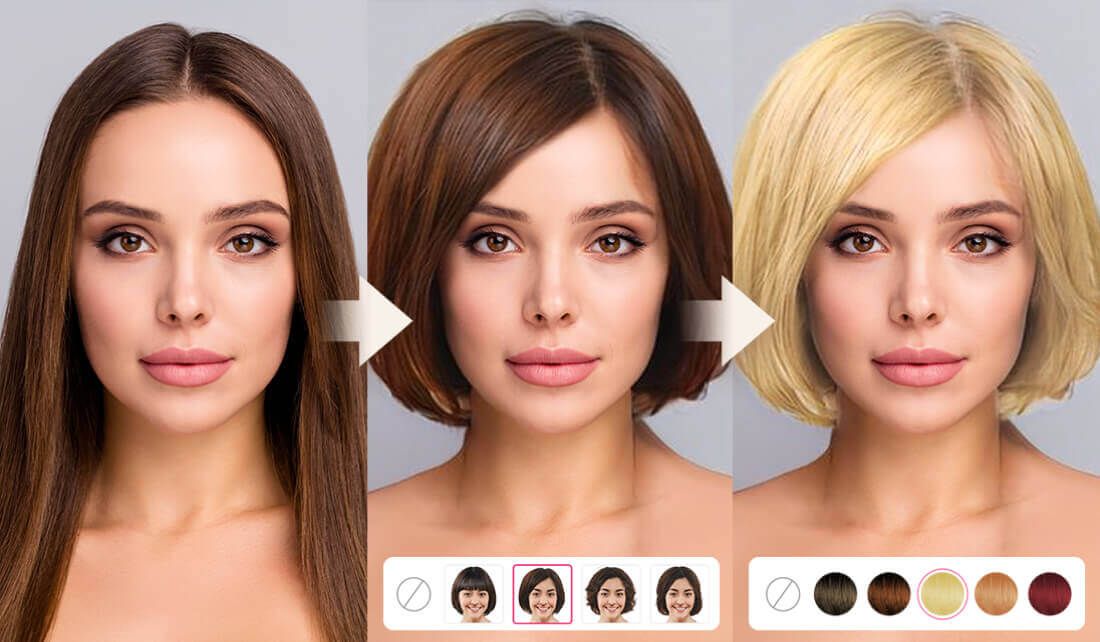
Learning to use VR and AR technologies that allow clients to preview hairstyles before committing reduces dissatisfaction and increases client confidence. Virtual previews eliminate the fear factor that prevents clients from trying new styles.
VR previews reduce client anxiety about dramatic changes by providing realistic visualization of results. Virtual styling tools increase average service prices by encouraging clients to try more expensive treatments. AR technology creates shareable content that clients post on social media, generating organic marketing.
Data-Driven Style Recommendations
Utilizing apps and software that analyze face shape, hair texture, and lifestyle factors provides scientifically-backed style recommendations. Data-driven approaches remove personal bias and create objective foundations for styling decisions.
Scientific analysis tools provide documentation that protects against client complaints about unsuitable recommendations. Data-driven recommendations increase client trust by demonstrating professional expertise beyond personal opinion. Lifestyle factor integration ensures style recommendations align with maintenance capabilities and daily routines.
The Social Media Mastery Framework
Developing a strategic approach to social media that goes beyond posting pictures builds genuine followings and converts online engagement into bookings. Social media mastery requires understanding platform algorithms, content strategy, and audience psychology.
Strategic social media presence generates leads at 80% lower cost than traditional advertising methods. Algorithm understanding maximizes organic reach without paid promotion expenses. Engagement conversion strategies turn followers into paying clients through strategic content and calls-to-action.
Content Strategy for Hairdressers
Creating educational, entertaining, and engaging content showcases expertise while building trust with potential clients. Content strategy balances promotional material with valuable information that establishes authority and credibility.
Educational content positions you as an expert while providing value that encourages sharing and engagement. Behind-the-scenes content builds personal connections that increase booking likelihood. Transformation showcases demonstrate capabilities while creating aspirational content that drives inquiries.
Influencer Collaboration Strategies
Identifying and partnering with local influencers, micro-influencers, and community leaders expands reach and credibility. Influencer collaborations provide access to established audiences while building professional networks.
Micro-influencer partnerships often provide better ROI than celebrity endorsements due to higher engagement rates. Local influencer collaborations build community presence and establish you as the go-to professional in your area. Strategic partnerships create ongoing relationships that provide consistent referral sources.
Crisis Management and Online Reputation
Developing protocols for handling negative reviews, social media criticism, and maintaining professional online presence during challenging situations protects your reputation and business. Crisis management skills prevent minor issues from becoming major problems.
Proactive reputation management prevents negative reviews from impacting search rankings and client acquisition. Crisis response protocols minimize damage from public complaints while demonstrating professionalism. Online reputation monitoring allows quick response to issues before they escalate and spread.
The Continuous Evolution Mindset
The most successful hairdressers understand that the industry constantly evolves, requiring commitment to lifelong learning and adaptation that extends far beyond initial certification. Continuous evolution involves staying ahead of trends, developing new skills, and adapting to changing client expectations.
Professional development often requires additional certifications and credentials, making it important to understand how to maintain and replace professional certifications throughout your career to ensure continuous compliance and credibility.
Continuous learning investment generates 200-300% higher lifetime earnings compared to stylists who stop developing after certification. Industry evolution creates opportunities for specialists who adapt quickly to new techniques and trends.
The film and television industry’s growing demand for skilled hair professionals, as highlighted by professionals working on Spike Lee films, demonstrates how “always continue to learn and educate yourself on trends, whether that is wig-making or grooming” according to Backstage, creates lucrative specialization opportunities beyond traditional salon work.
Advanced Specialization Pathways
Identifying and developing expertise in specialized areas commands premium pricing and creates unique market positioning. Specialization reduces competition while increasing perceived value and client willingness to pay higher prices.
Specialized expertise allows 40-60% higher pricing than general hairdressing services. Niche specialization creates referral networks from other professionals who cannot provide specialized services. Advanced certifications provide credibility that justifies premium positioning in competitive markets.
Cultural and Textural Expertise
Developing deep knowledge of working with diverse hair textures and cultural styling traditions becomes increasingly valuable in diverse markets. Cultural expertise opens new client segments while demonstrating inclusivity and professional competence.
Textural expertise addresses underserved markets where many stylists lack proper training. Cultural styling knowledge creates loyal client bases within specific communities. Diverse skill sets position you as inclusive and knowledgeable, attracting clients from various backgrounds.

Mastering technical skills needed to fix other stylists’ mistakes commands higher prices and creates loyal clients. Corrective work requires advanced knowledge and problem-solving abilities that few stylists possess.
Corrective services command 2-3x higher prices than standard coloring due to complexity and expertise required. Damage repair expertise creates grateful clients who become long-term advocates and referral sources. Problem-solving skills establish reputation as the stylist others recommend for difficult cases.
A stylist specializing in corrective color might charge $300-500 for fixing a botched DIY bleach job, compared to $150 for a standard color service, while building a reputation that generates 5-10 referrals per satisfied correction client.
The Mentorship and Teaching Track
Building a career path that includes teaching, mentoring, and knowledge sharing creates additional income streams and industry recognition. Teaching positions you as an expert while providing stable income that complements service-based earnings.
Teaching income provides stability during slow periods and economic downturns. Mentorship relationships create professional networks that generate business opportunities. Educational credentials enhance credibility and justify premium pricing for services.
Developing Your Teaching Methodology
Creating structured approaches to sharing knowledge through workshops, online courses, or apprenticeship programs requires developing curriculum and presentation skills. Teaching methodology transforms your expertise into scalable educational products.
Structured teaching methods create repeatable income from course sales and workshop fees. Educational content development provides intellectual property that generates ongoing revenue. Teaching skills enhance client communication and consultation effectiveness.
The Sensory Science of Hair Artistry
Professional hairdressers must develop heightened sensory awareness that goes beyond visual assessment, incorporating tactile, auditory, and olfactory skills to deliver superior results and detect potential issues before they become problems. Sensory mastery separates skilled professionals from basic technicians.
Professional credibility often depends on proper documentation of your skills and education, and understanding how to professionally display your credentials reinforces your expertise and builds client confidence in your abilities.
Advanced sensory skills enable early problem detection that prevents damage and client dissatisfaction. Tactile expertise allows precise assessment of hair condition and treatment needs without relying solely on visual cues.
With employment for barbers, hair stylists, and cosmetologists predicted to grow 11 percent from 2021 to 2031 according to industry analysis, developing advanced sensory skills becomes crucial for standing out in an increasingly competitive market.
Tactile Mastery and Hair Health Detection
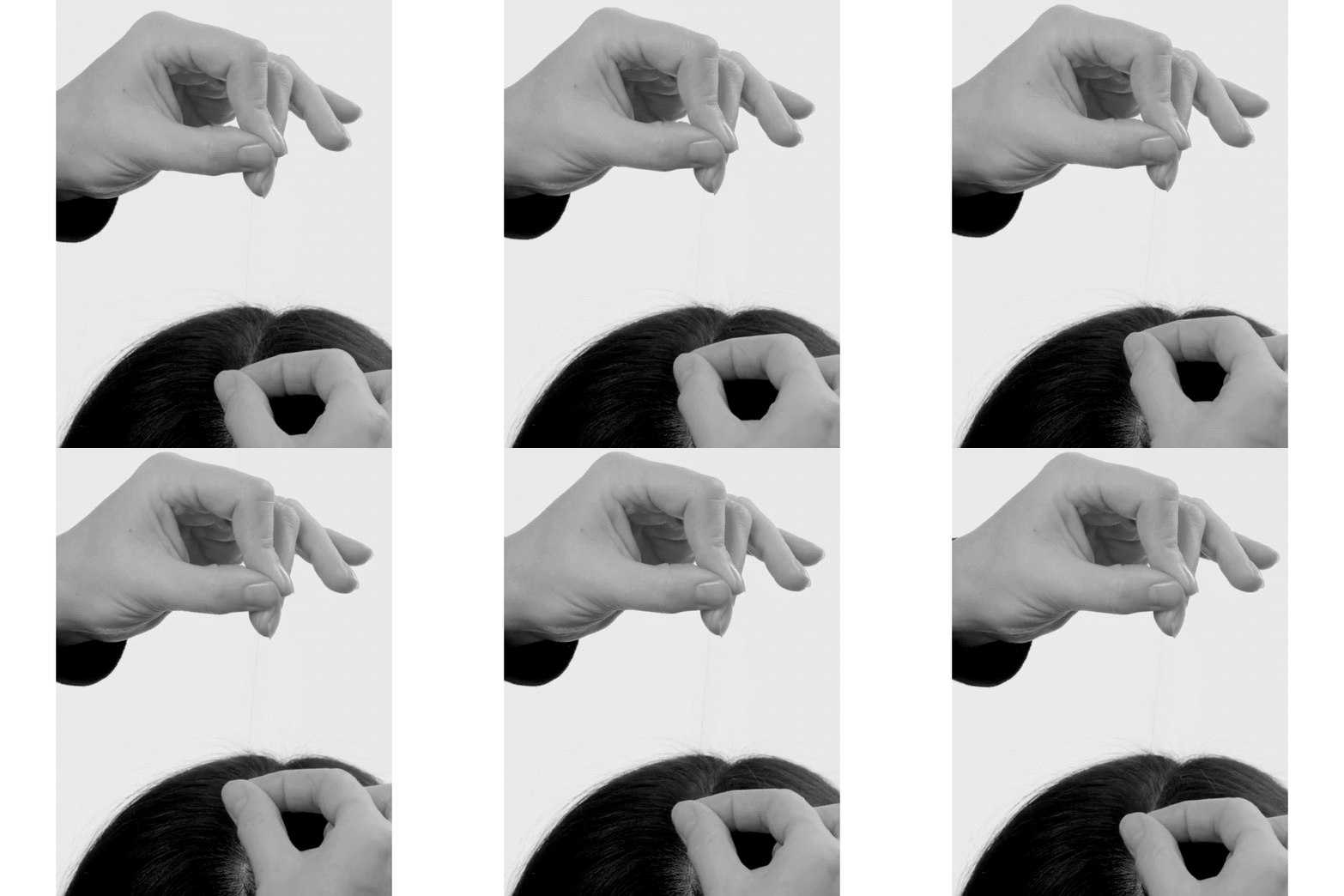
Developing sophisticated touch-based assessment skills allows diagnosis of hair and scalp conditions, determination of optimal treatment approaches, and prediction of how hair will respond to various chemical processes. Tactile skills provide information that visual inspection cannot reveal.
Touch-based assessment reveals hair porosity variations that affect chemical processing and color results. Tactile diagnosis identifies scalp conditions that require treatment before styling services. Finger sensitivity development enables detection of hair damage levels that determine safe treatment limits.
Porosity Assessment Through Touch
Training your fingertips to detect varying porosity levels across different sections of hair directly impacts color uptake, processing times, and styling longevity. Porosity assessment prevents uneven results and chemical damage.
Porosity variations within single heads require adjusted processing times for even color results. Touch-based porosity assessment provides immediate feedback during chemical applications. Tactile porosity detection prevents over-processing in damaged areas while ensuring adequate processing in resistant sections.
Scalp Health Diagnostics
Learning to identify scalp conditions, stress indicators, and health issues through gentle palpation and observation during shampooing and styling protects client health while preventing service complications.
Scalp assessment prevents chemical services on compromised skin that could cause injury or allergic reactions. Health indicator recognition allows referrals to medical professionals when appropriate. Stress-related scalp conditions require modified techniques and products for optimal results.
The Chemistry of Color Transformation
Understanding molecular science behind hair color changes enables precise formulation, predictable results, and the ability to achieve complex color corrections that set you apart from basic colorists. Chemistry knowledge prevents mistakes and enables advanced techniques.
Chemical understanding allows custom formulation for unique results that cannot be achieved with standard mixing ratios. Molecular science knowledge enables damage prevention while achieving desired color results. Advanced chemistry skills allow correction of previous color mistakes that other stylists cannot fix.
pH Balance and Processing Optimization
Mastering the relationship between hair’s natural pH, chemical treatments, and environmental factors minimizes damage while maximizing color vibrancy and longevity. pH understanding enables precise control of chemical processes.
pH optimization reduces processing time while improving color penetration and longevity. Environmental factor consideration prevents unexpected color shifts and fading. Chemical balance mastery enables multiple processes in single sessions without excessive damage.
Custom Color Formulation Mathematics
Developing ability to create unique color formulas by understanding ratios, undertones, and how different brands interact when mixed enables signature looks that clients cannot get elsewhere.
Mathematical formulation skills create repeatable custom colors that become signature services. Brand interaction knowledge prevents chemical conflicts that cause unpredictable results. Ratio mastery enables precise color matching and correction work.
Damage Prevention Protocols
Implementing systematic approaches to assess hair integrity before, during, and after chemical services prevents breakage and maintains hair health. Prevention protocols protect both client hair and professional reputation.
Maintaining professional standards requires proper documentation and credentials, and knowing how to replace important educational documents ensures you can always verify your qualifications when needed for licensing or employment opportunities.
Systematic assessment prevents chemical damage that leads to client complaints and potential legal issues. Prevention protocols maintain hair integrity for ongoing chemical services and client retention. Damage monitoring during processes allows real-time adjustments to prevent over-processing.
How ValidGrad Supports Your Professional Journey
As you advance in your hairdressing career and pursue specialized certifications, advanced workshops, or open your own salon, maintaining proper documentation of your educational achievements becomes crucial for professional credibility and business opportunities.
Whether you need to replace a damaged cosmetology diploma, require backup copies for your salon’s credential display, or want to ensure your educational documentation is preserved for licensing renewals and professional opportunities, ValidGrad provides professional-grade replacement services. Their attention to detail and commitment to creating authentic-looking documents means you can confidently display your achievements while focusing on building your expertise and client relationships.
Don’t let missing or damaged educational credentials hold back your professional growth. Visit ValidGrad today to secure your educational documentation and maintain the professional image your skills deserve.
Final Thoughts
Becoming a successful hairdresser requires far more than mastering basic cutting and coloring techniques. The professionals who build thriving careers understand that client psychology, business strategy, technology integration, and continuous learning create the foundation for long-term success. Your technical skills get you started, but your understanding of human nature, market dynamics, and industry evolution determines how far you’ll go.
The beauty industry rewards those who think beyond traditional service provision to create comprehensive client experiences. Whether you’re just starting your cosmetology education or looking to elevate an existing career, remember that your success depends on your willingness to embrace unconventional approaches and continuously adapt to changing client needs and industry trends.
Success in hairdressing comes from combining technical expertise with business acumen and psychological understanding. The most profitable hairdressers create multiple revenue streams and position themselves as experts rather than just service providers. Continuous evolution and adaptation separate thriving professionals from those who struggle to maintain relevance in a changing industry.
Checklist for Client Consultation Mastery:
-
☐ Prepare consultation space with proper lighting and privacy
-
☐ Review client’s hair history and previous services
-
☐ Ask lifestyle questions about daily routine and time constraints
-
☐ Assess hair texture, density, and condition through touch
-
☐ Document client preferences and concerns in detail
-
☐ Explain maintenance requirements and styling expectations
-
☐ Confirm budget parameters before recommending services
-
☐ Take before photos for portfolio and reference
Professional Development Tracking Template:
Monthly Skill Assessment:
- New techniques learned: ________________
- Certifications pursued: ________________
- Industry events attended: ______________
- Client feedback scores: ________________
- Revenue growth percentage: _____________
- Social media engagement rate: __________
- Continuing education hours: ____________
Essential Business Metrics Dashboard:
-
Client retention rate (aim for 80%+)
-
Average service ticket value
-
Monthly recurring revenue from regulars
-
Social media conversion rates
-
Cost per client acquisition
-
Seasonal booking patterns
-
Product sales percentages
Emergency Protocol Checklist for Chemical Services:
-
☐ Patch test completed 48 hours prior
-
☐ Client medical history reviewed
-
☐ Neutralizing products readily available
-
☐ Timer set for maximum processing time
-
☐ Emergency contact information accessible
-
☐ First aid kit location confirmed
-
☐ Salon manager notification procedures established