
When I graduated with my biology degree, I thought I’d be living the dream studying wildlife. Reality hit hard when I saw my first paycheck as a field tech: $32,000 a year. But here’s what I wish someone had told me about building a real career as a mammalogist.
The average mammalogist in the US makes about $60,000, but that number is misleading. According to recent data from SalaryExpert, the average mammalogist gross salary in the United States is $60,356 or an equivalent hourly rate of $29, with entry-level professionals earning around $44,454 and senior-level mammalogists commanding $73,620. Your actual earning potential depends on choices most people don’t even know they need to make.
The Brutal Truth About Starting Out
Fresh out of college? You’re looking at $35,000-$45,000 as a field technician or research assistant. I know – it stings after four years of student loans. But here’s the thing: this field rewards specialization and persistence more than almost any other.
Sarah started as a park service tech at $38,000. Two years later, her field experience landed her a research coordinator role at $48,000. By year five, with her master’s degree, she was managing projects at $65,000. The key? She treated those early years as paid training, not just a job.
What does a mammalogist do during these early career years? Mostly data collection, equipment maintenance, and learning the practical skills that textbooks can’t teach. You’ll spend time radio collaring animals, GPS tracking, and managing databases – skills that become invaluable as you advance.

Recent data shows that mammalogists, who fall under the broader BLS category of zoologists and wildlife biologists, earned a median salary of $70,600 as of May 2023, indicating that the field offers competitive compensation for those who advance in their careers.
Where You Work Changes Everything
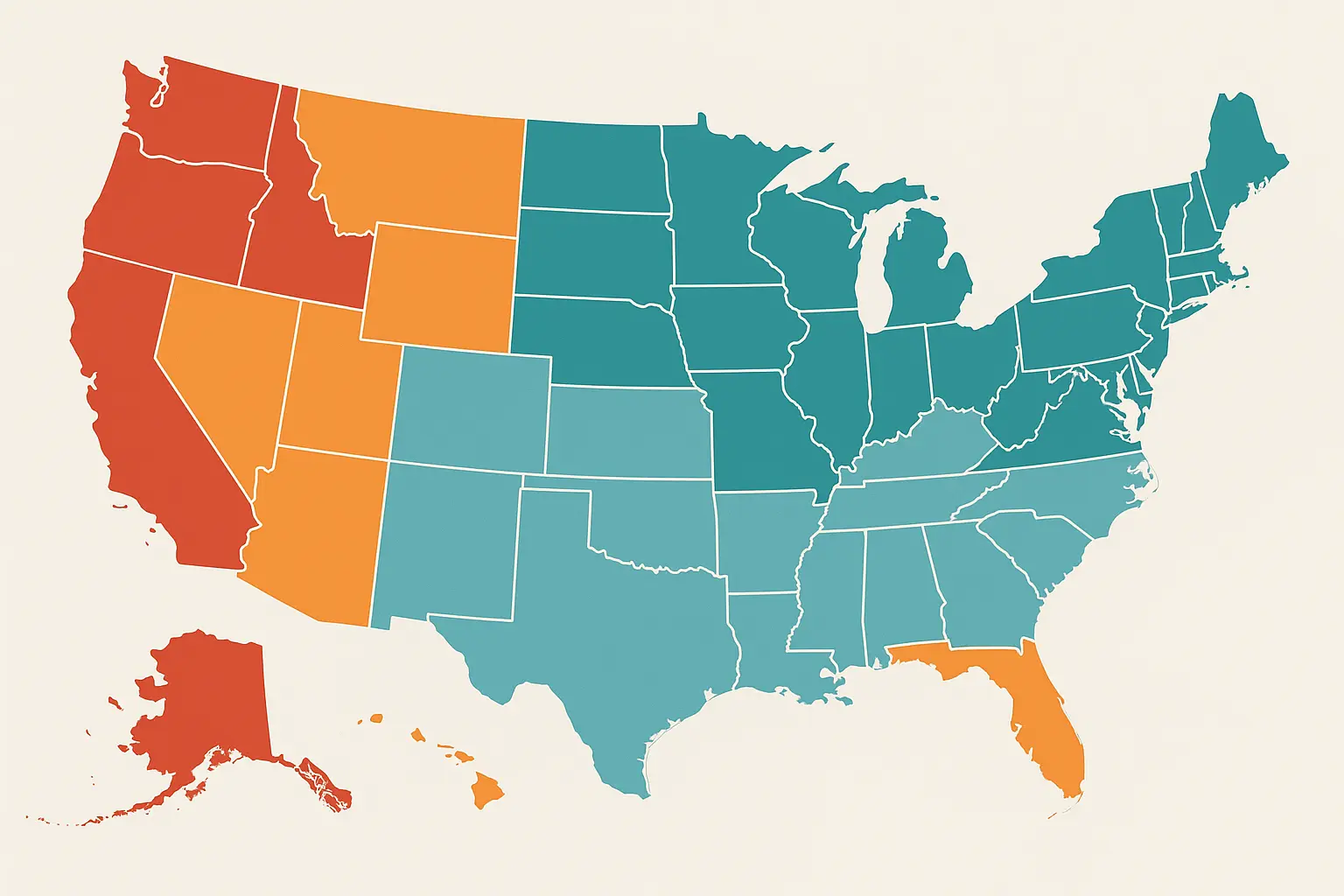
Location isn’t just about lifestyle – it’s about your paycheck. Western states pay 15-25% more, but don’t pack for California without checking housing costs. Colorado offers that sweet spot of decent salaries with reasonable living expenses.
The Sector Decision:
Federal jobs offer lower base pay but incredible benefits and job security. You’ll find stable employment with agencies like the U.S. Fish and Wildlife Service or National Park Service, typically earning $55,000-$85,000 with comprehensive health coverage and retirement plans.
Private consulting provides $100+ per hour potential, but you’re constantly hunting for projects. Environmental consulting firms hire mammalogists for regulatory compliance and impact assessments, offering higher compensation but less predictable income.
Academia presents a wide salary range ($50k-$120k+) depending on your ability to secure grants and advance through the ranks from postdoc to full professor.
The field has seen high-profile examples of mammalogists in public roles facing scrutiny. “Professor Flannery, a mammalogist and a paleontologist” faced significant media attention when serving as climate commissioner, highlighting how public sector roles can involve both higher visibility and political challenges that private sector positions typically avoid.
Is That PhD Really Worth It?
Here’s my take: A master’s degree is the sweet spot for most people. It adds $10,000-$15,000 to your salary and takes 2-3 years. A PhD can boost earnings by $20,000-$30,000, but requires 4-7 years and often leaves you with debt.

Ask yourself: Do you want to lead research or do research? If you love hands-on fieldwork and project management, a master’s might serve you better than a doctorate.
For new graduates considering their educational options, understanding whether a college degree is worth the investment becomes crucial when weighing the long-term earning potential in specialized fields.
Many professionals in this field face challenges when they need to replace lost diplomas after years of fieldwork in remote locations where documents can easily be damaged or misplaced.
Skills That Actually Matter
Forget what your professors emphasized – here’s what employers really want:
GIS software (non-negotiable now) – Whether you’re mapping habitats or analyzing movement patterns, spatial analysis skills are essential.
Statistical analysis in R or Python – Employers want people who can design studies, analyze complex datasets, and present results clearly.
Grant writing (this skill alone can transform your career) – Successful grant writers can secure funding for their research and their salaries.
Camera trap and GPS technology – Modern mammalogy relies heavily on remote monitoring equipment.

I’ve seen mammalogists with these skills get hired over candidates with better degrees but weaker technical backgrounds. These technical competencies consistently lead to higher salaries and more job offers.
The Future Looks Promising
Climate change research is driving new funding and positions. Urban wildlife management is exploding as cities grow. Conservation organizations are expanding as public awareness increases.
According to recent projections, the job demand for mammalogists is expected to grow 4% in the ten-year period leading up to 2033, which is in line with the national average for all professions, though increasing environmental concerns and growing human populations will increase demand.

The catch? You need to position yourself in these growing areas now, not after they become mainstream. Mammalogists specializing in conservation biology and climate change research often command premium salaries due to high demand and specialized expertise.
What Mammalogists Actually Do All Day
The job involves more computer time than you might expect. Yes, there’s fieldwork – tracking animals, collecting samples, and observing behaviors. But you’ll also spend considerable time analyzing data, writing reports, and managing databases.

Dr. Martinez, a senior mammalogist with the U.S. Fish and Wildlife Service, spends 40% of her time on data analysis and report writing, 30% in the field conducting surveys, 20% in meetings and collaboration, and 10% on administrative tasks. This balance shifts seasonally, with more fieldwork during optimal survey conditions.
Laboratory work is another major component. Genetic analysis, specimen preparation, and microscopy work require different skills than fieldwork but are equally important to the profession.
Negotiating Your Worth in a Niche Field
Let’s talk about something most mammalogists are terrible at: asking for what they’re worth.
You can’t just walk into your boss’s office and demand more money because you love animals. You need to prove your value. Here’s how:
Become the go-to expert. If you’re the only person in your region who understands urban coyote behavior or white-nose syndrome in bats, you have serious leverage. Employers will pay premium rates for expertise they can’t find on LinkedIn.
Document your impact. Did your research influence policy? Save your organization money? Lead to successful grant funding? Keep a running list. When salary review time comes, you’ll have concrete examples instead of vague feelings.
Know the market. Research what similar mammalogist professionals earn in your area and sector. Websites like Glassdoor help, but nothing beats talking to colleagues at conferences.
The visibility that comes with professional recognition can be a double-edged sword, as seen when prominent mammalogist Tim Flannery faced intense media scrutiny. His $180,000 part-time salary as climate commissioner became a focal point of political debate, demonstrating how high-profile positions can bring both substantial compensation and public accountability.
The Hidden Costs Nobody Mentions
Before you commit to this career path, let’s talk about expenses that eat into those salary numbers:
Field gear isn’t cheap. Quality boots, weather gear, and camping equipment can easily cost $2,000-$3,000. Most employers provide some equipment, but you’ll supplement with your own gear.
Conference travel is essential for networking and career development, but registration fees, hotels, and flights add up quickly. Budget $3,000-$5,000 annually if you’re serious about advancing.
Vehicle expenses are brutal. Field sites aren’t accessible by public transit. You’ll need a reliable vehicle, often with 4WD capability.
Academic professionals often need to properly display their credentials in their offices to establish credibility with students and colleagues.
Getting Your Foot in the Door
Year 1-2 after graduation: Take any field position you can get. Volunteer for extra projects. Learn equipment inside and out.

Year 3-5: Pursue your master’s while working. Choose your advisor carefully – they’ll shape your entire career trajectory.
Year 5+: Specialize in high-demand areas. Build your professional network religiously. Consider that PhD if you want to lead research programs.
Understanding the salary progression is crucial for career planning. An entry level mammalogist (1-3 years of experience) earns an average salary of $44,454, while a senior level mammalogist (8+ years of experience) earns an average salary of $73,620, demonstrating the significant return on investment for experience and specialization.
When switching jobs or negotiating positions, professionals sometimes need official transcripts to verify their educational qualifications and specialized training.
Work-Life Balance Reality Check
Let me be honest about what this career actually looks like day-to-day:
Seasonal intensity means working 60-hour weeks during field season, then having slower periods for data analysis and writing. It’s feast or famine, not a steady 9-to-5.
Remote locations can be isolating. You might spend weeks in beautiful but cell-phone-dead wilderness areas. Great for Instagram, tough on relationships.
Physical demands are real. You’ll hike long distances carrying heavy packs, work in extreme weather, and handle animals that don’t want to be handled.
But here’s why people stay: the moment you watch a mother bear teach her cubs to fish, or successfully relocate a problem animal, or see your research contribute to species protection – those moments make everything worthwhile.
Alternative Paths Worth Considering
Not everyone needs to follow the traditional academic track. Here are some options that still use your mammalogy background:
Science writing and communication pays well ($50,000-$80,000) and desperately needs people who actually understand the science. Your mammalogy degree gives you credibility that English majors can’t match.
Wildlife photography combines your field skills with creative expression. It’s competitive and requires business skills, but successful wildlife photographers can earn $60,000-$150,000+ annually.
Environmental consulting often pays better than research positions. You’ll help companies comply with wildlife protection laws and conduct impact assessments.
Zoo and aquarium careers offer steady employment and regular hours. Curator positions can reach $80,000-$120,000, especially at major institutions.
The Networking Game You Must Play
Professional success in mammalogy depends heavily on who you know. Here’s how to build relationships that matter:
Conference networking isn’t about collecting business cards – it’s about having genuine conversations about research and career challenges. The best connections happen over coffee or dinner, not during formal presentations.
Social media presence matters more than you think. Twitter, LinkedIn, and ResearchGate help you stay visible and connected to the broader community.
Mentorship goes both ways. Find mentors who can guide your career, but also mentor students and early-career professionals.
The mammalogy community is surprisingly small and interconnected. Your reputation will follow you throughout your career.
Financial Planning for an Irregular Career
Mammalogy careers often involve irregular income, especially if you’re doing consulting work or relying on grants. Here’s how to manage:
Build an emergency fund of 6-12 months’ expenses. Field work can be unpredictable, and you need a buffer for lean periods.
Diversify your income streams. Combine salary work with consulting, writing, or teaching. Multiple income sources provide stability and higher overall earnings.
Plan for seasonal fluctuations. Many positions are seasonal or project-based. Budget accordingly and save during busy periods.
Many career changers in this field find themselves needing to obtain official transcripts from previous institutions when applying to graduate programs or new positions.
How ValidGrad Supports Your Mammalogy Career Journey
The demanding nature of mammalogy careers – with extensive fiel
The demanding nature of mammalogy careers – with extensive field work, frequent travel between research sites, and international expeditions – can put your important documents at risk. Whether you’ve lost diplomas during a research expedition, had transcripts damaged in field conditions, or need backup copies while your originals are being used for official purposes, ValidGrad’s professional document recreation services provide peace of mind.
Your academic achievements represent years of dedication and hard work, from undergraduate studies through advanced degrees and specialized training. ValidGrad ensures these credentials are always properly documented and presentable for career opportunities, office displays, or professional presentations.
Whether you need replacement diplomas after field damage or professional display options for your office, ValidGrad provides comprehensive document services for academic professionals.
The Real Talk
Mammalogy won’t make you rich, but it can provide a comfortable living if you’re strategic. The professionals earning $75,000+ didn’t stumble into those positions – they made deliberate choices about education, specialization, and career development.
Before committing to this career path, honestly answer these questions:
- Can you handle financial uncertainty and lower starting salaries?
- Do you thrive in physically demanding, sometimes uncomfortable conditions?
- Are you motivated by conservation goals rather than just loving animals?
- Can you develop the technical skills that modern employers demand?
- Are you prepared for the time investment required for advanced education?
If you answered yes to most of these questions, mammalogy can offer a rewarding career that combines scientific rigor with conservation impact. The salaries may not rival tech or finance, but the work provides meaning that’s hard to find elsewhere.
Most importantly, remember why you chose this field. Yes, the starting salary is rough, but where else can you contribute to species conservation while working in some of the world’s most incredible locations?
The key is entering with realistic expectations and a strategic plan. Those who succeed treat their career development as seriously as their research, continuously building skills, relationships, and expertise that set them apart in a competitive field. Your passion for mammals got you interested in this field, but strategic thinking and continuous learning will determine whether you build a sustainable career or struggle with financial stress and limited opportunities.