
Here’s what nobody tells you about business management salary: I’ve watched brilliant managers get stuck at $60K while others with half their talent cruise past $150K. The difference isn’t luck—it’s knowing how the game actually works.
After years in management and countless salary negotiations, I’ve cracked the code on what really drives compensation. Spoiler alert: it’s not what most career blogs tell you.
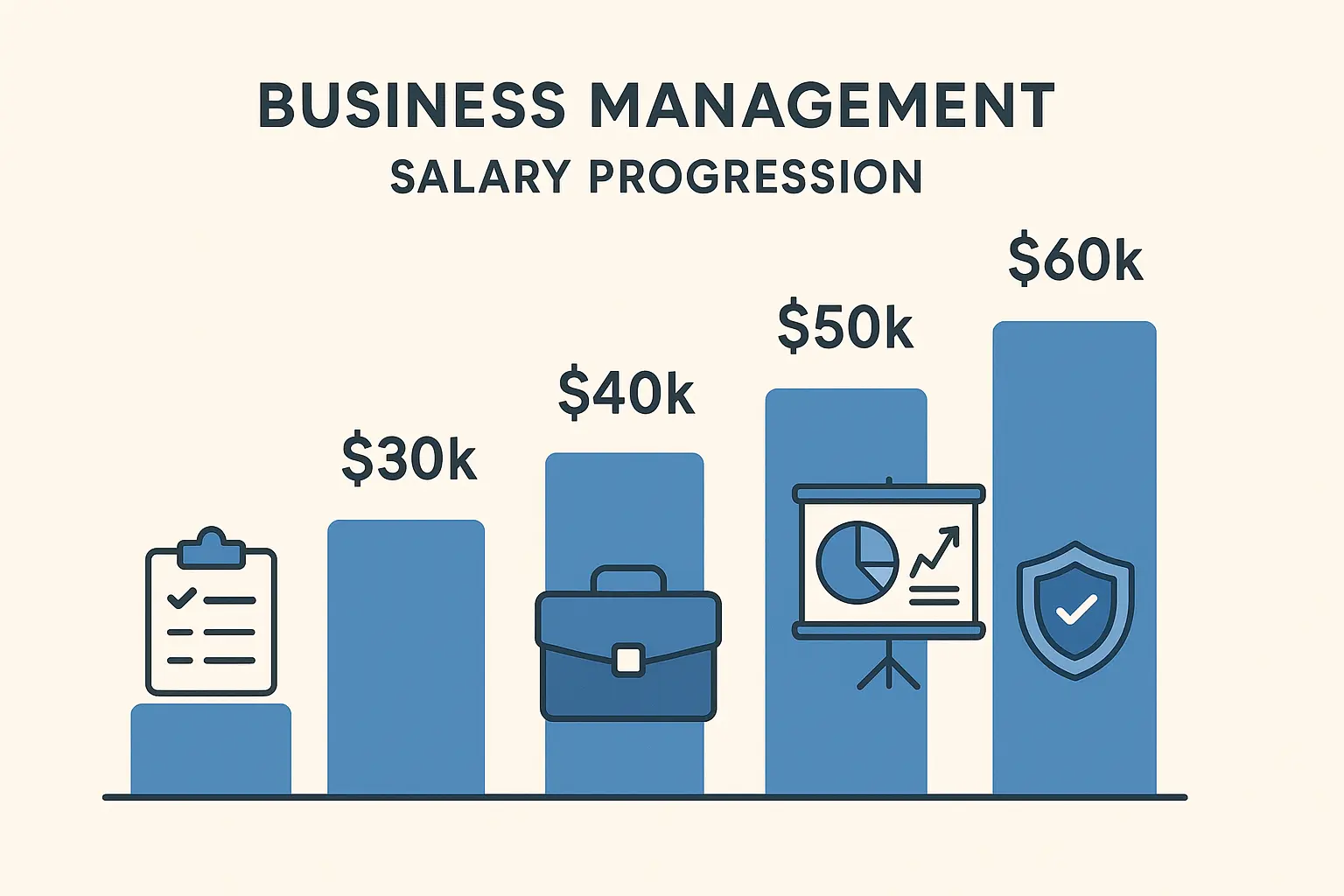
According to the Bureau of Labor Statistics, the median annual wage for management occupations was $122,090 in May 2024, which was significantly higher than the median annual wage for all occupations of $49,500. But here’s the thing—those are just averages. The real money is in understanding the system behind those numbers.
The Real Numbers (No BS)
Let’s start with what managers actually make, not the fantasy numbers you see on job boards:
Entry-level managers: $45K-$75K (yes, that’s a huge range—I’ll explain why)
Mid-level: $70K-$120K (this is where smart moves pay off big)
Senior management: $120K-$300K+ (where strategy meets serious money)
But here’s the kicker—location and industry can swing these numbers by 40% or more. A $50K retail manager in Ohio could be making $85K managing a tech team in Seattle. Same skills, different choices.
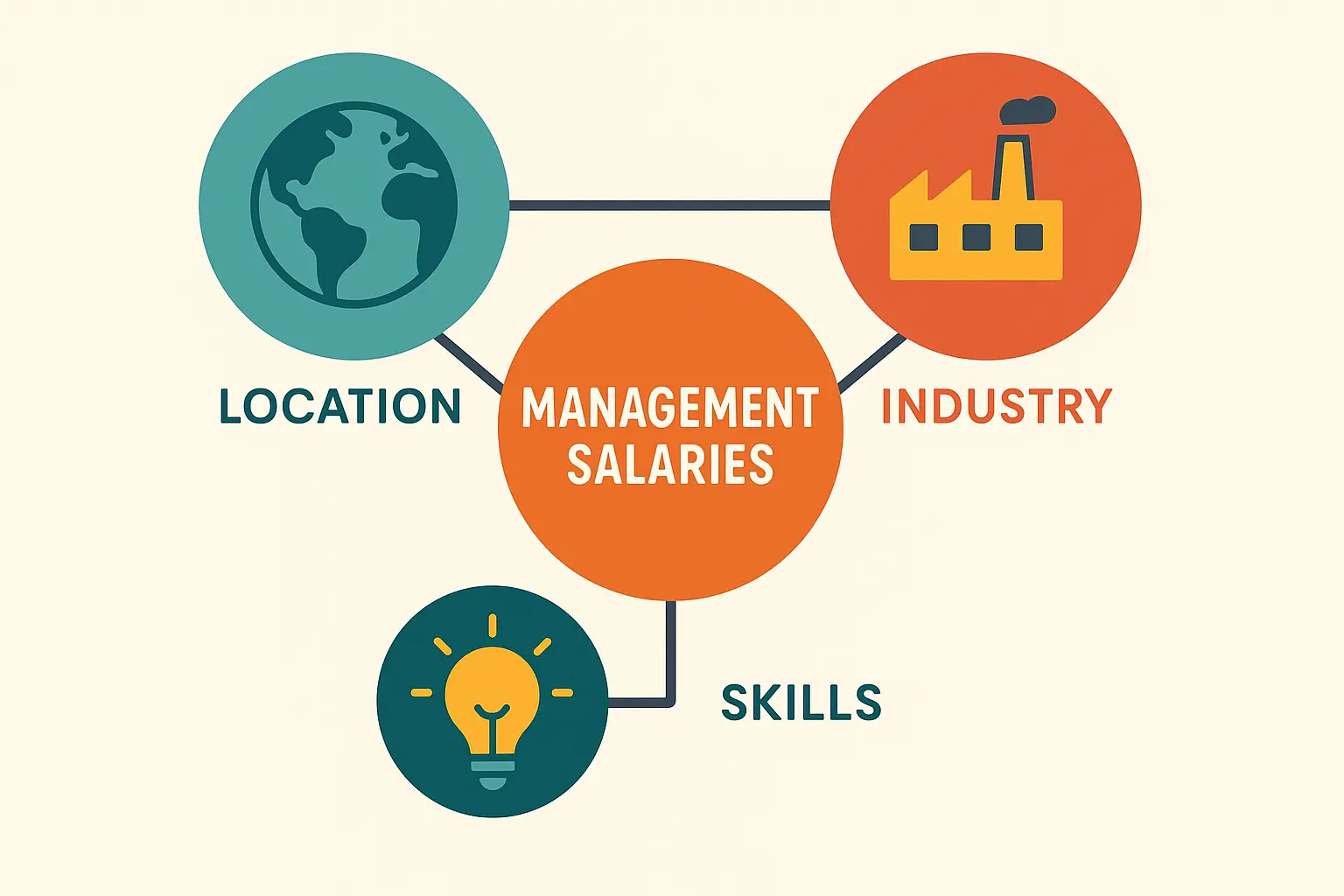
The business management salary landscape has shifted dramatically in recent years. Remote work, skills shortages, and economic changes have completely rewritten how companies compensate their management teams. What worked five years ago might actually hurt your earning potential today.
The Three Things That Actually Matter
After analyzing hundreds of management careers, three factors determine your business management salary more than everything else combined:
1. Where You Work (Geography + Industry)
Remote work changed everything. You can now grab a San Francisco salary while living anywhere. I know managers who negotiated 30% raises just by going remote with the right companies.
High-paying industries for managers:
– Tech (obviously)
– Healthcare administration
– Financial services
– Consulting

Sarah started as an assistant manager at a retail chain in Ohio earning $48,000. When she moved to a similar role at a tech company in Austin, her business management salary jumped to $68,000—a 42% increase for essentially the same responsibilities but in a different industry and location.
Major metropolitan areas consistently offer management salaries 20-40% above national averages, but the cost of living equation isn’t as simple as most people think. San Francisco Bay Area management roles often start 30-50% higher than national averages, with senior positions reaching $200,000-$400,000+ in total compensation.
2. The Skills That Pay
Not all management skills are equal. Here’s what actually moves the needle on your business management salary:
Data analysis – Managers who can read spreadsheets and create dashboards earn 15-25% more
Change management – Companies pay premium for managers who can navigate chaos
Remote team leadership – This skill alone can justify a $15K bump

Data analytics capabilities have become incredibly valuable across all industries. Managers who can interpret complex datasets, create meaningful reports, and use data to drive decision-making often earn 15-25% more than their peers. Tools like Tableau, Power BI, or advanced Excel skills can provide immediate salary boosts.
3. How You Position Yourself
This is where most managers fail. They focus on responsibilities instead of results. Wrong approach.
Instead of: “Managed a team of 12”
Try: “Led team that reduced processing time by 35%, saving $180K annually”
See the difference? Numbers tell stories that get you paid.
Jennifer documented her management achievements meticulously: “Led digital transformation initiative resulting in 35% reduction in processing time, $180,000 annual cost savings, and 95% employee adoption rate within 6 months.” This specific documentation helped her secure a $25,000 salary increase during her annual review.
The MBA Question Everyone Asks
Should you get an MBA? Maybe, but not for the reasons you think.
MBA salary premium: 15-25%
Cost: $100K-$200K
Time: 2 years
Better ROI often comes from targeted certifications:
– PMP (Project Management): $5K-$15K salary bump, costs under $2K
– Six Sigma Black Belt: Often pays for itself within months
– Industry-specific certs: Fastest path to raises
When considering the educational requirements for these entry-level management positions, it’s worth examining whether a college degree is worth the investment given the salary potential in management roles.
The MBA premium is most pronounced in consulting, finance, and Fortune 500 companies where the degree serves as both a skill signal and cultural fit indicator. However, I’ve watched managers with strong track records and relevant certifications out-earn MBA holders who lack practical leadership experience.
For professionals considering their educational options, understanding the true cost of a college degree becomes crucial when evaluating the MBA premium against potential salary increases.
Mark, a mid-level operations manager, invested $8,000 in a Six Sigma Black Belt certification. Within six months of completion, he negotiated a $18,000 salary increase by demonstrating his ability to lead process improvement initiatives that saved his company $250,000 annually.
The Strategic Career Moves That Actually Work
Here’s where most managers mess up their career trajectory: they wait for promotions instead of creating them.
I’ve seen too many talented people stuck because they played it safe. Meanwhile, the managers making serious money treat their careers like a chess game—always thinking three moves ahead.
The 2-3 Year Rule
Smart managers change jobs every 2-3 years. Why? External moves typically net 15-30% salary increases, while internal promotions average 3-7%. Do the math.
But here’s the catch—you can’t just job-hop randomly. Each move needs to build toward something bigger.
Industry Switching Strategy
Sometimes the fastest salary growth comes from jumping industries entirely. I know a retail manager who moved to healthcare administration and got a 40% bump. Same leadership skills, different market value.
According to Bureau of Labor Statistics projections, overall employment in management positions is projected to grow faster than the average for all occupations from 2024 to 2034, with about 1.1 million openings projected each year on average due to employment growth and the need to replace workers who leave the occupations permanently.
High-growth industries actively recruiting managers:
– Healthcare (aging population = massive demand)
– Cybersecurity (every company needs this now)
– Green energy (government funding = job creation)
– E-commerce logistics (pandemic changed everything)
The Network Effect
Your network determines your net worth—cheesy but true. The highest-paid managers I know got there through relationships, not job boards.
Professional associations aren’t just for networking events. They provide:
– Salary surveys (the real data)
– Job placement services
– Industry trend insights
– Mentorship opportunities
When Remote Work Becomes Your Salary Strategy
This is the game-changer nobody saw coming. Remote work didn’t just change where we work—it changed how much we can earn.
Smart managers are now accessing high-paying markets from anywhere. A manager in Kansas City can now compete for Seattle tech jobs at Seattle salaries.
The Remote Premium
Companies are paying 10-20% premiums for managers who can actually lead remote teams effectively. Most managers just survived remote work during COVID. The ones earning premiums mastered it.
Key remote management skills worth premium pay:
– Asynchronous communication mastery
– Virtual team building
– Digital project management
– Remote performance tracking
– Online culture development
Remote work flexibility can effectively provide a 10-20% salary increase by eliminating commuting costs, reducing work wardrobe expenses, and allowing you to live in lower-cost areas while maintaining high-paying positions.
I’ve watched managers negotiate remote arrangements that let them keep San Francisco salaries while living in Austin, Denver, or even smaller cities. Companies are increasingly willing to pay premium salaries for proven remote management skills, especially in areas like virtual team leadership and digital project management.
The Negotiation Game
Most managers approach salary negotiations completely wrong. They focus on what they need instead of what they’re worth.
Here’s my framework:
1. Research like your paycheck depends on it (because it does)
2. Document everything you’ve achieved with specific numbers
3. Frame it as business value, not personal need
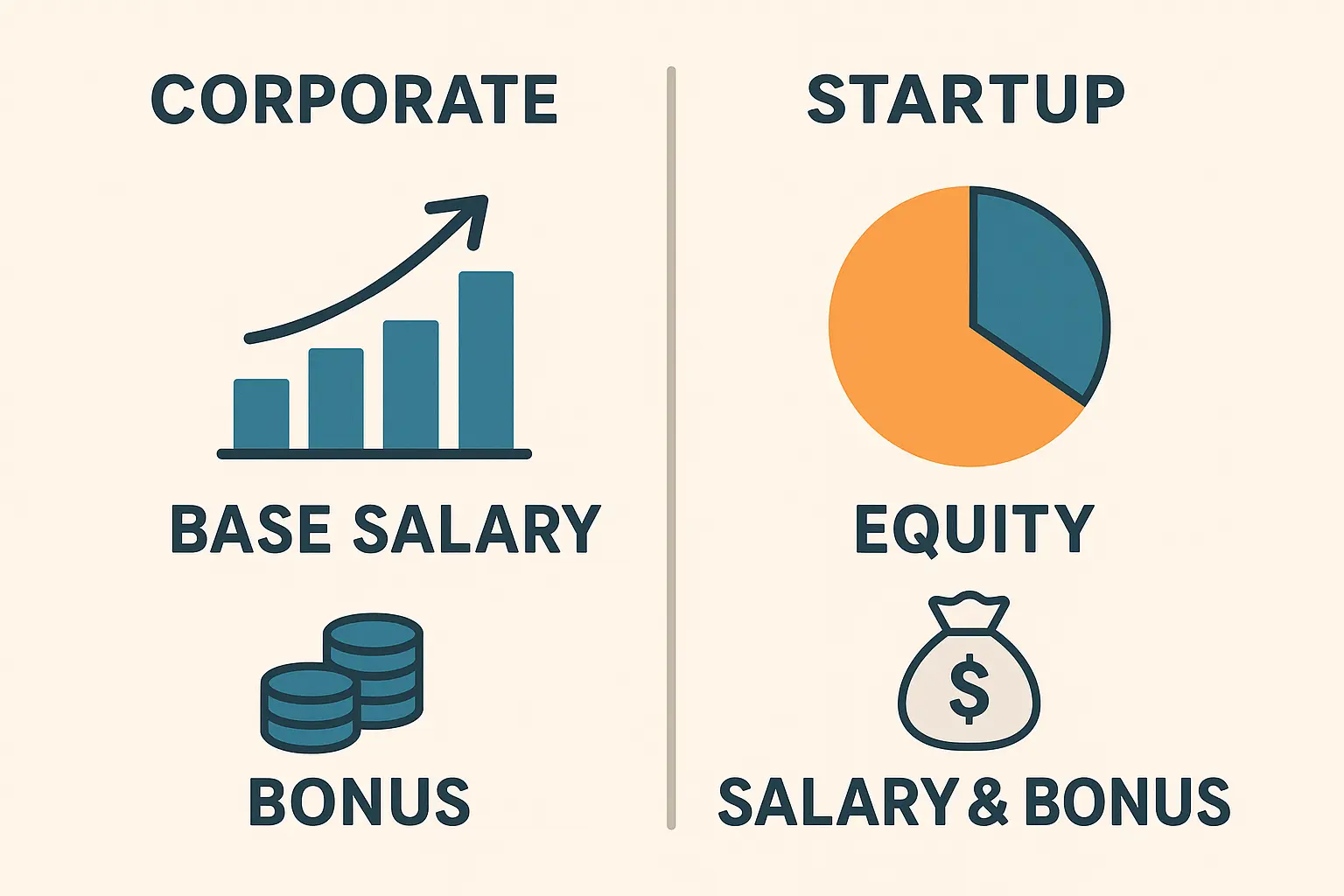
4. Think total compensation, not just base salary
Real example: My friend Sarah didn’t just ask for a raise. She presented data showing how her process improvements saved the company $250K. She got a $35K bump plus equity.
The Business Case Method
Instead of asking for a raise, present a business case for investment in your role. Show how additional compensation drives business results.
Frame it like this:
“Based on the $X savings I generated last quarter, investing an additional $Y in my compensation would provide Z% ROI through expanded responsibilities.”
Timing Is Everything
Best times to negotiate:
– After major achievements
– During budget planning cycles
– When taking on new responsibilities
– After positive performance reviews
– When you have competing offers (but be careful here)
During salary negotiations, having proper documentation becomes critical, and professionals should understand how to display certificates on wall to showcase their achievements effectively in office settings.
Total Compensation: The Hidden Money
Base salary is just the starting point. The managers making real money understand total compensation packages.
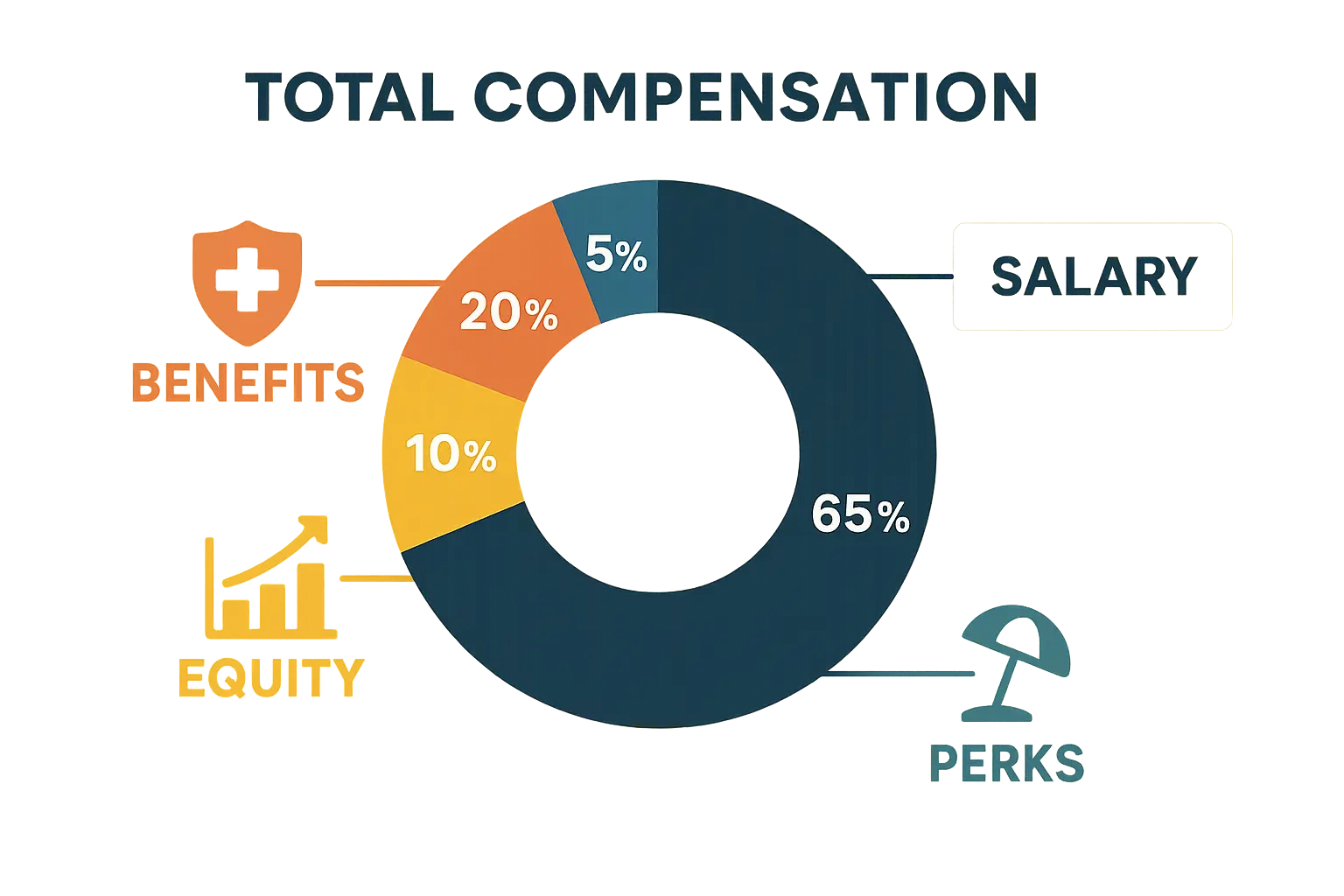
Benefits That Actually Add Up
Don’t just look at health insurance. Look at:
– 401k matching (free money up to the match)
– Stock options (especially in growing companies)
– Professional development budgets
– Flexible work arrangements
– Sabbatical policies
Health insurance benefits can vary dramatically in value. A comprehensive health plan with low deductibles and broad provider networks might be worth $15,000-$20,000 annually, while a high-deductible plan might only provide $8,000-$10,000 in value.
The Equity Game
Stock options can make or break your total compensation. I know managers whose equity packages doubled their effective salary over five years.
But understand the terms:
– Vesting schedules (when you actually own the stock)
– Exercise prices (what you pay to buy shares)
– Tax implications (this gets complex fast)
Performance Bonuses Done Right
The best bonus structures tie directly to metrics you can influence. Avoid companies with “discretionary” bonuses—that’s code for “maybe if we feel like it.”
Good bonus structures:
– Team productivity improvements
– Cost reduction initiatives
– Revenue growth targets
– Customer satisfaction scores
According to recent industry analysis, the projected job growth rate for all jobs is 4% from 2024-2034, while the projected rate for several management occupations is over 5%, indicating strong demand for management professionals.
|
High-Paying Management Roles |
Median Annual Salary (2024) |
Required Education |
Growth Projection |
|---|---|---|---|
|
Chief Executive Officer |
$206,420 |
Bachelor’s + experience |
4% |
|
Marketing Manager |
$161,030 |
Bachelor’s in business/marketing |
8% |
|
Financial Manager |
$161,700 |
Bachelor’s in business/finance |
9% |
|
Human Resources Manager |
$140,030 |
Bachelor’s in business/HR |
6% |
|
Operations Manager |
$102,950 |
Bachelor’s in business |
5% |
|
Project Management Specialist |
$100,750 |
Bachelor’s + certification |
5% |

The Skills Investment Strategy
Not all professional development is created equal. Some skills provide immediate ROI, others are long-term investments.
Immediate ROI Skills (6-12 months payback):
– Data analysis (Excel, Tableau, Power BI)
– Project management certification (PMP, Agile)
– Industry-specific credentials
– Public speaking/presentation skills
Long-term Investment Skills (2-5 years payback):
– MBA or executive education
– Second language fluency
– Advanced technical certifications
– Board service experience
The Technology Learning Curve
AI isn’t replacing managers, but it’s changing what we do. The managers adapting fastest are commanding premium salaries.
High-value tech skills for managers:
– AI tool implementation
– Process automation
– Digital workflow design
– Data visualization
– Cybersecurity basics

Executive education programs at top business schools often provide better ROI than full MBA programs for experienced managers. These intensive programs typically cost $5,000-$15,000 but can result in immediate salary increases of $10,000-$25,000 while expanding your professional network significantly.
Management Skills Development Checklist:
– Complete emotional intelligence assessment and training
– Develop data analysis capabilities in Excel/Tableau
– Obtain industry-specific certifications
– Practice public speaking and presentation skills
– Learn change management methodologies
– Build cross-functional collaboration experience
– Master virtual team leadership techniques
– Develop financial literacy and P&L understanding
Future-Proofing Your Management Career
The next decade will separate adaptive managers from obsolete ones. Here’s what’s coming and how to prepare.

The Hybrid Management Reality
Hybrid work isn’t going away. Companies need managers who can seamlessly blend in-person and remote leadership.
This creates opportunities for managers who can:
– Design effective hybrid workflows
– Maintain team culture across locations
– Optimize productivity in flexible environments
– Navigate complex scheduling and coordination
Sustainability and ESG Leadership
Environmental, Social, and Governance (ESG) initiatives are becoming core business requirements. Managers with ESG expertise command premium salaries.
The Data-Driven Everything Trend
Every business decision now requires data backing. Managers who can’t interpret analytics, create dashboards, and present data-driven recommendations will hit salary ceilings.
Advanced analytics skills can add $15,000-$25,000 to management salaries across most industries. The ability to create dashboards, interpret predictive models, and translate data insights into actionable business strategies has become a core competency for high-earning managers.
Crisis Management as a Core Skill
COVID taught us that crisis management isn’t a nice-to-have—it’s essential. Managers who can lead through uncertainty, adapt quickly, and maintain team performance during disruption are invaluable.
Automation Creates New High-Value Roles
While some traditional management tasks become automated, new roles in change management, digital strategy, and human-AI collaboration command premium salaries as organizations navigate technological transformation.
Managers earning the highest salaries aren’t fighting automation—they’re leveraging it. I’ve seen management roles focused on AI implementation, digital workflow optimization, and technology adoption strategies command 20-30% salary premiums over traditional management positions.

Diversity and Inclusion Leadership
Management roles focused on building inclusive teams and diverse organizations are seeing increased demand and competitive compensation packages as companies prioritize these initiatives for both ethical and business reasons.
Diversity and inclusion expertise can open doors to specialized management roles with significant salary premiums. Chief Diversity Officers and similar positions often command $150,000-$300,000+ salaries depending on company size and industry.
Your Personal Salary Optimization System
Stop treating your career like it’s happening to you. Start managing it like the strategic asset it is.
Monthly Review Process:
– Track achievements with specific metrics
– Monitor industry salary trends
– Update professional profiles
– Assess skill development progress
– Network with industry contacts
Quarterly Strategic Planning:
– Evaluate current market value
– Identify skill gaps and development opportunities
– Review career trajectory against goals
– Assess job market conditions
– Plan strategic moves
Annual Career Audit:
– Comprehensive salary benchmarking
– Total compensation analysis
– Network assessment and expansion
– Long-term career planning
– Professional brand evaluation
Your 90-Day Action Plan
Stop reading about salary optimization and start doing it:
Days 1-30:
– Benchmark your salary using 3+ sources
– Document your achievements with numbers
– Identify one high-ROI certification to pursue
Days 31-60:
– Network with 5 people in target roles/companies
– Update LinkedIn with quantified achievements
– Research companies known for paying well
Days 61-90:
– Apply for stretch roles or request internal review
– Practice negotiation conversations
– Set up systems to track ongoing achievements
Salary Optimization Action Checklist:
– Complete comprehensive salary benchmarking research
– Identify and pursue high-ROI certifications
– Build and maintain professional network contacts
– Document quantifiable business achievements
– Develop negotiation strategy and materials
– Set 6-month and 1-year salary goals
– Create professional development timeline
– Monitor industry salary trends monthly
For management professionals looking to advance their careers and maximize their earning potential, having proper documentation of your educational achievements becomes crucial during salary negotiations and career transitions. Sometimes important credentials can be lost or damaged at the worst possible moments—right before a big interview or promotion discussion. Understanding how to get a diploma replacement ensures you’re always prepared for these critical career moments.
Additionally, knowing how to professionally display your framed college diploma in your office can reinforce your credibility during salary discussions and client meetings.
ValidGrad understands these challenges and provides high-quality diploma replication services that ensure you always have the professional documentation needed to support your management career advancement. Whether you’re preparing for salary negotiations, job interviews, or career transitions, ValidGrad helps maintain your professional credibility when it matters most.
Don’t let missing educational documentation hold back your salary growth potential—ValidGrad provides the solution to keep your career momentum moving forward.
The Reality Check
Here’s what nobody wants to tell you: maximizing your business management salary requires continuous effort. It’s not a one-time negotiation or a single career move.
The managers earning top dollar treat salary optimization like a core competency. They’re always learning, always networking, always positioning themselves for the next opportunity.
But here’s the good news: once you understand the system, it becomes predictable. Value creation leads to compensation growth. Strategic positioning leads to better opportunities. Continuous development leads to career advancement.
The choice is yours: stay comfortable and plateau, or embrace the strategic approach and unlock your earning potential.
Your business management salary isn’t determined by fairness, seniority, or hope. It’s determined by the value you create, the skills you develop, and the strategic choices you make.
Stop waiting for recognition. Start creating undeniable value. Your bank account will thank you.
The Bottom Line
Your management salary isn’t determined by fairness or time served. It’s determined by the value you create and how well you communicate that value.
The managers earning top dollar aren’t necessarily the best—they’re the ones who understand the system and play it strategically.
Stop hoping your boss will notice your hard work. Start documenting your business impact, developing market-relevant skills, and positioning yourself where your contributions are most valued.
The difference between a $60K manager and a $150K manager isn’t talent—it’s strategy.
Maximizing your business management salary isn’t about luck or hoping for the best—it’s about understanding the system and making strategic decisions that compound over time. The managers who consistently earn top compensation treat their careers systematically, with clear objectives, measurable outcomes, and strategic approaches to growth. Your salary potential is ultimately determined by the value you create, the skills you develop, and the strategic choices you make throughout your career journey.
The business management salary landscape will continue evolving, but the fundamental principles of value creation, strategic positioning, and continuous development remain constant. Focus on building skills that solve real business problems, document your impact with concrete metrics, and position yourself in industries and roles where your contributions are most valued.
Remember that salary optimization is a long-term game. The decisions you make today about skill development, networking, and career positioning will determine your earning potential for years to come. Stay focused on creating measurable business value, and the compensation will follow.