
The traditional four-year education degree path to English teaching is no longer the only route into the classroom. With the current teacher shortage reaching critical levels – including approximately 2,500 English teachers employed in public schools across North Carolina alone, according to the North Carolina Department of Public Instruction – alternative certification programs, emergency permits, and skills-first hiring practices are revolutionizing how we define qualified educators. This comprehensive guide explores the unconventional pathways that nobody talks about, from navigating lost credentials to mastering the hidden politics of English departments.
Table of Contents
-
The Credentialing Paradox in Modern Education
-
The Alternative Credential Revolution
-
The Documentation Dilemma
-
The Unspoken Realities of English Teaching
-
Professional Development Beyond the Classroom
-
The Hidden Politics of English Departments
-
Final Thoughts
TL;DR
-
Traditional four-year education degrees aren’t the only way into English teaching – alternative certification routes, emergency permits, and skills-first hiring are opening new doors
-
Lost or damaged credentials don’t have to end your teaching dreams – strategic documentation management and backup systems protect your career
-
English teachers handle complex emotional labor, from managing student trauma through literature to navigating AI-generated assignments
-
Building a writer-teacher identity through publishing and professional networks enhances classroom credibility and career opportunities
-
Department politics, curriculum controversies, and administrative relationships significantly impact your teaching effectiveness and advancement
The Credentialing Paradox in Modern Education
The traditional path to English teaching through four-year education degrees no longer represents the complete picture of how educators enter classrooms today. Modern school districts face teacher shortages that have forced them to reconsider rigid credentialing requirements, creating opportunities for career changers and subject matter experts who bring real-world experience to education.
State certification requirements vary dramatically across districts, with some prioritizing emergency authorizations over traditional credentials during teacher shortages. I’ve seen districts that once demanded specific education coursework now welcoming professionals with strong writing backgrounds and communication skills. Subject matter expertise in writing, communications, or literature can outweigh education coursework when districts evaluate teaching candidates.
Alternative certification programs now account for nearly 20% of new teacher hires, fundamentally changing how we define qualified educators. This shift recognizes that effective teaching often depends more on subject knowledge and communication ability than on completing traditional education programs.
The Alternative Credential Revolution
Career changers are discovering that their professional backgrounds often provide stronger foundations for English teaching than traditional education programs. Programs have proven that intensive training combined with subject expertise can produce effective educators, while emergency teaching permits offer immediate classroom access for qualified candidates.
Alternative certification programs typically require 6-12 months of intensive training compared to 4 years of traditional education coursework. Emergency teaching permits allow immediate classroom placement while candidates complete certification requirements during their first teaching year. Skills-based hiring practices focus on demonstrated teaching ability through portfolio reviews and demonstration lessons rather than transcript analysis.
When you’re wondering how to become an English teacher without following the traditional route, these alternative pathways offer practical solutions that get you into classrooms faster while providing targeted training for the challenges you’ll actually face.
|
Alternative Certification Route |
Duration |
Requirements |
Best For |
|---|---|---|---|
|
Teach for America |
5-week summer institute + 2 years support |
Bachelor’s degree, leadership experience |
Recent graduates, career changers |
|
State Alternative Certification |
6-12 months |
Bachelor’s degree in subject area |
Working professionals |
|
Emergency Teaching Permit |
Immediate placement |
Bachelor’s degree, basic competency |
Urgent hiring needs |
|
Master’s in Teaching (MAT) |
1-2 years |
Bachelor’s degree, GRE scores |
Career changers seeking comprehensive training |
Non-Traditional Entry Points That Actually Work
Multiple pathways now exist for entering English education without traditional credentials. These routes often provide faster access to classrooms while offering practical training that directly applies to teaching challenges you’ll face daily.
Teach for America places candidates in high-need schools after 5-week summer training institutes, with ongoing support throughout the first two years. State-specific alternative certification programs allow working professionals to earn teaching credentials while employed in classrooms. Master’s in Teaching (MAT) programs designed for career changers combine graduate-level education coursework with intensive student teaching experiences.
The Corporate-to-Classroom Pipeline
Former marketing professionals, technical writers, and business communicators possess skills that translate directly to English instruction. Your experience creating presentations, managing deadlines, and communicating complex ideas to diverse audiences provides practical advantages that traditional education programs don’t always develop.
Corporate writing experience demonstrates real-world application of grammar, style, and audience awareness that students need for college and career success. Project management skills from business environments directly apply to lesson planning, assessment scheduling, and classroom organization systems.
Sarah, a former marketing manager, transitioned to teaching high school English after 10 years in corporate communications. Her experience creating quarterly reports and client presentations translated directly into teaching students how to write for specific audiences and purposes. She leveraged her project management skills to create comprehensive semester-long writing portfolios that tracked student progress more effectively than traditional grading methods.
Military Veterans in English Education
Veterans bring unique strengths to English classrooms, including leadership experience, structured thinking, and often extensive technical writing backgrounds. Military communication training emphasizes clarity and precision – essential skills for teaching effective writing.
Military technical writing experience provides strong foundation for teaching expository and argumentative writing skills. Leadership training translates directly to classroom management and student motivation techniques that civilian programs rarely address comprehensively.
The Skills-First Hiring Movement
Progressive school districts are shifting focus from credential verification to demonstrated teaching ability. This movement recognizes that effective instruction depends more on communication skills, subject knowledge, and classroom presence than on specific degree requirements.
Portfolio-based hiring allows candidates to showcase actual teaching materials, student work samples, and lesson plans rather than relying solely on transcripts. Demonstration lessons provide direct evidence of teaching effectiveness that traditional interviews cannot capture. Skills assessments evaluate candidates’ ability to explain complex concepts, manage classroom discussions, and provide constructive feedback on student work.
Portfolio-Based Hiring Practices
Schools increasingly evaluate teaching candidates through comprehensive portfolios that demonstrate actual classroom effectiveness. Your portfolio becomes more important than your transcript when districts can see evidence of student engagement and learning outcomes.
Teaching portfolios should include lesson plans with clear learning objectives, examples of student work showing progress over time, and reflection essays analyzing teaching decisions. Video recordings of teaching demonstrations allow hiring committees to evaluate classroom presence, communication clarity, and student interaction skills.
Emergency Authorization Opportunities
Emergency teaching permits provide immediate classroom access while you complete full certification requirements. These authorizations recognize that teacher shortages require flexible solutions that don’t compromise student learning.
Emergency authorizations typically require bachelor’s degrees in relevant subjects plus basic background checks and competency exams. Most emergency permits allow 1-3 years of teaching while completing traditional certification requirements through evening or online programs.
The Documentation Dilemma
Life events can destroy or complicate access to educational credentials, creating artificial barriers to teaching careers. Natural disasters, institutional closures, and simple document loss shouldn’t derail your professional goals when practical solutions exist for credential verification and replacement.
Institutional closures affect thousands of graduates annually, requiring alternative documentation strategies when original transcripts become unavailable. Natural disasters and personal emergencies can destroy irreplaceable documents, making backup systems essential for career protection. International credential recognition involves complex verification processes that may require extensive documentation from foreign institutions.
When Credentials Go Missing
Missing credentials create immediate professional obstacles, but understanding your options helps you navigate these challenges effectively. Whether documents were lost in moves, damaged by disasters, or affected by institutional changes, solutions exist for rebuilding your professional documentation.
Document replacement services can provide professional-quality credentials for display purposes while you work through official verification processes. Alternative verification methods include employer records, professional references, and competency demonstrations that prove your qualifications. Emergency situations often qualify for expedited processing through state education departments when you can demonstrate urgent employment needs.
Institutional Closure Complications
When degree-granting institutions close or merge, obtaining official transcripts becomes complex and time-consuming. These situations require proactive documentation strategies and understanding of alternative verification processes that education departments accept.
Closed institution records are typically transferred to state education departments or designated successor institutions, but access can take months to establish. Alternative documentation includes employment records, professional licenses, and competency assessments that demonstrate your educational background.
International Credential Recognition
Foreign-educated teachers face unique challenges in credential recognition that often require extensive documentation from international institutions. Understanding the evaluation process helps you prepare comprehensive credential packages that meet U.S. education requirements.
Credential evaluation services translate foreign transcripts into U.S. equivalents, but the process can take 6-12 weeks and cost several hundred dollars. Additional documentation may include course syllabi, institutional accreditation records, and English proficiency test scores depending on your country of origin.
Natural Disaster and Emergency Situations
Floods, fires, and other disasters can destroy irreplaceable educational documents, creating immediate professional obstacles. Emergency situations require quick action to protect your career while rebuilding essential documentation.
Insurance policies rarely cover the full cost of document replacement, making preventive backup systems more cost-effective than post-disaster recovery. Emergency documentation services can provide temporary credentials for job interviews and employment verification while you pursue official replacements.
Strategic Documentation Management
Proactive approaches to protecting educational credentials prevent career disruptions and provide peace of mind. Creating comprehensive backup systems ensures you always have access to professional documentation when opportunities arise.
Digital archive systems should include high-resolution scans stored in multiple cloud services with regular backup verification. Physical backup systems require secure storage in multiple locations, including safety deposit boxes or trusted family members’ homes. Professional-quality display copies allow you to showcase credentials in classrooms and offices while keeping originals safely stored.
Digital Archive Creation
Establishing comprehensive digital records of all educational achievements protects against document loss while providing instant access for job applications and verification requests. Cloud storage solutions ensure your credentials remain accessible regardless of local disasters or equipment failures.
High-resolution scanning (minimum 600 DPI) ensures digital copies remain legible when printed for official purposes. Multiple cloud storage services provide redundancy protection against service outages or account access issues.
Document Protection Checklist:
-
☐ Scan all credentials at 600 DPI minimum
-
☐ Store copies in at least 3 different cloud services
-
☐ Create physical backups in fireproof safe
-
☐ Maintain copies with trusted family member
-
☐ Update digital archives annually
-
☐ Test file accessibility quarterly
-
☐ Document all verification contact information
Physical Backup Systems
Creating professional-quality duplicate documents serves dual purposes – protecting against original document loss while providing presentable credentials for interviews and workplace display. Quality backup systems demonstrate professionalism and attention to detail that administrators notice.
Professional printing services can create display-quality copies suitable for framing in classrooms or offices. Secure storage systems should include fireproof safes, safety deposit boxes, and trusted off-site locations to protect against various disaster scenarios.
The Unspoken Realities of English Teaching
English teaching involves complex responsibilities that preparation programs rarely address comprehensively. Beyond lesson planning and grading, you’ll navigate emotional labor, technology challenges, and community engagement that significantly impact your effectiveness and job satisfaction.
Emotional labor in English teaching includes managing student trauma revealed through writing assignments and maintaining appropriate therapeutic boundaries. Technology integration requires constant adaptation to new tools while preserving fundamental literacy instruction and academic integrity. Community engagement extends beyond parent communication to include local organizations, cultural institutions, and advocacy for literacy initiatives.
If you’re exploring how to become an English teacher, understanding these hidden challenges helps you prepare for the full scope of the profession beyond what you see in job descriptions.
The Emotional Labor Economy
English teachers carry unique psychological burdens as students often use writing assignments to process difficult life experiences. You become a confidant and emotional support while maintaining professional boundaries and educational objectives.
Student writing frequently reveals personal trauma, family dysfunction, and mental health struggles that require careful professional response. Mandatory reporting obligations create complex situations where educational trust must balance with legal responsibilities for student safety. Emotional boundaries between therapeutic support and educational instruction require constant navigation to maintain professional effectiveness.

Managing Student Trauma Through Literature
When students use creative writing assignments to process abuse, family dysfunction, or mental health struggles, you must navigate complex ethical and legal responsibilities while maintaining trust and encouraging continued expression.
Trauma-informed teaching practices help create safe spaces for student expression while recognizing signs that require professional intervention. Documentation protocols for concerning student writing must balance confidentiality with mandatory reporting requirements. Referral networks with school counselors and mental health professionals provide essential support for students whose needs exceed classroom scope.
Mandatory Reporting Navigation
Understanding legal obligations when student writing reveals abuse or self-harm requires balancing trust-building with safety responsibilities. Clear protocols help you respond appropriately while maintaining educational relationships.
State mandatory reporting laws vary in specificity about written disclosures, requiring familiarity with local requirements and school district policies. Documentation procedures must preserve evidence while protecting student privacy and maintaining educational trust relationships.
Therapeutic vs. Educational Boundaries
Recognizing when student needs exceed your professional scope prevents both burnout and inappropriate role confusion. Building referral networks ensures students receive appropriate support while preserving your effectiveness as an educator.
Professional boundaries include avoiding personal counseling while providing appropriate academic and emotional support within educational contexts. Referral protocols should include school counselors, social workers, and community mental health resources that can address student needs beyond classroom scope.
The Grading Paradox
Evaluating deeply personal student writing fairly while respecting vulnerability and encouraging authentic expression requires sophisticated assessment strategies. You must separate writing craft from personal content while providing constructive feedback.
Assessment rubrics must clearly distinguish between technical writing skills and personal content to ensure fair evaluation regardless of student experiences. Feedback strategies should acknowledge student courage in sharing personal experiences while focusing on writing improvement and skill development. Grade inflation concerns must balance with recognition that personal writing assignments serve different purposes than purely academic exercises.
Separating Content from Craft
Developing rubrics that assess writing skills without judging personal experiences or controversial viewpoints requires clear criteria focused on technical elements rather than content agreement or comfort level.
Writing rubrics should emphasize organization, clarity, evidence use, and mechanical skills rather than topic selection or personal viewpoint alignment. Content-neutral assessment focuses on how effectively students communicate their ideas rather than what ideas they choose to express.
Building Resilience Through Feedback
Crafting feedback that challenges students academically while supporting their emotional development requires balancing honest assessment with encouragement. Your comments can significantly impact student confidence and willingness to continue writing.
Constructive feedback should highlight specific strengths before addressing areas for improvement, building confidence while promoting growth. Growth-focused comments emphasize skill development over current ability levels, encouraging continued effort and risk-taking in writing.
The Technology Integration Challenge
Modern English teaching requires constant adaptation to new digital tools while maintaining focus on fundamental literacy skills. The rise of AI writing tools has fundamentally changed how we teach writing and assess student work.
AI detection software has significant limitations and false positive rates that complicate academic integrity enforcement. Digital literacy instruction must include ethical AI use, information evaluation, and authentic voice development in an automated world. Assessment redesign focuses on process-based evaluation and in-class writing to maintain validity when students have access to AI assistance.
AI and Academic Integrity
Navigating the ChatGPT era requires completely reimagining how we teach writing, assess student work, and define academic honesty. Traditional plagiarism concepts don’t adequately address AI-generated content challenges.
AI writing tools can produce sophisticated text that traditional plagiarism detection cannot identify, requiring new assessment approaches. Academic integrity policies must address AI collaboration while distinguishing between appropriate tool use and academic dishonesty. Writing instruction increasingly emphasizes critical thinking, voice development, and process documentation that AI cannot replicate.
The reality of AI integration in English classrooms is being actively explored by educators nationwide. As highlighted in a recent “Skyline English teacher profile” from A2 Schools, experienced teacher Serena Kessler notes: “I’ve been experimenting with using AI as a tool for developing writers, but there is a lot still to figure out. One thing I’ve tried is using Chat GPT in the revision and editing process. I’ll have students ask it for feedback on their writing and then we evaluate how useful that feedback is.”
Detecting AI-Generated Content
Developing skills to identify artificially generated student work requires understanding AI capabilities and limitations while recognizing that detection software produces frequent false positives that can damage student relationships.
AI-generated text often lacks personal voice, specific examples, and the natural inconsistencies that characterize authentic student writing. Detection software accuracy rates vary significantly and can incorrectly flag legitimate student work, requiring human judgment and conversation.
Teaching AI Collaboration Ethics
Helping students understand appropriate uses of AI tools in writing while maintaining academic integrity requires clear guidelines and ongoing discussion about technology’s role in authentic learning.
Ethical AI use includes brainstorming assistance, grammar checking, and research support while maintaining original thinking and voice development. Academic integrity frameworks must distinguish between AI tools that enhance learning and those that replace critical thinking and skill development.
Redesigning Assessments for the AI Age
Creating evaluation methods that remain valid when students have access to sophisticated writing assistance requires focusing on process, critical thinking, and skills that AI cannot replicate effectively.
Process-based assessment includes drafting stages, peer review, and reflection components that demonstrate authentic student thinking and development. In-class writing assessments and oral presentations provide opportunities to evaluate student understanding without AI assistance.
The Community Engagement Imperative
Successful English teachers must build relationships far beyond the classroom, engaging parents, community members, and local organizations in literacy initiatives. These connections enhance student learning while building professional support networks.
Parent communication requires cultural sensitivity and multilingual accessibility to ensure all families can support student literacy development. Community partnerships with libraries, literary organizations, and local businesses provide authentic writing experiences and career connections. Advocacy for literacy initiatives positions English teachers as community leaders while securing resources and support for educational programs.
Parent Communication Strategies
Developing effective communication systems with diverse family structures and cultural backgrounds requires sensitivity and flexibility, especially when discussing sensitive literary content or student writing topics.
Communication strategies must accommodate various family structures, work schedules, and technological access levels to ensure inclusive engagement. Proactive communication about curriculum content and classroom policies prevents misunderstandings and builds trust with families. Cultural competency in parent engagement recognizes different educational values and communication styles across diverse communities.
Handling Controversial Literature
Proactively addressing parent concerns about book selections while maintaining academic freedom requires clear rationales, alternative options, and respectful dialogue about educational objectives.
Text selection rationales should clearly connect literature choices to specific learning objectives and academic standards. Alternative reading options for students whose families object to specific texts maintain educational goals while respecting family values.
Multilingual Family Engagement
Creating inclusive communication strategies for families where English is not the primary language ensures all parents can support their children’s literacy development and participate in educational decisions.
Translation services and multilingual communication tools help bridge language barriers in parent conferences and written communication. Cultural liaisons and community partnerships can facilitate communication with families from specific linguistic and cultural backgrounds.
Maria, an English teacher in a diverse urban district, created a multilingual newsletter featuring student writing samples translated into Spanish, Arabic, and Mandarin. She partnered with community organizations to host monthly “Family Literature Nights” where parents could discuss books in their native languages while students presented their writing projects. This approach increased parent engagement by 40% and strengthened community support for the English program.
Professional Development Beyond the Classroom
Effective English teachers continuously expand their expertise through unconventional learning opportunities that extend far beyond required district training. Maintaining an active writing practice, engaging with professional networks, and exploring entrepreneurial opportunities enhance both teaching credibility and career satisfaction.
Active writing practice provides authentic insights into the creative process that strengthen classroom instruction and student mentorship. Professional networks through organizations offer cutting-edge research, advocacy platforms, and career advancement opportunities. Educational entrepreneurship through tutoring services and online course creation supplements income while expanding professional impact.
Understanding how to become an English teacher means recognizing that your growth doesn’t stop after certification – it accelerates through diverse professional experiences that enrich your classroom practice.
The Writer-Teacher Identity
Maintaining an active writing practice enhances teaching credibility and provides authentic insights into the creative process. When you’re actively engaged in writing across multiple genres, your classroom instruction becomes more genuine and your feedback more valuable to students.
Published work in educational journals, local newspapers, or literary magazines demonstrates ongoing engagement with writing that students respect and administrators value. Social media platforms provide opportunities to share educational insights while building professional thought leadership. Writing community engagement connects you with local literary organizations and cultural institutions that can enrich classroom experiences.
Publishing and Professional Credibility
Published work, whether in educational journals, local newspapers, or literary magazines, enhances classroom authority and provides real-world examples for students. Your published pieces become teaching tools that demonstrate writing principles in action.
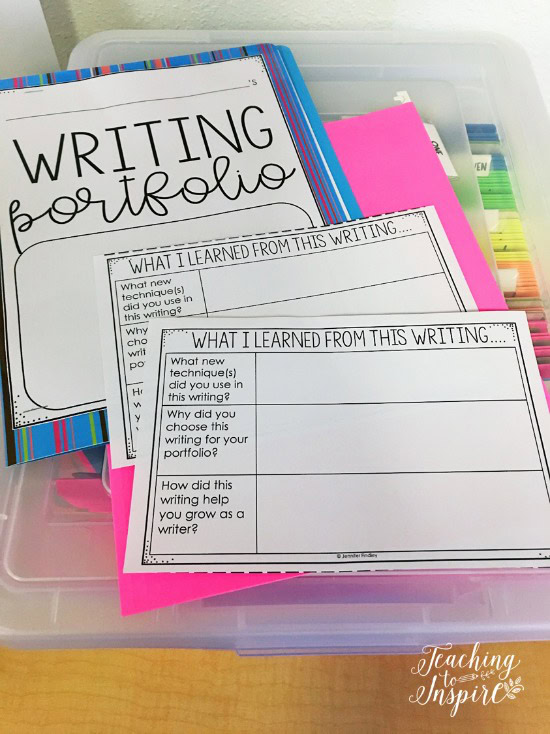
Professional writing portfolios should span multiple genres and formats to demonstrate versatility and ongoing skill development. Publication credits provide concrete evidence of writing expertise that strengthens job applications and promotion considerations. Student engagement increases when teachers can share their own writing experiences, rejections, and revision processes.
Building a Professional Writing Portfolio
Developing a body of work that demonstrates ongoing engagement with writing across multiple genres requires strategic planning and consistent effort. Your portfolio becomes a powerful tool for career advancement and classroom credibility.
Portfolio diversity should include academic articles, creative pieces, and practical writing that showcases different skills and audiences. Regular submission schedules to various publications increase acceptance chances while building professional resilience and revision skills.
Leveraging Social Media for Professional Growth
Using platforms to connect with other educators, share resources, and establish thought leadership requires strategic content creation and authentic engagement with educational communities.
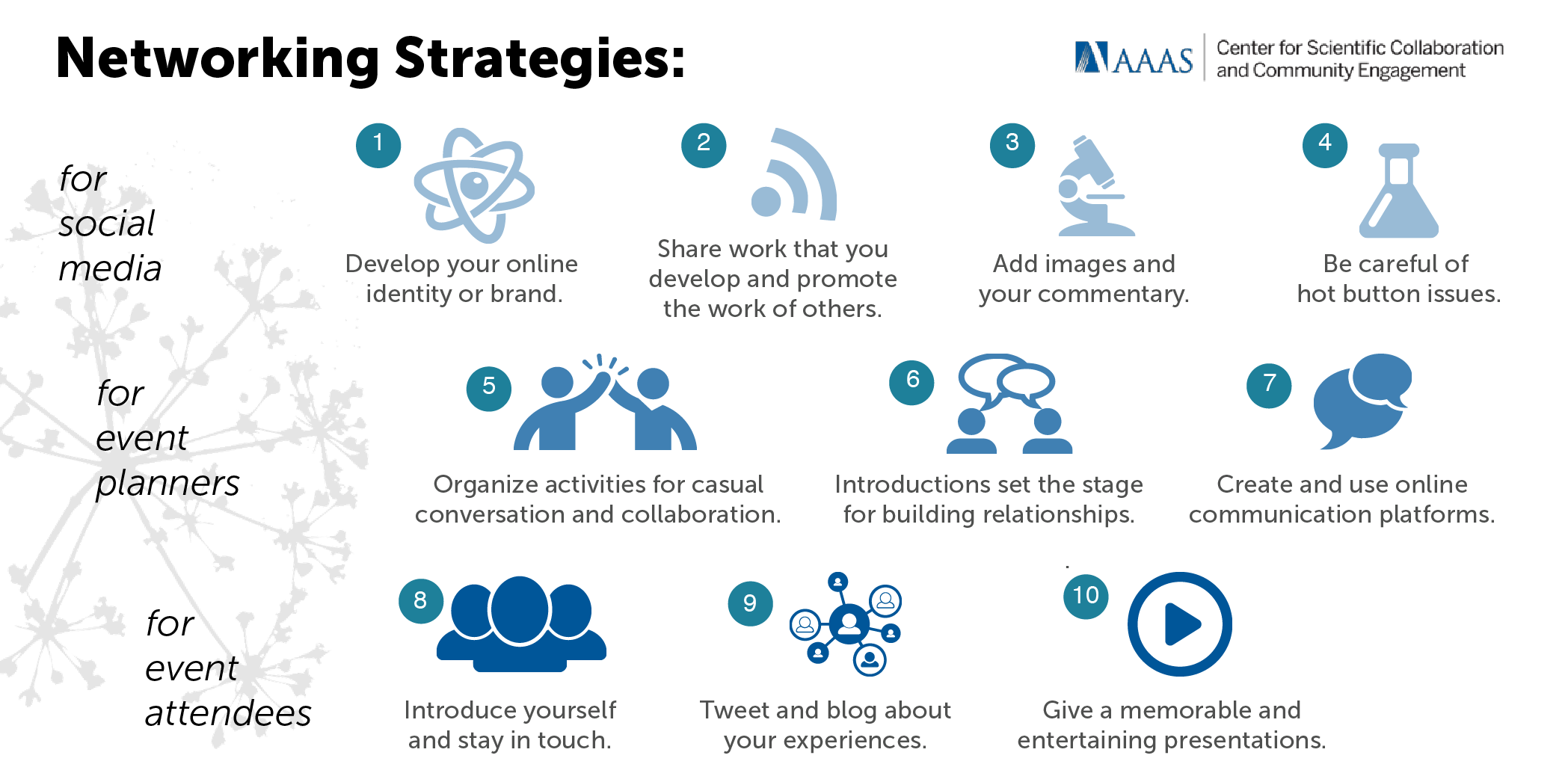
Educational content sharing positions you as a resource for other teachers while building networks that provide career opportunities and professional support. Thought leadership development through consistent posting and engagement with educational discussions enhances professional reputation and visibility.
Workshop and Conference Participation
Engaging with the broader educational community through professional development opportunities extends your learning beyond required district training. These experiences provide cutting-edge research, networking opportunities, and fresh perspectives on teaching challenges.
Conference presentations allow you to share successful teaching strategies while building professional recognition and networking connections. Workshop participation provides hands-on learning experiences that directly apply to classroom instruction and student engagement. Professional organization membership offers access to research, advocacy opportunities, and career advancement resources.
National Council of Teachers of English (NCTE) Involvement
Participating in professional organizations provides cutting-edge research, networking opportunities, and advocacy platforms that enhance your effectiveness while connecting you with like-minded educators nationwide.
NCTE membership includes access to research journals, conference discounts, and professional development resources that keep you current with best practices. Committee participation and volunteer opportunities build leadership skills while contributing to the broader educational community.
Local Writing Community Engagement
Connecting with local literary organizations, writing groups, and cultural institutions brings authentic writing experiences into your classroom while building community partnerships that support student learning.
Community partnerships provide guest speakers, field trip opportunities, and real-world writing experiences that enhance classroom instruction. Local literary events and writing contests offer students authentic audiences and publication opportunities beyond school assignments.
The Entrepreneurial Educator
Many successful English teachers supplement their income and expand their impact through educational entrepreneurship. These ventures provide additional revenue streams while allowing you to share expertise with broader audiences.
Tutoring and test preparation services leverage your expertise while providing flexible income that complements teaching schedules. Online course creation offers passive income potential while sharing successful teaching strategies with educators worldwide. Educational consulting opportunities allow experienced teachers to support curriculum development and teacher training initiatives.
Tutoring and Test Preparation Services
Developing specialized expertise in SAT/ACT preparation, college essay coaching, and academic writing support creates valuable income opportunities while helping students achieve their educational goals.
Test preparation expertise requires understanding specific exam formats, scoring rubrics, and strategic approaches that differ from general English instruction. College essay coaching combines writing instruction with college admissions knowledge to help students craft compelling personal narratives. Academic writing support for struggling students provides intensive intervention that classroom settings cannot always accommodate.
Building a Sustainable Side Practice
Creating tutoring services that complement rather than compete with your teaching responsibilities requires careful scheduling, clear boundaries, and ethical considerations about student relationships.
Scheduling flexibility allows tutoring during evenings, weekends, and school breaks without interfering with teaching obligations. Ethical guidelines prevent conflicts of interest when working with your own students or competing with school-provided services.
Online Course Creation
Developing digital learning products provides passive income while sharing your expertise with broader audiences. Successful online courses require understanding digital marketing, course design, and ongoing student support.
Course topics should address specific pain points that teachers or students face, providing practical solutions and actionable strategies. Digital marketing skills including social media promotion, email marketing, and content creation are essential for course success.
|
Professional Development Activity |
Time Investment |
Potential Benefits |
Cost Range |
|---|---|---|---|
|
NCTE Conference Attendance |
3-4 days annually |
Networking, research access, presentation opportunities |
$500-$1,500 |
|
Local Writing Group Participation |
2-4 hours monthly |
Community connections, writing practice, collaboration |
$0-$50 |
|
Online Course Creation |
20-40 hours initially |
Passive income, thought leadership, skill development |
$100-$500 |
|
Educational Consulting |
Variable project-based |
High hourly rates, expertise sharing, flexibility |
$50-$200/hour |

The Hidden Politics of English Departments
Every English department operates within complex power dynamics that significantly impact teaching effectiveness, career advancement, and student outcomes. Understanding these political realities helps you navigate challenges while building productive professional relationships.
Curriculum decisions often reflect broader cultural conflicts over literary representation, teaching approaches, and assessment philosophies. Administrative relationships require diplomatic skills that extend beyond classroom management to include budget advocacy and resource competition. Professional reputation management involves careful attention to social media presence, community relationships, and departmental dynamics.
Mastering how to become an English teacher includes developing political awareness that protects your career while advancing educational goals.
Curriculum Wars and Ideological Battles
English teachers find themselves at the center of cultural conflicts over what literature to teach, how to approach sensitive topics, and whose voices deserve representation in the curriculum. These battles require careful navigation to maintain educational integrity while building community support.
Text selection decisions must balance educational objectives with community standards while ensuring diverse representation and academic rigor. Assessment philosophy conflicts arise between standardized testing requirements and authentic evaluation methods that support student learning. Political pressures from various stakeholders require diplomatic responses that protect educational freedom while maintaining professional relationships.
The cultural tensions surrounding English curriculum are being explored in contemporary media, as evidenced by FX’s critically acclaimed series “English Teacher.” According to “Salon’s review”, the show addresses how “English teachers often provide additional support to students who struggle with the subject, ensuring no one is left behind” while navigating “the ways frantic older generations struggle with drastically evolving rules of engagement” in modern classrooms.
The Canon Controversy
Navigating the tension between traditional literary works and diverse contemporary voices requires articulate rationales that address educational objectives while anticipating potential challenges from various community groups.
Literary canon debates reflect broader cultural discussions about representation, cultural value, and educational priorities that extend beyond individual classroom decisions. Curriculum justification requires connecting text selections to specific learning standards while demonstrating educational value and age-appropriateness. Community engagement strategies help build support for diverse reading lists while addressing concerns through respectful dialogue and alternative options.
Defending Text Selection Decisions
Developing articulate rationales for book choices that address educational objectives while anticipating potential challenges requires understanding both pedagogical principles and community values.
Educational rationales should clearly connect literature selections to specific learning objectives, academic standards, and skill development goals. Alternative text options for concerned families maintain educational integrity while respecting diverse community values and family preferences.
Balancing Representation and Rigor
Creating reading lists that reflect diverse perspectives without compromising academic standards requires careful curation and clear communication about educational objectives and assessment criteria.
Diverse literature selections should meet the same academic rigor standards as traditional texts while providing varied perspectives and cultural experiences. Assessment criteria must focus on literary analysis skills, critical thinking development, and writing improvement rather than content agreement or cultural familiarity.
Assessment Philosophy Conflicts
Reconciling personal teaching philosophies with district-mandated testing requirements creates ongoing tension that affects daily instruction and long-term student outcomes. Finding balance requires strategic compromise and creative solutions.
Standardized testing pressures often conflict with authentic assessment practices that better measure student growth and engagement. Data-driven instruction mandates may limit creative teaching approaches while demanding measurable outcomes that don’t capture all learning. Grading equity discussions involve complex considerations about fairness, standards, and student support that vary across different educational philosophies.
Standardized Testing Resistance
Maintaining pedagogical integrity while meeting administrative demands for test score improvement requires creative approaches that serve both authentic learning and accountability requirements.
Test preparation integration can enhance rather than replace quality instruction when approached strategically and balanced with broader learning objectives. Student engagement strategies help maintain motivation for standardized assessments while preserving enthusiasm for authentic learning experiences.
Grading Equity Debates
Navigating discussions about grade inflation, equitable assessment practices, and alternative evaluation methods within traditional academic structures requires understanding multiple perspectives and finding practical compromises.
Equitable grading practices consider student backgrounds, learning differences, and growth over time while maintaining academic standards and expectations. Alternative assessment methods including portfolio evaluation, peer review, and self-reflection provide more comprehensive pictures of student learning than traditional grades alone.
Administrative Navigation Strategies
Building productive relationships with principals, department heads, and district officials requires sophisticated diplomatic skills that extend far beyond classroom management. These relationships significantly impact your resources, support, and career advancement opportunities.
Budget advocacy requires understanding district priorities, presenting compelling cases for resources, and building coalitions with other departments and community stakeholders. Professional reputation management involves careful attention to communication, collaboration, and community engagement that enhances your effectiveness and advancement potential. Resource acquisition through grants, partnerships, and fundraising supplements limited school budgets while providing enhanced learning opportunities for students.
Budget Advocacy and Resource Acquisition
Effectively competing for limited resources while building coalitions with other teachers and departments requires understanding administrative priorities and presenting compelling cases for educational investments.
Resource requests should align with school improvement goals, student achievement data, and administrative priorities to increase approval likelihood. Coalition building with other departments and community partners strengthens funding requests while demonstrating broader educational impact. Grant writing skills and fundraising abilities provide alternative funding sources that reduce dependence on limited school budgets.
Grant Writing and Fundraising
Developing skills in securing external funding for classroom projects, technology upgrades, and professional development opportunities requires understanding funding priorities and crafting compelling proposals.
Grant applications require clear project descriptions, measurable outcomes, and budget justifications that align with funder priorities and educational objectives. Fundraising strategies should engage parents, community members, and local businesses in supporting educational initiatives that benefit student learning.
Community Partnership Development
Establishing relationships with local businesses, libraries, and cultural organizations supplements classroom resources while providing authentic learning experiences that connect students with their broader community.
Partnership agreements should clearly define mutual benefits, expectations, and outcomes that serve both educational objectives and community partner goals. Community connections provide guest speakers, field trip opportunities, internships, and real-world writing experiences that enhance classroom instruction.
James, a high school English teacher, secured $15,000 in grant funding by partnering with the local historical society to create a community oral history project. Students interviewed elderly residents, researched local archives, and published a digital collection that became a permanent community resource. The project enhanced student writing skills while strengthening community relationships and providing authentic assessment opportunities that impressed administrators and parents alike.
Professional Reputation Management
Cultivating a positive professional image protects against potential controversies while maintaining authentic teaching practices. Your reputation affects everything from administrative support to community trust and career advancement.
Professional boundaries in community interactions help maintain respect while avoiding conflicts that could impact your effectiveness or job security. Communication strategies with parents, administrators, and community members should be consistent, professional, and focused on student learning outcomes. Crisis management skills help address potential controversies or misunderstandings before they escalate into serious professional problems.
Social Media Presence Optimization
Crafting online personas that enhance professional credibility while avoiding potential pitfalls requires careful attention to content, privacy settings, and professional boundaries in digital spaces.
Professional social media accounts should focus on educational content, student achievements, and community engagement while maintaining appropriate privacy boundaries. Digital footprint management includes regular review of online presence, privacy settings, and content that could be misinterpreted by various stakeholders.
When you’re ready to take the next step in your English teaching career, ValidGrad can help ensure that credential challenges don’t hold you back. Whether you’re transitioning from another career, dealing with lost documentation, or need professional-quality credentials for interviews and classroom display, ValidGrad provides the documentation support that keeps your focus on what matters most – inspiring students and building your teaching career.
Ready to move forward with confidence? [Get your professional credentials today] and take the next step toward the English teaching career you’ve been planning.
Final Thoughts
Your path to English teaching doesn’t have to follow traditional routes that may no longer serve today’s educational landscape. The teaching profession desperately needs passionate educators who bring diverse experiences, authentic expertise, and fresh perspectives to classrooms across the country.
Whether you’re navigating alternative certification, rebuilding lost credentials, or preparing for the complex realities of modern English instruction, remember that your unique background and perspective have value. Students benefit from teachers who understand real-world applications, who’ve faced professional challenges, and who can model resilience and adaptability.
The political complexities, emotional labor, and administrative challenges are real – but so are the rewards of watching students discover their voices, develop critical thinking skills, and gain confidence in their ability to communicate effectively. Your journey into English teaching may look different from what you originally imagined, but that doesn’t make it less valid or valuable.
Alternative pathways to English teaching are becoming more accepted and accessible, creating opportunities for career changers and non-traditional candidates. Professional challenges in modern education require adaptability, emotional intelligence, and strategic thinking that many career changers already possess. Success in English teaching depends more on passion, communication skills, and commitment to student growth than on following traditional credentialing paths.

Professional Development Checklist:
-
☐ Join NCTE and local writing organizations
-
☐ Attend at least one conference annually
-
☐ Maintain active writing practice across genres
-
☐ Build social media presence with educational focus
-
☐ Establish community partnerships
-
☐ Develop grant writing skills
-
☐ Create professional portfolio
-
☐ Network with local literary community
Administrative Communication Template:
Subject: Resource Request – [Specific Program/Material]
Dear [Administrator Name],
I am writing to request support for [specific need] that directly aligns with our school’s goal of [relevant school priority].
Current Challenge: [Brief description of student need]
Proposed Solution: [Your request with specific details]
Expected Outcomes: [Measurable benefits tied to school goals]
Budget Impact: [Cost breakdown and funding suggestions]
Timeline: [Implementation schedule]
I would welcome the opportunity to discuss this proposal further and provide additional documentation as needed.
Sincerely,
[Your Name]
Crisis Communication Guidelines:
-
Respond within 24 hours to parent concerns
-
Document all conversations and decisions
-
Consult administration before addressing controversial topics publicly
-
Maintain student confidentiality in all communications
-
Focus messaging on educational objectives and student welfare
-
Prepare talking points for common controversial issues
-
Build relationships before conflicts arise
Salary Negotiation Strategies:
According to the Teachers of Tomorrow research, “An English teacher earns an average salary of $51,602. But, the salary may range between $42,007 and $71,369. The salary ranges based on education certifications, years spent teaching and even additional skills.”

Emergency Credential Replacement Contacts:
-
State Department of Education: [Your state’s contact]
-
National Student Clearinghouse: 703-742-4200
-
Credential evaluation services for international degrees
-
Professional associations for verification letters
-
Former employers for work history documentation
-
Emergency document services for immediate needs
Technology Integration Assessment Rubric:
|
Skill Level |
AI Collaboration |
Digital Literacy |
Assessment Adaptation |
|---|---|---|---|
|
Emerging |
Uses AI for basic grammar checks |
Recognizes reliable sources |
Traditional tests only |
|
Developing |
Incorporates AI in revision process |
Teaches source evaluation |
Some process-based assessment |
|
Proficient |
Guides ethical AI use |
Integrates digital research skills |
Balanced traditional/authentic assessment |
|
Advanced |
Creates AI collaboration frameworks |
Develops digital citizenship curriculum |
Innovative assessment design |
Community Engagement Action Plan:
-
Identify local literary organizations and cultural institutions
-
Establish contact with community leaders and business owners
-
Develop partnership proposals with clear mutual benefits
-
Create authentic learning experiences connecting classroom to community
-
Document student outcomes and community impact
-
Maintain ongoing communication and relationship building
-
Expand partnerships based on successful collaborations

Professional Growth Tracking System:
-
Annual goal setting aligned with student needs and school priorities
-
Quarterly reflection on teaching effectiveness and student outcomes
-
Monthly professional reading and research integration
-
Weekly collaboration with colleagues and mentors
-
Daily classroom observation and adjustment practices
-
Continuous documentation of successful strategies and lessons learned