Table of Contents
-
How Train Driver Pay Really Works
-
What You’ll Actually Make (By Experience Level)
-
Which Railway Jobs Pay the Most
-
Overtime and Bonuses (Where the Real Money Is)
-
Getting Certified to Boost Your Pay
-
Moving Up the Career Ladder
-
Benefits That Add Real Value
-
Technology Changes and Future Earnings
-
Job Security and Market Reality
-
What Drivers Make Around the World
-
How to Research and Negotiate Your Worth
-
My Final Take
TL;DR
-
Train driver salary ranges from $45,000-$85,000+ annually, but location and experience make huge differences
-
Freight drivers typically out-earn passenger operators due to irregular schedules and travel demands
-
Overtime can boost your total pay by 20-40% – some drivers earn an extra $15,000-$25,000 yearly
-
Benefits packages add $15,000-$25,000 in annual value through healthcare, retirement, and insurance
-
Railroad Retirement System often beats regular Social Security benefits
-
Advanced certifications and clean safety records can bump earnings by $5,000-$15,000 per year
-
Technology is changing the industry but creating opportunities for adaptable drivers
-
UK drivers often earn higher relative salaries (£50,000-£70,000) compared to US counterparts
How Train Driver Pay Really Works
I’ll be honest – when I first looked into becoming a train driver, I thought I’d be lucky to make $40K. Boy, was I wrong. After digging deep into what drivers actually earn (not just the posted salary ranges), I discovered this industry has some serious money-making potential that most people never hear about.
Train driver salary structures work completely differently from most other industries. Your base pay? That’s just the starting point. The real money comes from overtime, bonuses, and benefits that most people don’t even know about.
Take New York subway drivers – they’re averaging $95K, which is nearly 20% more than drivers elsewhere. But here’s the kicker: that’s before overtime kicks in. Location makes a massive difference in what you’ll actually take home.
Here’s what really caught my attention – you’re dealing with multiple income streams that can dramatically impact your total earnings. Performance bonuses tied to safety records and efficiency metrics can add thousands to your annual pay. And trust me, there’s usually plenty of overtime available if you want it.
What really sets the railway industry apart is the benefits packages. We’re talking comprehensive healthcare, unique retirement systems, and insurance coverage that adds real value to what you’re actually getting paid. Understanding these elements becomes crucial when evaluating any offer.
What You’ll Actually Make (By Experience Level)
Your experience level directly impacts what you’ll earn, with clear progression paths from entry-level positions to senior roles. Starting salaries typically range from $45,000-$55,000, while experienced drivers can earn $70,000-$85,000 or more.
In NYC, new drivers start around $68K. Stick around for 8+ years? You’re looking at $117K according to SalaryExpert. That’s a pretty solid career progression that demonstrates real growth potential in this industry.
Starting Out: Entry-Level Reality
When you’re starting out as a train driver, you’re looking at salaries between $45,000-$55,000 in most areas. That might seem modest, but remember – this is just your base pay before overtime and bonuses kick in.
Trainee engineers often start around $40,000-$50,000 while they’re learning the ropes. The training period varies by company, but you’re earning while you learn, which beats unpaid internships in other industries. Many entry-level positions require a high school diploma or equivalent, making this an accessible career path for those looking to enter the transportation industry.
I know Sarah who started as a trainee conductor with BNSF Railway at $48,000 annually. After completing her 18-month training program and transitioning to engineer, her pay jumped to $62,000. Within three years, with regular overtime work, she was earning over $85,000 total.
Mid-Career: Where Things Get Interesting
Once you’ve got some experience under your belt, qualified engineers typically see their earnings jump to $55,000-$70,000. This usually happens after you’ve completed your training program and proven yourself on the job.
The progression isn’t automatic though. Your safety record, reliability, and willingness to take on challenging assignments all factor into how quickly you advance through the pay scales.
Senior Level: The Big Money
Senior engineers with several years of experience can expect $70,000-$85,000 in base salary. Some specialized roles or supervisory positions push into the $85,000+ range.
Geographic location makes a huge difference here. Western states and major transportation corridors often provide the highest base salaries. If you’re willing to work in high-demand areas, your earning potential increases significantly.
|
Experience Level |
Base Salary Range |
Total Compensation Potential |
|---|---|---|
|
Entry-Level (0-2 years) |
$45,000-$55,000 |
$55,000-$75,000 |
|
Mid-Career (3-7 years) |
$55,000-$70,000 |
$75,000-$95,000 |
|
Senior (8+ years) |
$70,000-$85,000 |
$95,000-$120,000+ |
|
Specialized/Supervisory |
$85,000-$110,000 |
$110,000-$150,000+ |

Which Railway Jobs Pay the Most
Different railway sectors offer distinct compensation packages and career paths, each with unique advantages and challenges. Understanding these differences helps you make smarter career decisions based on what matters most to you.
Freight: The Premium Pay Option
Freight drivers often earn the highest salaries in the industry, and there’s good reason for it. The irregular schedules, long-distance travel, and demanding nature of freight operations command premium pay. Major freight companies like BNSF, Union Pacific, and CSX typically start drivers at $50,000-$60,000. With experience, you can reach $80,000-$95,000 or even higher.
The trade-off? You might be away from home for days at a time. But if you can handle the lifestyle demands, it’s often the most lucrative path in the industry.
I know a guy who started freight at $50K. Three years later, he’s making $85K with overtime. The trade-off? He’s away from home a lot. But for him, the money makes it worth it.
Passenger Railways: Better Work-Life Balance
Passenger train operators, including Amtrak and regional transit authorities, generally offer more predictable schedules. Your work-life balance improves, but the pay might be slightly lower – typically ranging from $45,000-$75,000.
The predictability factor shouldn’t be underestimated. Regular schedules mean you can plan your personal life more effectively, which has value beyond just dollars and cents.
Urban Transit: Best Overall Packages
Metropolitan transit authorities often provide the best overall packages when you factor in benefits. Systems like NYC MTA, BART, or Chicago CTA typically offer pay ranges of $55,000-$80,000 with comprehensive health insurance and pension plans.
Urban transit work keeps you closer to home and often provides the most job security. The benefits packages are usually exceptional, which adds significant value to what you’re actually getting paid.
Recent labor disputes highlight the ongoing tension over pay in the industry. “Train driver salary divides Queensland NSW” Daily Mail reports that new train drivers in Queensland can earn “easily more than $100,000 after nine months of training,” while Sydney train drivers are demanding a 32% pay rise, demonstrating the regional variations and ongoing negotiations around driver compensation.
Overtime and Bonuses (Where the Real Money Is)
Here’s where it gets really interesting. Many train drivers earn 20-40% of their total pay through overtime work. We’re talking about $15,000-$25,000 in additional annual income for many drivers, which can dramatically boost your overall earnings.
Overtime: Your Ticket to Six Figures
Sure, there are rules about how many hours you can work straight (nobody wants tired drivers), but trust me – there’s overtime if you want it. Peak shipping seasons, equipment issues, and covering for absent colleagues all create overtime opportunities.
The key is being available and reliable. Drivers who consistently accept overtime assignments often become the go-to people for extra work, which translates directly into higher paychecks.
Consider Mike, a Union Pacific engineer with a $72,000 base salary. By accepting overtime assignments during peak holiday shipping seasons and covering weekend shifts, he consistently adds $22,000-$28,000 annually to his earnings, bringing his total pay to nearly $100,000.
Safety Bonuses: Getting Paid to Do Your Job Right
Maintaining an excellent safety record isn’t just about keeping your job – it’s about earning more money. Many companies offer annual safety bonuses ranging from $1,000-$5,000.
These bonuses might seem small compared to your base salary, but they add up over time. Plus, a strong safety record often qualifies you for preferred assignments and faster advancement opportunities.
Some companies also offer performance bonuses tied to efficiency metrics, on-time performance, and fuel conservation. Every aspect of doing your job well can potentially put more money in your pocket.
Ways to Maximize Overtime:
-
Maintain excellent attendance record
-
Stay current on all certifications
-
Build reputation for reliability
-
Express availability for extra shifts
-
Monitor peak season schedules
-
Network with dispatch personnel
-
Track personal overtime earnings monthly
Getting Certified to Boost Your Pay
Want to make more money? Get certified. I know it sounds obvious, but most drivers skip this step and leave thousands on the table.
FRA Certifications That Pay
Advanced Federal Railroad Administration (FRA) certifications can boost your earning potential by $5,000-$15,000 annually. Specializations in hazardous materials handling, passenger service, or specialized equipment operation are particularly valuable.
These certifications require time and effort to obtain, but they’re investments in your career. Companies often pay premiums for drivers with specialized skills, and these qualifications can open doors to higher-paying positions.
The certification process varies, but most involve additional training, testing, and ongoing education requirements. It’s worth researching which certifications are most valued by employers in your area.
Continuous Learning Pays Off
The railway industry is constantly evolving, and drivers who stay current with new technologies and procedures often see faster career advancement. Many companies offer tuition reimbursement for relevant education.
Staying ahead of industry changes positions you for promotions and specialized roles. It also demonstrates to employers that you’re committed to professional growth, which can influence salary negotiations and advancement opportunities. For professionals looking to advance their careers, having proper documentation of your educational achievements is crucial, and services for replacing lost educational documents can help ensure you have the credentials needed for career advancement.
Moving Up the Career Ladder
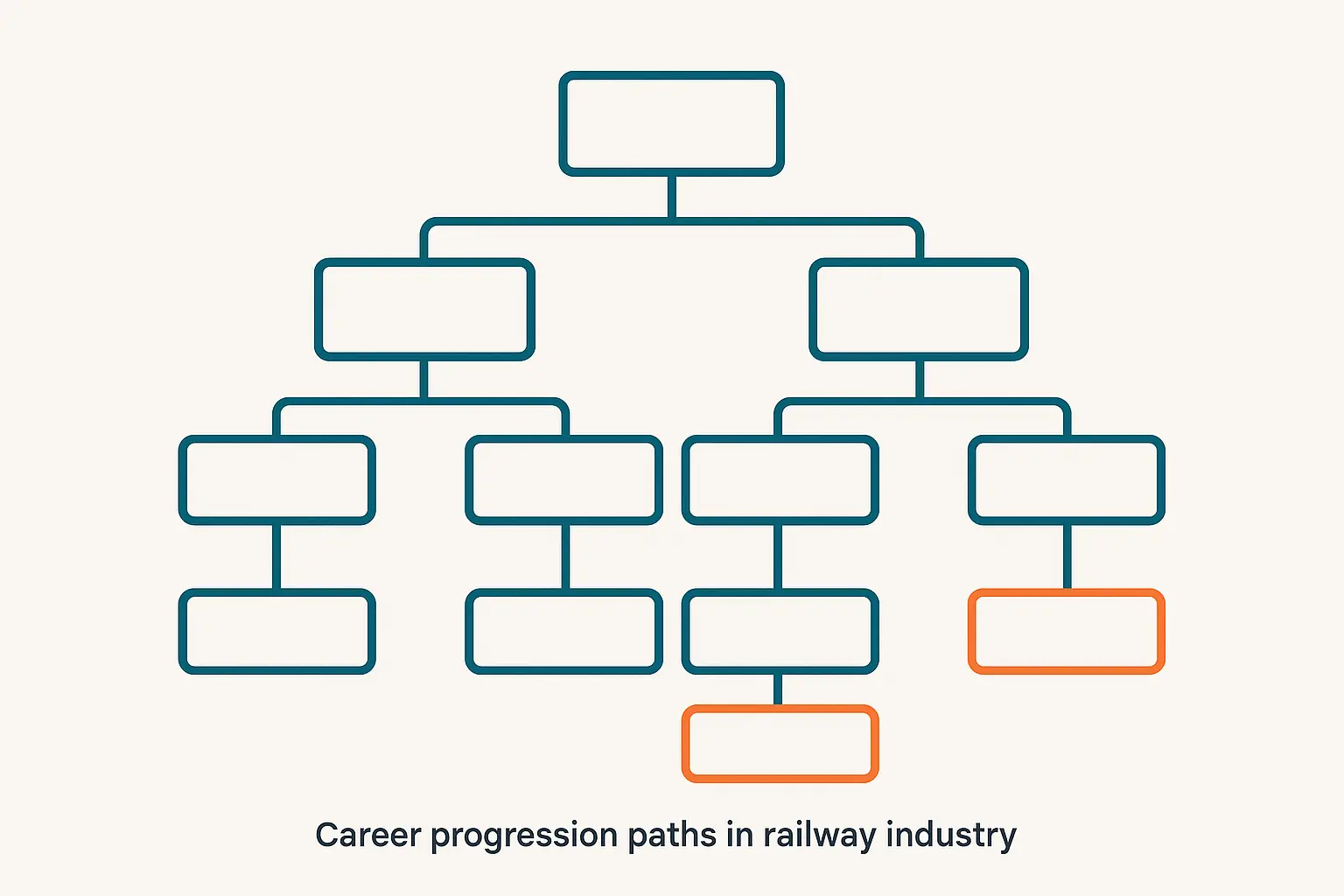
Understanding promotion opportunities and alternative career paths within the railway industry helps drivers plan for long-term financial growth. The railway industry offers multiple advancement tracks that can significantly increase your earning potential.
Management Track: Leading People and Making More
Advancement to trainmaster, yardmaster, or operations supervisor positions typically increases annual pay to $75,000-$110,000. These roles require additional training and different skill sets, but they offer significant earning potential beyond standard driver pay ranges.
Management positions come with different challenges though. You’ll be responsible for other people’s performance and safety, which adds stress but also career satisfaction for many people.
The transition from driver to supervisor isn’t automatic. You’ll need to demonstrate leadership skills, strong safety records, and often complete additional management training programs.
Technical Specialization: Staying Hands-On
Not everyone wants to manage people, and that’s fine. Technical specialization offers excellent alternatives. Roles in locomotive maintenance, signal operations, or training instruction provide stable careers with competitive pay ranging from $60,000-$90,000.
These positions often require additional technical training, but they can provide more regular schedules and different types of job satisfaction. Some drivers find technical roles more engaging than traditional driving positions.
Training instructor positions are particularly attractive for experienced drivers who enjoy sharing their knowledge. The pay is competitive, and you’re helping shape the next generation of railway professionals.
|
Career Path |
Salary Range |
Key Requirements |
Typical Schedule |
|---|---|---|---|
|
Trainmaster |
$75,000-$95,000 |
Leadership skills, 5+ years experience |
Regular business hours |
|
Signal Technician |
$60,000-$80,000 |
Technical certification, electronics background |
Day shifts, on-call rotation |
|
Training Instructor |
$65,000-$85,000 |
10+ years experience, teaching aptitude |
Classroom schedule |
|
Operations Supervisor |
$80,000-$110,000 |
Management training, safety record |
Rotating shifts |
James started as a freight engineer earning $68,000. After eight years, he transitioned to trainmaster with Norfolk Southern, increasing his salary to $89,000 with regular hours. His leadership experience and safety record made him an attractive candidate for the management role.
Benefits That Add Real Value
Train driver salary packages extend far beyond base pay, with comprehensive benefits often adding $15,000-$25,000 in annual value to what you’re actually getting paid. These benefits have real financial value that significantly enhance your effective earnings.
Healthcare and Insurance: The Good Stuff
Railway companies typically offer robust benefits packages that add substantial value to what you’re actually getting paid. This isn’t just marketing fluff – these benefits have real financial impact.
Healthcare coverage is usually comprehensive, with companies covering 80-90% of premium costs for both individual and family coverage. When you compare this to what many other industries offer, the savings are substantial.
Life insurance typically equals 1-2 times your annual salary, and both short-term and long-term disability coverage protect against income loss due to injury or illness. These benefits provide financial security that goes beyond your regular paycheck.
Railroad Retirement: Better Than Social Security
Here’s something cool – you don’t pay into Social Security. Instead, you get Railroad Retirement, which is usually better. Way better.
Railway employees participate in the Railroad Retirement System instead of Social Security, and it often provides higher benefits. After 30 years of service, many workers can retire with full benefits earlier than traditional retirement age.
This system was designed specifically for railway workers, and it generally provides better benefits than standard Social Security. The contribution rates are higher, but so are the benefits.
Most companies also offer 401(k) plans with employer matching of 3-6% of salary, plus additional investment options. You’re essentially getting two retirement systems working for you.
When applying for railway positions, employers often require verification of educational credentials, and having access to academic transcript services can streamline the application process and help secure better compensation packages.

Technology Changes and Future Earnings
Automation and advanced technology are reshaping the railway industry, creating both challenges and opportunities for train drivers. I’ve observed how these changes affect pay and career prospects.
Positive Train Control: New Skills, Better Pay
Advanced safety systems require additional training and certification, which often leads to temporary pay increases during transition periods. More importantly, it provides long-term job security for workers who adapt to new technologies. Companies need drivers who understand these systems, and they’re willing to pay for that expertise.
Automation Reality Check
Full automation gets a lot of media attention, but the reality is more nuanced. Semi-autonomous systems are increasing efficiency, but they’re not eliminating the need for skilled drivers entirely.
What we’re seeing instead is potential crew size reductions in some sectors, which might actually concentrate higher pay among remaining positions. Drivers who develop expertise with new technologies often find themselves in high demand.
The key is staying adaptable and viewing technology as a tool rather than a threat. Drivers who embrace technological changes often find new opportunities for career advancement and higher pay.
Job Security and Market Reality
The railway industry faces evolving challenges and opportunities that impact future salary trends and job availability. According to the Bureau of Labor Statistics, overall employment of railroad workers is projected to grow 1 percent from 2024 to 2034, with about 6,600 openings for railroad workers projected each year on average over the decade, primarily from the need to replace workers who retire or transfer to different occupations.
Freight Growth: Good News for Drivers
Increasing freight volumes and infrastructure investments suggest continued demand for qualified freight train operators. Industry projections indicate potential earnings growth of 2-4% annually over the next decade.
E-commerce growth is driving freight demand, and railways are often the most efficient way to move goods over long distances. This creates ongoing opportunities for freight train drivers.
Infrastructure investments, including track improvements and equipment upgrades, suggest that companies are planning for long-term growth rather than downsizing.
Job Security Factors
Railway jobs have historically provided excellent job security, and current trends suggest this will continue. The specialized skills required and safety-critical nature of the work create barriers to entry that protect existing workers.
Union representation in many railway positions also provides additional job security and helps ensure fair compensation. Collective bargaining agreements often include provisions for regular pay increases and protection against arbitrary termination.

What Drivers Make Around the World
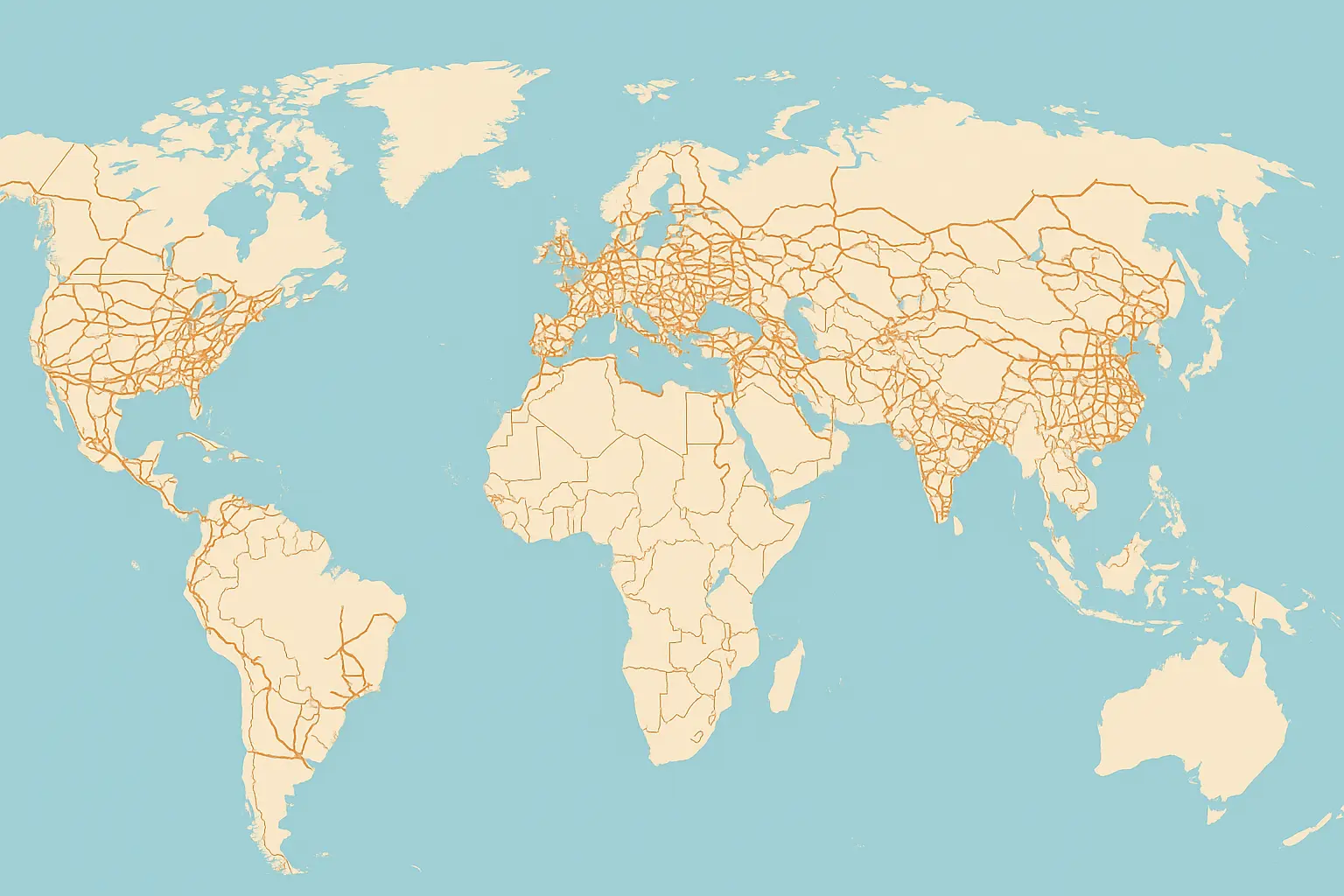
Understanding global railway pay helps contextualize domestic opportunities and reveals potential international career possibilities. Different countries offer varying pay structures and benefits that might surprise you.
UK Railway Drivers: Impressive Numbers
British train drivers often earn higher relative salaries than US counterparts. Experienced drivers typically earn £50,000-£70,000 annually, which translates to strong purchasing power in the UK market. For specific regional examples, the merseyrail train driver salary often reflects these competitive UK standards with additional regional premiums.
Network Rail and private operators offer competitive packages with strong union representation ensuring regular pay increases. The UK system provides good examples of how collective bargaining can benefit railway workers.
Recent strikes in the UK highlight ongoing pay negotiations. “Tube strikes London underground driver wages” The Independent reports that London Underground drivers are seeking wage increases, with their current package worth over £100,000 when factoring in final salary pensions, demonstrating the high-value compensation packages available in international markets.
Global Opportunities
European railway systems generally offer strong job security and benefits, though earnings levels vary significantly by country. Some experienced drivers explore international opportunities, particularly in emerging markets.
Curious about other countries? UK drivers often make more relative to cost of living – we’re talking £50K-70K. Some London Underground drivers are pulling in packages worth over £100K when you factor in pensions. Makes you think, right?
Asian markets, particularly in countries developing high-speed rail networks, sometimes offer rapid salary growth opportunities for experienced Western drivers willing to relocate and adapt to different systems.
These international opportunities aren’t for everyone, but they demonstrate the global value of railway expertise and skills.
How to Research and Negotiate Your Worth
Taking a proactive approach to understanding and negotiating train driver compensation requires systematic research and smart planning. Data from SalaryExpert shows that subway train drivers in Highland Park, New Jersey earn an average gross salary of $92,365, which is 16% higher than the national average, plus an average bonus of $2,032, demonstrating how location-specific research can reveal significant compensation variations.
Research That Actually Works
Want to know what you’re really worth? Don’t just check online salary sites – they’re often wrong. Talk to actual drivers. Join railway forums. Contact local unions. They’ll give you the real numbers, not some outdated average.
Start by consulting multiple salary databases, but don’t stop there. Cross-reference this information with union contracts when they’re publicly available.
Contact local railway unions for region-specific data – they often have the most accurate information about actual pay in your area. Network with current drivers through professional associations or online forums to get real-world insights.
Remember that online salary data can be outdated or incomplete. Direct conversations with people in the industry often provide more accurate and current information.
When preparing for salary negotiations, having all your educational credentials properly documented is essential. Services that help with obtaining college transcripts can ensure you have the documentation needed to support your qualifications during compensation discussions.
Negotiation That Works
While many railway positions have standardized pay scales, there’s often room for negotiation on where you start within those scales. Emphasize your safety record, relevant experience, and flexibility with scheduling.
Focus on total packages, not just base salary. Overtime opportunities, preferred assignments, and professional development funding can all be negotiation points.
Be prepared to discuss your long-term career goals and how they align with the company’s needs. Employers value drivers who are committed to building careers rather than just taking jobs.
Timing matters too. Apply when companies are actively hiring and need qualified drivers. Your negotiating position is stronger when demand for workers is high.

My Final Take
Train driver salary opportunities offer solid earning potential with multiple paths to increase your income over time. The combination of competitive base salaries, substantial overtime opportunities, and comprehensive benefits creates total pay that often exceeds what you’ll find in other industries requiring similar levels of education and training.
The key to maximizing your earnings lies in understanding the different pay structures across railway sectors and positioning yourself strategically. Freight operations typically offer the highest base salaries, while urban transit provides better work-life balance with excellent benefits. Your choice depends on what matters most to you personally and professionally.
Technology will continue reshaping the industry, but adaptable drivers who embrace new systems often find themselves in higher demand with better pay. The railway industry isn’t disappearing – it’s evolving, and there’s room for skilled professionals who grow with it.
Don’t overlook the value of comprehensive benefits when evaluating opportunities. Healthcare coverage, the Railroad Retirement System, and other benefits add substantial value to what you’re actually getting paid that you won’t find in many other careers.
Look, driving trains isn’t for everyone. The hours can be weird, you might be away from home, and yes, there’s real responsibility on your shoulders. But if you can handle that? This industry will pay you well, give you solid benefits, and offer job security that’s getting harder to find these days.
For those considering this career path, ValidGrad can help ensure you have all the educational documentation needed for railway employment applications. Many railway companies require proof of high school completion during the hiring process, and having reliable access to your educational records through ValidGrad’s replacement diplomas services can streamline your job search and prevent delays in starting your railway career. Whether you need to replace lost documents or maintain backup copies for career advancement, ValidGrad’s services help railway professionals maintain the documentation needed to pursue these rewarding opportunities with confidence.