Here’s what nobody told me when I started as an orthodontic assistant: your paycheck depends way more on strategy than you think. I’ve watched too many talented assistants settle for less because they didn’t understand how this field really works.
The truth? There’s a massive gap between what people think we earn and what’s actually possible. The national average sits around $46,550, but that number doesn’t tell the whole story. Some assistants I know are making $65K+, while others are stuck at $30K. The difference? They know what actually matters.
According to 2023 data, there were about 375,893 positions for orthodontic assistants in the United States. But here’s what that statistic doesn’t tell you – the range is enormous, and your specific situation can put you well above or below that median.
Table of Contents
-
The Real Numbers: What You Can Actually Expect to Make
-
Location and Experience: Your Biggest Pay Factors
-
Skills That Actually Boost Your Paycheck
-
Career Paths That Lead to Better Money
-
Negotiation Tactics That Work
-
Future-Proofing Your Career
-
Protecting Your Professional Credentials
-
Your Next Steps
TL;DR
-
Ortho assistant salaries range from $28,000-$65,000+ annually, with experience and location being major factors
-
Urban areas pay 20-30% more than rural markets, but cost of living matters
-
Specialized training and certifications can boost your salary by $3,000-$8,000 per year
-
Private practices often pay more than corporate chains, especially with profit-sharing opportunities
-
Digital technology skills are becoming increasingly valuable and well-compensated
-
Career advancement paths include lead assistant roles, practice management, or transitioning to dental hygiene
-
Benefits packages can add $8,000-$15,000 in annual value beyond base salary
The Real Numbers: What You Can Actually Expect to Make
Let’s cut through the BS and talk real numbers. Most orthodontic assistants earn between $35,000 and $55,000 annually, but that’s just the middle ground. Your location and experience level? They’re game-changers.
Starting Out vs. Seasoned Pro
If you’re fresh out of school, expect something closer to $28,000-$32,000. Not glamorous, but it’s your foot in the door. However, experienced assistants in high-paying markets can pull in over $65,000 per year. That’s not luck – that’s strategic career building.
Understanding the value of professional credentials can significantly impact your earning potential as an orthodontic assistant, especially when comparing different education paths and their return on investment.
|
Experience Level |
Annual Salary Range |
Hourly Rate |
What You’re Doing |
|---|---|---|---|
|
Entry Level (1-3 years) |
$28,000 – $35,000 |
$13 – $17 |
Learning the ropes, basic patient care |
|
Mid-Career (3-5 years) |
$40,000 – $50,000 |
$19 – $24 |
Independent work, training newbies |
|
Experienced (5-8 years) |
$50,000 – $60,000 |
$24 – $29 |
Specialized procedures, mentoring |
|
Senior Level (8+ years) |
$55,000 – $65,000+ |
$26 – $31+ |
Leadership roles, complex cases |
Geography Changes Everything
Your zip code matters more than you think. Cities like San Francisco, New York, and Los Angeles typically offer 20-30% higher salaries than rural areas. But here’s the catch – you need to factor in living costs.
The average orthodontic assistant gross salary in San Jose, California is $62,179 or an equivalent hourly rate of $30. This is 27% higher (+$13,061) than the average orthodontic assistant salary in the United States, though the cost of living in San Jose is 70% more than the average cost of living in the United States.

Urban vs. Rural: The Real Trade-offs
Urban markets give you higher base salaries, plus perks like transportation allowances or flexible schedules. Rural practices might pay less upfront, but they often throw in better benefit packages and more job security. It’s not always about the biggest number on your paycheck.
California, Massachusetts, and Washington consistently top the charts for orthodontic assistant pay. Meanwhile, Southeast and Midwest states offer more modest paychecks but significantly lower living expenses. You need to crunch the numbers on what actually puts more money in your pocket.
Practice Types Matter More Than You Think
Not all orthodontic jobs are created equal. The type of practice you work for significantly impacts your compensation package. Specialty orthodontic practices generally pay more than general dental offices that happen to offer braces.
When comparing different practice types, it’s essential to consider how professional certifications can differentiate your qualifications and justify higher compensation in specialized orthodontic settings.
Private orthodontic practices usually offer more personalized compensation packages and might include profit-sharing opportunities. Corporate chains stick to standardized salary structures but often provide comprehensive benefits. Each has its advantages.
Dedicated orthodontic practices typically pay 10-15% more than general dental offices. This reflects the specialized nature of the work and the higher revenue per patient that orthodontic treatment generates.
Skills That Actually Boost Your Paycheck
Your education and certifications aren’t just pieces of paper – they’re your ticket to higher pay. Let’s talk about what actually moves the needle on your earning potential.
Education: Certificate vs. Degree
Graduates from accredited dental assisting programs typically start with higher salaries than those who learned everything on the job. The structured curriculum and hands-on clinical experience provide immediate value that employers recognize and pay for.
Certificate programs (6-12 months) give you essential skills, but associates degree holders often start at higher salary levels. They also have better advancement prospects within larger practice organizations. The extra time investment usually pays off financially.
Certifications That Actually Pay
Get your DANB certification. It’s worth an extra $3,000-$5,000 per year, and most employers will help pay for it. Certifications from organizations like the Dental Assisting National Board (DANB) can increase your earning potential by 8-12%. They also provide greater job security and mobility between practices.
Certification Checklist for Salary Advancement:
-
Complete accredited dental assisting program
-
Obtain DANB certification (CDA, COA, or CPFDA)
-
Pursue continuing education in orthodontic specialties
-
Get certified in digital imaging systems
-
Complete infection control and safety training
-
Obtain CPR/First Aid certification
-
Consider specialized certifications (Invisalign, 3D scanning)
Specialized Skills: Where the Real Money Lives
Additional training specifically in orthodontic procedures can boost your earning potential by $3,000-$8,000 annually. These skills are highly valued because they’re not common among general dental assistants.
The healthcare industry continues to emphasize specialized training programs, with many institutions like Hospital for Special Surgery expanding their residency and training programs to meet growing demand for skilled healthcare professionals. This trend reflects the increasing value placed on specialized knowledge and training across all healthcare fields.
Take my friend Sarah – started at $32K, learned digital imaging, now makes $45K two years later. Simple skill upgrade, major pay bump.

Tech Skills Pay the Bills
Proficiency with digital imaging systems, 3D scanning technology, and practice management software increasingly influences salary negotiations. As practices modernize their operations, tech-competent assistants become invaluable.
Michael specialized in clear aligner technology and became his practice’s go-to expert for Invisalign cases. This specialization allowed him to negotiate a $5,000 salary increase and take on training responsibilities for new staff.
Be More Than Just Clinical
Orthodontic assistants who can handle scheduling, insurance coordination, and patient communication often earn higher salaries. Your versatility makes you more valuable to practice operations than someone who can only do clinical tasks.
Career Paths That Lead to Better Money
Career advancement in orthodontics offers multiple pathways to increase your salary and professional standing. Let’s look at realistic progression routes and what each path typically pays.
Moving Up Within Your Practice
|
Career Path |
Typical Salary Range |
Required Experience |
Key Responsibilities |
|---|---|---|---|
|
Lead Assistant |
$50,000 – $65,000 |
5-7 years |
Staff supervision, training, scheduling |
|
Practice Coordinator |
$45,000 – $60,000 |
3-5 years |
Patient flow, insurance, administrative |
|
Clinical Supervisor |
$55,000 – $70,000 |
7-10 years |
Quality control, compliance, training |
|
Practice Manager |
$55,000 – $75,000 |
5+ years + management training |
Operations, HR, financial oversight |
Senior orthodontic assistants often advance to lead positions, supervising other assistants and coordinating clinical operations. This typically includes salary increases of $5,000-$10,000 annually. You’re essentially getting paid to share your expertise.
Some orthodontic assistants transition into practice management roles, overseeing both clinical and administrative operations. This can bump your compensation into the $55,000-$75,000 range. It’s a significant responsibility increase, but the pay reflects that.

Career Transitions: Using Your Skills as a Springboard
The skills you develop as an orthodontic assistant provide a foundation for various career transitions within the dental and healthcare fields.
Dental Hygienist: Doubling Your Earning Potential
Many orthodontic assistants pursue dental hygiene education, which can double their earning potential. Dental hygienists typically earn $70,000-$95,000 annually. Your orthodontic background gives you a head start in understanding complex dental procedures.
The healthcare job market continues to show strong growth, with physical therapist assistants earning a median annual salary of $65,510 as of May 2024, demonstrating the earning potential available to healthcare support professionals who pursue additional education and specialization.
Sales and Industry Roles
Experience in orthodontic practices provides valuable background for sales positions with dental supply companies or orthodontic equipment manufacturers. These roles often offer higher compensation packages than clinical positions.
Lisa transitioned from a 6-year career as an orthodontic assistant to become a regional sales representative for a major orthodontic supply company. Her clinical experience helped her earn a base salary of $65,000 plus commission, ultimately earning $85,000 in her first year.
For those considering career transitions, understanding how to display professional certificates becomes crucial when showcasing your qualifications to potential employers in new fields.
Negotiation Tactics That Work
Knowing how to negotiate your salary can significantly impact your earning potential. Let me share practical strategies for researching market rates, timing your negotiations, and evaluating total compensation packages.
Do Your Homework First
Before entering salary negotiations, compile comprehensive market data including local salary surveys, job postings, and industry reports. You need concrete evidence to support your requests, not just feelings about what you deserve.
Salary Negotiation Preparation:
-
Research local salary ranges for your experience level
-
Document your specific achievements and contributions
-
List additional certifications and skills acquired
-
Prepare examples of cost savings or efficiency improvements
-
Set your target salary range (ideal, acceptable, minimum)
-
Choose optimal timing (performance reviews, practice growth periods)
Know Your Worth
Articulating your unique skills, certifications, and contributions helps justify higher compensation requests. Document your specific value to the practice – patient satisfaction scores, efficiency improvements, or special skills that save the practice money.
Timing Matters
Performance reviews and practice expansion periods often provide optimal negotiation opportunities. Don’t bring up money when the practice is struggling or during busy periods.

Look Beyond Base Salary
Total compensation extends beyond base salary to include various benefits that can significantly impact your overall financial well-being. Based on compensation data from job postings for orthodontic assistants dating back to September 2020, advertised salaries have increased 12%.
Comprehensive health insurance packages can add $8,000-$15,000 in annual value. This makes practices with superior benefits more attractive even with slightly lower base salaries.
Many orthodontic practices provide complimentary or discounted dental care for employees and their families. Free orthodontic treatment for your kids? That’s worth thousands.
Practices that fund continuing education
Practices that fund continuing education, conference attendance, or certification programs provide valuable career investment. Some progressive practices offer tuition reimbursement for assistants pursuing advanced degrees or specialized certifications.

Future-Proofing Your Career
The orthodontic field continues evolving with technological advances and changing patient expectations. Let’s explore how digital transformation is reshaping responsibilities and what new skills are becoming valuable.
Technology’s Impact on Your Role and Pay
Digital transformation in orthodontics is reshaping assistant responsibilities and creating new skill requirements that influence compensation structures.
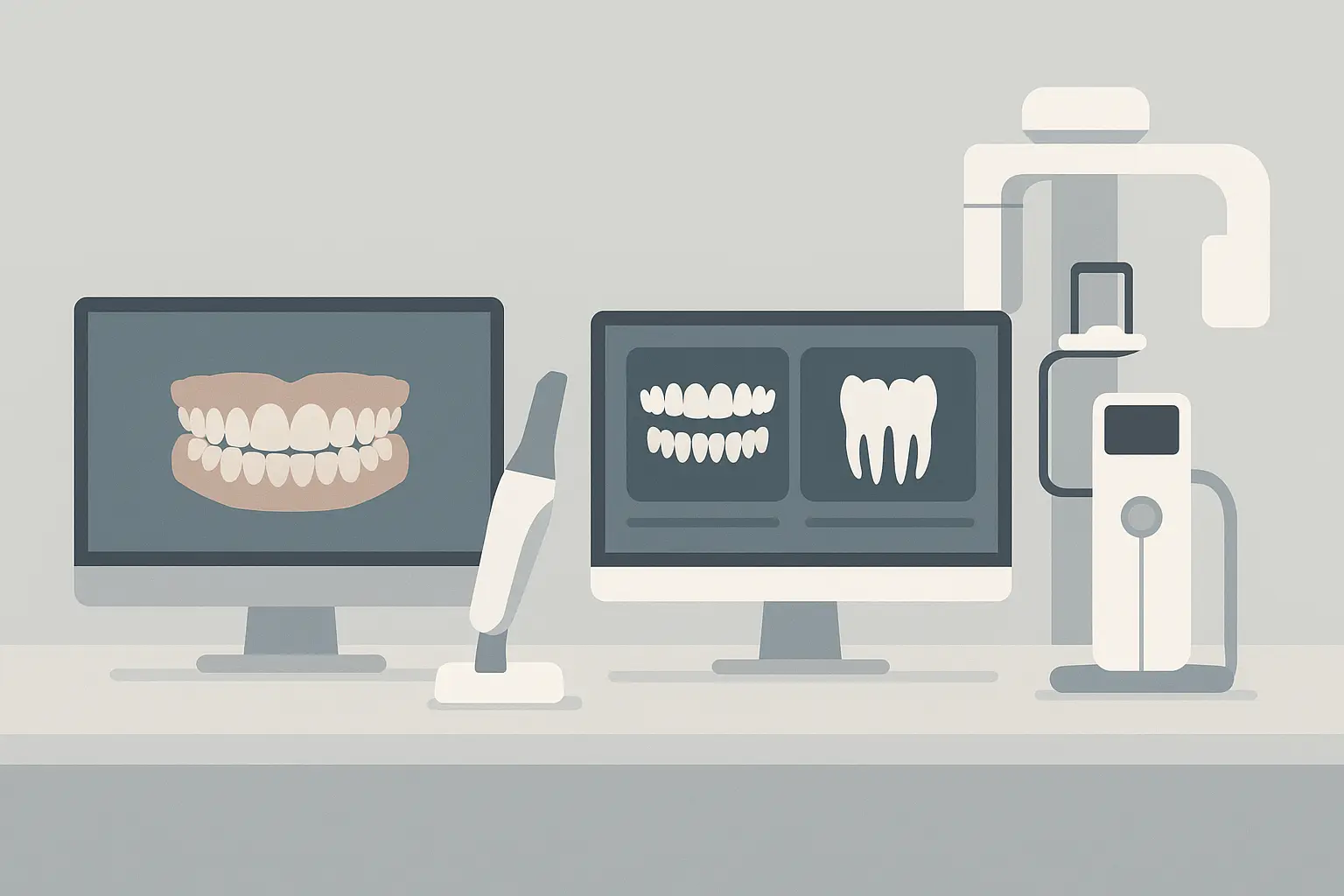
Modern orthodontic practices increasingly rely on digital impressions, 3D printing, and computer-aided treatment planning. Assistants skilled in these technologies command premium salaries as practices seek technologically adaptable staff.
Proficiency in practice management software, digital imaging systems, and treatment planning applications is becoming essential. These skills can set you apart in salary negotiations and job applications.
The growing adoption of remote patient monitoring and virtual consultations is creating new assistant roles in patient communication and technology support. Early adopters of these skills may find themselves in high demand.
Market Growth Trends
The orthodontic industry continues experiencing steady growth, driven by increasing aesthetic awareness and expanding treatment options for diverse age groups.
Growing adult orthodontic treatment demand creates opportunities for assistants specializing in adult patient care and complex treatment coordination. Adults often require more detailed explanations and hand-holding than younger patients.
The popularity of clear aligner treatments like Invisalign requires specialized training and creates premium compensation opportunities. Assistants with expertise in these systems often earn more than those working with traditional braces only.
Increasing consolidation within the orthodontic industry through corporate acquisitions may impact salary structures and benefit packages. Standardization could mean more predictable pay scales but potentially less room for individual negotiation.
Protecting Your Professional Credentials
As you pursue continuing education, specialized certifications, and career advancement opportunities, maintaining proper documentation of your educational achievements becomes crucial for professional success and salary negotiations.
Advancing your career as an orthodontic assistant often means accumulating various certificates, diplomas, and training credentials over time. Whether you’ve completed specialized orthodontic training programs, earned certifications from professional organizations, or pursued additional education, these documents prove your qualifications to employers.
But what happens when you need to present your credentials for a new job opportunity and can’t locate your original certificate? Or when you want to display your qualifications in multiple locations – both at home and in your workplace? This is where ValidGrad becomes invaluable for orthodontic professionals.
When dealing with lost credentials, knowing how to get a copy of your diploma becomes essential for maintaining your professional standing and salary negotiations in the orthodontic field.
ValidGrad specializes in creating high-quality replacement diplomas and certificates when your originals are lost, damaged, or when you need backup copies for professional display. Many orthodontic assistants find it useful to have their credentials visible in both personal and professional settings to demonstrate their qualifications to patients and colleagues.
The process is straightforward: ValidGrad’s diploma maker allows you to create professional replicas of your educational documents with instant digital delivery and physical copies arriving within days. This ensures you can maintain professional presentation standards while protecting your original documents from damage or loss.
For professionals looking to showcase their achievements, understanding how to display certificates on wall can enhance your professional image and potentially support higher compensation negotiations.
Ready to showcase your professional achievements confidently? Visit ValidGrad today to create backup copies of your important credentials and keep your career documentation organized and accessible.

Your Next Steps
Your earning potential as an orthodontic assistant isn’t fixed – it’s something you can actively influence through strategic career decisions, skill development, and smart negotiation. The salary ranges I’ve outlined represent real opportunities, but your specific situation will depend on the choices you make about education, location, and career focus.
The orthodontic field is evolving rapidly, with technology creating new opportunities for assistants who stay current with industry trends. Whether you’re just starting out or looking to advance your existing career, understanding these salary dynamics gives you the power to make informed decisions about your professional future.
As you advance in your career, remember that replacing a lost diploma shouldn’t derail your salary negotiations or job applications – having proper documentation is crucial for maximizing your earning potential.
Remember that compensation isn’t just about the number on your paycheck – benefits, professional development opportunities, and work environment all contribute to your overall job satisfaction and financial well-being. Take the time to evaluate complete packages rather than focusing solely on base salary figures.
Start where you are, but don’t stay there. Every skill you learn, every certification you earn, and every relationship you build is an investment in your future earning potential. The orthodontic assistant salary you want is within reach – you just need to be strategic about getting there.