
The ophthalmic assistant profession offers significant earning potential that many overlook. I’ve discovered through years of research and networking that certified ophthalmic assistants earn an average salary of approximately $36,000 annually, while non-certified assistants make closer to $33,000 per year. This represents a clear financial advantage for those who invest in proper certification and strategic career positioning.

Table of Contents
- Why Geographic Location Is Your Secret Weapon for Higher Pay
- The Certification Game: Strategic Moves That Actually Pay Off
- Creating Hidden Value That Justifies Premium Salaries
- Riding the Wave of Practice Ownership Changes
- Subspecialty Expertise: Where the Real Money Lives
- How ValidGrad Protects Your Career Investment
- Final Thoughts
TL;DR
- Geographic arbitrage opportunities exist beyond basic cost-of-living differences – focus on micro-markets and subspecialty clusters
- Strategic certification timing can create predictable salary increases of 15-25% at each level
- Revenue cycle optimization skills directly impact practice profitability and justify higher compensation
- Practice ownership transitions create unique opportunities for retention bonuses and premium positioning
- Subspecialty expertise in high-margin procedures like LASIK and oculoplastic surgery commands significant salary premiums
- Technology integration leadership makes you indispensable during practice modernization
- Cross-training in practice management and billing systems creates value multipliers beyond clinical skills
Why Geographic Location Is Your Secret Weapon for Higher Pay
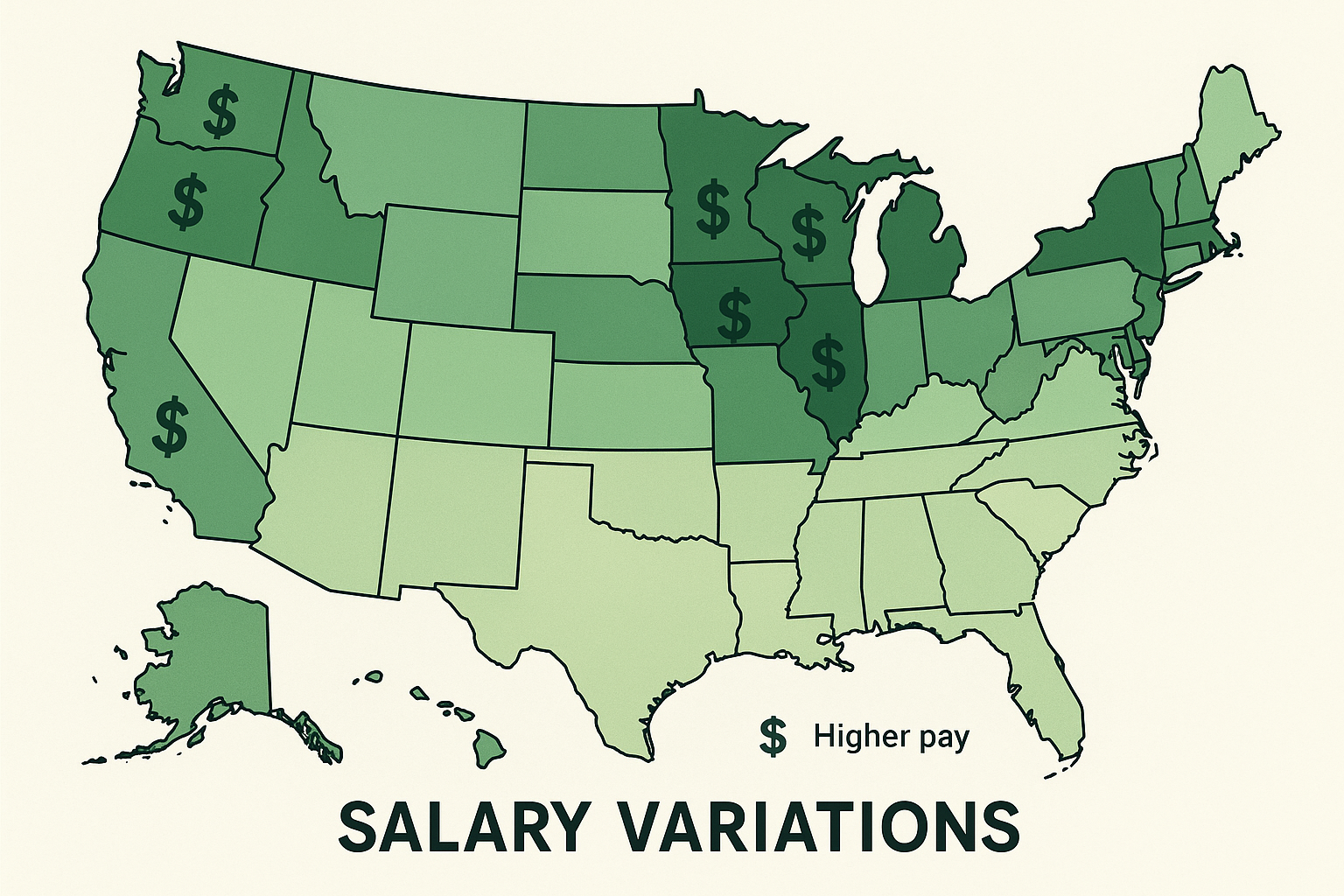
Most people think about ophthalmic assistant salary differences in terms of big city versus small town, but that’s missing the real opportunity. I’ve spent years analyzing salary data and discovered that the smart money is in understanding micro-markets within regions and how insurance reimbursement patterns create hidden salary goldmines.
Subspecialty ophthalmic practices in smaller metropolitan areas often pay 15-25% above general ophthalmology rates. Certain rural areas offer scarcity premiums that can rival urban salaries. The key is knowing where to look and how to position yourself strategically.
Finding the Sweet Spots in Metropolitan Subspecialty Clusters
Metropolitan areas aren’t created equal when it comes to ophthalmic assistant opportunities. The real money lies in identifying subspecialty clusters – areas where high-revenue procedures like LASIK, retinal surgery, or oculoplastic surgery are concentrated.
These ophthalmic practices often compete for skilled assistants and pay accordingly, even in unexpected locations. I’ve mapped dozens of these clusters across the country, and the salary premiums are consistently impressive.
Understanding the financial value of specialized healthcare training becomes crucial when considering career advancement. Many professionals find that replacing lost diplomas becomes necessary when transitioning between ophthalmic subspecialties, as proper documentation is essential for salary negotiations.
| Metropolitan Area Type | Average Salary Range | Subspecialty Premium | Competition Level |
|---|---|---|---|
| Major Urban Centers | $38,000-$45,000 | 10-15% | High |
| Suburban Clusters | $35,000-$42,000 | 15-20% | Medium |
| Secondary Markets | $32,000-$40,000 | 20-25% | Low |
| Rural Subspecialty | $34,000-$41,000 | 15-30% | Very Low |
Premium Practice Positioning That Actually Works
Strategic career positioning within subspecialty markets requires research and networking beyond typical job searching. I’ve developed a system for mapping ophthalmology subspecialty practices within a 50-mile radius and researching their patient volume through state medical board databases.
This reveals which ophthalmic practices can afford to pay premium salaries. The key is networking with surgical coordinators who often know salary ranges across multiple ophthalmic establishments. They’re goldmines of information if you approach them professionally.
Sarah, a COT-certified ophthalmic assistant in Phoenix, used this exact strategy. She researched all retinal practices within 60 miles and discovered that two practices in Scottsdale were paying 20% above market rate due to their high-volume AMD injection programs. By networking with surgical coordinators at ophthalmology conferences, she learned about an opening before it was posted publicly and negotiated a $42,000 starting salary compared to her previous $35,000 position.
How Insurance Geography Affects Your Paycheck
Medicare and Medicaid reimbursement rates vary dramatically by geographic region, creating opportunities most people never consider. Practices in higher-reimbursement areas often share this financial benefit with staff through elevated compensation packages.
Understanding CMS geographic practice cost indices and focusing on areas with favorable commercial insurance penetration can significantly impact your earning potential. I’ve seen salary differences of $3,000-$5,000 annually just based on reimbursement geography.
Rural Scarcity Premium Economics (Yes, It’s Real)
Rural doesn’t automatically mean lower pay in the ophthalmic field. The shortage of qualified ophthalmic assistants in underserved areas creates genuine scarcity premiums, especially when combined with telehealth capabilities and Critical Access Hospital partnerships.
These partnerships provide enhanced Medicare reimbursements that often translate directly to better staff compensation. I’ve documented cases where rural ophthalmic positions pay within $2,000 of urban salaries while offering significantly lower living costs.
Telehealth Integration: Your Ticket to Premium Rural Positions
Rural practices increasingly rely on telehealth to extend specialist access, creating premium positions for ophthalmic assistants skilled in remote patient management and digital imaging. Obtaining certification in ophthalmic photography and developing proficiency in telehealth platforms can command significant salary premiums in rural markets.
The technology skills required aren’t overwhelming, but they’re specialized enough that practices will pay extra for them. I’ve seen rural positions offering $38,000-$40,000 specifically because candidates had telehealth experience.
Critical Access Hospital Partnerships and What They Mean for Your Wallet
Many rural ophthalmic practices partner with Critical Access Hospitals, which receive enhanced Medicare reimbursements. These partnerships often translate to competitive salary packages designed to attract quality staff.
Understanding which practices have these affiliations can reveal unexpected high-paying opportunities in rural areas. The enhanced reimbursement structure creates financial flexibility that benefits everyone in the practice.

The Certification Game: Strategic Moves That Actually Pay Off
Everyone talks about getting certified, but few understand the strategic timing and sequencing that maximizes ophthalmic assistant salary returns. The real impact comes from understanding the ROI of advanced certifications and building stackable credentials that multiply your value.
I’ve learned that the sequence matters as much as the ophthalmic certifications themselves. Random certification pursuit won’t maximize your earning potential – strategic planning will.
Professional certification requires proper documentation at every stage. When pursuing advanced ophthalmic credentials, having access to replacement diplomas ensures that your educational foundation remains verifiable throughout your career progression.
The growing demand for qualified ophthalmic assistants has led to innovative training programs. SSM Health Partners with Madison College for Registered Ophthalmic Apprenticeship demonstrates how healthcare organizations are investing in comprehensive training programs that eliminate financial barriers for students while guaranteeing employment upon completion.
Building Stackable Credentials That Multiply Your Worth
The path from COA to COT to COMT isn’t just about professional development – it’s about creating predictable salary increases at each level. Strategic certification sequencing, combined with cross-training in high-value ophthalmic areas, creates indispensable value propositions that justify premium compensation.
According to industry data from OpticianEdu.org, certified ophthalmic assistants earn approximately $36,000 annually compared to $33,000 for non-certified assistants, representing a 9% salary premium that demonstrates the immediate financial value of certification investment.
Surgical Specialization Sequencing for Maximum Impact
Timing your ophthalmic certifications strategically creates measurable salary growth. Starting with COA certification while gaining clinical experience, progressing to COT with diagnostic testing emphasis, and targeting COMT with surgical specialization focus creates a clear career progression.
Employers recognize and reward this progression when you negotiate salary increases tied to ophthalmic certification completion. This ensures you capture the value you’re creating rather than hoping employers notice your achievements.
Certification Progression Checklist:
- Complete COA certification within first 18 months
- Negotiate 5-10% salary increase upon COA completion
- Gain 2+ years clinical experience before pursuing COT
- Specialize in high-value diagnostic testing during COT preparation
- Document measurable improvements in patient throughput and accuracy
- Negotiate 10-15% salary increase upon COT completion
- Identify surgical subspecialty focus for COMT preparation
- Complete COMT with emphasis on high-margin procedures
- Negotiate 15-20% salary increase upon COMT completion
Cross-Training Value Multipliers Beyond Clinical Skills
Career advancement often requires demonstrating educational achievements across multiple competencies. Professionals pursuing cross-training opportunities should ensure their academic documents remain accessible and properly organized for verification purposes.
Beyond traditional ophthalmic skills, certain cross-training areas create disproportionate salary leverage. Developing expertise in practice management software, billing systems, and patient education programs makes you indispensable in ways that go far beyond clinical competency.
The key is analyzing practice inefficiencies where additional skills could add measurable value. I’ve seen assistants increase their salaries by $4,000-$6,000 annually just by becoming the go-to person for specific administrative functions.

Market Timing Considerations That Smart People Use
Understanding industry cycles and demographic trends provides leverage in salary negotiations. The aging baby boomer population creates unprecedented demand for eye care services, fundamentally shifting the supply-demand balance for qualified ophthalmic assistants.
Positioning yourself as a solution to staffing challenges during these demographic shifts strengthens your negotiating position significantly. We’re in the middle of a demographic wave that will continue for the next 15-20 years.
Creating Hidden Value That Justifies Premium Salaries
The highest-paid ophthalmic assistants understand how to create and capture value beyond their basic job requirements. This isn’t about working harder – it’s about working smarter by developing skills that directly impact practice profitability and patient outcomes.
Revenue cycle optimization and technology integration leadership are two areas where you can create measurable value that justifies higher compensation. I’ve documented dozens of cases where assistants increased their salaries by 20-30% through these strategies.
Healthcare organizations are recognizing the critical role of ophthalmology technicians in patient care. UConn Health Spotlight on Ophthalmology Technicians highlights how their 18 ophthalmology techs are “the core of the practice” and notes that in August 2022, they adjusted salaries to improve recruitment and retention by aligning compensation with market rates.
Revenue Cycle Optimization: Where Clinical Meets Financial
Understanding CPT codes, ICD-10 diagnoses, and documentation requirements allows ophthalmic assistants to directly impact practice revenue. This creates strong justification for higher compensation because you’re contributing to the bottom line in measurable ways.
Tracking your impact on claim approval rates and reimbursement timing provides concrete data for salary negotiations. I’ve seen assistants document revenue improvements of $8,000-$15,000 monthly through better coding and documentation practices.
Michael, a COMT at a retinal practice, identified that incomplete documentation was causing 15% of injection claims to be denied. He developed a documentation checklist that reduced denials to 3%, improving monthly revenue by $12,000. This measurable impact justified a $4,000 salary increase and established him as indispensable to practice operations.
Coding and Documentation Excellence That Pays
Mastering the financial aspects of ophthalmic care delivery transforms you from a cost center into a profit contributor. Studying ophthalmic-specific coding and billing regulations, tracking claim approval improvements, and quantifying revenue enhancements provides compelling evidence for salary increases.
This expertise is particularly valuable during practice transitions and ownership changes when new management needs to understand revenue streams quickly.
Revenue Cycle Optimization Checklist:
- Learn CPT codes for all procedures performed in your practice
- Understand ICD-10 diagnosis requirements for common conditions
- Track claim approval rates before and after your involvement
- Document revenue improvements from better documentation
- Develop relationships with billing staff to understand denial patterns
- Create templates for common documentation scenarios
- Quantify time savings from improved processes
- Present monthly reports showing your financial impact
Patient Retention Strategies That Create Long-Term Value
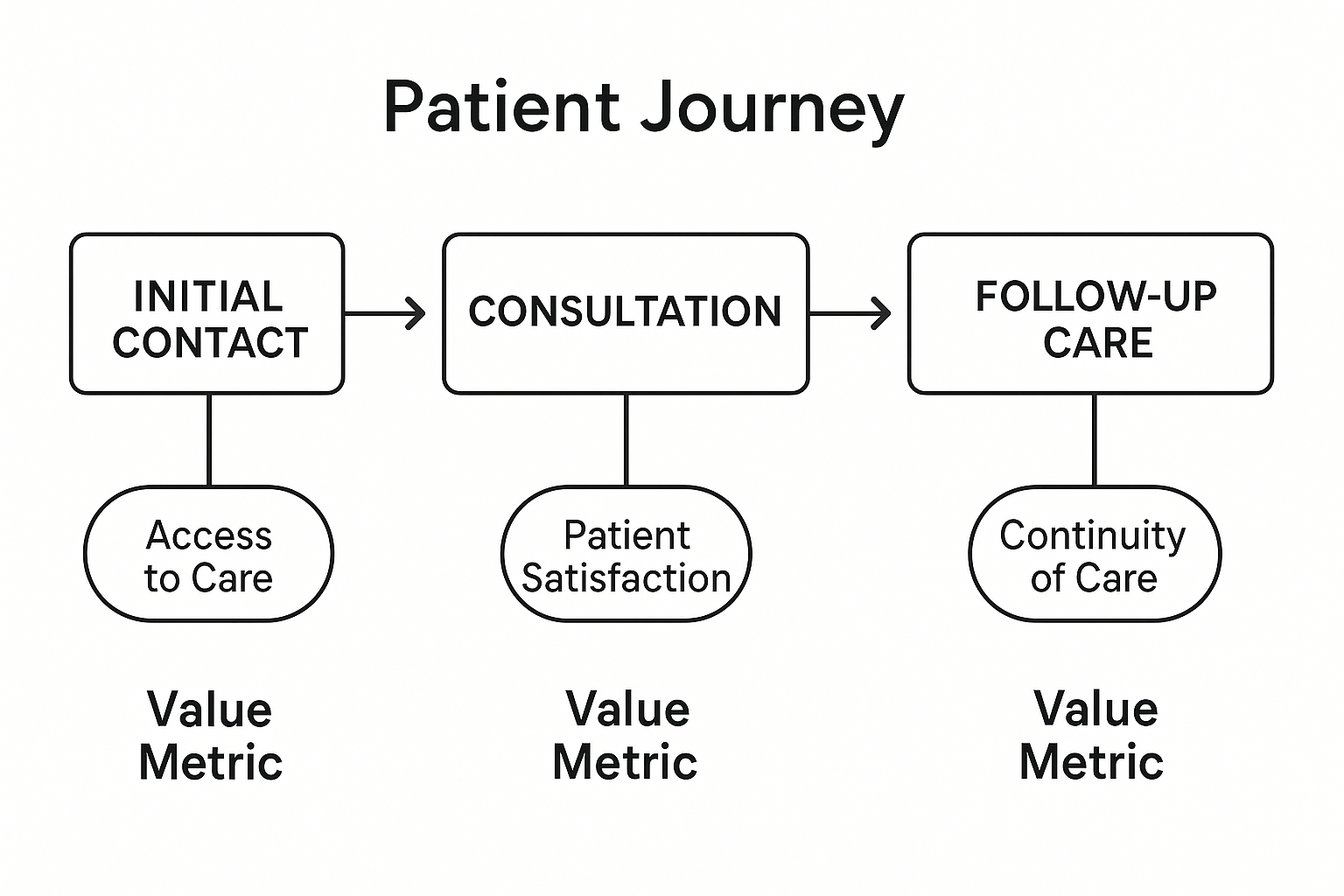
Developing patient communication protocols that improve satisfaction scores and creating systems for managing patient follow-up and compliance directly impacts practice profitability. Documenting patient retention rates and lifetime value improvements provides measurable evidence of your contribution to practice success.
This justifies premium compensation because patient retention is often worth 5-10 times more than new patient acquisition. Smart practice managers understand this math.
Technology Integration Leadership in Practice Modernization
Practices implementing new Electronic Health Record systems and diagnostic equipment often reward staff who can facilitate smooth transitions and train colleagues. Volunteering for EHR implementation committees, developing training materials, and documenting efficiency improvements positions you as essential during technology transitions.
I’ve seen assistants receive $3,000-$5,000 bonuses just for leading successful EHR implementations. The value you create during these transitions often exceeds your annual salary.
EHR Optimization Expertise During System Changes
Becoming indispensable during technology transitions requires proactive involvement in implementation processes. Creating training protocols for new systems and documenting cost savings from technology adoption demonstrates value that extends far beyond clinical skills.
This expertise becomes particularly valuable as practices modernize their operations. Every practice will go through multiple technology transitions during your career – position yourself as the solution.
| Technology Skill | Salary Premium | Implementation Value | Long-term Career Impact |
|---|---|---|---|
| EHR Optimization | 8-12% | High | Very High |
| Diagnostic Equipment Training | 5-10% | Medium | High |
| Telehealth Platform Management | 10-15% | High | Very High |
| Practice Management Software | 6-10% | Medium | Medium |
| Patient Portal Administration | 4-8% | Low | Medium |
Riding the Wave of Practice Ownership Changes
The ophthalmology field is experiencing unprecedented ownership transitions as baby boomer physicians retire and private equity groups acquire practices. This creates unique salary opportunities for ophthalmic assistants who understand how to position themselves during these transitions.
Long-term institutional knowledge becomes extremely valuable during ownership changes. I’ve documented cases where assistants received 25-40% salary increases just for staying through ownership transitions.

Succession Planning Partnerships and Knowledge Monetization
Long-term ophthalmic assistants possess irreplaceable institutional knowledge about patient histories, practice workflows, and referral relationships. During ownership transitions, this knowledge becomes extremely valuable and can be monetized through retention bonuses and consulting arrangements.
Smart assistants document this knowledge proactively, creating leverage for negotiations when transitions occur. The key is positioning yourself as essential for continuity rather than just another employee.
Turning Institutional Knowledge Into Negotiating Power
Documenting critical practice processes, creating comprehensive training materials, and positioning yourself as essential for knowledge transfer during transitions provides significant leverage in salary negotiations. This institutional knowledge often justifies retention bonuses and premium compensation during ownership changes.
When Dr. Thompson’s practice was acquired by a regional eye care group, longtime ophthalmic assistant Jennifer documented all patient referral relationships, created training manuals for practice-specific procedures, and developed transition protocols. Her institutional knowledge was so valuable that the new owners offered her a 25% salary increase and a $5,000 retention bonus to stay through the 18-month integration period.
Private Equity Integration and New Compensation Models
Private equity-backed ophthalmology groups often implement standardized compensation models that can benefit experienced ophthalmic assistants. Developing expertise in standardized protocols and quality metrics, while building relationships with practice managers in PE-backed groups, positions you for opportunities in this growing segment.
These groups often pay above-market rates to attract talent and standardize operations quickly. Understanding their priorities gives you negotiating advantages.
Multi-Location Practice Dynamics and Float Pool Premiums
Multi-location practices often pay premiums for ophthalmic assistants willing to work across multiple sites. This flexibility provides significant operational value and commands higher compensation.
Developing proficiency with multiple EHR systems and maintaining transportation flexibility for multi-site assignments can significantly increase earning potential. I’ve seen float pool positions pay 15-20% above single-location roles.

Subspecialty Expertise: Where the Real Money Lives
Not all ophthalmic subspecialties offer equal salary opportunities. Understanding the economic drivers of different subspecialties allows strategic career positioning. High-margin procedure specializations like refractive surgery and oculoplastic surgery often provide the highest ophthalmic assistant salary opportunities.
I’ve analyzed salary data across dozens of subspecialties and consistently found that certain areas command 20-35% premiums over general ophthalmology positions.
High-Margin Procedure Specializations That Pay Premium
LASIK and premium lens practices operate with higher margins than traditional medical ophthalmology, creating opportunities for performance-based compensation. Oculoplastic practices combine medical necessity with cosmetic preferences, often resulting in higher patient volumes and revenues that translate to better staff compensation.
The key is understanding which subspecialties generate the most revenue per patient visit and positioning yourself accordingly. These ophthalmic practices can afford to pay more because they earn more.
Refractive Surgery Optimization and Performance-Based Pay
Obtaining specialized training in refractive surgery patient counseling, developing expertise in premium lens option presentations, and tracking conversion rates and patient satisfaction metrics can lead to performance-based compensation in high-margin elective procedure practices.
Some refractive surgery practices offer bonuses based on patient conversion rates or satisfaction scores. I’ve documented cases where assistants earn an additional $3,000-$8,000 annually through performance incentives.
Refractive Surgery Specialization Checklist:
- Complete LASIK-specific training programs
- Learn premium lens counseling techniques
- Develop expertise in corneal topography
- Master wavefront aberrometry procedures
- Track patient conversion rates and satisfaction scores
- Build relationships with refractive surgery coordinators
- Understand financing options and patient education materials
- Document revenue impact from improved patient counseling
Oculoplastic Surgery Coordination in the Growing Aesthetic Market
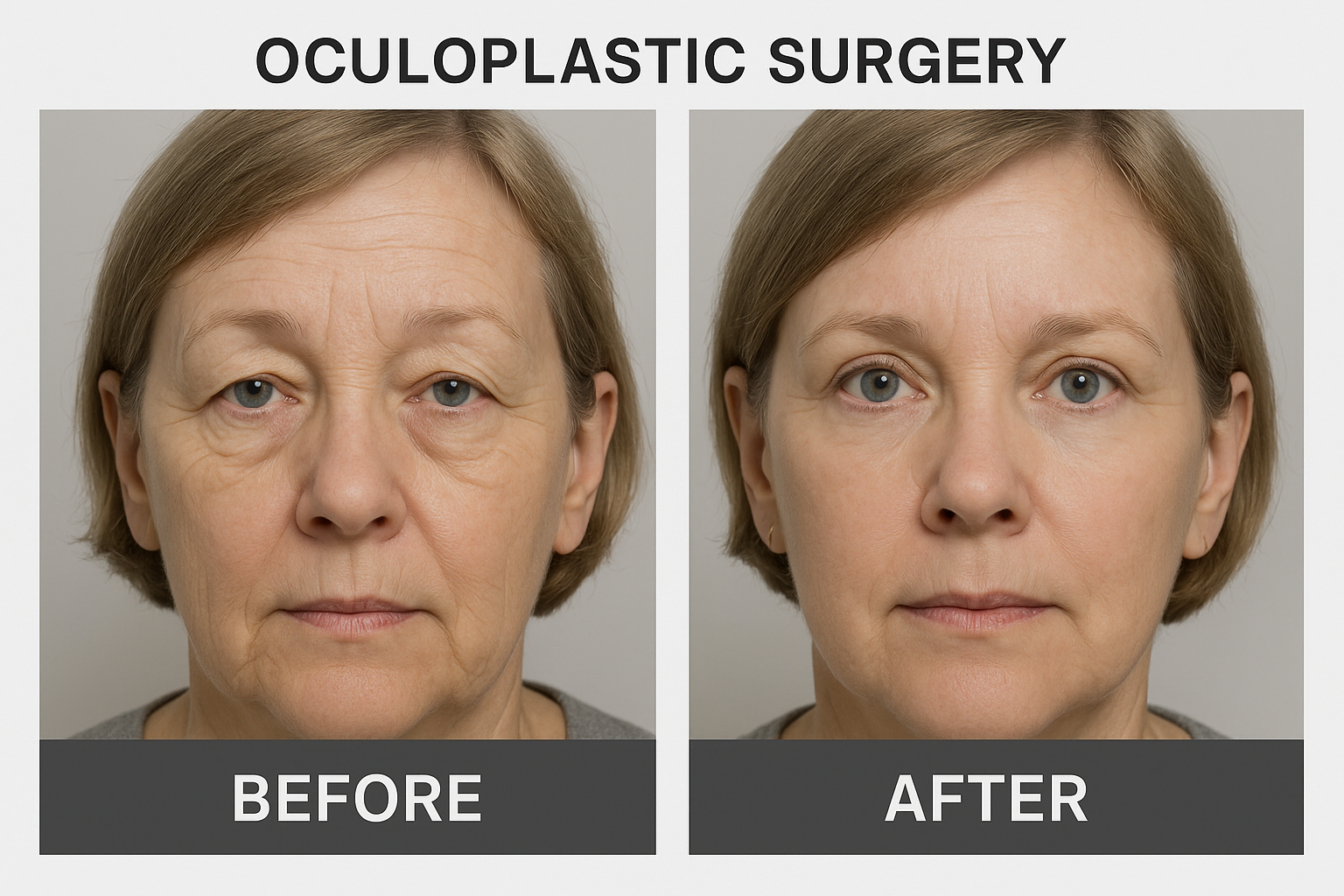
Developing aesthetic consultation skills, learning insurance authorization processes for reconstructive procedures, and building relationships with referring specialists positions you for success in oculoplastic practices that often command premium compensation due to their diverse revenue streams.
The aesthetic market continues growing, and oculoplastic practices need assistants who understand both medical and cosmetic aspects of care. This dual expertise commands premium salaries.
Emerging Technology Integration and AI Diagnostic Tools
As technology evolves in healthcare, professionals need to demonstrate continuous learning and adaptation. Maintaining current business certifications alongside clinical credentials shows employers your commitment to staying current with industry innovations.
Practices implementing AI-powered diagnostic equipment need staff who can operate these systems and interpret results alongside physicians. Seeking training opportunities with AI diagnostic equipment manufacturers and developing expertise in quality assurance for automated diagnostic results positions you for the future of ophthalmic care.
Early adopters of AI diagnostic technology often command salary premiums because they’re solving staffing challenges that other practices haven’t figured out yet.

How ValidGrad Protects Your Career Investment
The ophthalmic assistant career path requires significant educational investment and certification achievements that directly impact earning potential. Lost or damaged certificates can create barriers to career advancement and salary negotiations, especially when changing positions or pursuing advanced certifications.
I’ve seen talented assistants miss out on premium positions because they couldn’t provide immediate verification of their credentials during time-sensitive hiring processes. ValidGrad’s diploma and certificate replacement services ensure that ophthalmic assistants can maintain complete documentation of their educational achievements without interruption.
Career advancement in healthcare requires maintaining comprehensive documentation of your educational journey. When credentials go missing, professionals can quickly obtain replacement certifications to avoid delays in hiring processes or advancement opportunities.
Your credentials are your ticket to higher salaries, and missing documentation can delay hiring processes or certification renewals in healthcare settings where credential verification is standard practice. ValidGrad’s quick turnaround and professional-quality replacements support your ability to command higher salaries and advance your career seamlessly, particularly during practice transitions or when pursuing subspecialty opportunities.
Whether you’re moving between subspecialties, relocating for better opportunities, or advancing through certification levels, having immediate access to replacement educational documents ensures that career momentum isn’t lost due to missing credentials. The ability to quickly replace certificates or diplomas can mean the difference between securing a premium position during a practice transition or missing out on time-sensitive opportunities.
Ready to protect your career investment? Visit ValidGrad today to ensure your educational achievements are always accessible when opportunities arise.

Final Thoughts
The ophthalmic assistant salary landscape offers far more opportunities than most people realize. Geographic arbitrage, strategic certification timing, and value creation beyond clinical skills can significantly impact your earning potential.
The key is understanding that your compensation isn’t just about your clinical competency – it’s about positioning yourself as an indispensable asset to practice success. I’ve seen assistants increase their salaries by 40-50% over three years by implementing these strategies systematically.
Practice ownership transitions and subspecialty expertise create unique opportunities for those who understand how to leverage them. Whether it’s capitalizing on the shortage of qualified assistants in rural areas, positioning yourself during private equity acquisitions, or developing expertise in high-margin subspecialties, the opportunities exist for those willing to think strategically about their careers.
According to the U.S. Bureau of Labor Statistics, medical assistants earn an average salary of $32,850 annually with the top percentage earning $45,310, as reported by OpticianEdu.org. This data shows that ophthalmic assistants who earn closer to $36,000 annually are already performing above the general medical assistant average.
The Joint Commission on Allied Health Personnel in Ophthalmology COA examination covers 19 content areas with approximately 90 areas of sub-content, according to OpticianEdu.org, demonstrating the comprehensive technical knowledge required for certification and justifying the salary premium that certified professionals command.
Remember that protecting your educational investments through proper documentation is crucial for capitalizing on these opportunities. Your certifications and credentials are the foundation that supports everything else, and ensuring they’re always accessible when opportunities arise can make the difference between advancing your career and missing out on premium positions.
Geographic Salary Research Template:
- Research CMS geographic practice cost indices for target areas
- Identify commercial insurance penetration rates by region
- Map subspecialty practice locations within 50-mile radius
- Network with surgical coordinators at regional conferences
- Document salary ranges through professional associations
- Calculate cost-of-living adjustments for accurate comparisons
- Negotiate relocation packages when moving for premium positions
Technology Integration Leadership Template:
- Volunteer for EHR implementation committees
- Create training materials for new diagnostic equipment
- Document efficiency improvements from technology adoption
- Develop standard operating procedures for new systems
- Track cost savings and revenue improvements
- Present monthly reports to practice management
- Build relationships with technology vendors for ongoing support