
Table of Contents
The Cultural Salary Game Everyone’s Playing (But Won’t Admit)
Your Passport Is Your Paycheck: The Uncomfortable Truth
Tax-Free Doesn’t Mean Strategy-Free: Maximizing Your Dubai Advantage
The Paperwork Nightmare That Controls Your Salary
Industry Secrets: Why Your Sector Determines Everything
HR Admin Roles: The Hidden Goldmine Nobody Talks About
How ValidGrad Solves Your Biggest Dubai Career Problem
Final Thoughts
TL;DR
Your nationality and passport literally determine your salary ceiling in Dubai’s HR market – Western passport holders earn 30-50% more than equally qualified professionals from developing countries
Visa status creates different salary multipliers regardless of your experience level – investor visa holders can negotiate 20-40% higher salaries
Speaking Arabic, English, and Hindi/Urdu fluently can unlock premium salary negotiations across all HR roles
Dubai’s tax-free status requires completely different compensation strategies – focus on benefits that maximize your advantage
Properly attested educational credentials give you 10-15% salary premiums just for being prepared
Free zone HR roles pay 15-25% more than mainland positions due to specialized compliance requirements
Building local networks (wasta) can secure salary packages 25-35% above market rate through relationship-based hiring
HR administrators who specialize in Ministry of Labour processes earn 20-30% more than general administrative roles
When I first moved to Dubai as an HR professional, I thought my 8 years of experience and solid qualifications would speak for themselves. Boy, was I wrong. Within my first month of job hunting, I learned some hard truths that no salary survey had prepared me for.
While recent data shows the average total compensation for HR professionals in Dubai reaches AED 240,008, this figure barely scratches the surface of what’s really happening beneath the numbers. The reality is that your actual earning potential for hr salary in dubai depends on factors that traditional salary surveys completely ignore – from your passport color to your ability to navigate government bureaucracy.
Here’s what I wish someone had told me before I started job hunting in Dubai’s HR market. According to PayScale research, entry-level Human Resources (HR) Managers with less than 1 year experience earn an average total compensation of AED 59,322, while the highest pay for HR Managers can reach AED 362,000 per year, demonstrating the massive salary range that exists within Dubai’s HR market.
The Cultural Salary Game Everyone’s Playing (But Won’t Admit)
Look, I’m going to tell you something that made me uncomfortable when I first realized it: your nationality matters more than your resume in Dubai. I know it sounds crazy, but stick with me here.
I’ve watched this play out dozens of times. Two equally qualified HR managers walk into the same interview – one from London, one from Mumbai. Guess who gets the higher offer? Every single time, it’s the person with the “right” passport.
It’s not something anyone talks about in polite company, but “employers are firmly in the driving seat as more expats flock to the country” according to The National News. Translation? They can afford to be picky, and unfortunately, that pickiness often comes down to passport color.

For HR professionals considering their educational foundation, understanding the specific educational requirements for HR management roles becomes crucial when negotiating hr salary in dubai packages that reflect your qualifications properly.
Here’s the breakdown that nobody wants to put in writing:
Where You’re From | What You Actually Get | The Reality Check |
|---|---|---|
US/UK/Canada/Australia | 30-50% more than baseline | You’re seen as “international standard” |
GCC Countries | 40-60% more than baseline | You’re basically local royalty |
India/Pakistan/Philippines | That’s your baseline | You’ll work twice as hard for half the recognition |
Other Arab Countries | 10-20% bump | Better than baseline, not as good as Western |
African Countries | Maybe 5-15% more | Depends heavily on the specific country |
Your Passport Is Your Paycheck: The Uncomfortable Truth
Here’s what nobody wants to say out loud – your nationality directly impacts your HR salary bands in ways that would be completely illegal in most Western countries. I remember sitting across from a hiring manager who offered me 40% less than what they’d offered my British colleague for the exact same role. It stung, but it taught me how the game really works here.
Consider two HR managers with identical qualifications: Sarah from the UK and Ahmed from Pakistan, both with 5 years of experience and CIPD certification. Sarah typically receives offers starting at AED 18,000-22,000 monthly, while Ahmed’s offers range from AED 12,000-15,000 for the same role at the same company. The difference isn’t experience or qualifications – it’s purely passport-based salary discrimination.
Is this fair? Absolutely not. Is this reality? Unfortunately, yes.
Your Visa Status Is Your Secret Weapon (Or Your Biggest Obstacle)
Here’s something I learned after getting burned: your visa type changes everything about how employers see you.
When I first arrived on a regular employment visa, I was just another expat who could disappear if things went south. But my friend Rashid? He had an investor visa. Same qualifications as me, but he was getting offers 30% higher. Why? Because employers saw him as “stable” – someone who wouldn’t pack up and leave at the first sign of trouble.
It’s frustrating, but it’s reality. If you’ve got an investor visa or UAE nationality, you’re playing salary negotiations on easy mode. The rest of us have to work a bit harder to prove our worth.
The Language Thing That Actually Pays Your Bills
You know what’s worth more than that expensive MBA you’re considering? Speaking Arabic, English, and Hindi fluently.
I’m serious. I’ve seen HR professionals with basic qualifications out-earn their highly educated colleagues simply because they could switch between languages during a single meeting. In Dubai’s melting pot workplace, being the person who can talk to the Emirati client in Arabic, then explain the situation to the Indian team lead in Hindi, then write the report in English? That’s pure gold.
What you actually need:
English that doesn’t make people cringe in meetings
Arabic good enough to read government documents (trust me on this one)
Hindi/Urdu for day-to-day team management
The cultural awareness to know when to use which language
The Network Game (Or Why Your LinkedIn Connections Don’t Matter Here)
Forget everything you know about networking. In Dubai, it’s all about wasta – basically, who you know and who owes whom a favor.
I learned this the expensive way. Spent months applying online, getting nowhere. Then I met Ahmed at a coffee shop. Turns out his cousin runs HR at a major company. One introduction later, I had a job offer that was 40% higher than anything I’d been offered before.
It sounds unfair (because it is), but relationship-based hiring is how things work here. The good news? Once you understand the game, you can play it too.
Family Business Integration: The Hidden Compensation Strategy
Family-owned enterprises in Dubai offer HR professionals unique compensation structures that don’t show up in traditional salary surveys. These businesses often provide equity-like compensation packages, including property investments and business partnerships, that can be worth significantly more than cash compensation but require different negotiation approaches.
My colleague Fatima, an HR director at a family-owned trading company, negotiated a compensation package that included a 10% profit-sharing arrangement and assistance with a property down payment. While her base salary was AED 15,000 monthly, her total annual compensation exceeded AED 300,000 through profit sharing and property appreciation.
Government Relations Premium: Your Bureaucracy Expertise Pays
HR professionals who can navigate Ministry of Labour processes, Emirates ID procedures, and visa complexities become indispensable to their employers. This specialized knowledge allows them to negotiate salaries 15-20% above peers who lack this expertise, making government relations skills a direct path to higher compensation.
Tax-Free Doesn’t Mean Strategy-Free: Maximizing Your Dubai Advantage
Okay, here’s where most people mess up big time. They hear “tax-free” and think it means “negotiate like you would back home.” Wrong.
When there’s no income tax, the whole game changes. That housing allowance isn’t just a nice perk – it’s pure money in your pocket. That education allowance? In most countries, you’d pay tax on it. Here, it’s free money for your professional development.
But here’s the kicker: “75 percent of professionals say that it has become harder to negotiate a pay rise than a year ago” according to recent research. So you better know how to make these benefits work for you.
The Housing Allowance Hack That Built My Wealth
Instead of taking company housing (which is usually pretty basic), I negotiated for a housing allowance. Then I found a cheaper place to live and used the difference to invest in Dubai’s property market.
Three years later, that “savings” from my housing allowance became the down payment for my own apartment. Now I’m building equity instead of just paying someone else’s mortgage.
Benefit Type | Tax-Free Value | Strategic Advantage |
|---|---|---|
Housing Allowance | 25-40% of base salary | Property investment opportunity |
Education Allowance | AED 15,000-50,000 annually | Professional development leverage |
Annual Flight Tickets | AED 3,000-8,000 per person | Family visit cost coverage |
Medical Insurance | AED 5,000-15,000 annually | Comprehensive healthcare access |
End-of-Service Gratuity | 21 days salary per year | Forced savings program |
Here’s how to do it:
Research actual rental costs (not what HR thinks they are)
Find a place that costs 20-30% less than your allowance
Use the difference for investments or savings
Watch your wealth grow while your colleagues pay full rent
Education Allowances: Your Career Rocket Fuel
Most people use their education allowance for random courses. Smart people use it strategically.
I used mine to get my SHRM certification, which immediately bumped my salary by 25%. The course cost AED 8,000, but it’s paid for itself ten times over. That’s the kind of ROI that makes sense.
I’ve used education allowances to complete certifications that directly led to salary increases exceeding the cost of the programs. The key is positioning these investments as value-adds for your employer while building your own marketability.
End-of-Service Gratuity: Your Forced Retirement Plan
This is probably the weirdest benefit for people coming from other countries. Basically, UAE law says your employer has to pay you 21 days of salary for every year you work. It’s like a forced savings account.
After five years, that’s over three months of salary sitting there waiting for you. Not a bad safety net, right? Understanding that UAE labor law mandates substantial end-of-service payments allows HR professionals to factor this into salary negotiations, effectively treating it as a forced savings program that can fund international relocations or investments.
The Global Mobility Premium That Pays
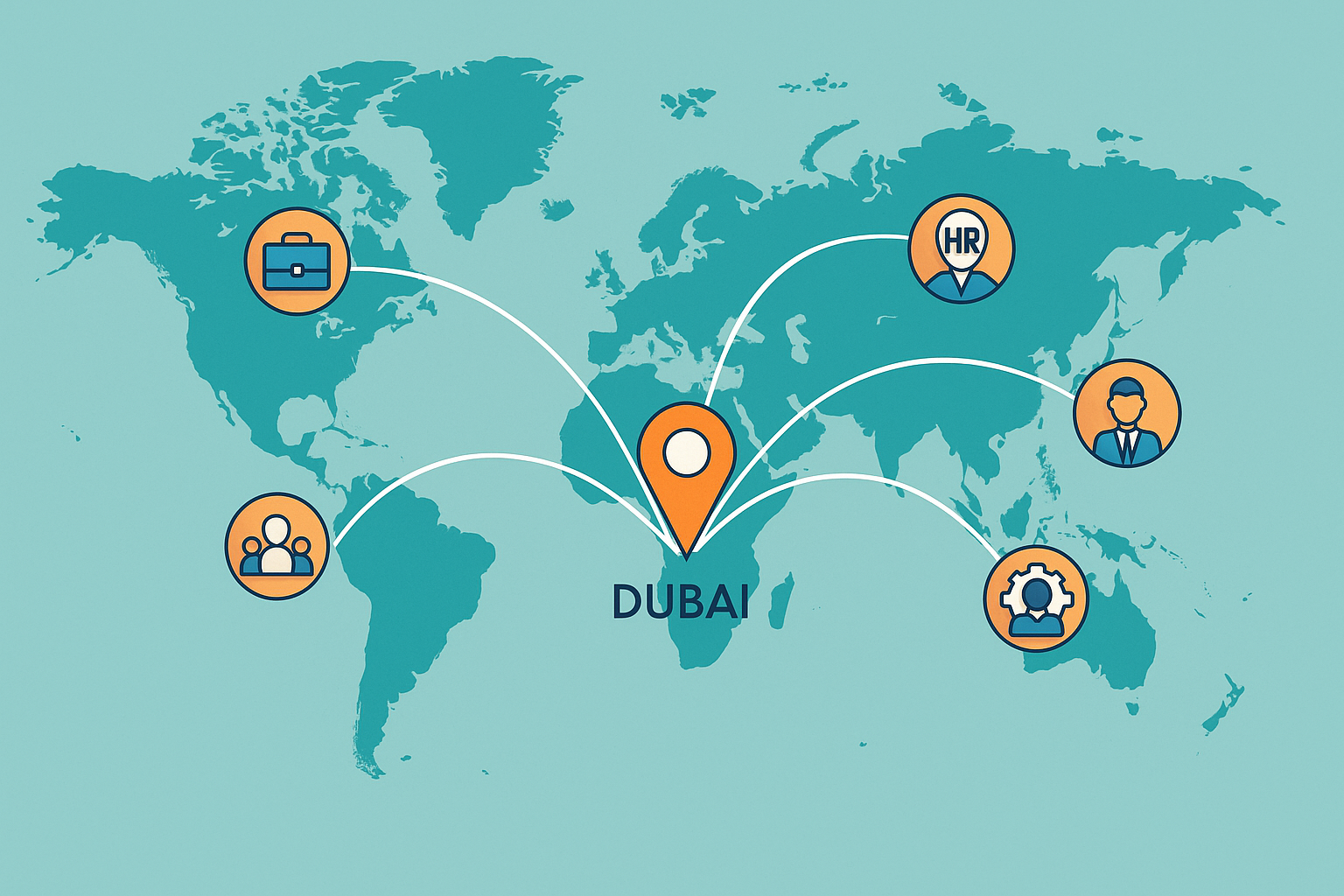
Dubai serves as a regional hub for multinational corporations, making HR professionals with global mobility experience extremely valuable for managing international transfers, expatriate packages, and cross-border compliance. This expertise translates directly into higher salary negotiations because of the specialized knowledge required.
Regional Hub Advantage: Managing Across Borders
HR professionals who can manage regional operations across the GCC, Africa, and South Asia markets are in high demand, with salaries reflecting their ability to handle diverse regulatory environments and cultural contexts. This regional expertise becomes a significant competitive advantage in salary negotiations.
The Paperwork Nightmare That Controls Your Salary
Alright, let’s talk about the elephant in the room: Dubai’s obsession with paperwork. And I mean obsession.
You think you can just show up with your degree and start working? Think again. Everything needs to be attested, authenticated, stamped, and blessed by about seventeen different government departments.
But here’s the thing most people don’t realize: having your paperwork sorted before you start job hunting gives you a massive advantage. While other candidates are saying “I can get that document in 2-3 months,” you’re saying “Here it is, ready to go.”
That preparedness is worth real money – usually 10-15% more in salary negotiations.
Many professionals underestimate the complexity of document preparation, which is why understanding the process of replacing lost diplomas becomes crucial for maintaining career momentum in Dubai’s demanding credential verification environment.
Document Preparation Checklist:
University degree attestation from home country
UAE Embassy attestation
Ministry of Foreign Affairs attestation
Experience letter authentication
Professional certification verification
Police clearance certificate
Medical certificate validation
The University Recognition Game
Not all degrees are created equal in Dubai’s eyes. The UAE has a list of “recognized” universities, and if yours isn’t on it, you’re going to have a harder time.
I’ve seen brilliant professionals from excellent universities struggle to get fair salaries simply because their school wasn’t on some bureaucrat’s approved list. It’s ridiculous, but it’s reality.
The good news? There are ways around this, including getting your qualifications evaluated and working with services that can help bridge the gap.
The University Recognition Tier System: The Artificial Hierarchy
The UAE Ministry of Education’s recognition of international universities creates clear salary tiers, with degrees from recognized institutions commanding significantly higher compensation than equally rigorous programs from non-recognized schools. This system creates artificial barriers that directly impact earning potential.
I’ve witnessed qualified professionals struggle to secure competitive salaries simply because their excellent universities weren’t on the UAE’s recognition list. It’s frustrating, but it’s the reality we work within.
Professional Certifications: Your Salary Insurance Policy
Want to know the fastest way to bump your salary? Get an international certification that Dubai recognizes.
SHRM, CIPD, PHR – these aren’t just letters after your name. They’re salary multipliers. I’ve seen 20-30% increases just from adding the right certification to your resume.
The investment pays for itself within months, and it gives you credibility that transcends passport politics.
For professionals looking to strengthen their credentials, exploring business certification options can provide the additional qualifications needed to command premium salaries in Dubai’s competitive market.
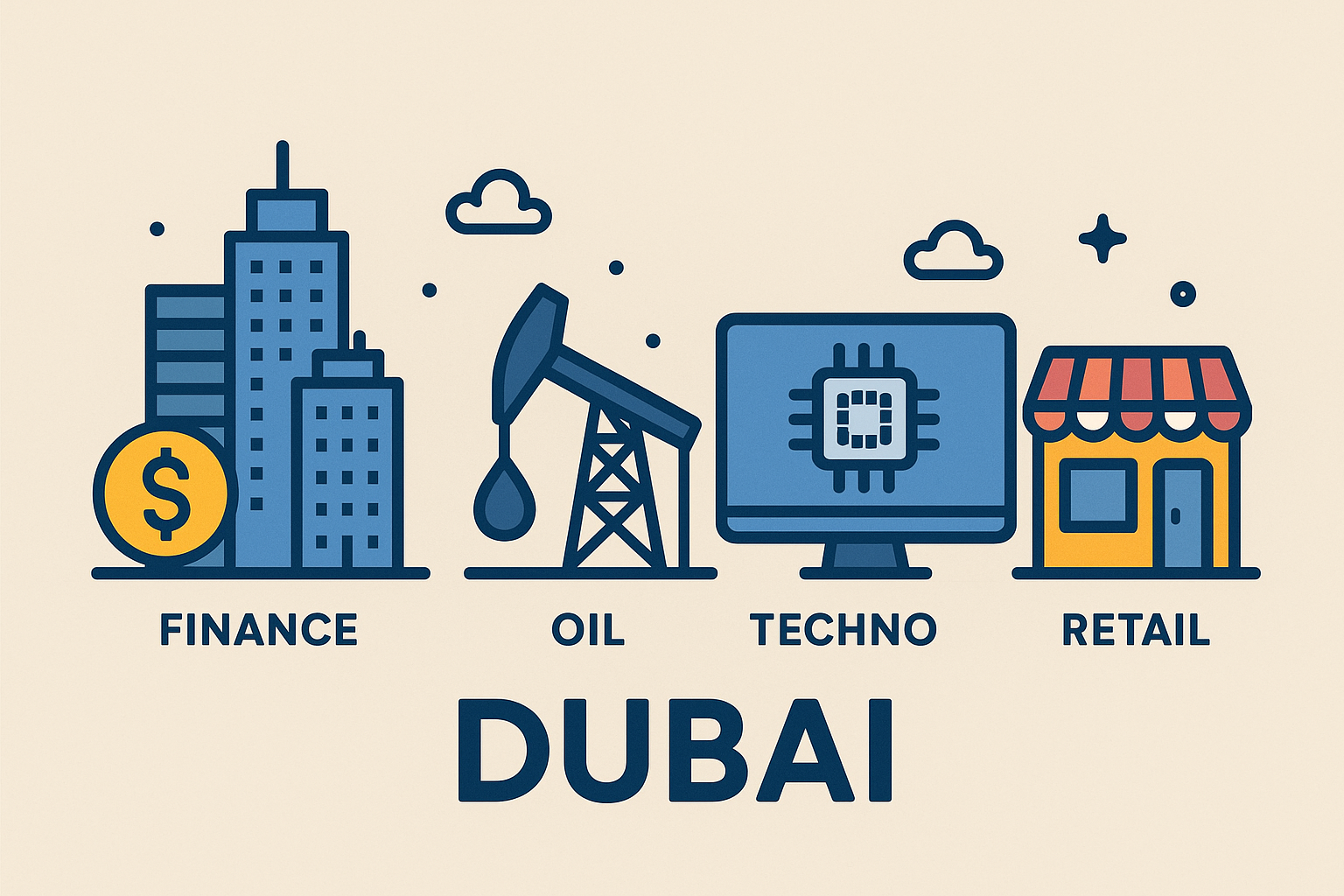
Industry Secrets: Why Your Sector Determines Everything
Here’s something that shocked me: the industry you choose matters more than your experience level when it comes to salary.
I started in traditional trading companies, where the pay was decent but the growth was slow. Then I moved to fintech, and suddenly I was making 50% more for essentially the same job. Same skills, different sector, completely different paycheck.
The market is shifting too. While “salaries in HR and business administration lower by an average of 1.24 percent annually”, certain sectors are booming and paying premium salaries for HR talent who have transformation experience, particularly those planning to automate systems and procedures.
Free Zones: Where the Real Money Lives
If you want to maximize your earning potential, get yourself into a free zone. DIFC, DMCC, ADGM – these places operate under different rules and pay accordingly.
I moved from a mainland company to a DIFC firm and got a 20% salary bump just for dealing with their specialized compliance requirements. Same job, different location, better pay.
Free zones like DIFC, ADGM, and DMCC operate under different labor laws and have unique regulatory requirements, allowing HR professionals in these zones to negotiate salaries 15-25% higher than mainland equivalents. This premium comes from specialized compliance knowledge and international business exposure requirements.
The Crypto Gold Rush
Remember when everyone said cryptocurrency was a fad? Well, those HR professionals who got into Dubai’s crypto companies early are laughing all the way to the bank.
My friend Marcus jumped from traditional banking HR to a crypto exchange. His salary doubled overnight. Why? Because finding HR people who understand blockchain talent acquisition and regulatory compliance is like finding unicorns.
Marcus leveraged his understanding of blockchain talent acquisition to negotiate a package worth AED 35,000 monthly plus equity options. His traditional banking HR experience combined with crypto industry knowledge created a unique value proposition that commanded premium compensation.
Traditional vs. Startup: The Great Trade-Off
Here’s the eternal question: stable job with decent pay, or startup with equity and chaos?
I’ve done both. Traditional companies give you security, clear career paths, and comprehensive benefits. Startups give you equity, learning opportunities, and the chance to grow fast (or crash spectacularly).
Neither is right or wrong – it depends on your risk tolerance and life stage. While oil and gas, construction, and traditional trading companies may offer lower base salaries than fintech startups, they provide superior job security, comprehensive benefits packages, and clearer career progression paths that can be more valuable long-term.

SME vs. MNC Compensation Philosophy: Size Matters
Small and medium enterprises often offer equity participation, flexible working arrangements, and rapid career advancement that can be more valuable than the higher base salaries offered by multinational corporations. However, these opportunities require different negotiation strategies and risk tolerance levels.
The Startup Equity Gamble: Risk vs. Reward
Dubai’s growing startup ecosystem offers HR professionals the opportunity to accept 20-30% lower base salaries in exchange for equity stakes that could be worth significantly more if the company succeeds. This strategy works particularly well in the fintech and e-commerce sectors but requires careful evaluation of company potential.
HR Admin Roles: The Hidden Goldmine Nobody Talks About
Okay, confession time: I used to look down on HR admin roles. I thought they were just paper-pushing jobs for people who couldn’t handle “real” HR work.
I was completely wrong.
The HR admins who specialize in government relations and compliance? They’re making bank. Like, serious money. Because they’re the ones who keep companies out of legal trouble, and that expertise is worth its weight in gold.
HR administrative positions in Dubai operate on different salary scales based on the level of government interaction required, language skills needed, and the complexity of visa and labor law compliance. These specialized niches create specific compensation ranges that often exceed general administrative roles significantly.

The Ministry of Labour Whisperer
You know what’s worth more than an MBA in Dubai? Being the person who can navigate the Ministry of Labour website without having a nervous breakdown.
HR administrators who can handle visa applications, labor card renewals, and employment permits without breaking a sweat are worth their weight in gold. Companies will pay 20-30% premiums for this expertise because the alternative is hiring expensive consultants or dealing with constant delays.
MOL Specialist Skills Template:
Ministry of Labour portal navigation
Labour card application and renewal processes
Employment visa documentation requirements
Work permit compliance procedures
Government fee structure knowledge
Arabic document translation capabilities
Relationship building with government officials
Arabic: Your Secret Salary Weapon
If you can read and write Arabic, you’ve just unlocked a salary cheat code. Government documents, local employee contracts, cultural mediation – Arabic-speaking HR administrators are always in demand and always well-paid.
It’s a 15-20% salary premium across the board, and it’s one of the most reliable ways to increase your earning potential regardless of your experience level.
For professionals seeking to enhance their administrative credentials, understanding the educational pathways for administrative roles can help position them for higher-paying specialized positions in Dubai’s HR market.
Multi-Emirate Compliance Expertise: Regional Knowledge Pays
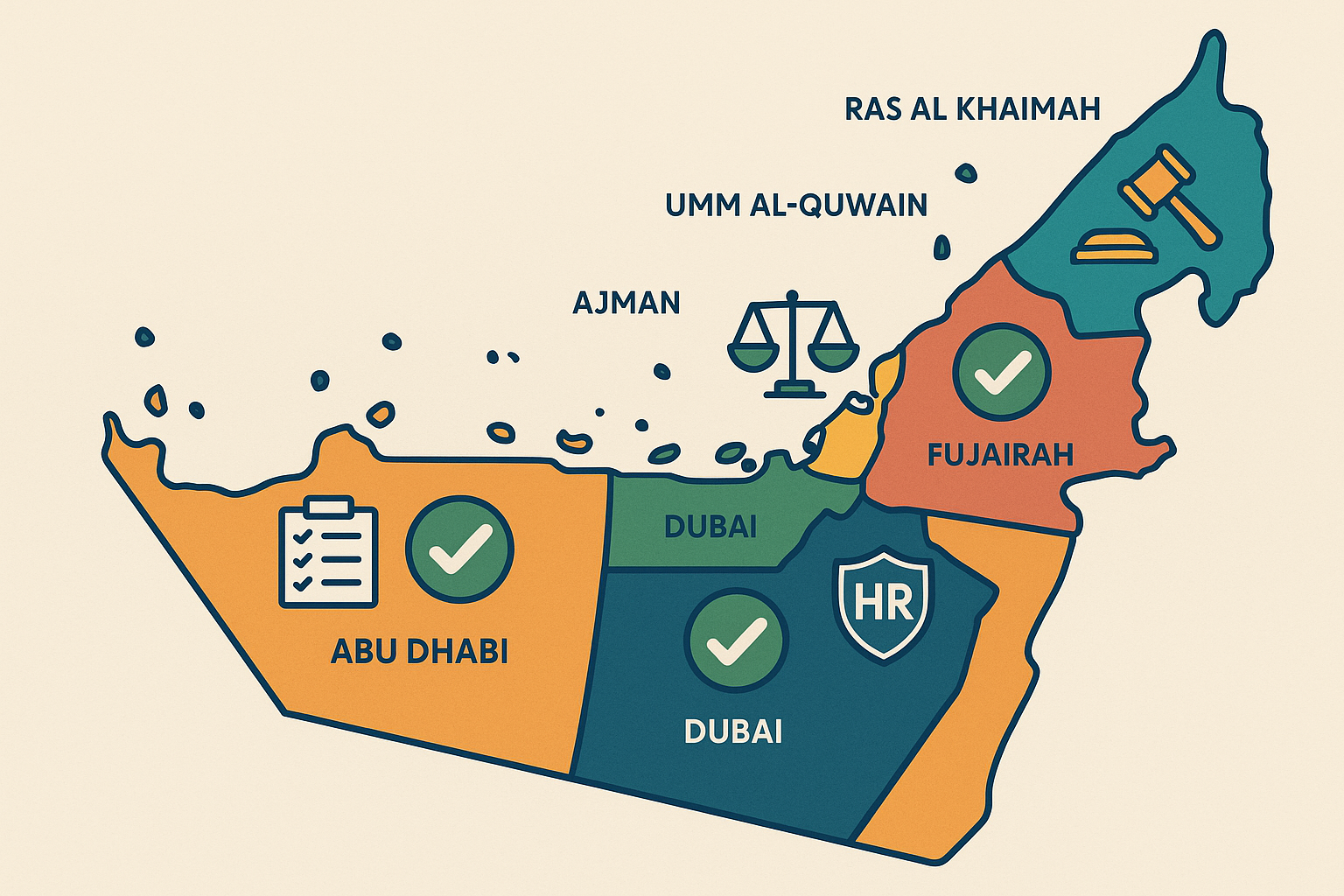
HR administrators who understand the regulatory differences between Dubai, Abu Dhabi, Sharjah, and other emirates can manage multi-location companies more effectively. They command higher salaries due to their ability to ensure compliance across different jurisdictions, which is increasingly valuable as companies expand regionally.
How ValidGrad Solves Your Biggest Dubai Career Problem
Let me tell you about the most frustrating part of job hunting in Dubai: the waiting game.
You find the perfect job, nail the interview, and then… nothing. Because your documents are stuck in some attestation process that takes months. Meanwhile, the job goes to someone else who had their paperwork ready.
This is where ValidGrad becomes your secret weapon. While you’re waiting for official document processing (which can take forever), you can use their replica diploma service to keep your applications moving.
I wish I’d known about this when I first arrived. It would have saved me months of frustration and probably landed me a better starting salary.
Given that Dubai employers require extensive document authentication and that obtaining replacement diplomas from international institutions can take months and cost thousands of dirhams, ValidGrad’s replica diploma service provides a valuable interim solution.
Here’s how you can leverage ValidGrad for your Dubai HR career advancement:
Create professional backup documents using ValidGrad’s diploma maker while waiting for official replacements from your university. This ensures you’re never caught off-guard during the application process.
Maintain document continuity for employment applications by having high-quality replicas available when your originals are being processed for attestation (which can take weeks).
Use replica diplomas for portfolio presentation during initial interviews, keeping your originals safe from damage or loss during Dubai’s extensive interview processes.
Prepare multiple copies for different attestation processes, since Dubai’s bureaucratic requirements often demand multiple certified copies of the same document.
Here’s how smart people use ValidGrad:
Keep professional-looking copies for initial interviews while your originals are being processed
Have backup documents ready when the attestation process inevitably hits delays
Present polished credentials during portfolio reviews without risking damage to originals
Maintain momentum in Dubai’s fast-moving job market
The key is never letting paperwork delays cost you opportunities. ValidGrad ensures your credentials are always presentation-ready, even when the bureaucracy isn’t cooperating.
ValidGrad’s service becomes particularly valuable when you understand that Dubai’s fast-moving job market means having immediate access to professional-looking credential documentation can be the difference between landing a high-paying role and missing opportunities while waiting for official document processing.
Ready to stop letting paperwork delays hurt your salary potential? Visit ValidGrad today and ensure your credentials never hold back your salary potential.

Final Thoughts
Look, I’m not going to sugarcoat this: Dubai’s HR job market can be brutal. The passport politics, the cultural hierarchies, the endless paperwork – it’s enough to make you want to give up some days.
But here’s the thing: thousands of us have figured it out. We’ve learned to work within the system, play by the unspoken rules, and build careers that would have been impossible anywhere else.
Is it fair that your nationality affects your salary? Absolutely not. Is it reality? Unfortunately, yes. But once you understand how the game works, you can play it to your advantage.
The cultural hierarchies, visa complexities, and sector-specific dynamics create barriers that can seem overwhelming, but they also create opportunities for those who understand how to navigate them effectively. What strikes me most about working in Dubai’s HR market is how much your success depends on factors beyond your actual HR skills. Your passport, your language abilities, your network, and even your paperwork preparation can have more impact on your salary than years of experience. It’s frustrating, but it’s also the reality we’re working within.
The key is approaching Dubai’s market with both eyes open – understanding the unspoken rules while building the specific skills and relationships that translate into higher compensation. Whether that’s learning Arabic, specializing in government relations, or building the right professional networks, success here requires a different playbook than what works in other markets when it comes to hr salary in dubai negotiations.
For professionals considering their long-term career trajectory, understanding the investment value of educational credentials becomes crucial when planning salary advancement strategies in Dubai’s unique market environment.
The tax-free income is real. The international experience is invaluable. The networking opportunities are incredible. And if you’re strategic about it, the salary potential is higher than most places in the world.
My advice? Come with realistic expectations, but don’t sell yourself short. Learn Arabic if you can. Build relationships everywhere. Get your paperwork sorted early. And remember – everyone here is figuring it out as they go along.
Most importantly, don’t let the complexity discourage you. Dubai offers genuine opportunities for HR professionals who are willing to adapt their strategies to the local market dynamics. The tax-free income, the international experience, and the potential for rapid career growth make it worth the effort to understand and work within these unique systems.
Three years ago, I was frustrated and underpaid. Today, I’m earning more than I ever thought possible and loving the international experience. The journey wasn’t easy, but it was absolutely worth it.
You’ve got this. Dubai’s HR market is challenging, but it’s also full of opportunities for people who know how to navigate it. And now you do.