
Two years ago, I was sitting in my cramped London studio apartment, scrolling through job boards and wondering if I’d ever afford to buy a house. Fast forward to today, and I’m writing this from my spacious Riyadh apartment, having more than doubled my income as a graphic designer in Saudi Arabia.
The numbers sound too good to be true – and honestly, I was skeptical too. But here’s the reality: according to recent salary data from SalaryExpert, the average graphic designer gross salary in Saudi Arabia is 145,506 SAR annually, significantly higher than many global markets. Junior designers here start at 4,000-7,000 SAR monthly (that’s $1,000-$1,900), while experienced designers can easily hit 25,000+ SAR ($6,700+). Senior creative directors? We’re talking 40,000 SAR and beyond.
But there’s a lot more to the story than just the headline numbers. Let me walk you through everything I wish someone had told me before making the move.

Table of Contents
-
The Real Talk: What You’ll Actually Make
-
Why Saudi Arabia is Having a Design Gold Rush
-
Where the Big Money Really Is
-
Skills That Actually Bump Your Salary
-
City Showdown: Where to Base Yourself
-
The Freelance Route (And Whether It’s Worth It)
-
Your Benefits Package is Worth More Than You Think
-
How to Actually Increase Your Earning Power
-
Cultural Stuff That Affects Your Paycheck
-
The Bottom Line
The Real Talk: What You’ll Actually Make
Let me break this down without the fluff. Here’s what designers are actually earning across different experience levels:
Just Starting Out (0-2 years): 4,000-7,000 SAR/month
Fresh out of school? You’re looking at 4,000-7,000 SAR monthly, but here’s what most people don’t tell you – where you work makes a huge difference. Local agencies usually pay on the lower end, while international companies often start you at 6,000+ SAR.
According to SalaryExpert data, an entry level graphic designer (1-3 years of experience) earns an average salary of 105,321 SAR annually, which works out to about 8,777 SAR monthly. That’s solid money for someone just starting out.
But here’s the kicker – your housing allowance typically adds another 25-40% to your package. So that 5,000 SAR base salary? You’re really looking at 7,000+ SAR in total value.
Sarah, a fresh graduate from Lebanon, started at a Riyadh agency earning 5,500 SAR monthly. Within 18 months, she leveraged her Arabic typography skills to jump to an international consultancy, bumping her salary to 9,200 SAR plus a 2,300 SAR housing allowance.
Getting Established (3-5 years): 8,000-15,000 SAR/month
Once you’ve got 3-5 years under your belt and a portfolio that speaks for itself, you’re looking at 8,000-15,000 SAR monthly. This is where specialization pays off big time.
If you’ve focused on high-demand areas like UX/UI design, motion graphics, or Arabic typography, you can easily command 20-30% above standard rates. Companies are desperate for designers who understand both international design principles and local cultural nuances.
Performance bonuses become real money at this level too. Many employers offer project completion bonuses, client retention rewards, and annual increases ranging from 5-15% of your base salary.
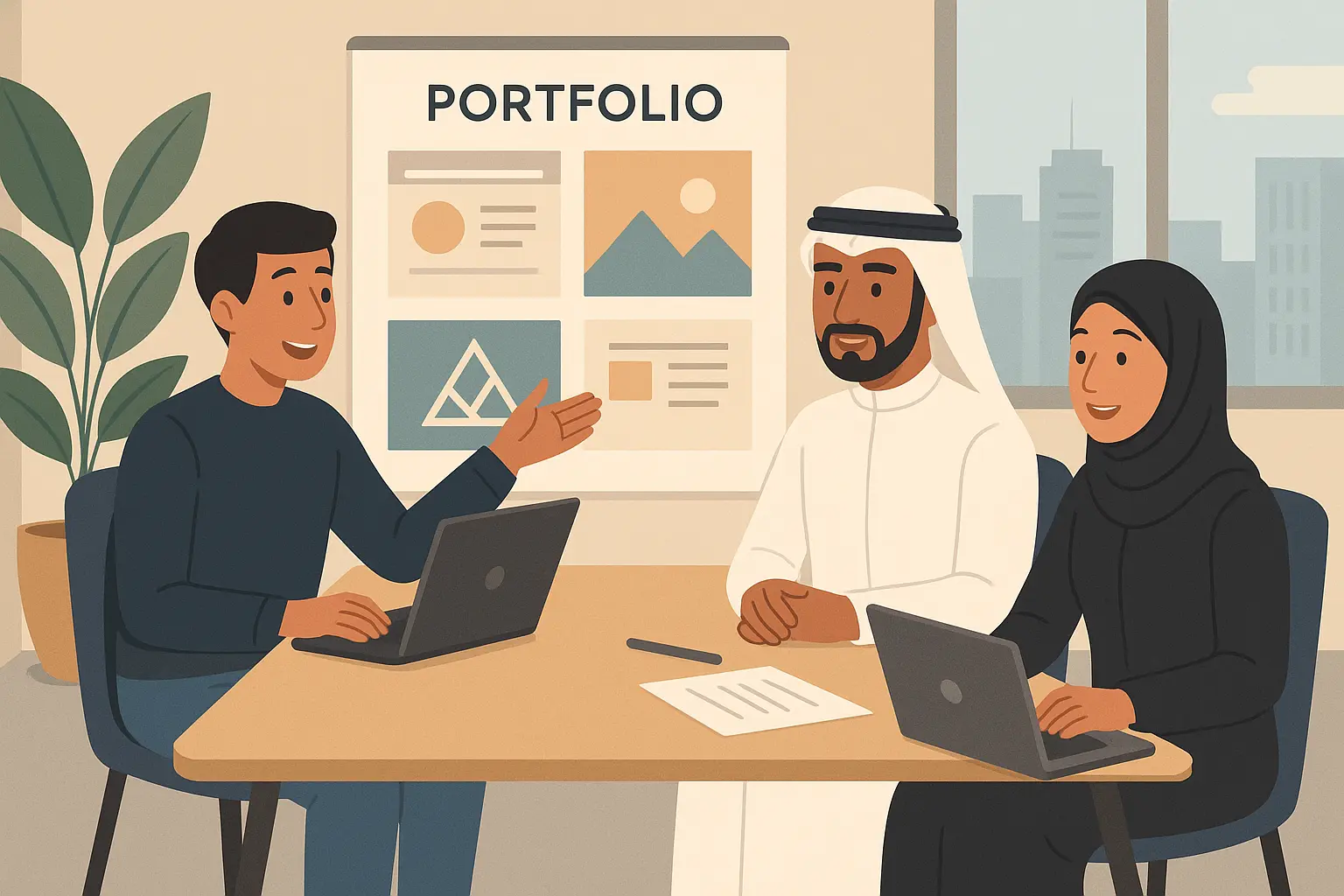
Senior Level (5+ years): 16,000-35,000 SAR/month
Senior positions are where Saudi Arabia’s design market really shines. We’re talking 16,000-35,000 SAR monthly for experienced designers, with creative directors at multinational agencies pushing past 40,000 SAR.
Data from SalaryExpert confirms this earning potential, showing that a senior level graphic designer (8+ years of experience) earns an average salary of 179,999 SAR annually, which breaks down to about 15,000 SAR monthly before bonuses and benefits.
But the real wealth-building happens through equity and profit-sharing opportunities. I know creative directors who’ve built substantial wealth through these arrangements. The catch? You need to be genuinely exceptional. Companies paying these rates expect you to lead teams, manage client relationships, and drive business results – not just create pretty designs.
Ahmed, a senior art director at a Jeddah agency, earns a base salary of 18,500 SAR monthly. His performance bonuses from successful campaigns regularly add another 4,000-6,000 SAR quarterly, pushing his annual compensation above 280,000 SAR.
Why Saudi Arabia is Having a Design Gold Rush
Saudi Arabia’s design market is exploding thanks to Vision 2030’s economic diversification and digital transformation initiatives. This boom has created a competitive landscape where skilled designers can command impressive salaries.
Recent research by Yell Business found that “graphic designers are best off in China, Saudi Arabia and Switzerland” when comparing average salary against cost of living, with Saudi Arabia ranking as one of the top three countries globally for designer earning potential.
The Kingdom’s push toward becoming a global business hub has sparked demand for creative professionals across every sector. From tech startups in Riyadh to luxury brands in Jeddah, companies are investing heavily in visual identity and digital presence.
What makes this particularly exciting is how the government’s mega-projects are creating entirely new categories of design work. Think NEOM and the Red Sea Project – these aren’t your typical corporate branding gigs. We’re talking about designing for futuristic cities and revolutionary tourism experiences.

Where the Big Money Really Is
Different sectors offer wildly different compensation structures. Here’s the breakdown:
Corporate In-House: Stability Over Salary
Corporate positions might pay 10-20% less than agencies, but don’t write them off. The benefits packages are usually phenomenal, and job security in Saudi Arabia’s corporate world is genuinely valuable. Plus, corporate roles often come with clear advancement paths into marketing management or brand strategy roles that pay significantly more.

Agency Life: High Risk, Higher Rewards
Agencies are where the big money lives – if you can handle the pressure. Base salaries run higher than corporate, and performance bonuses can push your total compensation 25-40% above what you’d make in-house.
The downside? You’ll work harder, deal with more demanding clients, and face less job security. But for ambitious designers who thrive under pressure, agency work can be incredibly lucrative.
Going Solo: The Freelance Gamble
Skilled freelancers can earn 150-300 SAR per hour for specialized projects, with annual earnings potentially exceeding traditional employment. But you need to be more than just a great designer – client acquisition, project management, and business development become huge parts of your job.
Recent industry insights from Creative Boom highlight that freelance rates can vary dramatically, with established designers charging between £325-425 per day (approximately 1,500-2,000 SAR), demonstrating the significant earning potential for skilled freelancers.
Skills That Actually Bump Your Salary
Want to know the secret sauce? Here’s what actually matters:
Technical Skills That Pay
Adobe Creative Suite mastery is table stakes – everyone expects that. What sets you apart are skills in Sketch, Figma, and whatever new tools are emerging. UX/UI design skills are pure gold in Saudi Arabia right now. The Kingdom’s tech sector is exploding, and companies are paying premium rates for designers who understand user experience principles.
Motion graphics and 3D visualization are also incredibly valuable, especially with all the mega-projects happening.

The Arabic Typography Advantage
This is your secret weapon if you can master it. Arabic typography and cultural design sensitivity aren’t just nice-to-haves – they’re competitive advantages that can boost your salary by 20-30%.
Companies struggle to find designers who can create work that resonates with local audiences while maintaining international design standards. If you can bridge that gap, you become incredibly valuable.
Essential Skills That Command Premium Salaries:
-
Adobe Creative Suite mastery (obviously)
-
UX/UI Design Tools (Figma, Sketch, Adobe XD)
-
Arabic Typography and Calligraphy
-
Motion Graphics and Animation
-
3D Visualization Software
-
Cultural Design Sensitivity
-
Client Presentation Skills
-
Project Management
City Showdown: Where to Base Yourself
Location matters more than you think. Here’s the honest breakdown:
Riyadh: The Capital Advantage
Riyadh pays the most – that’s just a fact. As the business capital, it attracts the biggest companies and highest-paying opportunities. You’re looking at 12,000-35,000 SAR monthly depending on your level.
But competition is fierce, and living costs eat into those higher salaries more than you might expect. Housing allowances typically run 2,500-8,000 SAR monthly.

Jeddah: Creative Hub with International Flair
Jeddah’s creative scene is thriving, especially for luxury brand work and international campaigns. Salaries run 10,000-32,000 SAR monthly – slightly lower than Riyadh, but the creative opportunities and lifestyle often make up for it.
NEOM and the Mega-Projects
This is where the real money is. We’re talking 15,000-45,000 SAR for the right skills, but you’re basically pioneering the future of Saudi design. Housing allowances can hit 12,000 SAR monthly for these positions.
The Freelance Route (And Whether It’s Worth It)
Freelancing in Saudi Arabia can be incredibly profitable – I’m talking 150-300 SAR per hour for specialized work. Established freelancers often out-earn their employed counterparts by substantial margins.
Setting Up Shop
You need to understand commercial registration, tax obligations, and contract law. It’s more complex than many designers realize, but the payoff can be substantial.
Pricing Your Worth
Hourly rates range from 100-500 SAR depending on your specialization and client type. Here’s a pro tip: project-based pricing often works out better for complex branding or digital design work.
Fatima, a freelance brand designer in Riyadh, transitioned from charging 180 SAR per hour to project-based pricing. For a recent corporate rebrand, she quoted 45,000 SAR for a comprehensive package that would have taken 200+ hours at her hourly rate, effectively earning 225 SAR per hour.
Payment terms can make or break your freelance business. Smart freelancers require 50% upfront for new clients, with final payment due upon project completion. Only extend net-30 terms to established corporate clients.

Your Benefits Package is Worth More Than You Think
Here’s what most people don’t realize – your actual salary is way more than what’s written on your contract. That 8,000 SAR base salary? Add a 2,500 SAR housing allowance, health insurance worth another 800 SAR monthly, and annual flight tickets home (easily 3,000 SAR value). Suddenly you’re looking at 14,000+ SAR in real value.
Your benefits package often represents 30-50% of your total compensation value. Don’t make the mistake of focusing only on base salary when evaluating offers.
What to Look For in Your Package:
-
Housing allowance (typically 25-40% of base salary)
-
Health insurance coverage (employee + family)
-
Annual flight tickets to home country
-
Transportation allowance or company car
-
End-of-service benefits
-
Professional development budget
-
Performance bonuses and profit sharing
Expat vs. Local Packages
Expatriate packages typically include higher base salaries plus housing and transportation allowances. Saudi nationals often receive different structures focused on career development and training opportunities. Understanding these differences helps you negotiate more effectively.

How to Actually Increase Your Earning Power
Strategic Skill Development
Start with honest skill assessment. What can you do that others can’t? Where are the gaps between your abilities and what the market rewards most highly? Focus your development efforts on skills that directly translate to higher compensation.
When considering career advancement in creative fields, understanding the educational requirements for graphic designers becomes crucial for positioning yourself competitively in the Saudi market.
Portfolio optimization isn’t just about showing your best work – it’s about demonstrating versatility while showcasing cultural relevance and technical excellence.
Building Your Network
Networking in Saudi Arabia isn’t optional – it’s essential. Join design communities, attend industry events, and build genuine relationships with potential employers and collaborators. These connections often lead to opportunities that never get posted publicly.
Performance Reviews and Salary Growth
Most Saudi companies conduct annual salary reviews with typical increases ranging from 3-8% for standard performance and 10-20% for exceptional contributors. Understanding your company’s review cycle helps you time major project completions for maximum impact.
Cultural Stuff That Affects Your Paycheck
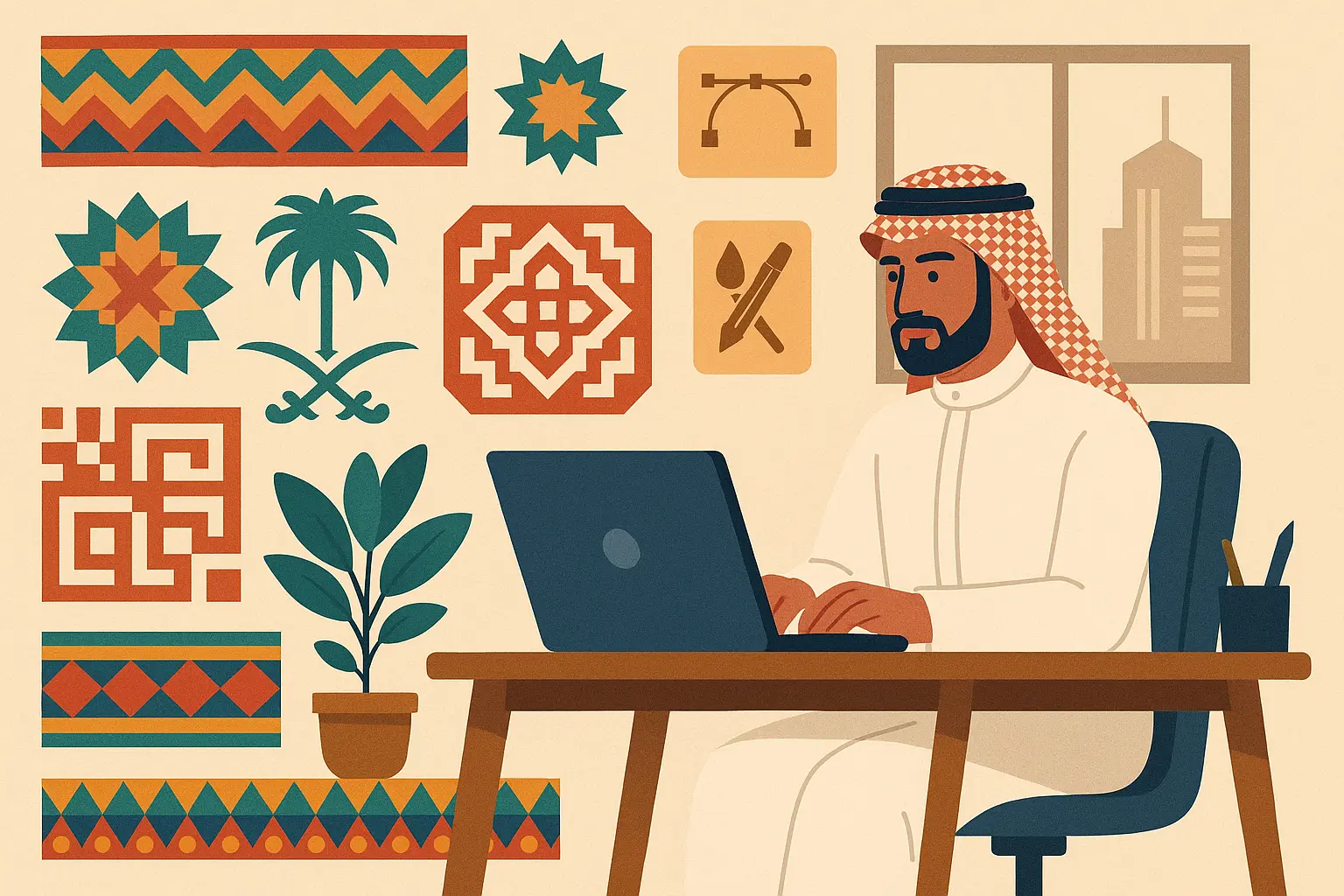
Design sensitivity isn’t just about avoiding offensive imagery – it’s about understanding what resonates with local audiences while maintaining international design standards. This cultural fluency directly impacts client satisfaction and your value to employers.
Religious considerations, local aesthetic preferences, and cultural nuances all influence design decisions. Designers who navigate these successfully often find themselves in higher demand and better negotiating positions.
The business culture in Saudi Arabia places significant emphasis on educational credentials and professional presentation. For professionals looking to enhance their credentials, understanding whether pursuing additional formal education is worth the investment can significantly impact long-term earning potential.
Reports indicate that rising cost of living is affecting expatriates across the GCC, with middle-income professionals such as designers being particularly impacted, making it crucial to negotiate comprehensive compensation packages that account for these economic realities.
Visa and Documentation Considerations
For international professionals, understanding how to obtain official academic transcripts is essential for visa applications and employment verification in Saudi Arabia’s stringent documentation requirements.
Visa sponsorship affects your total compensation package in ways many designers don’t consider upfront. Some employers cover all visa costs and processing fees, while others deduct these from your salary or signing bonus.
Residency permits also impact your ability to change jobs or start freelance work. Understanding these restrictions helps you negotiate better terms and plan career moves more strategically.
The iqama (residency permit) process and associated costs should factor into your salary negotiations, especially if you’re responsible for family visas or multiple renewals during your contract period.

The Bottom Line
Look, Saudi Arabia isn’t for everyone. The cultural adjustment is real, the work can be intense, and you’ll miss things about home. But if you’re serious about your career and want to fast-track your earning potential, this market is incredible right now.
The Vision 2030 projects aren’t slowing down. The demand for good designers is only growing. And honestly? The money is better than most places in the world.
Saudi Arabia’s design market offers genuine opportunities for substantial career growth and financial success, but success requires more than just design skills. Understanding salary structures, benefits packages, and market dynamics gives you the foundation to make informed career decisions.
Whether you choose corporate stability, agency excitement, or freelance independence, the key is aligning your skills with market demands while building the professional relationships that open doors to better opportunities.
For designers serious about maximizing their earning potential in this market, maintaining professional credibility through proper documentation becomes crucial. When relocating for career opportunities, having proper documentation becomes essential. Many professionals find value in services that help with replacing lost academic credentials to ensure smooth visa and employment processes in international markets.
The business culture here places significant emphasis on educational credentials and professional presentation. Having your qualifications properly documented demonstrates professionalism that directly impacts client trust and employer respect – and in Saudi Arabia’s business culture, how you present your qualifications can directly impact your earning power.
Just make sure you understand what you’re getting into before you make the jump. The opportunities are real, but so are the challenges. Do your homework, negotiate smartly, and be ready to adapt. The payoff can be life-changing.