
Becoming a film director is a dream for many, but the path to success isn’t always straightforward. While some legendary directors (like Quentin Tarantino or Stanley Kubrick) were largely self-taught, many others honed their craft through formal education. Film schools provide structured training, industry connections, and hands-on experience—key advantages in a highly competitive field.
This guide explores the best kinds of film director education, from top-tier universities to alternative education paths.
Essential Skills for Aspiring Directors
Before choosing the best route for your film director education, it’s important to understand the core skills a director needs:
- Storytelling & Screenwriting – Directors must understand narrative structure, character development, and dialogue.
- Technical Proficiency – Knowledge of cameras, lighting, editing, and sound design.
- Leadership & Communication – Directing actors and crew requires clarity and vision.
- Visual Aesthetics – A strong sense of composition, color theory, and shot framing.
- Collaboration – Working with producers, cinematographers, and editors to bring a film to life.
While some of these skills can be self-taught, structured education accelerates learning through mentorship and practical experience.
Formal Education vs. Self-Taught Routes
Film School Advantages:
✅ Structured curriculum covering all aspects of filmmaking.
✅ Access to high-end equipment and studio spaces.
✅ Networking with peers, professors, and industry professionals.
✅ Internship and film festival opportunities.
Self-Taught/Alternative Paths:
✅ Lower cost (no tuition fees).
✅ Flexibility to learn at your own pace.
✅ Real-world experience through indie projects.
❌ Harder to break into the industry without connections.
Many successful directors blend both approaches—learning fundamentals in school and gaining experience through independent work.
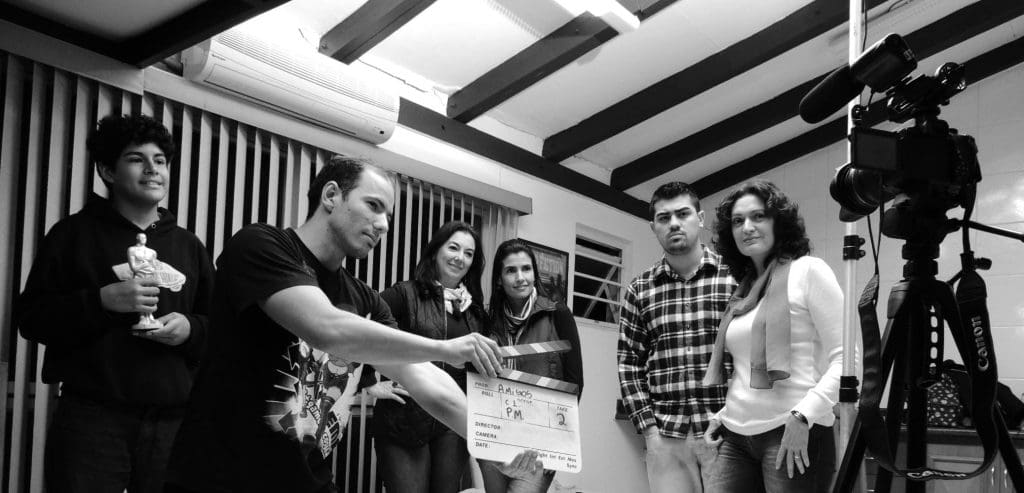
Top Film Schools in the World
If you’re considering film school, these are the most prestigious programs for aspiring directors:
1. University of Southern California (USC) – School of Cinematic Arts (Los Angeles, USA)
- Why It’s Great: One of the oldest and most respected film schools, with strong Hollywood ties.
- Notable Alumni: George Lucas, Ron Howard, Ryan Coogler.
2. American Film Institute (AFI) – Conservatory (Los Angeles, USA)
- Why It’s Great: Intensive, hands-on training with a focus on directing.
- Notable Alumni: David Lynch, Darren Aronofsky, Patty Jenkins.
3. New York University (NYU) – Tisch School of the Arts (New York, USA)
- Why It’s Great: Strong emphasis on independent filmmaking and artistic vision.
- Notable Alumni: Martin Scorsese, Spike Lee, Chloe Zhao.
4. UCLA School of Theater, Film & Television (Los Angeles, USA)
- Why It’s Great: Combines film theory with practical training and industry access.
- Notable Alumni: Francis Ford Coppola, Alexander Payne.
5. National Film and Television School (NFTS) (London, UK)
- Why It’s Great: Europe’s top film school, known for technical excellence.
- Notable Alumni: David Fincher, Lynne Ramsay.
6. La Fémis (Paris, France)
- Why It’s Great: Highly selective, with a strong focus on auteur filmmaking.
- Notable Alumni: François Ozon, Louis Garrel.
7. Beijing Film Academy (China)
- Why It’s Great: Leading Asian film school with a strong industry network.
- Notable Alumni: Zhang Yimou, Chen Kaige.

Alternative Learning Paths
Not everyone can attend a top film school, but there are other ways to learn directing. For a more hands-on film director education, check out the following options:
- Online Courses: MasterClass (Martin Scorsese, Ron Howard), Coursera, Udemy
- Workshops & Short Programs: Sundance Collab, Gotham Writers’ Workshop
- Apprenticeships & Assistant Roles: Working on sets as a PA or assistant director
- Independent Filmmaking: Creating short films, entering festivals, and building a portfolio
Breaking Into the Industry
Education is just the beginning—launching a directing career requires persistence. Here are some small steps you can take to set yourself (and your film career) up for success:
- Network relentlessly – Attend film festivals, join online communities, and collaborate.
- Start small – Direct short films, music videos, or web series to build a reel.
- Seek mentorship – Reach out to established directors for advice.
- Leverage film school resources – Alumni networks, pitch competitions, and agent introductions.
Final Thoughts
There’s no single “right” way to become a film director. Whether through an elite film school, online courses, or hands-on experience, the key is continuous learning and persistence. The best directors never stop refining their craft—so choose the path that aligns with your goals, budget, and creative vision.
Would you like recommendations for specific courses or scholarship opportunities? Let us know how we can help further your film director education!
Not the creative path you want to take? Check out our Career Education guide for more creative career options.