

Table of Contents
-
Understanding Today’s Entry-Level HVAC Pay Reality
-
What Actually Affects Your Starting Salary
-
Your First Year: Growth Opportunities You Can’t Miss
-
Smart Moves to Boost Your Entry-Level Pay
-
AC Technician Salaries: The Specialty Breakdown
-
Final Thoughts
TL;DR
-
Entry-level HVAC techs typically earn $32,000-$42,000 annually ($15-$20/hour) with significant regional variations
-
Commercial positions pay 10-20% more than residential work, while union jobs offer 20-35% higher starting wages
-
Trade school graduates start $3,000-$8,000 higher than those with no formal training
-
EPA Section 608 certification is mandatory, but additional certs can add $2,000-$5,000 to your starting salary
-
Most techs see 5-15% salary increases within their first year through performance reviews
-
Southern states and metro areas typically offer the highest entry-level compensation
-
Specializing in commercial refrigeration or controls systems can lead to 25-50% salary increases within 2-3 years
Understanding Today’s Entry-Level HVAC Pay Reality
Look, I’m not going to sugarcoat this – you’re not getting rich your first year in HVAC. But here’s what most people don’t realize: this field has serious money-making potential if you play it smart from day one.
The Bureau of Labor Statistics projects 8 percent growth from 2024 to 2034 with about 40,100 openings projected each year. This isn’t just growth for growth’s sake – it’s creating real competition for good technicians, which means better entry level hvac salary opportunities for newcomers.
For professionals looking to advance in skilled trades, understanding HVAC salary secrets can provide valuable insights into maximizing your earning potential from the start.
The current market rewards preparation and strategic thinking more than ever before. Companies are tired of hiring people who quit after their first week in a 130-degree attic, so they’re willing to pay more upfront for candidates who seem committed and prepared.
What You Can Expect to Earn Right Out the Gate
Most entry-level HVAC technicians start between $32,000-$42,000 annually, which breaks down to about $15-$20 per hour for beginners. But don’t get stuck on these numbers – I’ve seen new techs land positions paying well above this range when they’ve done their homework.
According to recent data from Payscale.com, the projected median annual base salary for entry-level HVAC technicians in 2025 is $54,100, or an hourly rate of $26.01, significantly higher than many traditional entry-level positions. The key is understanding what pushes you toward the higher end of these ranges.

Where You Live Makes All the Difference
Your location dramatically impacts your earning potential. Cities like New York, San Francisco, and Houston consistently pay 15-25% above national averages. Why? High cost of living, extreme weather conditions, and strong demand for skilled technicians create competitive markets.
Here’s the real deal on geography: Texas, Florida, and Arizona consistently pay the best because they need AC techs year-round. Northern states might pay more per hour during busy season, but you’ll deal with slower winter months. If you’re willing to relocate, California and New Jersey offer the highest starting wages – though your rent will eat up a lot of that extra cash.
Company Size: Why Bigger Usually Means Better Pay
Large HVAC companies and commercial contractors typically offer starting salaries between $38,000-$45,000. They’ve got the resources to invest in new talent and often provide structured training programs that smaller shops can’t match.
Smaller residential service companies usually start between $30,000-$38,000, but they might offer faster advancement opportunities or more hands-on learning experiences. Don’t automatically dismiss smaller companies though – sometimes the experience and mentorship you’ll get can be worth more than a few extra thousand upfront.
Industry Sectors: Where the Real Money Lives
Commercial HVAC positions typically start 10-20% higher than residential roles. The systems are more complex, the stakes are higher, and clients expect premium service. Industrial work, especially in specialized environments like clean rooms or food processing, can command even higher premiums.
The skilled trades shortage is creating exceptional opportunities across the country. “The United States is currently in the throes of a skilled trades worker shortage” according to CT News Junkie, with many in-demand positions remaining unfilled for at least a month, driving up wages and creating leverage for job seekers.

Union vs Non-Union: The Pay Gap You Need to Know About
Union jobs pay more and tell you exactly when you’ll get raises. We’re talking about starting salaries that are typically 20-35% higher than non-union equivalents, plus benefits packages that can add significant value to your total compensation.
The trade-off? Union positions might have more rigid advancement timelines and specific requirements for progression. Non-union positions often offer more flexibility in terms of specialization and career path choices.
What Actually Affects Your Starting Salary
Now that you know what you can expect to earn, let’s talk about the stuff that actually moves those numbers up. Multiple factors beyond basic qualifications influence your entry level hvac salary, and understanding these variables helps you maximize your earning potential from day one.
Education: How Much Training Actually Pays Off
Here’s the truth about trade school – it’s usually worth it. Trade school graduates consistently start $3,000-$8,000 higher than those entering with no formal training. Yeah, you’ll spend $3,000-$15,000 upfront, but you’ll make that back in your first year through higher starting pay. Plus, you won’t be the guy fumbling around with basic stuff while everyone else is already troubleshooting real problems.
Community college HVAC programs usually take 6-24 months and demonstrate to employers that you’re serious about the field and have a structured understanding of HVAC principles.
My buddy Jake started with zero experience and a high school diploma. He spent eight months in a community college program for $8,500. While his classmate Mike entered the field without formal training at $32,000, Jake started at $38,000. Within 18 months, Jake’s additional $6,000 annual salary had already covered his education costs, and he got promoted to lead technician while Mike was still learning basic system diagnostics.
Certifications That Actually Matter
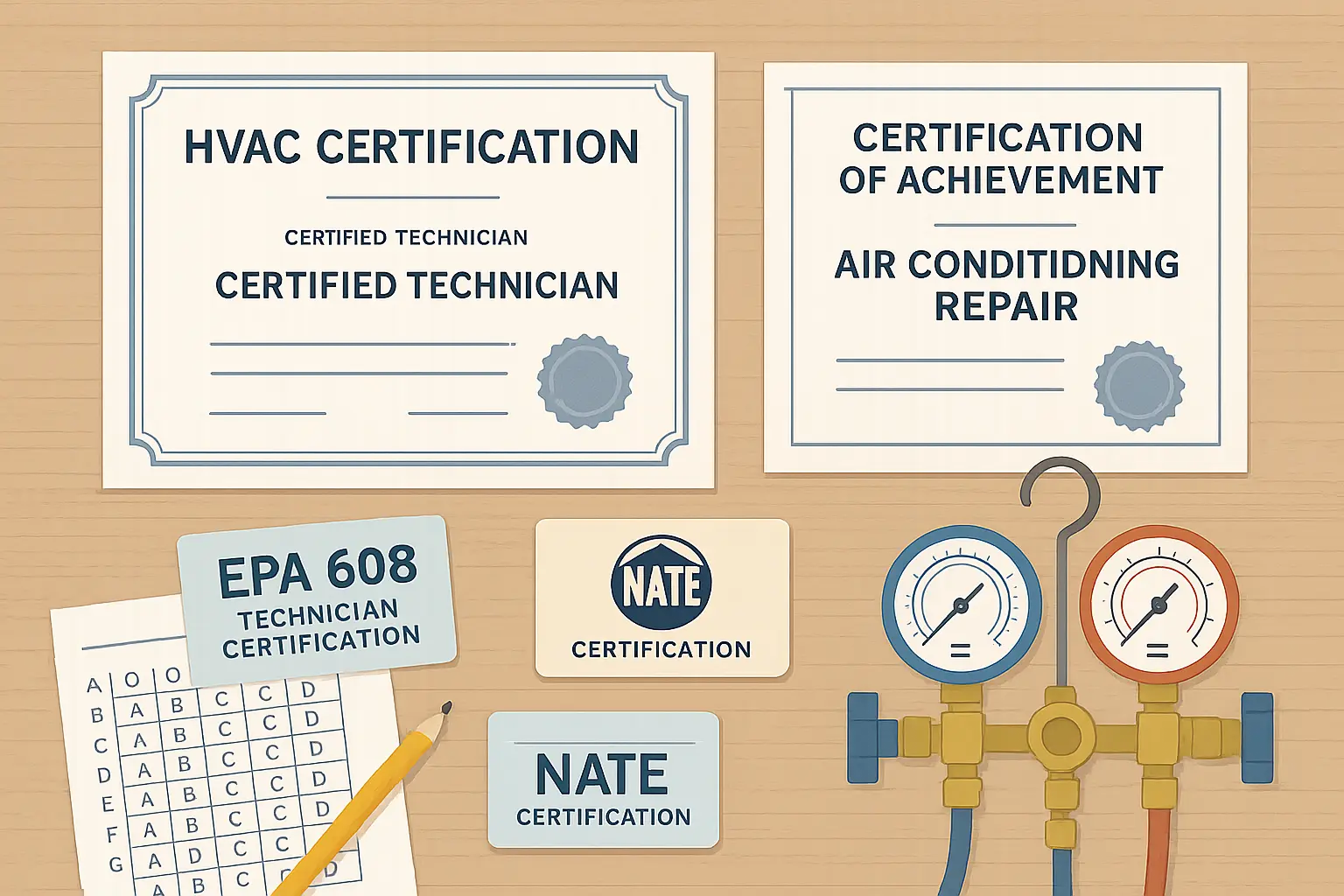
You need EPA Section 608 certification – that’s not optional. Anyone handling refrigerants must have this cert. After that, focus on OSHA safety training and maybe one manufacturer cert from whoever dominates your area. Don’t go crazy collecting certificates before you even have a job.
Here’s what I recommend prioritizing:
-
EPA 608 Universal certification (covers all refrigerant types)
-
OSHA 10-hour safety training
-
One manufacturer certification from a major brand (Carrier, Trane, Lennox)
-
NATE certification once you’ve got some experience
Additional credentials beyond EPA can add $2,000-$5,000 to your starting salary, but focus on getting hired first.
Skills That Employers Actually Value
Transferable skills from electrical, plumbing, or mechanical backgrounds often result in 15-25% higher starting salaries. Employers recognize that you already understand safety protocols, can read technical diagrams, and have experience with tools and troubleshooting.
Customer Service Experience: More Valuable Than You’d Think
Previous customer-facing roles can add $1,000-$3,000 to your starting salary. HVAC work involves direct client interaction, often in stressful situations – broken AC in summer, no heat in winter. Employers value technicians who can communicate effectively and maintain professionalism under pressure.
If you’ve worked in retail, restaurants, or any service industry, emphasize these experiences during interviews. They demonstrate soft skills that are harder to teach than technical abilities.
Your First Year: Growth Opportunities You Can’t Miss
The first year as an HVAC technician offers numerous opportunities for salary increases and career advancement. Most employers provide structured review processes and reward skill development, making it possible to significantly increase your earnings within 12 months of starting.
Performance Reviews and Raises: What to Expect
Most companies do reviews at 6 months and annually. Show up on time, don’t break stuff, and actually listen to customers – you’ll likely see a 5-15% raise. That might sound small, but on a $35,000 entry level hvac salary, it’s an extra $1,750-$5,250 per year.
Performance metrics typically include safety record (this is huge in HVAC), customer satisfaction scores, technical competency assessments, attendance and reliability, and willingness to take on additional responsibilities.
According to SkillCat’s industry analysis, HVAC technicians have amazing salaries ranging from $20 per hour for entry-level technicians, up to $60 per hour once you build up experience, showing the significant earning potential as you advance through your first few years.
Certification Milestones That Trigger Pay Bumps
Completing additional certifications during your first year often triggers automatic salary increases of $1,000-$3,000 per certification. Smart employers want to retain trained technicians and will invest in your continued education.
Plan your certification timeline strategically. Space them out to maximize salary bump opportunities throughout your first year rather than completing everything upfront.

Long-Term Career Paths: Where This Job Can Take You
Here’s how it usually goes: You start doing basic maintenance and helping experienced techs. Year two, you’re handling your own service calls. By year three or four, you might specialize in something specific or move into a lead role. Some guys start their own shops after 5-7 years, but that’s a whole different game.
Specializing in areas like commercial refrigeration, building automation systems, or energy efficiency can lead to 25-50% salary increases within 2-3 years. These specialties require additional training but offer significantly higher earning potential.
Consider James, who started as an entry-level residential HVAC tech at $34,000. By his second year, he specialized in commercial refrigeration and earned $45,000. Year four brought a promotion to lead technician at $58,000, and by year six, he became service manager earning $72,000. His focused career progression increased his salary by 112% in just six years.
Smart Moves to Boost Your Entry-Level Pay
Strategic preparation before job searching and effective negotiation during the hiring process can significantly impact your starting salary and early career trajectory. Taking specific steps to position yourself as a valuable candidate often results in offers 10-20% higher than standard entry level hvac salary rates.
Getting Ready Before You Start Job Hunting
Get your EPA Section 608 certification before you start applying. This shows employers you’re serious about the field and eliminates a training requirement on their end. Add OSHA 10-hour safety training to demonstrate your commitment to workplace safety – a huge concern in HVAC work.
Research local community colleges offering HVAC programs, even if you don’t enroll in a full program. Many offer short-term certification courses or continuing education that can boost your credentials.
Building Experience When You Have None
Gaining hands-on experience through apprenticeships, helper positions, or volunteer work significantly boosts your salary negotiation position. Apply for apprenticeship programs through local unions or trade organizations, seek part-time helper positions with established HVAC companies, volunteer for Habitat for Humanity to gain construction experience, or consider temporary work with staffing agencies specializing in trades.
Even a few months of relevant experience can justify a higher starting salary and demonstrates your commitment to the field.

Job Search Strategy: Finding the Best-Paying Opportunities
Research salary ranges using resources like Indeed, Glassdoor, and local trade associations. But don’t stop there – network with established HVAC professionals through trade organizations, community events, or even by visiting local supply houses where techs gather.
When researching local markets, consider factors like company size, specialization, and seasonal demand patterns that affect overall compensation packages.
Negotiation Tactics That Actually Work
Don’t be afraid to ask for more money, but be smart about it. If you’ve got your EPA cert and some relevant experience, mention it. If they can’t budge on salary, ask about tool allowances or faster review schedules. Worst case, they say no and you’re exactly where you started.
Here’s what works: Research the company’s typical starting salary ranges and benefit packages, prepare to discuss your value beyond technical skills (reliability, customer service, safety awareness), consider negotiating for additional benefits if salary flexibility is limited, and ask about performance review timelines and advancement opportunities.
AC Technician Salaries: The Specialty Breakdown
Air conditioning technicians represent a significant portion of the HVAC market with distinct salary patterns influenced by seasonal demand and regional climate needs. Understanding these specialization opportunities helps you target higher-paying niches within the broader HVAC field.
Seasonal Opportunities and Earning Potential
AC technician salary rates often experience higher earning potential during peak summer months, with overtime opportunities that can increase annual compensation by 20-40%. Smart technicians use slower winter months for additional training or maintenance work to maintain steady income.
Where you live makes a huge difference for AC work specifically. Southern and southwestern states typically offer higher base AC technician salary rates due to year-round cooling demands and market competition. Phoenix, Miami, and Houston consistently rank among the highest-paying markets for AC specialists.
Recent industry analysis shows promising growth in technician compensation. “A career in HVAC has never looked more financially promising — especially for those with experience” according to ACHR News, with entry-level AC technician salary up 3.44% nationally in 2025.
Commercial vs Residential AC Work: The Pay Difference
Commercial AC technicians generally start $5,000-$10,000 higher than residential specialists. Commercial systems are more complex, require different skill sets, and often involve working with building management companies that have larger budgets for maintenance and repairs.
The trade-off is that commercial work often requires more certifications, has stricter safety requirements, and might involve more irregular hours for emergency repairs.
Smart HVAC Systems and Technology Trends
The Bureau of Labor Statistics projects robust growth in HVAC careers, with employment projected to grow 8 percent from 2024 to 2034, much faster than the average for all occupations, driving upward pressure on AC technician salary ranges across all markets.
Smart HVAC systems and IoT integration are creating premium salary opportunities for technicians with digital literacy and advanced troubleshooting skills. Learning to work with connected systems, smartphone apps, and energy management platforms can set you apart from other entry-level candidates.
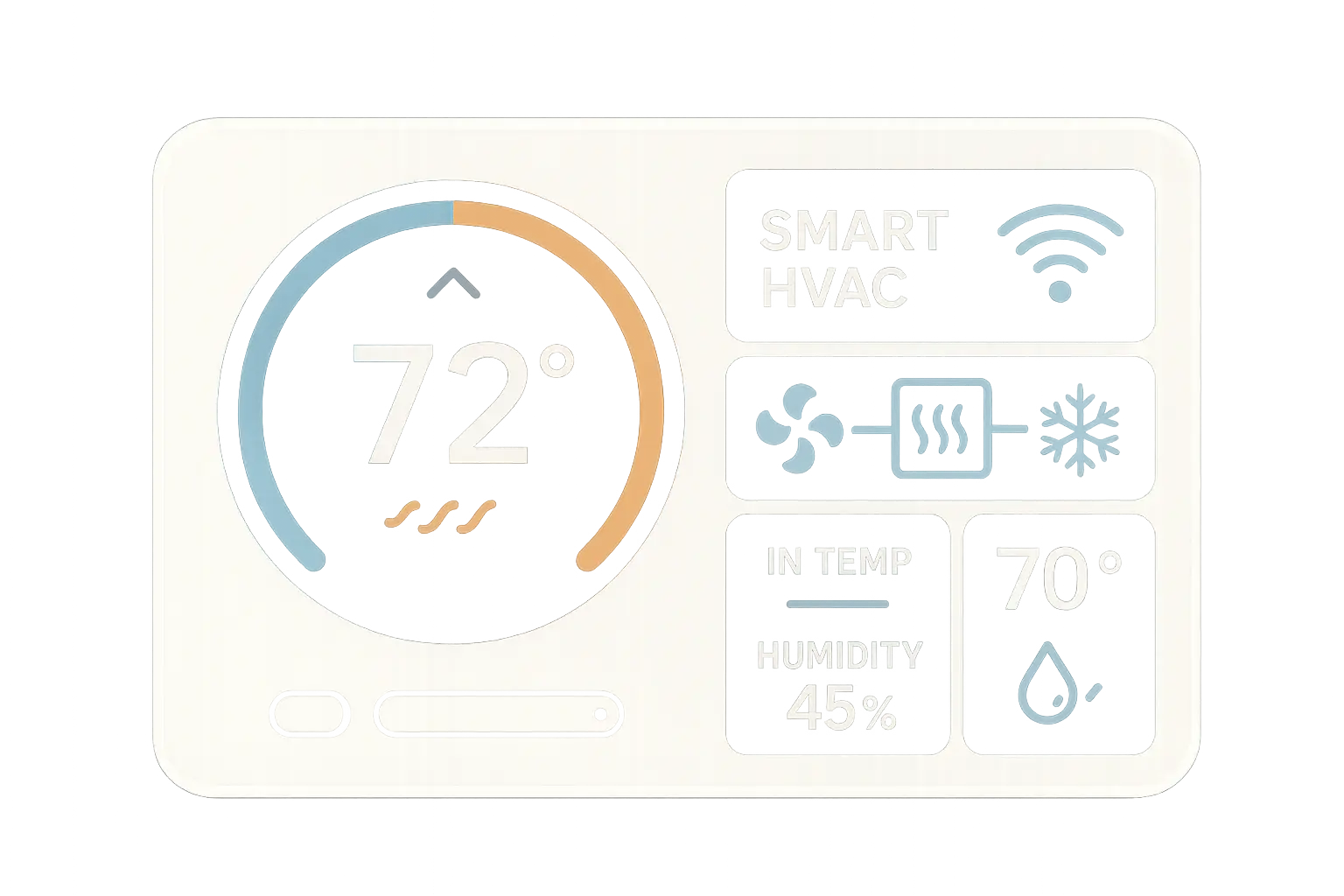
Maria started as an entry-level AC tech in Phoenix at $36,000. She focused on learning smart thermostat installation and building automation basics during her first year. By year two, she was handling commercial smart system installations and earning $48,000. Her technology focus led to a specialized role in energy management systems by year three, with an AC technician salary of $62,000 – a 72% increase from her starting wage.
Benefits Packages: The Hidden Value in Your Compensation
Entry-level AC technician salary packages often include valuable benefits that effectively increase total compensation by 15-25% beyond base salary. When evaluating job offers, consider health insurance value (typically $400-800 monthly), tool allowances and company vehicle benefits, continuing education and certification reimbursement programs, and retirement plan matching and profit-sharing opportunities.
These benefits can add $8,000-$15,000 annually to your total compensation package, making a $35,000 AC technician salary effectively worth $43,000-$50,000.

When evaluating benefits packages, look at health insurance coverage and employee contribution, dental and vision insurance options, retirement plan with employer matching, paid time off and sick leave policies, tool allowance or company-provided equipment, vehicle use or mileage reimbursement, training and certification reimbursement, and overtime pay structure and opportunities.

Final Thoughts
Bottom line: Get your EPA cert, research local companies, and don’t settle for the first offer. This field rewards people who do their homework and aren’t afraid to ask questions. Start there, and the money will follow.
Starting your HVAC career doesn’t have to mean settling for the lowest possible entry level hvac salary. With proper preparation, strategic job searching, and understanding of market dynamics, you can position yourself for entry-level compensation that reflects your value and commitment to the field.
The HVAC industry offers genuine opportunities for career advancement and financial growth. While you might start at $32,000-$42,000, the potential for reaching $60,000-$100,000+ within 5-7 years is realistic with dedication and smart career moves. Focus on continuous learning, safety excellence, and building strong customer relationships – these fundamentals will serve you throughout your career.
Remember that your entry level hvac salary is just the beginning. The skills you develop, certifications you earn, and reputation you build in your first few years will determine your long-term earning potential in this essential and growing field. Don’t get discouraged by starting wages – focus on positioning yourself for the opportunities that come next.
For professionals who need to replace lost training certificates or maintain backup copies of their educational credentials, ValidGrad offers efficient solutions for creating replacement diplomas and documentation that supports career advancement goals. Having complete educational records demonstrates professionalism during salary negotiations and job applications, supporting your career advancement goals.