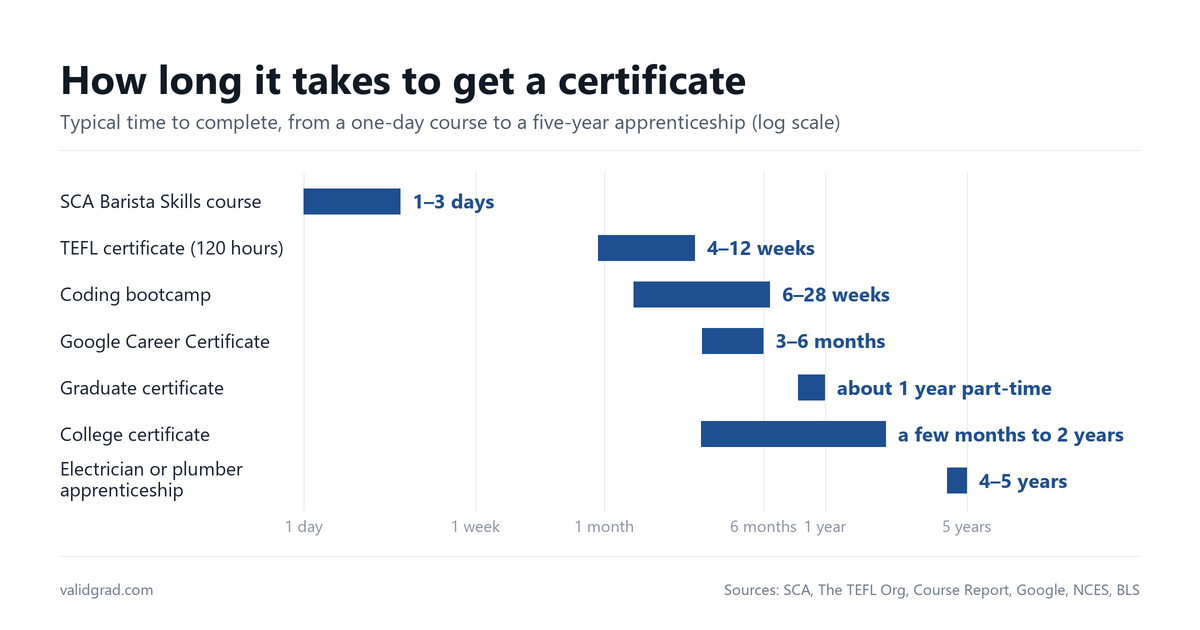
When I decided to become an electrician, everyone told me it would take “about two years.” Three and a half years later, I finally got my certificate. Sound familiar? If you’re researching electrical certification, you’ve probably seen those neat little timelines that say “6-24 months.” Here’s what they don’t tell you – the U.S. Bureau of Labor Statistics reports that there are 779,800 electricians nationwide, with the field predicted to grow 11% from 2023 to 2033, adding more than 80,000 skilled workers to the workforce. But those statistics don’t show the months you’ll spend just thinking about it, the hidden delays that come out of nowhere, and the ongoing requirements that can stretch your journey to 3-4 years.
Table of Contents
-
The Mental Game Before You Even Start
-
When Your Brain Fights the Learning Process
-
The Apprenticeship Hunt That Nobody Warns You About
-
Bureaucratic Nightmares That Extend Your Timeline
-
Money Problems That Slow Everything Down
-
Why Modern Tech is Changing Everything
-
The Experience Trap That Catches Everyone
-
Location, Location, Location – Why Geography Matters
TL;DR
-
Most people spend 3-6 months just thinking about becoming an electrician before they actually start
-
Your previous experience might help, but it could also hurt if you can’t prove it on paper
-
Finding an apprenticeship can take 6-18 months longer than anyone tells you
-
Testing schedules and paperwork delays add weeks or months you never see coming
-
Part-time programs can stretch your timeline from 18 months to 4 years
-
New technology requirements are adding 3-6 months to modern electrical training
-
Where you live can double or halve your certification time
The Mental Game Before You Even Start
Let’s be honest – getting an electrical certificate isn’t just about sitting in class and learning to wire outlets. There’s this whole psychological journey that happens way before you fill out your first application. I’ve watched people spend months researching programs, losing sleep over money worries, and trying to get their family on board. This “thinking about it” phase can easily add half a year to your timeline, but nobody includes it in those neat little “6-24 month” estimates you see everywhere.
You’re probably dealing with this right now. Understanding how long does it take to get a electrical certificate means acknowledging these hidden preparation phases that most timeline estimates completely ignore. You’re dealing with life-changing decisions that affect your paycheck, your family’s schedule, and your entire career path. That kind of decision doesn’t happen overnight, no matter how motivated you feel on a Tuesday evening after watching YouTube videos about electrical work.
The Research Rabbit Hole That Eats Your Time
You start Googling “electrical certification programs” at 9 PM on a Tuesday. Suddenly it’s 2 AM and you’re reading forum posts from 2018 about some guy’s apprenticeship drama. We’ve all been there. My buddy spent four months just trying to figure out which school to pick. The analysis paralysis is real, and it’s eating up your time before you’ve even learned how to strip a wire.
When Too Many Options Make You Crazy
There are community colleges, trade schools, union programs, and online options. Each one promises different things, costs different amounts, and has different timelines. You’ll spend 2-4 months going in circles, attending information sessions, and second-guessing yourself. This research phase feels productive, but you’re actually extending your total timeline without even realizing it.
Take my neighbor Sarah – she spent 5 months going down the Google rabbit hole. She had spreadsheets comparing programs, attended every info session in Phoenix, and still couldn’t decide. Meanwhile, her kitchen renovation was on hold because she couldn’t find a decent electrician – which is what made her want to become one in the first place. By the time she finally chose a program, the next intake wasn’t for another 4 months. That’s nearly a year before she even started learning anything.
Getting Your Money Situation Figured Out
Nobody talks about the 1-3 months you’ll spend just figuring out how to pay for everything. You’re not just paying tuition – you’re basically taking a pay cut while you’re in school. I had to calculate how much I could afford to not work, whether I qualified for financial aid, and if I could swing the tool costs. My wife and I had some heated conversations about money during this phase.
Similar to understanding how long does it take to get a certificate in other fields, electrical certification requires extensive financial planning that most people completely underestimate.
Getting Everyone Else on Board
Your family needs to understand that you’ll be gone for classes and studying. Your current boss might need notice. Your spouse needs to know the budget’s going to be tight for a while. This alignment process takes 2-6 weeks of conversations, planning, and sometimes arguments. You can’t just decide to become an electrician in a vacuum – other people’s lives are affected too.
Pre-Commitment Planning Checklist:
-
Research and compare 5-8 electrical programs in your area
-
Calculate total costs including tuition, tools, and lost income
-
Discuss timeline and financial impact with family/spouse
-
Explore financial aid options and application deadlines
-
Give current employer 2-4 weeks notice if needed
-
Set aside emergency fund for unexpected expenses
-
Identify childcare arrangements for class times
-
Research transportation options to training facilities
Why Your Learning Style Matters More Than You Think
Everyone learns differently, but electrical training programs often assume you’ll adapt quickly to their teaching methods. Some people need extra time to adjust from office work to hands-on learning. Others struggle with the classroom theory after years of practical work.
I remember sitting in my first electrical theory class after 15 years of office work, completely lost. My brain needed time to switch from PowerPoint presentations to actually working with my hands. These individual factors can compress or extend your timeline by months, depending on how well you match the program’s approach.
How Your Background Can Speed Things Up (Or Mess You Up)
Military experience, construction work, or technical training can cut 20-40% off your certification time. But here’s the catch – most programs don’t properly assess what you already know. You might end up repeating stuff you already understand, or worse, you might get credit for things you don’t actually know well enough. It’s frustrating either way.
The Adjustment Period Nobody Mentions
If you’ve been working in an office for years, switching to hands-on electrical work is jarring. Your brain needs 2-8 weeks to adapt to learning with your hands instead of just reading and memorizing. Some people adjust quickly, others need more time. The programs don’t usually account for this adjustment period in their timelines, but your brain sure does.
The Apprenticeship Reality Check
Everyone talks about apprenticeships as if they’re easy to get. The reality? You might wait 6-18 months longer than expected just to find one. The market conditions, union politics, and networking requirements create delays that nobody warns you about upfront.
According to the Associated General Contractors of America, 2022 AGC-Autodesk Workforce Survey, 93% of firms in the U.S. and 85% of firms in California had unfilled hourly craft positions like plumbers, electricians, and HVAC technicians. Despite this apparent shortage, finding the right apprenticeship opportunity still takes way longer than most people expect.
When There Are Too Many People Chasing Too Few Good Spots
Some regions are saturated with people wanting electrical apprenticeships. The unions might have waiting lists, or contractors might not be hiring. This market saturation can push your apprenticeship start date back by months, even if you’re perfectly qualified and ready to work.
The Networking Game You Have to Play
Getting a good apprenticeship often comes down to who you know. Building those industry relationships takes 3-9 months of going to trade events, talking to contractors, and proving you’re serious. It’s not just about your qualifications – it’s about people vouching for you. I spent months hanging around supply houses just trying to meet people in the industry.
Why Moving Might Be Your Best Option
If you’re willing to relocate, you can cut your timeline by 30-50%. But moving for an apprenticeship requires 2-4 months of planning, finding housing, and researching the new area’s requirements. It’s a big decision that can dramatically change your timeline, but sometimes it’s the only way to get started.
When Your Brain Fights the Learning Process
Here’s what really happens when the system works against your timeline. You finish your coursework in March, but the licensing exam isn’t offered until May. The licensing board only meets quarterly to approve applications. Your background check takes six weeks to process. These misaligned schedules create gaps in your timeline that have nothing to do with your ability or how hard you’re working.
When the System Messes With Your Timeline
I remember finishing my coursework and being ready to take my exam, only to find out the next testing date wasn’t for two months. Then I failed by three points and had to wait another month to retake it. These aren’t about studying harder – it’s about administrative scheduling that’s completely out of your hands.
Testing Bottlenecks That Stop You Cold
Some states only offer electrical licensing exams monthly or quarterly. If you miss a testing window or fail and need to retake, you’re looking at 1-3 months of waiting. This isn’t about your knowledge – it’s about bureaucratic scheduling that can derail even the most prepared candidates. Understanding how long does it take to get an electrician license means factoring in these testing bottlenecks that seem designed to frustrate you.
In California, the state requires 4,500 hours of work to be eligible to take the residential electrician exam, and 8,000 hours of work for the general electrician exam. These massive hour requirements mean that even after completing your classroom training, you’re looking at 2-4 years of documented work experience before you can even sit for your licensing exam.
Moving Between States Gets Complicated Fast
Transferring your electrical certification between states can take 2-6 months. Each state has different requirements, some want additional testing, others require continuing education you might not have. If you’re planning to move, factor this transfer time into your career timeline, because it’s going to mess with your plans.
|
State Transfer Complexity |
Processing Time |
Additional Requirements |
|---|---|---|
|
Simple Reciprocity |
2-4 weeks |
Basic paperwork, fees |
|
Limited Reciprocity |
6-12 weeks |
Additional testing, experience verification |
|
No Reciprocity |
3-6 months |
Complete re-certification, new exams |
|
Complex Requirements |
4-8 months |
Extra coursework, extended experience documentation |
The Paperwork Nightmare
Government paperwork that makes no sense can extend your certification by 2-8 weeks through no fault of your own. Transcript processing, background checks, and verification procedures all take time, and they often happen one after another rather than at the same time.
Just as when you need to replace a lost diploma, the paperwork delays in electrical certification can be frustrating and time-consuming, often requiring backup documentation while waiting for official processing.
When Your School Drags Their Feet
Official transcripts from trade schools or community colleges can take weeks to process and mail. If there’s any error or if the school is slow, your licensing application sits in limbo. I’ve seen people’s certification delayed by a month because their school’s registrar was backed up. It’s maddening when you’re ready to work but stuck waiting for paperwork.
Money Problems That Slow Everything Down
Let’s talk about the money thing, because this is where most people’s plans fall apart. You’re not just paying for school – you’re basically taking a pay cut for years. I had to explain to my kids why we couldn’t go to Disney World that year. My neighbor had to sell his motorcycle. These aren’t just numbers on a spreadsheet – this stuff affects your whole family.
Keeping the Lights On While You Learn
Most people can’t just stop working for 6-24 months while they get certified. The need to keep paying your mortgage forces you into part-time or evening programs that stretch everything out. It’s not about being less committed – it’s about being realistic about your bills.
Why Part-Time Training Takes Forever
Evening and weekend electrical programs can extend your certification timeline from 18 months to 3-4 years. You’re covering the same material, just spread out over way more time. The trade-off is keeping your current paycheck, but you’re looking at years instead of months to complete your certification.
When Debt Forces Your Hand
Existing financial obligations – mortgage, car payments, credit cards – can force you to maintain part-time work even during full-time programs. This adds 6-12 months to completion because you can’t dedicate full attention to your studies and hands-on training.
My buddy Mike from Denver had $3,200 in monthly expenses when he started his electrical program. He initially planned for the 18-month full-time track but had to switch to evening classes after 3 months when his savings ran low. The part-time program took him 3.5 years to complete, but he avoided bankruptcy and kept his house.
Timing the Market for Your Career Change
Economic
Economic cycles and construction market conditions influence when you should start your electrical certification journey. Starting at the right time can reduce your job search by months, while poor timing can leave you certified but unemployed.
Similar to how long does it take to get a plumbing certificate, electrical certification timing is heavily influenced by market conditions and seasonal demand patterns.
Seasonal Strategies That Actually Work
Beginning electrical training during specific seasons can align your completion with peak hiring periods. Construction ramps up in spring, so finishing your certification in March or April can reduce your job search time by 2-4 months compared to graduating in November when nobody’s hiring.
Why Modern Tech is Changing Everything
Don’t let the smart home stuff scare you. Yes, houses are getting more complicated, but you don’t need to become a computer programmer. You just need to learn some new tools. It’s like when everyone freaked out about smartphones – seemed impossible until you had to learn it. But here’s the thing – traditional electrical certification guides haven’t caught up with how technology is changing the field, and this means additional training time that older timelines don’t account for.
The 2020 Electrical Safety Standards in the Private Rented Sector (England) Regulations require landlords to have a qualified professional inspect the electrical installation at their rental properties every five years. This regulatory change has created new opportunities and requirements for electricians, but also means additional certification and training in inspection procedures that weren’t part of traditional programs.
The New Skills You Can’t Avoid
Modern electrical certification increasingly requires knowledge of smart systems, renewable energy, and advanced control systems. This isn’t optional anymore – it’s becoming standard. The additional training time for these technologies can add months to your certification journey, whether you like it or not.
Solar and Renewable Energy Requirements
Renewable energy specialization is becoming essential for competitive electrical certification. This additional training takes 3-6 months beyond traditional electrical coursework, but it’s increasingly necessary to be marketable in today’s job market. You can’t just ignore it and hope it goes away.
Digital Tools You Have to Master
Electrical design software, advanced digital multimeters, and modern diagnostic equipment require 1-2 months of additional learning time. These aren’t just nice-to-have skills anymore – they’re requirements for most electrical jobs. I spent weeks learning software that didn’t even exist when I first thought about becoming an electrician.
The Never-Ending Education Reality
Here’s what really happens with those “continuing education” requirements: You finally think you’re done, and then you get a letter saying you need 24 more hours of training. It’s like finishing a marathon and someone telling you there’s actually 3 more miles. You want to throw the letter across the room, but you need that license to keep working.
Master electrician’s certificates must be renewed every 3 years with 24 hours of L&I approved continuing education, including a minimum of 8 hours of code update and 4 hours of RCW/WAC review. This ongoing education requirement means your learning timeline never really ends.
Building Credentials Over Time
Instead of pursuing one comprehensive certification, many electricians now acquire multiple specialized certifications over 2-3 years. This micro-credential stacking approach extends the timeline but provides more targeted expertise for specific market niches.
|
Technology Specialization |
Additional Training Time |
Market Demand Level |
Salary Premium |
|---|---|---|---|
|
Solar Installation |
3-4 months |
Very High |
15-25% |
|
Smart Home Systems |
2-3 months |
High |
10-20% |
|
Industrial Automation |
4-6 months |
High |
20-30% |
|
Electric Vehicle Charging |
1-2 months |
Growing |
5-15% |
|
Energy Storage Systems |
2-4 months |
Emerging |
15-25% |
The Experience Trap That Catches Everyone
Having electrical knowledge and proving it through formal certification are two completely different things. This is where a lot of experienced electrical workers get tripped up – they think their years of practical work will make certification faster, but it often doesn’t. Your practical skills don’t automatically translate to faster certification, and that’s frustrating as hell.
When Experience Doesn’t Speed Things Up
You’d think years of electrical work would make certification faster, but the system doesn’t work that way. Documentation requirements, formal assessment processes, and academic credit systems don’t recognize the way most people actually learn electrical work on the job. I watched a guy with 20 years of experience struggle more than some kid fresh out of high school.
Proving What You Already Know
Documenting and organizing work experience into acceptable formats for certification boards takes 2-4 months, even for seasoned electricians. You have to translate your practical experience into academic language and formal portfolios that certification boards will accept. It’s like explaining to your grandmother how to use Netflix – you know how to do it, but putting it into their language is a whole different challenge.
The Academic Translation Problem
Real-world electrical experience doesn’t easily convert to academic credit. You might know how to wire a house perfectly but struggle to get credit for that knowledge because you learned it informally. This often requires additional coursework despite your practical expertise, which feels like a waste of time when you already know the material.
Why Tests Trip Up Experienced Workers
Experienced electricians sometimes need 3-6 months of test preparation for written exams covering concepts they use daily but haven’t studied formally. Knowing how to do something and knowing how to answer test questions about it are completely different skills.
Tom had 15 years of residential wiring experience but failed his first licensing exam because he couldn’t explain Ohm’s law mathematically, even though he applied it instinctively every day. He spent 4 months in test prep courses learning the theory behind what he already knew how to do practically. Talk about frustrating.
Alternative Routes That Change Everything
Lesser-known certification routes can dramatically alter your timeline. Military transition programs, manufacturer-specific certifications, and alternative pathways can accelerate or complement your certification journey in ways most people don’t know about.
Military Fast-Track Options
Veterans can potentially reduce certification time by 12-18 months through specialized transition programs. However, accessing these benefits often requires 2-3 months of paperwork and navigating military bureaucracy to get the credits you’ve earned. The benefits are there, but getting to them is its own challenge.
Manufacturer Certifications That Run Parallel
Pursuing manufacturer-specific certifications for solar panels, smart home systems, or specific equipment brands can run parallel to general electrical certification. This adds value without extending your timeline, but requires strategic planning to coordinate both tracks.
Location, Location, Location – Why Geography Matters
If you live in the middle of nowhere like I did, good luck. The nearest training center was 90 minutes away. I spent more on gas driving to class than some people spend on groceries. My truck had 50,000 extra miles on it by the time I graduated. City folks don’t get this part. Where you live creates vastly different certification timelines and requirements, and it can double or halve your certification timeline.
City vs. Country Training Reality
Your proximity to training centers, testing facilities, and apprenticeship opportunities dramatically affects your certification timeline. Urban students have more options but face more competition. Rural students might have limited choices but less competition for available spots.
When Commuting Kills Your Timeline
Daily travel time to training facilities can extend program completion by 6-12 months when you have to reduce course loads due to transportation constraints. A two-hour round trip commute might force you into part-time programs even if you could otherwise handle full-time study.
Just as how long does it take to get a high school diploma varies significantly by location and program access, electrical certification timelines are heavily influenced by geographic factors that most people don’t consider upfront.
Remote Learning Challenges
Rural students adapting to hybrid online-practical training models face a 1-3 month adjustment period that urban students don’t experience. The technology requirements and self-directed learning skills needed for remote components can slow progress initially.
State Requirements That Change Everything
The complex web of varying state requirements can double or halve your certification timeline depending on where you start and where you want to work. Strategic planning around state requirements can save you months or years.
Playing the Reciprocity Game
Choosing your initial certification state strategically can reduce future licensing time in target states by 60-80%. This requires 2-4 weeks of research and planning upfront, but the time savings can be enormous if you plan to move or work in multiple states.
Local Codes That Slow You Down
Mastering local electrical codes and inspection requirements varies significantly between municipalities. This specialization typically requires an additional 1-2 months beyond general certification, but it’s essential for actually working in your target area.
State-by-State Timeline Planning Template:
-
Research home state requirements and timeline
-
Identify target states for future work
-
Check reciprocity agreements between states
-
Calculate time savings from strategic state selection
-
Factor in moving costs vs. time savings
-
Plan continuing education requirements for each state
-
Document experience requirements differences
-
Schedule exams to align with reciprocity windows
Similar to how academic documents require proper handling and verification, electrical certification paperwork needs careful management to prevent delays.
Final Thoughts
Look, I’m not trying to scare you away from becoming an electrician. It’s good work, decent pay, and you’ll never be out of a job. I just wish someone had told me the real timeline upfront. Getting an electrical certificate takes way longer than those simple “6-24 month” timelines suggest. The real journey includes months of mental preparation, financial planning, and family coordination before you even start.
Then there are the hidden delays – testing schedules that don’t line up, paperwork processing that takes forever, apprenticeship waiting lists, and technology requirements that weren’t part of electrical training even five years ago. Your spouse is going to get tired of hearing about electrical codes. Your kids are going to complain about you missing their games for night classes. Your friends will make jokes about you becoming a “sparky.” The people closest to you need to be on board, or this whole thing becomes ten times harder.
Your timeline will be unique based on your location, financial situation, learning style, and life circumstances. Someone in a major city with savings and no family obligations might complete certification in 18 months. Someone in a rural area working part-time to support their family might need 3-4 years for the same certification. Yeah, some people do finish in 18 months. They’re usually young, single, have family money, or got lucky with timing. That’s not most of us. Most of us are juggling this with real life, and real life doesn’t pause while you’re learning to bend conduit.
There were nights I sat in my truck in the parking lot before class, wondering what the hell I was doing. I was 38, had a mortgage, and was starting over. Some 19-year-old kid next to me was picking this stuff up faster than me. Those moments suck, but they’re part of the deal. Even after you pass everything, you’ll feel like a fraud for the first few months on the job. You’ll second-guess every wire connection. That’s normal. The guys who’ve been doing this for 20 years felt the same way once.
The key is planning for the hidden timelines nobody talks about. Factor in the pre-commitment research phase, potential apprenticeship delays, and the ongoing education requirements that come with modern electrical work. Add 6 months to whatever timeline they give you, and you’ll be closer to reality. And start saving money now – you’ll need it for the times when everything goes sideways.
Whether you’re pursuing electrical certification or exploring replacement certifications for other fields, proper timeline planning and document management are crucial for success in any professional certification journey.
The electrical field needs people. The work is there. But the path to get there is messier than the brochures make it look. If you go in knowing that, you’ll handle the surprises better than I did.


