
I’ve spent years watching brilliant educators with doctorates settle for salaries that barely reflect their expertise. The truth is, most people think earning a doctorate in education means you’re stuck with whatever salary the institution offers. That’s completely wrong.
While the average salary of an EdD holder sits around $78,500 nationwide according to OnlineEdDPrograms.com, I’m going to show you the hidden economic opportunities that most doctorate holders never discover. We’re talking about complex institutional salary structures, alternative revenue streams, and negotiation tactics that can dramatically boost your earning potential beyond traditional academic positions.

Table of Contents
- The Real Story Behind Institutional Pay Structures
- Building Income Streams Outside Traditional Academia
- Mastering the Art of Salary Negotiation
- Future-Proofing Your Earning Potential
- Protecting Your Educational Investment
- Your Step-by-Step Action Plan for Salary Success
TL;DR
- Institutional salaries vary dramatically based on hidden compensation layers including performance bonuses (15-25% of base pay) and administrative stipends (20-40% salary increases)
- Remote consulting opportunities allow EdD holders to earn $150-300/hour while leveraging geographic arbitrage
- Alternative career paths through educational technology and policy consulting often exceed traditional institutional salaries
- Strategic salary negotiation requires comprehensive market analysis and optimal timing around institutional budget cycles
- Emerging specializations like educational data analytics and virtual reality curriculum development command premium salaries
- Proper credential documentation and presentation significantly impacts salary negotiation success
The Real Story Behind Institutional Pay Structures
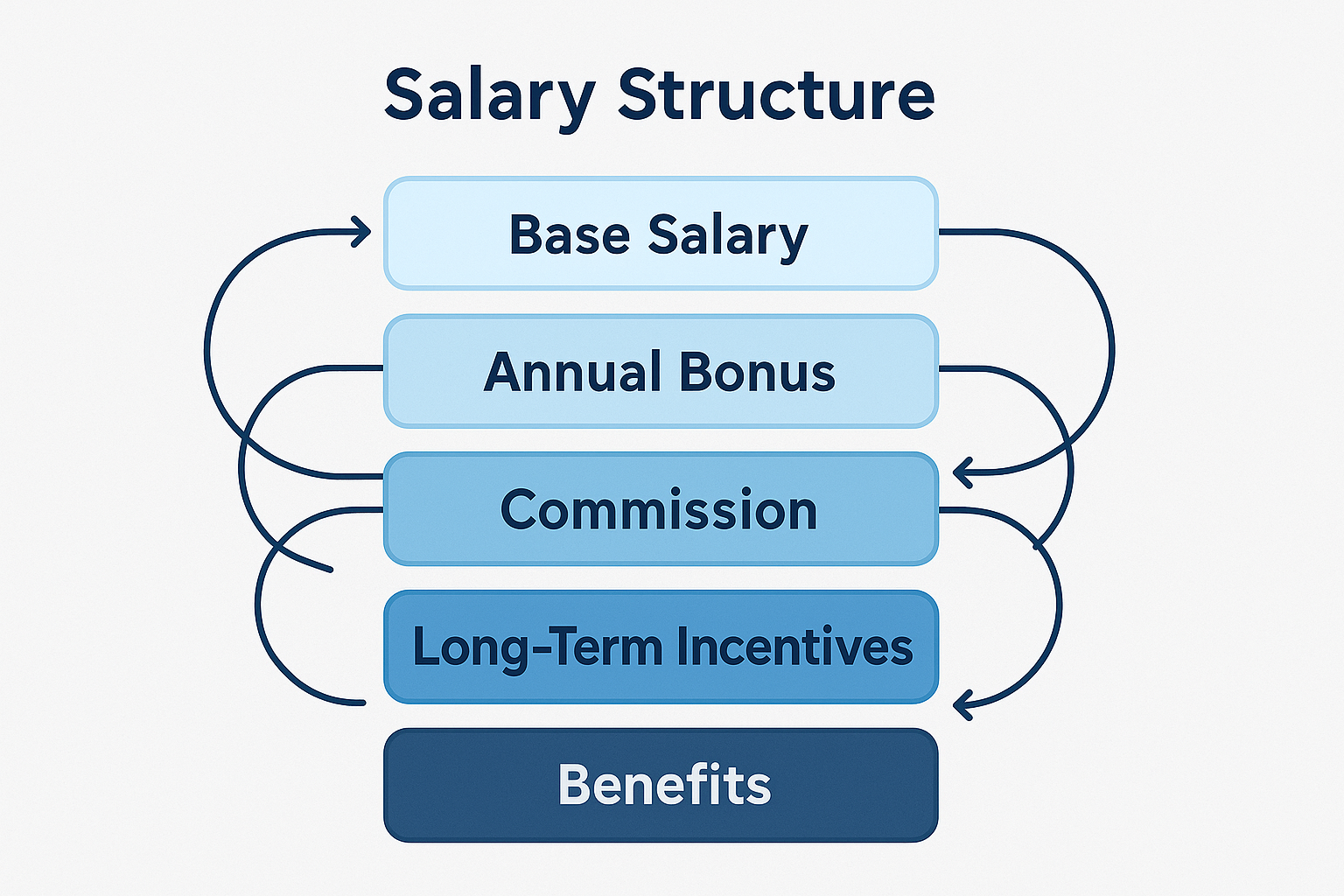
Most people think institutional salaries are straightforward – you get hired, you get paid a set amount. Educational institutions actually operate complex compensation systems that layer multiple income sources together, creating vastly different earning potential even within the same organization. Understanding these hidden structures is crucial for maximizing your doctorate in education salary.
When considering the true value of your educational credentials, many professionals wonder about the broader question of whether pursuing higher education is worth the investment, especially when examining the complex salary structures that await doctorate holders.
How Institutions Actually Structure Your Pay
Educational institutions don’t just offer base salaries – they create tiered compensation matrices that combine base pay with performance incentives, administrative opportunities, and research funding. These additional layers can increase your total compensation by 40-60% beyond what appears in job postings.
| Position Level | Base Salary Range | Performance Bonus | Administrative Stipend | Total Potential |
|---|---|---|---|---|
| Assistant Professor | $55,000-$75,000 | 15-20% | N/A | $63,250-$90,000 |
| Associate Professor | $70,000-$95,000 | 20-25% | 15-25% | $96,250-$148,750 |
| Department Chair | $85,000-$120,000 | 25% | 30-40% | $133,125-$210,000 |
| Dean/Administrator | $120,000-$180,000 | 25% | 40-50% | $210,000-$337,500 |
The Performance Bonus Game Everyone’s Playing
Many institutions now tie 15-25% of your total compensation to measurable outcomes. We’re talking about student retention rates and program completion statistics. These performance-based escalators create variable income streams that traditional salary surveys completely miss.
Your actual earning potential could be significantly higher than advertised positions suggest. Dr. Sarah Martinez, a curriculum director at a mid-sized university, negotiated a base salary of $95,000 but structured her contract to include performance bonuses tied to program accreditation success and student outcomes. In her second year, she earned an additional $28,500 in performance bonuses, bringing her total compensation to $123,500 – a 30% increase over her base salary.
Why Administrative Roles Change Everything
Taking on administrative responsibilities transforms your earning potential completely. Department chair or program director positions can boost your base salary by 20-40%. However, these roles often require 12-month contracts instead of 9-month academic appointments, fundamentally changing how you calculate your annual compensation and career trajectory.
Recent salary data from St. Cloud area superintendents demonstrates this premium for administrative roles. St. Cloud School District Superintendent Laurie Putnam, Ed.D., commands a salary of $225,000, significantly outpacing other educators in the region. Her contract extension includes a 4% raise next year, followed by 3.42% and then 2.89% raises in subsequent years, plus an annual $3,000 stipend specifically for holding a doctorate degree, as reported by “St. Cloud Times”.
The Geographic Money Game
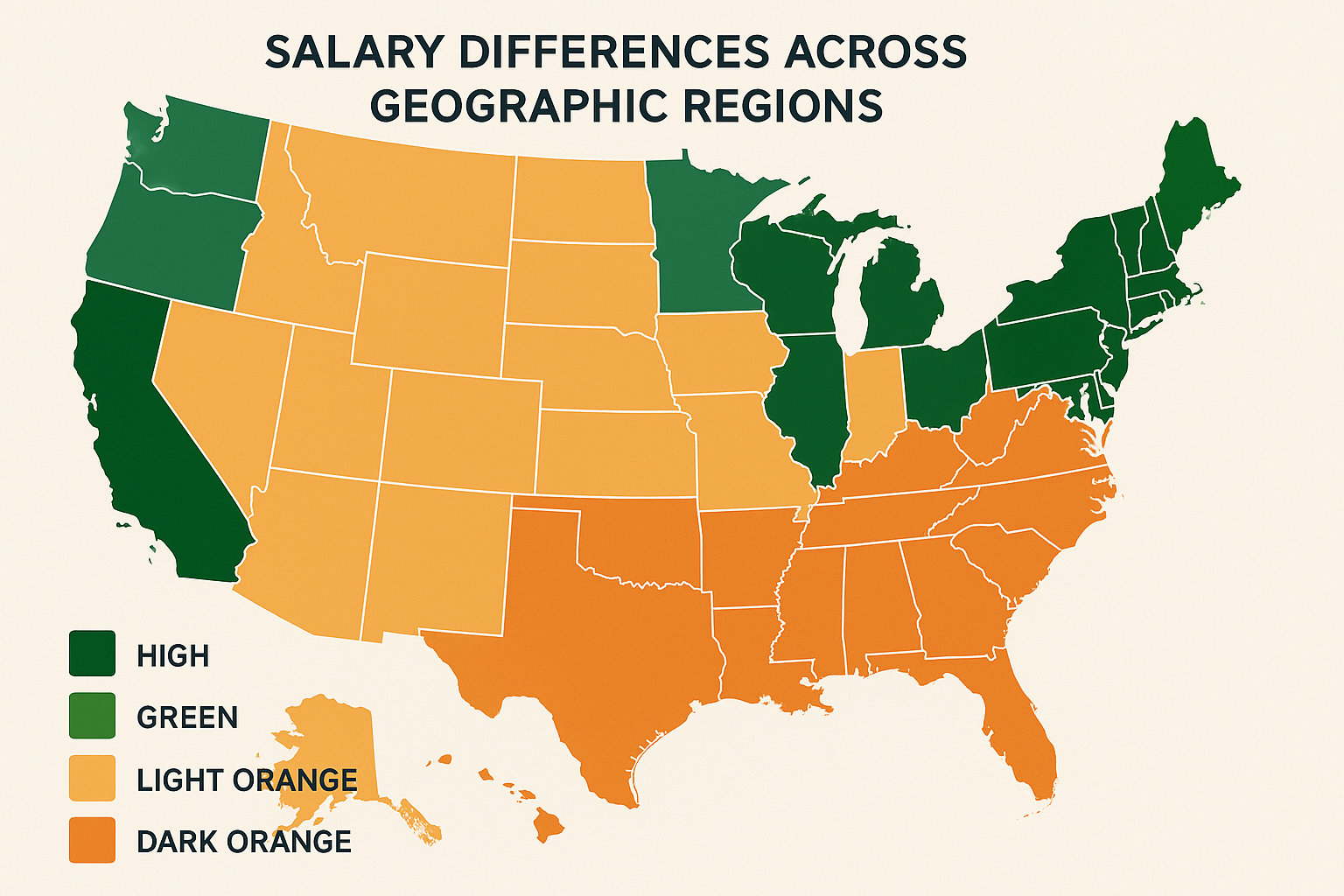
Remote work and online education have created unprecedented opportunities for doctorate holders to leverage geographic salary differences while maintaining lower cost-of-living locations. This geographic arbitrage phenomenon allows you to earn big-city salaries while living in affordable areas.
EdD holders are increasingly building parallel income streams through remote consulting for districts nationwide. Specialized expertise in areas like curriculum design or accreditation support commands $150-300 per hour, often exceeding traditional institutional salaries when scaled properly.
Remote Consulting Opportunity Checklist:
- ☐ Identify your unique specialization area
- ☐ Create professional website and LinkedIn presence
- ☐ Develop 2-3 service packages with clear deliverables
- ☐ Set initial hourly rate between $100-150
- ☐ Build portfolio of 5-10 successful projects
- ☐ Establish systems for client management and billing
- ☐ Create templates for common consulting deliverables
The Credential Verification Reality Check
Competition intensifies in education every year. How you verify and present your doctoral credentials has become increasingly critical for salary negotiations and career advancement. Many qualified candidates lose opportunities simply because they can’t properly document their expertise.
The importance of proper credential documentation becomes even more critical when you need to replace lost diplomas or ensure your educational achievements are properly presented during high-stakes salary negotiations.
Successful salary negotiations require comprehensive documentation portfolios that extend far beyond your diploma. This includes transcripts, dissertation abstracts, and continuing education certificates that demonstrate ongoing expertise and justify premium compensation requests.
Essential Documentation Portfolio:
- ☐ Official transcripts from all institutions
- ☐ Diploma and degree verification letters
- ☐ Dissertation abstract and key findings summary
- ☐ Professional certifications and licenses
- ☐ Continuing education certificates
- ☐ Publications and research portfolio
- ☐ Letters of recommendation from supervisors
- ☐ Performance evaluations and achievement records
Building Income Streams Outside Traditional Academia
Traditional institutional positions represent just one slice of the earning potential for doctorate in education holders. Smart EdD graduates are creating multiple revenue streams through entrepreneurial ventures, consulting work, and hybrid career models that often generate more income than conventional academic roles.
The EdTech Entrepreneur Advantage
Doctorate holders possess unique insights into educational gaps and challenges, positioning them perfectly to create technological solutions. Many are building six-figure incomes through educational software development, online course creation, and platform consulting by monetizing their deep understanding of learning processes.
According to recent data, Training and Development Managers – a common career path for EdD holders – earn a median salary of $120,000, as reported by OnlineEdDPrograms.com. However, those who leverage their expertise entrepreneurially often exceed these traditional salary caps significantly.
Your dissertation research and specialized knowledge can be converted into proprietary educational materials, assessment tools, or training programs that generate ongoing royalty income. This intellectual property monetization creates passive income streams that continue paying long after the initial development work.
Dr. Michael Chen developed a social-emotional learning assessment tool based on his dissertation research. He initially licensed it to three school districts for $15,000 each. Within two years, he had expanded to 47 districts nationwide, generating $705,000 in annual recurring revenue while maintaining his full-time position as a university professor.
The Platform Revenue Revolution
Educational experts are leveraging their expertise to create subscription-based content, online masterclasses, and specialized training programs. These platform-based revenue streams can generate $5,000-$50,000 monthly in passive income once properly established and marketed.
Platform Revenue Development Timeline:
- Month 1-2: Content creation and platform setup
- Month 3-4: Beta testing with small audience
- Month 5-6: Launch and initial marketing push
- Month 7-12: Scale and optimize based on feedback
- Year 2+: Expand offerings and build recurring revenue
The Policy Consulting Gold Mine
Government agencies, non-profits, and educational organizations increasingly hire doctorate holders as policy consultants, often paying premium rates for specialized expertise in educational reform and implementation. This sector offers some of the highest hourly rates available to education professionals.
Global trends support this opportunity. The Japanese government is actively working to improve salary prospects for PhD graduates, focusing on career pathways and encouraging companies to hire staff with specialist skills. This international focus on advanced degree holders indicates growing recognition of their value in policy and organizational roles, as reported by “Times Higher Education”.
Experienced consultants work directly with state and federal legislators to craft education policy, earning $200-500 per hour for specialized knowledge in areas like special education law or funding formulas. This legislative impact consulting represents one of the highest-paying applications of educational expertise.

Mastering the Art of Salary Negotiation
Most doctorate holders approach salary negotiation with outdated tactics that leave money on the table. Sophisticated negotiation requires market intelligence, value proposition development, and strategic timing to maximize compensation outcomes. The difference between amateur and professional negotiation can mean tens of thousands of dollars annually.
Building Your Market Intelligence System
Effective salary negotiation starts with comprehensive market analysis that incorporates total compensation packages, career trajectory potential, and regional economic factors. This data-driven approach builds compelling cases that institutions can’t easily dismiss.
| Salary Research Source | Pros | Cons | Best Use Case |
|---|---|---|---|
| Chronicle of Higher Education | Comprehensive academic data | Limited to academia | University positions |
| Glassdoor | Real employee reports | Self-reported, variable quality | Industry comparisons |
| PayScale | Detailed breakdowns | May lack recent data | Skill-based analysis |
| AAUP Faculty Salary Survey | Authoritative academic source | Annual publication lag | Academic benchmarking |
| Professional Networks | Current, insider knowledge | Limited scope | Specific opportunities |
Smart negotiators develop detailed spreadsheets tracking base salary, benefits value, professional development allowances, research funding, sabbatical opportunities, and administrative stipends. This multi-dimensional approach reveals the true compensation value across different opportunities and strengthens negotiation positions.
Compensation Analysis Template:
- ☐ Base salary amount and structure
- ☐ Health insurance value and coverage
- ☐ Retirement contribution matching
- ☐ Professional development budget
- ☐ Research/conference funding
- ☐ Sabbatical eligibility and terms
- ☐ Administrative stipend opportunities
- ☐ Performance bonus potential
Timing and Leverage Development
Understanding institutional budget cycles, accreditation timelines, and leadership transitions allows you to time salary negotiations when institutions have maximum flexibility and greatest need for your expertise. Strategic timing can increase negotiation success rates by 40-60%.

Professional portfolios that effectively communicate doctoral education value include quantified outcomes from previous roles, specialized certifications, and evidence of thought leadership. This credential presentation optimization transforms how institutions perceive your worth and justify higher compensation offers.
Dr. Jennifer Rodriguez prepared for salary negotiations by creating a comprehensive portfolio showing her impact: 23% increase in student retention, $847,000 in grant funding secured, and 12 peer-reviewed publications. She presented this data in a visual format that clearly demonstrated ROI. The result: a $28,000 salary increase and promotion to associate dean within six months.
Professional presentation of your achievements requires understanding how to display certificates effectively and create compelling visual portfolios that demonstrate your expertise and accomplishments to potential employers.
Future-Proofing Your Earning Potential
The education sector is evolving rapidly due to technological changes, demographic shifts, and policy evolution. Successful doctorate holders are positioning themselves for emerging high-value opportunities rather than competing in saturated traditional markets.
The Premium Specialization Markets
High-demand areas command premium salaries because few professionals possess deep expertise in these emerging fields. We’re talking about educational data analytics, virtual reality curriculum development, and social-emotional learning assessment. Early specialization in these areas creates significant competitive advantages.

Creating and selling specialized micro-credentials and digital badges that other educators need for professional development generates recurring revenue while building industry influence. This approach combines expertise monetization with professional network expansion.
Micro-Credentialing Revenue Model:
- Development Phase: 40-60 hours creating content
- Launch Phase: Initial cohort of 20-30 participants
- Pricing Strategy: $297-$897 per credential
- Scaling Phase: Automated delivery systems
- Revenue Potential: $15,000-$75,000 per credential annually
Educational expertise translates powerfully into corporate training, healthcare education, and government training programs where educational backgrounds command premium rates due to specialized knowledge transfer skills. These cross-sector opportunities often pay 2-3x traditional education salaries.
Building Your Personal Brand Investment
Recognition as a subject matter expert through strategic content creation, speaking engagements, and industry participation creates premium salary opportunities and consulting demand. This thought leadership investment pays dividends throughout your career.
Systematic approaches to publishing research, contributing to industry publications, and engaging with media build recognition that translates into higher salary offers and consulting opportunities. This visibility creates leverage in all professional negotiations.
Thought Leadership Development Plan:
- ☐ Identify 3-5 key topics for expertise positioning
- ☐ Create content calendar with monthly publication goals
- ☐ Engage with industry publications and podcasts
- ☐ Speak at 2-3 conferences annually
- ☐ Build social media presence in professional networks
- ☐ Develop signature research or methodology
- ☐ Create media kit for speaking opportunities

Protecting Your Educational Investment
Your doctorate represents a significant investment – often 4-7 years and $100,000+ in costs. Protecting and properly presenting these credentials becomes crucial when navigating complex salary landscapes and pursuing premium opportunities.
ValidGrad understands that your educational achievements are valuable assets requiring protection and professional presentation. Whether you need backup documentation for salary negotiations, replacement documents for international opportunities, or display copies to showcase expertise in professional settings, having immediate access to professional-quality credential documentation can make the difference between securing premium opportunities and missing out.
In competitive educational leadership and consulting markets, proper credential presentation often determines success. ValidGrad’s quick turnaround times and attention to detail ensure your educational achievements are always properly represented when opportunities arise.
Understanding the broader context of educational credentials is essential, including knowing the difference between certificates and degrees when presenting your qualifications to potential employers and clients.
Ready to protect your educational investment? Visit ValidGrad today to ensure your doctorate credentials are always presentation-ready for your next career opportunity.
Your Step-by-Step Action Plan for Salary Success
Knowledge without action won’t increase your paycheck. Here’s your practical roadmap for implementing everything we’ve discussed, broken down into manageable steps you can start taking this week to boost your doctorate in education salary potential.
Institutional Salary Navigation Action Steps
These concrete steps will help you decode institutional compensation structures and position yourself for maximum earning potential within traditional academic settings.
Start by gathering intelligence on your target institutions’ real compensation practices, not just their posted salary ranges.
Step 1: Request faculty handbooks and collective bargaining agreements from your target institutions – these documents reveal the actual salary structures and advancement opportunities that job postings never mention.
Step 2: Build a comprehensive compensation tracking spreadsheet including base salary, benefits value (typically 25-35% of base), professional development funds, and administrative stipend opportunities for each potential position.
Step 3: Identify 3-5 comparable institutions in your region and document their total compensation packages – you’ll be shocked at the variations even within the same geographic area.
Step 4: Schedule informational interviews with current faculty and administrators to understand unwritten compensation practices and realistic advancement timelines.
Alternative Revenue Development Action Steps
Transform your doctoral expertise into multiple income streams that often exceed traditional institutional salaries.
Start small but think strategically about building your consulting practice alongside or instead of traditional employment.
Step 1: Conduct a brutal skills audit to identify your unique expertise areas with commercial value – think assessment design, curriculum development, or educational technology integration.
Step 2: Create a professional website and optimize your LinkedIn presence to position yourself as a thought leader in your specialization area (this isn’t optional anymore).
Step 3: Develop your minimum viable product for consulting – start with a 2-hour workshop or assessment tool that you can deliver remotely.
Step 4: Price your initial services at $100-150/hour and gradually increase based on demand and proven results.
Step 5: Build a portfolio of 5-10 successful consulting projects before pursuing larger contracts or developing proprietary products.
Strategic Salary Negotiation Action Steps
Turn salary negotiation from guesswork into a systematic process that consistently delivers results.
Successful negotiation happens long before you sit down at the table – it’s all about preparation and strategic positioning.
Step 1: Gather salary data from Chronicle of Higher Education, AAUP salary surveys, and Glassdoor, but adjust for regional cost-of-living differences (raw numbers lie).
Step 2: Document your value proposition with specific metrics like “Increased program retention by 23%” or “Secured $500K in grant funding” – vague accomplishments won’t cut it.
Step 3: Time your negotiation strategically – ideally 6-8 weeks before the fiscal year begins when budgets still have flexibility.
Step 4: Prepare three compensation scenarios: your ideal package, your acceptable package, and your walk-away threshold (know these numbers cold).
Step 5: Practice your negotiation with a trusted colleague, focusing on articulating your unique value rather than just comparing salaries.
Future-Proofing Action Steps
Position yourself for emerging opportunities that will command premium salaries in the evolving education landscape.
Choose your specialization carefully and develop deep expertise that sets you apart from the competition.
Step 1: Identify three emerging trends in education (AI integration, social-emotional learning, competency-based assessment) and choose one to develop deep expertise in.
Step 2: Enroll in relevant certification programs or micro-credentials that align with your chosen specialization – invest in yourself first.
Step 3: Begin publishing thought leadership content – aim for one article per month in industry publications or professional blogs.
Step 4: Join professional associations in your specialization area and volunteer for committees to build industry relationships that lead to opportunities.
Step 5: Create a 5-year professional development plan with specific milestones for skill acquisition, network building, and salary targets.
Credential Protection Action Steps
Protect your educational investment and ensure your credentials are always presentation-ready when opportunities arise.
Your credentials are valuable assets that need proper protection and professional presentation.
Step 1: Create digital copies of all educational documents and store them in multiple secure locations – cloud storage, external drive, and physical copies.
Step 2: Develop a professional portfolio including your diploma, transcripts, dissertation abstract, and key publications that showcases your expertise comprehensively.
Step 3: Consider having backup copies of your credentials created for situations where originals might be at risk during international travel or when maintaining multiple office locations.
Step 4: Maintain updated CV/resume versions tailored for different opportunities – academic positions, consulting work, and corporate training roles each require different presentations.
Step 5: Establish relationships with former professors and administrators who can provide verification of your credentials if needed for high-stakes opportunities.
When building your professional portfolio, consider creating framed diploma displays that properly showcase your educational achievements in office settings and client meetings.

Final Thoughts
The doctorate in education salary landscape is far more complex and opportunity-rich than most people realize. Success requires understanding institutional compensation structures, developing alternative revenue streams, mastering negotiation tactics, and positioning for future market changes. Your earning potential extends far beyond traditional academic positions when you understand how to leverage your expertise strategically.
Your doctorate opens doors to significant earning potential across multiple sectors and income streams. The key is understanding that your degree isn’t just a credential – it’s a business asset that can be monetized in numerous ways.
Don’t limit yourself to traditional thinking about education careers. The most successful EdD holders are those who think entrepreneurially about their expertise and create multiple pathways to financial success.
Remember that protecting and properly presenting your credentials is just as important as earning them. Your educational achievements deserve professional representation that matches their value and your ambitions.