
The path to becoming a teacher in Illinois is more complex than most people realize. While the Illinois State Board of Education reports that there were 134,888 teachers in the state as of 2022, the reality is that Illinois is experiencing a significant teacher shortage with more than 5,300 classroom positions remaining unfilled, including administrative and support personnel. This shortage has created both opportunities and challenges for aspiring educators that go far beyond the official certification requirements.
Table of Contents
-
The Psychological Rollercoaster You Didn’t Sign Up For
-
Illinois Education’s Secret Network (And How to Tap Into It)
-
The Money Talk Nobody Wants to Have
-
Paperwork Hell and Document Disasters
-
Getting Your Illinois Teaching License (The Real Process)
-
Your First Classroom: Surviving the Reality Check
TL;DR
-
Becoming a teacher in Illinois involves major psychological shifts that go way beyond just learning how to teach
-
There’s an entire underground network of relationships and politics that determine your success more than your certification
-
You’ll spend thousands of your own money on classroom supplies and ongoing professional development
-
Document management becomes a lifelong administrative burden that can derail your career if mishandled
-
The actual licensing process through ISBE is more complex than advertised, with multiple pathways and hidden requirements
-
First-year teaching reality involves 60-80 hour work weeks and challenges no preparation program adequately addresses
The Psychological Rollercoaster You Didn’t Sign Up For
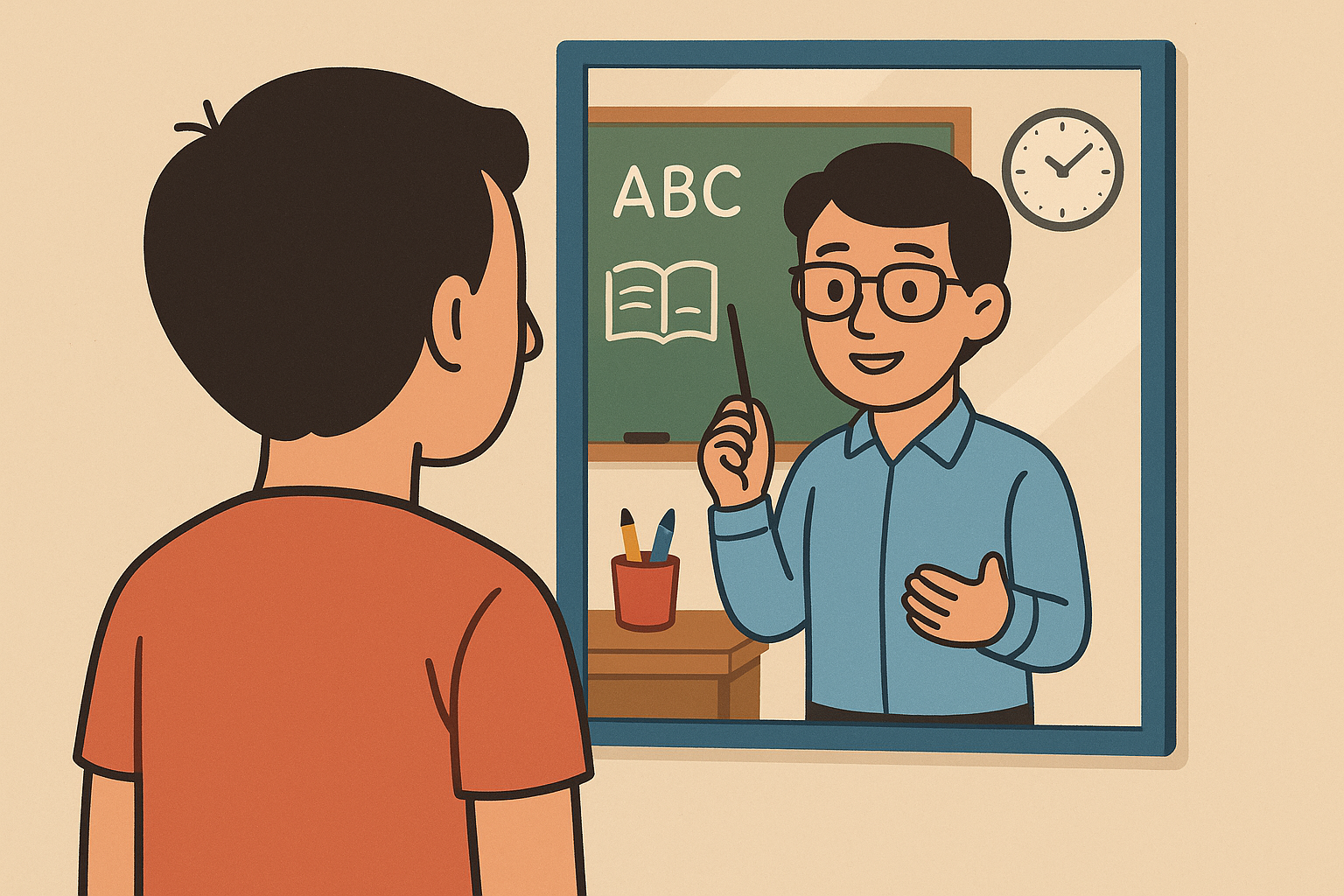
Most people think becoming a teacher is about mastering subject matter and learning classroom management techniques. What they don’t tell you is that you’re about to undergo a complete identity transformation that’ll mess with your head in ways you never expected. This isn’t just a career change – it’s a fundamental shift in how you see yourself, authority, and your place in society. Understanding how to become a teacher in Illinois requires acknowledging these psychological challenges that extend far beyond the classroom.
When Your Professional Identity Gets Turned Upside Down
Career changers face a brutal reality check when they realize their previous professional skills don’t automatically translate to teaching. You’ll question everything you thought you knew about yourself as a professional, and that’s actually normal (though nobody warns you about it).
Unlearning Your Corporate Habits
If you’re coming from the business world, you’ll need to actively deprogram yourself from competitive mindsets and individual achievement focus. Teaching requires collaboration and shared success, which can feel foreign and uncomfortable at first.
Sarah, a former marketing manager, struggled during her first semester because she kept trying to “win” against other teachers instead of collaborating. She would hoard successful lesson plans and compete for administrator attention, which isolated her from colleagues who could have provided crucial support. It wasn’t until her mentor pointed out that student success was the real measure of achievement that she began to shift her mindset toward collaboration.
Becoming a Student Again (And Why It’s Harder Than You Think)
Successful teachers maintain curiosity and openness to learning, but this can be psychologically challenging for professionals who were used to being the expert in their previous field. You’ll need to get comfortable with not knowing everything.
The hardest part? Admitting when you’re wrong in front of a room full of teenagers who are just waiting for you to mess up. I’ve watched grown adults with decades of corporate experience crumble when a 16-year-old corrects their math on the whiteboard.
The “Am I Even Qualified?” Spiral
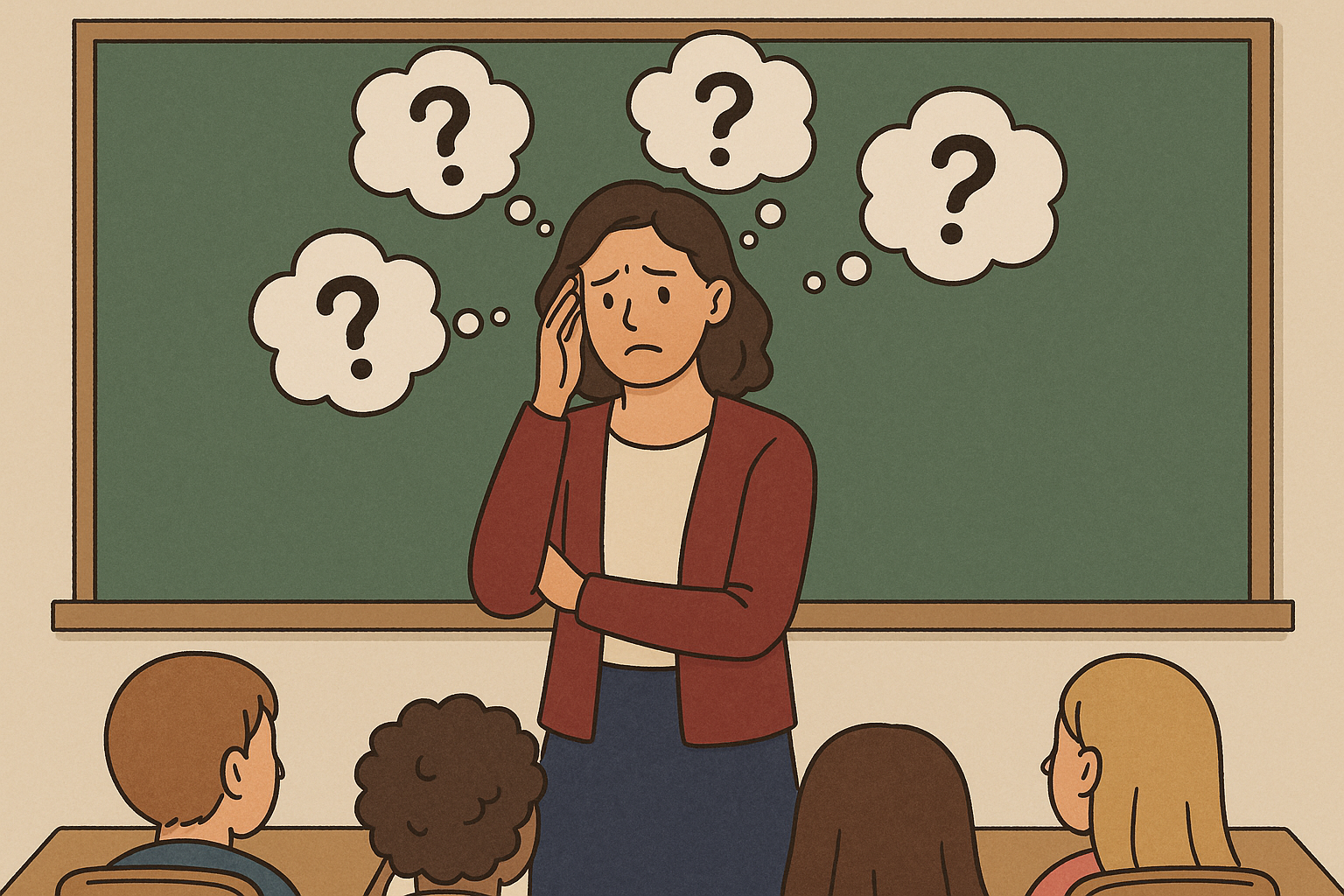
Imposter syndrome hits teachers harder than most professions because you’re literally responsible for shaping young minds. This feeling intensifies when you’re teaching subjects outside your major or working with student populations you’ve never encountered before.
Dealing with Authority Anxiety
The fear of being “found out” as inadequate can paralyze new teachers, especially those entering through alternative certification routes. You’ll constantly worry that parents, administrators, or students will discover you don’t know what you’re doing.
Here’s the thing nobody tells you: every teacher feels this way. Even the veteran teacher next door who seems to have everything figured out still googles basic teaching strategies at 11 PM on Sunday nights.
Building Real Confidence (Not Fake It Till You Make It)
Authentic confidence in teaching comes from understanding that your job is facilitating learning, not proving you’re perfect. This mindset shift takes time and intentional practice to develop.
Creating Your Teacher Persona
You’ll need to develop a professional identity that balances being genuine with maintaining appropriate boundaries. This requires conscious effort and reflection – it doesn’t happen automatically.
Some days you’ll feel more like a counselor, other days a performer, and occasionally a referee. The key is figuring out which version of yourself works best for your students while still feeling authentic.
Handling Everyone’s Opinions About Your Career Choice
Teachers deal with society’s conflicted views about education constantly. You’ll be simultaneously praised as a hero and criticized as lazy, often by the same people. Learning to maintain professional dignity despite public scrutiny becomes part of the job.
When Family and Friends Question Your Sanity
Career changers often face uncomfortable questions about salary cuts, job security, and professional prestige. You’ll need thoughtful responses and internal confidence to handle these conversations without getting defensive.
“But you’re so smart, why would you want to teach?” becomes a phrase you’ll hear more often than you’d expect. Prepare your elevator speech now, because you’ll need it at every family gathering for the next five years.
Illinois Education’s Secret Network (And How to Tap Into It)
There’s a whole underground system operating in Illinois schools that your certification program never mentioned. Success depends more on understanding these informal networks, unwritten rules, and cultural dynamics than on your teaching credentials. Smart teachers learn to navigate this system early.

The Mentor Lottery (And Why Your Assigned Mentor Might Not Help)
Illinois requires mentoring for new teachers, but the quality varies dramatically. Your officially assigned mentor might be useless, while the person who actually helps you succeed could be someone completely unexpected.
Spotting Actually Helpful Mentors vs. Box-Checkers
The teacher assigned as your mentor may just be going through the motions. Learning to identify and cultivate relationships with truly supportive colleagues – regardless of their official role – is crucial for survival.
|
Helpful Mentor Signs |
Box-Checker Warning Signs |
|---|---|
|
Offers specific, actionable advice |
Gives vague encouragement only |
|
Shares actual resources and materials |
Says “you’ll figure it out” |
|
Makes time for regular check-ins |
Only meets when required |
|
Introduces you to other staff members |
Keeps interactions minimal |
|
Admits their own mistakes and learning |
Presents themselves as perfect |
|
Advocates for you with administration |
Avoids getting involved in issues |
Building Your Unofficial Support Team
Successful teachers develop multiple mentoring relationships with custodians, secretaries, veteran teachers, and even parents. Each provides different types of guidance that you’ll need throughout your career.
The custodian knows which classrooms have the best heating and which copy machines actually work. The secretary knows which administrator is having a bad day and when to avoid the main office. These relationships matter more than your teaching philosophy.
School Politics 101 (Navigate or Get Crushed)
Every district has internal politics, power structures, and unspoken alliances that affect everything from your classroom assignment to professional development opportunities. Ignoring these dynamics is career suicide.
Reading the Real Organizational Chart
Formal organizational charts don’t show who actually makes decisions or influences policy. You’ll need to learn these dynamics without getting caught in conflicts or choosing the wrong side.
Making Strategic Alliances
Success often depends on forming relationships with key stakeholders including union representatives, department heads, and influential parents. This isn’t about being fake – it’s about professional survival.
Union Dynamics (Whether You Join or Not)
Illinois teachers must understand their union’s role, benefits, and political positions while maintaining professional relationships with both union and non-union colleagues. This balancing act requires careful navigation.
The Illinois Education Association (IEA) continues to advocate for teachers’ rights and working conditions, offering resources through their “How to Become a Teacher in Illinois” IEA guide, which provides additional support for navigating the state’s education system and understanding your rights as an educator.
What Your Students Know That You Don’t
Students often have more insight into school dynamics, teacher reputations, and effective strategies than new teachers realize. When approached appropriately, they become valuable sources of information and feedback.
Getting Real Feedback from Students
Students can provide honest feedback about teaching effectiveness, school culture, and classroom management strategies. The key is creating safe spaces for this communication without undermining your authority.

Your students will tell you which teachers they respect and why. They’ll also tell you which strategies actually work versus which ones just look good on paper. Listen to them – they’re your best focus group.
The Money Talk Nobody Wants to Have
The financial reality of teaching in Illinois extends way beyond your salary. You’ll face ongoing expenses, hidden costs, and financial planning challenges that nobody mentions during certification. Understanding the true cost of this career is essential for making informed decisions and avoiding financial stress.
The Certification Money Pit
Beyond tuition and test fees, you’ll spend thousands annually on classroom materials, professional development, and maintaining certification. These costs hit immediately and continue throughout your career.
Your Classroom Setup Bill
New teachers typically spend $500-2000 of their own money on classroom supplies, decorations, and materials that districts don’t provide. This creates an immediate financial burden right when you can least afford it.

I know teachers who’ve maxed out credit cards buying basic supplies for their classrooms. The district provides textbooks and maybe some paper, but everything else – from pencils to poster board to hand sanitizer – comes out of your pocket.
Professional Development Costs
Maintaining certification requires ongoing education that districts may not fully fund. Conference attendance, graduate credits, and workshop fees add up quickly and are often your responsibility.
Decoding Illinois Teacher Pay
Illinois teacher salaries vary dramatically by district, and understanding how to research, compare, and negotiate compensation packages is crucial for financial stability. The salary schedule system is more complex than it appears.
According to Teachers of Tomorrow, the average teacher salary in Illinois was $71,000 as of 2023, with an estimated increase to $73,000 for 2024-2025 based on cost of living adjustments and demand due to teacher shortages.
Cracking the Salary Schedule Code
Districts use complex formulas based on education level, experience, and additional qualifications. Understanding these systems helps you maximize earning potential and plan career moves strategically.
|
Education Level |
Years Experience |
Typical Salary Range |
Additional Qualifications Bonus |
|---|---|---|---|
|
Bachelor’s |
0-5 years |
$45,000-$55,000 |
$1,000-$3,000 |
|
Master’s |
0-5 years |
$50,000-$65,000 |
$2,000-$5,000 |
|
Bachelor’s |
10+ years |
$60,000-$75,000 |
$3,000-$6,000 |
|
Master’s |
10+ years |
$70,000-$85,000 |
$4,000-$8,000 |
|
Master’s + 30 |
15+ years |
$80,000-$95,000 |
$5,000-$10,000 |
Benefits Packages Matter More Than You Think
Health insurance, retirement contributions, and other benefits can vary significantly in value between districts. Sometimes a lower salary with better benefits is actually worth more money.
Side Hustles That Won’t Get You Fired
Many Illinois teachers supplement income through tutoring, coaching, summer work, or educational consulting. You’ll need to understand district policies and avoid conflicts of interest.
Long-term Financial Survival
Teachers face unique financial challenges including summer income gaps, complex retirement systems, and limited advancement opportunities. Planning for these realities prevents financial disasters down the road.
Surviving Summer Without Pay
Developing strategies for three months without regular income requires careful budgeting, summer employment planning, or negotiating extended pay options with your district.
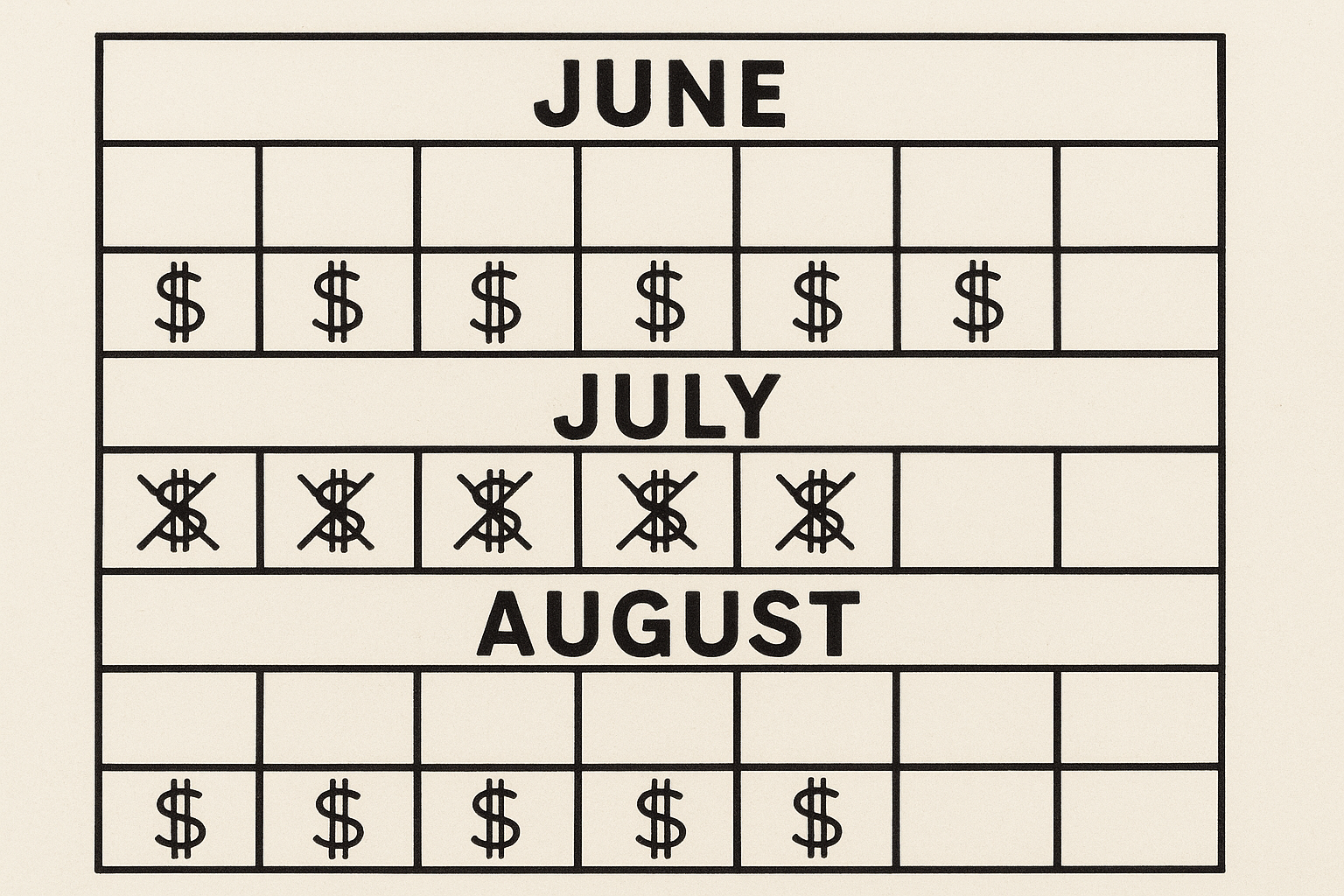
June hits and suddenly your paycheck disappears for three months. Some districts offer extended pay options, but many don’t. You’ll need to budget like you’re freelancing, even though you have a “stable” job.
Paperwork Hell and Document Disasters
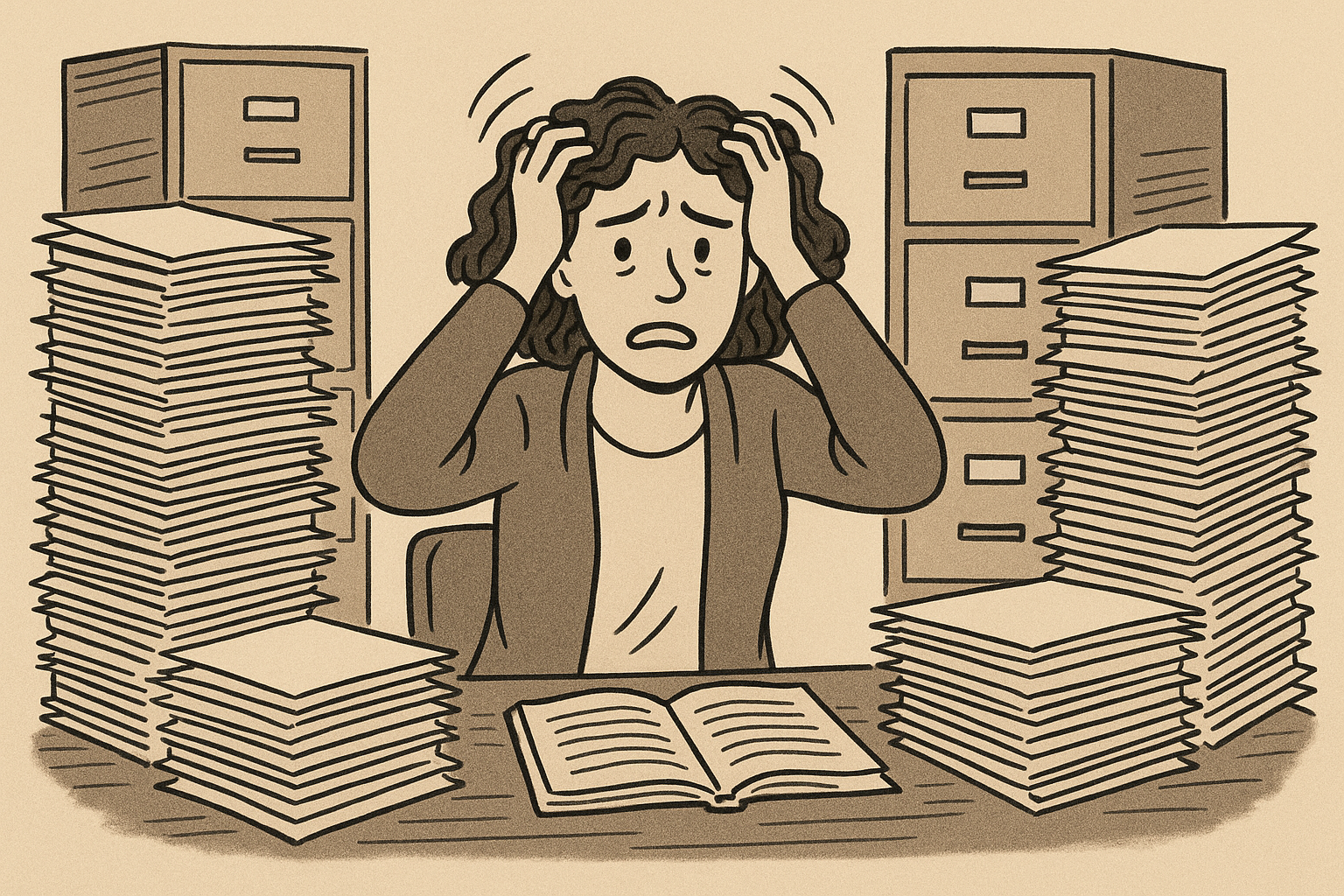
The official certification process is just the beginning of a lifelong documentation nightmare. Illinois teachers must maintain extensive records throughout their careers, and losing crucial documents can derail everything from job applications to certification renewals.
The Paper Trail That Never Ends
Illinois teachers must maintain extensive documentation from initial certification through retirement. Without sophisticated organizational systems, you’ll spend countless hours tracking down lost paperwork when you need it most.
Transcript and Degree Management
Professional educators understand that maintaining proper documentation is crucial for career advancement. Replacing a lost diploma becomes a critical issue when you need immediate verification for job applications or certification renewals, making secure document backup essential for long-term career success.
You’ll need multiple copies of transcripts and degrees throughout your career for various purposes. Losing these documents creates significant delays in certification renewals and job applications.
Certification Renewal Documentation
Maintaining current certification requires tracking professional development hours, continuing education credits, and performance evaluations across multiple years and potentially multiple districts. One missing piece can delay your renewal.
The Illinois Professional Educator License (PEL) is valid for five years and can be renewed by completing professional development credits and paying the $10 registration fee, or $50 for the full five year cycle, according to All Education Schools.
Alternative Certification Pathways
Illinois offers several routes to teaching that bypass traditional education programs, but these paths have unique challenges and requirements that career changers often don’t fully understand before committing. Understanding how to become a teacher in Illinois through alternative routes requires careful consideration of these unique demands.
The Professional Development Substitute Route
Professionals with bachelor’s degrees can begin teaching while completing certification requirements, but this path requires careful planning to balance work and education demands without burning out.
The Master’s Degree Alternative Route
Many career changers consider advanced degrees as their pathway to teaching. Understanding how long does it take to get a teaching degree helps you plan the transition timeline and manage expectations about balancing graduate coursework with teaching responsibilities.
This pathway allows career changers to earn teaching credentials while completing a master’s degree, but requires understanding program quality variations and significant time commitments.
Tom, an engineer, chose the master’s degree alternative route thinking it would be easier than traditional certification. He quickly realized he was juggling full-time teaching responsibilities while completing graduate coursework, student teaching requirements, and passing multiple certification exams. Without proper time management and support systems, he nearly burned out in his first semester before learning to prioritize tasks and seek help from his cohort.
Getting Your Illinois Teaching License (The Real Process)
The actual process of obtaining an Illinois teaching license involves navigating multiple state agencies, understanding specific endorsement requirements, and managing timelines that can make or break career transitions. The ISBE system is more complex than it appears.
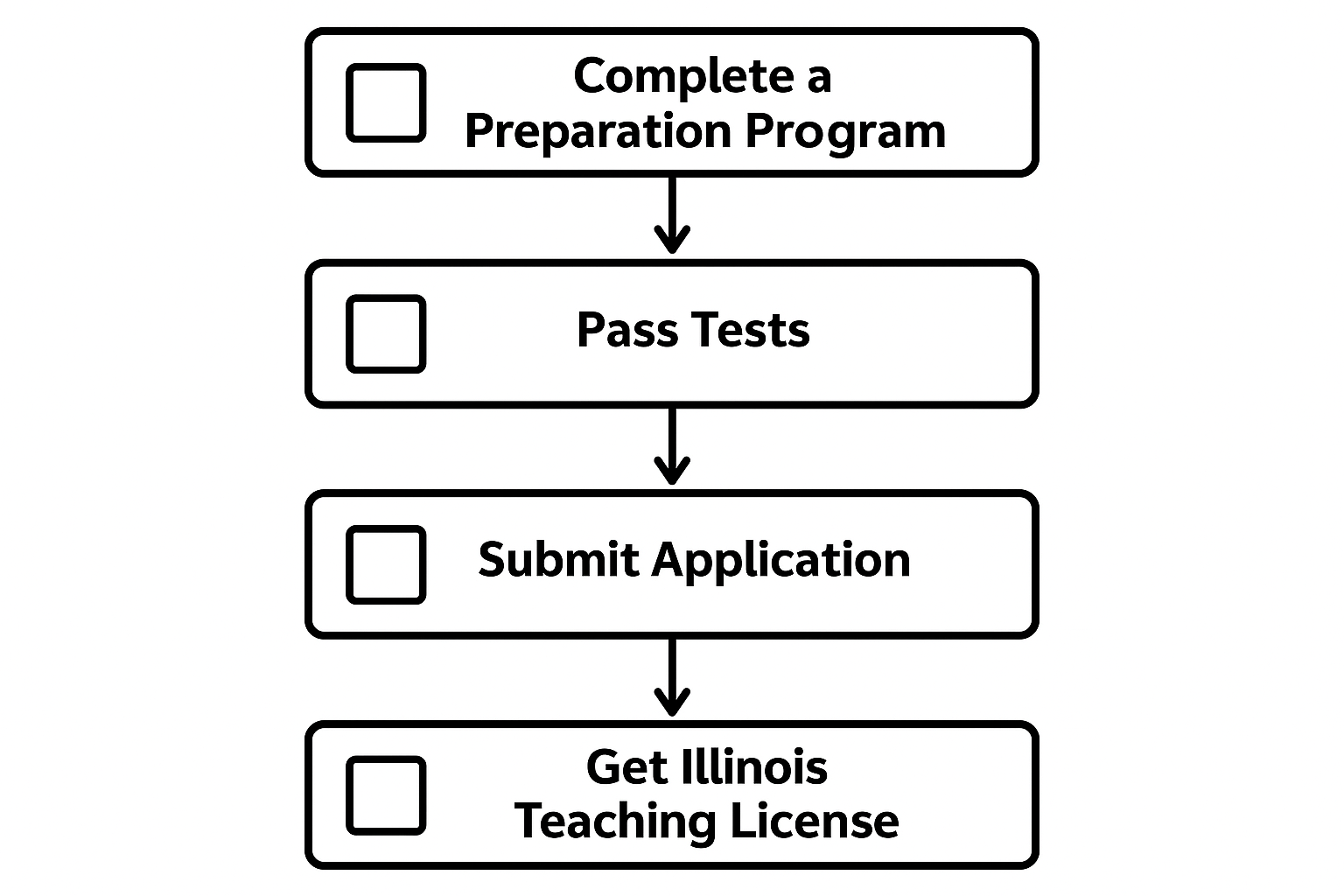
Surviving the ISBE Portal
The Illinois State Board of Education’s online system is your gateway to all licensing activities, but its complexity often overwhelms new applicants who don’t understand the sequential steps required for success.
Choosing the Right Endorsement
Illinois offers dozens of teaching endorsements, each with specific requirements. Choosing the wrong endorsement can limit career opportunities or require additional coursework that costs time and money.
The Illinois State Board of Education’s 2023 Educator Supply and Demand Report indicates that nearly half of all school districts had at least one teacher vacancy during the 2022-2023 school year, with the teacher vacancy rate nearly tripling from 1.1% in 2018 to 3% in 2023, according to Teachers of Tomorrow.
The Background Check Maze
Illinois requires multiple background checks through different agencies. Any discrepancies or delays can halt your licensing process for months, so understanding the requirements upfront is crucial.
Student Teaching Placement Reality
Student teaching placements are often determined by factors beyond academic performance, including school district relationships, geographic limitations, and mentor teacher availability. You have less control over this crucial experience than you might expect.

The Unpaid Labor Problem
Student teachers work full-time without pay while often maintaining part-time employment. This financial stress can derail certification completion if you don’t plan carefully.
Managing Cooperating Teacher Relationships
Your cooperating teacher significantly impacts your student teaching experience and job prospects, but you have limited control over this crucial assignment. Learning to work with different personality types becomes essential.
Emergency Certification Options
Illinois districts can hire teachers with emergency or provisional certificates during teacher shortages, but these positions come with unique challenges and requirements that aren’t always clearly explained.
Understanding Provisional Status Limitations
Teachers on emergency certificates face restrictions on tenure eligibility and must complete certification requirements within specific timeframes or risk losing their positions.
Illinois continues to address teacher shortages through various support programs, as highlighted by the “Illinois Education Association’s resources” IEA, which notes that you can identify shortage areas by visiting the Illinois State Board of Education’s Unfilled Position webpage to find where the need for teachers is greatest.
Your First Classroom: Surviving the Reality Check
The transition from certification to actual teaching involves confronting realities that no preparation program adequately addresses. From classroom management crises to parent communication challenges, your first year will test everything you thought you knew about teaching. This final phase of how to become a teacher in Illinois reveals the true complexity of the profession.

First-Year Survival Mode
New teachers must develop coping strategies for overwhelming workloads, difficult students, and administrative pressures while maintaining their mental health and professional growth. The learning curve is steep and unforgiving.
The Time Management Crisis
First-year teachers often work 60-80 hours per week trying to master lesson planning, grading, and classroom management simultaneously. Without effective systems, you’ll burn out quickly.
First-Year Teacher Survival Checklist:
-
Set up digital filing system for lesson plans and resources
-
Create weekly planning schedule with specific time blocks
-
Establish grading routine (maximum 48-hour turnaround)
-
Identify 3-5 go-to classroom management strategies
-
Build relationships with custodial and office staff
-
Join at least one teacher support group or online community
-
Set boundaries for work-life balance (no emails after 7 PM)
-
Prepare emergency lesson plans for unexpected situations
-
Create parent communication templates
-
Establish self-care routine (exercise, hobbies, social time)
When Classroom Management Theory Meets Reality
Classroom management strategies learned in theory often fail in practice, requiring rapid adaptation and creative problem-solving skills. Every class is different, and what works for one group might backfire with another.
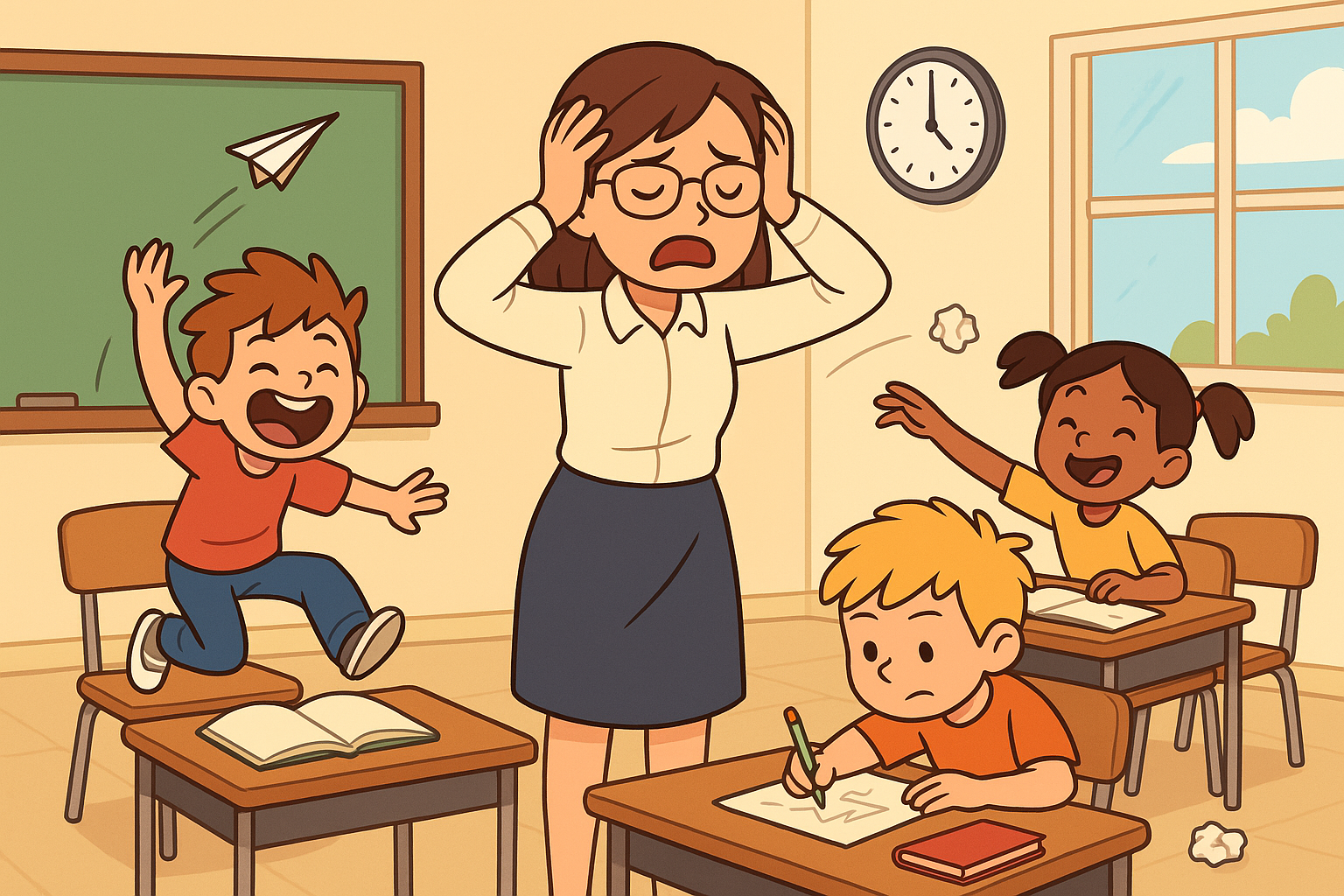
That positive behavior chart you spent hours creating? Half your students will ignore it completely. The quiet voice technique that worked during student teaching? Good luck using it with 30 seventh-graders after lunch on a Friday.
The Parent Communication Minefield
Communicating with parents requires diplomatic skills and cultural sensitivity that extend far beyond subject matter expertise. These relationships can make or break your teaching experience.
Dealing with Helicopter Parents
Overly involved parents can undermine classroom authority and create additional workload through constant communication demands. Setting boundaries while maintaining positive relationships requires finesse.
Reaching Disengaged Parents
Engaging parents who are difficult to contact or seem disengaged requires creative strategies and persistence. Sometimes the parents who seem least involved are dealing with the most challenging circumstances.
Navigating Divorce and Custody Situations
Teachers must understand legal requirements for communicating with divorced parents and handling custody-related classroom situations. One wrong move can create legal problems for you and your district.
Maria, a third-grade teacher, learned the hard way about custody communication when she sent a child’s report card home with the student instead of mailing separate copies to both divorced parents as required by the custody agreement. The non-custodial parent filed a complaint with the district, and Maria had to attend mediation sessions. Now she maintains a spreadsheet tracking all students’ custody arrangements and communication requirements.
The Technology Integration Challenge
Modern teaching requires constant adaptation to new educational technologies while maintaining focus on pedagogical effectiveness. You’ll need to become tech-savvy quickly while not losing sight of actual learning goals.

The Digital Divide Reality
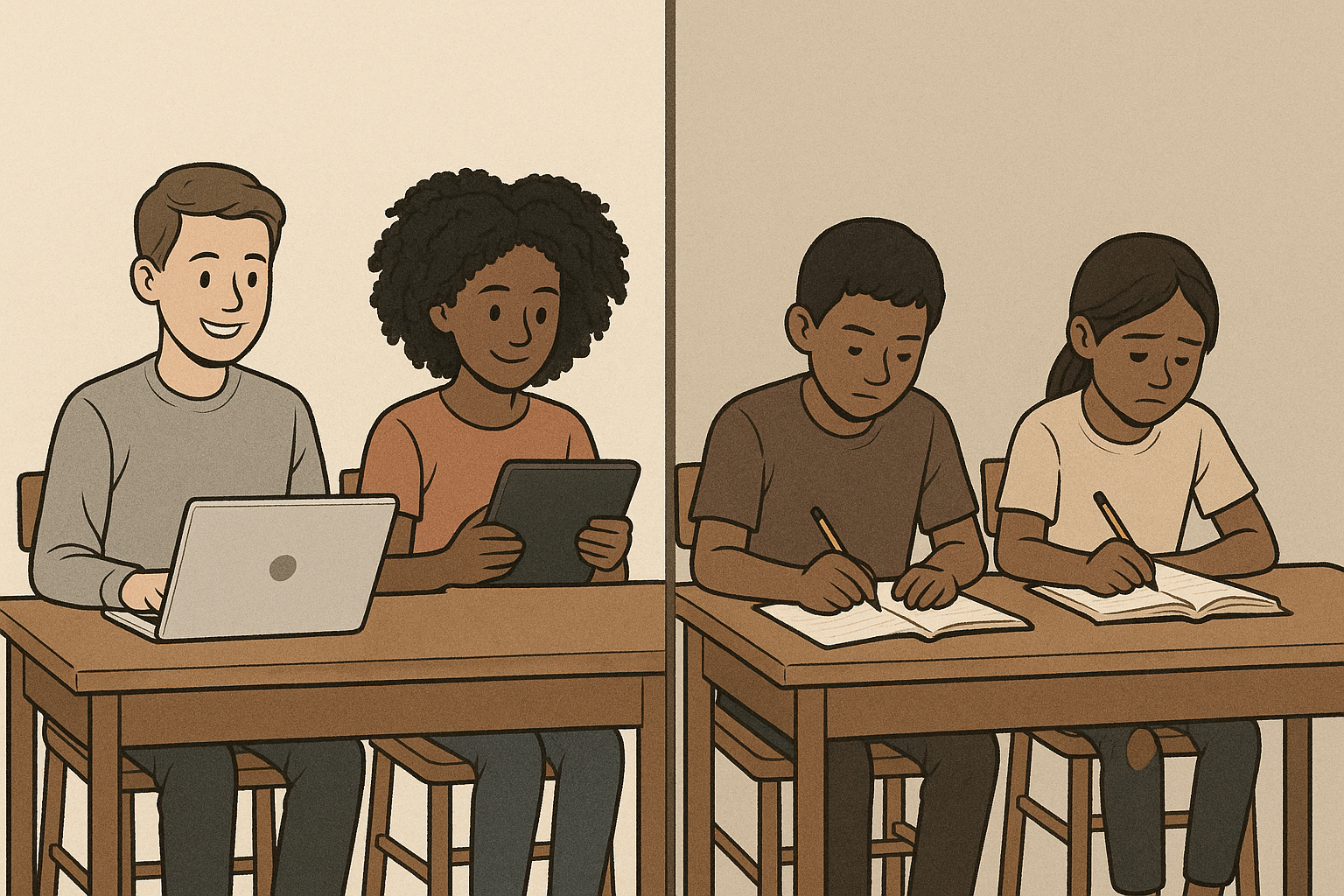
Teachers must address significant disparities in students’ access to technology and internet connectivity. Remote learning highlighted these issues, but they persist in everyday classroom instruction.
For teachers dealing with the constant documentation requirements and the risk of losing crucial educational credentials, understanding how to get a copy of your diploma becomes essential when certification renewals, job applications, or professional development verification require immediate access to your educational documents. Additionally, many educators find that academic transcript management becomes equally important for maintaining proper documentation throughout their teaching careers. ValidGrad provides secure backup copies of diplomas and transcripts, preventing costly delays and administrative headaches.
Final Thoughts
Becoming a teacher in Illinois is far more complex than the official certification process suggests. The psychological transformation, financial realities, political navigation, and documentation challenges create a multi-layered experience that requires preparation beyond what traditional programs provide. For those considering this path, understanding how long does it take to get a teaching certificate helps set realistic expectations for the journey ahead.
Success depends on understanding these hidden aspects and developing strategies to manage them effectively. While the journey is challenging, knowing what to expect allows you to make informed decisions and build the support systems necessary for long-term success in education.