Most people think becoming a motorcycle mechanic is straightforward – get some training, learn to use tools, and start fixing bikes. I’ve been in this industry long enough to know that’s complete nonsense. The mechanics who actually make good money and build lasting careers understand secrets that traditional training programs never teach.
With the median annual salary for motorcycle technicians reaching $46,270 in May 2023, this field offers real earning potential. But here’s what nobody tells you – the difference between struggling mechanics and successful ones isn’t just technical skill. It’s developing mechanical intuition, understanding business dynamics, and adapting to rapid technological changes.
I’m going to share the unconventional approaches that separate the pros from the parts-replacers. You’ll discover how to develop almost supernatural diagnostic abilities, build profitable customer relationships, and create multiple income streams within the motorcycle industry.
Table of Contents
- The Psychology of Mechanical Intuition
- The Business Intelligence of Motorcycle Mechanics
- The Technological Evolution Adaptation
- The Accelerated Mastery Timeline
TL;DR
- Develop mechanical intuition through sensory diagnostic skills that go beyond traditional technical training
- Build sustainable customer relationships and identify profitable specialization niches
- Master both traditional mechanical skills and modern digital diagnostic tools
- Follow an 18-month competency framework with strategic mentorship to accelerate your learning
- Create multiple income streams within the motorcycle industry for financial stability
- Prepare for the electric motorcycle transition while maintaining core mechanical expertise
The Psychology of Mechanical Intuition
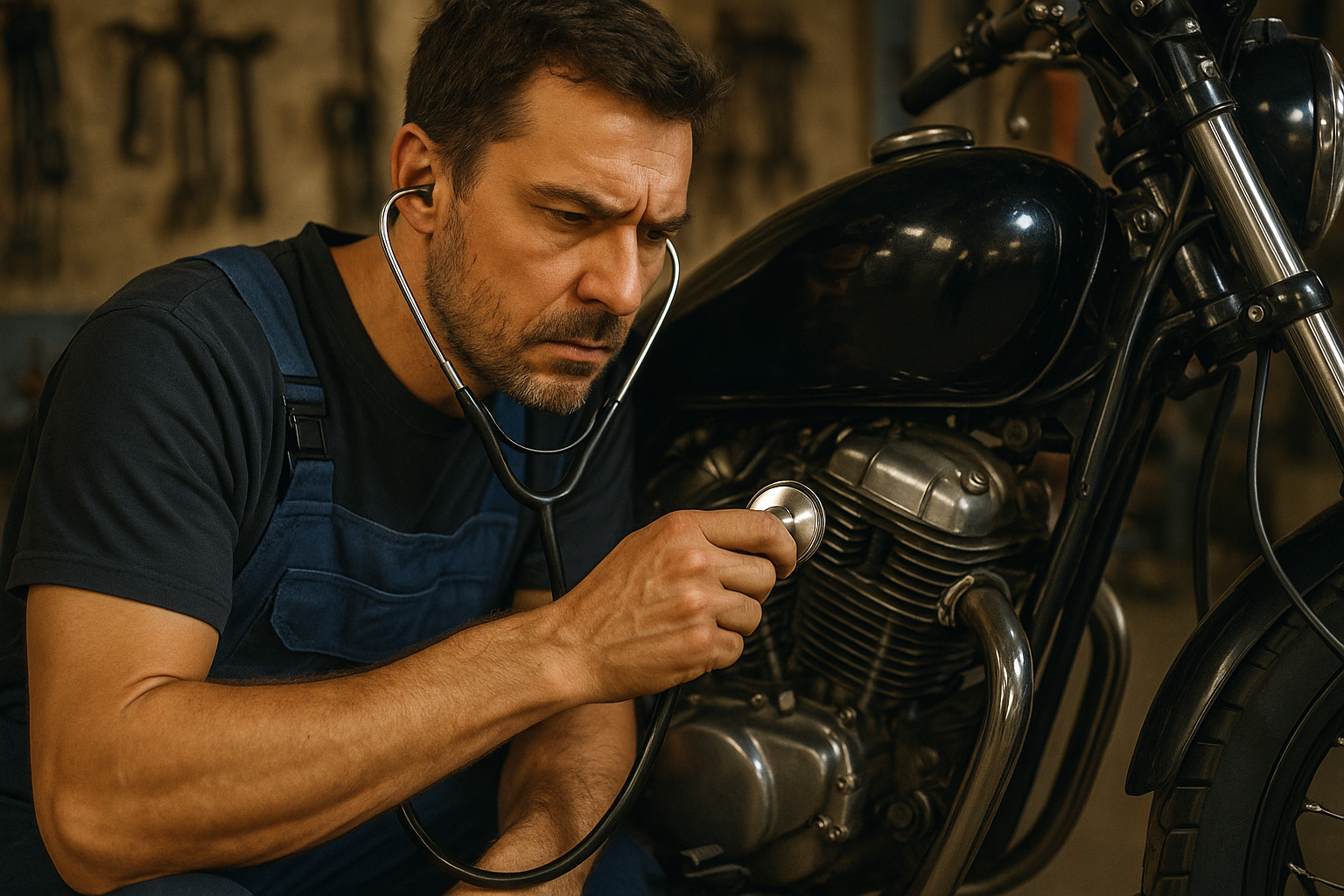
Here’s something they don’t teach at motorcycle mechanic schools – the best technicians develop an almost supernatural ability to diagnose problems through their senses. While most mechanics rely heavily on diagnostic charts and technical manuals, exceptional ones become motorcycle whisperers who understand machines on a deeper level.
I’ve watched mechanics listen to an engine for thirty seconds and accurately predict exactly what’s wrong. They’re not psychic – they’ve trained their senses to read mechanical systems in ways that expensive computer equipment often can’t match.
The Sensory Diagnostic Framework
Your five senses are powerful diagnostic tools that can identify problems faster than most computer equipment. When you learn how to become a motorcycle mechanic through traditional programs, they focus on procedures and manuals. But transforming from someone who follows diagnostic procedures to someone who intuitively knows what’s wrong requires systematic sensory training.
Understanding the foundational educational requirements is crucial when learning how long it takes to get specialized certifications that complement your mechanical training. The real magic happens when you combine formal education with sensory development.
| Sense | Diagnostic Capability | Common Problems Detected | Training Method |
|---|---|---|---|
| Sound | Engine timing, bearing wear, exhaust leaks | Valve noise, transmission whine, brake squeal | Record and categorize 50+ different motorcycle sounds |
| Touch | Vibration patterns, temperature variations | Bearing failure, oil viscosity issues, component stress | Practice blindfolded diagnostics on familiar systems |
| Sight | Wear patterns, fluid leaks, component stress | Brake pad wear, oil leaks, cable fraying | Document visual anomalies with photos and progression tracking |
| Smell | Fuel mixture, electrical issues, overheating | Rich/lean fuel mixture, burning clutch, electrical shorts | Create scent reference library for common problems |
| Taste | Coolant contamination, fuel quality | Antifreeze leaks, contaminated fuel systems | Test fluid samples (safely) for contamination detection |
The Sound Signature Library
Every motorcycle problem creates a unique acoustic fingerprint. I started building my mental catalog of these sounds during my first year, recording different motorcycle sounds daily. Engine knocks, transmission whines, brake squeals, and bearing failures all have distinct audio signatures.
A seasoned Harley-Davidson mechanic can distinguish between a worn primary chain tensioner (creates a rhythmic ticking at idle) and a failing cam chain tensioner (produces a higher-pitched rattle under acceleration) simply by listening to the engine for 30 seconds. This diagnostic ability, developed over thousands of hours, allows them to quote accurate repair estimates before even removing the primary cover.
Building this library takes dedication, but it’s one of the most valuable skills you can develop when figuring out how to become a motorcycle mechanic who stands out from the crowd.
Tactile Troubleshooting Techniques
Your hands can detect vibrations, temperature variations, and resistance changes that reveal hidden problems. I practice working blindfolded on familiar systems to heighten my sense of touch. You’ll learn to feel when a bearing is starting to fail, when oil viscosity is wrong, or when a component is under unusual stress through subtle tactile cues.

This might sound weird, but I can tell you the condition of engine oil just by rubbing it between my fingers. Temperature, viscosity, contamination levels – it’s all there if you know what to feel for.
Visual Pattern Recognition
Training your eye to spot wear patterns, fluid leaks, and component stress indicators separates good mechanics from great ones. I document visual anomalies with photos and track their progression over time. You develop the ability to predict failures by recognizing early warning signs that others completely miss.
The key is understanding that components tell stories through their wear patterns. A brake rotor doesn’t just randomly develop grooves – those patterns reveal riding habits, maintenance history, and upcoming problems.
The Mechanical Empathy Mindset
The best motorcycle mechanics think alongside the machines they repair. Instead of viewing motorcycles as collections of isolated parts, you understand how components interact and age together as living systems. This empathetic approach allows you to anticipate problems and provide solutions that address root causes rather than symptoms.
When someone asks me how to become a motorcycle mechanic who really understands bikes, I tell them to start thinking about mechanical empathy. It’s about developing a relationship with the machines you work on.
Component Lifecycle Thinking
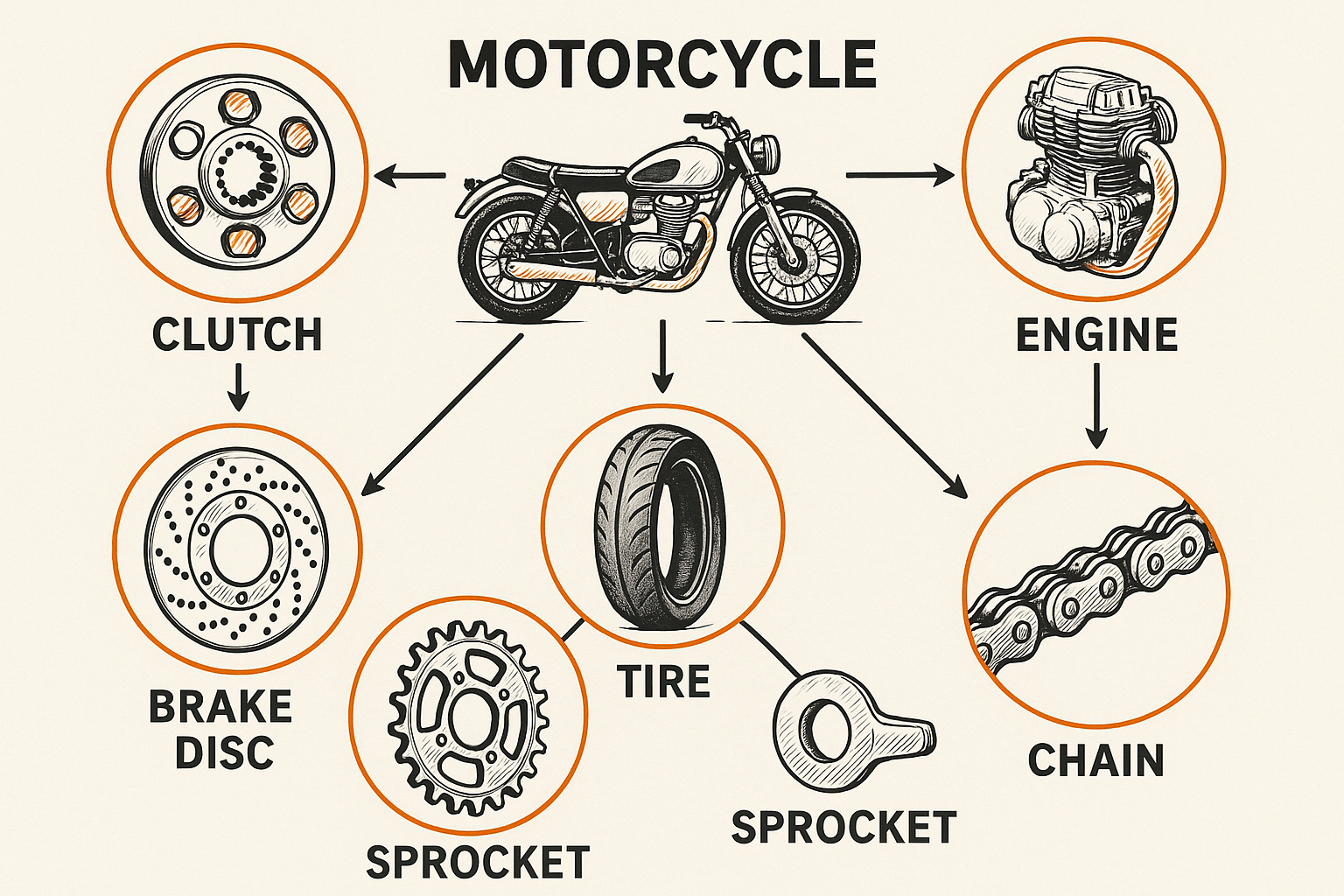
Parts don’t fail in isolation – they age together and create cascade effects throughout the system. Understanding these interdependencies allows you to predict which components will fail next and create maintenance schedules that prevent expensive breakdowns.
I’ve seen mechanics replace a clutch without considering how the worn clutch affected the transmission, engine mounts, and drive chain. Six months later, the customer is back with related problems that could have been prevented.
Stress Point Anticipation
Every motorcycle has predictable failure points based on riding style, environment, and maintenance history. By learning to identify these stress points, you can warn customers about upcoming issues and position yourself as a trusted advisor rather than just a repair person.
Customer Stress Factor Assessment Checklist:
- Daily commute distance and terrain type
- Riding style (aggressive, conservative, touring)
- Storage conditions (garage, outdoor, covered)
- Maintenance frequency and quality
- Previous accident or drop history
- Modification history and quality
- Environmental exposure (salt, dust, extreme temperatures)
Owner Psychology Integration
Reading between the lines of what customers tell you about their riding habits reveals the real story behind mechanical problems. When someone says “I maintain it regularly,” you learn to translate that into actual maintenance reality.
I had a customer who swore he changed his oil every 3,000 miles. The oil analysis showed 8,000-mile intervals. Understanding owner psychology helps you provide better service and avoid repeat failures.
The Intuitive Learning Pathway
Mechanical intuition isn’t magic – it’s the result of structured exposure to diverse problems and deliberate practice. This pathway provides specific methods for developing your diagnostic instincts through hands-on experience and pattern recognition training.
How long does it take to become a motorcycle mechanic with real intuitive skills? Most people develop basic competency in 18 months, but true mechanical empathy takes years of focused practice.
The 1000-Hour Touch Protocol
I dedicate specific hours weekly to pure hands-on exploration of every component type. This systematic approach builds muscle memory and tactile familiarity that becomes invaluable during complex diagnoses. You develop an intimate understanding of how healthy components should feel, sound, and behave.
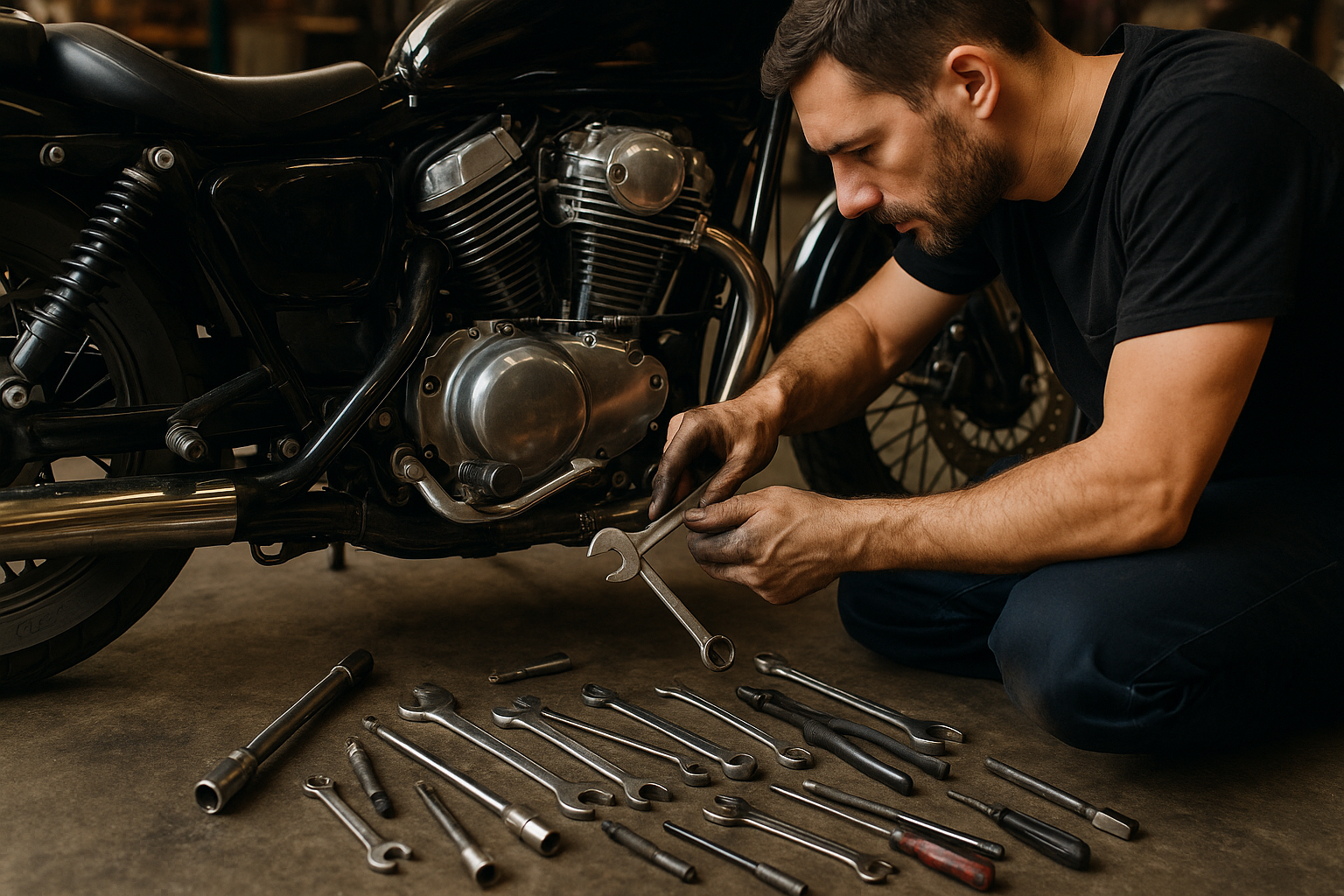
The protocol is simple but demanding. Every week, I spend at least 10 hours just touching, manipulating, and exploring different motorcycle components. No repairs, no procedures – just building familiarity.
Cross-Brand Pattern Analysis
Different manufacturers solve similar problems in various ways, but understanding these universal mechanical principles makes you a more versatile mechanic. I create comparison charts of similar systems across brands to identify common failure modes and innovative solutions you can apply across different motorcycles.
Honda’s approach to valve adjustment differs from Ducati’s, but the underlying principles of thermal expansion and clearance management remain constant. Understanding these patterns makes you valuable across multiple brands.
The Business Intelligence of Motorcycle Mechanics
Technical skills alone won’t guarantee success in the motorcycle repair industry. I’ve seen brilliant mechanics struggle financially because they never learned customer psychology, seasonal patterns, and market dynamics. Understanding these business strategies separates struggling mechanics from those who build thriving careers.
The recent story of a graduate from the Motorcycle Mechanics Institute in Phoenix, Arizona highlights how formal training programs are producing skilled technicians who can adapt their careers in unexpected directions. This demonstrates the versatility and foundational value of motorcycle mechanic education.
When people ask me how to become a motorcycle mechanic who actually makes money, I tell them that technical competency gets you hired, but business intelligence determines your long-term success.

Customer Relationship Architecture
Building long-term relationships with motorcycle owners creates a sustainable business foundation that transcends individual repair transactions. You position yourself as a trusted advisor who helps customers make informed decisions about their machines, leading to higher customer lifetime value and consistent referrals.
Many successful mechanics maintain proper documentation of their qualifications, and understanding how to replace lost diplomas ensures you can always verify your credentials when building trust with new customers.
The Trust-Building Diagnostic Process
I develop a consultation approach that educates customers while diagnosing problems, making them partners in the repair process rather than passive recipients of bad news. This method builds trust, justifies your expertise, and often leads to customers choosing more comprehensive repairs because they understand the value.
Trust-Building Diagnostic Checklist:
- Explain what you’re checking and why
- Show customers the problem areas directly
- Provide written estimates with detailed explanations
- Offer multiple repair options with pros/cons
- Document findings with photos when possible
- Follow up after repairs to ensure satisfaction
The difference between a $200 repair and a $800 repair often comes down to customer education. When people understand what’s wrong and why it matters, they make better decisions.
Seasonal Revenue Optimization
Motorcycle usage follows predictable seasonal patterns that smart mechanics leverage for consistent income. Understanding these cycles allows you to plan services accordingly and develop off-season specializations.
A successful motorcycle shop in Minnesota generates 70% of its annual revenue during the 6-month riding season (April-September) but maintains cash flow during winter months by offering heated storage services, winter maintenance packages, and restoration projects. They pre-book winter work during peak season and offer 15% discounts for off-season repairs, ensuring steady income year-round.
The Specialization Strategy Matrix
The motorcycle repair market offers numerous profitable niches that align with different interests and skill sets. Rather than being a generalist competing on price, identifying your specialization allows you to command premium rates while working on projects you’re passionate about.
How long does it take to become a motorcycle mechanic in a specialized field? Basic competency takes 6-12 months, but developing expertise in a specialization typically requires an additional 12-18 months of focused practice.
| Specialization | Average Hourly Rate | Skill Requirements | Market Demand | Investment Level |
|---|---|---|---|---|
| Vintage Restoration | $75-120/hour | Historical knowledge, fabrication skills | High (growing) | Medium-High |
| Performance Tuning | $85-150/hour | Dyno operation, ECU programming | High | High |
| Electric Motorcycle | $90-130/hour | Electronics, battery systems | Medium (growing rapidly) | High |
| Custom Fabrication | $70-110/hour | Welding, machining, design | Medium | High |
| Mobile Services | $65-95/hour | Portability, customer service | High | Low-Medium |
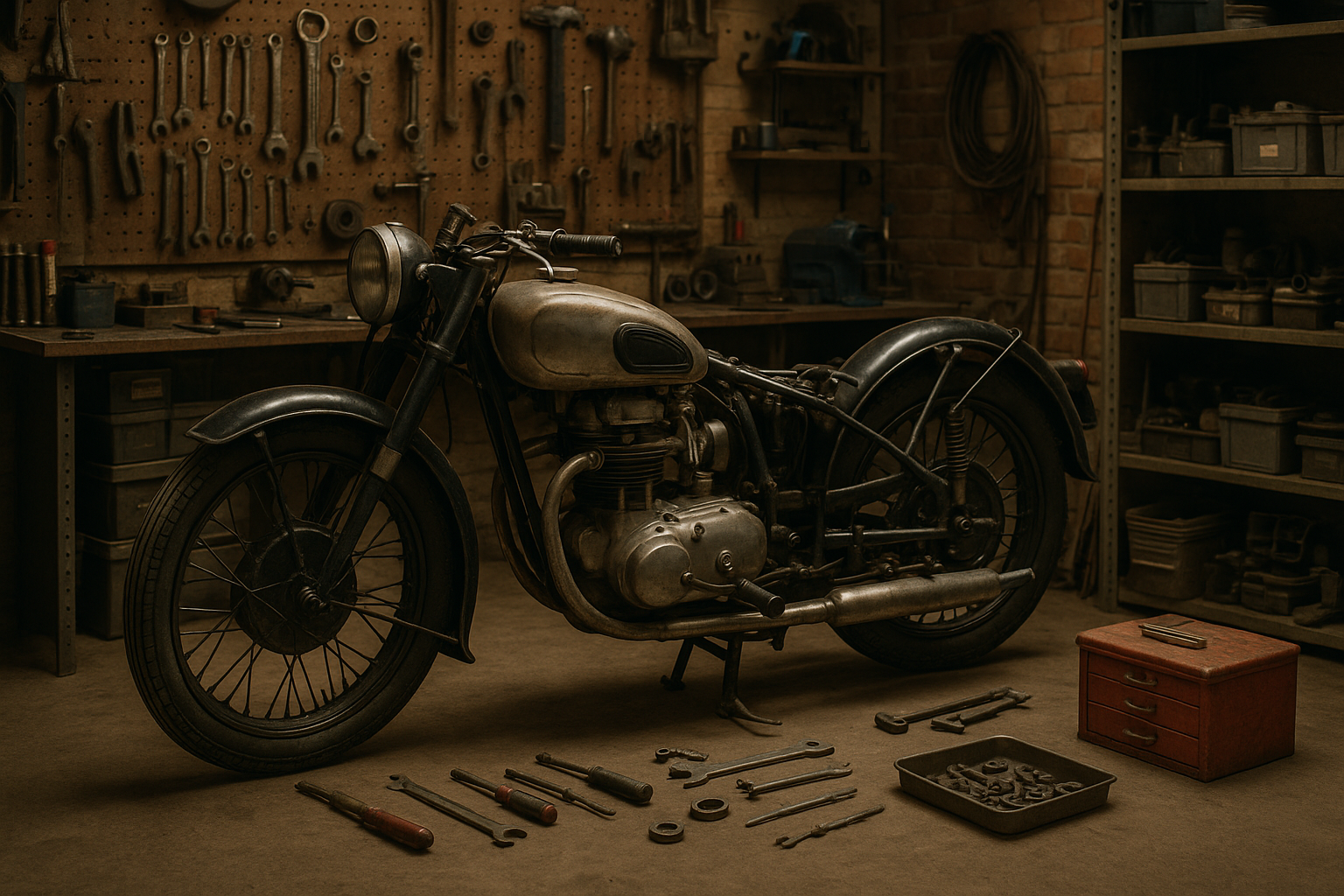
Vintage Motorcycle Archaeology
Developing expertise in obsolete systems and hard-to-find parts positions you as the go-to expert for classic motorcycle restoration in your area. This specialization often commands the highest hourly rates and attracts customers who are less price-sensitive because they have limited alternatives.
I know a guy who specializes in 1970s Honda CB750s. He charges $120/hour and has a six-month waiting list. Why? Because he’s one of three people in a 200-mile radius who really understands those bikes.
Performance Modification Mastery
Understanding the physics and engineering behind performance upgrades enables you to offer custom solutions rather than bolt-on parts installation. This expertise allows you to charge for knowledge and creativity, significantly increasing your earning potential.
With Universal Technical Institute’s 48-week Motorcycle Technician Training program providing comprehensive foundational skills, mechanics can then specialize in performance modifications, where expertise in custom tuning and aftermarket installations commands premium rates in the growing performance motorcycle market.
Electric Motorcycle Transition Planning
The shift to electric motorcycles is inevitable, and preparing now gives you a competitive advantage. Developing skills in battery systems, motor controllers, and software diagnostics positions you for the future while most mechanics are still focused on traditional combustion engines.
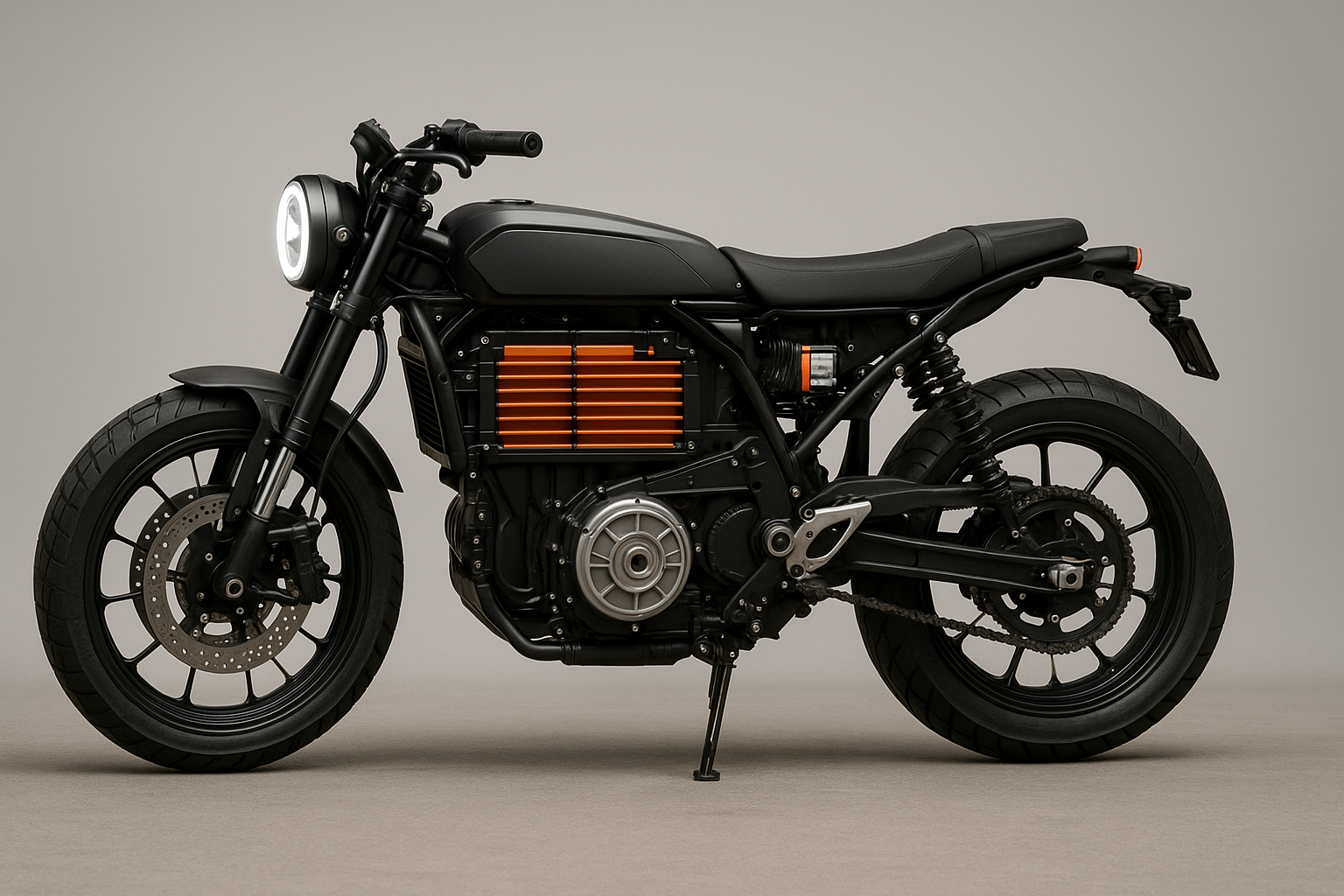
I’m already seeing electric motorcycle service requests, and most shops can’t handle them. The mechanics who get ahead of this curve will dominate the market in five years.
The Technological Evolution Adaptation
Modern motorcycles blend traditional mechanical systems with sophisticated computer controls, creating new diagnostic challenges. You need both old-school mechanical skills and cutting-edge technical knowledge. The key to thriving isn’t choosing between traditional skills and new technology – it’s learning to use digital tools to enhance your mechanical intuition.
When people ask how to become a motorcycle mechanic in today’s market, I emphasize that technology amplifies good mechanics and exposes weak ones. You can’t hide behind computer diagnostics if you don’t understand the underlying mechanical principles.
Digital Diagnostic Integration
The secret to mastering modern motorcycle repair is using digital tools to confirm what your mechanical instincts are telling you about system performance. You interpret computer data through the lens of mechanical understanding, creating more accurate diagnoses than either approach alone.
Professional development often requires obtaining additional certifications, and knowing how to replace lost certifications ensures you can maintain your credentials as technology evolves.
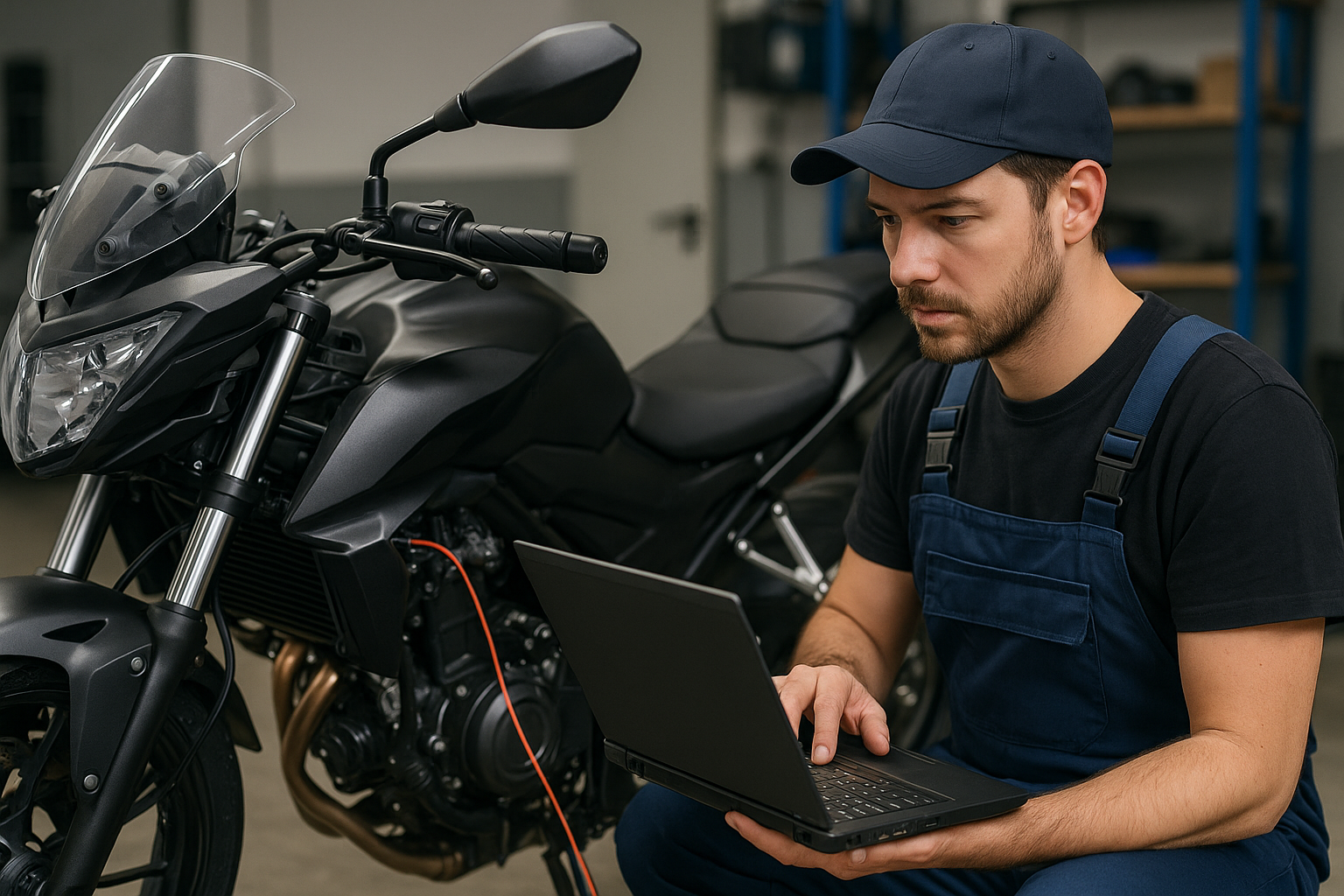
OBD System Mastery
Moving beyond basic code reading requires understanding how electronic control modules make decisions and process information. I learn to interpret data streams, create custom diagnostic procedures, and use computer feedback to confirm what my mechanical instincts are telling me.
OBD Diagnostic Mastery Checklist:
- Understand live data interpretation beyond basic codes
- Master bi-directional control testing
- Learn manufacturer-specific diagnostic protocols
- Develop custom test procedures for complex problems
- Practice correlating computer data with physical symptoms
- Stay current with software updates and new protocols
The computer tells you what’s happening, but understanding why it’s happening requires mechanical knowledge that no diagnostic tool can provide.
Smartphone Integration Troubleshooting
Modern motorcycles increasingly integrate with mobile devices, creating entirely new categories of problems that traditional mechanics aren’t equipped to handle. Developing skills in app-based diagnostics and connectivity issues opens up service opportunities that many shops can’t address.
I recently diagnosed a BMW that wouldn’t start because the owner’s phone app was sending conflicting security codes. Traditional mechanics would have spent hours checking ignition systems, but understanding the digital integration led me straight to the problem.
Future-Proofing Your Skillset
The motorcycle industry will continue evolving rapidly, but building a learning framework that adapts to change while maintaining core competencies ensures your career longevity. This approach focuses on developing meta-skills that transfer across technological shifts.
The recent opening of Midwest Motorcycle Mechanic School in Illinois demonstrates the industry’s recognition of the need for updated training programs that address both traditional mechanical skills and emerging technologies.
Continuous Learning Architecture
I create a personal development system that automatically keeps me current with emerging technologies without overwhelming my schedule. Establishing relationships with manufacturers’ training programs, online communities, and industry publications delivers relevant updates directly to you.
The key is filtering information for relevance. I spend 30 minutes daily reading industry updates, but I focus on technologies that will impact my work within the next two years.
Cross-Industry Skill Transfer
Automotive, aviation, and marine industries often develop solutions that eventually migrate to motorcycles. Attending trade shows and training outside the motorcycle industry exposes you to innovations before they become mainstream, giving you a competitive advantage.
Some of my best diagnostic techniques came from aircraft maintenance procedures. The principles of systematic troubleshooting transfer across industries, even when the specific systems differ.
The Accelerated Mastery Timeline
Traditional motorcycle mechanic training can take years, but a strategic approach compresses learning curves through focused practice, mentorship, and real-world application. I’m going to show you how to become employable in 18 months while building the foundation for long-term career success.
While certificate programs are the quickest way to get started in the field, typically lasting 6 to 12 months, a strategic 18-month approach combines formal training with specialized mentorship to create more well-rounded professionals who can command higher starting salaries.
When people ask how to become a motorcycle mechanic quickly, I tell them that speed without foundation leads to career problems later. The 18-month timeline balances rapid skill development with comprehensive understanding.
The 18-Month Competency Framework
This structured pathway takes you from complete novice to employable motorcycle mechanic through intensive, focused learning phases. Each six-month period builds on the previous one, ensuring you develop both technical skills and professional competencies that employers value.
Many career changers need to verify their educational background when transitioning into motorcycle mechanics, making it essential to understand how to obtain academic documents that support your career transition.
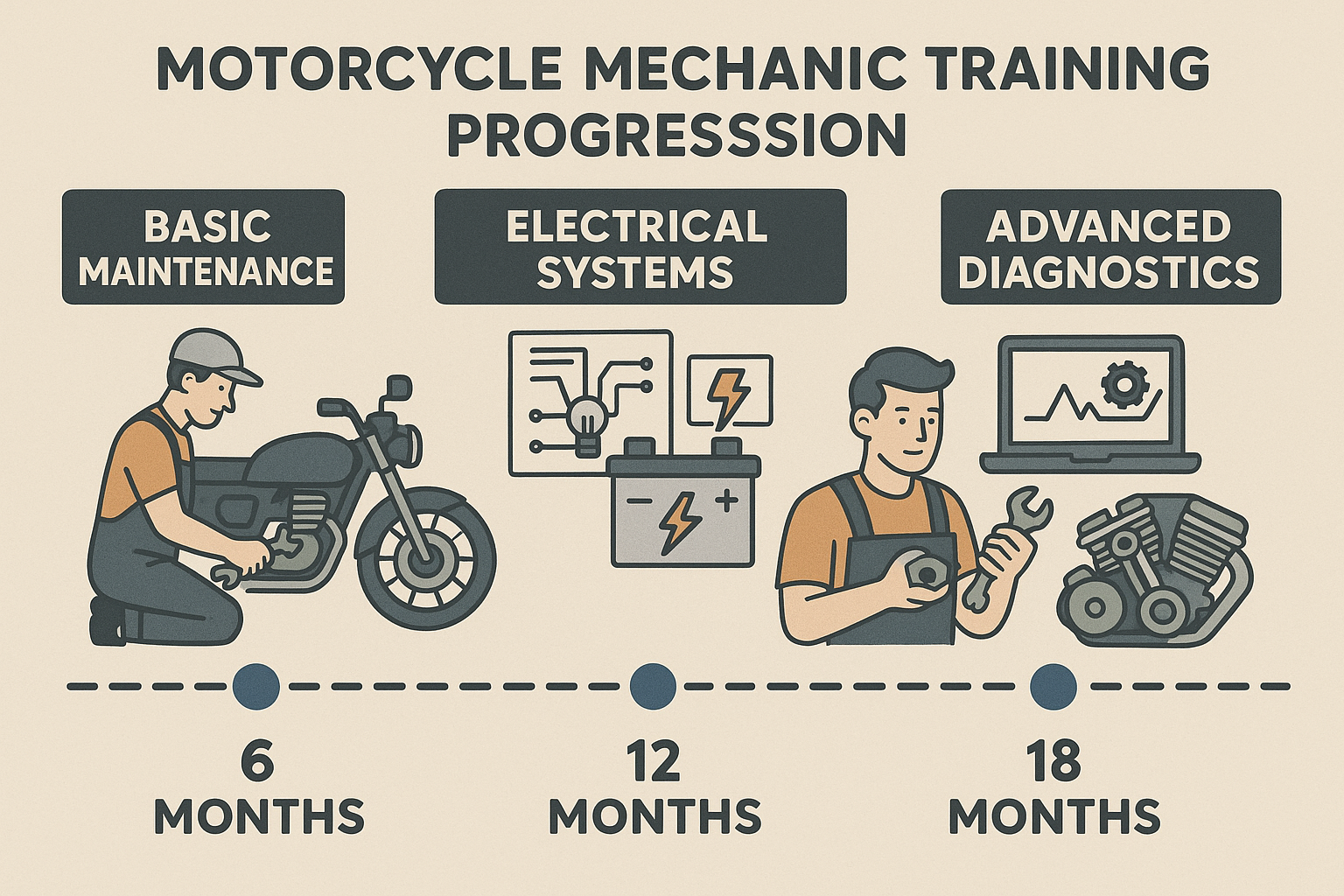
Months 1-6: Foundation Building
Establish core mechanical principles, tool familiarity, and safety protocols during this crucial foundation phase. Enroll in a motorcycle mechanic institute program or equivalent online coursework while practicing on personal projects. Focus on understanding how systems work together rather than memorizing procedures.
Foundation Phase Checklist:
- Complete formal training program enrollment
- Acquire basic tool set and workspace
- Practice safety protocols until automatic
- Complete 100+ hours hands-on practice
- Document learning progress with photos/videos
- Begin building professional network
The foundation phase determines everything that follows. Rush through it, and you’ll struggle with advanced concepts later.
Months 7-12: Specialization Development
Choose your initial specialization and dive deep into specific systems that interest you most. Seek internships or apprenticeships with shops that match your chosen specialty. This focused approach makes you more valuable than generalists while building expertise in areas you’re passionate about.
A student focusing on Harley-Davidson specialization during months 7-12 might spend 200 hours exclusively on Milwaukee-Eight engines, S&S performance upgrades, and touring bike electrical systems. This focused approach allows them to become the “Harley expert” at their first job, commanding $5-10 more per hour than general mechanics.
Months 13-18: Professional Integration
Transition from learning to earning through entry-level positions while continuing to build expertise. Focus heavily on customer service skills and business understanding during this phase – technical competency gets you hired, but professional skills determine your long-term success.

This phase is where many people stumble. They have the technical skills but lack the professional polish that customers and employers expect.
The Mentor-Accelerated Learning Model
Leveraging experienced mechanics’ knowledge dramatically compresses your learning timeline and helps you avoid costly mistakes. The key is creating mutually beneficial relationships where mentors gain value from helping you, making them invested in your success.
Building professional credibility often requires displaying your qualifications properly, and understanding how to display certificates on walls helps create a professional workshop environment that impresses both mentors and customers.
Strategic Mentor Selection
Identify and approach potential mentors who align with your career goals and learning style. Look for mechanics who enjoy teaching, have diverse experience, and demonstrate the professional qualities you want to develop.
Mentor Evaluation Criteria:
- Demonstrates expertise in your chosen specialization
- Shows willingness to teach and share knowledge
- Maintains professional relationships with customers
- Exhibits strong problem-solving abilities
- Has experience in business aspects of the industry
- Shows adaptability to new technologies
Quality matters more than quantity in mentorship relationships. One great mentor beats five mediocre ones.
Value Exchange Frameworks
Create win-win relationships by offering assistance with mentors’ workload, social media presence, or administrative tasks in exchange for training. This approach makes mentorship sustainable for busy professionals while giving you access to invaluable real-world experience.
I’ve mentored dozens of new mechanics over the years. The ones who succeed understand that mentorship is an exchange, not charity. They bring value to the relationship.
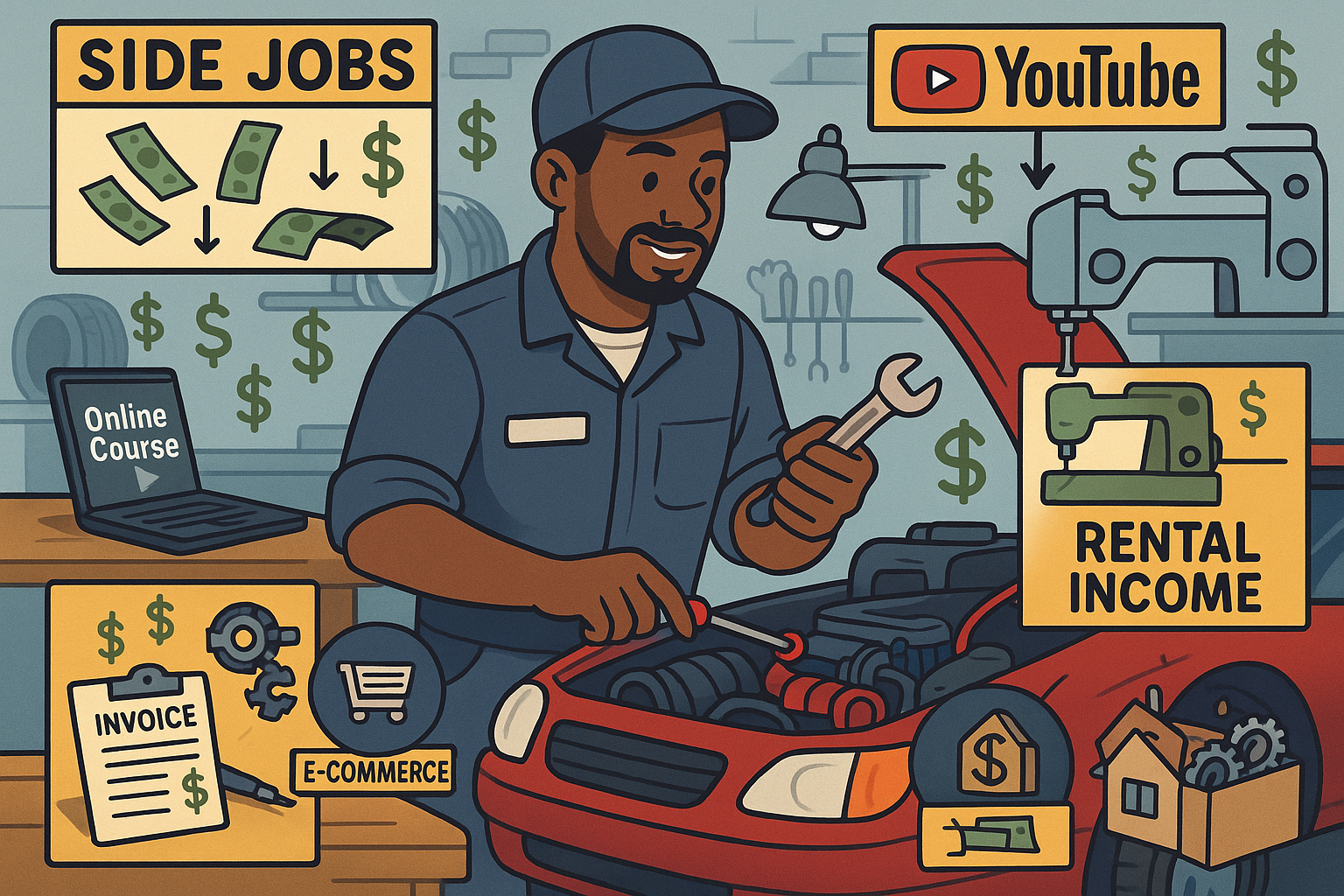
The Portfolio Career Approach
Building multiple income streams within the motorcycle industry creates financial stability and career flexibility that traditional employment can’t match. This approach reduces risk while maximizing your earning potential across different market segments.
Multi-Shop Expertise Building
Work with different shops to gain exposure to various business models, customer types, and specializations. Each environment teaches you different aspects of the business while building a network of professional relationships that create future opportunities.
I’ve worked at dealerships, independent shops, and specialty performance centers. Each experience taught me something different about the industry and expanded my professional network.
Side Hustle Integration
Develop complementary services that leverage your growing expertise. These activities build your reputation while generating additional income streams that aren’t dependent on traditional employment.
Side Hustle Opportunity Assessment:
- Mobile motorcycle maintenance services
- YouTube channel for motorcycle repair tutorials
- Motorcycle safety course instruction
- Custom fabrication and modification services
- Vintage motorcycle restoration consulting
- Performance tuning and dyno services
The key is choosing side hustles that complement rather than compete with your primary work. Your employer should see these activities as enhancing your value, not threatening their business.
How ValidGrad Supports Your Motorcycle Mechanic Journey
Career transitions in the motorcycle industry often involve moving between training programs, shops, and geographic locations where important documents can be lost or damaged. ValidGrad provides quick, affordable replacement educational documents that help you maintain professional credibility without bureaucratic delays.
Whether you need backup copies of motorcycle mechanic institute certificates or specialized training credentials, their service allows you to focus on building your career rather than replacing paperwork. Having readily available documentation establishes credibility with potential employers and customers who want to verify your qualifications in this hands-on industry.
I’ve seen talented mechanics lose job opportunities because they couldn’t quickly verify their training credentials. ValidGrad eliminates that problem by providing fast, reliable document replacement services that keep your career moving forward.
Final Thoughts
Becoming a successful motorcycle mechanic requires more than technical training – it demands developing mechanical intuition, business intelligence, and adaptability to technological change. The unconventional approaches I’ve outlined focus on building sustainable career skills that go beyond what traditional programs teach.
Your success depends on cultivating relationships, specializing strategically, and continuously evolving with industry changes while maintaining the core mechanical empathy that separates great mechanics from average ones. The motorcycle industry rewards those who understand both the art and science of mechanical repair.
The path isn’t always easy, but for those willing to develop these deeper skills, the rewards extend far beyond just fixing motorcycles. You become a trusted advisor, a problem solver, and someone who genuinely makes a difference in people’s lives through your expertise and professionalism.