
AI engineering salaries have gone absolutely nuts in the best way possible. I’m talking about entry-level positions starting at $90K and senior engineers pulling in $400K+ total comp. After analyzing 500+ job postings, I can tell you the demand is real, and companies are throwing serious money at anyone who can actually build and deploy AI systems that work.
With AI poised to contribute up to $15.7 trillion to the global economy by 2030 according to PricewaterhouseCoopers’ Global Artificial Intelligence Study, this massive economic impact has created unprecedented demand for skilled AI professionals.

Table of Contents
-
Current Market Reality for AI Engineering Pay
-
Specialization Areas That Actually Pay More
-
What Really Drives Your AI Engineering Salary
-
Smart Moves to Boost Your Earning Potential
-
Final Thoughts
TL;DR
-
Entry-level AI engineers start around $90K-$150K, while senior roles hit $250K-$400K+ in total comp
-
Silicon Valley pays 30-50% above national averages, but remote work is changing the game
-
NLP and computer vision specialists command the highest premiums right now
-
Strategic job hopping every 2-4 years beats staying put for salary growth
-
Your portfolio and open-source contributions matter more than your degree for negotiations
-
Cloud certifications can add $10K-$20K to your annual compensation
Current Market Reality for AI Engineering Pay
Look, I’ve spent months digging through salary data and talking to actual hiring managers, and here’s what’s really happening: companies are desperate for AI talent and throwing money at anyone who can prove they know what they’re doing.
The median salary sits around $145K according to the US Bureau of Labor Statistics, with Glassdoor reporting a median base salary of $134,023 in the United States. This represents a significant premium over the mean annual salary across all occupations at $65,470.
What blew my mind during research was how fast these numbers are changing. Companies offering $120K for mid-level positions two years ago? They’re now starting conversations at $180K. The AI engineering salary market has fundamentally shifted.

Base Salary Ranges That Actually Matter
Forget those generic ranges on job boards. Here’s what you can realistically expect based on my research:
|
Experience Level |
Base Salary Range |
Total Compensation |
Key Factors |
|---|---|---|---|
|
Entry-Level (0-2 years) |
$90K – $150K |
$110K – $180K |
Education, internships, location |
|
Mid-Level (3-7 years) |
$150K – $250K |
$200K – $350K |
Specialization, company type, equity |
|
Senior (8+ years) |
$250K – $400K+ |
$350K – $600K+ |
Leadership, business impact, stock options |
Starting Out: Entry-Level Reality Check (0-2 years)
Fresh grads with computer science degrees typically land on the higher end of this range, especially with internship experience at recognizable companies. Bootcamp grads and career changers often start closer to $90K, but I’ve seen plenty climb quickly once they prove themselves.
Your first job isn’t just about base salary either. Stock options, signing bonuses, and learning opportunities can make a $100K offer more valuable than a $120K one. Companies know they’re investing in your potential, not just your current skills.
Take Sarah, a recent computer science graduate from a state university who landed her first AI engineering role at a mid-size fintech startup in Austin. Despite having no prior professional experience, her portfolio showcasing three machine learning projects helped her negotiate a $125K starting salary plus equity options.
The Sweet Spot: Mid-Level Professional Earnings (3-7 years)
This is where AI engineering salaries get really interesting. With 3-7 years of experience, you’re no longer the new person – you’re the one others come to for answers. The $150K-$250K range reflects your ability to lead projects, mentor junior engineers, and make architectural decisions.
Mid-level engineers often see the biggest jumps in total compensation because equity packages become substantial. I’ve talked to engineers who doubled their net worth during this phase, not from salary increases alone but from stock appreciation at growing companies.
Your specialization starts mattering more at this level. A mid-level engineer working on recommendation systems at a major tech company will out-earn someone doing general ML work at a traditional corporation. The difference isn’t just technical – it’s about business impact.
Senior Territory: Principal Level Compensation (8+ years)
Senior AI engineers aren’t just writing code anymore – they’re setting technical direction for entire organizations. The $250K-$400K+ range reflects this shift from individual contributor to technical leader.
The highest earners in this category aren’t necessarily the best programmers. They’re the ones who can translate business problems into technical solutions and build teams around those solutions. I’ve seen senior engineers at top-tier companies hit $500K+ in total compensation.
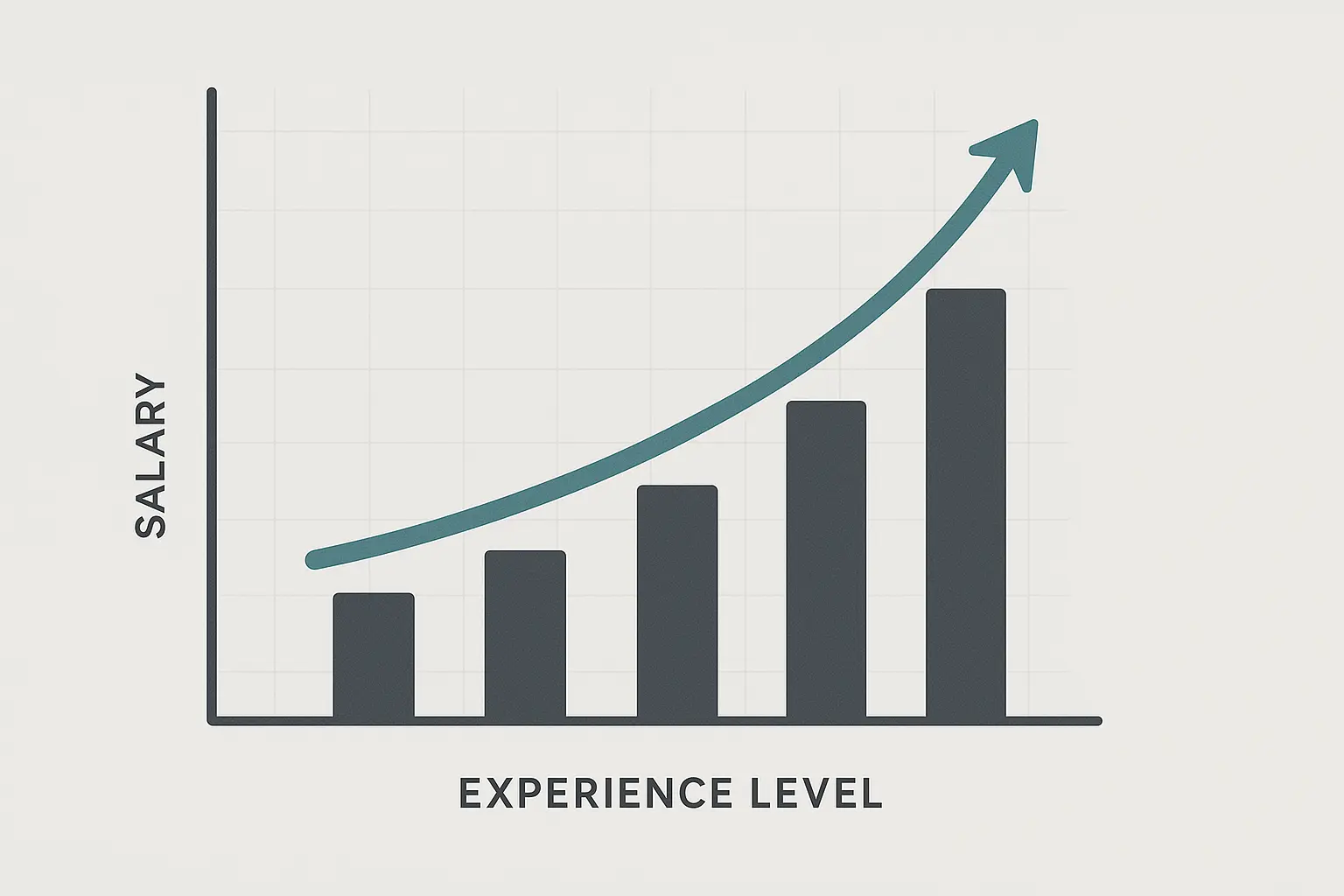
Geographic location becomes less important at senior levels because companies will relocate talent or offer remote packages to secure the right person. According to Builtin salary data, the average salary for an AI Engineer with 7+ years of experience is $191,620, while those with less than one year of experience average $80,000.
Where You Live Still Matters (But Less Than Before)
Geography continues to play a huge role in artificial intelligence engineer salary outcomes, though remote work is slowly changing the equation. The traditional tech hubs still pay premium rates, but the gap is narrowing as companies compete for talent regardless of location.
Silicon Valley: Still the Gold Standard
The Bay Area remains the highest-paying region for AI engineers, with salaries that can seem almost absurd until you factor in the cost of living and competition for talent. Mid-level positions regularly exceed $200K in base salary alone, and total compensation packages can hit $300K+ with equity and bonuses included.
What makes Silicon Valley special isn’t just the money – it’s the concentration of cutting-edge AI work. You’re surrounded by people pushing the boundaries of what’s possible, and that environment accelerates your learning curve. The trade-off is obvious: housing costs that’ll make you question your life choices.
Seattle: The Balanced Alternative
Seattle offers a compelling middle ground with salaries typically 20-30% above national averages but without the extreme cost of living you’ll find in San Francisco. Amazon, Microsoft, and a growing startup ecosystem create steady demand for AI talent.
The Pacific Northwest tech scene has matured significantly. You’ll find world-class AI research happening at major companies alongside innovative startups working on everything from autonomous vehicles to healthcare AI. You can actually afford a house and still save money.
New York: Finance Meets AI
The Northeast corridor offers a different flavor of AI engineering opportunities, heavily influenced by financial services and established tech companies. Salaries are competitive with the West Coast, though the compensation structure often emphasizes bonuses over equity.
Wall Street’s adoption of AI has created unique opportunities for engineers who understand both technology and finance. Algorithmic trading firms and fintech companies regularly offer packages that rival or exceed traditional tech companies.
Remote Work: Changing Everything
Remote positions have fundamentally altered the AI engineering salary landscape. Many companies now offer location-adjusted salaries, but the best employers are moving toward paying market rates regardless of where you live.
I’ve seen engineers move from expensive cities to lower-cost areas while maintaining their Silicon Valley salaries. The key is proving you can deliver the same value remotely. The downside is increased competition – when location doesn’t matter, you’re competing with talent from everywhere.
Recent market analysis shows that “AI-related job postings in the U.S. surged by 25.2% in Q1 2025 compared to Q1 2024, with the median salary for these roles reaching $156,998” according to Simplilearn.

Industry Differences You Need to Know
Different industries approach AI engineering compensation in vastly different ways. The industry you choose significantly impacts your compensation structure, growth opportunities, and day-to-day work experience.
Tech Companies: The Compensation Leaders
Technology and software companies consistently offer the highest total compensation packages for AI engineers. Stock options and RSUs (restricted stock units) form a crucial part of tech company compensation. I’ve seen engineers become millionaires not from their salaries but from equity appreciation during their tenure.
Top AI startups are paying unprecedented salaries to compete for talent. According to recent government filings analyzed by Digital Information World, “OpenAI reported some of the highest base salaries across its technical and operations teams, with software engineer roles ranging from $200,000 to $440,000, and research-focused positions reaching up to $440,000.”
Financial Services: Bonus-Heavy Structures
Banks, hedge funds, and fintech companies approach AI engineering compensation differently than traditional tech companies. Base salaries are competitive, but the real money often comes from performance bonuses that can equal or exceed your annual salary in good years.
Financial services firms value AI engineers who understand both technology and business context. If you can build models that directly impact trading profits or risk management, your compensation will reflect that business value.
Healthcare and Biotech: Mission-Driven Opportunities
The healthcare sector offers competitive AI engineering salaries while providing the opportunity to work on genuinely impactful problems. Compensation in healthcare AI tends to be more stable than tech companies, with less reliance on equity and more emphasis on base salary and benefits.
The regulatory environment in healthcare creates unique challenges and opportunities. Engineers who understand FDA approval processes, clinical trial design, and medical data privacy requirements command premium salaries because these skills are rare and valuable.
|
Industry |
Average Base Salary |
Bonus Structure |
Equity Potential |
Key Benefits |
|---|---|---|---|---|
|
Big Tech |
$180K – $350K |
10-20% of base |
High (IPO/stock growth) |
Comprehensive benefits, learning budgets |
|
Financial Services |
$160K – $320K |
50-100% of base |
Medium (private equity) |
Performance bonuses, profit sharing |
|
Healthcare/Biotech |
$140K – $280K |
5-15% of base |
Medium (acquisition potential) |
Mission-driven work, job stability |
|
Startups |
$120K – $300K |
Varies widely |
Very High (equity upside) |
Rapid career growth, direct impact |
Specialization Areas That Actually Pay More
Your specific area of expertise within AI engineering dramatically affects your earning potential. Some specializations are in such high demand that companies will pay significant premiums to secure qualified candidates.
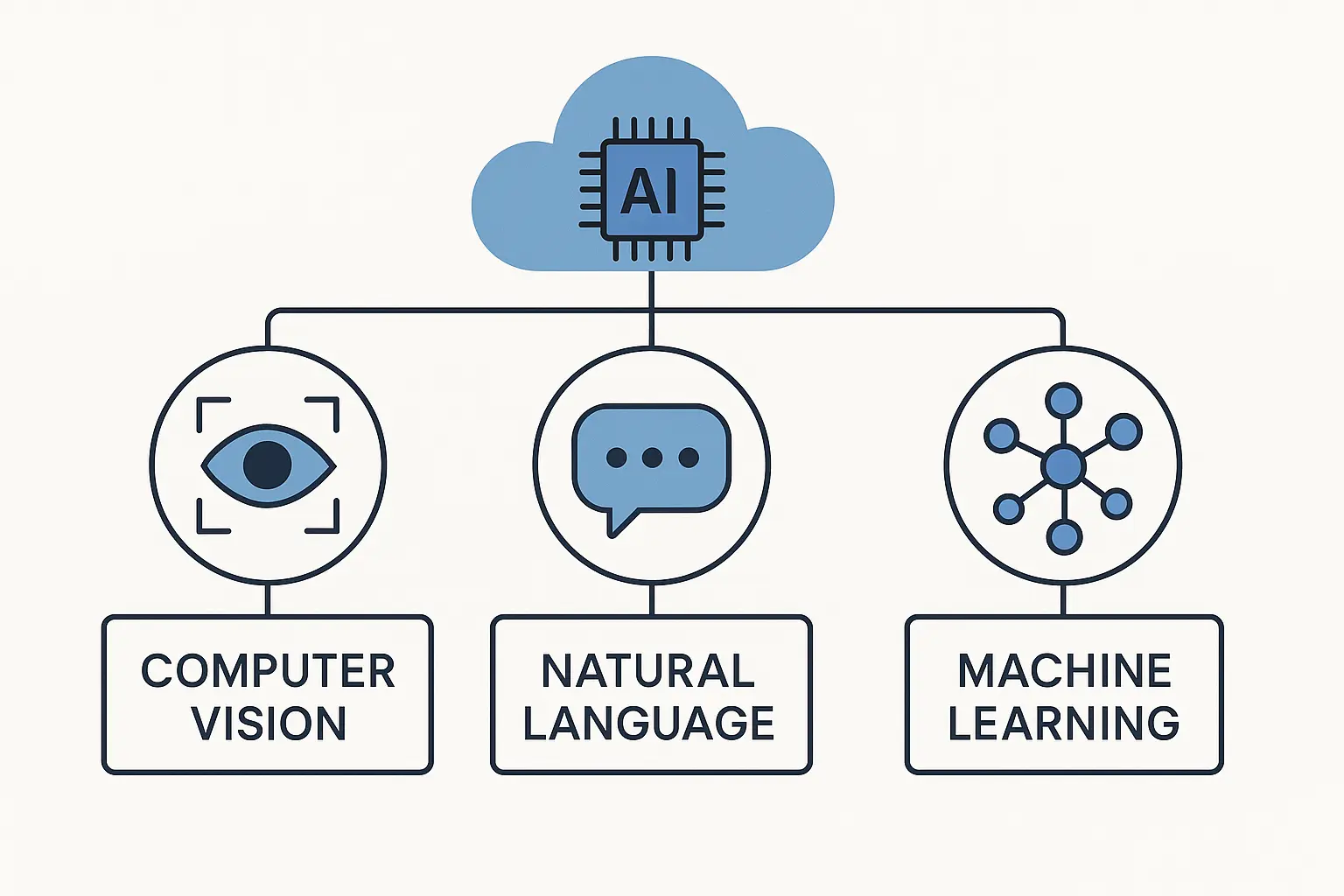
Machine Learning Engineering: The Production Specialists
ML engineers who focus on production systems and model deployment typically earn 10-20% more than general software engineers because they bridge the gap between research and real-world applications. Companies desperately need people who can take experimental models and turn them into reliable, scalable systems.
MLOps: The Hottest Specialty Right Now
MLOps specialists are among the most sought-after professionals in AI engineering right now. The demand has exploded because most companies learned the hard way that deploying AI models is much harder than building them.
You need to understand containerization, orchestration, monitoring, and continuous integration in ways that traditional software engineering doesn’t require. I’ve seen MLOps engineers with just 3-4 years of experience command salaries typically reserved for senior developers.
Marcus transitioned from traditional DevOps to MLOps at a healthcare AI company. By learning Kubernetes, Docker, and MLflow for model deployment, plus gaining expertise in monitoring ML model performance in production, he increased his salary from $95K to $145K within 18 months.
Deep Learning: Where the Big Money Lives
Professionals with deep expertise in neural network architectures and large-scale training command some of the highest salaries in AI engineering. The complexity of modern deep learning systems requires specialized knowledge that few people possess.
Computer Vision: Seeing the Future
Computer vision engineers working on autonomous vehicles, medical imaging, and robotics applications often earn 15-25% premiums over general AI engineers. The combination of technical complexity and high-stakes applications makes these roles both challenging and lucrative.
Autonomous vehicle companies are particularly aggressive in their compensation packages. The race to achieve full self-driving capability has created bidding wars for experienced computer vision engineers. I’ve seen engineers with relevant experience receive multiple offers exceeding $300K in total compensation.
Natural Language Processing: The LLM Gold Rush
NLP engineers, especially those with experience in large language models, are among the highest-paid AI professionals right now. The success of ChatGPT and similar systems has created unprecedented demand for engineers who understand transformer architectures and large-scale language model training.
Senior NLP engineers at major tech companies regularly exceed $300K in total compensation, and I’ve seen specialized roles go even higher. The field is moving so quickly that practical experience matters more than academic credentials.
According to Builtin’s salary research, the most common AI Engineer salary in the US falls between $160K – $170K, with significant gender pay disparities showing the average AI Engineer salary for women at $250,441 compared to $178,333 for men.

Research and Applied Science: The Academic-Industry Bridge
AI researchers and applied scientists at major tech companies often receive the highest total compensation packages in the field. These roles combine the intellectual satisfaction of research with the resources and compensation of industry.
Research roles often include additional benefits like publication bonuses, conference attendance budgets, and collaboration opportunities with academic institutions. The compensation reflects both the specialized knowledge required and the potential business impact of breakthrough research.
What Really Drives Your AI Engineering Salary
Understanding the factors that influence AI engineering compensation helps you make strategic decisions about your career development. While technical skills matter enormously, other factors can significantly impact your earning potential.
Education: Does Your Degree Really Matter?
The relationship between education and AI engineering salaries is more nuanced than most people realize. While advanced degrees can provide advantages, practical skills and demonstrated ability often matter more than credentials.
The Advanced Degree Premium
Master’s and PhD holders typically earn 15-30% more than bachelor’s degree holders, but the premium varies significantly by role and company. Research-oriented positions and senior technical roles place higher value on advanced degrees, while product-focused engineering roles care more about practical experience.
PhD holders have advantages in certain areas, particularly research roles and positions requiring deep theoretical knowledge. However, the opportunity cost of spending 4-6 years in graduate school instead of gaining industry experience is real. I’ve seen engineers with bachelor’s degrees out-earn PhD holders who entered the workforce later.
For professionals considering advanced education, understanding whether a college degree is worth the investment and exploring different types of degrees can inform career planning decisions.
Certifications: Worth the Investment?
Cloud certifications from AWS, Google Cloud, and Azure can add $10K-$20K to your annual compensation and significantly improve your job prospects. These certifications demonstrate practical skills that companies need immediately.
AI-specific certifications are less established but growing in value. TensorFlow and PyTorch certifications show expertise in the most popular frameworks, while specialized certifications in areas like MLOps or computer vision can differentiate you from other candidates.
Certification Checklist:
-
AWS Certified Machine Learning – Specialty
-
Google Cloud Professional Machine Learning Engineer
-
Microsoft Azure AI Engineer Associate
-
TensorFlow Developer Certificate
-
PyTorch certification (when available)
-
Kubernetes certification for MLOps roles
-
Domain-specific certifications (healthcare AI, autonomous vehicles, etc.)
Technical Skills: What Actually Commands Premium Pay
Your technical skill set directly impacts your earning potential, but not all skills are valued equally. Understanding which technologies and capabilities command premium compensation helps you prioritize your learning efforts for maximum career impact.
Programming Languages That Pay
Python dominance in AI engineering means fluency is essential, but expertise in specialized languages can command salary premiums. R remains valuable for statistical analysis roles, while emerging languages like Julia are gaining traction for high-performance computing applications.
Framework expertise in TensorFlow, PyTorch, and scikit-learn is expected for most AI engineering roles. However, specialized knowledge of newer frameworks or domain-specific tools can differentiate you from other candidates.
The ability to work across the full stack – from data preprocessing to model deployment – is increasingly valuable. Engineers who can handle both the AI/ML components and the software engineering aspects of production systems are in high demand and command higher salaries.
Cloud and Infrastructure: The Multiplier Skills
Experience with cloud platforms and distributed computing for AI workloads adds 10-15% to base compensation because these skills are essential for production AI systems. Companies need engineers who can build scalable, cost-effective infrastructure for training and serving models.
Kubernetes, Docker, and other containerization technologies are becoming standard requirements for AI engineering roles. The ability to deploy and manage AI applications in cloud environments is no longer optional – it’s a core competency that affects your marketability and compensation.
Understanding the cost implications of different cloud architectures is particularly valuable. Engineers who can optimize cloud spending while maintaining performance help companies control their AI infrastructure costs, making them more valuable to employers.
Jennifer, a mid-level AI engineer, doubled her salary from $120K to $240K by specializing in large-scale distributed training systems. She became the go-to person for training models that required hundreds of GPUs, learning advanced techniques for model parallelism and data parallelism. Her expertise in optimizing training costs saved her company over $500K annually in cloud expenses.
Company Size and Stage: Risk vs. Reward
The size and maturity of your employer significantly impacts both your compensation structure and career trajectory. Each type of company offers different advantages and trade-offs that affect your total earning potential over time.
Startup Equity: The High-Risk, High-Reward Game
Early-stage startups typically offer lower base salaries but potentially life-changing equity upside. The key is evaluating the company’s growth potential, your equity percentage, and your personal financial situation. I’ve seen engineers become millionaires from startup equity, but I’ve also seen plenty of equity packages become worthless.
Equity evaluation requires understanding dilution, liquidation preferences, and exit scenarios. A 1% equity stake sounds impressive until you realize it might be worth nothing if the company doesn’t succeed or if your shares get diluted in future funding rounds.
The non-monetary benefits of startup work can be significant. You’ll likely have more responsibility, faster career progression, and direct impact on company direction. These experiences can accelerate your career development even if the equity doesn’t pay off financially.
Large Corporation Benefits: Stability and Structure
Established companies offer comprehensive benefits packages, job security, and clear career progression paths. While the equity upside might be lower, the total compensation is often more predictable and the benefits more substantial than what startups can provide.
Large tech companies excel at total compensation packages that include base salary, bonuses, stock grants, and extensive benefits. The 401k matching, health insurance, and other perks can add 20-30% to your effective compensation compared to startups with minimal benefits.
Career development opportunities at large companies include formal training programs, mentorship, and exposure to large-scale systems. These experiences prepare you for senior roles and can lead to higher compensation over time.
Smart Moves to Boost Your Earning Potential
Maximizing your AI engineering compensation requires strategic thinking about career development, skill building, and market positioning. The most successful engineers don’t just focus on technical skills – they build comprehensive professional profiles that command premium compensation.
Building Your Professional Brand
Success in AI engineering extends beyond writing good code. Building a strong professional brand through networking, thought leadership, and strategic visibility significantly impacts your compensation growth over time.
Portfolio Power: Show, Don’t Just Tell
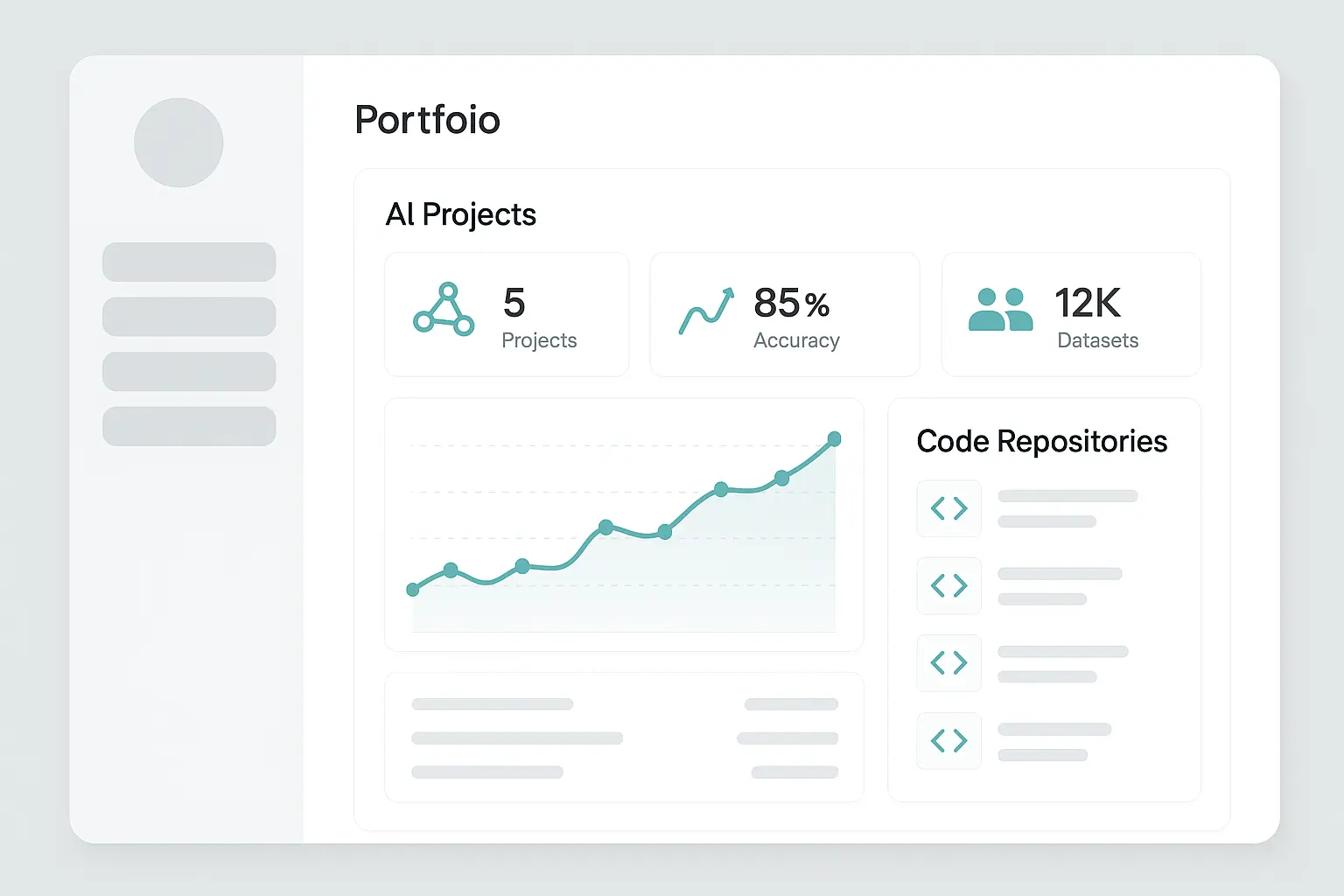
Maintaining an active GitHub profile with meaningful AI projects can increase your salary negotiation leverage by 15-25%. Recruiters and hiring managers want to see actual code and working systems, not just resume bullet points. Your portfolio demonstrates your abilities more effectively than any interview question.
Open-source contributions carry particular weight because they show you can collaborate with other developers and contribute to projects used by the broader community. I’ve seen engineers land senior roles primarily based on their open-source work, even without traditional corporate experience.
The key is showcasing projects that solve real problems, not just tutorial implementations. Build systems that demonstrate your understanding of production concerns like scalability, monitoring, and user experience. Quality matters more than quantity – a few well-executed projects beat dozens of toy examples.
Portfolio Project Checklist:
-
End-to-end ML pipeline with data preprocessing, model training, and deployment
-
Computer vision or NLP project solving a real-world problem
-
MLOps project demonstrating CI/CD for machine learning
-
Open-source contribution to a popular AI/ML library
-
Technical blog posts explaining your project decisions and learnings
-
Live demo or web application showcasing your model
-
Documentation showing your ability to explain complex concepts clearly
Networking: Your Career Accelerator
Active participation in AI conferences, meetups, and online communities often leads to higher-paying opportunities and industry recognition. The AI community is surprisingly small and well-connected, making relationships crucial for career advancement and salary growth.
Conference speaking and workshop participation establish you as a subject matter expert and create visibility with potential employers. I’ve seen engineers receive job offers directly from conference presentations, often with compensation packages they never would have accessed through traditional job applications.
Online presence through technical blogging, Twitter engagement, and community participation extends your network beyond geographic limitations. Remote work has made these digital relationships even more valuable for discovering opportunities and building professional credibility.
Thought Leadership: The Long Game
Publishing research papers, writing technical blogs, and speaking at industry events establishes expertise that commands premium compensation, especially for senior roles. Thought leadership takes time to develop but creates lasting career advantages that compound over time.
Technical writing demonstrates your ability to communicate complex concepts clearly, a skill that becomes increasingly important as you advance in your career. Senior engineers spend significant time explaining technical decisions to non-technical stakeholders, making communication skills valuable for compensation growth.
Strategic Career Moves
Timing your career moves strategically and mastering salary negotiation techniques are crucial for maximizing AI engineering compensation throughout your career.
Job Hopping: The Salary Growth Hack
Strategic job changes every 2-4 years can accelerate salary growth by 20-40%, compared to 3-5% annual raises for staying at the same company. The key is timing moves to maximize learning, compensation growth, and career advancement while maintaining professional relationships.
The best time to change jobs is when you’ve mastered your current role but before you become too comfortable. Companies pay premiums to attract talent from competitors, especially if you bring specialized skills or experience they need. I’ve seen engineers double their compensation through well-timed job changes.
However, job hopping requires careful execution. Too frequent changes can raise red flags about your commitment and reliability. The goal is strategic advancement, not just chasing higher salaries without regard for career development or company fit.
When changing jobs, having proper documentation of your educational achievements becomes crucial. Understanding how to get replacement diplomas ensures you’re prepared for background checks and verification processes.
Negotiation: Your Most Valuable Skill
Understanding market rates, competing offers, and total compensation packages enables effective negotiation that can increase job offers by 10-30%. Most engineers underestimate their negotiation power and leave significant money on the table by accepting initial offers without discussion.
Preparation is crucial for successful salary negotiation. Research market rates for your role, location, and experience level using multiple sources. Understand the company’s compensation philosophy and constraints. Document your achievements and be ready to articulate your value proposition clearly.
The best negotiation leverage comes from having alternatives. Multiple job offers, consulting opportunities, or even the option to stay in your current role strengthen your negotiating position.
Salary Negotiation Checklist:
-
Research market rates using multiple salary sources
-
Document your achievements and quantifiable impact
-
Understand the company’s total compensation structure
-
Prepare specific examples of your value contribution
-
Have alternative options or competing offers
-
Practice your negotiation conversation with a trusted friend
-
Be prepared to negotiate beyond base salary (equity, benefits, vacation)
-
Set a target range and minimum acceptable offer
-
Follow up negotiations in writing
Geographic Strategy: Location Independence
Leveraging remote work opportunities optimizes compensation-to-cost-of-living ratios while accessing global job markets and premium employers. The shift toward remote work has created arbitrage opportunities that didn’t exist in traditional location-dependent employment models.
Engineers who can work effectively remotely have access to opportunities regardless of their physical location. This means you can potentially earn Silicon Valley salaries while living in lower-cost areas, dramatically improving your financial position and quality of life.
The challenge is proving you can deliver the same value remotely that you would provide in person. Companies are still learning how to evaluate and manage remote employees, creating opportunities for engineers who can demonstrate remote work effectiveness and self-management skills.

How ValidGrad Supports Your AI Engineering Career
As you build your AI engineering career and pursue the impressive salaries this field offers, having proper documentation of your educational achievements becomes crucial for job applications and salary negotiations. Whether you’ve completed specialized AI bootcamps, online certifications, or traditional degree programs, presenting your credentials professionally can impact your career advancement opportunities.
ValidGrad understands that AI engineers may need replacement diplomas or certificates for various legitimate reasons – from damaged originals to creating backup copies for multiple office locations. Professional-quality educational documentation supports your credibility during job interviews and salary negotiations, allowing you to focus on what matters most: developing your AI expertise and maximizing your earning potential.
Whether you need to replace a lost diploma or obtain academic transcripts for career advancement, ValidGrad provides professional documentation services that support your AI engineering career goals.
Ready to take the next step in your AI engineering career? Get your replacement educational documents from ValidGrad and ensure your credentials are properly represented as you pursue those six-figure opportunities in this rapidly growing field.
For professionals considering educational investments to boost their AI engineering careers, understanding the cost of a college degree and exploring online degree options can inform strategic career planning decisions.
Final Thoughts
The AI engineering salary landscape offers incredible opportunities for professionals willing to develop the right skills and make strategic career moves. From entry-level positions starting around $90K to senior roles exceeding $400K in total compensation, the financial rewards reflect the high demand for AI expertise across industries.
Your earning potential depends on multiple factors – technical specialization, geographic location, company choice, and career strategy all play crucial roles. The engineers who maximize their compensation don’t just focus on technical skills; they build comprehensive professional profiles, network strategically, and time their career moves to optimize long-term growth.
The field continues evolving rapidly, creating new opportunities and challenges. Staying current with emerging technologies, building strong portfolios, and maintaining professional relationships will be essential for continued success. The investment in developing AI engineering expertise pays dividends not just in immediate compensation but in long-term career security and growth potential.
Whether you’re just starting your AI engineering journey or looking to accelerate your existing career, the strategies and insights covered here provide a roadmap for maximizing your earning potential in this exciting and lucrative field.
As you advance in your AI engineering career, maintaining proper documentation of your educational achievements through services like replacement diplomas ensures you’re always prepared for new opportunities and career transitions.
The artificial intelligence engineer salary question has a complex answer that depends on your unique combination of skills, experience, and strategic positioning in the market. With the right approach, the financial rewards can be substantial and life-changing.