

When I started researching sociology programs, everyone said the same thing: “It’s a four-year degree.” But after talking to dozens of students and graduates, I realized that’s only part of the story.
The truth? Your timeline depends on where you’re starting from and where life takes you along the way. Some students finish in 2.5 years through accelerated programs. Others take 6-7 years while working full-time. Both paths are completely valid.
According to the U.S. Bureau of Labor Statistics, employment of sociologists is projected to grow 4 percent from 2024 to 2034, about as fast as the average for all occupations, with about 300 openings for sociologists projected each year on average over the decade.
So how long does it take to get a sociology degree? Here’s what actually determines your timeline – and why the “standard” four-year path might not apply to you.
Table of Contents
- What You’ll Learn in This Guide
- Understanding Sociology Degrees (Beyond “Studying People”)
- The Traditional Four-Year Path (And Why It’s Not So Standard)
- Fast-Track Options That Actually Work
- Online Programs: What You Need to Know
- Part-Time Study for Real Life
- Advanced Degrees: Master’s and PhD Realities
- Career Outcomes Worth the Investment
- Choosing Your Path: Practical Considerations
- Your Timeline Planning Strategy
- How ValidGrad Supports Your Achievement
What You’ll Learn in This Guide
Instead of promising unrealistic timelines, I’ll show you:
- The real factors that speed up or slow down your degree
- How different program formats affect your graduation date
- What career outcomes justify the time investment
- Practical strategies to graduate faster (if that’s your goal)
Quick Answer: Most sociology programs require 120-128 credit hours. Full-time students typically graduate in 4 years, but flexible options range from 2.5 to 7 years depending on your situation.
TL;DR Key Points:
- Bachelor’s degrees typically require 120-128 credit hours, taking 4 years full-time or 5-7 years part-time
- Summer courses and credit transfers can reduce completion time by 6-12 months
- Online programs offer the same credit requirements with more flexible pacing options
- Master’s programs take 1.5-2 years, while PhD programs require 4-7 years beyond bachelor’s level
- Community college transfers can significantly reduce costs without extending timeline
- Entry-level careers start around $35,000-$45,000, with advanced degrees opening higher-paying opportunities
Understanding Sociology Degrees (Beyond “Studying People”)
What is a sociology degree exactly? A sociology degree teaches you to decode how society actually works. You’ll learn research methods, analyze social patterns, and understand why communities function the way they do.
The coursework covers everything from inequality and family dynamics to research design and statistical analysis. Think of it as developing X-ray vision for social problems – you’ll see patterns and connections others miss.

This analytical toolkit translates directly into valuable job skills. You’ll master theoretical frameworks like functionalism and conflict theory while developing research skills in both quantitative and qualitative methods. Similar to understanding is it worth it to get a college degree, sociology degrees provide specific value through analytical skills and social understanding that employers actively seek.
Research Skills That Employers Actually Want
The methodology training forms the backbone of your education. You’ll learn survey design, statistical analysis, and ethnographic methods that translate directly into valuable workplace skills. These research capabilities make sociology graduates attractive to employers across multiple industries.
A sociology student at Stanford University might complete a research methods course that teaches them to design and conduct surveys about social media usage patterns among college students. This hands-on experience with data collection, statistical analysis using software like SPSS, and report writing directly translates to skills needed in market research analyst positions at companies like Google or Facebook.
Social Issues Analysis in Real-World Context
Modern sociology ba programs integrate perspectives from psychology, anthropology, political science, and economics. This interdisciplinary approach provides comprehensive social understanding and prepares you for diverse career opportunities that require broad analytical skills.
The Traditional Four-Year Path (And Why It’s Not So Standard)
Most programs require 120-128 credit hours, but here’s what they don’t tell you: how long does it take to get a sociology degree actually depends on course availability, your major preparation, and life getting in the way.
You’ll spend roughly half your credits on general education (think English, math, science), about a quarter on sociology courses, and the rest on electives. The tricky part? Many sociology courses have prerequisites, so you can’t just load up on major classes your final year.
| Degree Component | Credit Hours Required | Typical Timeline |
|---|---|---|
| General Education | 45-60 credits | Years 1-2 |
| Sociology Core Courses | 30-36 credits | Years 2-4 |
| Major Electives | 15-24 credits | Years 3-4 |
| Free Electives | 12-18 credits | Years 1-4 |
| Total | 120-128 credits | 4 years |
Course Sequencing Reality
Here’s the reality of course sequencing:
- Year 1-2: General education + intro sociology courses
- Year 2-3: Research methods and statistics (required for advanced courses)
- Year 3-4: Specialized sociology courses and electives
Students often get stuck waiting for required courses offered only once per year. Full-time students typically take 12-18 credit hours per semester, with 15 credits being the sweet spot for four-year graduation without summer courses.
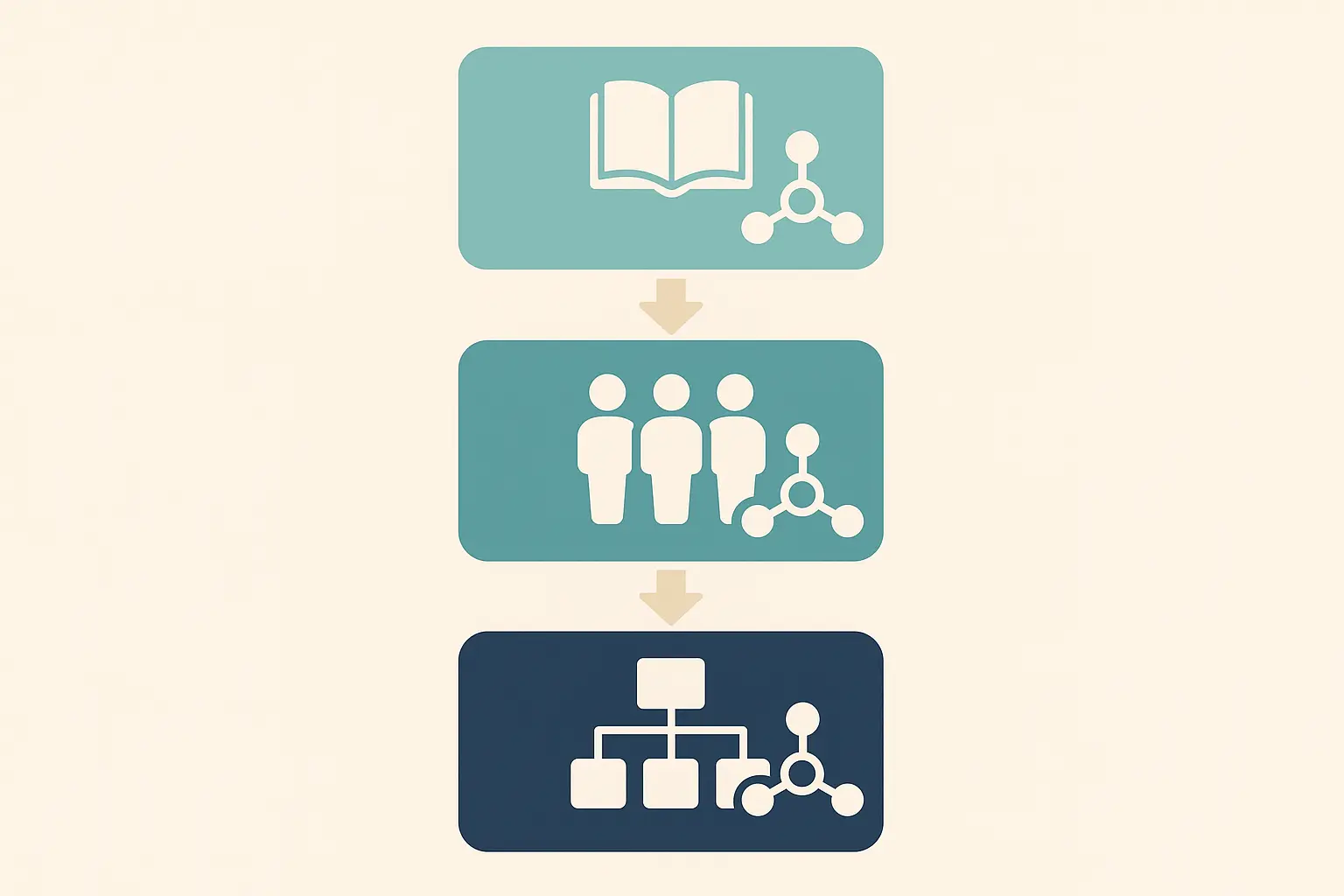
Planning your course load carefully prevents bottlenecks and keeps you on track. Introductory courses like Social Problems, Research Methods, and Statistics must be completed before advanced sociology electives.
Fast-Track Options That Actually Work
Want to graduate early? Focus on these proven strategies that can reduce your degree completion time by 6-12 months while maintaining academic quality.
Just as students explore how long does it take to get a bachelor degree across different fields, sociology students can leverage similar acceleration strategies.
Summer Sessions for Serious Time Savings
Summer sessions can shave 6-12 months off your degree. I recommend using summers for general education requirements rather than intensive sociology courses. Statistics and writing courses work well in compressed schedules, while research-intensive courses may benefit from full semester treatment.
A student at UCLA might take Introduction to Sociology and Statistics during an 8-week summer session, completing 6 credit hours that would normally take a full semester. This allows them to focus on more complex courses like Social Theory and Research Methods during the regular academic year, potentially graduating a semester early while maintaining high academic performance.
Transfer Credits That Cut Costs and Time
Transfer credits from community college, AP exams, or CLEP tests can significantly reduce your timeline. Community college credits, AP scores, and CLEP exams can significantly reduce both time and cost of your sociology degree without extending their timeline.
A student might complete their first two years at a local community college, taking courses like Introduction to Sociology, Psychology, and English Composition for approximately $3,500 per year. They then transfer to a state university for their final two years, focusing on advanced sociology courses and research methods, potentially saving $15,000-$20,000 in total education costs while graduating on the same four-year timeline.
Transfer Planning Essentials:
- Research articulation agreements between your community college and target university
- Meet with academic advisors at both institutions
- Verify course equivalencies before enrolling
- Maintain transcripts from all institutions attended
- Apply for transfer admission early to secure your spot
Online Programs: What You Need to Know
Online sociology degree online programs follow the same credit requirements as traditional programs but offer different pacing options. You can choose self-paced programs (finish faster if you’re motivated) or structured cohort models that maintain semester schedules with peer interaction.

The key difference? Online programs often offer more start dates throughout the year, so you don’t have to wait for fall semester to begin. Self-paced programs appeal to motivated students who can manage their time effectively, allowing faster completion for dedicated students but requiring strong self-discipline.
Quality Assurance Through Proper Accreditation
Make sure your online program has regional accreditation. This matters for job applications and graduate school admissions. Regional accreditation is generally preferred over national accreditation for degree recognition and transfer credit acceptance by employers and graduate schools.
Blended programs combine online coursework with occasional in-person requirements for labs, internships, or intensive seminars. This approach maintains flexibility while providing hands-on experiences that enhance your education.
Part-Time Study for Real Life
Life doesn’t always accommodate full-time school schedules. Many universities offer flexible scheduling options specifically designed for working professionals. These programs extend degree completion to 5-7 years but accommodate work schedules and family responsibilities.
According to recent “career mapping” guidance from College Recruiter, sociology majors are finding diverse opportunities in social services, research, education, public policy, and business, making flexible programs increasingly valuable for working professionals seeking career transitions.

Evening and Weekend Programs
Evening and weekend classes cater to working adults. You’ll take 6-9 credits per semester instead of 12-15, spreading costs over more years while maintaining your income. Part-time study requires careful time management and realistic expectations.
Many employers offer tuition assistance for job-related degrees. Since sociology skills apply to HR, research, and management roles, you might qualify for company funding. The extended timeline actually works in favor of many working adults, allowing them to spread costs over more years while maintaining income.
Advanced Degrees: Master’s and PhD Realities
Understanding advanced degree timelines is crucial, similar to exploring how long does it take to get a masters degree across various disciplines.
Master’s Degree Timeline and Options
Master’s programs typically require 30-36 credit hours and take 1.5-2 years full-time. Most Master of Arts in Sociology programs can be completed in this timeframe, but your timeline depends on whether you choose thesis or non-thesis options.
Research-focused programs requiring original thesis work may take longer than coursework-only tracks with comprehensive exams. Thesis programs provide valuable research experience for PhD applications or research careers, but require additional time for proposal development, research, and writing.
Concentrations in areas like criminology, social work, or research methods may have specific course sequences that affect completion time. Some specializations require internships or fieldwork that can extend your program duration.
Doctoral Program Realities
According to Research.com, completing a PhD in sociology may take students up to 7 years to complete, while master’s programs typically require 1-2 years of full-time study.
PhD programs are a different beast entirely. Expect 4-7 years beyond your bachelor’s degree, including coursework, comprehensive exams, and dissertation research. Timeline varies dramatically based on your research topic and committee dynamics.
The hardest part? Transitioning from structured coursework to independent research. The transition from coursework to independent research requires significant preparation time for comprehensive exams. This phase often extends program duration as students master broad areas of sociological knowledge before advancing to dissertation research.

Original research projects vary dramatically in completion time based on methodology, data collection requirements, and committee feedback. Quantitative studies may progress faster than ethnographic research requiring extended fieldwork.
Career Outcomes Worth the Investment
Bachelor’s degree holders can pursue careers in social services, research assistance, human resources, and community outreach. These positions offer growth potential and meaningful work with starting salaries typically ranging from $35,000-$45,000.
The University of Cincinnati reports that social and community service roles are experiencing 9-12% projected growth, with market research analysts seeing 13% growth, indicating strong job market prospects for sociology graduates.
| Career Path | Entry-Level Salary | Mid-Career Salary | Growth Outlook |
|---|---|---|---|
| Social Services Coordinator | $32,000-$38,000$45,000-$55,000 | 12% growth | |
| Human Resources Assistant | $35,000-$42,000 | $50,000-$65,000 | 8% growth |
| Market Research Analyst | $40,000-$48,000 | $60,000-$85,000 | 13% growth |
| Community Outreach Coordinator | $30,000-$40,000 | $45,000-$60,000 | 9% growth |
| Case Manager | $33,000-$41,000 | $48,000-$58,000 | 15% growth |
Government agencies, nonprofits, and community organizations frequently hire sociology graduates for case management and program coordination roles. Business environments value sociological training for market research, human resources, and organizational development positions.
Advanced Career Paths for Graduate Degree Holders
Advanced degree holders access research positions, university roles, and policy analysis jobs. Research.com data shows that sociologists earn a median annual wage of $98,590 according to 2023 U.S. Bureau of Labor Statistics data, with graduates holding sociology degree salary expectations around $105,132 with potential for growth depending on experience and specialization.

University positions, think tanks, and government research agencies offer opportunities for advanced degree holders to conduct original research and influence policy. These careers often provide intellectual fulfillment and societal impact beyond just salary considerations.
The real value isn’t just salary – it’s the analytical skills and social understanding that apply across industries. Sociology graduates work in business, government, nonprofits, and research organizations.
Choosing Your Path: Practical Considerations
Students can begin their sociology education at community colleges before transferring, potentially reducing overall costs without extending time to degree completion. This pathway requires careful planning but offers significant financial benefits.
Community College vs. University Starting Points
Community college start: Complete general education requirements for less money , then transfer. Same timeline, lower cost.
Public vs. private: Public universities often provide more affordable options with established sociology degree programs and research opportunities, while private colleges may offer smaller class sizes and personalized attention. Public universities average $10,000-$15,000 annually in-state versus $35,000-$50,000 at private schools. However, private schools sometimes offer more generous financial aid packages that can narrow this gap.
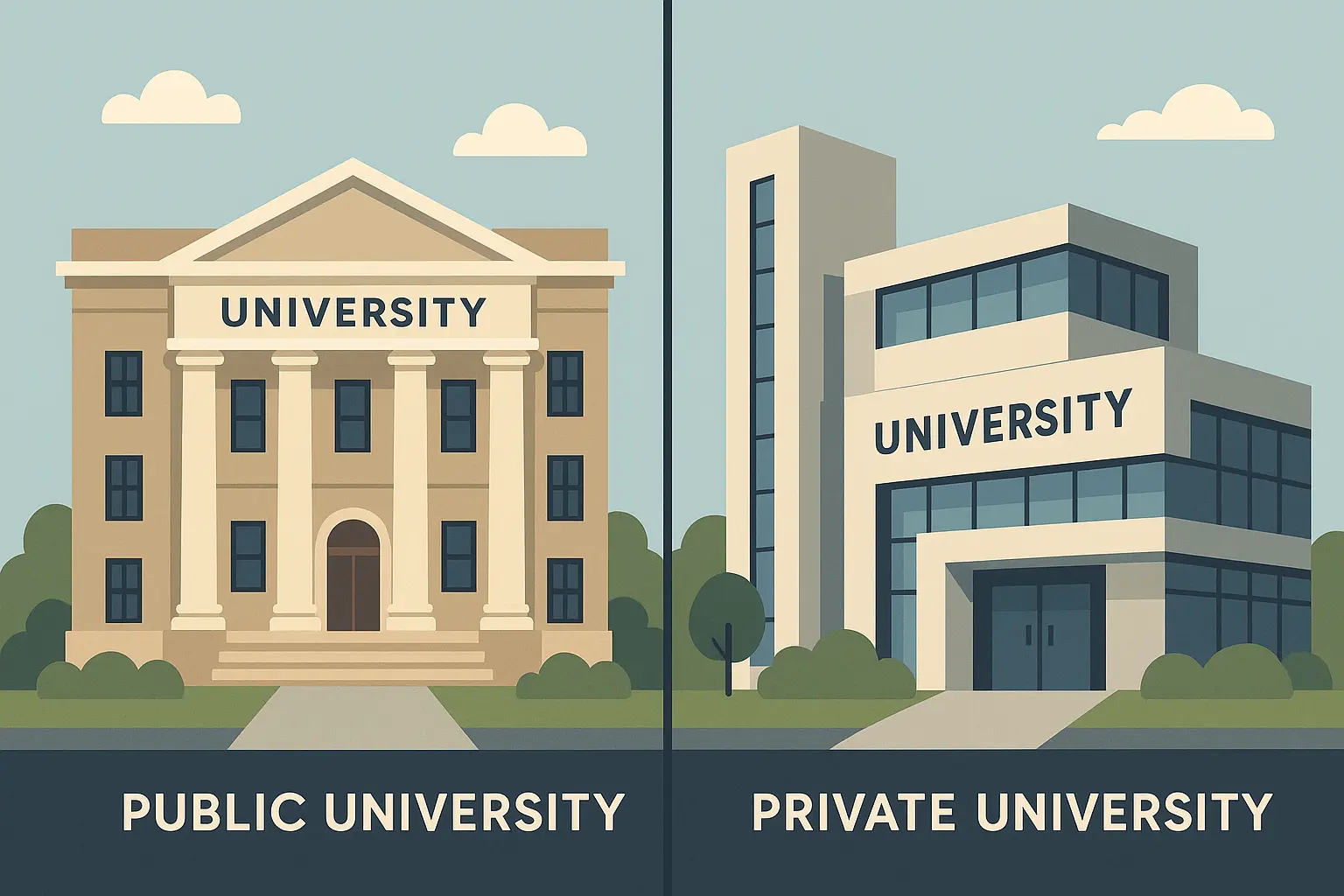
The cost difference can be substantial, but consider your budget and preferred learning environment. Smaller private colleges might provide more faculty mentorship, while large public universities offer extensive research facilities and diverse course selections.
Program format: Traditional campus offers networking and research opportunities. Online provides flexibility. Part-time accommodates work schedules. Choose based on your priorities and constraints.
Your Timeline Planning Strategy
Here’s a practical approach to planning your sociology degree timeline:
1. Assess your situation honestly. How much time can you realistically dedicate to school? Consider work commitments, family responsibilities, and financial constraints.
2. Research transfer opportunities. Community college credits and test scores can reduce time and cost. Check articulation agreements between schools before taking courses.
3. Plan course sequences carefully. Understand prerequisites to avoid scheduling bottlenecks. Many sociology courses have specific prerequisites that must be completed in order.
4. Build in buffer time. Courses get cancelled, life happens, prerequisites change. Plan for potential delays rather than assuming everything will go perfectly.
5. Consider acceleration options. Summer courses, overloads, and intensive programs can speed graduation if you can handle the increased workload.
Degree Timeline Planning Template:
- Assess your current life situation and time availability
- Research program formats (traditional, online, hybrid, part-time)
- Calculate total credit requirements and transfer opportunities
- Set realistic graduation timeline based on course load capacity
- Identify potential acceleration options (summer courses, CLEP exams)
- Plan prerequisite course sequencing
- Budget for total program costs across your chosen timeline
- Build in buffer time for unexpected delays or course availability issues
How ValidGrad Supports Your Achievement
After completing your sociology degree through any of these pathways, you might need replacement documentation for professional purposes. ValidGrad offers professional diploma reproduction services for graduates who need high-quality replicas due to loss, damage, or display needs.

Their platform allows you to customize your sociology degree certificate with accurate school information and professional formatting, supporting your career advancement with properly documented credentials. After completing your sociology degree, you might need documentation services, similar to those who require replacing a lost diploma or need professional diploma display solutions for their credentials.
Whether you need assistance with how to get a copy of your diploma or want to explore framed college diploma display options, ValidGrad provides comprehensive documentation solutions for sociology graduates.
Final Reality Check
Your how long does it take to get a sociology degree timeline should fit your life, not the other way around. Whether you finish in 2.5 years or 7 years, focus on getting quality education that prepares you for your career goals.
The timeline for earning a sociology degree depends entirely on your personal circumstances, career goals, and chosen program format. Whether you complete a traditional four-year program, accelerate through summer courses and transfers, or extend your timeline through part-time study, the key is choosing a path that aligns with your life situation and professional objectives.
The analytical skills, research abilities, and social understanding you’ll develop will serve you throughout your professional life – regardless of how long does it take to get a sociology degree to complete. Focus on finding a program that provides quality education within a timeline that works for your unique situation, remembering that your degree timeline is just the beginning of your sociology career journey.