
I’ve spent years watching talented designers struggle with money while mediocre ones thrive financially. The difference isn’t talent—it’s understanding how the salary game actually works. This guide reveals the insider knowledge about compensation that most people learn too late in their careers.
Here’s what most people don’t realize: according to the Bureau of Labor Statistics, employment of graphic designers is projected to grow just 2 percent from 2024 to 2034—slower than average. That makes it even more crucial to understand how to maximize your earning potential in this competitive field.

For designers navigating career transitions, understanding whether a college degree is worth the investment becomes crucial when evaluating salary potential and career advancement opportunities.
Table of Contents
-
Why Your Location Might Be Costing You $20K
-
The Industries That Actually Pay Well
-
What You’re Really Worth (By Experience Level)
-
The Three Skills That Command Premium Pay
-
Negotiation Scripts That Actually Work
-
Two Paths to Six Figures
-
How ValidGrad Supports Your Career Journey
-
Bottom Line
TL;DR
Here’s the real talk:
-
Location still matters enormously—but remote work is flipping the script faster than most people realize
-
Tech companies pay 25-40% more than traditional industries, plus equity that can double your total compensation
-
Your portfolio’s business impact beats years of experience every time when negotiating salary
-
Specializing in UX/UI, motion graphics, or brand strategy can boost your pay by 20-35% over generalist roles
-
Entry-level doesn’t have to mean $35K—strong portfolios can push this way higher
-
Mid-level professionals (3-7 years) have the biggest salary growth window through smart specialization
-
Documenting measurable results from your design work is the fastest way to justify raises
-
AI tools and emerging tech are creating new high-paying niches for forward-thinking creatives
Why Your Location Might Be Costing You $20K
Let me blow your mind with some numbers. A designer in San Francisco making $85K has the same buying power as someone making $47K in Nashville. Yeah, you read that right.
According to recent industry data from Exploding Topics, designers in the US make an average of $31.01 per hour ($64,500 per year). But that number is basically useless because it doesn’t tell you WHERE the real money is hiding.
The salary landscape has been turned upside down in recent years. Remote work, digital transformation, and changing client expectations have created opportunities that didn’t exist five years ago—but they’ve also made the market more competitive.
The Geographic Pay Reality Check
Where you work still dramatically affects your paycheck, but the traditional rules are breaking down. Major cities continue to offer premium salaries, but the cost of living often eats up those gains.
Here’s the breakdown that’ll make you rethink everything:
|
Metropolitan Area |
Average Salary |
Cost of Living Index |
Effective Purchasing Power |
|---|---|---|---|
|
San Francisco, CA |
$85,000 |
180 |
$47,222 |
|
New York, NY |
$78,000 |
168 |
$46,429 |
|
Los Angeles, CA |
$72,000 |
142 |
$50,704 |
|
Austin, TX |
$62,000 |
103 |
$60,194 |
|
Denver, CO |
$58,000 |
108 |
$53,704 |
|
Nashville, TN |
$52,000 |
95 |
$54,737 |
Notice something? The “lower-paying” cities often give you more bang for your buck.
Major Metropolitan Markets: The Premium vs. Reality
Big cities promise big paychecks, but the math isn’t always attractive. A $75,000 salary in San Francisco might sound impressive, but after taxes and housing costs, you could have less disposable income than someone earning $50,000 in a mid-sized city.
Metropolitan markets do offer advantages beyond salary—networking opportunities, diverse client bases, and exposure to cutting-edge projects. These factors can accelerate career growth in ways that justify the higher living costs, especially early in your career.
But here’s what’s interesting: secondary cities are quietly becoming design powerhouses. They offer competitive salaries and reasonable living costs, often providing faster career advancement because there’s less competition for senior roles.
Emerging Design Markets: Hidden Gold Mines
Cities like Austin, Denver, and Nashville have developed thriving creative communities supported by growing tech sectors. The salary-to-cost-of-living ratio in these markets often beats traditional design capitals.
What’s particularly exciting about emerging markets is the entrepreneurial energy. There are more opportunities to work with startups, launch your own studio, or take on diverse projects that might be harder to access in saturated metropolitan markets.
Take Sarah, a mid-level designer who relocated from Brooklyn to Austin in 2023. While her base salary dropped from $68,000 to $58,000, her monthly housing costs decreased from $2,800 to $1,400. Combined with lower taxes and living expenses, she increased her disposable income by over $15,000 annually while gaining access to Austin’s booming tech startup scene.
Remote Work’s Wild Card Effect
Remote work has created a complex new landscape where your physical location may or may not affect your paycheck. Some progressive companies have adopted location-independent pay scales, meaning you can earn San Francisco wages while living in a lower-cost area.
However, many organizations still adjust compensation based on your location. The trend seems to be moving toward hybrid approaches where companies offer base salaries adjusted for location but provide additional compensation for high-value skills regardless of geography.
This creates opportunities for specialists who can demonstrate unique value.

The Industries That Actually Pay Well
Want to know where designers actually get rich? Three places:
-
Tech companies (obviously) – but not for the reasons you think
-
Boring B2B companies (seriously) – they pay crazy money for good design
-
Specialized agencies – if you pick the right niche
Different industries treat design compensation very differently. The industry you choose can make a massive difference in your earning potential, benefits package, and long-term career growth.
According to industry research from Exploding Topics, there are over 212,720 designers working in the United States, with the bottom 10% earning an average of $36,420 while the top 10% earned $100,450. That’s a huge gap, and industry choice plays a major role.
Technology and Startup Sectors: Where the Big Money Lives
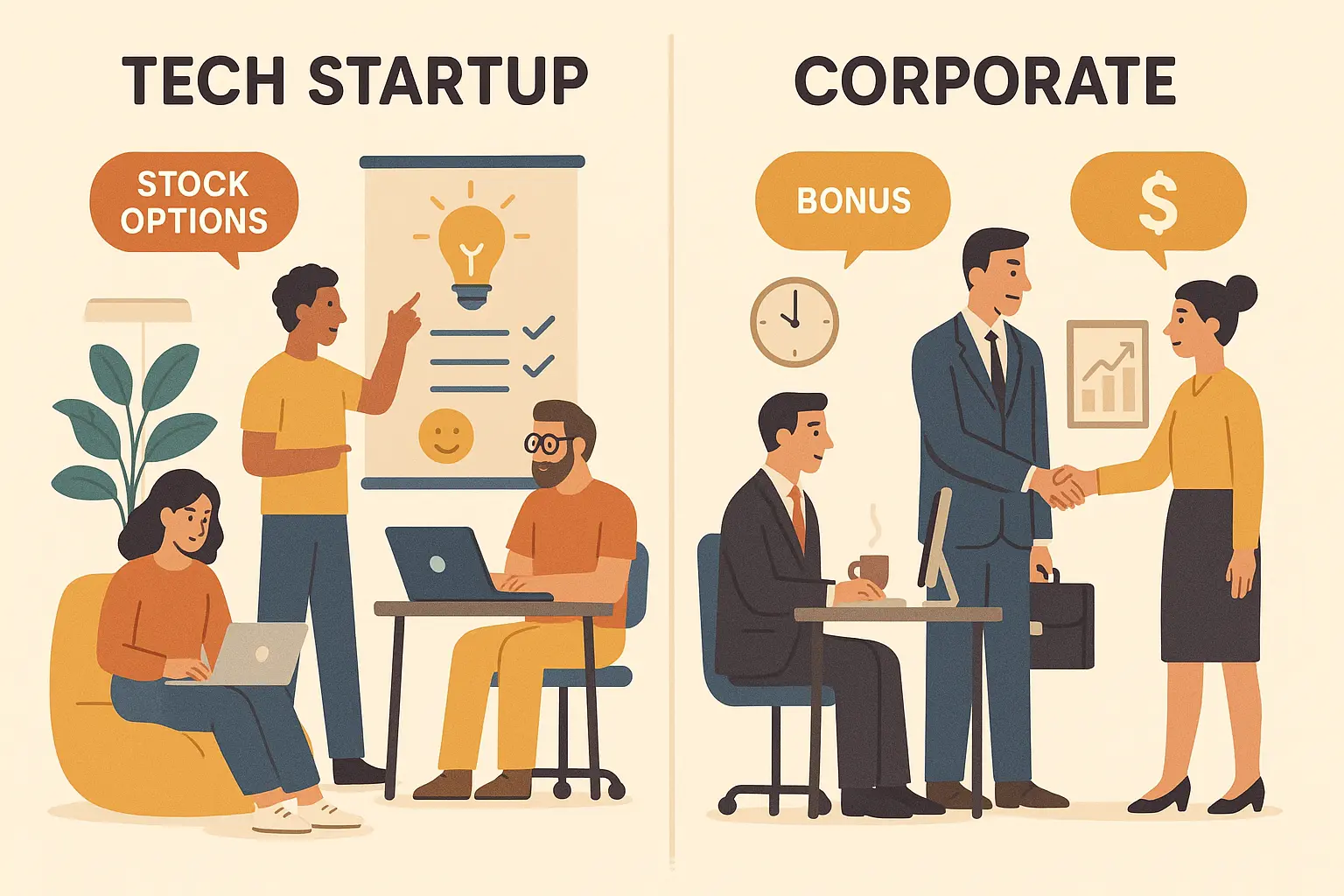
Tech companies don’t just pay more—they often provide equity compensation that can dramatically increase your total package value. Base salaries at tech companies typically run 25-40% higher than traditional industries, but the real value often comes from equity compensation.
Stock options or RSUs (Restricted Stock Units) can potentially double or triple your effective annual compensation, especially at successful companies.
Startups present a different risk-reward profile. While base salaries might be lower, equity stakes in successful startups can create life-changing wealth.
Marcus joined a Series B startup as a senior designer in 2021 with a $75,000 base salary plus 0.15% equity. When the company went public two years later, his equity stake was worth over $400,000, effectively tripling his annual compensation during that period.
Traditional Corporate Environments: Stability vs. Growth
Established corporations offer predictable career paths and comprehensive benefits, but salary growth tends to be more conservative. These environments work well for designers who value stability and structured advancement opportunities.
Corporate roles often come with excellent benefits packages—health insurance, retirement contributions, paid time off, and professional development budgets. When you calculate the total value of these benefits, the compensation gap with tech companies narrows considerably.
Career advancement in corporate environments typically follows established timelines and requires navigating internal politics. However, the skills you develop—project management, stakeholder communication, and business strategy—are highly transferable and valuable.
What You’re Really Worth (By Experience Level)
Your experience level provides a baseline for salary expectations, but it’s not the whole story. I’ve seen junior designers out-earn seniors because they understood how to position their value effectively.
Portfolio quality often trumps years of experience, especially in today’s competitive market. A strong portfolio demonstrating business results can help you skip traditional experience-based salary tiers.
The most dynamic salary growth happens in the mid-level range (3-7 years of experience) where specialization choices significantly impact earning potential.
|
Experience Level |
Typical Salary Range |
Key Success Factors |
Growth Opportunities |
|---|---|---|---|
|
Entry-Level (0-2 years) |
$35,000 – $50,000 |
Portfolio strength, business understanding |
Rapid skill development |
|
Mid-Level (3-7 years) |
$50,000 – $75,000 |
Specialization, client management |
Highest growth potential |
|
Senior (8+ years) |
$75,000 – $120,000 |
Leadership, business impact |
Strategic roles, consulting |
|
Creative Director |
$90,000 – $150,000+ |
Team management, strategic vision |
Executive leadership |

Entry-Level: You’re Not Stuck at $35K
Breaking into design can be challenging, but understanding realistic salary expectations helps you negotiate effectively. The entry-level market rewards portfolio strength and interview performance more than formal credentials.
Recent graduates typically start between $35,000-$45,000 annually, but these numbers can be misleading because they don’t account for the wide range based on individual circumstances.
Career changers often have advantages in salary negotiations because they bring transferable skills and professional experience. If you’re transitioning from another field, don’t automatically accept entry-level compensation—your previous experience has value.
Fresh Graduate Reality Check
New graduates face a competitive market where portfolio quality matters more than GPA or school prestige. Your portfolio needs to demonstrate business understanding, not just design skills.
Include projects that show how your design work solved real problems or achieved measurable results. Even student projects can be positioned this way if you think strategically about presentation.
Don’t get discouraged by initial salary offers that seem low. Entry-level positions are stepping stones, and rapid advancement is possible with strong performance and strategic career moves.
Entry-Level Success Checklist:
-
Portfolio showcases 8-12 diverse projects
-
At least 3 projects demonstrate measurable business impact
-
Proficiency in Adobe Creative Suite (Photoshop, Illustrator, InDesign)
-
Basic understanding of web design principles
-
Strong typography and color theory knowledge
-
Professional online presence (website, LinkedIn, Behance)
-
2-3 strong professional references
-
Understanding of current design trends and software
Career Transition Gold Mine
Professionals transitioning from other fields often undervalue their transferable skills. Your previous experience in marketing, project management, or client relations can justify higher starting salaries than traditional entry-level positions.
Business experience is incredibly valuable in design roles. If you understand marketing strategy, project management, or client relations, you can command higher compensation because you bring skills that pure design graduates lack.
Position your career transition as bringing unique value rather than starting over. Emphasize how your background helps you understand client needs, manage projects effectively, or contribute to business strategy discussions.
Mid-Level: This Is Your Golden Window
The 3-7 year experience range offers the most dynamic salary growth potential. This is when specialization choices, leadership development, and strategic career moves can dramatically accelerate your earning potential.
Miss this opportunity and you’ll regret it for years.
Specialization becomes crucial at this level. UX/UI designers, brand strategists, and motion graphics specialists often command 20-35% salary premiums over generalist positions.
Specialization Premium Opportunities
Certain specializations consistently command higher salaries due to market demand and skill scarcity. UX/UI design continues to offer some of the highest compensation. The combination of technical skills, user research capabilities, and business impact makes these roles highly valued by employers, especially in tech companies.
Motion graphics and video design have become increasingly valuable as content marketing has exploded. Designers who can create engaging video content, animations, and interactive experiences often earn significantly more than static design specialists.
Brand strategy represents another high-value specialization. Designers who can think strategically about brand positioning, market research, and business objectives often transition into consulting roles with premium hourly rates.
Leadership Track Positioning
Transitioning into creative direction or team leadership roles can accelerate salary growth through management responsibilities. Creative director roles typically offer 30-50% salary increases over senior designer positions, but they require demonstrating leadership capabilities and business impact.
Start developing these skills early by volunteering for project leadership roles and mentoring junior designers.
Freelance vs. Employment: The Trade-off Analysis
Mid-level designers often evaluate whether to pursue higher freelance rates or stable employment benefits. Both paths can be financially rewarding, but they require different approaches.
Experienced freelancers can often earn higher hourly rates than their employed counterparts, but they must account for inconsistent income, self-employment taxes, and the cost of providing their own benefits.
Jennifer transitioned from a $65,000 staff position to freelancing in 2022. While her hourly rate increased from $31 to $75, she had to factor in 30% self-employment taxes, health insurance costs ($400/month), and inconsistent work flow. After careful financial planning and building a steady client base, her annual income increased to $85,000 with significantly more flexibility.

Senior Designer and Creative Director: The Top Tier
Senior-level positions offer the highest compensation but require demonstrated business impact beyond pure design skills. At this level, your ability to articulate ROI and contribute to strategic decisions becomes as important as your creative abilities.
Senior designers who can document business outcomes—conversion improvements, brand recognition increases, or cost savings—typically earn 15-25% more than those focused solely on creative execution.
Creative director roles often involve significant management responsibilities and strategic decision-making. These positions require balancing creative vision with business constraints and leading teams through complex projects.
Speaking the Language of ROI
Senior designers who understand and can articulate business impact command premium compensation. This means learning to measure and communicate the financial value of your design work in terms that executives understand.
Start tracking metrics that matter to business leaders—conversion rates, engagement metrics, brand awareness scores, or cost savings from design efficiency improvements. This data becomes powerful ammunition for salary negotiations and career advancement.
Develop the ability to present design recommendations in business terms. Instead of focusing solely on aesthetic choices, explain how design decisions support business objectives and contribute to measurable outcomes.
The Three Skills That Command Premium Pay
Forget learning 47 different programs. Master these three things and you’ll out-earn designers with twice your experience:
-
Speaking business (not design-speak)
-
Showing ROI in numbers
-
One high-demand specialty
While design fundamentals remain important, certain skills consistently command higher compensation in today’s market. Understanding which capabilities are most valued helps you prioritize your professional development.
For designers seeking to enhance their credentials and justify higher pay rates, understanding how to properly display professional certificates can reinforce their expertise and professional image during client meetings and salary negotiations.
Portfolio Impact: Your Secret Weapon
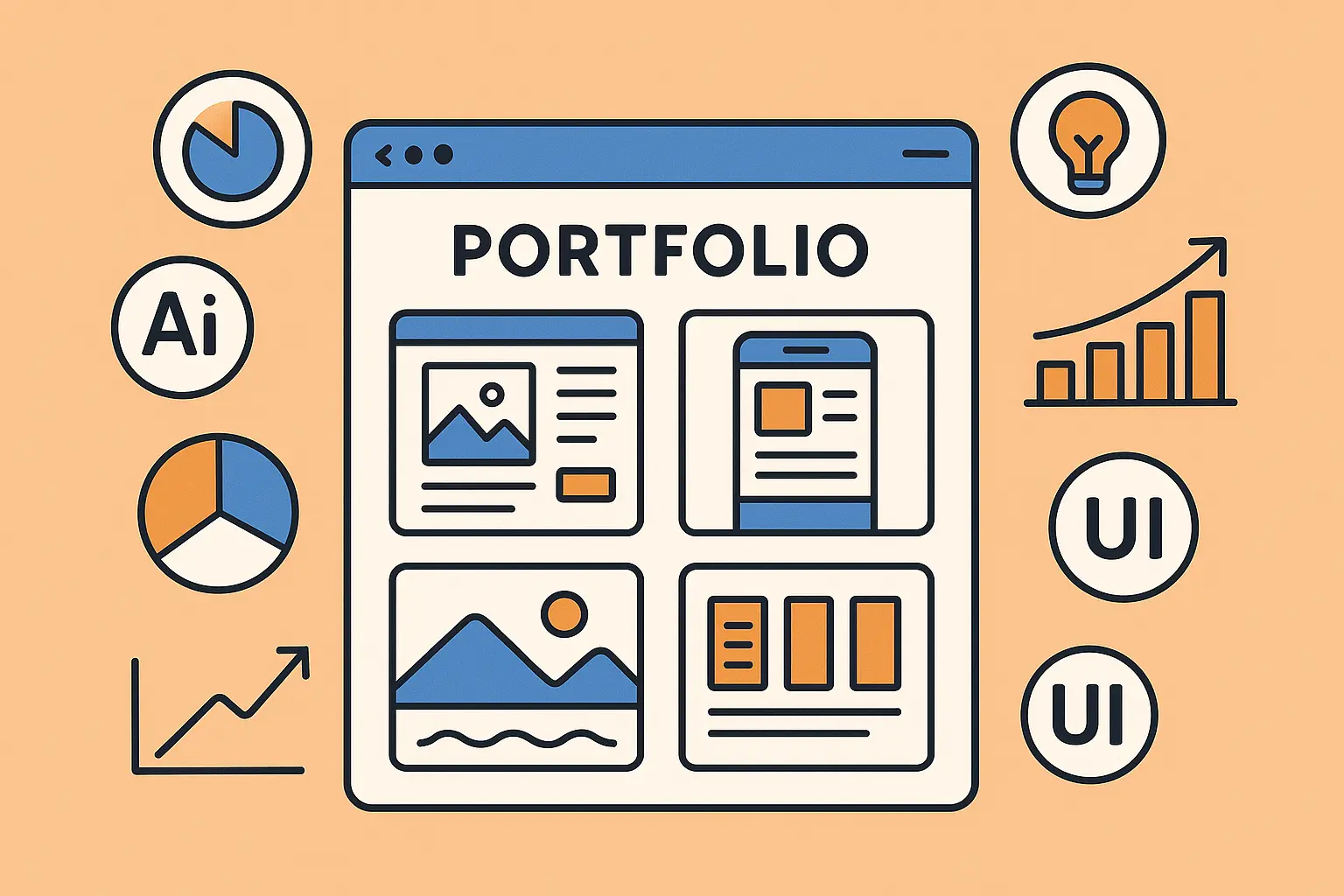
A strategically curated portfolio demonstrating measurable business results often influences salary offers more than years of experience alone. The key is presenting your work in ways that highlight business impact rather than just aesthetic achievement.
Document quantifiable results whenever possible—conversion rate improvements, engagement increases, cost savings, or revenue growth attributed to your design work. Even small improvements can be compelling when presented effectively.
Diversify your portfolio to show cross-disciplinary skills. Designers who can demonstrate basic coding abilities, photography skills, or copy writing capabilities justify higher salary requests because they offer more comprehensive value to employers.
Quantifiable Results: The Numbers Game
Learning to measure and document the business impact of your design work is one of the most powerful tools for salary advancement. This skill separates designers who are seen as cost centers from those viewed as profit contributors.
Start tracking metrics for every project—before and after statistics that show the impact of your design work. Website conversion rates, social media engagement, brand recognition scores, or user satisfaction improvements all provide concrete evidence of your value.
Present these results in business terms that non-designers can understand and appreciate. A 15% increase in conversion rates might translate to thousands of dollars in additional revenue, making your work’s ROI clear and compelling.
The Renaissance Designer Advantage
Portfolios showcasing cross-disciplinary skills justify higher salary requests because they demonstrate versatility and reduce the need for additional team members on projects.
Basic web development skills (HTML, CSS, basic JavaScript) are increasingly valuable as the line between design and development continues to blur. Designers who can implement their own designs often command higher compensation.
Photography and video skills complement design work beautifully and are highly valued in content-driven marketing environments. These capabilities allow you to create complete visual campaigns rather than just individual design elements.
Professional Development That Actually Pays Off
Continuous learning and industry certifications can accelerate salary growth, though practical application matters more than credentials alone. The key is choosing development opportunities that align with market demand and your career goals.
Industry-recognized certifications provide concrete justification for salary increases and can help you stand out in competitive job markets. However, employers care more about your ability to apply these skills effectively than the certificates themselves.
Soft skills development often has more impact on salary growth than additional technical certifications. Communication, project management, and leadership capabilities help you transition into higher-paying roles with greater responsibility.
Credentials That Actually Count
Adobe certifications demonstrate mastery of industry-standard tools and can justify 5-10% salary increases, especially when combined with portfolio work that showcases advanced techniques. These credentials are particularly valuable when transitioning between companies or negotiating raises.
Google’s UX Design Certificate has gained significant recognition and can help designers transition into higher-paying UX roles. The program’s focus on practical skills and portfolio development makes it more valuable than purely theoretical certifications.
Specialized software proficiencies in tools can command premium rates as companies seek designers who can work efficiently with their preferred technology stacks.
The Hidden Salary Boosters
Designers who develop strong communication and project management skills often transition into higher-paying consulting or leadership roles. These capabilities are often more valuable for salary growth than additional technical skills.
Client management skills are incredibly valuable because they allow you to work directly with decision-makers and command higher rates. Designers who can manage client relationships effectively often transition into account management or consulting roles with significant salary increases.
Project management capabilities help you take ownership of larger initiatives and demonstrate leadership potential. These skills are essential for advancing into creative director roles or starting your own consultancy.

Negotiation Scripts That Actually Work
Salary negotiation is a skill that can dramatically impact your lifetime earnings, yet most designers approach it poorly or avoid it entirely. Understanding effective negotiation tactics and having the confidence to use them can result in immediate salary increases of 10-20% or more.
Research is your foundation for any successful negotiation. You need to understand market rates for your role, location, and experience level, but you also need to document your specific value and contributions to justify above-market compensation.
Timing matters enormously in salary negotiations. The best opportunities often come during performance reviews, after successful project completions, or when taking on additional responsibilities.
Building Your Case with Performance Documentation
Creating detailed records of project outcomes, client feedback, and efficiency improvements provides concrete evidence to support salary increase requests. This documentation transforms subjective performance discussions into objective business cases.
Keep a running record of your achievements throughout the year, not just when review time approaches. Document specific projects, measurable outcomes, positive client feedback, and any process improvements you’ve implemented.
Here’s exactly what to say in your next salary review:
“Based on the 23% conversion increase from my last campaign, I’d like to discuss adjusting my compensation to reflect the value I’m delivering. My research shows similar roles in our market range from $X to $Y, and given my documented results, I believe $Z is appropriate.”
Performance Documentation Template:
-
Project name and timeline
-
Specific challenges addressed
-
Design solutions implemented
-
Measurable outcomes (metrics, percentages, dollar amounts)
-
Client/stakeholder feedback
-
Process improvements made
-
Skills developed or applied
-
Team collaboration contributions
Market Research and Positioning: Know Your Worth
Understanding your market value requires more than just looking at salary surveys. You need to research compensation for your specific skill set, experience level, and geographic market while considering the unique value you bring to your organization.
Use multiple sources for salary research—industry surveys, job postings, networking conversations, and online platforms. Look for patterns across sources rather than relying on single data points.
Consider your unique value proposition beyond standard job requirements. If you bring specialized skills, industry knowledge, or client relationships, these factors can justify above-market compensation.
Practice articulating your value in terms that resonate with business decision-makers. Focus on how your work contributes to company objectives rather than just describing your responsibilities.
Two Paths to Six Figures
Maximizing your earning potential requires strategic career planning that goes beyond just improving your design skills. The highest-paid designers understand how to position themselves for emerging opportunities and build complementary capabilities that command premium compensation.
Path 1: Become the go-to person for [specific thing]
Path 2: Start solving business problems, not just design problems
Building a personal brand through thought leadership and industry participation creates opportunities for premium consulting rates, speaking engagements, and high-value client relationships. This approach can dramatically increase your earning potential beyond traditional employment models.
Staying ahead of technology trends and mastering emerging tools positions you for high-demand roles before the market becomes saturated. Early adopters of new technologies often command significant salary premiums as companies compete for scarce expertise.
Future-Proofing Your Career with Emerging Tech
Designers who master AI tools, AR/VR design, or sustainable design principles position themselves for future high-demand roles. These emerging areas often offer significant salary premiums because supply hasn’t caught up with demand.
AI integration in design workflows is creating new opportunities for designers who can effectively leverage these tools while maintaining creative quality. Understanding how to use AI as a creative partner rather than a replacement can dramatically increase your productivity and value.
AR/VR design represents a growing market with limited experienced practitioners. Designers who develop expertise in these areas often command premium rates as companies explore immersive experiences for marketing and product development.
Sustainable design principles are becoming increasingly important as companies focus on environmental responsibility. Designers who understand sustainable materials, processes, and messaging can differentiate themselves in a crowded market.
AI Tools: The Productivity Multiplier
Learning to effectively integrate AI tools into your design workflow can dramatically increase your productivity and allow you to take on more complex projects. This efficiency gain often translates directly into higher earning potential.
Master AI tools to accelerate concept development and exploration phases. This allows you to present more options to clients and iterate more quickly on design solutions.
Use AI for routine tasks, freeing up time for strategic thinking and client interaction. This efficiency allows you to focus on high-value activities that justify premium rates.
Position AI integration as a competitive advantage that allows you to deliver better results faster, rather than as a cost-cutting measure. Clients will pay more for improved outcomes and faster turnaround times.
Building Your Platform Through Personal Brand
Building a recognizable personal brand through thought leadership and industry participation creates opportunities for premium consulting rates and speaking engagements. This approach can generate income streams beyond traditional employment while establishing you as an expert in your field.
Develop expertise in a specific niche and share your knowledge through blog posts, social media, or industry publications. This thought leadership positions you as an expert and attracts higher-value opportunities.
Speaking at industry conferences or hosting workshops can generate direct income while building your reputation and network. These activities often lead to consulting opportunities with premium rates.
Create educational content that demonstrates your expertise while helping other designers. This approach builds goodwill in the creative community while establishing your authority in specific areas.
Your Expert Status Strategy
Establishing yourself as a thought leader in specific design areas creates opportunities for premium consulting work, speaking engagements, and high-value client relationships. This recognition often translates into significantly higher earning potential.
Choose a specific area of expertise and consistently share insights, case studies, and best practices. Whether it’s sustainable design, UX research, or brand strategy, deep expertise in a niche area commands higher rates than generalist knowledge.
Engage with industry discussions on social media platforms. Share thoughtful commentary on design trends, business challenges, and industry developments to build your reputation as a knowledgeable professional.
Write articles or create content that helps other designers solve common problems. This positions you as someone who understands the challenges facing the industry and has practical solutions to offer.

How ValidGrad Supports Your Career Journey
Career advancement in design often involves transitions between companies, relocations to new markets, or pivots into different specializations. During these changes, having proper documentation of your educational credentials becomes crucial for maintaining professional credibility and supporting salary negotiations.
ValidGrad understands that life happens—diplomas get lost, damaged, or misplaced during the career transitions and relocations that are common in the dynamic design industry. Whether you’re moving to a new city for a better opportunity or transitioning between companies, having backup documentation of your educational achievements provides peace of mind.
For designers navigating salary negotiations or career transitions, ValidGrad’s diploma replacement services ensure you always have professional documentation readily available. Whether you need a backup copy for portfolio presentations, a laminated version for office display, or a replacement for a damaged original, ValidGrad’s high-quality diploma replicas help you maintain the professional image that supports your salary goals and career advancement in the competitive design industry.
When building your professional credentials portfolio, consider displaying your educational achievements professionally to reinforce your expertise during client meetings and salary discussions.
Ready to secure your educational credentials? Visit ValidGrad today to get professional diploma replacements that support your career growth and salary advancement goals.
Bottom Line
Stop competing on talent alone. The designers making real money figured out they’re not just making things pretty—they’re solving business problems. Once you get that, everything changes.
Understanding salary dynamics isn’t just about knowing what others earn—it’s about positioning yourself strategically for maximum compensation throughout your career. The designers who earn the most aren’t necessarily the most talented; they’re the ones who understand how to articulate their value, specialize in high-demand areas, and negotiate effectively.
Your salary growth depends on more than just improving your design skills. Business acumen, communication abilities, and strategic career planning often have more impact on your earning potential than mastering another design software. Focus on developing the complete skill set that today’s market rewards.
The design industry continues evolving rapidly, creating new opportunities for designers who stay ahead of trends and adapt to changing market demands. Whether you’re just starting your career or looking to accelerate your earning potential, the strategies outlined in this guide can help you achieve your financial goals while building a fulfilling design career.
As you advance in your career, remember that understanding the educational requirements and pathways can help you make informed decisions about further skill development and specialization opportunities. The salary landscape rewards those who combine creative excellence with business savvy and strategic thinking.