
Look, I’m going to be straight with you about accounting salaries. After years in this field and watching countless colleagues navigate their careers, I’ve seen way too much misleading information floating around about what you can actually earn.
So let’s cut through the BS. Whether you’re thinking about becoming an accountant or trying to figure out how to make more money in your current role, I’m going to share what I wish someone had told me when I started.
Here’s the thing: according to the Bureau of Labor Statistics, accounting jobs are growing 5% faster than average through 2034. That means now’s actually a pretty good time to understand what you can really make in this field.

The Bottom Line (Skip to This If You’re in a Hurry)
-
New accountants typically start around $45K-$55K, but your location and industry choice can bump this up by 25%
-
Get your CPA. Seriously. It adds 10-15% to your salary immediately and keeps paying off for decades
-
After 3-7 years, you should be making $60K-$85K if you’re playing your cards right
-
Some specializations (like forensic accounting) pay way more than others
-
Where you live matters more than you think – cities pay 15-25% more
-
Executive roles can hit $200K-$500K+, but that’s obviously not happening overnight
-
Emerging specializations in data analytics and sustainability accounting offer 25-40% salary boosts
What Accountants Actually Make (The Real Numbers)
The accounting world is changing fast. Technology is shaking things up, new regulations are creating demand for specialized skills, and frankly, salaries are moving in directions that might surprise you.
According to Accounting Today’s 2025 Salary Survey, staff accountant salaries jumped $10,000 from last year. That’s huge.

Starting Out: What “Entry-Level” Really Means
When I talk to new grads, they’re often shocked by how much starting salaries can vary. That $45K-$55K range? It’s real, but where you land in that range depends on some strategic decisions you need to make early.
Here’s what actually matters:
|
Firm Size |
Starting Salary Range |
Benefits Package |
Career Progression |
|---|---|---|---|
|
Big Four |
$65,000-$75,000 |
Comprehensive + Bonuses |
Fast track to senior roles |
|
Large Regional |
$55,000-$65,000 |
Good benefits + some bonuses |
Steady progression |
|
Mid-Size Local |
$50,000-$60,000 |
Standard benefits |
Moderate growth |
|
Small Practice |
$45,000-$55,000 |
Basic benefits |
Varied opportunities |
Understanding the true value of your educational credentials is crucial when negotiating these higher accounting salary increases, which is why many professionals ensure they have proper documentation through evaluating whether their college degree investment translates into measurable career advancement opportunities.
Recent analysis from Newsday reveals that nationwide last year, there were 1.8 million accountants and auditors, which was 186,000, or 9.5%, fewer than the number five years earlier. This shortage is creating unprecedented opportunities for salary growth as firms compete for talent.
Location Is Everything
Moving to the right city can instantly boost your salary by 15-25%. I’m not kidding. A friend of mine got offers for $52K in small-town Ohio versus $68K in Atlanta. Yeah, Atlanta costs more to live in, but she came out ahead by about $8,000 annually – plus way better networking opportunities.
Data from Built In shows that the average accountant salary in Atlanta, GA is $67,909, with the most common salary range being between $70k – $80k. That’s a perfect example of how location significantly impacts earning potential.
The CPA Game-Changer
That CPA certification? It’s not just a nice-to-have. It’s a 10-15% salary bump that keeps compounding throughout your entire career. I ran the numbers once – over 30 years, we’re talking about an extra $180,000+ in lifetime earnings. Not counting the doors it opens.
Mark started as a staff accountant at $50,000 without his CPA. After getting certified, he negotiated a raise to $57,500 (15% increase). Over a 30-year career with 3% annual raises, that CPA premium compounds to approximately $180,000 in additional lifetime earnings – and that’s not even including the better promotion opportunities.
Mid-Career: Where Things Get Interesting
Years 3-7 are make-or-break time. This is where you either take off or get stuck. I’ve watched colleagues make smart moves during this phase that set them up for life, while others got comfortable and plateaued.
If you’re strategic about it, you should be hitting $60K-$85K during this period. Here’s your playbook:
-
Get that CPA within your first 3 years
-
Pick a specialization and actually get good at it
-
Build real relationships with senior people
-
Keep track of your wins (you’ll need them for negotiations)
-
Research what you should be making every single year
-
Don’t be afraid to change jobs every 2-3 years
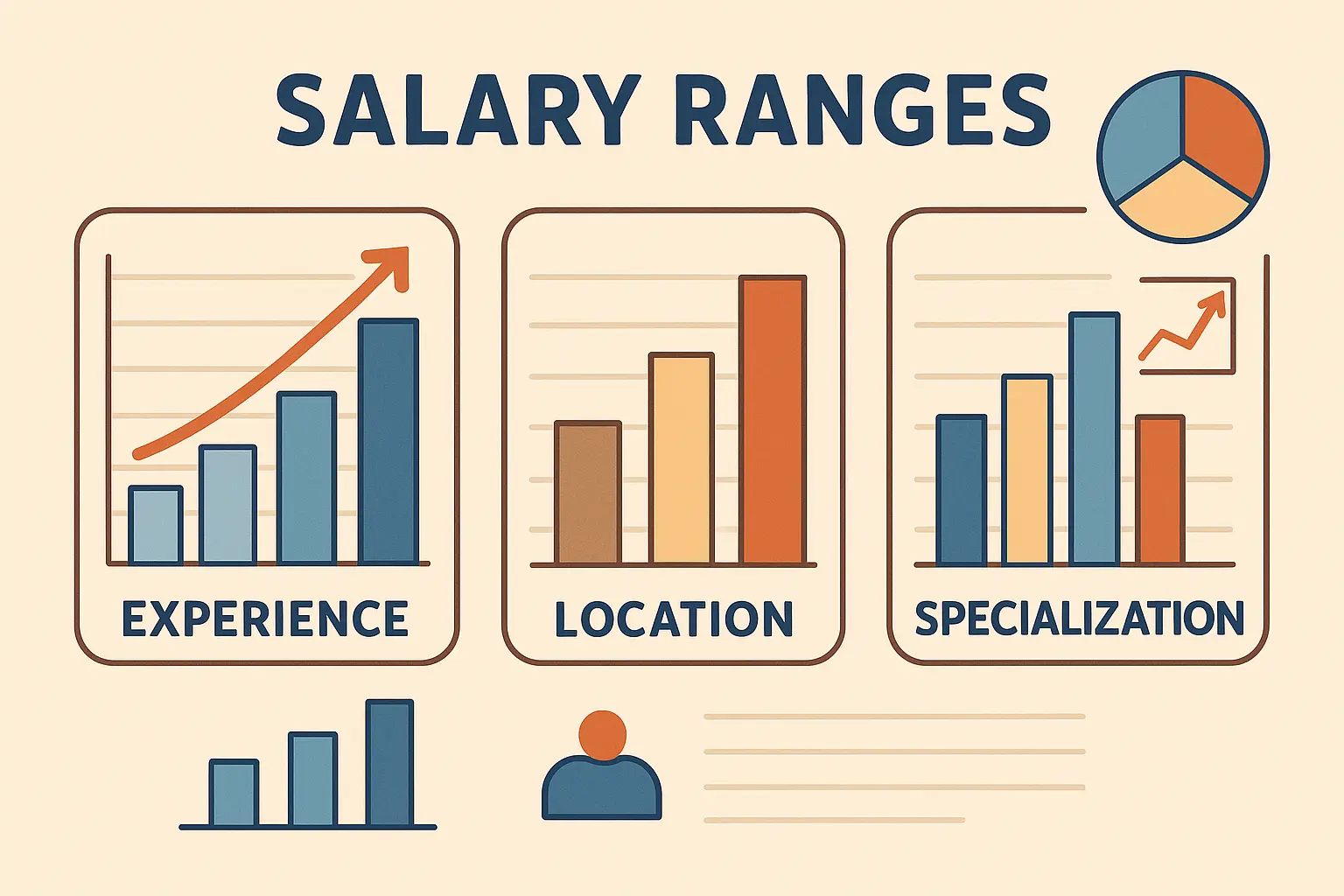
Understanding the Variables That Actually Matter
Education level, certifications, specializations, company size, and performance metrics all influence your compensation, but not equally. Some factors have immediate impact while others pay dividends over time.
|
Credential |
Time Investment |
Cost Range |
Immediate Salary Boost |
Lifetime ROI |
|---|---|---|---|---|
|
CPA |
6-18 months |
$3,000-$5,000 |
10-15% |
$150,000-$300,000 |
|
Master’s in Accounting |
1-2 years |
$30,000-$60,000 |
15-20% |
$200,000-$400,000 |
|
CMA |
6-12 months |
$2,500-$4,000 |
8-12% |
$100,000-$250,000 |
|
MBA |
2 years |
$50,000-$150,000 |
20-30% |
$300,000-$600,000 |
According to Built In salary data, people with the job title Accountant make the most at companies with 1,000+ employees, earning $75,000 on average, compared to smaller firms.
Specializations That Actually Pay More
Some areas of accounting just pay better. Period. If you’re willing to develop specialized skills, you can command serious premiums.
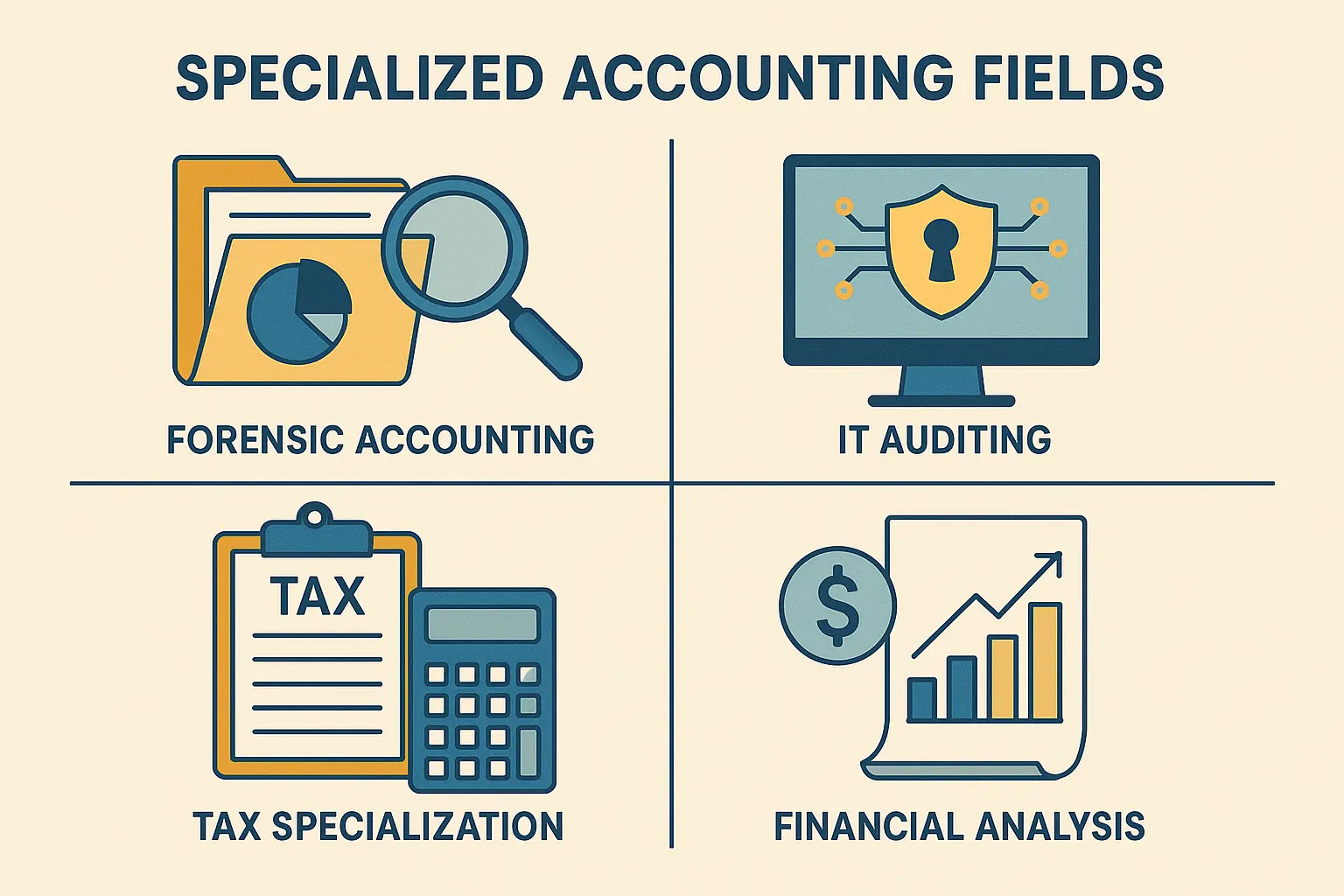
IT Auditing: The Tech Premium
IT auditors make 15-25% more than regular auditors because they understand technology and cybersecurity. As everything goes digital, this premium is only going to grow.
Jennifer transitioned from general auditing to IT auditing by completing cybersecurity certifications. Her salary jumped from $72,000 to $89,000 (23% increase) within six months of specialization, and she now commands premium rates for SOX compliance and cybersecurity audits.
Forensic Accounting: The Investigation Premium
These are the accountants who investigate financial crimes and disputes. It’s intense work, but experienced forensic accountants can easily clear $100K+. The work requires strong analytical skills, but the compensation reflects the specialized nature and high stakes involved.

Tax Accounting: Maximizing Busy Season
Tax pros have a unique situation – they can make serious money during busy season through overtime. The key is structuring your compensation right and not burning out.
Many tax accountants receive overtime pay during busy season, significantly boosting annual earnings. Smart tax professionals negotiate overtime rates before busy season starts and track billable hours meticulously to maximize these seasonal opportunities.
As reported by the University of North Dakota, the job outlook for accountants is projected to grow faster than average (6%), driven by evolving regulations, technological advancements, and the need for transparent financial practices.
Advanced Career Moves That Double Your Income
The moves that separate high earners from average performers aren’t always obvious, but they follow patterns you can copy.

Professional Development That Actually Pays Off
Not all certifications and degrees are worth the investment. Here’s what actually moves the needle:
CPA: Takes 1-2 years, costs $3K-$5K, but adds $10K-$15K annually for life. Do the math – it’s a no-brainer.
MBA vs. Master’s in Accounting: MBA opens more doors to executive roles, but costs way more. Master’s in Accounting is cheaper and more focused. Choose based on where you want to end up.
Specialized certifications (CMA, CIA): Good ROI if they align with your career path, but don’t collect certificates just to have them.
Professional advancement often requires proper documentation of your educational achievements, and many accounting professionals benefit from understanding how to obtain copies of their college degrees when pursuing executive-level positions that require credential verification.
Strategic Job Changes
Here’s something most people won’t tell you: staying at one company too long can actually hurt your earning potential. The biggest salary jumps usually come from switching jobs, not internal promotions.
Every 2-3 years, you should be evaluating your options. Not necessarily leaving, but knowing what you’re worth in the market gives you leverage in salary discussions.
Salary Negotiation: The Skills They Don’t Teach in School
Most accountants hate negotiating. I get it – we’re naturally conservative. But this mindset costs you serious money over your career.
Do your homework. Know what you should be making. Document your achievements. Time your asks right (hint: not during busy season). And don’t be afraid to ask.
Salary Negotiation Timing Strategy:
-
Schedule discussions 2-3 months before budget planning
-
Document achievements quarterly for review preparation
-
Research market rates 30 days before negotiations
-
Time requests after successful project completions
-
Avoid busy season or stressful periods
-
Prepare backup offers and alternatives
-
Follow up within one week of initial discussion
The Big Money: Executive Roles
CFO, Controller, Partner – these roles are where the real money is. We’re talking $200K-$500K+ annually. Getting there takes years of strategic moves, but it’s absolutely possible.

The CFO Track
CFO salaries range from $150K at smaller companies to $500K+ at Fortune 500s. Public companies generally pay more due to regulatory complexity and shareholder accountability requirements, but private companies might offer better work-life balance.
Partnership Track Timeline:
-
Staff Accountant (0-2 years): $55,000-$70,000
-
Senior Associate (2-4 years): $70,000-$90,000
-
Manager (4-7 years): $90,000-$130,000
-
Senior Manager (7-10 years): $130,000-$180,000
-
Partner (10+ years ): $200,000-$800,000+
The Partnership Path
Big Four partners often make $300K-$800K annually. It requires serious commitment and business development skills, but it’s some of the highest earning potential in accounting.
Accounting firm partners earn substantial income through profit-sharing arrangements. The partnership track requires significant commitment and business development skills, but offers some of the highest earning potential in the accounting profession.
Future-Proofing Your Career
The accounting world is evolving fast. Here are the emerging specializations that are commanding premium salaries:

Data Analytics
Companies are drowning in data but starving for insights. Accountants who can bridge the gap between numbers and business decisions are gold.
Learn SQL, Python, or R. Get comfortable with Tableau or Power BI. This isn’t optional anymore – it’s table stakes for high-paying roles.
ESG and Sustainability Reporting
Environmental, Social, and Governance reporting is exploding. New regulations are coming, and companies need people who understand both accounting principles and sustainability metrics.
Early movers in this space are seeing 25-40% salary premiums.
Blockchain and Cryptocurrency
Still emerging, but companies dealing with crypto need accountants who understand the technology. The learning curve is steep, but so are the salary premiums – often 25-40% increases for specialized knowledge.
Future-Proof Specialization Checklist:
-
Identify emerging regulatory requirements in your industry
-
Develop proficiency in data analytics and visualization tools
-
Learn basic programming languages (Python, R, SQL)
-
Stay current with ESG reporting standards
-
Understand blockchain and cryptocurrency accounting principles
-
Build expertise in financial technology platforms
-
Network with professionals in emerging fields
Cybersecurity and Risk
As accounting becomes more digital, cybersecurity becomes more important. Accountants who understand both financial controls and cybersecurity are rare and valuable.
As accounting professionals advance into these specialized roles, maintaining proper documentation becomes crucial, especially when considering professional diploma display options that showcase credentials in executive offices and client-facing environments.
The Geographic Strategy
Where you work matters more than most people realize.
High-Paying Metro Areas
New York, San Francisco, Washington DC, Boston, Chicago – these cities pay the most, but also cost the most to live in.
The key is finding the sweet spot where the salary premium exceeds the cost of living increase.
Emerging Markets
Austin, Nashville, Denver, Atlanta – these cities are seeing rapid growth in accounting jobs with salaries approaching major metro levels but with lower living costs.
Remote Work Arbitrage
If you can land a remote job with a company based in a high-cost city while living somewhere cheaper, you win. This is getting harder as companies adjust for location, but opportunities still exist.
Building Multiple Income Streams
Relying solely on your day job salary caps your earning potential. Smart accountants build additional income streams:
Consulting and Freelancing
Use your expertise to help small businesses. Tax prep, bookkeeping, financial analysis – there’s always demand.
Start small – maybe a few clients on weekends. As you build a reputation, you can charge premium rates.
Teaching and Training
Accounting education is huge. You can teach at community colleges, create online courses, or do corporate training.
The pay varies, but it’s good supplemental income and builds your professional reputation.
Real Estate Investment
Many successful accountants I know have significant real estate portfolios. Your financial skills give you an advantage in analyzing deals and managing properties.
Common Mistakes That Cost You Money
After years in this field, I’ve seen the same mistakes over and over:
Staying Too Long at One Company
Loyalty is admirable, but it can cost you. Companies rarely give raises that match what you could get by switching jobs.
Not Negotiating
Every time you don’t negotiate, you’re leaving money on the table. And it compounds – your next job offer will be based on your current salary.
Ignoring Soft Skills
Technical skills get you in the door, but soft skills get you promoted. Communication, leadership, business acumen – these matter more as you advance.
Not Building a Network
Opportunities come through people, not job boards. Invest time in building real professional relationships.
Focusing Only on Salary
Total compensation includes health insurance, retirement contributions, vacation time, flexibility, and growth opportunities. Don’t optimize for salary alone.
The Long Game
Here’s the thing about accounting careers – they’re marathons, not sprints. The decisions you make early compound over decades.
Retirement Planning for High Earners
As your income grows, so should your retirement contributions. Max out your 401(k), consider backdoor Roth conversions, and don’t forget about taxable investment accounts.
The goal isn’t just to make more money – it’s to keep more of what you make and build long-term wealth.
Continuous Learning
The accounting profession changes constantly. New regulations, new technology, new business models. The accountants who thrive are the ones who never stop learning.
Set aside time and money for professional development every year. It’s not an expense – it’s an investment in your earning potential.
Many accounting professionals find that having backup copies of their credentials becomes essential when pursuing higher-paying positions, especially when considering replacing lost diplomas that may be required for salary negotiations or job applications.
How ValidGrad Can Support Your Salary Growth Journey
Throughout your accounting career advancement, having proper documentation of your educational credentials is crucial for salary negotiations and career opportunities. ValidGrad understands that accounting professionals sometimes face challenges with lost or damaged diplomas that are essential for demonstrating qualifications to employers and maximizing earning potential.
Whether you’re pursuing your first accounting position or advancing to executive roles, our diploma replacement services ensure you can confidently showcase your educational achievements when pursuing higher-paying positions. With ValidGrad’s high-quality replica diplomas, you can maintain backup copies of your credentials while keeping originals secure, ensuring you’re always prepared for career opportunities that could significantly impact your earning potential in the competitive accounting field.
Ready to advance your accounting career? Protect your educational investments and ensure you’re always prepared for the next opportunity with ValidGrad’s professional diploma replacement services.
Final Thoughts
Look, I’m not going to sugarcoat this – building a high-earning accounting career takes work. It requires strategic thinking, continuous learning, and yes, some calculated risks.
But here’s what I’ve learned after years in this field: the opportunities are there for people willing to go after them. The accounting profession has evolved way beyond the stereotype of boring, low-paid bean counters.
You can make serious money in accounting. Six figures is absolutely achievable for most people willing to put in the effort. And for those who really commit to it, the sky’s the limit.
The key is being intentional about your career. Don’t just show up and do good work – that’s not enough anymore. Be strategic about your moves, invest in the right skills, build relationships, and don’t be afraid to bet on yourself.
Most importantly, don’t let anyone convince you that accounting is just a “stable but modest” career choice. With the right moves, specializations, and timing, accounting can be a path to substantial financial success. The information is out there, the opportunities exist, and now you have the roadmap to make it happen.
Your future self will thank you for the moves you make today.