
I’ll be honest—when I first looked at Icelandic salaries, the numbers seemed too good to be true. $4,500+ monthly average? In a country with 370,000 people? But after digging deeper, I realized the real story is way more nuanced than those headline figures suggest.
According to Remote People’s comprehensive salary analysis, the average monthly salary hits 635,000 ISK (approximately $4,579 USD). But that number barely scratches the surface of what’s really happening in Iceland’s job market.
Table of Contents
-
What’s Really Going On with Salaries in Iceland Right Now
-
The Numbers Game: What People Actually Make
-
Which Industries Actually Pay Well (And Which Don’t)
-
How Much Your Education Actually Matters
-
What Actually Drives Salary Decisions
-
Finding Real Salary Data and Negotiating Smart
-
Building Long-Term Career Success
-
Final Thoughts
TL;DR
-
Most people earn 600,000-800,000 ISK monthly ($4,200-$5,600 USD), but this varies wildly by industry and experience
-
Tech, finance, and renewable energy sectors throw money at people, while traditional industries offer stability over big paychecks
-
A university degree can boost your salary by 30-50%, and learning Icelandic adds another 10-20%
-
Iceland’s tight labor market (3-4% unemployment) gives skilled workers real negotiating power
-
High living costs, especially housing (30-40% of income), push salary expectations upward
-
January-March review cycles are your best shot for salary negotiations
-
Proper credentials and documentation are crucial for accessing higher-paying positions
What’s Really Going On with Salaries in Iceland Right Now
Look, I’ve spent months digging into Iceland’s salary data, and honestly? What I found surprised me. The numbers you see online don’t tell the whole story.
Iceland isn’t just another European country with decent wages. It’s this weird economic bubble where high costs crash into strong worker protections. The whole economy runs on tourism (when there’s no pandemic), fishing, geothermal energy, and a booming tech scene that’s honestly kind of crazy for a country this small.
Understanding whether a college degree is worth it becomes particularly relevant in Iceland’s competitive job market, where educational credentials directly translate to higher earning potential.

Here’s what caught my attention: Iceland’s tech industry is absolutely exploding right now. According to Nucamp’s latest industry analysis, the tech scene is crushing it in 2025. We’re talking 12,000+ people employed in tech, contributing 9% to the entire country’s GDP. And get this—they’re predicting a shortage of over 1,000 tech workers by 2025. If you’ve got skills, companies will literally compete for you.
But here’s the thing everyone misses when they talk about Icelandic salaries—it’s not just about the money. It’s about understanding how this tiny island creates both incredible opportunities and some real financial challenges.
The Numbers Game: What People Actually Make
Getting real salary numbers for Iceland means understanding that the ranges are huge. Like, really huge. Where you work and what you bring to the table makes all the difference.
Recent data from Remote People’s comprehensive salary data shows wages grew 1.8% in April 2025—the fastest pace in three months. Over the whole year ending in March 2025, salaries jumped 3.4% on average. Not bad for a small economy dealing with global uncertainty.
The Real Monthly Numbers
Most people earn between 600,000 to 800,000 ISK per month (roughly $4,200-$5,600 USD). But that’s like saying “most cars cost between $20,000 and $80,000″—technically true, but not super helpful.
Here’s how it actually breaks down:
|
Salary Range |
ISK Monthly |
USD Equivalent |
Percentage of Workforce |
|---|---|---|---|
|
Low Earners |
368,800 ISK |
$2,660 |
25% |
|
Average Range |
600,000-800,000 ISK |
$4,200-$5,600 |
50% |
|
High Earners |
1,000,000+ ISK |
$7,213+ |
25% |
I know a marketing coordinator in Reykjavik—let’s call her Anna. Three years experience, making 650,000 ISK monthly. Pretty typical. But after getting her MBA and learning decent Icelandic, she bumped up to 850,000 ISK. That’s a 31% raise, and it shows how education and language skills actually pay off here.
Experience Makes a Huge Difference
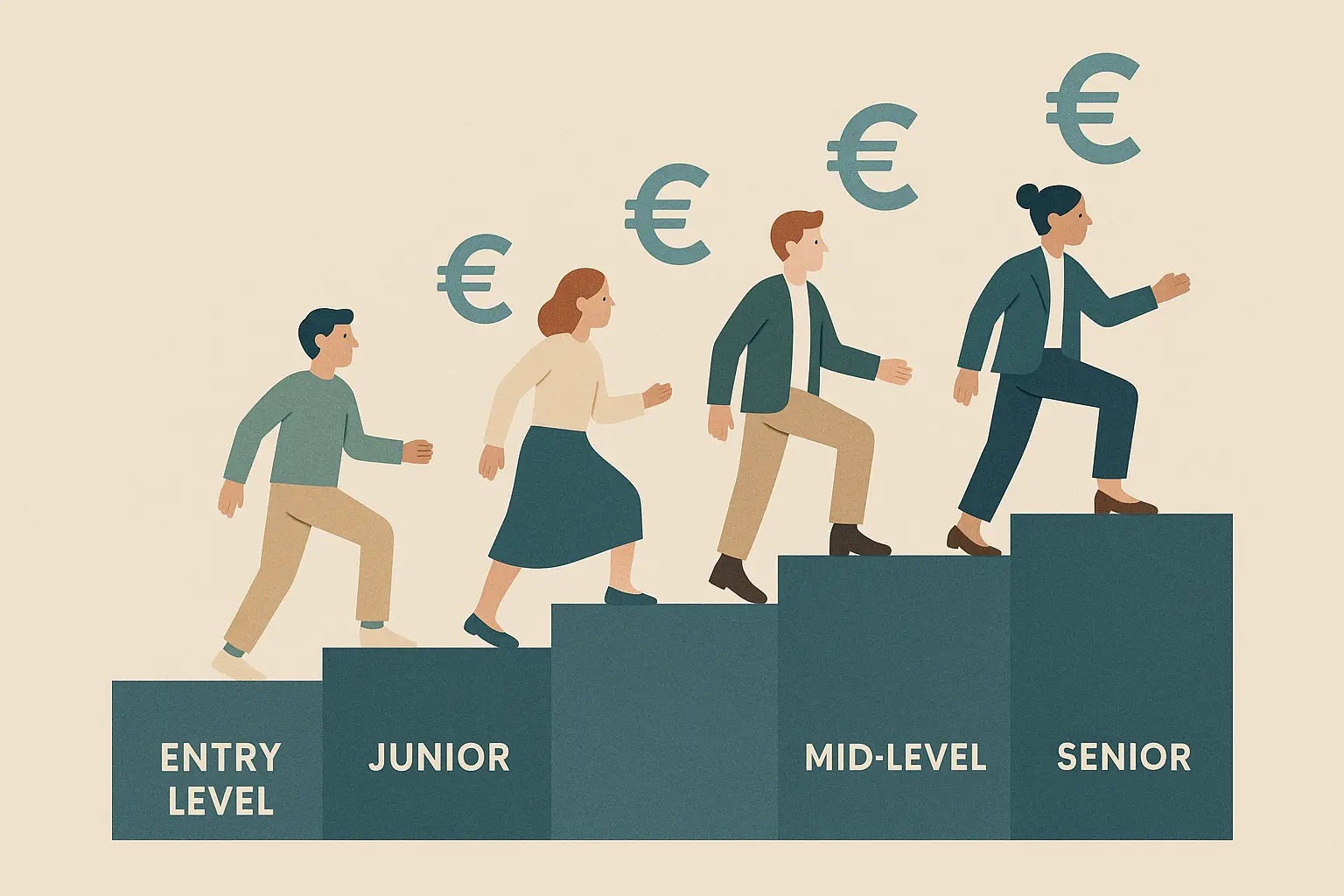
Fresh graduates? You’re looking at 400,000-500,000 ISK monthly to start. Seasoned pros can pull in 1,000,000+ ISK monthly. That gap isn’t just about time—it’s about Iceland’s culture of actually rewarding people who stick around and get good at their jobs.
Location: Reykjavik vs. Everywhere Else
Work in Reykjavik and you’ll typically earn 15-25% more than rural jobs. But honestly, Iceland is so small that “rural” might just mean a 45-minute drive from the capital. Still, the difference is real.
Reykjavik workers earn around 850,000 ISK monthly, while Western Iceland averages 675,000 ISK monthly, and rural areas typically see salaries around 625,000 ISK monthly due to lower living costs and fewer job opportunities.
Which Industries Actually Pay Well (And Which Don’t)
Iceland’s economy has clear winners and losers when it comes to paychecks. Some sectors throw money at people because they desperately need skills. Others offer stability and benefits that don’t show up in salary numbers but matter in the long run.

The Money Makers: Tech, Finance, Energy
Tech absolutely dominates the top pay brackets. AI Architects lead the pay scale at €115,000 annually according to Nucamp’s 2025 tech salary report. Software developers average around $90K yearly, while senior data scientists can hit $130K or more. The demand is insane—AI and cloud computing job postings jumped 38% in just Q1 2024.
|
Industry |
Average Monthly Salary (ISK) |
USD Equivalent |
Growth Trend |
|---|---|---|---|
|
AI/Tech |
1,200,000-1,800,000 |
$8,500-$12,700 |
+38% demand |
|
Finance |
900,000-1,400,000 |
$6,300-$9,900 |
Stable |
|
Healthcare |
800,000-1,300,000 |
$5,600-$9,200 |
+15% |
|
Renewable Energy |
850,000-1,200,000 |
$6,000-$8,500 |
+22% |
Traditional Industries: Steady But Not Flashy
Fishing, aluminum, and tourism form Iceland’s economic backbone, but they’re not making anyone rich. Salaries typically run 450,000-700,000 ISK monthly. But here’s the thing—these jobs often come with solid benefits packages that add real value.
I know a fishing boat captain making 580,000 ISK monthly. Sounds below average, right? But add in profit-sharing bonuses, full health coverage, and 6 weeks paid vacation, and his total package is worth about 750,000 ISK monthly.
How Much Your Education Actually Matters
In Iceland, your degree directly translates to bigger paychecks. This isn’t some vague “education is good” advice—the numbers are crystal clear and worth understanding if you’re planning your career.
Many professionals find themselves needing replacement diplomas when pursuing higher-paying positions in Iceland, as proper documentation becomes crucial during the credential validation process.
The University Premium
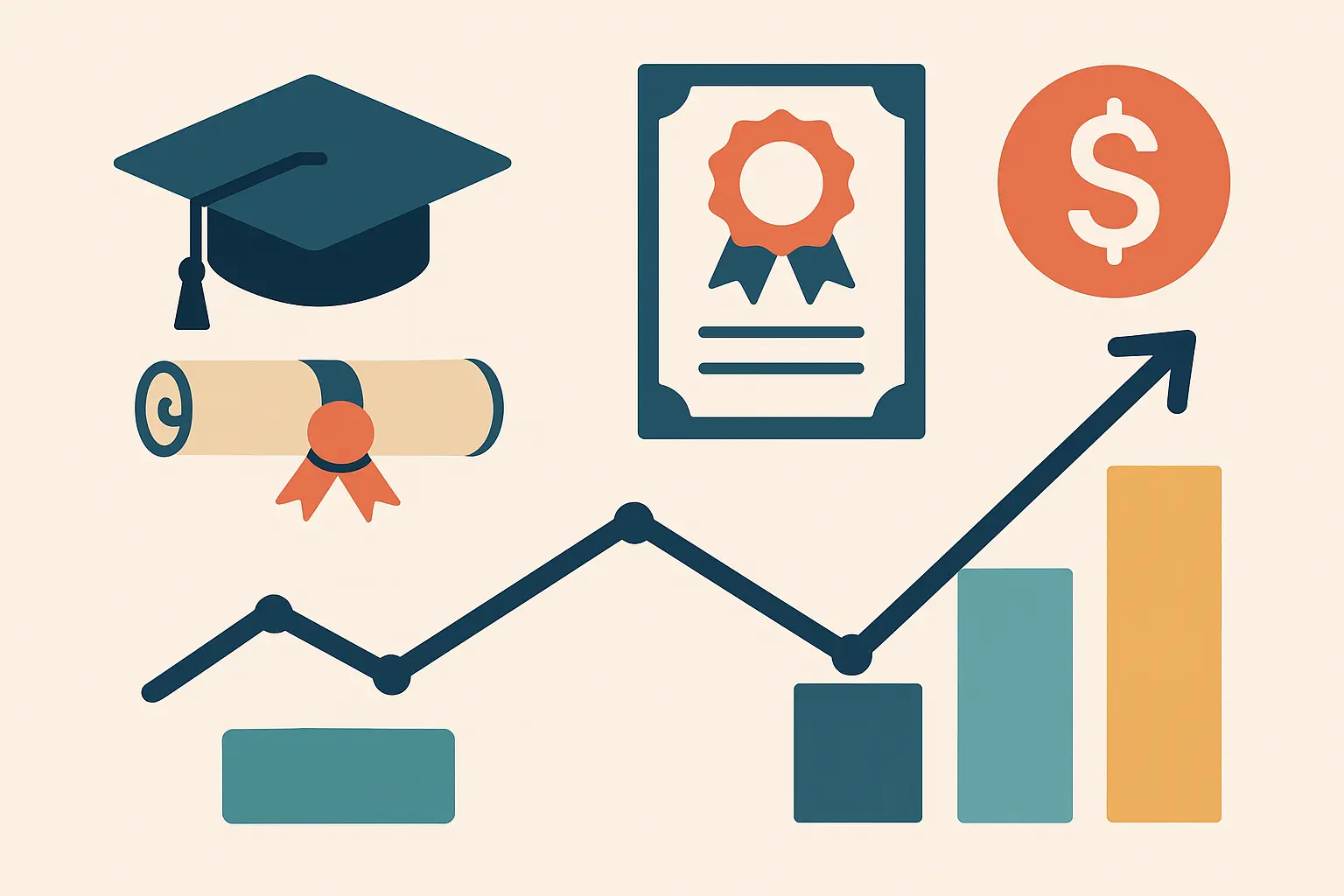
University grads typically out-earn high school grads by 30-50%. Get a master’s degree and you’ll see another 15-25% bump over bachelor’s holders. We’re not talking small differences here—these are substantial lifetime earning advantages.
The data is pretty stark: workers with tertiary education earn about 39% more than those with basic education, while those with doctorate degrees earn about 54% more than workers with bachelor’s degrees. Each educational milestone represents a significant salary jump.
Certifications and Skills That Pay
Industry certifications can add 100,000-200,000 ISK to your monthly salary. Iceland’s employers really value continuous learning, making ongoing skill development one of the most direct paths to bigger paychecks.
Professional Certification Checklist:
-
Research industry-specific certifications (CISSP for cybersecurity, PMP for project management)
-
Calculate ROI: certification cost vs. salary increase potential
-
Schedule study time and exam dates
-
Verify employer certification reimbursement policies
-
Plan for continuing education requirements
-
Network with certified professionals in your field
International Credentials
Got degrees from outside Iceland? You’ll need to validate them through Icelandic authorities. The process takes 3-6 months and feels bureaucratic, but it’s essential for accessing higher-paying professional positions. The validation opens doors to salary levels that justify the hassle.
Understanding how academic transcripts work becomes essential when validating international credentials for Iceland’s job market, as proper documentation can significantly impact your earning potential.
What Actually Drives Salary Decisions
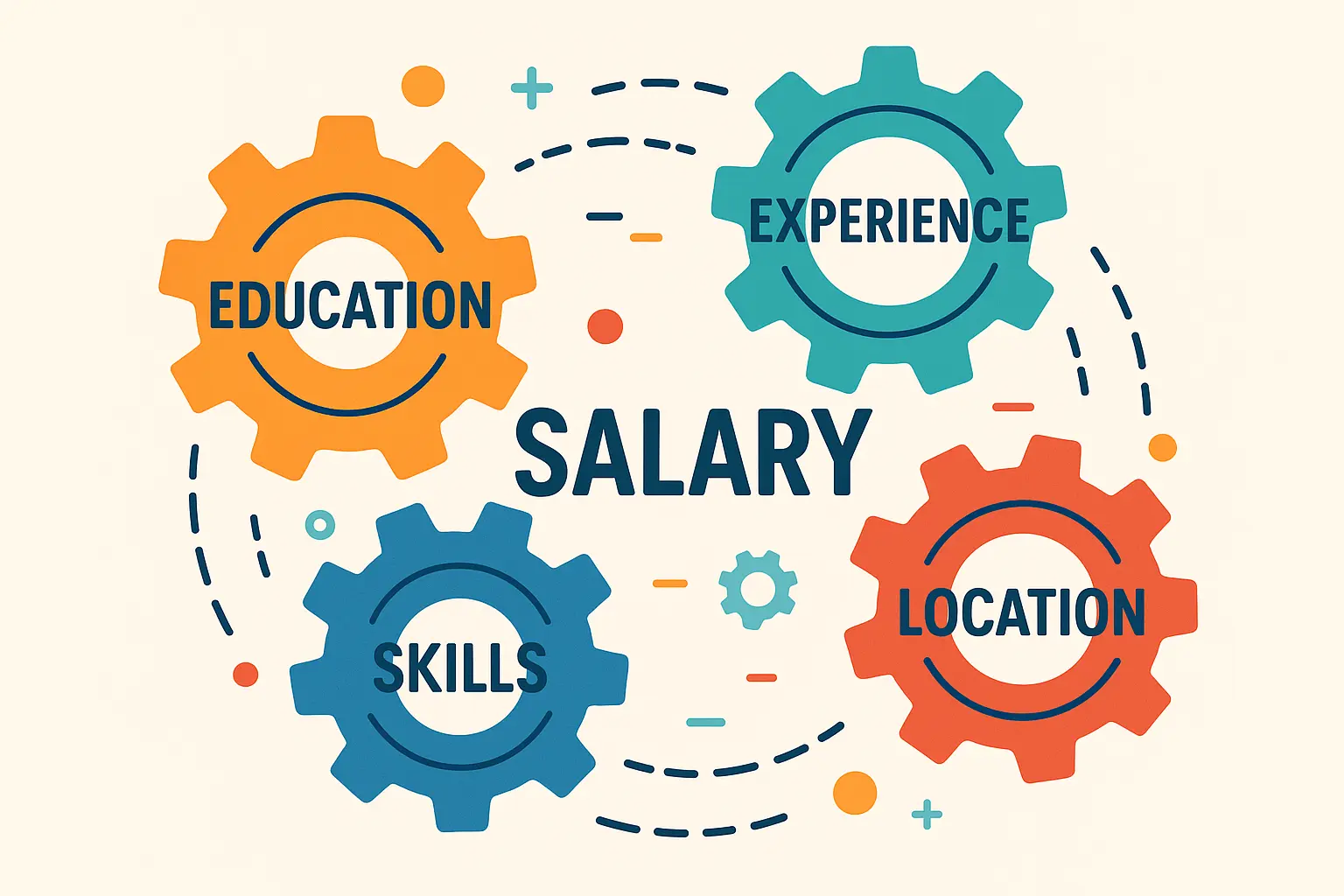
Multiple factors shape what you’ll earn in Iceland, from big economic trends to your personal qualifications and how well you negotiate. Understanding these helps you position yourself strategically and make smart career moves.
Economic Reality: Why Everything Costs So Much
Iceland’s unique economy significantly impacts how salaries work. High living costs and tight labor markets create upward pressure on wages that affects every job offer and salary negotiation.
The Housing Reality Check
Housing eats up 30-40% of most people’s income in Iceland. This drives salary expectations upward across all sectors. Many employers provide annual cost-of-living adjustments just to help employees keep up with Iceland’s expensive lifestyle.
When Workers Have the Power
Iceland’s unemployment rate consistently sits around 3-4%, creating competitive conditions for skilled workers. This tight labor market gives employees real leverage in salary negotiations and career advancement. If you have in-demand skills, employers will compete for you.
Personal Factors That Boost Your Value
Some individual attributes provide immediate salary premiums, while others build long-term earning power through career advancement.
The Icelandic Language Advantage
Learn Icelandic and you can add 10-20% to your salary potential. Speak multiple languages (especially English, Danish, or German) and you’ll command additional premiums in international-facing roles. These aren’t just communication skills—they’re direct salary multipliers.
I know an American software engineer who initially earned 800,000 ISK monthly at a Reykjavik startup. After spending a year learning conversational Icelandic, she negotiated a 15% salary increase to 920,000 ISK, plus gained access to client-facing roles that weren’t available to non-Icelandic speakers before.
Performance Culture
Iceland rewards results through annual reviews that typically result in 3-8% salary increases for strong performers. High achievers can expect promotions every 2-4 years, making consistent performance one of the most reliable paths to salary growth.

Finding Real Salary Data and Negotiating Smart
Success in Iceland requires knowing where to find accurate salary information and how to approach negotiations within the country’s egalitarian culture. The right data and cultural awareness can make the difference between standard offers and premium compensation.
Where to Find Real Information
Iceland’s transparent but specialized job market offers several reliable sources for salary information. Knowing which sources provide the most current and relevant data helps you enter negotiations with confidence.
Official Sources
Statistics Iceland (Hagstofa Íslands) provides comprehensive salary data by sector, education level, and region. It’s updated quarterly and free online. This official data gives you credible benchmarks for negotiations.
Industry Networks
Sector-specific surveys from professional associations and recruitment firms like Capacent and Advania provide real-time market insights. LinkedIn Iceland groups are goldmines for current salary information that official stats might miss.
Direct Networking
Iceland’s small business community makes direct networking incredibly effective for salary research. Informational interviews and professional meetups provide salary benchmarking opportunities you can’t get from published data.

Negotiation Strategies That Actually Work
Understanding Iceland’s direct communication style and egalitarian culture is crucial for successful salary negotiations.
Timing Your Approach
Annual review cycles (typically January-March) are your best bet for salary negotiations. Come prepared with documented achievements, market research, and clear value propositions.
Salary Negotiation Preparation Checklist:
-
Document specific achievements with quantifiable results
-
Research current market rates for your position
-
Prepare 3-5 concrete examples of value you’ve added
-
Calculate your ideal salary range (aim high but stay realistic)
-
Practice your pitch with someone you trust
-
Consider alternative compensation (benefits, flexible work, training budget)
-
Schedule meeting during optimal timing (January-March review cycles)
Beyond Base Salary
Icelandic employers often offer flexible benefits including additional pension contributions (up to 6% employer match), health club memberships, continuing education funding, and flexible work arrangements. These benefits add substantial value beyond base salary numbers.
Building Long-Term Career Success
Maximizing earning potential in Iceland requires strategic thinking about skill development, career transitions, and financial planning. The country’s evolving economy offers specific opportunities for those who understand how to position themselves for long-term success.

Strategic Skill Development
Building skills and credentials that translate to higher compensation requires understanding Iceland’s emphasis on lifelong learning and collaborative professional culture.
The Lifelong Learning Advantage
Iceland emphasizes lifelong learning, supported by government funding and employer education budgets. Professionals can pursue advanced degrees, certifications, and skill development that directly impact earning potential. These investments often pay for themselves through salary increases within 1-2 years.
Professionals considering advanced education should understand the true cost of a college degree and how it translates to earning potential in Iceland’s competitive market.
Career Transitions
Moving between sectors or advancing within organizations requires understanding Iceland’s collaborative professional culture. Internal referrals and demonstrated competency often outweigh formal credentials. Building relationships and proving results matter more than perfect resumes.

Financial Planning and Tax Optimization
Maximizing the value of Icelandic salaries involves understanding the broader financial landscape and available optimization strategies.
Working with Iceland’s Tax System
Iceland’s progressive tax system ranges from 36.94% to 46.24%. You can optimize through pension contributions, education expenses, and available deductions, potentially saving 5-15% annually. Proper tax planning becomes increasingly important as salaries rise into higher brackets.
Having proper documentation of your educational achievements becomes crucial when pursuing higher-paying positions or negotiating salary increases in Iceland’s competitive market. ValidGrad understands that getting diploma replacements can be essential when you need professional backup documentation for important job interviews or credential validation processes.
Our diploma replacement services ensure you always have professional backup documentation of your educational credentials, allowing you to focus on advancing your career and maximizing your earning potential. With quick turnaround times and professional-quality replacements, you can confidently pursue opportunities in competitive markets like Iceland, knowing your educational documentation is ready when opportunity knocks.
Final Thoughts
Understanding Icelandic salaries goes beyond knowing the numbers—it’s about recognizing the unique factors that drive compensation in this distinctive economy. From the 600,000-800,000 ISK monthly averages to the significant premiums for education and language skills, every aspect reflects the country’s high living costs, tight labor market, and emphasis on skilled professionals.
What strikes me most about researching Icelandic salaries is how everything connects. Your education level, language skills, industry choice, and negotiation timing all compound to create your earning potential. The 30-50% university premium represents real money that accumulates over entire careers. That 10-20% boost for Icelandic fluency can translate to hundreds of thousands of ISK annually.
Iceland rewards preparation and strategic thinking. Whether you’re researching through official statistics, timing negotiations during review cycles, or optimizing your tax strategy, success comes from understanding the system and working within it effectively. Don’t let missing documentation or unprepared negotiations hold back your salary potential in this competitive but rewarding market.