When I started my economics degree, my advisor told me “four years and you’re done.” Three job changes, two apartment moves, and one global pandemic later, I finally graduated… five and a half years after I started. Sound familiar?
Here’s what I learned the hard way: getting an economics degree isn’t as straightforward as the “four years and done” narrative you’ve probably heard. With demand for economists expected to grow by 6% through 2032 according to Research.com, completion times vary dramatically based on your personal situation, life circumstances, and how many curveballs the universe decides to throw at you. Some students finish in under three years through accelerated programs (and probably survive on nothing but coffee and determination), while others take six to eight years balancing work, family, and the occasional mental breakdown. Your path depends on factors like transfer credits, whether you’re going full-time or part-time, internship opportunities, and whether you’re starting fresh out of high school or changing careers because your mid-life crisis hit early.
Table of Contents
-
Breaking Free from the Four-Year Myth
-
Fast-Track Your Way to Graduation (If You’re Into That Kind of Stress)
-
When Life Gets in the Way: Extended Timelines
-
Transfer Student Challenges and Solutions
-
Is an Economics Degree Actually Worth It?
-
Smart Moves That’ll Actually Help Your Career
-
The Real Cost of Your Economics Education
-
Final Thoughts
TL;DR
-
Economics degrees can take anywhere from 2.5 to 8 years depending on your approach and how much chaos life throws at you
-
Accelerated programs, summer courses, and smart planning can shave 1-2 years off traditional timelines (but you’ll probably age 5 years in the process)
-
Part-time and evening programs stretch completion to 5-6 years but actually work for busy professionals who need to eat and pay rent
-
Transfer students often face 1-2 extra semesters because credit transfer is basically a nightmare
-
Economics majors start with moderate salaries but see their paychecks grow faster than most other majors once they get experience
-
Strategic internships and picking the right specialty matter way more than your GPA for career success
-
Economics skills are like a Swiss Army knife – useful in pretty much every industry
Breaking Free from the Four-Year Myth
Let’s be honest – the traditional four-year economics degree timeline is more of a marketing concept than reality. Nobody warns you that your carefully planned four-year timeline goes out the window when you have to work 30 hours a week just to pay rent. Or when calculus kicks your butt and you have to retake it (twice, in my case).
Understanding how long does it take to get a economics degree requires looking beyond those glossy college brochures that make everything look perfect. Similar to other degree programs discussed in our guide on bachelor’s degree timelines, economics programs have unique variables that can seriously mess with your completion schedule.
Your actual completion time depends on multiple factors including how prepared you are academically, what’s happening in your personal life, and the strategic choices you make along the way. I’ve seen students finish in all kinds of timeframes, and each path has its own advantages and challenges that you should definitely understand before diving in.
Lightning Speed: Finishing Your Economics Degree in Record Time
Motivated students (and I mean really, really motivated) can compress their economics education into 2.5-3 years through intensive course loads, strategic planning, and making sure every single credit counts. Fair warning: this approach requires serious dedication and the ability to function on minimal sleep, but it can save you significant time and money while getting you into the workforce faster.
Summer Sessions: Your Secret Weapon for Faster Graduation (And Saying Goodbye to Summer Break)
Taking core economics courses during summer sessions can cut 6-12 months off your degree timeline. Courses like microeconomics, macroeconomics, and statistics are commonly offered during summer terms, and honestly, the intensive format often helps students focus better on complex material when they’re not juggling five other classes.
Summer Course Strategy Checklist:
-
☐ Research which core economics courses your school offers in summer (and whether they’re taught by actual professors or grad students who look as confused as you feel)
-
☐ Check prerequisites to ensure proper course sequencing (trust me on this one)
-
☐ Calculate cost savings vs. regular semester pricing (sometimes summer courses cost more per credit)
-
☐ Plan housing arrangements for summer terms (or enjoy living with your parents again)
-
☐ Consider workload intensity – compressed timeframe means compressed stress
-
☐ Verify credit transfer policies if taking courses elsewhere
Banking Credits Before You Even Start College
High school students can accumulate 15-30 college credits through dual enrollment programs, potentially entering university as sophomores. This strategy works particularly well for economics majors since you can knock out general education requirements and basic math prerequisites early – you know, all the stuff that has nothing to do with economics but you have to take anyway.
Take my friend Sarah. While we were all stressing about prom, she was taking college algebra at the community college down the street. Yeah, her Friday nights looked different than ours, but she graduated debt-free while the rest of us were drowning in student loans. She entered her economics program at State University with 24 dual enrollment credits from community college courses taken during her junior and senior years of high school. She had completed College Algebra, Statistics, English Composition, and several general education requirements. This allowed her to dive straight into intermediate economics courses as a freshman and graduate in just 3 years, saving over $30,000 in tuition and entering the workforce a full year ahead of her peers.
Testing Out: CLEP and AP Credits That Actually Matter
Strategic use of CLEP tests and AP credits can eliminate up to a full year of coursework, especially in mathematics and general education requirements. Economics programs typically accept these credits readily, making this one of the most cost-effective ways to speed up your degree.
And here’s a fun surprise nobody warns you about: just because you aced AP Economics doesn’t mean you can skip Intro to Microeconomics. Found that out the hard way when I confidently walked into Intermediate Micro and felt like everyone was speaking a foreign language.
When Life Demands a Slower Pace: Extended Economics Programs
Part-time study and working professional programs extend completion to 5-8 years but offer essential flexibility for career changers, working adults, and those with family responsibilities. These programs are designed around real-life constraints rather than the fantasy that everyone can be a full-time student.
Evening and Weekend Classes for Working Professionals
These programs typically require 5-6 years for completion but allow you to maintain full-time employment while pursuing your economics education. The trade-off is longer completion time for financial stability and work experience during your studies – which honestly isn’t a bad deal if you need to eat and pay rent.
According to “17 Tips for Economics Majors Who Are Mapping Their Careers” by College Recruiter, economics majors are finding success in non-traditional career paths, with experts recommending roles like “Corporate Strategy Analyst for Business Environment” and “Digital Currency Researcher for Blockchain Economics” that often accommodate flexible scheduling for working professionals pursuing their degrees.
Learn at Your Own Speed: Programs Where You Move Ahead When You Actually Get It
Some institutions offer self-paced programs where you advance upon mastering material rather than when the calendar says you should. This approach can either speed up or slow down your timeline based on how fast you learn and how much time you can actually dedicate to studying between work, life, and Netflix.
The Transfer Student Maze: Why Your Credits Might Not Count (And Other Fun Surprises)
Here’s what nobody mentions in those glossy college brochures: transfer credits are a nightmare. I lost an entire semester’s worth of credits because apparently my community college’s “Business Statistics” wasn’t the same as the university’s “Statistical Analysis for Economics.” Who knew?
Transfer students face unique timeline challenges as credit recognition, prerequisite alignment, and residency requirements (that’s the “you have to take X credits here” rule) often add 1-2 semesters to degree completion. Understanding these hurdles upfront can help you plan more effectively and avoid costly surprises.
Community College Partnerships: Smart Money, Potential Headaches
Strategic community college partnerships can reduce costs and provide guaranteed transfer pathways, but careful course selection is crucial to avoid credit loss during transition. I’ve watched too many students lose credits because they didn’t research transfer requirements thoroughly. Economics prerequisites don’t always transfer seamlessly, so do your homework before you sign up for classes.
Much like the challenges faced by students pursuing associate degrees, transfer students often encounter unexpected delays that can extend their economics degree timeline significantly.
|
Transfer Strategy |
Time Impact |
Cost Savings |
Risk Level |
Best For |
|---|---|---|---|---|
|
2+2 Programs |
No delay |
40-60% |
Low |
Traditional students |
|
Those Transfer Deals Between Schools |
Minimal delay |
30-50% |
Low |
Planned transfers |
|
General Transfer |
1-2 semesters |
20-40% |
Medium |
Flexible students |
|
Credit by Exam |
Accelerated |
15-25% |
Medium |
Self-motivated learners |
|
Independent Transfer |
2-3 semesters |
Variable |
High |
People with unique circumstances |
International Students: Extra Steps, Extra Time (And Extra Paperwork)
International students may face 6-12 month delays in credit evaluation and course equivalency determination, often requiring additional prerequisite courses before entering core economics curriculum. Plan for this extra time in your overall timeline, and maybe invest in a really good planner.
Those Transfer Deals Between Schools: Your Roadmap to Smooth Transfers
Understanding specific agreements between institutions can prevent credit loss and ensure smooth transitions. This is particularly important for economics majors who need specific mathematics and statistics prerequisites that must transfer properly – because nobody wants to retake statistics.
Transfer Planning Template:
Current Institution: _______________
Target Institution: _______________
Intended Transfer Date: _______________
Credits Completed:
-
General Education: ___/30
-
Mathematics: ___/12
-
Economics Core: ___/18
-
Electives: ___/15
Action Items:
-
☐ Request official transcript review
-
☐ Meet with transfer advisor (and bring coffee – they deal with this stuff all day)
-
☐ Research those transfer deals between schools
-
☐ Plan remaining coursework
-
☐ Apply for transfer by deadline (don’t be that person who misses it)
Is an Economics Degree Actually Worth It?
Is an economics degree worth it? Honestly, it depends on what you’re comparing it to and what you want out of life. Will it make you rich? Maybe, eventually. Will it teach you to think critically about literally everything? Absolutely. Will your family finally understand what you do for work? Probably not.
When considering is economics a good major, the answer largely depends on your career goals and financial expectations. The economics major salary potential varies significantly based on industry, location, and whether you can handle explaining supply and demand curves at family dinners. As we’ve explored in our analysis of whether college degrees are worth it, economics offers unique advantages in today’s data-driven economy.
The Money Question: What Economics Graduates Really Earn
Let’s talk money, because that’s probably why you’re here. Starting salaries for economics majors are… well, they’re not going to make you rich overnight. Think more “I can finally afford name-brand cereal” than “I’m buying a Tesla.” Economics majors typically start with moderate salaries ($45,000-$65,000) but here’s the thing – economics majors tend to see their paychecks grow faster than most other majors once they get some experience under their belt.
With a median wage of $113,940 according to the U.S. Bureau of Labor Statistics, economists can look forward to secure finances if they handle their careers right. Mid-career potential reaches $80,000-$150,000+ depending on specialization and location, making the long-term financial outlook quite attractive. I’ve noticed that economics graduates who specialize early and gain relevant experience often outpace their peers from other majors within 5-7 years of graduation.
Industry Matters: Where the Real Money Is (And Where Your Soul Goes to Die)
Economics graduates in finance and consulting command 20-40% salary premiums over those in government or non-profit sectors. Investment banking and management consulting offer the highest compensation packages, but they also demand the most intensive work schedules – we’re talking 70-80 hour weeks where your bed becomes a mythical place you vaguely remember.
|
Career Path |
Entry Level Salary |
Mid-Career Salary |
Job Growth |
Work-Life Balance |
|---|---|---|---|---|
|
Investment Banking |
$85,000-$120,000 |
$150,000-$300,000+ |
6% |
What’s work-life balance? |
|
Management Consulting |
$90,000-$130,000 |
$140,000-$250,000+ |
11% |
See above |
|
Government Economics |
$50,000-$70,000 |
$90,000-$130,000 |
6% |
Actually get weekends |
|
Corporate Finance |
$65,000-$85,000 |
$110,000-$180,000 |
8% |
Depends on the company |
|
Data Science |
$70,000-$95,000 |
$120,000-$200,000 |
35% |
Pretty decent |
|
Academia/Research |
$45,000-$65,000 |
$80,000-$120,000 |
3% |
Summers off, need I say more? |
Location Strategy: Maximizing Your Earning Potential Without Going Broke on Rent
Economics skills translate globally, creating opportunities for international assignments and remote work. You can maximize earning potential while minimizing living costs through strategic location choices, especially in today’s increasingly remote work environment. Living in Kansas and working for a New York company? That’s the dream right there.
Career Insurance: Why Economics Skills Never Go Out of Style
An economic major provides foundational skills that remain relevant across changing market conditions and technological disruptions. As highlighted in “Best College Majors for a Lucrative Career” by Kiplinger, economics ranks among the top-paying majors with strong job meaning scores, noting that “Economics degrees are often awarded as a bachelor of science (with a focus on math, statistics and other quantitative studies) or as a bachelor of arts,” providing flexibility for different career paths in our rapidly evolving economy.
Economics majors possess analytical and quantitative skills that enable career transitions across multiple industries. This versatility provides valuable insurance against economic downturns and industry disruptions that might affect more specialized degrees. Basically, you’ll always have options, even if the robots take over.
Breaking into Data Science: Your Economics Advantage
Economics graduates can leverage their statistical training and analytical thinking to transition into data science roles, often requiring only 6-12 months of additional technical training in programming languages like Python or R. The foundational skills are already there – you just need to learn to speak computer.
My buddy Mike graduated with his economics degree in 2020 and initially worked as a research analyst for a consulting firm. When the pandemic hit and his company downsized, he spent 8 months learning Python and machine learning through online courses. His economics background in statistical analysis and econometrics made the transition smoother than expected. He landed a data scientist role at a fintech startup with a 40% salary increase, proving how economics skills translate directly to emerging tech fields.
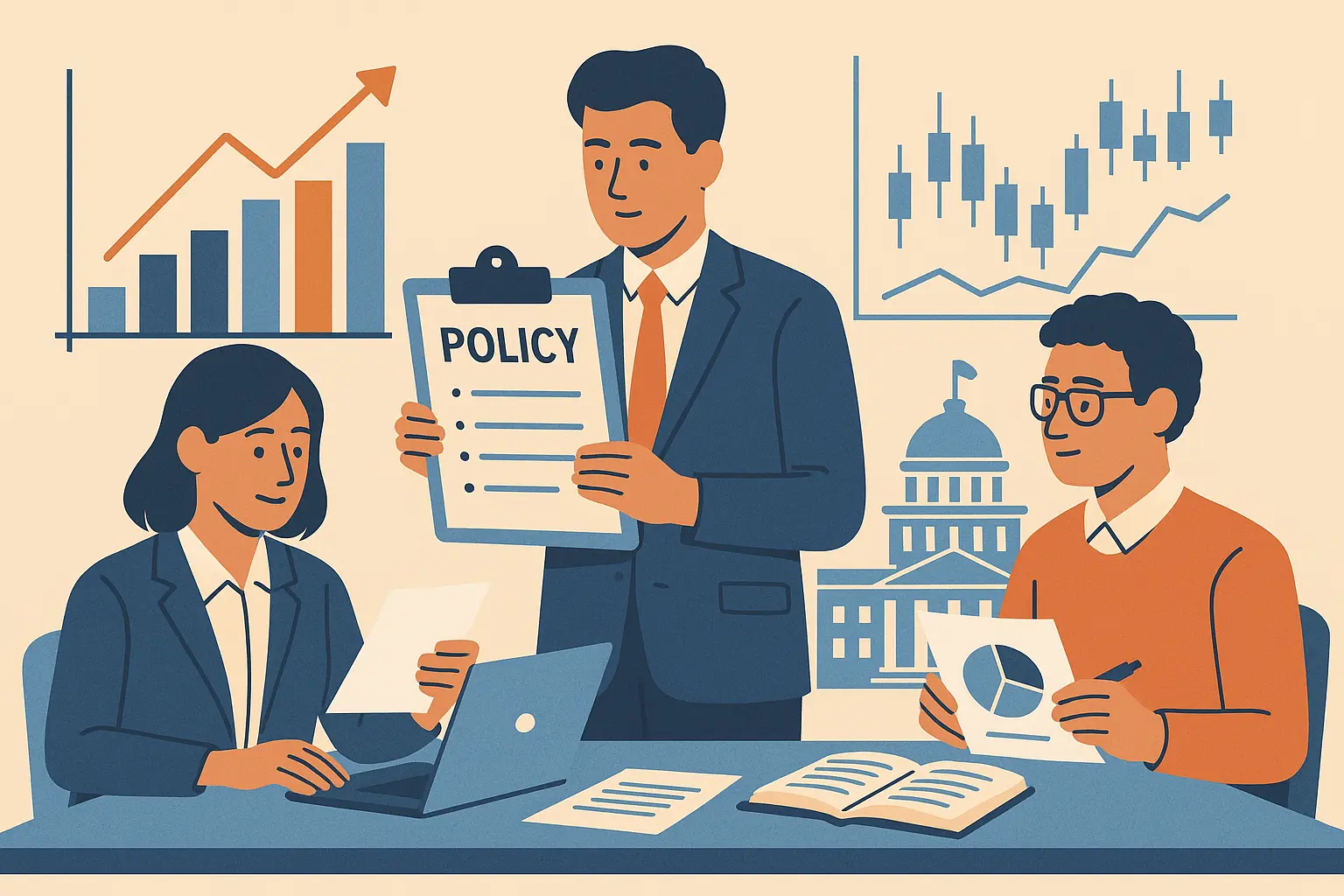
Policy Work: Making a Difference While Making a Living
The policy analysis skills developed in economics programs create pathways into government relations, think tanks, and policy research organizations. These careers offer stable alternatives with meaningful societal impact, though typically at lower compensation levels than private sector roles. But but hey, you get to feel good about your work and actually have time for hobbies.
Smart Moves That’ll Actually Help Your Career
Success in economics education requires strategic decisions about specialization, internships, and skill development that go way beyond just showing up to class and cramming for exams. These choices significantly impact your career outcomes and earning potential, often more than whether you graduated summa cum laude or just graduated.
Picking Your Economics Specialty: Standing Out from the Crowd
Picking a specialty sounds fancy, but really it just means “what kind of economics doesn’t make you want to take a nap?” Early specialization in areas like behavioral economics, environmental economics, or econometrics can differentiate you in competitive job markets and create premium earning opportunities. The key is choosing emerging fields with growth potential and finding something you can actually talk about at parties without boring people to death.
Riding the Wave: Emerging Economics Fields
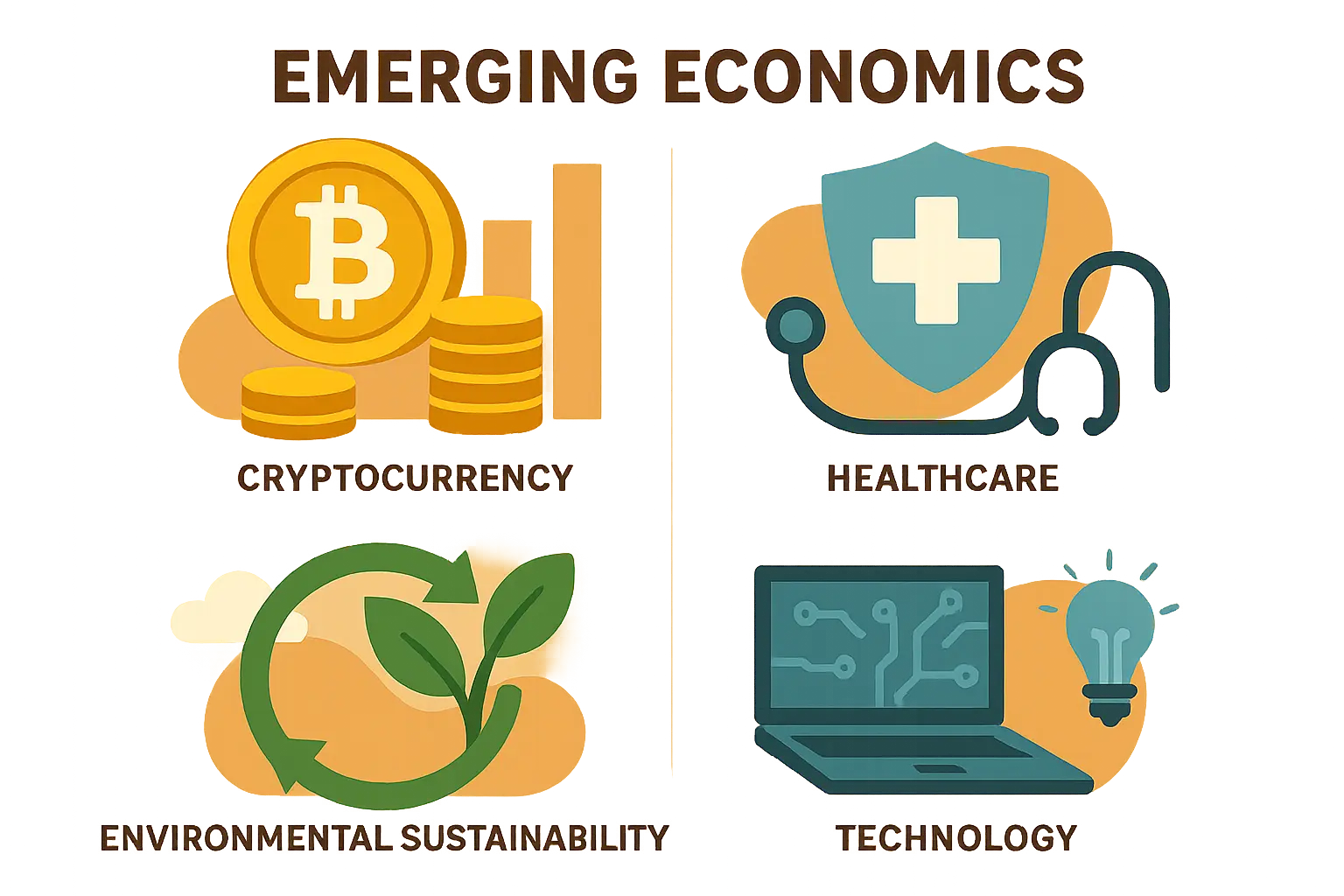
Love the environment? Environmental economics is huge right now. Obsessed with sports stats? Sports economics is actually a thing. Specializing in emerging areas like cryptocurrency economics, climate economics, or health economics positions you for high-growth career opportunities as these fields expand and mature. Getting in early can provide significant career advantages.
Emerging Economics Specializations Checklist:
-
☐ Behavioral Economics (Psychology + Economics = mind-blowing insights)
-
☐ Environmental Economics (Climate policy focus – save the world and get paid)
-
☐ Health Economics (Healthcare system analysis – always relevant)
-
☐ Digital Economics (Cryptocurrency, blockchain – the future is here)
-
☐ Urban Economics (Smart city planning – cities aren’t going anywhere)
-
☐ Sports Economics (Analytics in athletics – turn your fantasy football obsession into a career)
-
☐ Experimental Economics (Lab-based research – for the science nerds)
Internships: Your Fast Track to Better Jobs and Higher Pay
About those internships – yes, they’re important, but don’t stress if you can’t land Goldman Sachs. My buddy Mike spent a summer filing papers at a small town bank and learned more about real-world economics than some people learn in entire semesters. Plus, his boss wrote him a killer recommendation letter.
Strategic internship selection can accelerate career progression and salary growth more than academic performance alone. Certain internship types provide 15-25% salary premiums upon graduation, making them crucial for maximizing your return on education investment.
Government vs. Private Sector: Choosing Your Path
Government internships provide policy experience and networking opportunities but typically offer lower immediate salary prospects. Private sector internships focus on technical skills and higher compensation potential, but may offer less exposure to policy work.
Jessica completed two internships during her economics program: one with the Federal Reserve Bank analyzing regional economic data, and another with Goldman Sachs in their research division. The Fed internship gave her deep policy experience and led to a recommendation letter that helped her get into graduate school. The Goldman Sachs internship provided technical financial modeling skills and resulted in a full-time offer with a $95,000 starting salary. This dual approach maximized both her learning and earning potential.
The Real Cost of Your Economics Education
Understanding the true cost of an economics degree extends beyond tuition to include opportunity costs, living expenses, and strategic financial decisions. These factors can significantly impact both your completion time and how much debt you’ll be paying off for the next decade.
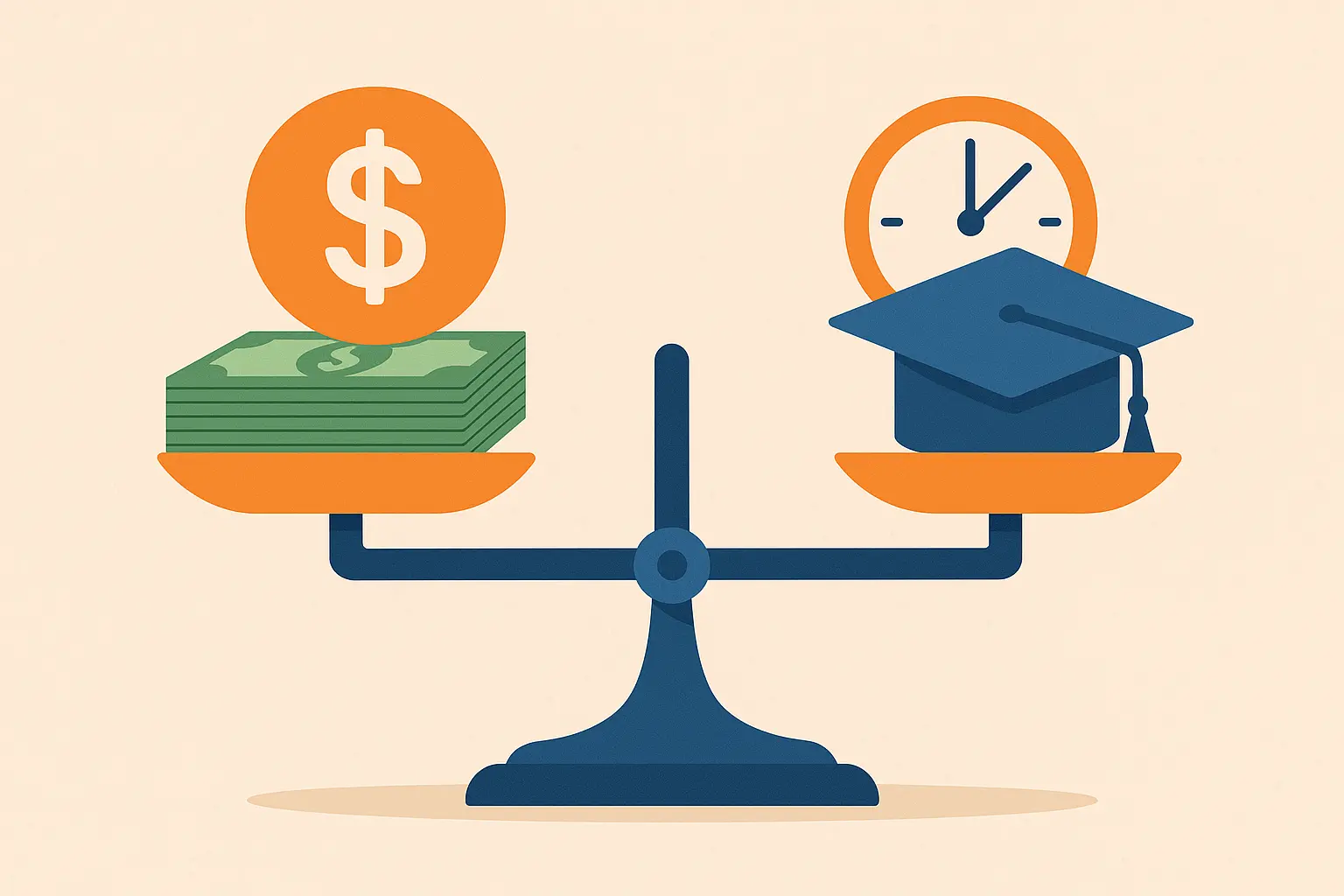
Time vs. Money: The Opportunity Cost Dilemma
You need to evaluate the income you’re giving up during your studies against future earning potential. Part-time work and extended timelines offer different risk-reward profiles that can significantly impact your overall financial outcome. It’s basically a giant math problem where the variables keep changing.
Working While Learning: Research and Teaching Opportunities
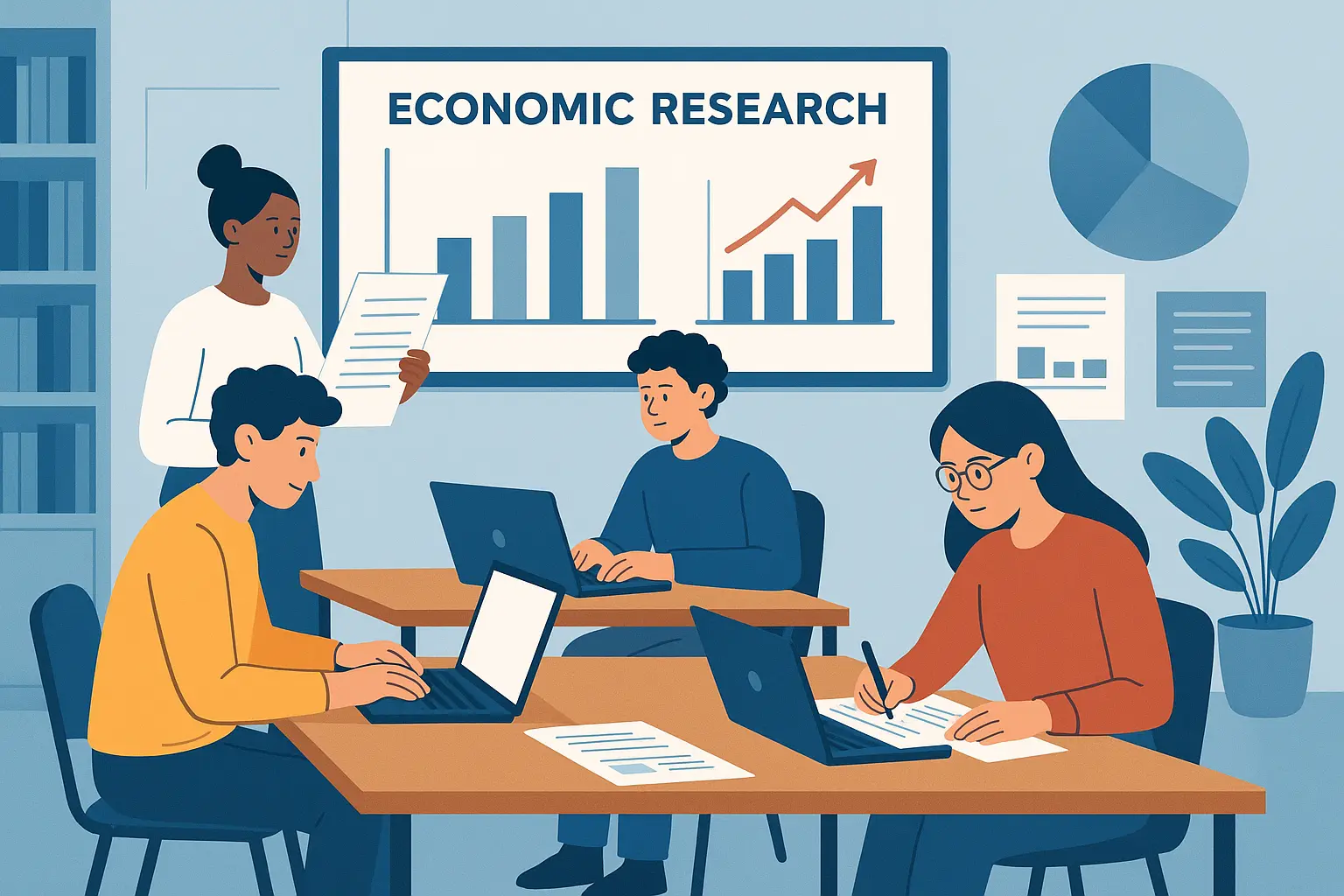
Research assistantships and teaching assistant positions provide both income and valuable experience in economic research. These roles often lead to graduate school opportunities and faculty recommendations that can be more valuable than the immediate financial benefits. Plus, you get to feel important when underclassmen ask you for help.
Co-ops and Extended Internships: Worth the Extra Time?
Co-op programs and extended internships can extend degree completion by 6-12 months but provide practical experience that significantly enhances job placement and starting salaries. The trade-off between time and experience often pays off in the long run, especially when you’re competing against people who have never worked a day in their field.
Creative Funding: Beyond Traditional Student Loans
Alternative funding approaches including employer sponsorship, research grants, and merit-based aid can significantly reduce the financial burden of your economics education. These options require more effort to secure but can dramatically improve your financial position upon graduation – and who doesn’t want to graduate with less debt?
Corporate Sponsorship: When Companies Pay for Your Degree
Some companies sponsor economics education for employees, particularly in banking, consulting, and government sectors. These programs often include work commitments but provide full tuition coverage, making them attractive for career changers who already have their foot in the door somewhere.
Research Grants: Getting Paid to Learn
Undergraduate research grants in economics can provide funding while building research experience. This is particularly valuable if you’re considering graduate school or academic careers, as it provides both financial support and something impressive to put on your resume.
Research Grant Application Checklist:
-
☐ Identify faculty mentors in your area of interest (and ones who actually respond to emails)
-
☐ Research available undergraduate research programs
-
☐ Prepare research proposal with clear methodology (make it sound smart but understandable)
-
☐ Gather letters of recommendation from professors (ask early and remind them)
-
☐ Submit applications before early deadlines (don’t be that person scrambling at midnight)
-
☐ Follow up on application status regularly (but don’t be annoying about it)
Sometimes life throws curveballs, and important documents like diplomas can get lost, damaged, or misplaced during your educational journey. Whether you’re currently pursuing your economics degree or have already completed it, understanding diploma replacement options can provide peace of mind. If you need a replacement for display purposes or as a backup while keeping your original safe, ValidGrad’s diploma replacement service can help you create a high-quality replica that honors your educational achievement.
Final Thoughts
Your economics degree timeline isn’t set in stone, and there’s no “right” way to complete it. Your timeline is going to be messy, and that’s completely normal. I’ve never met an economics major whose journey went exactly as planned. The important thing is that you keep moving forward, even if it’s not as fast as you hoped.
Whether you choose the accelerated path (and probably survive on nothing but coffee and determination), take your time with part-time study, or navigate the credit transfer nightmare, what matters most is aligning your educational strategy with your career goals and life situation. The versatility of economics skills means you’ll have options regardless of how long your journey takes.
Can we talk about imposter syndrome for a hot second? There will be days when you’re sitting in econometrics thinking “Everyone else gets this and I’m just pretending to understand regression analysis.” Spoiler alert: half the class feels the same way, and the other half is really good at faking it.
Find your people early. Economics can feel isolating when you’re the only one in your friend group who gets excited about GDP reports. Join the economics club, even if it sounds nerdy. Those are going to be the people who understand why you’re stressed about your econometrics final.
Understanding how to properly display your diploma once you’ve completed your economics degree can serve as motivation throughout your studies, reminding you of the goal you’re working toward.
What if you hate economics after your first semester? It happens more than you think. I watched three people in my intro class switch to business after they realized they thought economics was going to be more like “how to get rich quick” and less like “let’s spend three weeks on supply and demand curves.”
Remember that your degree completion time is just one factor in your overall success. Focus on building valuable skills, gaining relevant experience, and making strategic choices about specialization and internships. These decisions will have a much bigger impact on your career trajectory than whether you graduate in three years or six.
For those considering alternative educational paths, our guide on college degree costs can help you make informed financial decisions about your economics education investment.
Your degree will still be just as valuable whether it takes you three years or seven. The key is finding something you can talk about without boring people to death and building skills that’ll actually help you in the real world.