
So you’re thinking about becoming a counselor? Let me tell you what I wish someone had told me before I started this journey. Everyone says it takes 2-3 years, but honestly? That’s like saying a wedding takes one day. Technically true, but it completely ignores all the planning, preparation, and aftermath that actually matter.
While accelerated programs can take as little as 18 months to complete, the real journey to become a licensed counselor takes anywhere from three to five years when you factor in all the stuff nobody talks about upfront – the emotional preparation, personal healing work, and post-graduation requirements that’ll hit you like a truck.
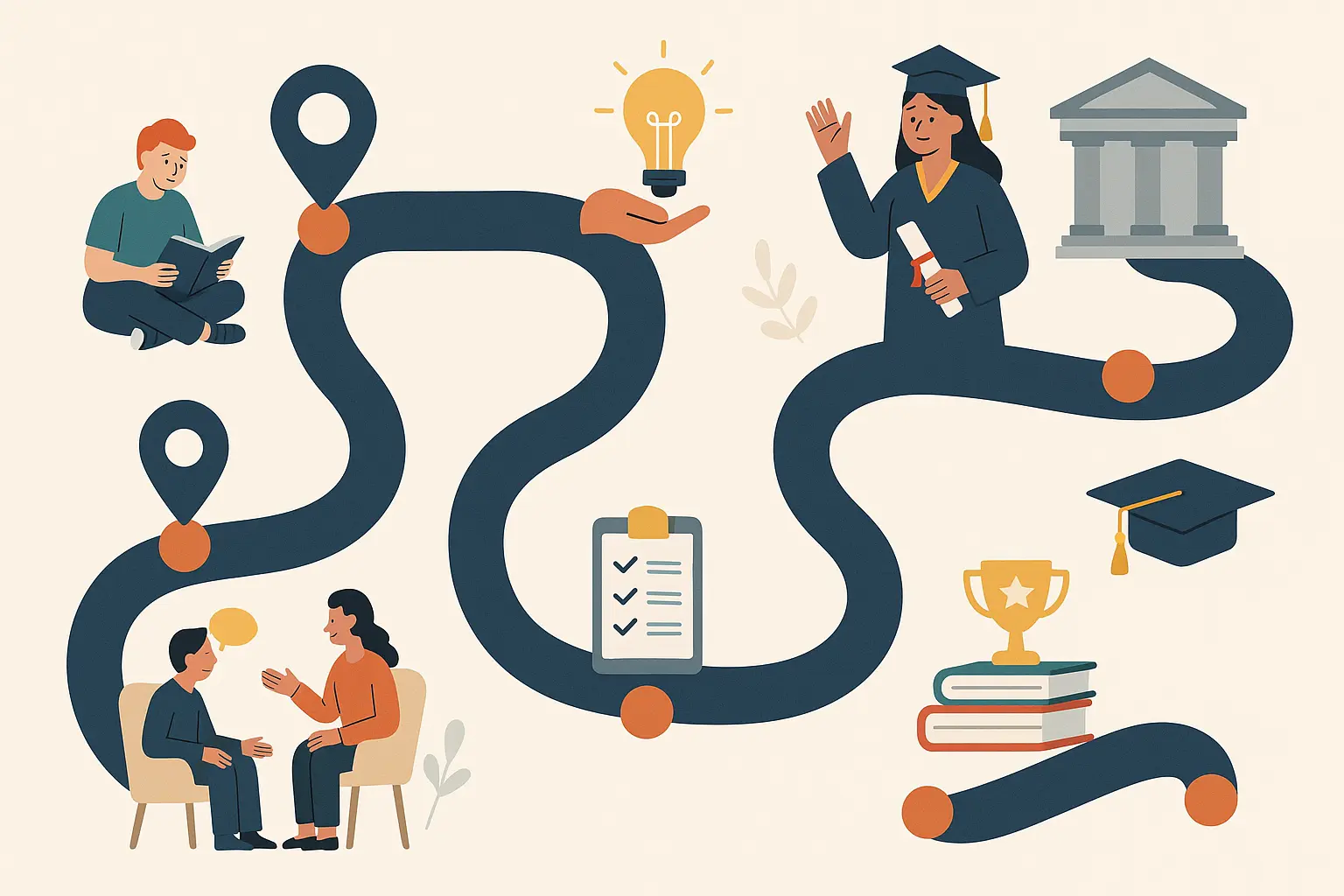
Table of Contents
-
The Psychological Momentum Factor That Changes Everything
-
Pre-Application Preparation: The Shadow Timeline
-
Academic Integration Challenges You Won’t See Coming
-
Hidden Variables That Multiply Your Timeline
-
Specialization Choices That Make or Break Your Schedule
-
Post-Graduation Reality: When Your Degree Doesn’t Mean You’re Ready
-
Strategic Acceleration Methods Most Students Miss
-
How ValidGrad Protects Your Hard-Earned Credentials
TL;DR
-
Standard counseling degree timelines (2-3 years) are basically meaningless without considering emotional readiness
-
Pre-application preparation can add 3 months to 2 years but actually speeds up your overall journey
-
Personal therapy investment extends timelines by 6-18 months but prevents major crashes later
-
Life complexity (career changes, family stuff) can tack on 6-18 months to completion
-
Specializations like trauma or family therapy need an extra 6-15 months of prep work
-
Post-graduation licensing adds 12-48 months before you can actually practice alone
-
Smart planning with transfers and intensive formats can cut 6-12 months off your timeline
The Psychological Momentum Factor That Changes Everything
I remember sitting in my first counseling class thinking I had it all figured out. I’d been the friend everyone came to for advice, I’d read self-help books, I was ready! Then week three hit and I found myself crying in my car after class because we were talking about boundaries and I realized I had absolutely none. That’s when I learned the hard way that wanting to help people and being trained to help people are completely different things.
Here’s the thing that nobody tells you: the students who take time to get their own stuff together first? They actually finish faster than the ones who jump in headfirst. I know, it sounds backwards, but it’s true.
Your emotional readiness affects everything—how quickly therapeutic concepts actually make sense to you, how well you handle sitting with someone else’s pain, and whether you can maintain the intense pace without falling apart. Understanding how long does it take to become a counselor requires recognizing this critical preparation phase that happens before you even apply.
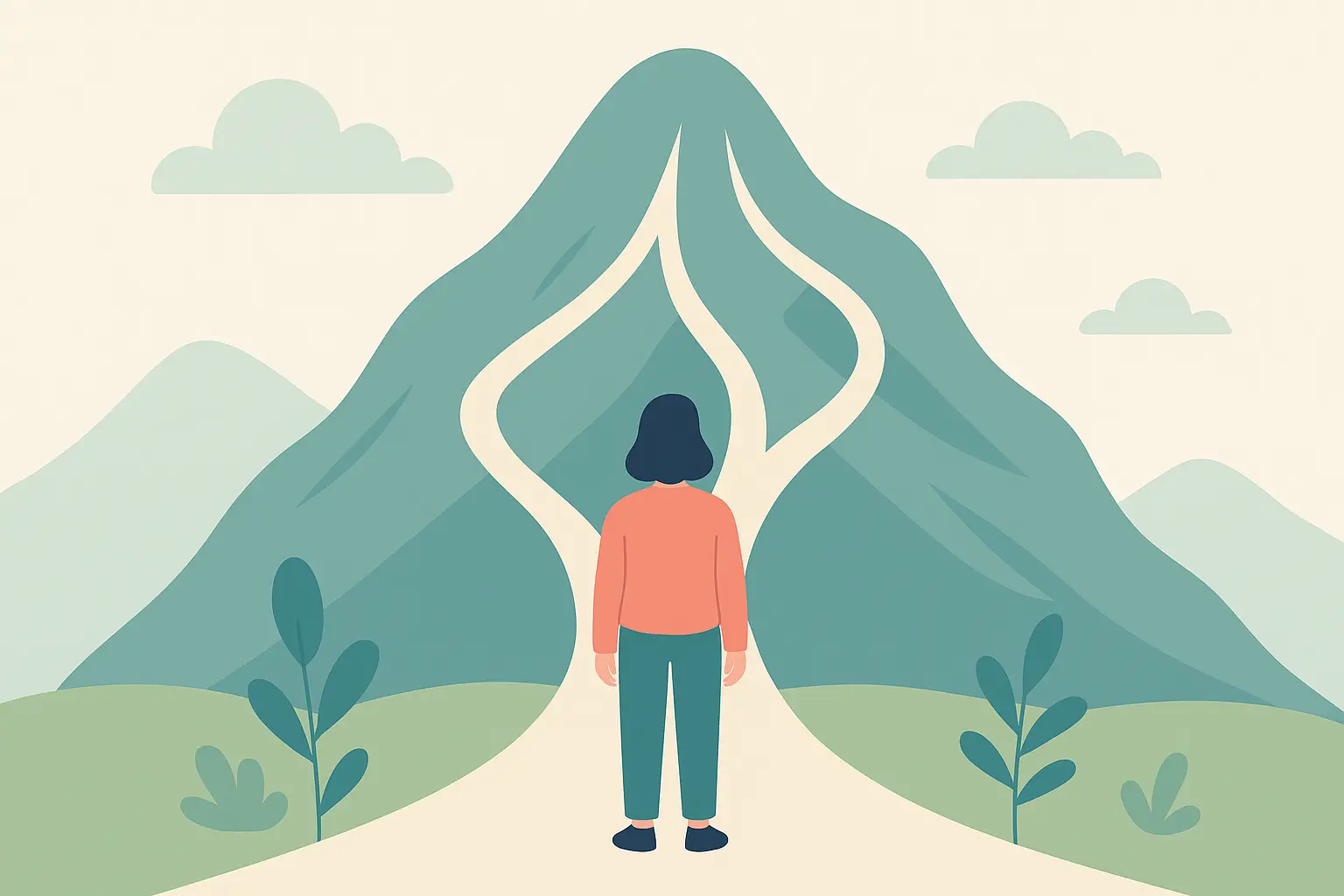
Sarah, a former business executive, spent 8 months in personal therapy before applying to counseling programs. While her colleagues who applied immediately started their programs 8 months earlier, Sarah completed her degree 4 months faster because she had already developed the emotional resilience and self-awareness needed to integrate challenging therapeutic concepts quickly.
Personal Healing: The Investment That Pays Forward
Look, I’m going to be brutally honest here because I wish someone had been with me: if you’re running away from your own problems by trying to fix other people’s, this field will eat you alive. I’ve seen brilliant, caring people crash and burn because they thought helping others would heal their own wounds. Spoiler alert: it doesn’t work that way.
Personal therapy isn’t just recommended—it’s practically essential for survival. Similar to understanding the comprehensive education requirements for counselors, personal therapy represents an essential investment that can’t be rushed or skipped.
The therapy investment period typically runs 6-18 months, but here’s what I learned: students who do this work upfront move through their academic programs like they have superpowers. They understand transference because they’ve experienced it. They grasp therapeutic boundaries because they’ve navigated them as clients. They don’t get triggered when clients push back because they’ve done their own work around authority and resistance.
Without this foundation, you’ll likely hit walls during your studies that force you to pause and do this personal work anyway—except now you’re doing it while trying to manage coursework, clinical requirements, and probably a part-time job. Not fun.
Personal Therapy Investment Checklist:
-
Research therapists who work with helping professionals (here’s what I did: I asked my professors for recommendations, then actually called three of them and said, “I’m starting a counseling program and I need someone who won’t let me BS my way through my own issues”)
-
Commit to at least 6 months of regular sessions
-
Focus on your own attachment patterns and triggers
-
Explore your motivations for entering the counseling field (spoiler: “I want to help people” isn’t deep enough)
-
Practice receiving help rather than always giving it
-
Document insights that emerge during therapy sessions
-
Discuss your counseling career goals with your therapist
Professional Identity Formation: The Gradual Transformation
The identity shift from “person who wants to help” to “professional counselor” is massive, and it doesn’t happen overnight. This transformation window typically spans 12-24 months and affects every aspect of your education – and your life.
I’ve noticed students often fight this transition. You’re not just learning skills—you’re fundamentally changing how you think about helping relationships, professional boundaries, and your role in other people’s lives. Some students resist this transformation, clinging to their natural helping instincts. This resistance can significantly slow academic progress because you’re fighting against core concepts instead of integrating them.
Fair warning: this program will mess with your relationships. You’ll start noticing family patterns you never saw before, setting boundaries you never had, and communicating differently. Some people in your life will love the new you. Others… won’t. I lost a few friendships because I stopped being everyone’s free therapist and started being an actual person with my own needs. It’s part of the process, but it still sucks sometimes.
Pre-Application Preparation: The Shadow Timeline
Nobody talks about the shadow timeline—that preparation period before you even apply to programs. This invisible phase can range from 3 months to 2 years, depending on where you’re starting from emotionally and professionally.
During this period, you’re developing self-awareness, addressing your own mental health needs, and building the emotional resilience required for the field. It’s invisible work that doesn’t show up on any official timeline, but it’s absolutely critical for success.
I’ve seen people rush through this phase thinking they’re saving time, only to pay for it later with extended program timelines, academic struggles, or even getting kicked out of programs. The shadow timeline isn’t wasted time—it’s foundational work that determines whether you’ll thrive or just survive this journey.

The growing demand for mental health services is creating unprecedented opportunities in the field. “The Bureau of Labor Statistics projects a 19 percent increase in mental health counselors’ jobs—much higher than the average job growth rate” according to Northeastern University, making thorough preparation even more valuable as competition increases.
Building Emotional Resilience Before You Need It
Emotional resilience isn’t something you can fake or rush. It develops through experience, practice, and often some difficult personal work. Building this resilience before starting your program prevents major disasters later.
I recommend spending at least 6 months actively working on your own emotional regulation, stress management, and self-care practices. This might seem like it’s delaying your start, but it’s actually accelerating your finish.
Students who enter programs without adequate emotional resilience often need to take breaks, reduce course loads, or extend their timelines when they hit challenging material or difficult clinical experiences. Some days you’ll leave class feeling like you can save the world. Other days you’ll question everything about yourself and wonder if you’re cut out for this. I remember one particularly brutal week where we were learning about suicide assessment and I went home and cried every night. Not because it was sad (though it was), but because I realized the weight of responsibility I was signing up for. Someone’s life might literally depend on my ability to ask the right questions and make the right call. That’s heavy stuff.
|
Resilience Building Activity |
Time Investment |
Impact on Program Success |
|---|---|---|
|
Personal Therapy |
6-18 months |
High – Accelerates concept integration |
|
Mindfulness/Meditation Practice |
3-6 months |
Medium – Improves emotional regulation |
|
Trauma-Informed Self-Work |
6-12 months |
High – Essential for trauma specializations |
|
Support Group Participation |
3-9 months |
Medium – Builds empathy and boundaries |
|
Stress Management Training |
2-4 months |
Medium – Prevents burnout during studies |
Academic Integration Challenges You Won’t See Coming
Here’s what nobody warned me about: counseling school isn’t like other grad programs where you can just memorize stuff and move on. Every single concept has to marinate in your brain and connect to your own life experiences. I’d read about “countertransference” and think I got it, then sit with my first client and suddenly realize I had no clue what was actually happening between us. It’s like the difference between reading about riding a bike and actually getting on one – completely different experiences.
Just as students often wonder how long it takes to get a psychology degree, counseling programs present unique integration challenges that extend beyond traditional academic timelines.
The academic integration challenge hits students hard because they expect to progress linearly through material. Instead, you’ll find yourself circling back to concepts multiple times as your understanding deepens through experience. This integration process can’t be rushed. Trying to speed through it usually results in surface-level understanding that becomes painfully obvious during clinical work, forcing you to backtrack and relearn material more thoroughly.
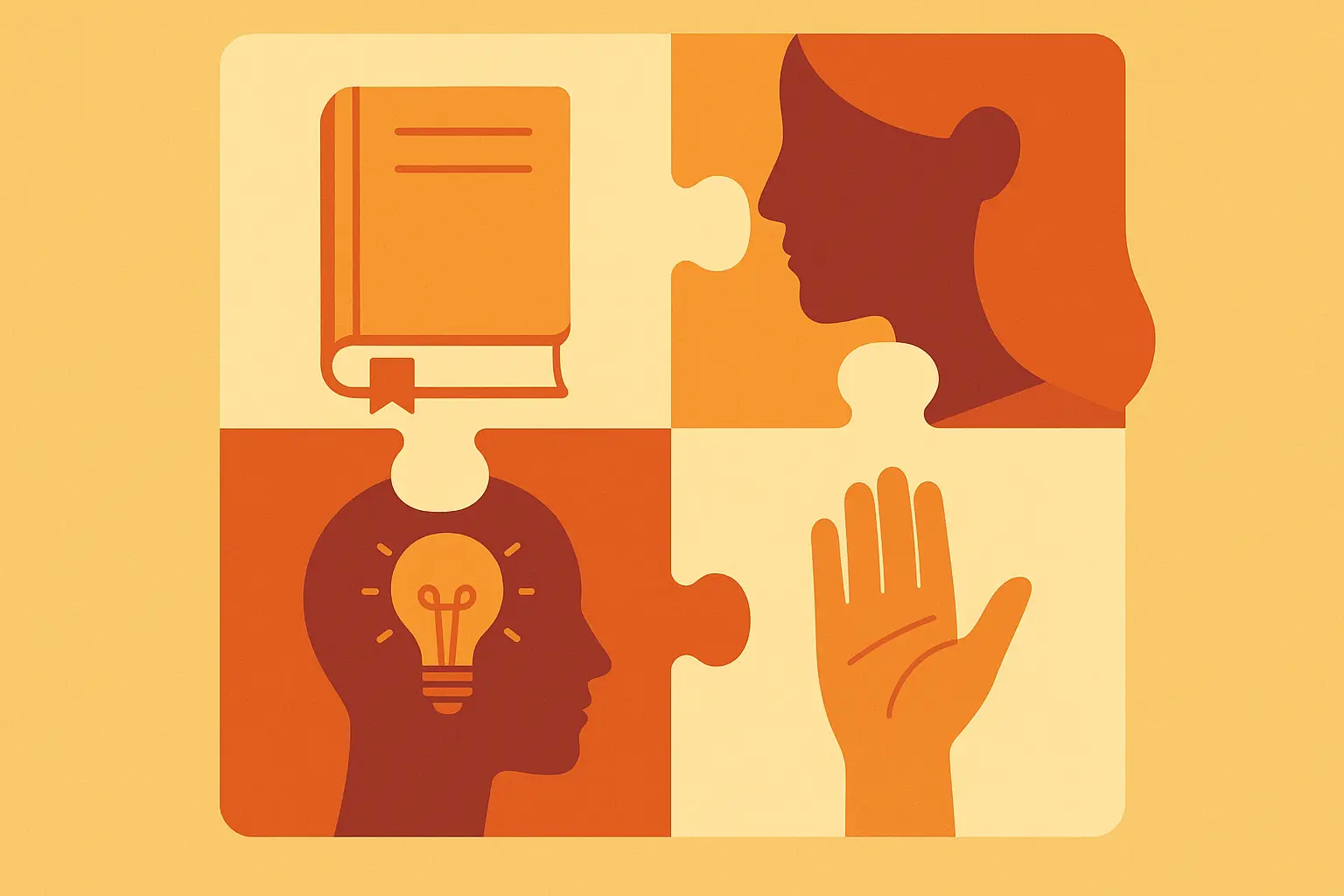
The Experiential Learning Absorption Rate
Concepts like transference, countertransference, and therapeutic presence aren’t textbook knowledge—they’re experiential realities that you have to feel to understand. This creates a natural absorption rate that varies dramatically between students.
I’ve watched students intellectually grasp these concepts quickly but need months of supervised practice before they truly understand them in action. There’s no shortcut for this experiential learning process. The absorption rate also depends on your personal history and natural sensitivity to interpersonal dynamics. Some students pick up on subtle therapeutic processes immediately, while others need extended practice and reflection time.
Mark, a former engineer, could explain countertransference perfectly on exams but struggled to recognize it in sessions for over 6 months. His analytical background helped with theory but hindered his ability to notice subtle emotional responses. He needed additional supervision time and personal therapy to develop this experiential awareness, extending his clinical training by 4 months.
Clinical Skills Development Plateaus
Clinical skills development follows a predictable pattern with distinct plateaus that can be incredibly frustrating if you don’t expect them. The first major plateau typically hits around months 8-12, just when you think you’re getting the hang of things.
During these plateaus, it feels like you’re not improving, but actually, you’re consolidating skills and preparing for the next level of development. Students who don’t understand this often panic and think they’re not cut out for the field. The second major plateau usually occurs around 18-24 months and involves integrating all your skills into a coherent therapeutic approach. This plateau can last several months and significantly affects program completion timelines if you’re not prepared for it.
Modern programs are adapting to help students navigate these challenges more effectively. “Standout counseling programs typically take 2-3 years to complete and cover topics including psychology, therapeutic methods, and counseling ethics” according to BestColleges, with many now incorporating more structured support for skill development plateaus.
Hidden Variables That Multiply Your Timeline
The variables that actually determine your timeline rarely appear in program brochures. These hidden multipliers can compress or extend your completion date by 6-18 months, depending on how they align with your studies.
Life integration complexity is the biggest factor most people underestimate. Your current life situation—career, family, finances, health—creates a complexity level that directly affects your ability to maintain study momentum. Understanding these multipliers upfront helps you create realistic expectations and plan accordingly, rather than being blindsided by delays that seem to come out of nowhere.

Career Transition Cognitive Load
If you’re transitioning from another career, expect a significant cognitive adjustment period. Moving from business, healthcare, education, or other fields to counseling requires fundamentally different ways of thinking about human behavior and professional relationships.
This transition typically takes 6-12 months and can temporarily slow your academic progress as you learn to think like a counselor rather than whatever you were before. The shift affects how you approach case studies, understand client dynamics, and conceptualize helping relationships.
I’ve seen business professionals struggle with the non-directive nature of counseling (they want to fix everything immediately), while healthcare workers have difficulty moving from problem-solving to process-focused approaches. These adjustments take time but ultimately create more well-rounded counselors.
Family System Reorganization Impact
Your counseling education doesn’t happen in a vacuum—it affects your entire family system. As you develop professionally and personally, family dynamics often shift in ways that require additional emotional energy and time management.
Family members might react to your changing communication style, increased boundaries, or new perspectives on relationships. Some families embrace these changes, while others resist them, creating additional stress that impacts your academic performance. The family system reorganization typically adds 3-9 months to your expected timeline, not because of time constraints but because of the emotional bandwidth required to navigate changing relationships while maintaining academic focus.
Financial Stress and Learning Efficiency
Let’s talk money because nobody else will. You’re looking at probably taking a pay cut while you’re in school, then another pay cut during your supervised hours because you can’t charge full rates yet. I lived on ramen and hope for about three years. My friends in other fields were buying houses while I was still figuring out how to pay rent.
Financial stress isn’t just about having enough money—it’s about cognitive load. When you’re worried about finances, your brain has less capacity for the deep processing required in counseling education.
The part-time work balance equation is brutal: working more than 20 hours per week while in a counseling program typically extends completion time by 25-40%. This isn’t just due to time constraints but because of reduced emotional availability for intensive coursework. I’ve seen students try to work full-time while completing counseling degrees. Some manage it, but most end up extending their programs significantly or compromising their learning quality.
Specialization Choices That Make or Break Your Schedule
When I was choosing my specialization, I thought trauma work would be “easy” for me because I’d been through my own stuff. Biggest mistake ever. Turns out, having your own trauma doesn’t make you qualified to treat it – it makes you more likely to get triggered and less likely to maintain boundaries. I had to spend an extra eight months in therapy just to get stable enough to help others. Meanwhile, my classmate who chose career counseling breezed through because she’d been in HR for ten years. Choose based on your strengths, not your wounds.
Your specialization choice affects your timeline in ways that aren’t immediately obvious during program selection. Some tracks require extensive additional preparation, while others can actually accelerate your completion if they align with your background.
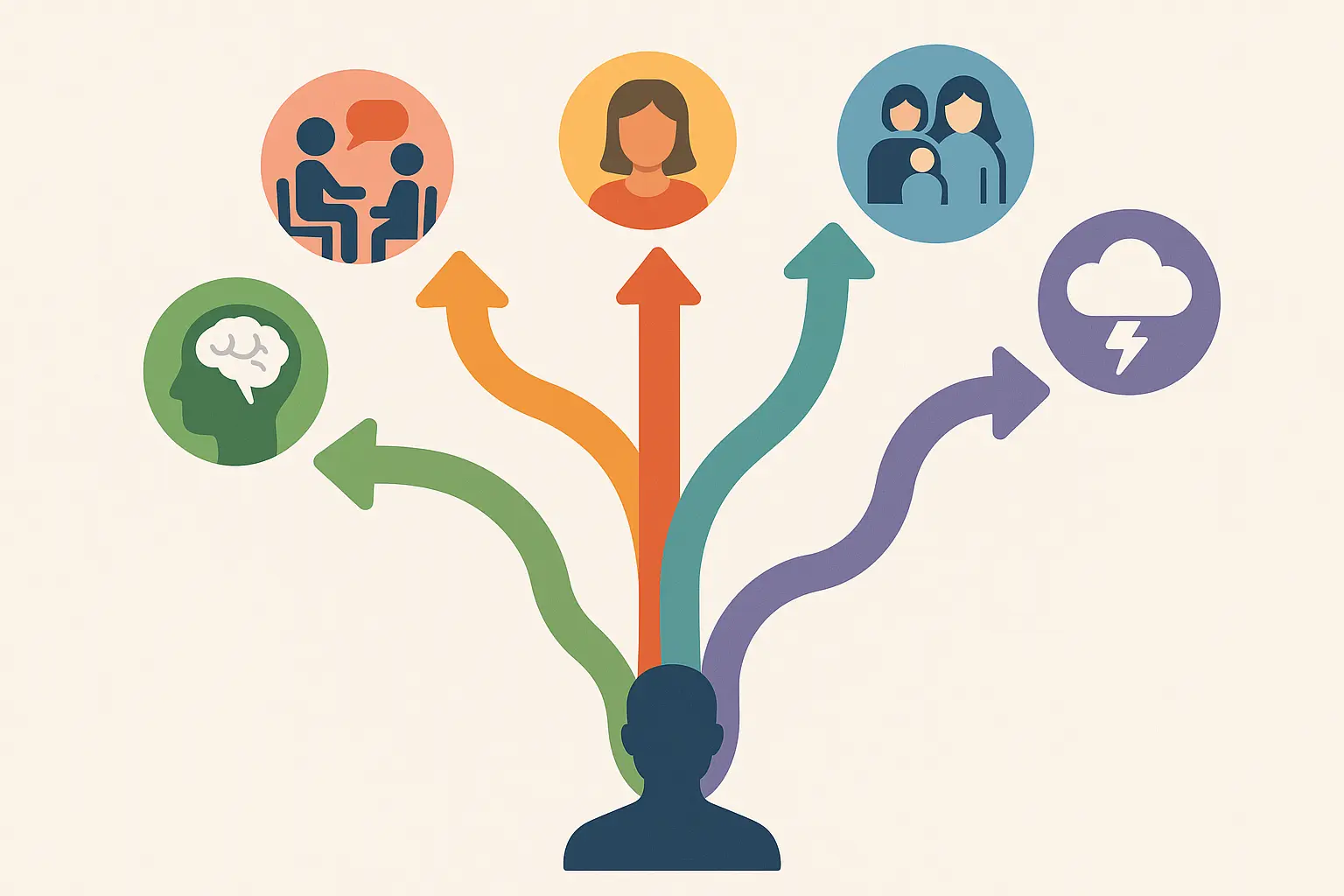
The specialization timeline maze is complex because different tracks have varying cognitive demands, emotional requirements, and prerequisite knowledge that can add months to your overall timeline. This significantly influences how long does it take to become a counselor in your chosen specialty.
|
Specialization |
Additional Time Required |
Complexity Level |
Prerequisites |
|---|---|---|---|
|
Trauma/PTSD |
6-12 months |
High |
Personal trauma work, specialized training |
|
Addiction Counseling |
4-8 months |
High |
Recovery community involvement, cultural immersion |
|
Family Therapy |
8-15 months |
Very High |
Systems thinking transition, family dynamics study |
|
Career Counseling |
-3 to 6 months |
Low-Medium |
Business/HR background accelerates |
|
School Counseling |
2-6 months |
Medium |
Education background helpful |
|
Clinical Mental Health |
0-4 months |
Medium |
Standard preparation sufficient |
High-Complexity Specialization Extensions
Trauma and PTSD specialization is particularly demanding, typically requiring an additional 6-12 months of personal preparation and specialized training. You need to develop personal trauma resilience and understand complex trauma responses before you can effectively help others without getting completely overwhelmed.
Similar to how teaching degree specializations have varying timeline requirements, counseling specializations demand different levels of preparation and expertise development.
Addiction counseling requires deep understanding of addiction culture, family systems impacts, and often personal recovery community involvement. This cultural immersion and systemic understanding can add 4-8 months to your learning timeline. Take my friend Mike. He thought he’d breeze through his family therapy specialization because he came from a big family. Turns out, coming from dysfunction doesn’t automatically make you good at treating it – it just means you have more blind spots to work through. He ended up adding an extra year to his program because he had to untangle his own family baggage first.
Couples and family therapy demands a complete cognitive restructuring from individual to systemic thinking. This transition typically requires 8-15 months of additional practice integration and conceptual development.
According to the Bureau of Labor Statistics, “one in four Americans struggle with mental health challenges”, creating increased demand for specialized counselors who can handle complex cases, making thorough preparation in high-complexity specializations even more valuable.
Accelerated Specialization Opportunities
Career counseling specialization often works in favor of professionals with HR, coaching, or business backgrounds. These students typically complete their specialization 3-6 months faster due to existing understanding of workplace dynamics and professional development processes.
The acceleration happens because you’re building on existing knowledge rather than learning entirely new concepts. Your professional experience provides context that makes academic material more immediately applicable and understandable. Other accelerated opportunities exist for teachers moving into school counseling, healthcare workers specializing in medical family therapy, or military personnel focusing on veteran counseling services.
Post-Graduation Reality: When Your Degree Doesn’t Mean You’re Ready
Graduating felt like such a victory – until I realized I still couldn’t actually practice on my own. It’s like finally getting your college degree and then finding out you need two more years of supervised work before anyone will hire you. I felt like I was in professional limbo, calling myself a “counselor” but still needing someone looking over my shoulder for everything. The imposter syndrome was real.
Getting your degree is like getting your driver’s permit – you’re not actually ready to hit the road alone yet. You’ll need supervised practice time, which can take anywhere from a year to four years depending on where you live.
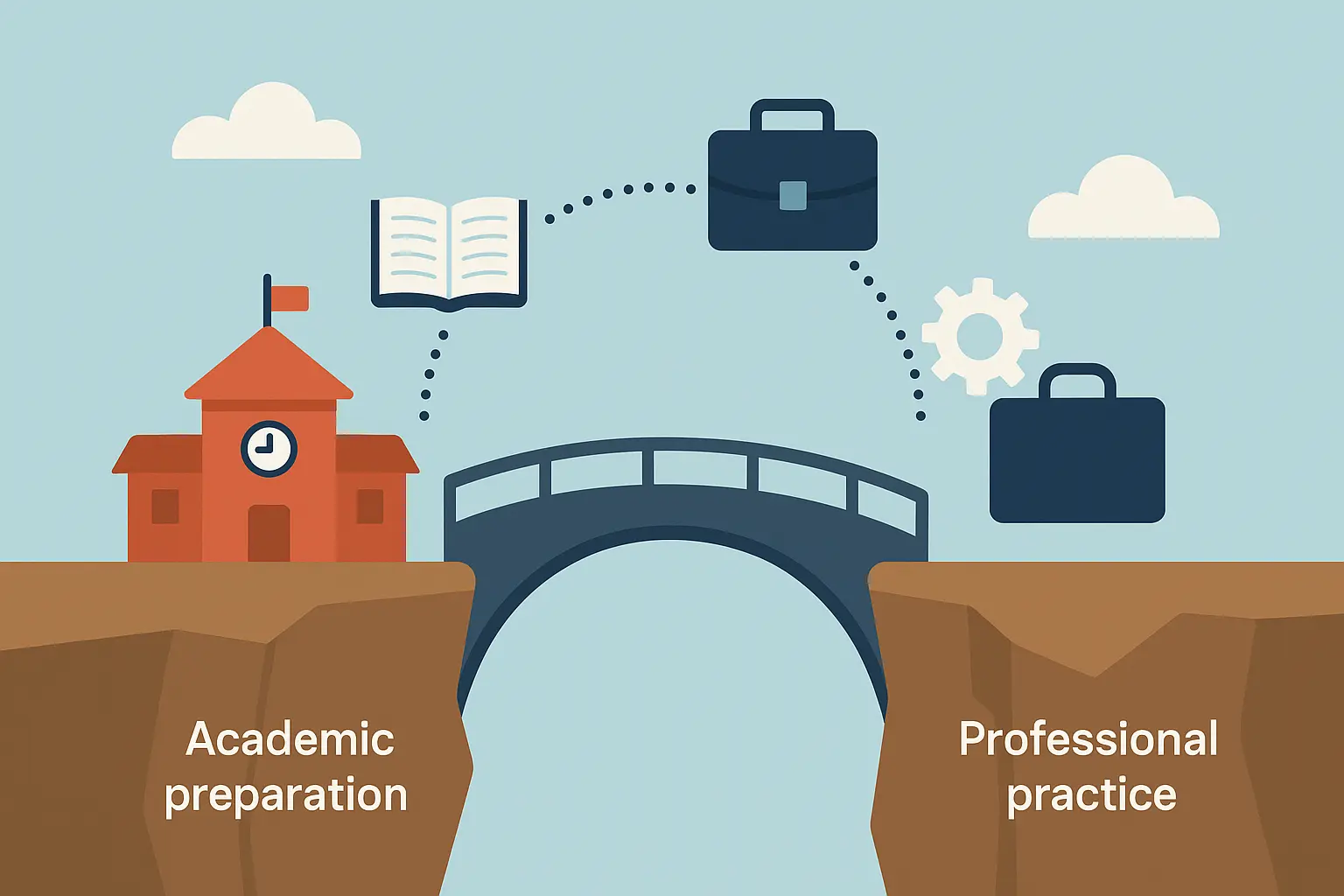
The post-graduation reality bridge is often the most frustrating part of the journey because you feel ready to practice but face months or years of additional requirements before you can work independently. This phase requires different skills—navigating bureaucracy, accumulating supervised hours, and often learning business aspects of practice that weren’t covered in your academic program.
The licensing process varies significantly by state, with requirements ranging from “3,000 hours of supervised post-degree clinical experience” in states like Maryland and Texas, demonstrating how location choice dramatically impacts your timeline to independent practice.
State Licensing Timeline Variations
State licensing requirements are all over the map. Some states allow you to begin supervised practice immediately after graduation, while others require additional coursework or waiting periods that can add 6 months to 3 years to your timeline.
Understanding licensing requirements is as crucial as knowing how to protect and replace your educational credentials throughout your career journey.
The supervised practice hour accumulation is where most people get stuck. You need 2,000-4,000 hours depending on your state, which can be completed in 12-24 months with full-time positions or 24-48 months with part-time work. Licensing exam preparation is often underestimated. Most exams require 2-4 months of dedicated study, plus scheduling delays that can add another 1-3 months to your timeline. Some students need multiple attempts, further extending their timeline to independent practice.
Post-Graduation Timeline Checklist:
-
Research your state’s specific licensing requirements (do this before you graduate, not after)
-
Identify potential supervision opportunities before graduation
-
Begin exam preparation 3-4 months before eligibility
-
Understand insurance credentialing timelines (3-6 months)
-
Plan for potential income gaps during supervision period
-
Network with licensed professionals in your area
-
Consider temporary positions that provide required supervision
Private Practice Development Learning Curve
If your goal is private practice, add another 6-18 months for business development learning. The business side of private practice? Nobody prepares you for that. I spent four years learning about attachment theory and cognitive behavioral therapy, but nobody taught me how to deal with insurance companies. It’s like training to be a chef and then discovering you also need to know accounting, marketing, and apparently, how to argue with people who’ve never met your clients about whether they “really” need therapy.
The business acumen acquisition period involves learning skills that have nothing to do with counseling but everything to do with practice success. You’ll need to understand insurance credentialing, HIPAA compliance, marketing ethics, and basic business operations. This learning curve often surprises new graduates who expected to focus solely on clinical work.
Jennifer graduated with her counseling degree in May but didn’t start seeing private practice clients until the following March—10 months later. She spent 4 months completing licensing requirements, 3 months getting credentialed with insurance panels, and 3 months building her referral network and marketing presence. Her timeline extended because she hadn’t prepared for the business development phase during her studies.
Strategic Acceleration Methods Most Students Miss
Most students don’t realize how prior education and professional experience can accelerate their timeline through various recognition programs. These strategic approaches can compress your completion date significantly if you know how to leverage them.
Just as students can benefit from understanding master’s degree acceleration strategies, counseling programs offer similar opportunities for timeline compression.
The acceleration opportunities exist, but they’re not always well-publicized. You need to actively research and advocate for credit recognition that can save you months or even a full year of coursework.

Credit Transfer and Prior Learning Recognition
Human services professionals, teachers, healthcare workers, and extensive volunteers often qualify for advanced standing that can reduce program length by 6-12 months. The key is documenting your experience in ways that align with program learning objectives.
Pro tip from someone who learned the hard way: if you’re thinking about counseling but currently in another grad program, choose your electives strategically. I took “Human Development” and “Research Methods” during my MBA thinking they were just interesting classes. Turns out they transferred directly into my counseling program and saved me a whole semester. Best accidental decision I ever made.
Graduate-level transfer credit optimization is huge if you have previous graduate coursework. Students with degrees in psychology, social work, education, or related fields can often transfer 12-30 credit hours, potentially shaving off 1-2 semesters.
Intensive Program Formats That Compress Timelines
Weekend and evening cohort models can be game-changers if you can handle the intensity. These programs allow completion in 18-24 months while maintaining full-time employment, but they require exceptional time management and energy reserves.
Summer intensive clinical experiences offer another acceleration option. Some programs compress the typical 2-year practicum/internship sequence into 12-15 months through full-time clinical immersion during summer terms. The intensive formats aren’t for everyone—they require significant sacrifice in other life areas and can be emotionally overwhelming. But for students who can handle the pace, they offer substantial timeline compression.
Strategic Acceleration Planning Template:
Phase 1: Pre-Application (6-12 months before applying)
-
Document relevant work experience for credit consideration
-
Complete prerequisite courses if needed
-
Research programs with accelerated options
-
Begin personal therapy and self-development work
Phase 2: Application Strategy (3-6 months)
-
Apply to multiple programs with different acceleration options
-
Request credit evaluations from admissions offices
-
Negotiate advanced standing based on experience
-
Secure financial aid for intensive programs
Phase 3: Program Optimization (During studies)
-
Take summer courses to accelerate timeline
-
Combine practicum with part-time clinical work when possible
-
Use thesis/capstone projects aligned with career goals
-
Network early for post-graduation opportunities
How ValidGrad Protects Your Hard-Earned Credentials
And hey, through all of this craziness, don’t forget to protect the paperwork that proves you survived it all. I learned this lesson when I moved three times during my program and nearly lost my transcript. ValidGrad became my backup plan because honestly, after everything you’ll go through to earn these credentials, the last thing you want is to lose the proof.
Throughout your counseling degree journey, you’ll accumulate numerous certificates, transcripts, and credentials documenting your progress and achievements. The intensive years of study, clinical rotations, and life transitions that characterize counseling education create plenty of opportunities for these important documents to be lost, damaged, or misplaced.
Throughout your counseling journey, protecting important documents becomes crucial, especially when considering what happens when you lose your college diploma and need professional replacement services.
ValidGrad understands the unique challenges counseling students face in protecting their credentials. Whether you’re moving between clinical sites, transitioning to new positions, or simply want to keep original documents secure while displaying copies, our diploma and certificate replacement services provide the peace of mind you need. With fast turnaround times and attention to detail, you can focus on your counseling education and practice development while knowing your hard-earned achievements are properly documented and protected. Don’t let lost credentials become another timeline delay in your counseling career—secure backup copies of your important documents today.
Final Thoughts
So, how long does it take to get a counseling degree? The honest answer is: it depends on way more factors than anyone tells you upfront. While programs advertise 2-3 year timelines, the reality includes psychological preparation, personal healing work, life integration challenges, specialization complexity, and post-graduation licensing requirements that can extend your journey significantly.
The students who succeed aren’t necessarily the smartest or most naturally gifted—they’re the ones who understand the full scope of the journey and plan accordingly. They invest in personal therapy before starting , choose specializations that align with their backgrounds, and prepare for the business realities of counseling practice.
Look, I won’t lie to you – this journey is harder than anyone makes it sound. It’ll stretch you in ways you didn’t know you could be stretched. You’ll question yourself, cry more than you expect, and probably eat way too much takeout because cooking feels impossible some weeks. But here’s what I know now that I didn’t know then: every single challenge you face is preparing you to sit across from someone else who’s struggling and say, “I get it, and we’re going to figure this out together.”
Your counseling degree timeline will be unique to your circumstances, but understanding these hidden factors helps you create realistic expectations and strategic plans. The journey is challenging, but it’s also incredibly rewarding for those who approach it with eyes wide open and proper preparation. But here’s the thing – once you’re established, you can make good money helping people. Just don’t expect it to happen quickly.
That’s worth every difficult moment, every extended timeline, and every sleepless night. Welcome to the journey – it’s messy, it’s beautiful, and it’s exactly what the world needs right now.