

Think UPS drivers just make minimum wage? My neighbor Dave just bought a $400,000 house on his UPS salary, and he doesn’t have a college degree. When I first looked into what these drivers actually earn, I couldn’t believe the numbers – we’re talking an average of $95,000 per year according to official company data. That’s more than most teachers and nurses make.
The way UPS pays drivers goes way beyond a simple hourly wage. You get automatic raises, tons of overtime, solid benefits, and real ways to move up that can push your earnings well into six figures. I’m going to break down exactly how this whole system works and show you how to make the most money possible from day one.
Table of Contents
-
Understanding How UPS Actually Pays You
-
What Your Paycheck Really Looks Like
-
Moving Up the Ladder (And Getting Paid More)
-
What Actually Affects How Much You Make
-
Getting Hired and Making Bank From Day One
-
The Bottom Line
TL;DR
New drivers start at $21-23 per hour but automatically work their way up to $40-42 per hour after four years through guaranteed raises. Overtime is everywhere – you’ll regularly work more than 8 hours with time-and-a-half pay, plus double-time after 12 hours in many areas.
Peak season from November through January is like your annual bonus period – some drivers make 30-40% of their yearly income during these three months. The benefits include full health, dental, and vision coverage, pension plans, and 401(k) matching that adds serious value to what you’re actually getting paid.
Big rig drivers (called “feeders”) earn $2-5 more per hour than regular delivery drivers. Union contracts determine wages, and the 2023 agreement brought major pay increases across the board.
Where you work makes a huge difference – drivers in big cities earn more to account for higher living costs. Management positions offer salary-based pay and chances to advance beyond driving.
Understanding How UPS Actually Pays You

Most people think UPS drivers get a straightforward hourly wage, but the pay system is actually pretty complex. It involves union-negotiated scales, different rates depending on where you work, and multiple parts that seriously affect your total earnings.
What blew my mind was finding out how much the benefits package adds to what you’re really making. We’re talking about thousands of dollars in extra value that doesn’t show up in your hourly rate but makes a huge difference in your financial picture.
Getting how base wages, overtime, benefits, and automatic raises work together is crucial if you’re thinking about this career. It’s not just about what you make per hour – it’s about how all these pieces fit together to create your total pay package.
Your Hourly Wage Breakdown (And Why It’s Not That Simple)
UPS drivers aren’t salaried employees – you get paid by the hour, but the rates depend on several things I didn’t understand at first. The company follows specific wage scales negotiated by the union, and these give you structured increases that happen automatically.
Your position type, location, and years of service all play into what you’ll actually earn per hour. A driver in Manhattan will have a different rate than someone working the same job in rural Ohio, even though they’re doing basically the same work.
What You’ll Actually Start Making as a New Driver
When you’re just starting out, expect to earn between $21-23 per hour, though this changes depending on where you’re located and whether you’re driving package cars or working as a big rig driver. I found that many new drivers don’t realize how much location affects their starting wage – it’s definitely not the same number everywhere.
According to UPS official data, part-time employees earn an average of $20 per hour after 30 days and receive the same health, welfare and pension benefits as full-time employees. Even part-time positions come with solid benefits that add real value to your pay.
The starting rate might seem modest, but remember – this is just the beginning of a system that guarantees increases. You’re looking at a base of around $43,680-$47,840 before overtime in your first year, but that number climbs fast.
How You Go From $21 to $42 an Hour
UPS uses what they call a progression system that takes four years to complete. You get automatic pay increases at specific times until you reach the top rate, which currently sits between $40-42 per hour. This isn’t based on performance reviews or whether your manager likes you – it’s guaranteed in your contract as long as you keep your job.
Here’s exactly how it breaks down:
|
Year |
Hourly Rate Range |
Annual Salary Estimate |
|---|---|---|
|
Starting |
$21-23 |
$43,680-$47,840 |
|
Year 1 |
$25-27 |
$52,000-$56,160 |
|
Year 2 |
$30-32 |
$62,400-$66,560 |
|
Year 3 |
$35-37 |
$72,800-$76,960 |
|
Year 4+ (Top Rate) |
$40-42 |
$83,200-$87,360 |
Note: Estimates based on 40-hour work weeks before overtime
The beauty of this system is you know exactly when your next raise is coming and how much it’ll be. No waiting for annual reviews or hoping your manager notices your hard work – the increases are automatic and substantial.
Why Your Location Determines Your Paycheck
Driver salaries change dramatically depending on where you work. Big cities typically offer higher wages to account for cost of living differences, so a driver in New York City will earn more than someone in rural Kansas.
I’ve seen differences of $5-8 per hour between different regions for the same job. This isn’t just a small adjustment – we’re talking about potentially $10,000-15,000 more per year just based on geography. When you’re considering UPS as a career, research the pay scales in your specific area because the numbers can vary big time.
Overtime and Premium Pay (Where the Real Money Lives)
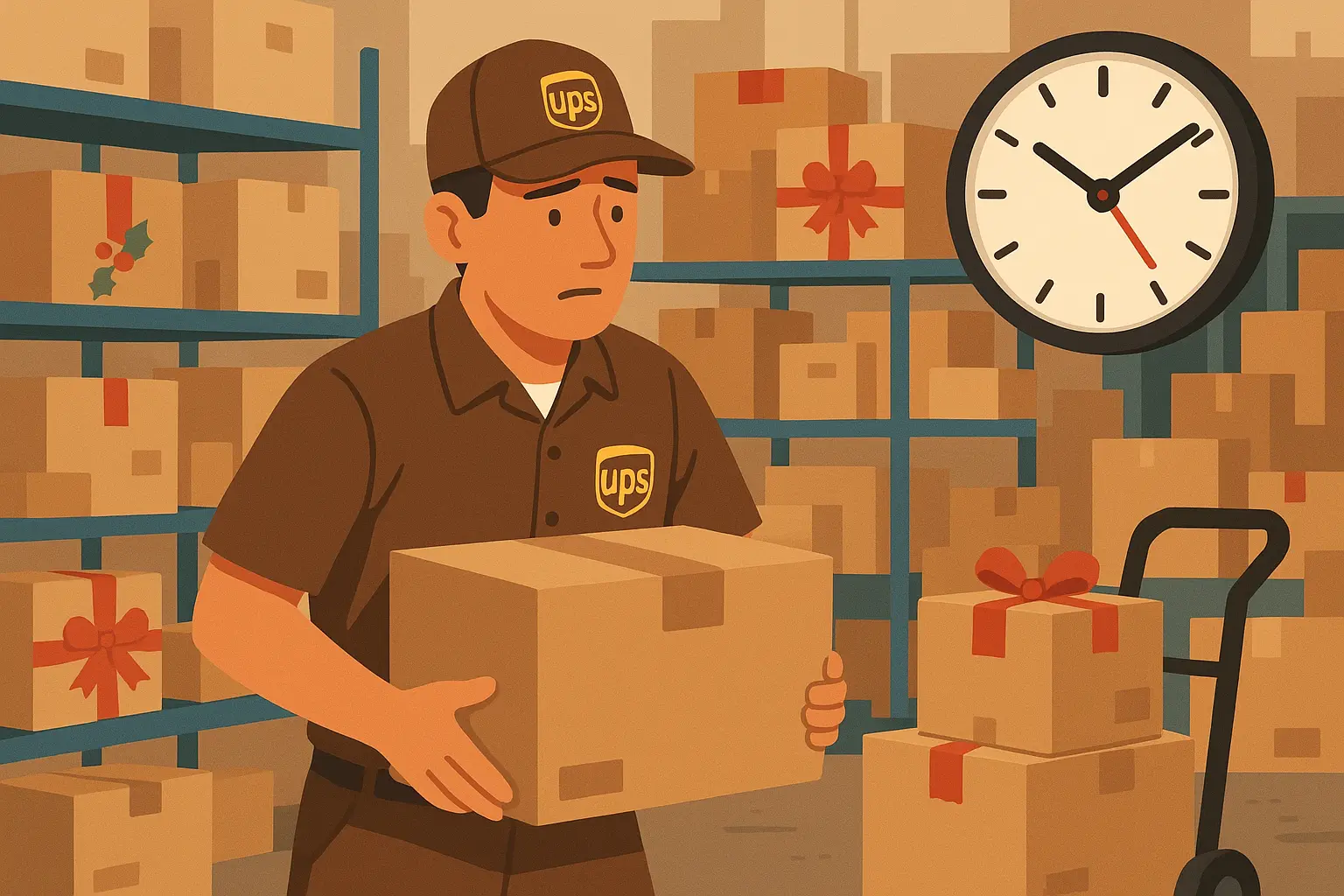
Here’s where UPS drivers can really boost their earnings – overtime opportunities are everywhere, especially during busy seasons. Most drivers work beyond the standard 8-hour day regularly, and the overtime pay structure is pretty generous.
During peak seasons, some drivers can nearly double their base yearly earnings through extra hours and premium rates. This isn’t occasional overtime – it’s a regular part of the job that seriously impacts how much you make.
Daily Overtime That Adds Up Fast
You’ll earn time-and-a-half for any hours worked beyond 8 hours per day, and in some regions, double-time kicks in after 12 hours. This isn’t occasional overtime – many routes regularly need 10-12 hour days, which means consistent overtime pay that significantly boosts your weekly earnings.
Picture a top-rate driver earning $42/hour working a typical 10-hour day: 8 hours at regular pay ($336) plus 2 hours at time-and-a-half ($126) equals $462 for one day. Over a 5-day week, this totals $2,310 compared to $1,680 for straight 40-hour weeks.
That’s an extra $630 per week just from working two additional hours each day. Multiply that over a year, and you’re looking at an additional $32,760 in overtime pay. This is why experienced drivers often earn way more than their base salary suggests.
Peak Season Earnings (Your Christmas Bonus Period)
The holiday season from November through January is when UPS drivers can really cash in. Longer hours, premium pay rates, and more packages mean some drivers earn 30-40% of their yearly income during these three months.
It’s exhausting work, but the money is substantial. I’ve talked to drivers who clear $2,000-3,000 per week during peak season, compared to their regular $1,200-1,500 weekly earnings during slower periods.
Benefits That Actually Matter to Your Bottom Line
The hourly wage is just part of the story – UPS provides solid benefits that add serious value to your total pay package. When I calculated the actual worth of health insurance, pension contributions, and paid time off, it added thousands of dollars to what you’re really making annually.
According to UPS, full-time employees receive $50,000 in health, welfare and pension contributions in addition to their wages. That’s not a typo – we’re talking about $50,000 in additional value beyond your salary.
Health Coverage That Won’t Break Your Budget
UPS covers full health, dental, and vision insurance for you and your family, typically with minimal employee contributions. When you consider that family health insurance can cost $15,000-20,000 annually if you buy it yourself, this benefit alone adds substantial value to your pay.
I’ve seen drivers save $18,000 per year compared to what they’d pay for the same coverage on their own. That’s basically a $9 per hour raise that doesn’t show up in your paycheck but definitely shows up in your bank account.
Retirement Money You Don’t Have to Think About
The company offers both traditional pension plans and 401(k) options with UPS contributing to your retirement security. Many drivers don’t realize how valuable these contributions are until they start calculating their long-term financial picture – it’s basically free money toward your future.
The pension contributions alone can be worth $8,000-12,000 annually, depending on your years of service and salary level. Combined with 401(k) matching, you’re looking at solid retirement benefits that most private sector jobs simply don’t offer anymore.
Vacation Days You Actually Get Paid For
Vacation time, personal days, and holiday pay increase based on your years of service. Unlike many jobs where time off means lost income, UPS drivers get real paid time off that doesn’t hurt their yearly earnings.
Senior drivers can earn 6-7 weeks of paid vacation annually, plus personal days and holiday pay. When you factor in the hourly rates we discussed earlier, that’s $10,000-15,000 in paid time off value each year.
What Your Paycheck Really Looks Like

Understanding what you’ll actually take home after taxes, union dues, and benefit contributions is crucial for financial planning. I’ve found that many drivers are surprised by both the deductions and the net income once they factor in overtime and premium pay.
The key is understanding how all the parts work together to determine your real earning potential throughout the year. What you make looks different on paper than it does in your bank account, but the overtime opportunities often more than make up for the deductions.
What Your Paycheck Really Looks Like
Your gross pay includes base hours, overtime, and any premium pay, but several deductions come out before you see the money. Union dues, taxes, and benefit contributions all affect your take-home amount. However, the overtime opportunities often more than make up for these deductions, especially during busy periods.
In October 2023, Oregon-based UPS driver Skyler Stutzman went viral after sharing his weekly pay stub on TikTok according to Upworthy. For 42 hours of work at $44.26 per hour, he earned $2,004 before taxes and took home just over $1,300 after deductions, shocking nearly 12 million viewers who saw the video.
What many viewers didn’t realize is that Stutzman’s paycheck showed excellent earning potential. His $44.26 hourly rate puts him at the top of the pay scale, and his weekly gross of over $2,000 projects to more than $100,000 annually.
Annual Earnings Reality Check
Most UPS drivers earn between $60,000-80,000 annually once they reach top rate, but this can change a lot based on overtime hours, where you work, and peak season work. Drivers who consistently work overtime and take advantage of peak season opportunities can push their yearly earnings well into six figures.
A veteran driver in a big city working consistent overtime might earn: Base salary of $87,000 + overtime premium of $25,000 + peak season bonus hours of $15,000 = $127,000 total yearly pay before benefits.
When you add the $50,000 in benefits value that UPS provides, you’re looking at total compensation approaching $180,000 annually. The numbers are genuinely impressive for a job that doesn’t require a college degree.
Moving Up the Ladder (And Getting Paid More)
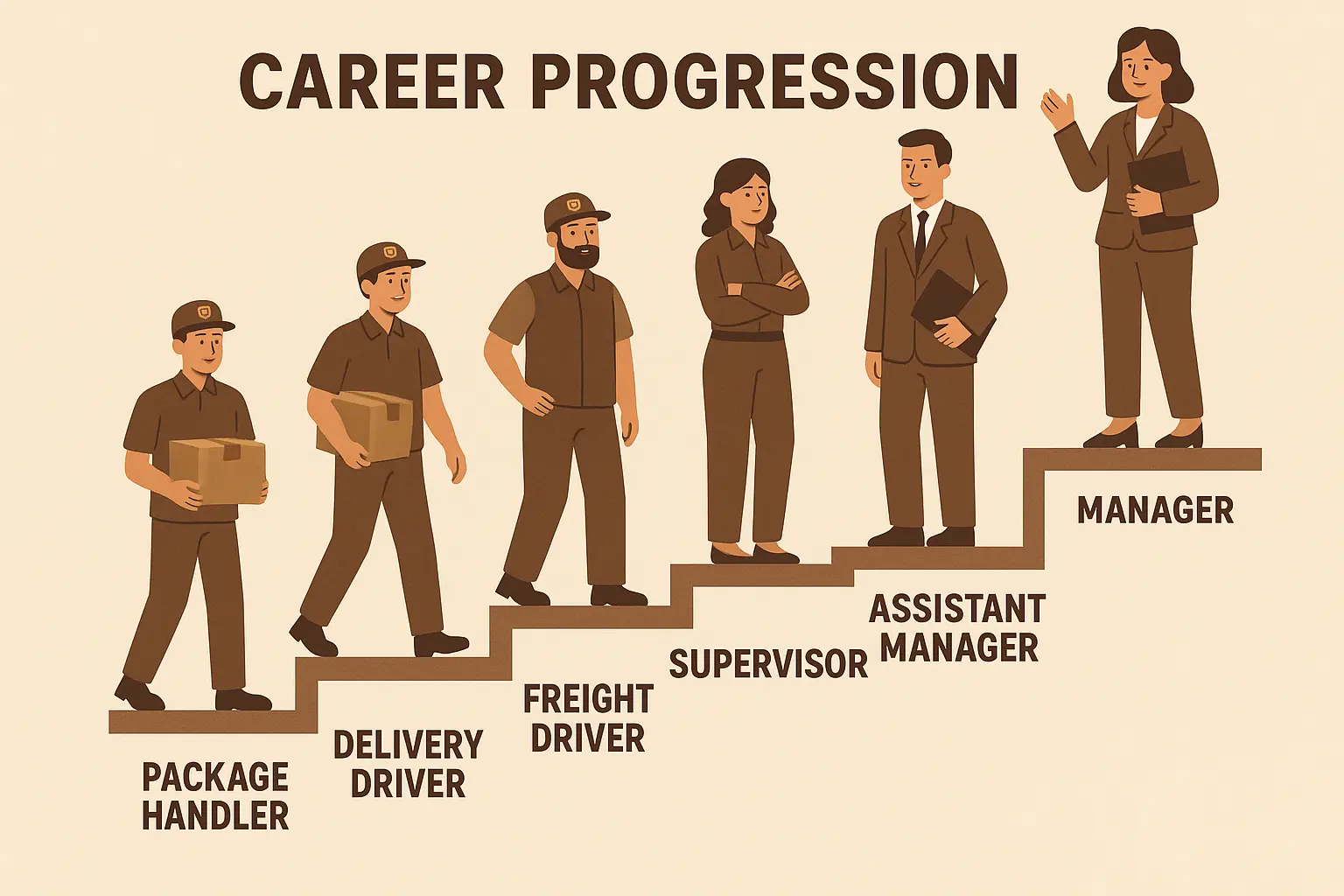
UPS offers real ways for drivers to advance their careers and boost earning potential beyond the standard progression system. I’ve found that the company frequently promotes from within, offering opportunities in specialized driving positions and management roles that can seriously boost your income and career prospects.
The advancement opportunities aren’t just theoretical – I’ve met drivers who started on package cars and moved into six-figure management positions within 5-7 years. The key is understanding which paths are available and positioning yourself for advancement early in your career.
Specialized Driving Positions Worth Pursuing
Experienced drivers can move into higher-paying specialized roles that offer better pay and often more predictable schedules. These positions typically require additional training or certifications, but the pay increase makes the investment worthwhile for many drivers.
Big Rig Driver Opportunities (The Upgrade)
Big rig drivers (called “feeders”) who operate tractor-trailers between UPS facilities typically earn $2-5 more per hour than package car drivers. The work involves longer routes but often more predictable schedules and less physical demands than residential delivery routes.
According to UPS data, local tractor-trailer drivers earn an average of $112,000 per year in wages, significantly more than standard delivery drivers. That’s a substantial jump from regular delivery positions, and the work is often less physically demanding since you’re not making individual stops all day.
The transition to feeder driver usually requires getting a CDL and completing UPS’s training program, but the company often pays for this training. Once you’re qualified, the earning potential increases significantly, and many drivers find the work more sustainable long-term.
Management Track Positions
UPS frequently promotes drivers to supervisory and management positions, transitioning from hourly wages to salary-based pay. These roles offer different challenges and earning potential, though they also come with different responsibilities and work-life balance considerations.
Making the Jump from Driver to Management
Drivers interested in management should express interest to supervisors early, participate in leadership development programs, and consider pursuing relevant education or certifications. The transition isn’t automatic, but UPS values the operational knowledge that experienced drivers bring to management roles.
Management Preparation Checklist:
-
Express interest to current supervisor
-
Complete all available safety training programs
-
Participate in leadership development opportunities
-
Maintain excellent attendance and performance record
-
Consider pursuing relevant education or certifications
-
Build relationships across different departments
-
Document achievements and process improvements
The management track can lead to positions earning $75,000-120,000+ annually, depending on the level and location. While you give up overtime pay, the salary-based pay and advancement potential can be attractive for drivers looking to grow their careers.
What Actually Affects How Much You Make

Several factors beyond your base hourly rate influence how much you’ll actually earn as a UPS driver. Union negotiations, performance metrics, and broader economic conditions all play roles in determining your pay.
Understanding these factors helps you make smart decisions about your career and earning potential. Driver wages aren’t set in stone – they’re influenced by various external and internal factors that can seriously impact your long-term earning potential.
Union Negotiations and Contract Updates
As unionized employees, UPS driver wages and benefits are determined through collective bargaining agreements between UPS and the Teamsters union. These negotiations happen every few years and can result in significant changes to pay structures, working conditions, and benefits.
How the 2023 Contract Changed Everything
The 2023 Teamsters contract resulted in substantial wage increases and improved working conditions that affect current and future driver pay. Understanding these changes helps both current drivers and those considering the career path know what to expect from their pay package.
The 2023 contract negotiations were particularly significant, as postal workers union reached an agreement with UPS according to Upworthy after months of tense negotiations and threats of what would have been the largest single single employer strike in U.S. history. The deal included air conditioning improvements and full-time drivers earning an average of $170,000 in annual pay plus benefits.
This contract fundamentally changed the earning landscape for UPS drivers. The $170,000 figure includes wages plus the value of benefits, representing a massive increase from previous agreements. Current drivers saw immediate pay bumps, while new hires benefit from higher starting wages and faster progression to top rates.
The air conditioning mandate also addresses working conditions that directly impact driver retention and job satisfaction. Better working conditions mean lower turnover, which creates more opportunities for advancement and route selection based on seniority.
Performance and Efficiency Metrics
While UPS drivers are paid hourly regardless of performance, efficiency metrics can influence overtime opportunities, route assignments, and advancement potential. Consistently strong performance can lead to preferred routes, better schedules, and consideration for specialized positions or management roles.
Safety records particularly matter for career advancement. Drivers with clean safety records get first consideration for big rig positions, training opportunities, and management roles. A single accident can delay advancement opportunities for years, while maintaining excellent safety standards opens doors throughout your career.
Customer service scores also factor into route assignments. Drivers with high customer satisfaction ratings often get assigned to premium routes with better tips, easier access, and more predictable schedules. These routes typically offer better overtime opportunities and less stressful working conditions.
Economic and Market Conditions
Broader economic factors including inflation, fuel costs, and shipping demand indirectly affect driver pay through company performance and contract negotiations. During economic downturns, overtime opportunities might decrease, while boom periods often mean more hours and higher earnings potential.
E-commerce growth has been particularly beneficial for driver earning potential. Increased package volume means more routes, longer days, and tons of overtime opportunities. The shift toward online shopping has basically guaranteed job security and earning stability for delivery professionals.
|
Position Type |
Average Hourly Rate |
Annual Earnings |
Additional Benefits |
|---|---|---|---|
|
Package Car Driver |
$40-42 |
$95,000 |
Full health/pension |
|
Feeder Driver |
$45-47 |
$112,000 |
Full health/pension |
|
Part-Time Driver |
$20-25 |
$25,000-35,000 |
Full health/pension |
|
Management Trainee |
Salary |
$65,000-75,000 |
Enhanced benefits |
Rates based on top progression levels and official UPS data
The salary varies significantly based on position type and experience level, but even part-time positions include full benefits packages that add substantial value to the total pay.
Getting Hired and Making Bank From Day One
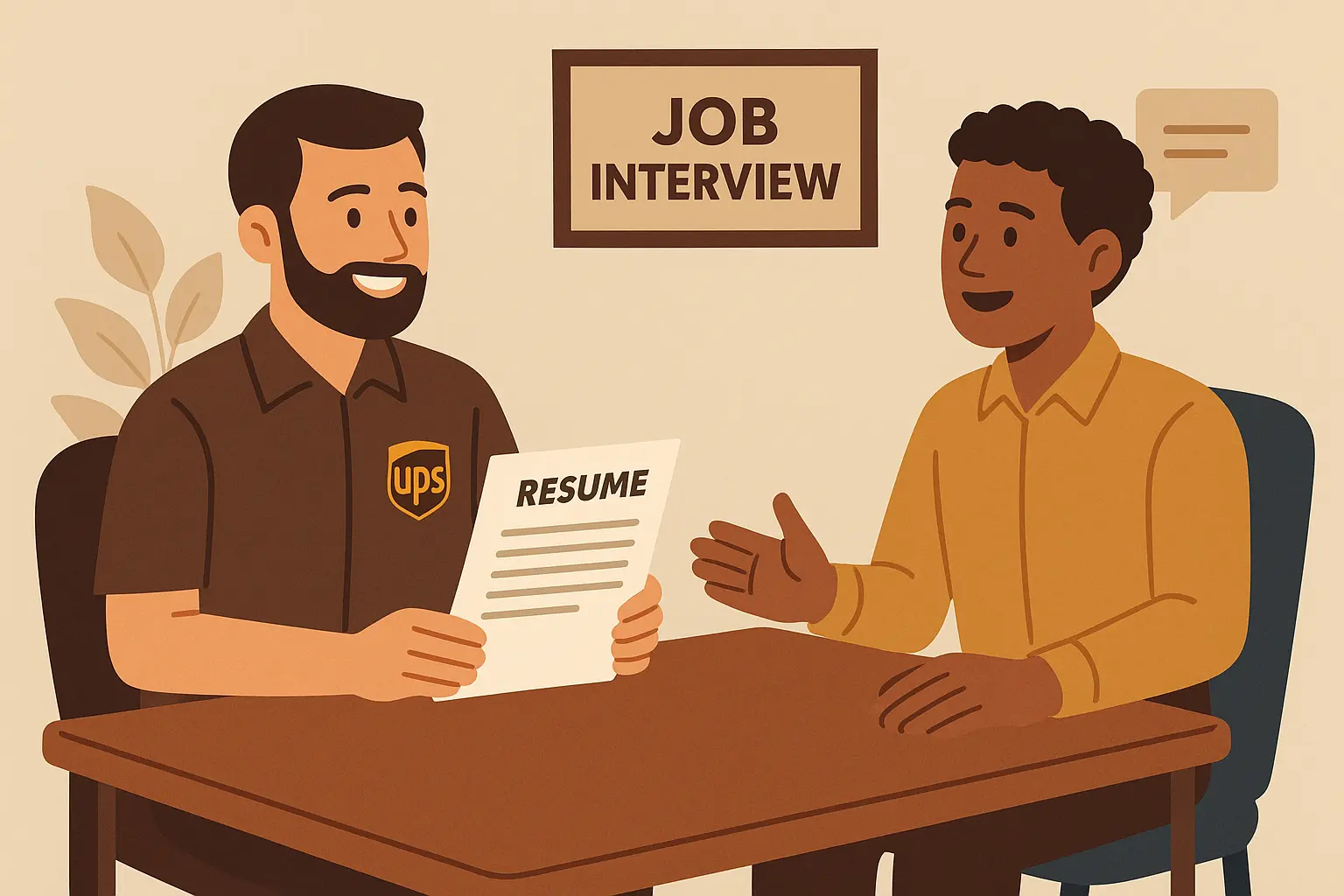
Understanding the hiring process, requirements, and strategies for maximizing earning potential can help both prospective and current UPS drivers optimize their career path. The application process has specific timing considerations, and there are concrete steps you can take to position yourself for higher earnings and advancement opportunities.
Timing your application correctly and understanding what UPS looks for in candidates can give you an advantage in the hiring process. I’ve learned that certain times of year offer better opportunities, and having the right documentation ready can speed up your path to employment.
Application and Hiring Process Insider Tips
The path to becoming a UPS driver involves specific steps and requirements that can influence your starting position and pay rate. Many applicants don’t realize that preparation before applying can significantly impact their success in landing a position.
Peak hiring seasons typically occur during summer and fall, offering the best opportunities for new applicants. The application process usually takes 2-6 weeks from initial application to start date, so planning ahead is important if you’re targeting specific start times.
Educational and Licensing Requirements
While a college degree isn’t required, having proper documentation of your education and maintaining a clean driving record is essential for UPS driver positions. Many drivers don’t realize that having readily available educational documentation can be crucial when applying for management positions or specialized roles later in their careers.
For many career advancement opportunities within UPS, having proper educational documentation is essential. If you’ve lost your credentials, services for replacing a lost diploma can help ensure you’re ready for promotion opportunities.
UPS Driver Requirements Checklist:
-
Valid driver’s license (no CDL required for package cars)
-
DOT physical examination
-
Ability to lift 70 pounds
-
Legal authorization to work in the US
-
Clean driving record
-
Excellent customer service skills
-
Educational documentation (for future advancement)
The DOT physical is often where applicants face unexpected challenges. Schedule this early in your application process because any medical issues need to be resolved before you can start work. How much you can make becomes irrelevant if you can’t pass the physical requirements.
Application Strategy and Timeline
Peak hiring seasons typically occur during summer and fall, offering the best opportunities for new applicants. The application process usually takes 2-6 weeks from initial application to start date, so planning ahead is important if you’re targeting specific start times.
Summer hiring often targets seasonal drivers who may transition to permanent positions, while fall hiring prepares for peak season demands. Both periods offer excellent entry points, but fall positions often lead to faster permanent placement due to increased staffing needs.
Making the Most Money From the Start
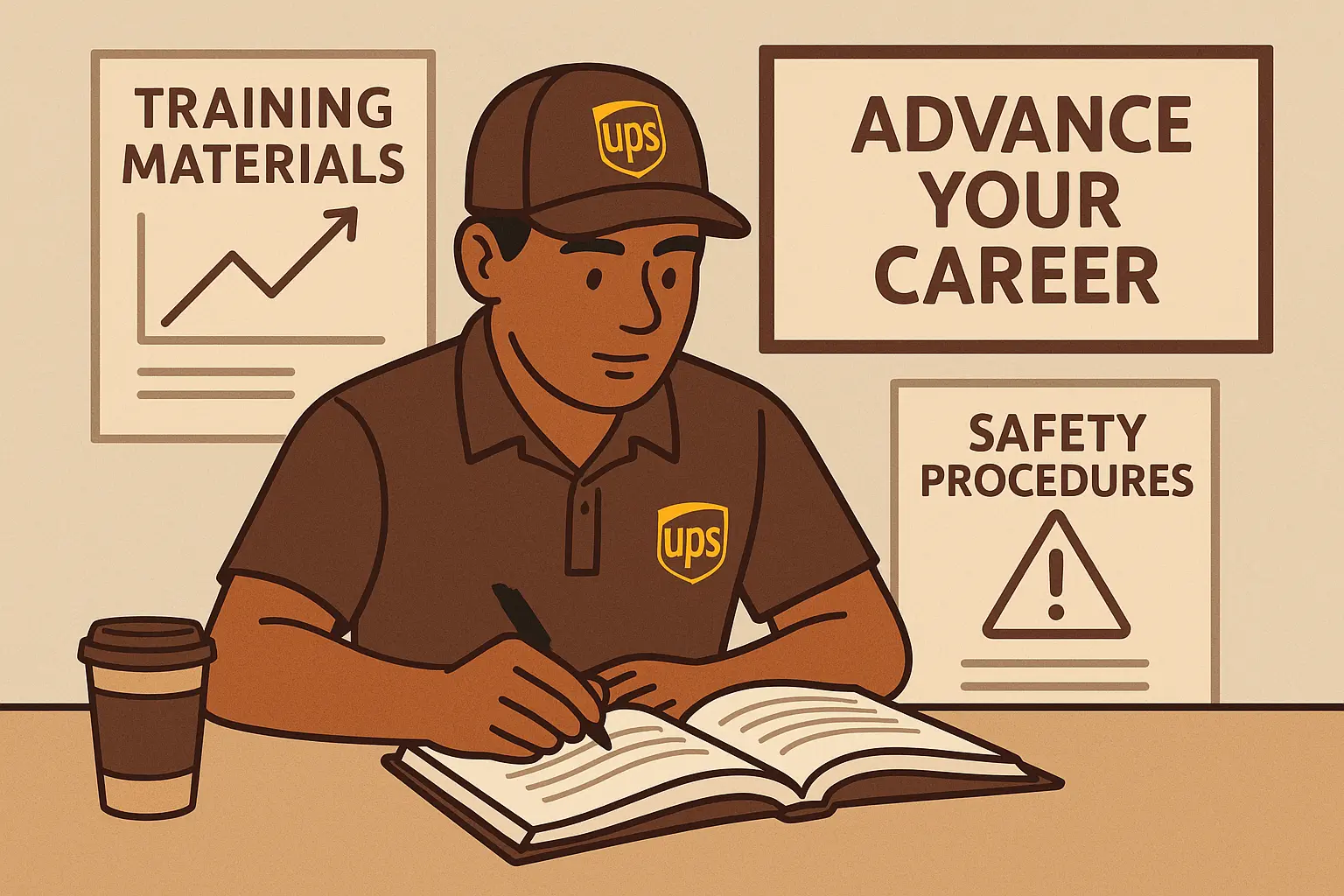
Current and prospective drivers can take specific actions to increase their earning potential and position themselves for advancement within UPS. Understanding the seniority system, building relationships, and pursuing professional development opportunities all contribute to long-term career success.
The seniority system determines route assignments, schedule preferences, and overtime opportunities. Building relationships with supervisors and participating in company programs can accelerate your career progression beyond the standard timeline.
Building Seniority and Route Preference
The seniority system determines route assignments, schedule preferences, and overtime opportunities. Understanding how this system works helps drivers secure preferred routes, better schedules, and increased earning potential through strategic career planning.
A driver with 5 years of seniority might bid on a suburban residential route with consistent 9-hour days and minimal traffic, while a newer driver gets assigned to a downtown commercial route with heavy traffic and unpredictable delivery times. The senior driver’s route provides more predictable overtime and better work-life balance.
Route selection directly impacts your salary through overtime opportunities, tip potential, and working conditions. Premium routes often become available through the seniority bidding process, so building seniority early in your career pays dividends for years to come.
Professional Development That Actually Pays
Participating in company training programs, safety courses, and leadership development positions drivers for advancement and higher-paying roles. These opportunities aren’t just resume builders – they directly impact your earning potential and career trajectory within the company.
Similar to other careers that require ongoing education, understanding why jobs require high school diplomas helps drivers appreciate the importance of maintaining proper educational credentials for advancement opportunities.
For drivers pursuing career advancement or specialized positions within UPS, having proper educational documentation readily available is crucial. ValidGrad’s diploma replacement services ensure you’ll never have to delay career opportunities due to missing credentials. Whether you need a high school diploma copy for initial employment verification or college transcripts for management positions, ValidGrad provides fast, affordable solutions with delivery options as quick as 2 days and prices starting at just $60.
Whether you need to get a copy of your college degree for management applications or require high school diploma documentation for initial hiring, having proper credentials ready is essential for UPS career advancement.

The Bottom Line
Look, UPS driving isn’t glamorous, but it pays well and the job security is solid. If you don’t mind physical work and can handle the hours, it’s one of the better blue-collar jobs out there. Just don’t expect it to be easy money – you’ll earn every dollar.
What really stands out about UPS driver pay is how the different parts work together. Sure, you might start at $21-23 per hour, but the automatic progression to $40+ per hour, combined with regular overtime and solid benefits, creates total pay that rivals many college-degree-required positions.
Unlike careers requiring extensive education where you might wonder whether it’s worth getting a college degree, UPS driving offers substantial earning potential with minimal educational barriers to entry.
The key is understanding that this isn’t just a job – it’s a career path with multiple directions for growth. Whether you want to maximize earnings through overtime and peak season work, move into specialized driving positions, or transition to management, UPS provides the framework for advancement.
For anyone considering this career path, focus on the total pay picture rather than just the hourly wage. When you factor in benefits, overtime potential, job security, and advancement opportunities, UPS driving becomes a compelling career choice that can provide long-term financial stability and growth.
The UPS pay structure rewards longevity, performance, and professional development in ways that many other careers simply don’t match. With the 2023 contract improvements and continued growth in package delivery demand, the earning potential for UPS drivers has never been stronger.