
When I started researching MLIS programs, everyone told me it was a “simple two-year degree.” Three years later, I finally graduated – and I wasn’t even behind schedule. Turns out, the whole “two years” thing is basically marketing.
Here’s the reality nobody wants to admit: Getting your MLIS degree isn’t as straightforward as the brochures suggest. I’ve watched classmates finish in 12 months and others take four years – both making smart decisions based on their actual lives, not some fantasy timeline.
According to the Drexel University College of Computing and Informatics, “Most LIS programs take from 1 to 2 years to complete. Counting the 4 years it takes to earn a bachelor’s degree, it may take a total of 5 to 6 years to become a librarian” – but here’s what they don’t tell you about all the messy variables that actually determine your timeline.

Table of Contents
-
Why the Standard Two-Year Timeline Is Complete BS
-
Program Formats That Speed Up or Slow Down Your Life
-
Your Career Stage Changes Everything (And I Mean Everything)
-
Specializations That Add Time (But Might Be Worth It)
-
Geographic Factors That’ll Blindside You
-
Technology Requirements That Nobody Warns You About
-
Financial Realities That Control Your Timeline
-
Planning Your Actual MLIS Timeline
-
The Truth About What Really Matters
TL;DR
-
MLIS programs range from 12 months (if you hate sleep) to 4+ years (if you have a life)
-
Your career stage matters more than anything – mid-career folks often finish faster because they actually know how to adult
-
Dual specializations and tech-heavy tracks can add 1-2 extra semesters of fun
-
Weekend programs sound great until you realize you’re giving up every Saturday for three years
-
States have wildly different requirements that nobody mentions until you’re already committed
-
Technology gaps can derail your timeline faster than you can say “database management”
-
How you pay for this thing basically dictates everything about your schedule
Why the Standard Two-Year Timeline Is Complete BS
Look, I get it. Universities need to market their programs with nice, clean timelines. But the traditional “two-year MLIS program” assumption falls apart the second you examine how real people actually navigate these programs.
Here’s the thing – understanding how long does it take to get a MLIS degree requires looking beyond those glossy program descriptions, much like how long does it take to get a master degree, where your individual circumstances create completely different experiences than what’s advertised.
The master of library and information science field has evolved way beyond the old “sit in classes for two years” model. Now you’ve got intensive tracks, part-time options, weekend programs, and hybrid formats that can span anywhere from one to four years.
|
Program Type |
Actual Duration |
Credit Hours |
Who This Actually Works For |
|---|---|---|---|
|
Accelerated Full-Time |
12-15 months |
36-42 credits |
People with no life or superhuman time management |
|
Traditional Full-Time |
18-24 months |
36-42 credits |
Classic students who can focus on just school |
|
Part-Time Professional |
3-4 years |
36-42 credits |
Humans with jobs, families, and responsibilities |
|
Weekend/Evening |
2.5-3.5 years |
36-42 credits |
People who want to keep their sanity and paycheck |
|
Hybrid/Modular |
2-4 years |
36-42 credits |
Folks who need maximum flexibility (aka most of us) |
The Accelerated Reality Check
Some schools offer compressed programs that cram everything into 12-15 months. These aren’t just faster versions of regular programs – they’re completely different beasts designed to test your limits.
The intensity can be overwhelming, and I’ve watched it go both ways. Some students thrive because they stay in the zone and don’t lose momentum during semester breaks. Others burn out spectacularly and wish they’d chosen literally any other timeline.
Cohort Programs: Speed Runs with Accountability
Programs that move you through in locked cohorts often finish faster because you’re not dealing with scheduling nightmares or waiting for prerequisites. Your entire class moves together like an academic conga line.
Take Sarah, who jumped into Syracuse University’s accelerated cohort program straight from her English degree. By taking 4 courses per semester instead of the usual 2-3, plus two brutal summer courses, she finished in 13 months. The cohort structure meant no course conflicts, no waiting lists, no scheduling drama – just pure academic intensity.
But here’s what Sarah won’t tell you unless you ask: She barely slept, lived on coffee and determination, and questioned her life choices at least twice a week. She made it, and now she swears it was worth it, but those 13 months were rough.
Summer Bridge Programs That Actually Make Sense
Schools that integrate prerequisite courses into summer programs can actually save you time by addressing knowledge gaps upfront. Instead of discovering you need foundational skills halfway through, you tackle them before the real coursework begins.
These work because they eliminate nasty surprises. You know exactly what you’re getting into before you commit to the full timeline.
The Extended Professional Reality (AKA Real Life)
Working professionals often choose programs spanning 3-4 years, and honestly? These aren’t “slower” programs – they’re designed for people who have actual lives and responsibilities outside of school.

Weekend Warriors
Programs that meet exclusively on weekends extend your timeline but let you keep your job and your sanity. You’re trading speed for financial stability, and that trade-off makes perfect sense when the alternative is quitting a stable job to become a full-time student.
But here’s what nobody tells you: Weekend programs sound perfect until you realize you’re spending every Saturday for two years in a classroom while your friends are at brunch. It’s doable, but it’s not as convenient as it sounds.
Modular Flexibility (When It Actually Works)
Breaking courses into shorter, intensive modules creates flexible pacing options. You can either power through multiple modules quickly or space them out based on your actual capacity.
The University of North Carolina at Greensboro highlights their “100% online option for maximum flexibility” in their MLIS program, which sounds great until you realize that “flexible” still means deadlines, group projects, and professors who expect you to be available during business hours.
Your Career Stage Changes Everything (And I Mean Everything)
When you enter an MLIS program matters way more than anyone tells you. Your professional background becomes the biggest factor in how long this thing actually takes and how much you’ll struggle or cruise through it.
Career changers often find their timeline decisions work differently than fresh graduates, similar to patterns in how long does it take to get a teaching degree where prior experience can speed up certain parts while creating new challenges in others.
Fresh Graduates: Fast but Clueless
Students coming straight from undergrad typically hit the traditional timeline but might lack the real-world experience that makes everything click for older students. You’re building professional skills from scratch while learning library science.
The advantage? You’re still in academic mode and know how to be a student. The disadvantage? You might struggle with practical applications that working professionals grasp immediately.
Research Deep Dives (AKA Academic Rabbit Holes)
Academic-track students often extend their programs to include thesis work or research assistantships, adding 6-12 months but building valuable scholarly credentials. The extra time pays off if you’re planning an academic career, but it’s overkill for most public library jobs.

Mid-Career Acceleration Advantage
Here’s what’s wild – professionals switching from other fields often complete programs faster because they already know how to manage projects, analyze information, and act like professionals. You’re not learning how to adult; you’re just learning how to adult in libraries.
Credit for Life Experience (When Schools Actually Give It)
Some programs offer credit for professional experience, potentially cutting required coursework and shortening your timeline. Suddenly your years in corporate training or nonprofit management become academic currency.
Strategic Skill Gap Targeting
Mid-career students can laser-focus their electives on specific gaps instead of broad exploration. You know what you don’t know, which makes course selection way more efficient.
Take Michael, a 15-year corporate trainer who started his MLIS at 42. His existing skills in curriculum development and adult learning let him test out of two foundational courses and focus on digital archives and metadata standards. He finished in 18 months instead of 24 and landed a corporate information specialist job immediately after graduation.
The key? He wasn’t learning how to be professional – just how to apply his existing skills in a library context.
Specializations That Add Time (But Might Be Worth It)
Your chosen specialization can seriously mess with your timeline, and most students don’t research this until they’re already committed. Some specializations require extra coursework, cross-department prerequisites, or intensive projects that extend your program but might pay off career-wise.
Dual-Specialization Ambitions (AKA Academic Overachieving)
If you’re thinking about doing two specializations, heads up – you’re looking at an extra 1-2 semesters to accommodate additional coursework. You’re essentially earning expertise in two different professional areas, which sounds impressive until you’re drowning in assignments.
Cross-Department Course Requirements (The Scheduling Nightmare)
Specializations requiring courses from computer science, education, or business departments add serious scheduling complexity. You’re not just navigating one academic bureaucracy – you’re dealing with multiple departments, different prerequisite chains, and conflicting schedules.

Cutting-Edge Specializations (Pioneer Problems)
Newer specializations in AI ethics, digital humanities, or emerging technologies might require additional foundational coursework since nobody’s figured out standardized curricula yet. You’re pioneering rather than following established paths, which sounds cool but creates timeline uncertainty.
Drexel University’s College of Computing and Informatics ranks among top library science programs nationally, with recognition in Health Librarianship (#3), Information Systems (#4), Digital Librarianship (#7), Services for Children and Youth (#7), and School Library Media (#7). All these specializations come with their own timeline considerations that nobody explains upfront.
Industry Certification Integration (Double the Work, Double the Value?)
Programs including industry certifications in project management, data analysis, or digital preservation might extend beyond traditional timelines but provide immediate career value. The extra time translates directly into marketable credentials – if you can survive the workload.
Real Talk Specialization Checklist:
-
Research prerequisite requirements before you commit
-
Figure out cross-departmental scheduling nightmares early
-
Evaluate whether certifications are actually worth the extra time
-
Calculate how many additional semesters dual specializations really require
-
Plan practicum time commitments (they’re always longer than advertised)
-
Map out capstone project timelines for specialized tracks
Geographic Factors That’ll Blindside You
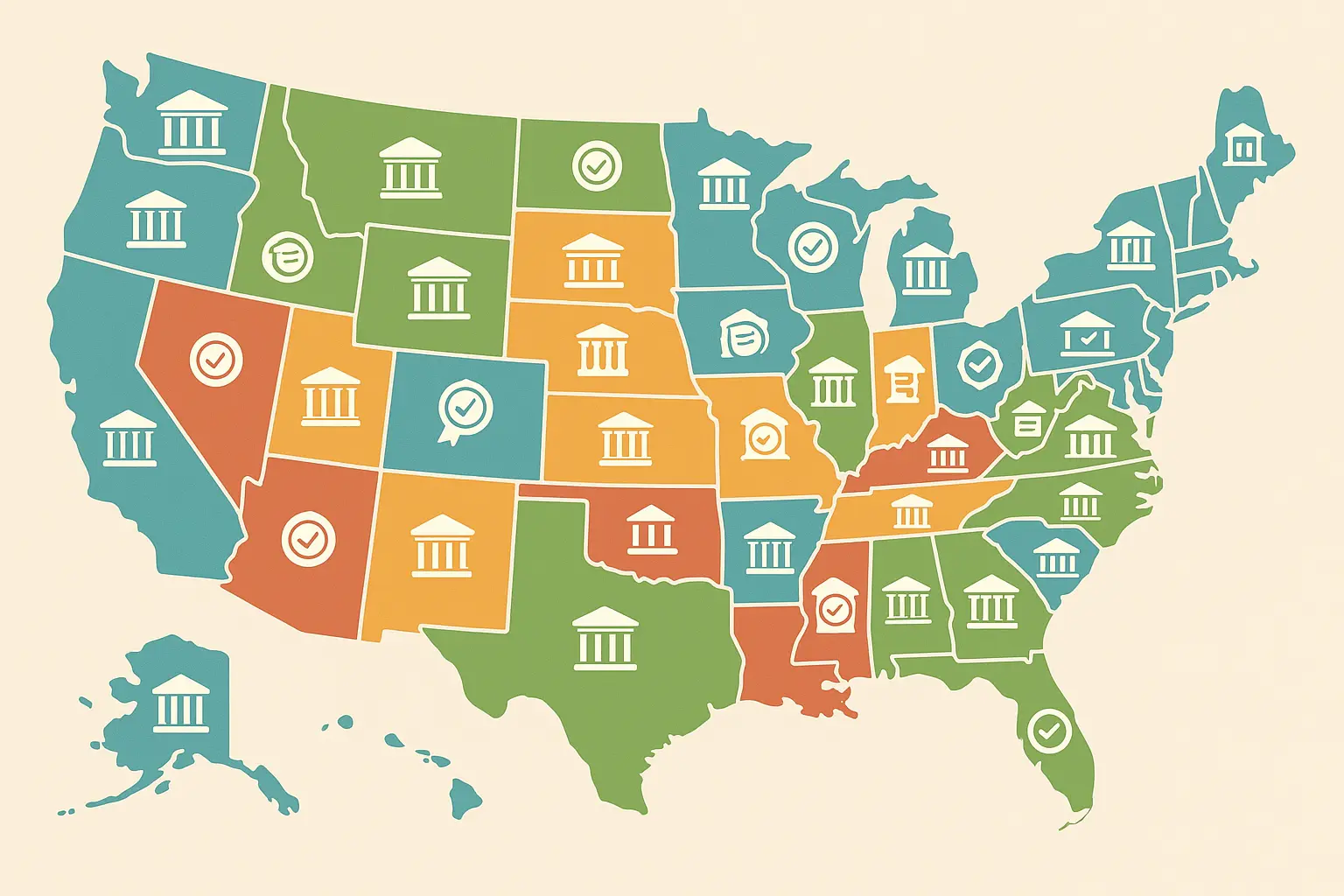
Your location and chosen school create timeline variables that most students never research until it’s too late. Different states have different requirements, and international programs follow completely different rules.
Geographic considerations mirror complexities in other professional degrees, like how long does it take to get a law degree where state-specific requirements can add months or years to your timeline.
State Requirements That Nobody Mentions
Different states have wildly varying requirements for library certification that directly impact program structure. Some states mandate extensive practicum hours or specific coursework that extends timelines but ensures you’re actually ready for local jobs.
Practicum Hour Reality Check
States with high practicum requirements can force extended timelines to accommodate field experience. You’re not just learning theory – you’re logging supervised professional hours that take real time to complete.
Middle Tennessee State University’s MLS program notes that “Students seeking the Library Specialist PreK-12 Endorsement must also pass the PRAXIS 5312 School Librarian test with a passing score of 154.” Nobody mentions this kind of requirement when you’re comparing programs, but it can add months to your timeline.
Moving states during your program? Yeah, that’s gonna be a nightmare. Each state has its own special requirements, and what counts in California might be useless in Texas. It’s like starting over, but with more paperwork and confusion.
Technology Requirements That Nobody Warns You About
Here’s what your advisor won’t mention: The digital transformation of library science has created timeline variables that traditional academic planning doesn’t account for. Technology gaps can derail your carefully planned schedule faster than you can say “database management.”
Remote Learning Adaptation (The Struggle Is Real)
Students often need extra time to master digital platforms essential for modern library work. The learning curve isn’t just about using Zoom – it’s about managing digital archives, virtual reference systems, and cataloging platforms that would challenge IT professionals.
If you’re over 40 and the last “technology” you mastered was email, buckle up. You’ll be learning database management while your 23-year-old classmate is already building digital archives for fun. It’s humbling, frustrating, and totally doable – just give yourself extra time.
Digital Literacy Catch-Up (The Hidden Curriculum)
Programs increasingly require foundational tech skills that some students must develop alongside regular coursework. You might find yourself taking HTML tutorials while writing papers about information theory.
Virtual Practicum Nightmares
Remote internships create scheduling complexity that in-person placements don’t have. Coordinating with multiple institutions across time zones while managing coursework creates logistical challenges that eat into study time.
Hybrid Program Coordination (When Flexibility Isn’t Flexible)
Blended learning requires careful coordination between online and in-person components. When Monday’s class is virtual but Wednesday’s lab is on-campus, travel time and technical transitions eat into study hours.
Those “flexible” online courses? They’re only flexible if you’re disciplined enough not to procrastinate – spoiler alert, most of us aren’t.
Jennifer, a 55-year-old career changer from teaching, discovered her MLIS program’s emphasis on emerging technologies required her to simultaneously learn HTML, CSS, database management, and digital preservation software while completing regular coursework. What should have been a 2-year program extended to 2.5 years as she took additional tech workshops and spent extra time mastering tools essential for modern librarianship.

Financial Realities That Control Your Timeline
Let’s talk money, because pretending it doesn’t matter is ridiculous. How you pay for this degree basically dictates everything about your schedule, and most students underestimate how much financial strategy impacts their timeline.
Financial planning affects timeline decisions across disciplines, with patterns similar to how long does it take to get a psychology degree where funding sources directly influence program pacing.
Employer Sponsorship (Golden Handcuffs)
If your boss is paying, congrats – but now you’re basically their property until you graduate. Students with employer tuition assistance must coordinate academic schedules with workplace commitments and reimbursement cycles. Your boss’s budget approval timeline suddenly becomes more important than course prerequisites.
Graduate Assistantships (The Double-Edged Sword)
Graduate assistantships sound cool until you’re grading papers at 11 PM wondering why you thought this was a good idea. Students relying on assistantships often need to extend programs to maintain funding eligibility throughout their studies.
The 20-hour work requirement isn’t just about money – it’s about time management that affects your course load capacity.
|
Funding Source |
Timeline Impact |
What Nobody Tells You |
Flexibility Level |
|---|---|---|---|
|
Self-Pay |
High flexibility |
You control everything but might go broke |
Complete control over pacing |
|
Employer Sponsorship |
Moderate constraints |
You’re tied to their schedule and approval cycles |
Limited by reimbursement rules |
|
Graduate Assistantship |
Moderate extension |
20 hours/week of actual work that cuts into study time |
Tied to academic calendar |
|
Federal Financial Aid |
Minimal impact |
Must maintain satisfactory progress or lose funding |
Standard semester progression |
|
Scholarships |
Variable |
GPA requirements can force course load decisions |
Depends on specific terms |
Research Project Alignment (When Stars Align or Crash)
Assistantship duties that align with your thesis can accelerate completion, while unrelated work creates scheduling conflicts. Getting assigned to digitization projects when you’re studying youth services creates cognitive switching costs that slow everything down.

Planning Your Actual MLIS Timeline
Here’s the truth: Creating a realistic timeline requires honest assessment of your career stage, specialization goals, geographic constraints, technology readiness, and financial strategy. Most students underestimate how these factors interact and create timeline surprises.
My advice? Plan for it to take longer than advertised, save more money than you think you need, and be honest about what you can actually handle.
Real-World MLIS Timeline Planning:
Phase 1: Pre-Program Reality Check (3-6 months before starting)
Before you panic-apply to every program, sit down with coffee and honestly ask yourself: Are you trying to escape your current job, or are you genuinely excited about library science? Because that answer changes everything about your timeline.
-
Evaluate current tech skills and identify gaps (be brutally honest)
-
Research state requirements where you actually want to work
-
Assess financial resources and funding options realistically
-
Determine optimal program format based on your actual life, not your ideal life
-
Talk to current students and recent graduates about real experiences
Phase 2: Program Selection Reality (6-12 months before starting)
-
Compare specialization requirements across programs (read the fine print)
-
Calculate total credit hours and realistic completion timelines
-
Investigate practicum requirements (they’re always more than advertised)
-
Apply for financial aid and assistantships early
-
Confirm technology requirements and assess whether you can actually meet them
Phase 3: Academic Planning (First semester)
-
Meet with advisors to map degree pathway (push for honest timelines)
-
Plan course sequencing around work and life commitments realistically
-
Identify potential internship opportunities early
-
Build relationships with faculty in your area
-
Join professional organizations for networking
Phase 4: Mid-Program Adjustments (Ongoing)
-
Reassess timeline based on actual course load capacity (not what you hoped)
-
Adjust specialization focus based on career interests and market reality
-
Plan capstone project timeline with buffer time
-
Begin job search preparation in final year
-
Maintain professional development activities
Current job market data shows “Employment of librarians is expected to grow by 3% from 2023 to 2033, with approximately 13,300 job openings projected each year.” That’s steady but not explosive growth, so don’t rush your timeline just to enter a competitive market unprepared.
Personal Life Integration (The Stuff Nobody Discusses)
Life circumstances that students don’t typically mention in academic planning significantly impact MLIS completion timelines. Family obligations, health considerations, and major life changes create timeline variations that advisors rarely address comprehensively.
Family Reality Check
Students with caregiving responsibilities must coordinate academic schedules around actual care needs. Evening classes sound great until you realize they conflict with bedtime routines, medical appointments, or your teenager’s crisis of the week.
Health and Life Happens
Chronic health conditions, mental health considerations, or unexpected medical situations create timeline flexibility needs that rigid program structures don’t accommodate. Taking medical leave isn’t just about health – it’s about re-entering academic sequences that may have changed while you were gone.
Personal Timeline Risk Assessment:
-
Identify potential family conflicts with class schedules honestly
-
Plan for possible moves or job changes during the program
-
Consider health factors that might affect attendance
-
Evaluate childcare availability for evening or weekend classes
-
Assess transportation reliability for hybrid programs
-
Build buffer time for unexpected life events
-
Research leave policies and re-entry procedures
Post-Graduation Transition (The Timeline Continues)
Your MLIS timeline doesn’t end with graduation – it extends through career establishment, and this part varies wildly based on job market conditions and specialization demand.
Job Market Timing Reality
Academic library positions follow academic hiring cycles, while public libraries have different seasonal patterns. Graduating in December versus May can affect your job search timeline by months. Nobody mentions this during program planning.
Certification Timelines (The Never-Ending Story)
Some states require additional certification processes after MLIS completion that extend your professional readiness timeline. The degree is just the beginning of credentialing in certain locations.
For MLIS graduates navigating these complex timelines, replacement diplomas become essential when originals are lost during career transitions or moves between library positions. The diverse career paths that MLIS graduates pursue often require maintaining documentation across multiple institutions and locations.
The Truth About What Really Matters
Here’s what I wish someone had told me before I started: The question “how long does it take to get a MLIS degree” doesn’t have a simple answer because your individual circumstances create a unique timeline equation.
I’ve seen students finish in 12 months and others take four years – both making smart decisions based on their specific situations. That friend who finished in 12 months? She probably didn’t sleep, didn’t have kids, and lived on ramen. The one who took four years? She was working full-time, had a family, and actually wanted to enjoy her life. Both approaches are totally valid – just pick your poison.
Your career stage, chosen specialization, program format, location, technology readiness, and financial strategy all interact to determine your actual completion time. The key is understanding these factors upfront so you can make informed decisions rather than discovering timeline surprises mid-program.
Remember – there’s no prize for finishing fastest, just for finishing. Faster isn’t always better, and longer doesn’t mean you’re behind. The “right” timeline is the one that aligns with your career goals, life circumstances, and learning style while setting you up for success in the library and information science field.
Your timeline should work for your life, not the other way around. And if anyone tries to tell you it’s definitely going to take exactly two years, smile politely and plan for reality instead.

For MLIS graduates who’ve navigated these complex educational journeys, ValidGrad provides essential documentation services when how to get a copy of your diploma becomes necessary during career transitions, international employment verification, or when documents are damaged during the inevitable moves between library positions that characterize modern information science careers.