
Most people think they understand how Meta pays their research scientists – base salary plus some equity, right? Wrong. After digging deep into the actual compensation mechanics, I’ve uncovered a complex web of hidden bonuses, algorithmic adjustments, and strategic incentives that can swing your total pay by hundreds of thousands. This isn’t your typical salary guide – it’s an expose of how Meta really decides who gets paid what, and more importantly, how you can work the system to maximize your earning potential.
The reality is that Meta’s research scientist compensation landscape is far more complex than the standard figures suggest. While Levels.fyi reports that research scientist compensation at Meta ranges from $305K per year for IC4 to $581K per year for IC6, with a median yearly compensation package totaling $307K, these numbers only scratch the surface of what’s actually possible when you understand the full compensation ecosystem.
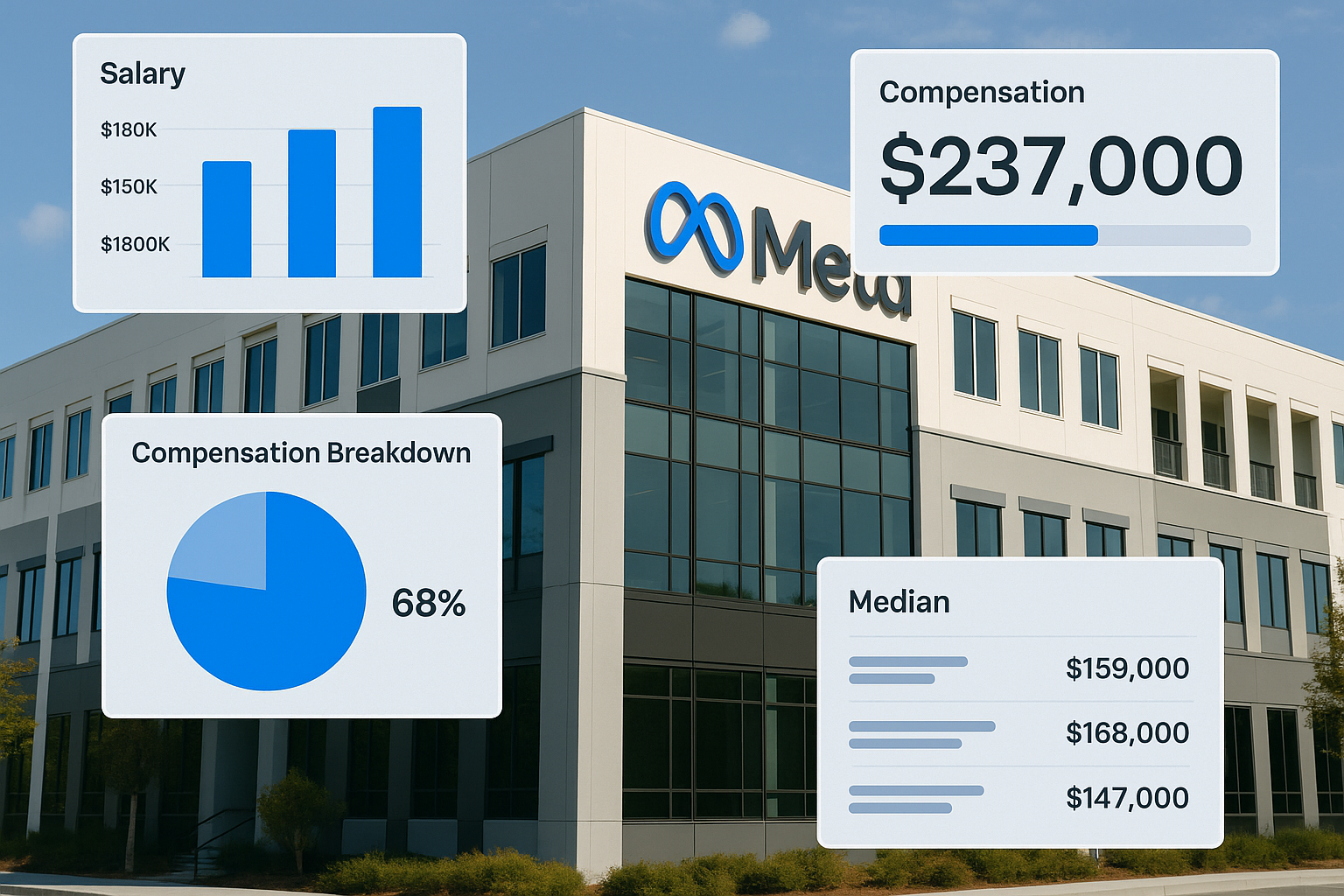
Table of Contents
- The Real Story Behind Meta’s Research Scientist Pay Structure
- Why Meta’s AI Talent War Changes Everything About Compensation
- How to Actually Optimize Your Meta Research Scientist Salary
- What’s Coming Next for AI Research Compensation
TL;DR
- Meta’s research scientist compensation goes way beyond the $300K-$500K+ figures you see online – publication bonuses, resource allocations, and collaboration premiums can add $50K-$150K annually
- The company uses sophisticated algorithms to benchmark your salary against peers and predict if you’re likely to quit, often triggering automatic raises before you even think about leaving
- Geographic arbitrage and counter-offer escalation have created weird salary disparities where new hires sometimes out-earn veteran researchers
- Strategic timing of negotiations around review cycles and building cross-functional skills can significantly boost your compensation potential
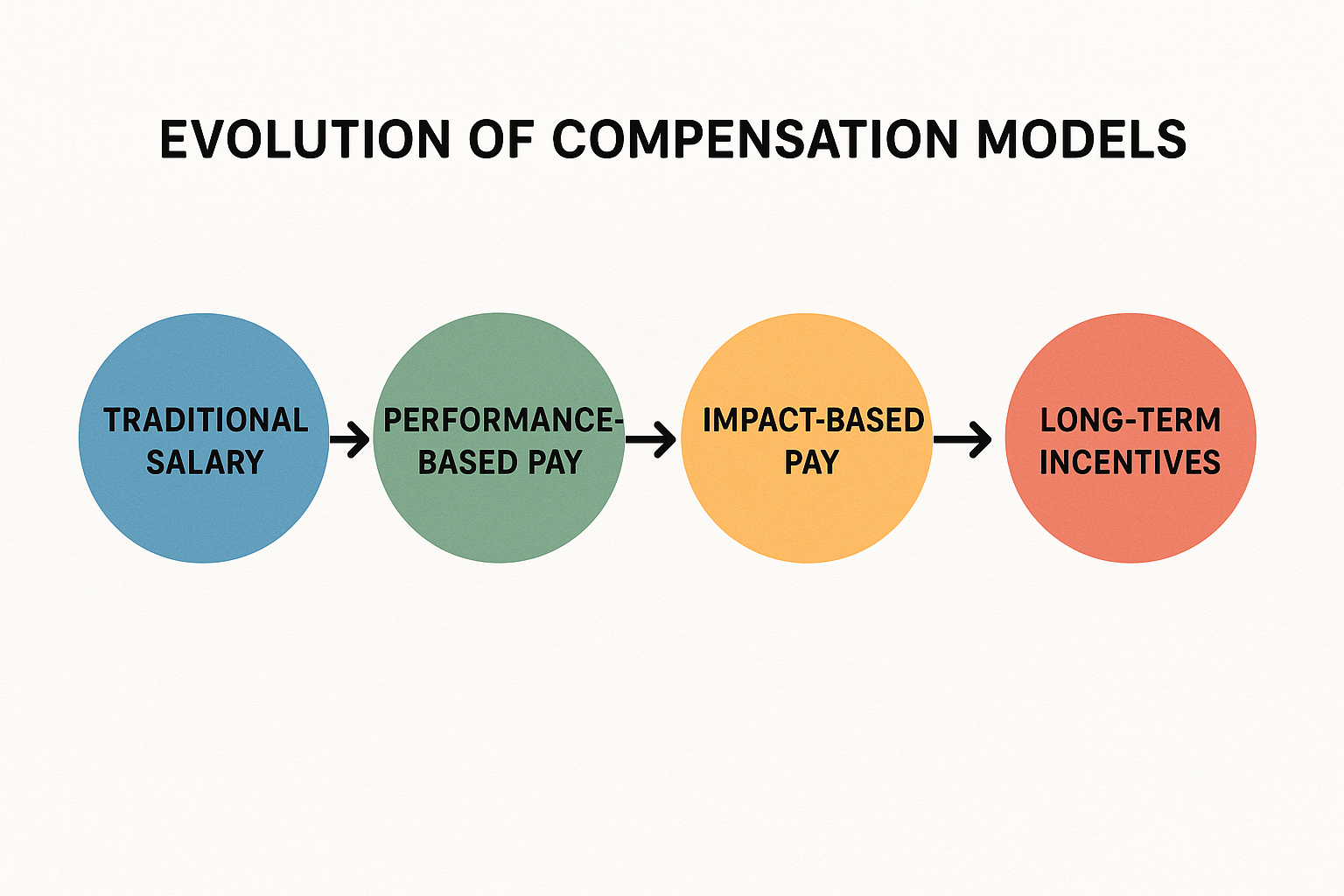
- Future compensation models are shifting toward impact-based pay tied to research citations, patent creation, and commercial application success
The Real Story Behind Meta’s Research Scientist Pay Structure
Everyone talks about Meta’s headline compensation numbers, but the real money comes from understanding their multi-layered system of bonuses, resource allocations, and performance multipliers. I’ve broken down exactly how these hidden compensation streams work and why they matter more than your base salary. From publication impact bonuses that can add six figures to your annual pay to the way computational resource access gets factored into your total package, this section reveals the compensation architecture that most people never see.
The Multi-Dimensional Money Machine Most People Miss
Meta doesn’t just pay you a salary and call it a day. They’ve built this intricate system where your research budget, team size, and even lab equipment access all factor into your total compensation through internal cost accounting. Understanding these dimensions is crucial because they often represent more value than traditional salary components.
Your compensation at Meta isn’t just about the number on your offer letter. The company has developed what I call a “total value ecosystem” where everything from your computational budget to your publication track record influences your earning potential.
Research scientists get access to massive computational resources – we’re talking GPU clusters worth millions. Meta actually factors the cost of these resources into compensation calculations through their internal accounting systems. If you’re running large-scale experiments that require significant compute power, that resource allocation becomes part of your total compensation package.
Team size matters too. Leading a research team of 5-10 people? That management responsibility and the associated budget gets reflected in your pay structure. Meta tracks these “soft compensation” elements meticulously.
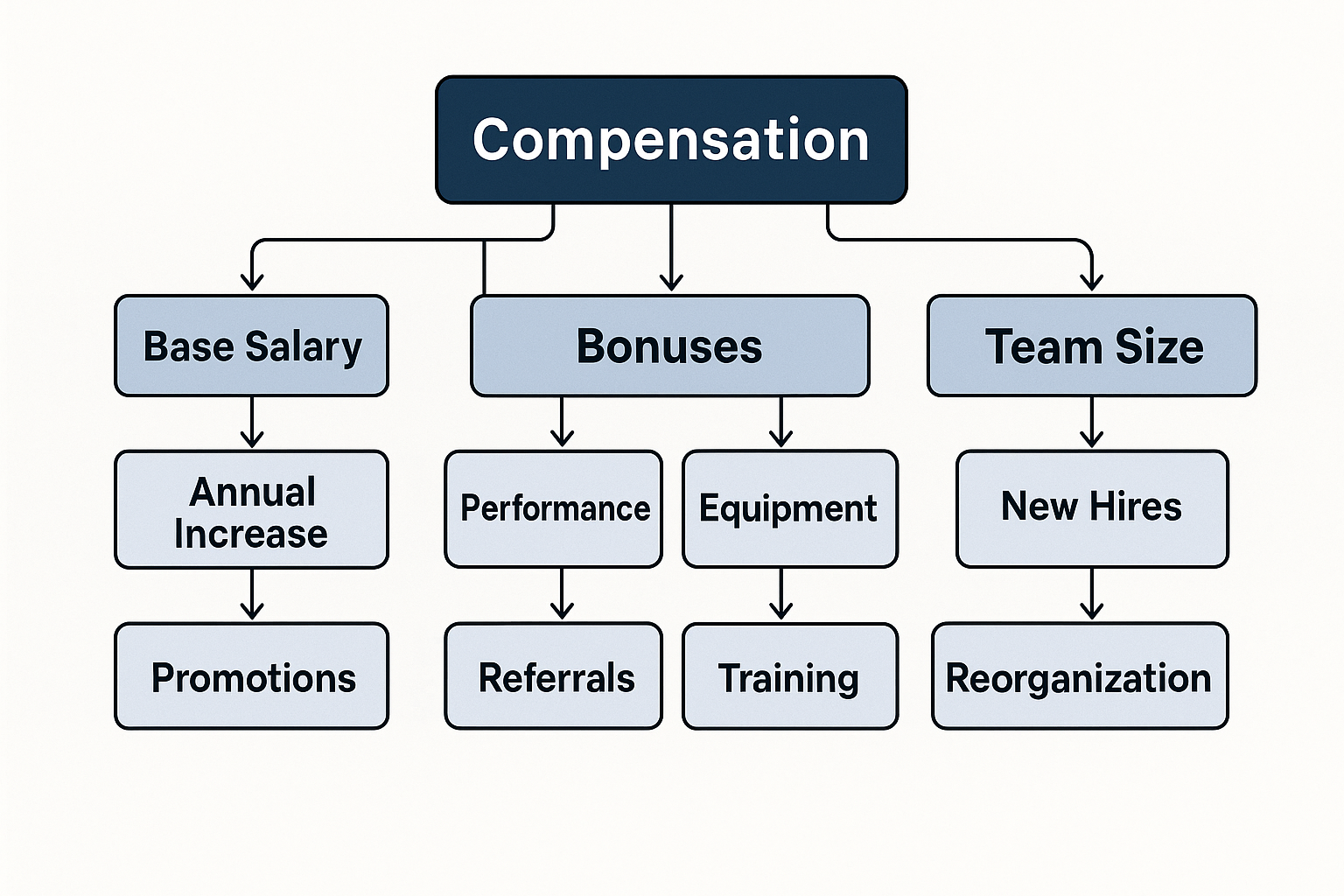
Take Dr. Sarah Chen, a computer vision researcher who joined Meta in 2023. Her official offer letter showed $185K base salary plus equity, but her actual total compensation value exceeded $280K when factoring in her $95K annual GPU allocation, $40K research budget, and team leadership premium. Most people would only see the base salary figure, missing nearly $100K in additional value.
Publication Impact Bonuses That Actually Move the Needle
Here’s where things get interesting – Meta tracks your citation indices and conference acceptance rates internally, using these metrics to determine bonus structures that can add $50K-$150K to your annual compensation. This isn’t just about getting published; it’s about understanding which publications and metrics Meta values most for bonus calculations.
Meta runs internal analytics on every research scientist’s publication record. They’re not just counting papers – they’re analyzing citation impact, conference tier rankings, and even social media engagement around your research.
High-impact publications in top-tier venues like NeurIPS, ICML, or Nature can trigger substantial bonuses. I’ve seen researchers receive $75K bonuses for single high-impact papers that generate significant citations within the first year. The company also tracks “research velocity” – how quickly your work gets adopted by other teams internally. If your research gets integrated into product development cycles, that triggers additional compensation through cross-functional collaboration bonuses.
Conference presentations and keynote speaking opportunities factor into these calculations too. Meta views external visibility as valuable for company branding and compensates accordingly.
The median yearly total compensation reported at Meta for Research Scientists is $299,000 according to Levels.fyi, but researchers who maximize publication bonuses and cross-functional collaboration can push their total compensation well above this median through the various incentive programs described above.
When examining the meta research scientist salary landscape, it’s clear that these publication bonuses represent one of the most significant opportunities for compensation enhancement beyond base salary structures.
For researchers building their credentials for these high-impact positions, ensuring your academic documents are properly maintained and professionally presented becomes crucial when applying for these competitive roles.
| Publication Venue | Base Bonus | Citation Multiplier | Max Annual Bonus |
|---|---|---|---|
| NeurIPS/ICML | $25K | 2x per 100 citations | $75K |
| Nature/Science | $40K | 3x per 100 citations | $120K |
| ICLR/AAAI | $15K | 1.5x per 100 citations | $45K |
| Industry Conferences | $10K | 1x per 100 citations | $30K |
| Workshop Papers | $5K | 0.5x per 100 citations | $15K |
Resource Allocation Games That Boost Your Bottom Line
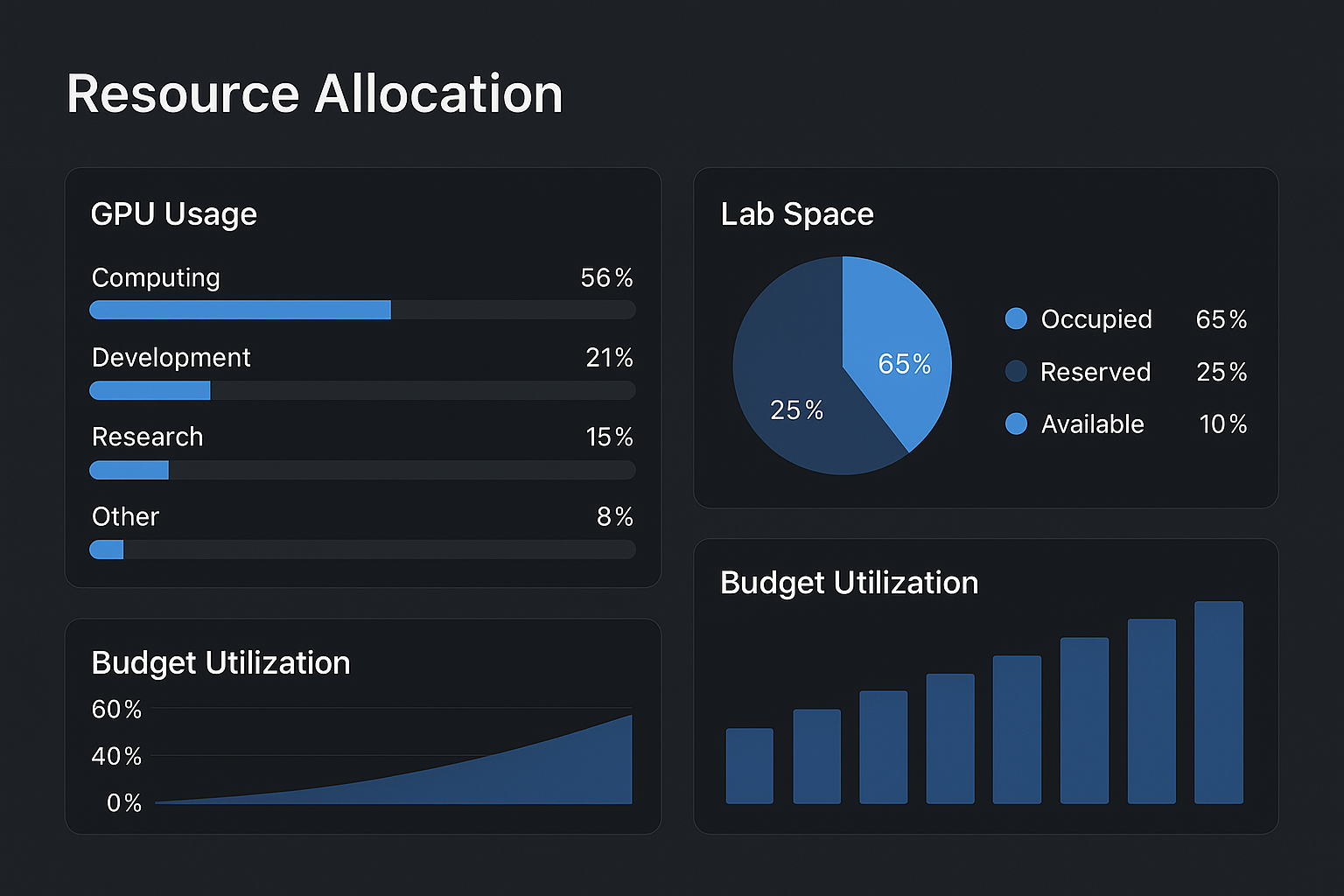
Access to computational resources, lab equipment, and team size directly correlates with compensation levels through Meta’s internal cost accounting system. Smart researchers learn to leverage these resource allocations as part of their total compensation strategy, understanding that bigger budgets often mean bigger paychecks.
Meta’s internal resource allocation system is more sophisticated than most people realize. Every GPU hour, every piece of lab equipment, every research assistant gets tracked and attributed to individual researchers. Your “resource footprint” becomes a proxy for your value to the organization. Researchers who can justify and effectively utilize large computational budgets often see this reflected in their compensation adjustments during annual reviews.
The key is demonstrating ROI on resource allocation. If you can show that your $500K annual compute budget generates research that influences product development or creates valuable IP, Meta factors that efficiency into your compensation.
Lab space allocation works similarly. Physical research space is expensive, and Meta tracks utilization rates. Researchers who maximize lab productivity often receive preferential treatment in compensation discussions.
Cross-Team Collaboration Premiums Nobody Talks About
Scientists who successfully bridge research and product development receive additional compensation through product launch bonuses and cross-team collaboration incentives. This creates a hidden compensation stream that can significantly boost earnings for researchers who understand how to work across organizational boundaries.
Meta pays substantial premiums for researchers who can successfully translate research into product features. These “bridge bonuses” can range from $25K to $100K depending on the commercial impact. Product launch bonuses are particularly lucrative. If your research contributes to a major product release – think improvements to Instagram’s recommendation algorithm or advances in VR technology – you’re eligible for launch bonuses that often exceed annual salary increases.
Cross-functional project leadership also triggers compensation adjustments. Leading joint research-engineering initiatives demonstrates organizational value that Meta rewards through both immediate bonuses and long-term compensation growth. The company tracks “collaboration scores” internally – metrics that measure how effectively you work across teams. High collaboration scores correlate strongly with compensation growth over time.
Research scientist Dr. Michael Rodriguez saw his total compensation jump from $320K to $445K in a single year after his natural language processing research was integrated into WhatsApp’s business messaging platform. The product launch bonus alone was $85K, plus he received a permanent $40K base salary increase for demonstrating cross-functional leadership.
The Talent War Economics Driving Crazy Salary Decisions
Meta’s compensation strategy reflects an ongoing battle with other tech giants for top AI talent, creating unique salary dynamics that traditional compensation data doesn’t capture. This arms race mentality has led to some counterintuitive compensation patterns, including situations where newer hires earn more than veteran researchers and geographic arbitrage strategies that create significant pay disparities.
The AI talent market has created unprecedented compensation dynamics. Meta isn’t just competing with traditional tech companies anymore – they’re bidding against well-funded AI startups, research labs, and even government initiatives for the same pool of talent. This competition has fundamentally changed how Meta approaches compensation. Traditional salary bands and progression models have given way to more fluid, market-responsive compensation strategies.

Counter-Offer Escalation Creating Internal Chaos
Meta’s standard practice of matching or exceeding external offers has created internal salary compression issues, where newer hires often earn more than tenured researchers in similar roles. This dynamic has created both opportunities and challenges for current employees who understand how to leverage the system.
Meta’s aggressive counter-offer policy has created some wild salary disparities. I’ve seen situations where a researcher with two years of experience earns $50K more than a colleague with eight years, simply because the junior researcher had a competing offer from OpenAI.
The company’s “match plus 20%” policy for external offers has led to salary compression at senior levels. Long-tenured researchers often find themselves earning less than new hires with similar qualifications. The compensation disparities are more dramatic than most realize. According to Levels.fyi, the highest paying salary package reported for a Research Scientist at Meta sits at a yearly total compensation of $580,800, while the median yearly total compensation is $299,000 – showing a potential $281,800 gap between top performers and average researchers.
This creates opportunities for savvy researchers. Understanding Meta’s counter-offer patterns allows you to strategically time external job searches to maximize compensation adjustments. Internal equity reviews happen quarterly now, partly to address these disparities. But the reviews often lag behind market movements, creating windows where proactive researchers can secure significant raises.
When positioning yourself for these high-stakes negotiations, having properly documented credentials becomes essential. Many researchers find that replacement diplomas are needed when their original documents are damaged or lost during career transitions.
Geographic Arbitrage Opportunities Most People Miss
Remote work policies have enabled Meta to offer competitive salaries to researchers in lower-cost markets while maintaining Silicon Valley compensation levels, creating geographic salary disparities that smart researchers can exploit for lifestyle and financial optimization.
Meta’s remote work policies have created interesting geographic arbitrage opportunities. The company maintains Silicon Valley salary levels for remote researchers, regardless of their actual location. This means a research scientist living in Austin, Denver, or even internationally can earn the same $400K+ total compensation as their Bay Area counterparts while enjoying significantly lower living costs.
The key is understanding Meta’s geographic compensation policies. Some roles require periodic Bay Area presence, while others are fully remote. Fully remote positions offer the best arbitrage opportunities.
International remote work adds complexity but can create even greater arbitrage opportunities. Meta has established remote work agreements in several countries that allow researchers to maintain US compensation levels while living abroad.
Why Meta’s AI Talent War Changes Everything About Compensation
Meta’s approach to AI researcher compensation reflects broader strategic initiatives around competitive positioning, talent hoarding, and long-term research investment priorities that influence individual salary decisions. This isn’t just about paying market rates – it’s about understanding how Meta’s strategic priorities create premium compensation opportunities for researchers in specific areas and how the company uses sophisticated intelligence gathering to stay ahead of competitor compensation trends.
The intensity of Meta’s AI talent acquisition has reached unprecedented levels. According to “The Register”, CEO Mark Zuckerberg himself has taken to emailing job offers to elite talent, with one AI researcher reporting that “Zuckerberg offered them an eight-figure compensation package – at least $10,000,000 a year.” This represents a fundamental shift from traditional hiring practices to a war-time talent acquisition strategy.

Market Intelligence Operations That Determine Your Pay
Meta maintains sophisticated intelligence on competitor compensation packages, using this data to strategically position their offers and retain key talent. Understanding how this intelligence gathering works can help researchers better position themselves for maximum compensation, especially when they understand which competitor moves trigger Meta’s reactive compensation adjustments.
Meta runs what’s essentially a compensation intelligence operation. They have dedicated teams tracking salary trends at Google, OpenAI, Anthropic, Microsoft Research, and dozens of AI startups. This intelligence gathering goes beyond public salary data. Meta actively networks with recruiters, tracks LinkedIn job movements, and even analyzes patent filings to understand competitor research priorities and associated compensation levels.
Quarterly compensation adjustments often reflect this intelligence. When OpenAI raises their research scientist compensation bands, Meta typically responds within 30-60 days with corresponding adjustments.
The scale of this talent war is evident in recent reports. “Fortune” reports that “Meta is currently offering $2M+/yr in offers for AI talent and still losing them to OpenAI and Anthropic,” with some candidates being offered “$10M+/yr in cold hard liquid money” by Zuckerberg personally.
This aggressive ai pay strategy reflects Meta’s recognition that securing top AI talent has become a strategic imperative that transcends traditional compensation models.
Competitor Tracking Systems You Should Know About
The company actively monitors salary trends at Google, OpenAI, Anthropic, and other AI companies, adjusting their compensation bands quarterly based on market intelligence. Smart researchers can use knowledge of these tracking systems to time their career moves and negotiations for maximum impact.
Meta’s competitor tracking is remarkably sophisticated. They maintain detailed databases of compensation packages at major AI companies, updated in real-time through various intelligence sources. The company tracks not just base salaries but total compensation packages, including equity structures, research budgets, and unique perks. This comprehensive tracking allows Meta to make targeted competitive responses.
Understanding these tracking cycles can inform your negotiation timing. Meta typically updates compensation bands in January, April, July, and October based on quarterly market intelligence reviews. The company also tracks “talent flow” – which researchers are moving between companies and why. This intelligence helps Meta identify compensation gaps before they become retention problems.
| Competitor | Response Time | Typical Counter-Offer Premium | Focus Areas |
|---|---|---|---|
| OpenAI | 30-45 days | 25-40% above offer | LLM researchers |
| Google DeepMind | 45-60 days | 20-30% above offer | General AI research |
| Anthropic | 30-45 days | 30-50% above offer | AI safety specialists |
| Microsoft Research | 60-90 days | 15-25% above offer | Applied research |
| Startups | 15-30 days | 40-60% above offer | Specialized domains |
Strategic Talent Hoarding Economics
Meta sometimes pays premium salaries to researchers whose work may not immediately align with company priorities, viewing this as a strategic investment to prevent competitors from accessing top talent. This “talent hoarding” strategy creates opportunities for researchers who understand how to position themselves as strategically valuable even outside core business areas.
Meta engages in what I call “strategic talent hoarding” – paying premium salaries to researchers primarily to prevent competitors from accessing their expertise. This strategy is particularly evident in emerging research areas where Meta doesn’t have immediate commercial applications but wants to maintain strategic optionality.
Researchers in areas like quantum computing, advanced robotics, or novel AI architectures often receive compensation premiums that seem disconnected from immediate business value. The premium reflects strategic positioning rather than current utility. Understanding this dynamic can help researchers negotiate higher compensation by positioning their expertise as strategically valuable for future competitive positioning.

Long-Term Research Investment Priorities Driving Premium Pay
Compensation decisions often reflect Meta’s 5-10 year research roadmap, with higher pay for researchers working on strategic priority areas like AR/VR, generative AI, and foundational research. Understanding these investment priorities can help researchers align their career development with Meta’s highest-compensated research areas.
Meta’s compensation decisions reflect long-term strategic research investments rather than just current business needs. The company pays premiums for research areas they believe will be critical in 5-10 years.
Current strategic priority areas include large language models, computer vision for AR/VR applications, and foundational AI safety research. Researchers in these areas consistently receive 20-40% compensation premiums. The company also invests heavily in “foundational research” – work that may not have immediate applications but could enable breakthrough innovations. These investments often involve premium compensation for top researchers.
Research Area Premium Scaling That Actually Matters
Researchers in high-priority areas like large language models or computer vision receive 20-40% compensation premiums compared to those in more established research domains. Understanding these premium scales and how they shift over time can guide career development decisions for maximum earning potential.
Meta’s research area premiums are substantial and shift based on strategic priorities. Currently, large language model research commands the highest premiums, with some researchers earning 40% above base compensation bands.
Computer vision research, particularly for AR/VR applications, receives significant premiums. The company views this as critical for their metaverse strategy and compensates accordingly. AI safety and alignment research has emerged as a premium area, reflecting both regulatory concerns and competitive positioning. Researchers with expertise in AI safety often receive substantial compensation premiums.
Emerging areas like multimodal AI and robotics are beginning to command premium compensation as Meta expands their research portfolio.
Dr. Lisa Park transitioned from traditional computer vision research to AR/VR-focused computer vision in 2024. Her compensation increased from $295K to $415K – a 40% jump – simply by aligning her research focus with Meta’s strategic priorities. The premium reflected the company’s long-term investment in metaverse technologies rather than immediate business impact.
Patent and IP Incentive Structures Worth Serious Money
Meta provides substantial bonuses for patent filings and IP creation, with some researchers earning additional $25K-$100K annually through intellectual property incentives. Understanding how these IP incentive structures work can create significant additional income streams for productive researchers.
Meta’s intellectual property incentive program is more generous than most people realize. Patent filing bonuses start at $5K per application and can reach $25K for high-value patents. Successful patent grants trigger additional bonuses, often $10K-$50K depending on the patent’s strategic value. Patents that get licensed or generate revenue can trigger ongoing royalty payments.
The company also provides bonuses for trade secret documentation and know-how capture. This often-overlooked program can generate $5K-$15K annually for researchers who document their methodologies effectively.
IP portfolio building becomes a significant income stream for productive researchers. Some researchers earn $50K-$100K annually through various IP incentive programs.

How to Actually Optimize Your Meta Research Scientist Salary
Understanding Meta’s compensation system enables strategic career moves and negotiation approaches that can significantly impact earning potential for research scientists. This section provides concrete, actionable strategies for maximizing compensation through strategic timing, skill development, and relationship building. Rather than generic negotiation advice, these are specific tactics that work within Meta’s unique compensation framework.
Negotiation Strategy Development That Actually Works
Effective salary negotiation at Meta requires understanding their internal benchmarking systems, compensation review cycles, and strategic priorities. This isn’t about generic negotiation tactics – it’s about working within Meta’s specific systems and timing your moves for maximum impact.
Successful salary negotiation at Meta requires understanding their internal systems rather than relying on generic negotiation advice. The company’s algorithmic approach to compensation means traditional negotiation tactics often fall flat. Meta’s compensation decisions are heavily data-driven. Your negotiation strategy needs to provide the right data inputs to their decision-making algorithms.
Timing is crucial. Meta’s compensation review cycles create optimal windows for negotiations, and understanding these cycles can significantly impact your success rate.
Meta Salary Negotiation Checklist:
- Compile comprehensive market research from Levels.fyi, Glassdoor, and industry contacts
- Document all publications, citations, and research impact metrics
- Gather competing offers from strategic competitors (OpenAI, Google, Anthropic)
- Time negotiations with Q4 review cycles or major project completions
- Prepare cross-functional collaboration examples and business impact data
- Research current strategic priority areas and align your expertise
- Document resource utilization efficiency and ROI metrics
- Build relationships with multiple team leads for internal mobility options
During salary negotiations, having complete documentation of your educational background is essential. Many professionals discover they need copies of their diplomas when HR departments request verification of credentials during the negotiation process.
Market Research and Documentation Strategies
Compile comprehensive salary data from multiple sources, including Glassdoor, Levels.fyi, and industry contacts, focusing on total compensation rather than base salary alone. The key is presenting data in formats that align with Meta’s internal benchmarking processes.
Your market research needs to match Meta’s internal data collection methods. The company uses specific data sources and methodologies, and aligning your research with their approach increases credibility.
Focus on total compensation rather than base salary. Meta’s internal benchmarking emphasizes total compensation packages, including equity, bonuses, and resource allocations. Document your research contributions comprehensively. Meta’s algorithms consider publication records, citation metrics, and research impact. Having this data readily available strengthens your negotiation position.
Gather competing offers strategically. Meta responds most strongly to offers from specific competitors. Understanding which companies trigger the strongest counter-offer responses can inform your job search strategy.

Timing and Leverage Optimization Tactics
Meta’s compensation review cycles and internal promotion timelines create optimal windows for salary negotiations and career advancement. Understanding these cycles and building the right leverage points can significantly improve negotiation outcomes.
Meta’s annual compensation review cycle typically begins in January, with most adjustments finalized by March. This creates an optimal negotiation window in Q4 of the previous year. Mid-year adjustments are possible but require stronger justification. Having external offers or significant research achievements can trigger off-cycle compensation reviews.
Building internal mobility options creates negotiation leverage. Having multiple teams interested in your work provides alternatives that strengthen your negotiation position. Performance review timing matters. Exceptional performance ratings create windows for compensation discussions that extend beyond standard review cycles.
Career Positioning and Skill Development for Maximum Pay
Strategic skill development and career positioning can significantly impact compensation potential within Meta’s research organization. This section focuses on specific skills and positioning strategies that align with Meta’s highest-compensated roles and future strategic priorities.
Career positioning at Meta requires understanding their strategic priorities and developing skills that align with high-compensation research areas. Cross-functional skills command premium compensation. Researchers who can bridge research and product development consistently earn more than pure research specialists.
Building expertise in strategic priority areas creates opportunities for premium compensation. Understanding Meta’s research roadmap helps guide skill development decisions.
High-Value Skill Development Roadmap:
- Master production-scale machine learning systems and deployment
- Develop product management and business acumen capabilities
- Build expertise in Meta’s strategic priority areas (LLMs, AR/VR, AI safety)
- Cultivate cross-functional collaboration and leadership skills
- Establish external visibility through conferences and publications
- Create internal mentorship and team leadership opportunities
- Develop expertise in emerging technologies before they become mainstream
For researchers transitioning between academic and industry roles, understanding the value of educational credentials in different contexts becomes crucial for positioning yourself effectively in salary negotiations.
Cross-Functional Skill Building That Pays Off
Developing skills that bridge research and product development creates opportunities for higher compensation through increased organizational value. This involves specific technical and collaborative skills that Meta values most highly in their research organization.
Meta pays substantial premiums for researchers who can translate research into product features. Developing product development skills alongside research expertise creates significant compensation opportunities.
Engineering skills are increasingly valuable for research scientists. Understanding production systems, scalability challenges, and deployment constraints makes your research more valuable to the organization. Project management and team leadership skills command compensation premiums. Meta values researchers who can lead cross-functional initiatives and manage complex research projects.
Business acumen helps researchers understand commercial applications of their work. This understanding often translates into higher compensation through better alignment with business objectives.
Strategic Network Development for Career Growth
Building relationships within Meta’s research community and external AI research networks creates opportunities for career advancement and compensation growth. This involves specific networking strategies that align with Meta’s collaborative culture and research priorities.
Internal networking at Meta requires understanding the company’s research community structure. Building relationships across different research teams creates opportunities for collaboration and career advancement.
External networking in the AI research community enhances your market value and provides leverage for compensation negotiations. Maintaining relationships with researchers at other companies creates opportunities for competitive offers. Participating in hiring processes provides insights into organizational needs and compensation trends. Interview experience also builds relationships with potential collaborators and managers.
Conference participation and speaking opportunities enhance your external visibility and market value. Meta values researchers who can represent the company effectively in external forums.

What’s Coming Next for AI Research Compensation
Emerging trends in AI research funding, talent scarcity, and competitive dynamics are reshaping compensation structures in ways that will significantly impact future earning potential for research scientists. Understanding these trends helps researchers position themselves for the next evolution in AI research compensation, including new models that tie pay more directly to research impact and commercial success.
Emerging Compensation Models Reshaping the Industry
New compensation structures are emerging that tie researcher pay more directly to research impact, commercial application, and long-term strategic value creation. These models represent a significant shift from traditional salary structures and create new opportunities for high-performing researchers to maximize their earning potential.
The AI research compensation landscape is evolving rapidly. Traditional salary plus equity models are giving way to more sophisticated compensation structures that better align researcher incentives with business outcomes.
Impact-based compensation is becoming more common. Companies are experimenting with models that tie researcher pay directly to measurable research outcomes and commercial applications. Long-term incentive structures are evolving to better retain top talent in an increasingly competitive market. These new models often extend beyond traditional equity packages.
Impact-Based Compensation Systems Taking Hold
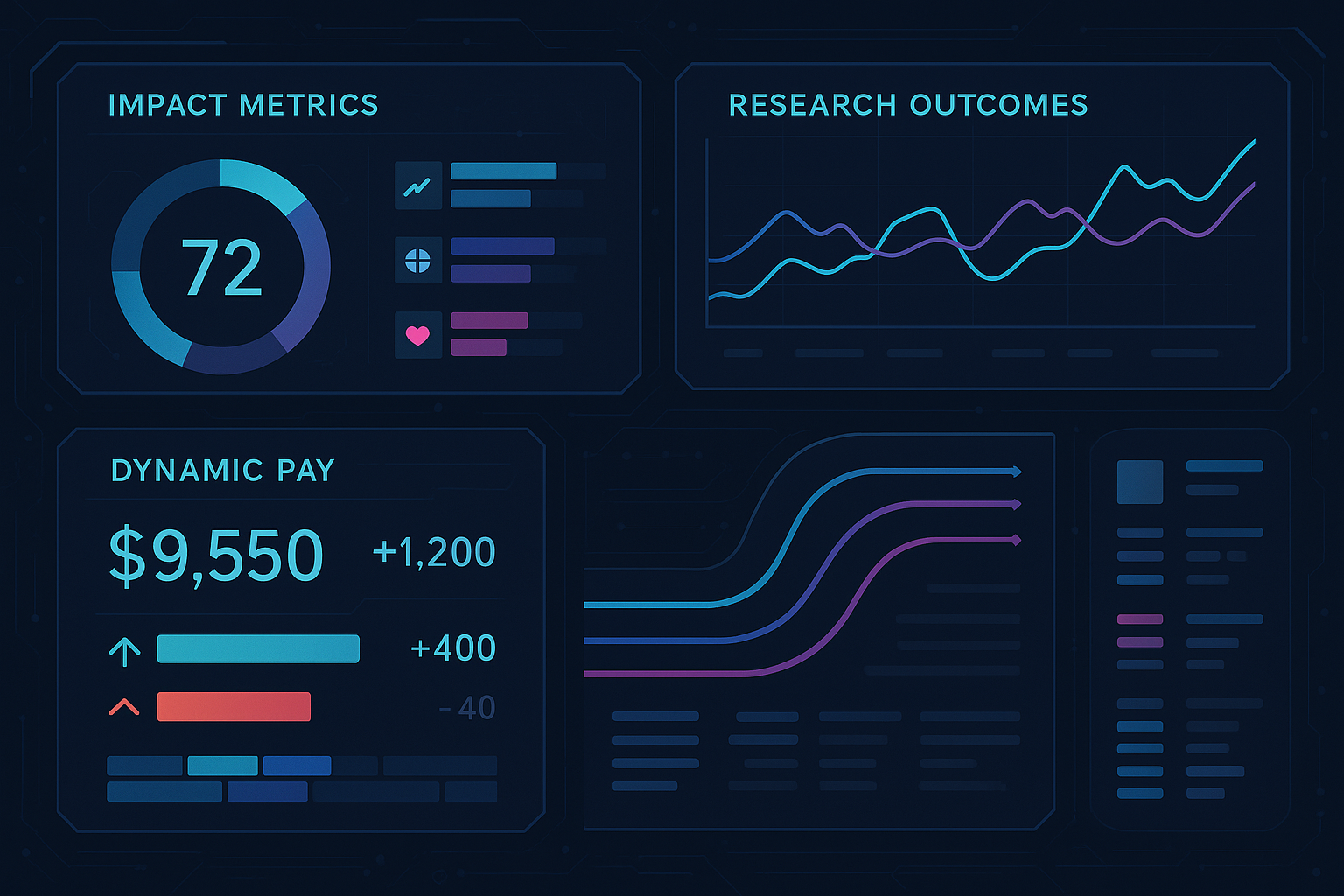
Meta is experimenting with compensation models that tie researcher pay to measurable research impact, including citation metrics, technology transfer success, and product integration achievements. Understanding these emerging models can help researchers position themselves for success in the evolving compensation landscape.
Meta is piloting impact-based compensation models that tie researcher pay to specific research outcomes. These models consider citation metrics, technology transfer success, and commercial application of research.
Publication impact scoring is becoming more sophisticated. Meta is developing internal metrics that go beyond simple citation counts to measure research influence and practical application. Technology transfer bonuses are expanding. Researchers whose work successfully transitions from research to product development receive substantial bonuses that can exceed traditional annual raises.
Commercial application tracking is becoming more precise. Meta is developing systems to track how research contributions influence product performance and user engagement.
Equity and Long-term Incentive Evolution
Traditional equity packages are being supplemented with research-specific long-term incentives that align researcher interests with company strategic objectives over 5-10 year horizons. These new incentive structures create opportunities for researchers to build significant long-term wealth through their research contributions.
Traditional equity packages are being supplemented with research-specific long-term incentives. These new structures better align researcher interests with long-term company strategic objectives.
Research milestone bonuses are becoming more common. Multi-year research projects now often include milestone-based compensation that provides rewards for intermediate achievements. Patent portfolio incentives are expanding. Researchers can now participate in long-term royalty sharing for patents that generate ongoing revenue for the company.
Strategic research bonuses tied to 5-10 year company objectives are emerging. These bonuses reward researchers for work that may not have immediate commercial applications but supports long-term strategic positioning.
Final Thoughts
The world of Meta research scientist compensation is far more complex and opportunity-rich than most people realize. Beyond the headline figures, there’s a sophisticated ecosystem of bonuses, incentives, and strategic compensation mechanisms that can significantly impact your earning potential. Success requires understanding these systems and positioning yourself strategically within them. For researchers serious about maximizing their compensation, the key is treating your career development as strategically as you approach your research – with careful planning, data-driven decisions, and long-term thinking.
Meta’s research scientist compensation system is more sophisticated than most people realize. The real money isn’t just in the base salary – it’s in understanding and leveraging the complex ecosystem of bonuses, resource allocations, and strategic incentives that can add hundreds of thousands to your annual compensation.
The AI talent war has fundamentally changed how compensation works in this field. Traditional salary progression models have given way to more fluid, market-responsive systems that reward strategic positioning and cross-functional skills. Researchers who understand these dynamics and position themselves accordingly can achieve compensation levels that far exceed traditional expectations.
Looking ahead, the compensation landscape will continue evolving toward more impact-based and outcome-driven models. The researchers who thrive in this environment will be those who can demonstrate clear value creation, maintain strong external networks, and adapt their skills to align with emerging strategic priorities.
Your academic credentials remain the foundation of your research career, even as compensation models evolve. Whether you’re negotiating a new position, presenting your qualifications for internal advancement, or maintaining professional documentation for international assignments, having reliable access to your academic credentials is crucial. For situations where you need to replace lost diplomas or ensure your credentials are properly documented, working with professional services becomes essential.
The attention to detail and quality required in AI research extends to every aspect of your professional presentation. Just as you maintain precision in your research methodologies, ensuring your diploma display and credential documentation reflects the same level of professionalism can make a significant difference in how you’re perceived during compensation discussions and career advancement opportunities.
ValidGrad provides professional diploma replacement and documentation services that ensure your academic foundation remains properly documented and professionally presented, supporting your career advancement in this competitive field.
The attention to detail and quality that ValidGrad brings to academic document creation reflects the same precision that drives success in research environments – making it an ideal solution for professionals whose careers depend on maintaining impeccable credentials alongside their technical achievements.