
Let me be honest with you – when I started digging into logistics coordinator salaries, I expected to find the usual vague ranges that don’t help anyone. You know, those “anywhere from $35K to $80K depending on experience” non-answers that make you want to throw your laptop out the window.
But here’s what I actually discovered after spending way too many hours analyzing job postings: there’s real money to be made in this field, and the people earning top dollar aren’t necessarily the ones with the fanciest degrees.
The Real Numbers (No BS)
Most logistics coordinators earn between $42,000 and $65,000, with the sweet spot around $52,500. But here’s where it gets interesting – I found coordinators making $75K+ by being smart about three things: location, industry, and timing their moves right.
Sarah, who I interviewed for this piece, jumped from $40K to $58K in just two years. Her secret? She learned her company’s new transportation system inside and out, then used that expertise to land a role at an e-commerce company that desperately needed someone with her skills.
According to the Bureau of Labor Statistics, employment of logisticians is projected to grow 17 percent from 2024 to 2034, much faster than the average for all occupations. This rapid growth directly impacts salary potential as companies compete for qualified professionals in an expanding market.

Location Is Everything (And I Mean Everything)
If you’re in San Francisco or Seattle, add 20-25% to those numbers. If you’re in Ohio or North Carolina, subtract about 10% – but your rent will be half the price, so you might actually come out ahead.
I talked to coordinators in both markets, and the consensus is clear: it’s not just about the salary number on your offer letter. It’s about what that money can actually buy you.
Cities like San Francisco, Seattle, New York, and Los Angeles consistently offer the highest logistics coordinator salaries – often 15-25% above national averages. We’re talking about potential salaries in the $60,000-$80,000 range for positions that might pay $50,000 elsewhere.
But here’s the catch – these cities also have higher living costs. The question becomes whether that salary premium actually improves your quality of life or just covers the extra expenses. I’ve found that for many people, the career opportunities and networking potential in these major markets make the trade-off worthwhile.
Where Your Dollar Goes Further
Midwest and Southern regions typically offer lower base salaries, but your money goes much further. States like Texas, Ohio, and North Carolina provide competitive compensation relative to living expenses. You might earn $48,000 instead of $65,000, but if your rent is half the price, you’re actually ahead financially.
Plus, many of these areas are becoming logistics hubs themselves. Texas, in particular, has seen massive growth in distribution centers and transportation companies, creating more opportunities without the coastal price tags.
The logistics industry faces ongoing challenges with fair compensation practices. Recently, “Steam Logistics, a Chattanooga-based freight broker, plans to settle a collective action lawsuit” Times Free Press regarding overtime pay disputes, highlighting the importance of understanding your employment rights and compensation structure.
Hourly vs. Salary: The Real Deal
Not everyone works on salary in logistics coordination. Plenty of positions pay hourly, especially in certain industries, and the math can actually work out better than you’d think. Hourly rates typically fall between $18-28 per hour, but here’s the kicker – overtime opportunities can push your total earnings higher than many salaried positions.
I’ve talked to coordinators who prefer hourly because they get paid for every extra hour during busy seasons (and trust me, there are busy seasons). Others prefer the predictability of salary. It really depends on your company’s overtime policies and how much extra work you’re willing to take on.
Research from PayScale indicates that the highest pay for a Logistics Coordinator is $77k per year, while the lowest pay is $41k per year, confirming the wide range based on experience and other factors.

What Actually Bumps Up Your Paycheck
Forget what you’ve heard about needing a perfect resume or knowing the right people. After talking to dozens of coordinators, three things consistently separate the $45K crowd from the $65K+ earners.
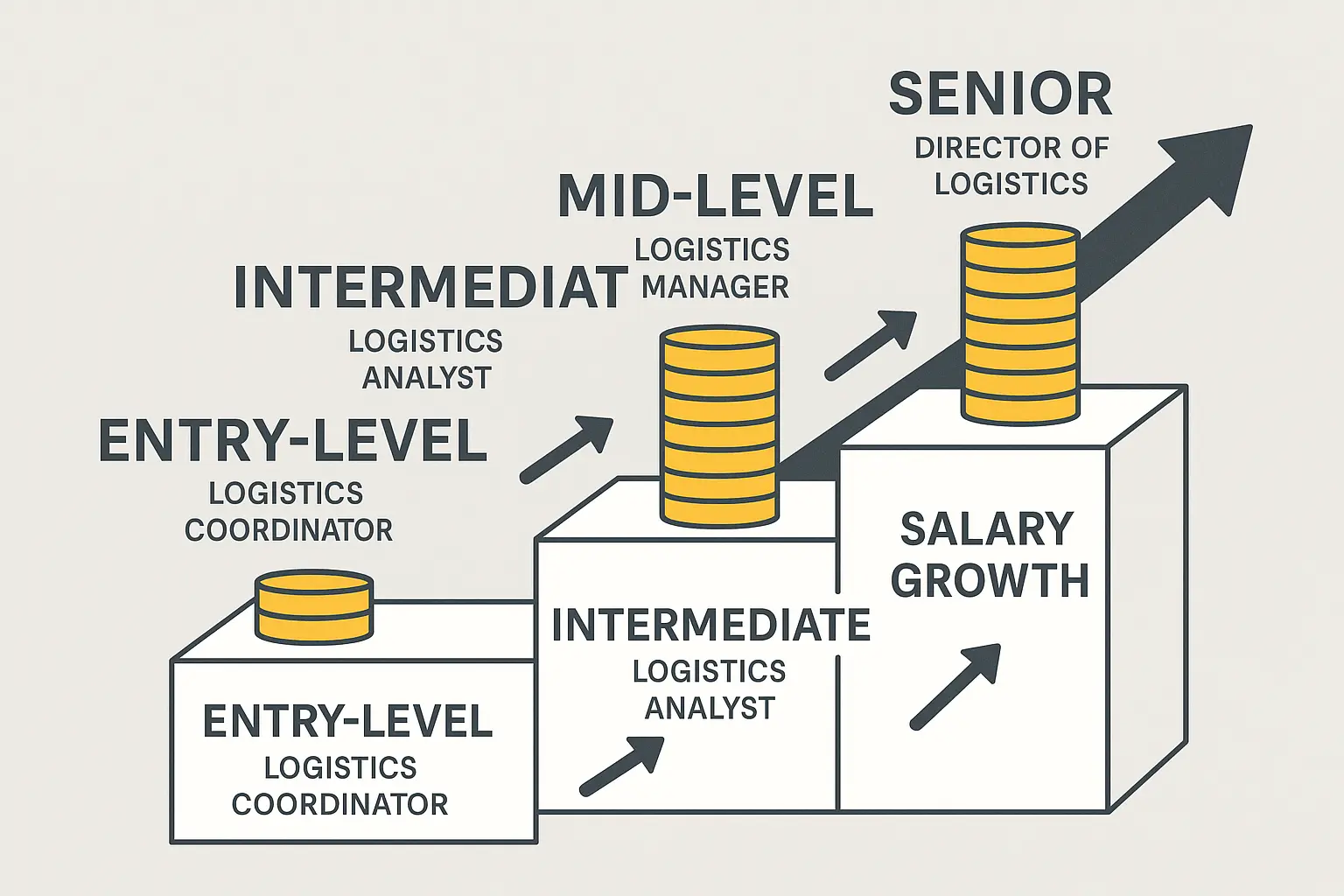
Experience Pays Off Fast (Faster Than You Think)
Here’s the thing about logistics – you don’t need to wait 10 years to see real money. I’ve watched people go from entry-level to solid mid-career salaries in 3-4 years just by being smart about what they learn and when they jump ship.
Take Jennifer. She started at $38K at a small manufacturing company. Instead of just doing her job, she volunteered to learn their new shipping software. When a bigger company came calling 18 months later, that software knowledge was worth an extra $12K on her offer.
The Real Progression:
-
Years 0-2: $38K-$45K (Learning mode – soak up everything)
-
Years 3-5: $48K-$58K (Problem-solver mode – this is where you prove your worth)
-
Years 5+: $60K-$75K+ (Expert mode – companies pay for your brain, not just your time)
New logistics coordinators typically earn $38,000-$45,000 annually. At this level, you’re learning the fundamentals – transportation management systems, supply chain basics, and how to build relationships with vendors and carriers. It might feel overwhelming at first, but this foundation period is crucial.
Focus on absorbing everything you can about how your company’s supply chain works. The coordinators who advance quickly are the ones who understand not just their specific tasks, but how their work fits into the bigger picture.
Mid-career coordinators earn $48,000-$58,000, and this is where things get interesting. You’re taking on increased responsibilities – managing multiple shipping lanes, optimizing costs, and maybe supervising junior staff members. Companies start viewing you as someone who can solve problems independently.
Senior logistics coordinators command $60,000-$75,000+, often specializing in complex areas like international shipping, hazardous materials, or leading cross-functional teams on major projects. At this level, you’re strategizing and mentoring others rather than just coordinating.
Understanding the value of proper educational credentials becomes crucial when negotiating these salary ranges, especially if you need to provide documentation of your qualifications. Many professionals find that replacing a lost diploma helps them confidently present their educational background during salary discussions.
According to the Bureau of Labor Statistics, about 26,400 openings for logisticians are projected each year, on average, over the decade, with many openings resulting from the need to replace workers who transfer to different occupations or retire.
Industries That Actually Pay
Not all logistics jobs are created equal. Some industries throw money at good coordinators, others… don’t.

E-commerce is where the money is right now. Companies like Amazon have created a gold rush mentality – everyone’s desperate for people who can handle the chaos of online retail logistics. I’m seeing offers of $55K-$70K plus stock options for coordinators with just 2-3 years of experience.
What I find exciting about e-commerce is the innovation happening in logistics. You’re coordinating shipments while working with cutting-edge technology, optimizing last-mile delivery, and solving problems that didn’t exist five years ago. The learning curve is steep, but so is the earning potential.
Manufacturing is steady. You’ll make $50K-$68K, get solid benefits, and actually have a life outside work. Not as exciting as e-commerce, but you won’t be putting out fires at 11 PM either.
Manufacturing companies typically offer $50,000-$68,000 for logistics coordinators, with automotive sector positions often including performance bonuses and comprehensive benefits packages. These industries value reliability and precision, which translates to competitive compensation for coordinators who can deliver consistent results.
Healthcare logistics? Surprisingly good money ($52K-$65K) because everything is regulated and mistakes are expensive. If you can handle the compliance requirements, these companies will pay well to keep you around.
The supply chain and logistics field continues to be recognized as one of the top-paying career paths for new graduates. According to “10 Top-Paying Fields for New College Graduates” ClearanceJobs, logistics coordinators can expect starting salaries of $45,000-$60,000, with supply chain managers earning $65,000-$90,000.
Education and Certifications: Do They Actually Pay Off?
Bachelor’s degrees in supply chain management, business, or related fields can increase starting salaries by $5,000-$8,000. Many positions now prefer or require four-year degrees, especially at larger companies. However, I’ve also seen plenty of successful coordinators who built their careers through experience rather than formal education.
The degree requirement seems to be more about getting past initial screening processes than actual job performance. If you don’t have a degree, focus on building demonstrable skills and results. If you do have one, make sure you’re leveraging it effectively in salary negotiations.
For professionals considering whether formal education is worth the investment in their logistics career, exploring is it worth it to get a college degree can provide valuable insights into the long-term salary benefits versus costs.
Professional certifications are where the real money is. Certifications like APICS CSCP, CLTD, or Six Sigma can add $3,000-$7,000 to your annual pay. These credentials demonstrate specialized knowledge and commitment to professional development. More importantly, they give you concrete talking points during salary negotiations.
Mike got his APICS certification last year and immediately saw a $5,000 bump in his next job offer. Was it worth the six months of studying? He thinks so.
I’ve found that certifications matter most when they’re relevant to your specific role or industry. A Six Sigma certification might be valuable in manufacturing, while CLTD (Certified in Logistics, Transportation and Distribution) could be more relevant for transportation-focused roles.
How to Actually Climb the Ladder
Let me tell you what nobody talks about: most logistics coordinators get stuck because they think doing good work is enough. It’s not. You need a plan.
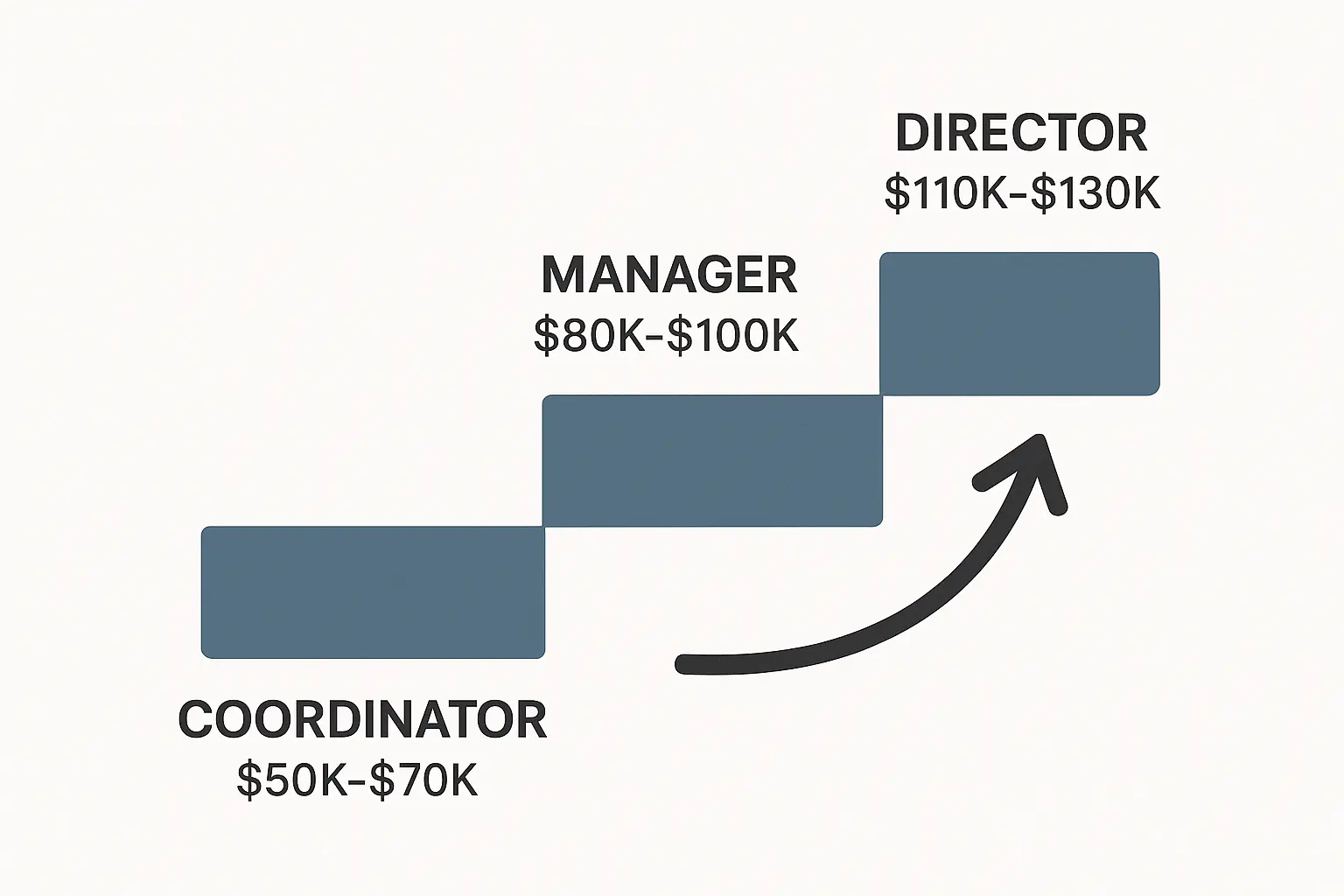
The Management Track
Logistics managers make $65K-$95K, but here’s what they don’t tell you – management isn’t just “coordinator but with more responsibility.” You’ll spend half your time in meetings and dealing with people problems instead of actual logistics.
I know a guy who turned down two management promotions because he realized he hated the politics. He went the specialist route instead and now makes $72K as a transportation analyst. Same money, way less drama.
Moving to senior coordinator positions typically involves 10-15% salary increases, with responsibilities expanding to include training staff, managing budgets, and leading process improvement initiatives. This promotion often happens around the 3-5 year mark if you’ve been proactive about taking on additional responsibilities.
The transition to senior coordinator is where you start thinking more strategically about operations rather than just executing tasks. You’ll likely manage relationships with key vendors, lead projects that impact multiple departments, and maybe supervise junior coordinators.
Mike transitioned from logistics coordinator to senior coordinator at a pharmaceutical company by leading a cost-reduction project that saved $150,000 annually. His initiative to renegotiate carrier contracts and optimize shipping routes demonstrated strategic thinking, earning him a promotion and $12,000 salary increase within three years of starting.
The Specialist Route (My Personal Favorite)
Pick something complex and become the go-to person. International shipping, hazmat handling, warehouse optimization – these specialties can pay as much as management without the headaches.
Specializing in areas like international trade, warehouse management, or supply chain analysis can lead to 20-30% salary increases and enhanced job security. These roles often pay as well as management positions but keep you closer to the technical aspects of logistics that you might enjoy more.
The key is picking something that’s growing. Right now, that’s anything related to e-commerce fulfillment or international trade compliance.
Specialization can be particularly valuable in industries with complex requirements. International trade specialists, for example, are in high demand as companies expand globally. Warehouse management specialists are crucial as e-commerce continues growing.

Negotiation That Actually Works
Most salary advice is garbage because it assumes you’re negotiating from a position of strength. Here’s what works when you’re not the CEO’s nephew.
Do Your Homework (But Not the Way You Think)
Forget salary websites – they’re usually wrong. Instead, find three people doing similar work in your area and ask them directly. LinkedIn makes this easier than you think. Most people will tell you if you ask nicely.
Use salary websites, industry reports, and professional networks to establish realistic salary ranges. Document specific data points to support negotiation discussions with concrete evidence. Don’t just rely on one source – cross-reference multiple platforms and adjust for your specific location and experience level.
I’ve found that talking to other logistics professionals gives you the most accurate picture of what’s really happening in your local market. Online salary tools are helpful for baseline data, but they don’t always reflect recent market changes or company-specific factors that might affect your negotiation.
Build Your Value Story
Quantify achievements like cost savings, efficiency improvements, and successful project completions. Prepare specific examples demonstrating your impact on organizational success. Numbers matter more than general statements about being a “hard worker” or “team player.”
Think about projects where you reduced shipping costs, improved delivery times, or solved complex logistics problems. If you implemented a new process that saved the company money, calculate the annual savings. These concrete examples give you negotiating power and justify higher compensation requests.
Timing Is Everything
Don’t ask for a raise on a random Tuesday.
Don’t ask for a raise on a random Tuesday. Wait until:
-
You’ve just finished a big project successfully
-
Annual review time (when budgets are set)
-
Your company just had a good quarter
-
Never during layoffs or budget cuts (obviously)
Annual reviews, after successful project completions, or during job offers present ideal negotiation opportunities. Avoid discussions during company financial difficulties or major organizational changes. Timing isn’t everything, but it’s a significant factor in how receptively your request will be received.
I’ve seen coordinators successfully negotiate raises right after completing major projects or during budget planning seasons when managers are thinking about compensation for the following year.
Have a Backup Plan
The best negotiators I know always have other options. Even if you love your current job, keep your resume updated and your network warm. Nothing gives you confidence like knowing you could walk away.
When base salary increases aren’t possible, negotiate for additional benefits, flexible work arrangements, professional development funding, or performance-based bonuses. Sometimes companies have more flexibility with benefits than salary, especially if they’re dealing with budget constraints.
Don’t underestimate the value of non-salary benefits. Additional vacation time, flexible work arrangements, or professional development opportunities can significantly improve your quality of life and future earning potential.

Jennifer prepared for her annual review by documenting how she reduced shipping errors by 23% and negotiated new carrier contracts that saved $75,000 annually. She presented this data professionally during her review, resulting in a $8,500 salary increase and recognition as “Employee of the Quarter.”
Your Job Hunt Game Plan
Here’s the step-by-step approach that actually works:
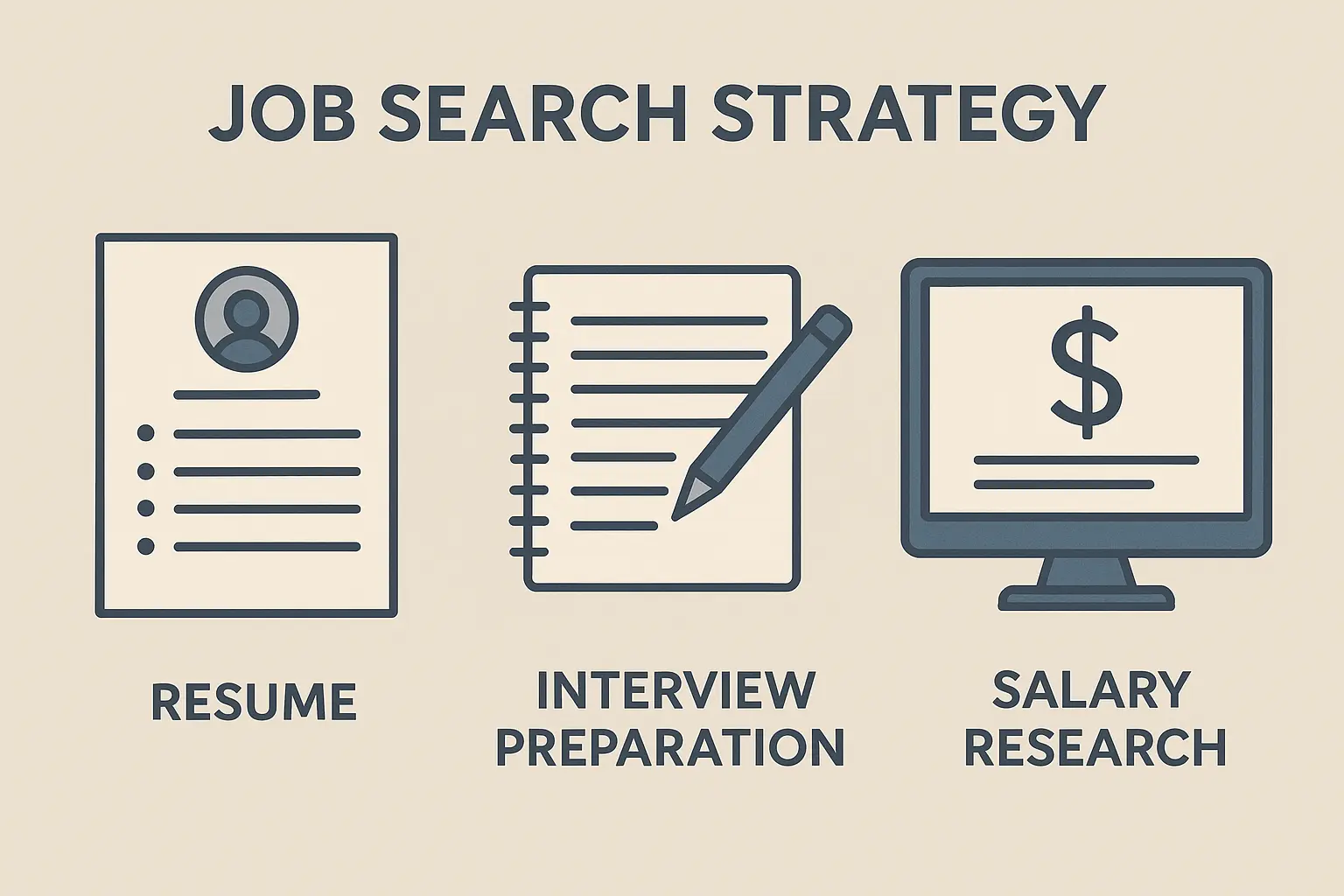
Step 1: Figure Out What You’re Really Worth
Leverage platforms like Glassdoor, PayScale, Salary.com, and Indeed Salary Tool to gather baseline data. Cross-reference multiple sources and filter by location, experience level, and company size for accuracy. These tools give you a foundation, but don’t stop there – they’re just the beginning of your research process.
Pay attention to the sample sizes and dates of the data you’re looking at. Some salary information might be outdated or based on too few responses to be reliable. I always check at least three different sources and look for consistency in the ranges they’re showing.
Connect with logistics professionals through LinkedIn, industry associations, and local supply chain groups. Conduct informational interviews to gather real-world salary insights and market trends. People are often more willing to share salary information than you might expect, especially if you approach the conversation professionally.
Join local APICS chapters or supply chain management groups in your area. These organizations often have salary surveys or informal discussions about compensation trends. Plus, you’re building relationships that could lead to job opportunities down the road.
Review annual salary surveys from organizations like APICS, Council of Supply Chain Management Professionals, and logistics industry publications. These reports provide authoritative compensation benchmarks and trend analysis that you can reference during negotiations.
Step 2: Target the Right Companies
Don’t spray and pray with applications. Make a list of 20-30 companies that:
-
Pay above market rate
-
Are growing (check their recent news)
-
Value logistics (not just see it as a cost center)
Research companies known for competitive logistics compensation, including major retailers, manufacturers, third-party logistics providers, and e-commerce companies. Focus on organizations with strong growth trajectories and supply chain investment priorities. Not all logistics jobs are created equal – some companies consistently pay better than others.
Look for companies that view logistics as a strategic advantage rather than just a cost center. These organizations typically invest more in their supply chain teams and offer better compensation packages. E-commerce companies, major retailers, and manufacturers with complex supply chains often fall into this category.
Step 3: Tell Your Story With Numbers
Instead of “improved efficiency,” say “reduced shipping costs by 18% over six months.” Instead of “managed vendor relationships,” say “negotiated new contracts that saved $85K annually.”
Tailor resumes and cover letters to highlight quantifiable logistics achievements, relevant certifications, and technology proficiencies. Emphasize cost savings, efficiency improvements, and successful project outcomes to justify higher salary expectations. Generic applications get generic responses – customization is key.
Use specific numbers whenever possible. These details help hiring managers understand your value and justify higher salary offers.
When preparing application materials, ensure you have proper documentation of your educational qualifications. If you need backup copies for multiple applications, consider how to get a copy of your diploma to maintain momentum in your job search process.
Step 4: Interview Like You Belong There
The biggest mistake I see? Acting grateful just to be considered. You’re not asking for charity – you’re offering valuable skills in exchange for fair compensation.
Prepare thoughtful responses about salary expectations, focusing on market research and value proposition rather than personal financial needs. Demonstrate knowledge of industry compensation standards and your unique qualifications. Never make it about what you need – make it about what you’re worth.
When asked about salary expectations, provide a range based on your research rather than a single number. This gives you negotiating room while showing you understand the market. Frame your response around the value you bring rather than your personal financial situation.

Evaluating and Negotiating Offers
Analyze total compensation packages including base salary, bonuses, benefits, and growth opportunities. Prepare professional counter-offers based on market research and specific value you bring to the organization. Don’t just focus on the base salary number – look at the complete package and long-term potential.
Take time to evaluate offers thoroughly. Consider factors like career advancement opportunities, company culture, and learning potential alongside compensation. Sometimes a slightly lower salary at a company with better growth prospects is the smarter long-term choice.
For professionals who may need to verify their educational credentials during the hiring process, understanding academic transcript requirements can help streamline the background check process and avoid delays in finalizing job offers.
How ValidGrad Can Support Your Career Journey
For logistics coordinators seeking career advancement and higher salaries, having proper documentation of your educational achievements is crucial. Whether you’ve lost your original diploma or need backup copies for multiple job applications, ValidGrad provides professional replacement documents that help you present your qualifications confidently during the job search process.
Many logistics professionals find themselves needing replacement diplomas when transitioning between roles or applying for positions that require educational verification. ValidGrad’s diploma replacement service ensures you never miss career opportunities due to missing documentation, allowing you to focus on negotiating the best possible salary for your logistics coordinator position.
Understanding what does a college diploma look like can help you verify you have the proper documentation format that employers expect when reviewing your educational credentials during the hiring process.
With ValidGrad’s quick turnaround time and professional quality, you can maintain momentum in your job search while pursuing those higher-paying logistics coordinator positions that match your experience and qualifications. Get your replacement diploma today and keep your career advancement on track.
The Bottom Line
The logistics coordinator field has more opportunity than most people realize, but you have to be strategic about it. The days of getting hired and waiting for annual 3% raises are over.
The coordinators making real money are the ones who:
-
Pick growing industries and companies
-
Develop specialized skills that are hard to replace
-
Move strategically every 2-3 years
-
Negotiate confidently because they know their worth
Most importantly, they don’t wait for someone else to manage their career. They take control of it.
Whether you’re just starting out at $40K or stuck at $50K wondering what’s next, remember this: your salary isn’t determined by some cosmic force. It’s determined by the choices you make and the value you can prove you bring.
What strikes me most about this field is how quickly things can change. The coordinators who stay curious, adapt to new technologies, and focus on delivering measurable results consistently outpace their peers in terms of compensation growth. Whether you’re just starting out or looking to make your next career move, the fundamentals remain the same: know your worth, document your achievements, and don’t be afraid to advocate for yourself.
As you advance in your logistics career, remember that proper educational documentation becomes increasingly important for senior-level positions. Having access to replacement diplomas ensures you’re always prepared for opportunities that require educational verification.
The logistics industry isn’t slowing down anytime soon. E-commerce growth, supply chain complexity, and the need for skilled professionals who can navigate these challenges means opportunities for higher compensation will continue expanding. Position yourself strategically, and you’ll be well-equipped to take advantage of them.
Make smart choices, document your wins, and don’t be afraid to bet on yourself. The money is out there – you just have to go get it.