
The landscape of art education is experiencing unprecedented growth, with the U.S. Bureau of Labor Statistics predicting that job opportunities for elementary, middle, and high school teachers will rise by 4-5 percent from 2021-2031. This growth, combined with the increasing recognition of arts education as essential for student development, creates unique opportunities for aspiring art teachers to learn how to become an art teacher through non-traditional pathways.
Table of Contents
-
The Hidden Psychology of Art Teaching Success
-
The Underground Economy of Art Education
-
The Technology Integration Revolution
-
The Alternative Certification Underground
-
The Specialized Population Teaching Mastery
-
The Elementary Art Teacher Specialization Path
-
The Pennsylvania-Specific Certification Navigation
TL;DR
-
Art teaching success depends more on psychological readiness and emotional intelligence than traditional certification alone
-
Financial survival requires mastering resource acquisition, grant writing, and ethical side-hustle development
-
Technology integration should enhance traditional art skills rather than replace them entirely
-
Alternative certification pathways exist through portfolio-based systems and charter school opportunities
-
Specialized populations require adapted methodologies while maintaining artistic integrity
-
Elementary art education demands understanding of developmental stages and interdisciplinary collaboration
-
Pennsylvania-specific requirements include Praxis preparation and state testing integration strategies
The Hidden Psychology of Art Teaching Success
Art teaching excellence stems from internal psychological work that traditional education programs rarely address. You’ll need to develop emotional intelligence, manage your own creative struggles, and prepare for the dual role of artist and educator. This foundation determines whether you’ll thrive or burn out in the classroom environment and is crucial for anyone who wants to become an art teacher successfully.
Mastering the balance between personal artistic identity and educational responsibilities while maintaining creative authenticity becomes your first major challenge. I’ve seen too many talented artists struggle because they couldn’t separate their personal creative practice from their teaching responsibilities. You need clear boundaries that protect both your artistic integrity and your students’ learning needs.
Developing systems for managing your own creative blocks without letting artistic frustrations unconsciously affect teaching effectiveness requires honest self-reflection. When you’re stuck on a personal project, that frustration can seep into your classroom interactions. Students pick up on this energy immediately, and it can undermine your teaching effectiveness.
Building skills in professional vulnerability navigation helps you model creative risk-taking while maintaining classroom authority. This means showing students your creative process, including failures and breakthroughs, without compromising your role as their guide and instructor.

The Therapeutic Artist-Educator Identity
Your identity as both artist and educator requires careful psychological navigation. You’ll face the challenge of maintaining your creative practice while dedicating energy to student development. This dual identity can create internal conflict if not properly managed through intentional boundary-setting and self-care practices, which is essential knowledge for anyone learning how to become an art teacher.
Establishing clear boundaries between personal artistic practice and educational responsibilities prevents creative burnout. I recommend setting specific times for your personal art that are completely separate from lesson planning or grading. Your students deserve a teacher who maintains their creative spark, but you also deserve to protect your artistic practice from the demands of education.
Developing strategies for maintaining artistic authenticity while adapting to institutional requirements and student needs takes practice. Sometimes you’ll need to teach techniques you don’t personally use or cover art movements that don’t inspire you. The key is finding ways to connect authentically with the material while serving your students’ educational needs.
Shaw Local highlights how art teacher Stephanie Dodd successfully navigated her dual identity as both practicing artist and educator, spending 15 years teaching internationally while maintaining her commissioned artwork practice before returning to teach in her hometown district. Her story from “St. Charles art teacher blossomed in D303, now sowing seeds of next generation” demonstrates that maintaining both identities is possible with intentional planning.
The Creative Block Management System
Your personal creative struggles will inevitably surface in the classroom. Students will sense when you’re experiencing artistic frustration, which can undermine your teaching effectiveness. You need specific strategies for working through creative blocks while simultaneously helping students overcome their own artistic challenges.
Creating structured approaches for recognizing when personal creative frustrations are affecting classroom dynamics starts with honest self-assessment. Keep a brief daily log of your creative state and classroom energy. When patterns emerge, you’ll see the connection between your artistic struggles and teaching effectiveness.
Developing techniques for transforming your own creative struggles into teachable moments benefits student learning tremendously. Create a “Creative Challenge Journal” where you document your own artistic struggles and breakthroughs. When students face similar obstacles, share relevant entries to demonstrate that creative blocks are normal and temporary. This authentic vulnerability builds trust while providing practical problem-solving strategies.
Professional Vulnerability Navigation
Teaching art requires you to demonstrate creative risk-taking and failure recovery in front of students daily. This professional vulnerability can feel uncomfortable, especially for introverted artists. You must learn to model authentic creative processes while maintaining the authority necessary for effective classroom management.
Practicing techniques for showing creative vulnerability without compromising professional boundaries or classroom control takes deliberate effort. Start small by sharing minor artistic challenges or showing work-in-progress pieces. Students need to see that creativity involves struggle, but you still need to maintain your role as their guide.
Developing methods for turning artistic failures into powerful teaching moments encourages student risk-taking. When a demonstration doesn’t go as planned, use it as an opportunity to show problem-solving in action. Students learn more from watching you work through challenges than from seeing perfect demonstrations.
The Micro-Community Builder Mindset
Art teachers often become the social-emotional center of their schools. Students gravitate toward art rooms for emotional support, creative expression, and social connection. You’ll need skills in conflict resolution, cultural sensitivity, and inclusive space creation that extend far beyond traditional art instruction – skills that are essential for those who want to become an art teacher and create lasting impact.
Developing competencies in creating inclusive environments that welcome diverse cultural backgrounds and learning styles requires ongoing education and self-reflection. Your art room should feel safe for students regardless of their background, skill level, or personal challenges. This means understanding different cultural approaches to creativity and making space for various forms of artistic expression.
Mastering conflict resolution techniques specific to creative collaborative environments where emotions run high becomes essential when students work together on projects. Art-making can be intensely personal, and conflicts often arise from creative differences or resource sharing. You need strategies that honor individual creative vision while maintaining group harmony.
Building systems for managing the social-emotional demands of being a school’s creative hub prevents burnout while serving students effectively. Set clear boundaries about when you’re available for emotional support and when students need to seek help from counselors or other professionals.
Cultural Code-Switching Mastery
You’ll teach students from diverse cultural backgrounds while maintaining authentic artistic expression. This requires the ability to adapt your teaching style and content to different populations without falling into cultural appropriation or losing your own artistic voice. The balance demands cultural sensitivity and genuine respect for student backgrounds.
Learning techniques for incorporating diverse cultural artistic traditions without tokenism or appropriation requires research and humility. Don’t just add multicultural projects during heritage months. Instead, weave diverse artistic traditions throughout your curriculum in meaningful ways that honor their cultural significance.
Developing skills for adapting communication styles to connect with students from various cultural backgrounds helps you reach every learner. Some cultures value direct instruction, while others prefer collaborative discovery. Understanding these differences helps you adjust your approach without compromising your teaching effectiveness.
The Introvert Teacher Paradox
Many artists are naturally introverted, yet teaching requires daily performance in front of groups. This creates an energy drain that can lead to burnout if not properly managed. You need specific strategies for authentic engagement that don’t deplete your social energy reserves completely.
Creating energy management systems that allow for authentic classroom engagement without complete social exhaustion requires planning and self-awareness. Schedule quiet time during your planning periods, and don’t feel obligated to socialize with colleagues during every break. Protecting your energy helps you show up fully for your students.
Developing techniques for meaningful student connection that align with introverted communication preferences works better than forcing extroverted teaching styles. One-on-one conversations during work time, written feedback, and small group interactions can be more effective than whole-class discussions for introverted teachers.
Parental Artistic Anxiety Management
Parents often express concerns about their children pursuing art due to economic fears and cultural expectations around “practical” careers. You’ll regularly encounter parental resistance to artistic education and need strategies for addressing these concerns while advocating for arts education value.
Preparing responses to common parental concerns about art career viability and economic stability helps you advocate effectively for your students. According to the Bureau of Labor Statistics, the median salary for elementary art teachers is $63,680, while middle school art teachers earn a median salary of $63,280, with the highest 10 percent earning more than $100,390, as reported by Teachers of Tomorrow. These statistics help counter the “starving artist” stereotype.
Developing communication strategies that help parents understand the broader educational benefits of artistic instruction goes beyond career preparation. Art education develops critical thinking, problem-solving, and communication skills that benefit students in any career path. Focus on these transferable skills when talking with concerned parents.
The Stealth Counselor Preparation
Students frequently express trauma and deep emotions through their artwork, making art teachers informal counselors. You’ll encounter situations requiring recognition of abuse, mental health crises, and family dysfunction. This role demands specific training in appropriate responses and mandatory reporting requirements.
Learning to identify warning signs in student artwork that may indicate abuse or mental health concerns requires training that most art education programs don’t provide. Sudden changes in artistic themes, repeated depictions of violence, or artwork showing knowledge of adult situations inappropriate for age can all signal problems requiring intervention.
Understanding mandatory reporting protocols and trauma-informed response techniques for sensitive situations protects both you and your students. Know your school’s procedures for reporting suspected abuse, and understand the difference between providing emotional support and crossing into counseling territory.
Developing skills for providing appropriate emotional support while maintaining professional boundaries helps you serve students without overstepping your role. You can listen and validate student feelings without trying to solve their problems or provide therapy.
Art as Disclosure Recognition
Student artwork often reveals more than intended, including signs of abuse, mental health struggles, or family dysfunction. You need training to recognize these disclosures and respond appropriately. This includes understanding when artwork crosses from creative expression into concerning revelation requiring intervention.
Mastering techniques for identifying concerning themes or imagery in student artwork that may indicate trauma requires careful observation and documentation. Keep notes about significant changes in student work or concerning imagery, but avoid making assumptions about what the art means.
Understanding proper documentation and reporting procedures when student art reveals potential abuse or neglect protects everyone involved. Document what you observe without interpretation, and follow your school’s reporting procedures exactly.
Art Teacher Warning Signs Recognition Checklist:
-
Sudden changes in artistic themes (from bright to dark imagery)
-
Repeated depictions of violence or unsafe situations
-
Artwork showing knowledge of adult situations inappropriate for age
-
Self-portraits showing physical injuries or sad expressions
-
Family drawings missing key family members or showing conflict
-
Written elements in artwork expressing hopelessness or fear
-
Reluctance to discuss or explain concerning artwork
-
Regression in artistic development coinciding with behavioral changes
The Underground Economy of Art Education
Art teaching involves financial realities that traditional education programs don’t address. You’ll need to master resource acquisition, understand school budget politics, and develop ethical income supplementation strategies. Success requires entrepreneurial thinking and creative funding approaches that most teacher preparation programs ignore completely. Understanding these financial aspects is crucial for anyone who wants to become an art teacher and achieve long-term sustainability in the profession.
Developing expertise in grant writing, corporate partnerships, and community resource cultivation for sustainable supply acquisition becomes essential for program survival. Most art programs receive minimal funding from school budgets, leaving teachers to find creative solutions for basic supplies. This reality hits new teachers hard when they discover their supply budget covers maybe two months of materials.
Mastering ethical side-hustle development that complements rather than competes with teaching responsibilities requires careful boundary management. You can supplement your income through art sales, workshops, or freelance work, but these activities should enhance rather than detract from your teaching effectiveness.
Building understanding of school budget allocation politics and creative funding strategies for art programs helps you advocate effectively for resources. Understanding how decisions get made and who influences them gives you better chances of securing funding for your program.
For those considering their educational path, understanding the cost of a college degree becomes especially important when planning to become an art teacher, as many educators supplement their income through creative means.
The Supply Chain Survival System
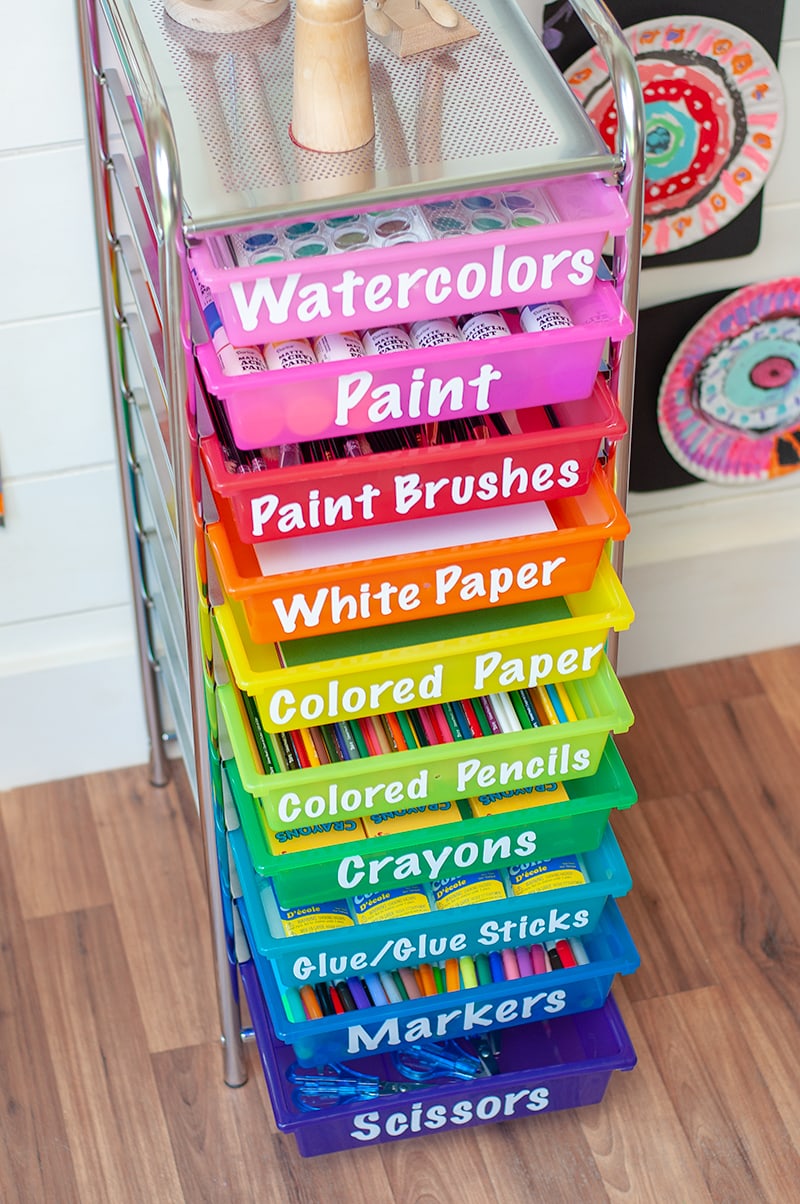
Art programs require constant material supplies that school budgets rarely cover adequately. You’ll need to become expert at resource acquisition through grants, donations, and community partnerships. This involves understanding donor tax implications, proper documentation, and relationship building with local businesses and community members.
Mastering grant writing techniques specific to arts education funding opportunities and requirements takes practice and persistence. Start with small local grants before attempting larger foundation funding. Each successful grant builds your credibility and provides examples for future applications.
Developing systems for building and maintaining relationships with local businesses and community donors requires genuine relationship building rather than just asking for money. Offer recognition opportunities, invite donors to student exhibitions, and show them the impact of their contributions through student work and testimonials.
Understanding proper documentation procedures for donations and tax implications for contributors protects both you and your donors. Keep detailed records of all donations, provide proper receipts, and understand what documentation donors need for tax purposes.
|
Funding Source |
Average Amount |
Application Timeline |
Success Rate |
Documentation Required |
|---|---|---|---|---|
|
Local Arts Council Grants |
$500-$2,500 |
2-3 months |
35% |
Lesson plans, budget breakdown, student impact metrics |
|
Corporate Sponsorships |
$200-$1,000 |
1-2 months |
45% |
Tax ID, program description, recognition offerings |
|
Parent-Teacher Organization |
$100-$500 |
2-4 weeks |
70% |
Specific project proposal, cost breakdown |
|
Community Foundation Grants |
$1,000-$5,000 |
3-6 months |
25% |
Comprehensive program plan, assessment data |
|
Crowdfunding Campaigns |
$300-$1,500 |
1-2 months |
60% |
Compelling story, visual materials, social media plan |
The Donation Cultivation Network
Building sustainable supply chains requires developing relationships with local businesses, artists, and community members willing to support art education. This involves understanding what motivates different types of donors and how to approach them effectively. You’ll need systems for maintaining these relationships long-term.
Creating systematic approaches for identifying and approaching potential community donors and business partners starts with research. Look for businesses that already support education or have connections to the arts. Frame shops, art supply stores, and printing companies often have materials they can donate.
Developing relationship maintenance systems that keep donors engaged without overwhelming them with requests requires balance and genuine appreciation. Send thank-you notes with student artwork, invite donors to exhibitions, and provide updates on how their contributions made a difference.
Guerrilla Fundraising Strategies
Creative fundraising methods can engage students and community while teaching entrepreneurial skills. These strategies range from student art sales to crowdfunding campaigns. The key is implementing methods that provide educational value while generating necessary resources for program sustainability.
Designing fundraising activities that incorporate educational objectives and student skill development turns necessity into learning opportunity. Organize a “Community Art Auction” where students create pieces inspired by local landmarks or community members. Partner with local businesses to provide refreshments and venue space. Students learn about art valuation, presentation skills, and community engagement while raising funds for supplies. This approach typically generates $2,000-$5,000 while providing authentic learning experiences.
Mastering crowdfunding and social media promotion techniques for art education fundraising campaigns requires understanding what motivates people to donate. Tell compelling stories about student impact, show the creative process through photos and videos, and make donors feel connected to your classroom community.
The Side-Hustle Integration Model
Teacher salaries often require income supplementation through strategic side-hustles. The key is developing income streams that complement rather than compete with teaching responsibilities while maintaining ethical boundaries. This requires careful planning and boundary management to avoid conflicts of interest.
Identifying income opportunities that enhance rather than detract from teaching effectiveness and professional development requires strategic thinking. Teaching workshops on weekends, selling artwork at local markets, or offering private lessons during summer break can supplement income while building skills that benefit your classroom teaching.
Establishing clear ethical boundaries regarding student involvement in personal artistic practice and business ventures protects both you and your students. Never use students as unpaid labor for your personal projects, and be transparent about any business relationships that might affect your teaching.
Developing time management systems that allow for income supplementation without compromising teaching quality requires discipline and planning. Set specific hours for side work that don’t interfere with lesson planning, grading, or classroom preparation.

The Evening Studio Practice
Maintaining personal art practice serves as both creative outlet and potential income source. This requires workspace optimization for teacher schedules and time management strategies that prevent creative work from interfering with teaching preparation. Your studio practice can also provide authentic examples for classroom instruction.
Creating efficient workspace setups that maximize limited time available for personal artistic practice means organizing materials for quick access and easy cleanup. Set up your studio so you can work in short bursts between teaching responsibilities without lengthy setup or cleanup times.
Developing systems for using personal artistic work as authentic teaching examples without compromising professional boundaries helps students see you as a practicing artist while maintaining appropriate teacher-student relationships. Share your creative process and challenges, but keep personal content separate from classroom instruction.
Summer Intensive Entrepreneurship
Summer breaks provide opportunities for intensive artistic work, workshop teaching, or educational product development. These activities can supplement teacher income while maintaining professional development. The key is planning summer activities that recharge rather than exhaust you for the upcoming school year.
Planning summer entrepreneurial activities that provide income while supporting professional development and creative growth requires balance. Teaching summer art camps, creating educational resources to sell online, or participating in art fairs can generate income while keeping you connected to your artistic practice.
Developing workshop curricula and educational products that can generate ongoing passive income streams creates long-term financial benefits. Create lesson plans, instructional videos, or art education resources that you can sell to other teachers or use in multiple workshop settings.
The Ethical Boundary Framework
Involving students in your artistic practice requires careful boundary management. This includes understanding when student participation in exhibitions or collaborative projects is appropriate versus exploitative. You need clear frameworks for maintaining professional relationships while providing authentic learning opportunities.
Establishing clear guidelines for appropriate student involvement in personal artistic projects and exhibitions protects everyone involved. Student participation should always benefit their learning first, with any other benefits being secondary. Never use students to advance your personal artistic career.
Developing systems for ensuring student participation benefits their learning rather than primarily serving your artistic or business interests requires honest self-reflection. Ask yourself whether each opportunity truly serves your students’ educational needs or primarily benefits your personal goals.
The Technology Integration Revolution
Digital tools should enhance rather than replace traditional artistic skills in art education. You’ll need to understand when technology serves learning objectives versus when hands-on traditional methods are more effective. This requires staying current with rapidly evolving digital platforms while maintaining focus on fundamental artistic principles and creative development in modern art teaching.
Mastering seamless integration between traditional art-making and digital tools based on specific learning objectives prevents technology from becoming a distraction. I’ve watched teachers get caught up in the latest apps without considering whether they actually improve student learning. The goal is using technology to expand creative possibilities, not replace foundational skills.
Developing competency in documentation and portfolio technologies that enhance rather than burden the creative process helps students track their growth without interrupting their artistic flow. Digital portfolios should feel natural and useful, not like additional homework that takes time away from creating.
Building skills in social media pedagogy while maintaining student privacy and digital citizenship education requires careful navigation of online platforms. You can use these tools to extend learning and build community while protecting student information and teaching responsible digital behavior.

The Digital-Physical Hybrid Approach
Effective art education combines traditional techniques with digital tools strategically. You need to understand when each approach serves learning objectives best. This isn’t about choosing digital over traditional or vice versa, but about creating seamless integration that enhances student creative development and artistic understanding.
Developing decision-making frameworks for choosing between digital and traditional approaches based on learning objectives requires clear criteria. Ask yourself: Does this technology help students understand the concept better? Does it provide opportunities impossible with traditional methods? Will it enhance or distract from the core learning goal?
Creating curriculum that builds foundational skills through traditional methods while incorporating digital enhancement strategically ensures students develop both technical competency and creative thinking. Students need to understand color theory through paint mixing before they can effectively use digital color tools.
Mastering techniques for helping students understand connections between traditional and digital artistic processes bridges the gap between old and new methods. Show students how digital brushes simulate traditional painting techniques, or how photo editing principles relate to darkroom processes.
The Documentation Revolution
Technology enables comprehensive portfolio creation, process documentation, and assessment tools that can enhance creative learning. The key is implementing documentation systems that support rather than interrupt the creative process. Students need to see documentation as valuable reflection rather than additional busy work.
Implementing portfolio systems that encourage reflection and growth tracking without disrupting creative flow requires thoughtful integration. Build documentation into natural stopping points in projects rather than forcing students to stop mid-creation to take photos or write reflections.
Developing assessment tools that use technology to provide meaningful feedback on artistic development and process helps students understand their growth over time. Time-lapse videos of art-making processes, before-and-after photo comparisons, and digital annotation tools can provide rich feedback opportunities.
Virtual Reality Art Experiences
VR and AR technologies can provide museum experiences, historical art site visits, and immersive creation environments regardless of geographic limitations. These tools can supplement traditional instruction by offering experiences impossible in physical classrooms. However, they should enhance rather than replace hands-on creative work.
Integrating VR experiences that provide authentic cultural and historical context for artistic learning opens up worlds that students might never otherwise access. Virtual museum tours, historical site visits, and immersive cultural experiences can provide rich context for studio work.
Using AR tools to enhance traditional art-making processes and provide interactive learning experiences creates engaging hybrid activities. Students can see how their drawings come to life through AR apps or overlay digital information onto physical artworks for deeper analysis.
The Social Media Pedagogy
Social platforms can extend learning beyond school hours while teaching digital citizenship and protecting student privacy. You need to understand how to leverage these tools educationally while maintaining professional boundaries and ensuring student safety. This requires staying current with platform changes and privacy regulations.
Developing social media strategies that extend classroom learning while maintaining strict privacy and safety protocols requires careful planning and clear guidelines. Create class accounts that showcase student work without identifying individual students, and teach students about digital footprints and online safety.
Mastering techniques for teaching digital citizenship through authentic social media engagement and portfolio development helps students understand responsible online behavior. Use real-world examples and current events to discuss digital ethics, copyright issues, and professional online presence.
Building online community connections that provide students access to broader artistic networks and mentorship opportunities expands their world beyond your classroom. Connect with other art teachers, professional artists, and cultural institutions to provide students with diverse perspectives and opportunities.
The Instagram Classroom Extension
Instagram can showcase student work and provide inspiration beyond classroom walls. However, this requires careful privacy management and professional boundary maintenance. You need systems for engaging students through social media while protecting their personal information and maintaining appropriate teacher-student relationships.
Creating Instagram content strategies that showcase student learning while maintaining privacy and professional boundaries requires clear policies and consistent implementation. Focus on artwork rather than students, use first names only or initials, and get proper permissions before posting any student work.
Developing systems for using social media to provide ongoing inspiration and connection without crossing professional lines helps maintain appropriate relationships while extending learning opportunities. Share artistic inspiration, technique videos, and cultural content that enriches classroom learning.
Digital Portfolio Curation
Students need professional online portfolios for both educational assessment and career preparation. Teaching portfolio curation involves technical skills, artistic presentation principles, and professional communication strategies. These portfolios serve multiple purposes throughout students’ educational and professional development.
Teaching portfolio platforms and presentation techniques that serve both educational assessment and professional development needs prepares students for future opportunities. Show students how to select their best work, write artist statements, and present their growth over time.
Developing curriculum that integrates portfolio building with artistic skill development and professional preparation makes portfolio creation feel natural rather than forced. Build portfolio reflection into project completion routines so students develop the habit of documenting and analyzing their work.
Online Community Building
Virtual art communities can connect students with peers, mentors, and professional artists beyond their geographic area. These connections provide inspiration, feedback, and networking opportunities that enhance local classroom instruction. Building these communities requires understanding online safety and appropriate supervision.
Facilitating safe online communities that provide students access to broader artistic networks and mentorship requires careful vetting and ongoing supervision. Partner with established organizations and platforms that prioritize student safety and educational value.
Developing systems for connecting students with professional artists and peers while maintaining appropriate supervision and safety creates valuable learning opportunities. Structured online exchanges, virtual artist visits, and collaborative projects can expand students’ artistic horizons while maintaining safety.
The Alternative Certification Underground
Non-traditional pathways to art teaching can bypass conventional degree requirements, particularly in states with flexible certification policies. Practicing artists can leverage extensive experience and alternative credentials to meet teaching requirements. This approach requires understanding state-specific regulations and building relationships within educational systems, offering hope for those wondering how to become an art teacher without a degree through alternative routes.
Mastering portfolio-based credentialing systems that leverage artistic experience over traditional education coursework opens doors for experienced artists who want to teach. Your professional artwork, exhibition history, and teaching experience in non-school settings can demonstrate competency in ways that traditional transcripts cannot.
Developing mentorship relationships and substitute teaching strategies that provide pathways to permanent positions requires networking and relationship building within school systems. These connections often matter more than credentials when hiring decisions get made.
Understanding charter school hiring flexibility and arts-focused school opportunities for alternative certification candidates provides additional pathways into teaching. These institutions often prioritize artistic expertise and teaching ability over traditional certification requirements.
Many aspiring educators find themselves needing to replace their diploma or obtain proper documentation when pursuing alternative certification pathways to become an art teacher.

The Portfolio-Based Credentialing System
Some states allow extensive artistic experience and alternative credentials to meet teaching requirements. This pathway requires documenting your artistic background, teaching experience, and professional development in ways that demonstrate educational competency. You’ll need to understand how to present non-traditional qualifications effectively.
Learning to document artistic experience and alternative credentials in formats that meet state certification requirements involves understanding what evaluators look for and how to present your background professionally. Your portfolio needs to tell a coherent story about your qualifications and teaching readiness.
Developing systems for demonstrating educational competency through portfolio presentation and professional experience documentation requires strategic organization and clear communication. Show how your artistic practice, workshop teaching, and community involvement have prepared you for classroom instruction.
|
State |
Alternative Certification Available |
Portfolio Requirements |
Teaching Experience Credit |
Timeline to Certification |
|---|---|---|---|---|
|
Texas |
Yes |
20 pieces minimum |
Substitute teaching counts |
1-2 years |
|
California |
Limited |
15 pieces + artist statement |
Workshop teaching accepted |
2-3 years |
|
Florida |
Yes |
25 pieces across mediums |
Private lessons count |
1-2 years |
|
New York |
Charter schools only |
30 pieces + exhibition history |
Gallery teaching accepted |
1-3 years |
|
Pennsylvania |
Limited |
20 pieces + community involvement |
Volunteer teaching counts |
2-4 years |
The Master Artist Apprenticeship Model
Mentorship relationships with established art teachers can provide practical experience while working toward certification. This involves formal observation, feedback systems, and gradual responsibility increase. These relationships require mutual benefit and clear expectations for both mentor and apprentice development.
Establishing formal mentorship relationships that provide structured learning experiences and certification pathway support requires finding teachers willing to invest in your development. Offer to help with classroom tasks, assist with exhibitions, or provide specialized skills in exchange for mentorship.
Developing systems for documenting apprenticeship learning and demonstrating competency growth through mentorship creates evidence of your teaching development. Keep detailed records of observations, feedback received, and responsibilities gradually assumed.
The Substitute-to-Permanent Pipeline
Substitute teaching provides pathways to permanent positions through relationship building and demonstrated competency. This strategy requires making strong impressions quickly and understanding school culture and administrative priorities. Success depends on professionalism, flexibility, and building trust with staff and students.
Mastering techniques for making positive impressions during substitute assignments that lead to permanent position consideration involves going beyond basic substitute duties. Prepare engaging activities, maintain classroom routines, and leave detailed notes for the regular teacher.
Developing strategies for building relationships with administrators and staff that support transition from substitute to permanent hire requires consistent professionalism and genuine interest in the school community. Volunteer for school events, participate in professional development, and show commitment to the institution.
The Charter School Advantage
Charter schools often have hiring flexibility that prioritizes artistic expertise over traditional teaching credentials. These environments can provide teaching experience while pursuing traditional certification. However, charter schools present unique challenges and opportunities that require specific understanding and preparation.
Understanding charter school hiring practices and how to leverage artistic expertise in application processes requires research into individual school missions and priorities. Arts-focused charter schools may value your professional artistic background more than traditional public schools.
Mastering techniques for adapting to charter school environments while building experience toward traditional certification helps you succeed in these unique settings. Charter schools often have different cultures, expectations, and resources than traditional public schools.
The Arts-Focused School Strategy
Schools with specialized arts programs may prioritize artistic expertise over traditional teaching credentials. These institutions have specific needs and application processes that differ from general education schools. Understanding their priorities and demonstrating relevant expertise can provide entry points for alternative certification candidates.
Researching arts-focused schools and understanding their specific hiring priorities and application requirements helps you target your efforts effectively. These schools often look for practicing artists who can bring real-world experience to their programs.
Developing application strategies that highlight artistic expertise and demonstrate understanding of specialized arts education environments requires tailoring your approach to each institution’s unique mission and student population.
The Specialized Population Teaching Mastery
Teaching art to students with disabilities, English language learners, and other specialized populations requires adapted methodologies while maintaining artistic integrity. You’ll need techniques that accommodate diverse learning needs without lowering expectations. This involves understanding specific accommodations, cultural sensitivity, and inclusive design principles – skills that distinguish successful educators and are essential for anyone who wants to become an art teacher in today’s diverse educational landscape.
Developing inclusive methodologies that accommodate diverse learning needs while maintaining high artistic standards and expectations requires creativity and flexibility. Every student deserves access to meaningful artistic experiences regardless of their individual challenges or background.
Mastering sensory processing adaptations, fine motor skill workarounds, and visual impairment accommodation strategies ensures that physical limitations don’t prevent creative expression. These adaptations often lead to innovative approaches that benefit all students.
Building competency in multilingual communication and cultural asset integration for diverse student populations creates richer learning experiences for everyone. Students bring valuable cultural knowledge that can enhance your curriculum when incorporated respectfully.
The Inclusive Art Methodology Framework
Inclusive art teaching requires techniques that accommodate diverse learning needs while challenging all students appropriately. This involves understanding different types of accommodations and how to implement them without compromising artistic learning objectives. The goal is ensuring every student can access creative expression regardless of their individual challenges.
Creating accommodation strategies that maintain artistic integrity while ensuring accessibility for students with diverse learning needs requires thoughtful planning and creative problem-solving. Accommodations should expand possibilities rather than limit them.
Developing assessment methods that recognize artistic growth across different ability levels and learning styles ensures fair evaluation of student progress. Traditional rubrics may not capture the achievements of students with disabilities or those from different cultural backgrounds.
Mastering techniques for differentiating instruction while maintaining cohesive classroom community and shared learning objectives helps you serve individual needs without fragmenting the class experience. All students should feel part of the same artistic community.
Sensory Processing Adaptation Techniques
Students with sensory sensitivities require modified art experiences including texture alternatives, lighting adjustments, and sound management. These adaptations should provide equivalent creative opportunities rather than simplified versions of standard projects. Understanding sensory processing differences helps create inclusive environments for all students.
Implementing texture alternatives and sensory modifications that provide equivalent creative experiences for sensitive students opens up new possibilities for everyone. Smooth clay alternatives, different brush textures, and varied paper surfaces can accommodate sensitivities while expanding creative options.
Developing classroom environment management techniques that accommodate various sensory processing needs simultaneously requires careful planning and flexibility. Quiet work areas, adjustable lighting, and sensory break spaces benefit many students beyond those with diagnosed sensitivities.
Fine Motor Skill Workarounds
Students with physical limitations need adaptive tools and alternative techniques that allow creative expression without frustration. These accommodations should expand rather than limit creative possibilities. The focus is on finding ways for students to achieve their artistic vision regardless of physical constraints.
Mastering adaptive tool selection and alternative technique development for students with fine motor skill challenges requires knowledge of specialized equipment and creative problem-solving. Larger brushes, adaptive grips, and alternative application methods can maintain artistic quality while accommodating physical needs.
Creating project modifications that maintain artistic objectives while accommodating physical limitations and building confidence helps students focus on creative expression rather than physical struggles. Success builds motivation for continued artistic exploration.
Visual Impairment Accommodation Strategies
Art education for students with visual impairments requires tactile elements, high contrast materials, and spatial awareness exercises. These accommodations open new creative possibilities rather than limiting artistic expression. Understanding different types of visual impairment helps create appropriate and meaningful adaptations.
Developing tactile and high-contrast material strategies that provide rich artistic experiences for students with visual impairments expands the sensory dimensions of art-making. Textured papers, raised line techniques, and three-dimensional elements create engaging alternatives to purely visual approaches.
Creating spatial awareness and alternative sensory engagement techniques that expand creative possibilities beyond visual elements benefits all students by encouraging multi-sensory artistic exploration. Sound, texture, and movement can become integral parts of artistic expression.
The Multilingual Art Communication System
Language barriers can be bridged through visual communication while helping English language learners develop academic vocabulary through artistic contexts. Art provides natural opportunities for language development through meaningful, hands-on experiences. This approach honors students’ cultural backgrounds while building English proficiency.
Using art-making processes to teach English vocabulary in meaningful contexts that support both language and artistic development makes learning relevant and memorable. Students learn color names while mixing paint, spatial terms while composing, and descriptive language while critiquing artwork.
Integrating students’ cultural artistic traditions authentically while avoiding tokenism and fostering genuine cross-cultural exchange requires research, respect, and genuine interest in student backgrounds. These traditions can enrich your curriculum while helping students feel valued and connected.
Developing visual communication strategies that support learning regardless of English proficiency level ensures that language barriers don’t prevent artistic growth. Demonstrations, visual examples, and hands-on guidance communicate effectively across language differences.
Visual Vocabulary Development
Art-making processes provide natural contexts for English vocabulary development through hands-on experiences. Students learn technical terms, descriptive language, and academic vocabulary while engaged in meaningful creative work. This approach makes language learning relevant and memorable through artistic application.
Creating vocabulary instruction that integrates naturally with artistic processes and creative problem-solving avoids the artificial separation of language and content learning. Students acquire new words while using them in meaningful contexts.
Developing assessment strategies that recognize language growth through artistic expression and creative communication allows students to demonstrate understanding in multiple ways. Artistic portfolios can show language development alongside creative growth.
Cultural Asset Integration
Incorporating students’ cultural artistic traditions requires genuine respect and careful research to avoid appropriation or tokenism. This involves learning about student backgrounds and finding authentic ways to honor their cultural knowledge while expanding artistic understanding for all students. The goal is creating genuine cross-cultural exchange.
Researching and respectfully incorporating diverse cultural artistic traditions while avoiding appropriation and superficial treatment requires ongoing education and cultural humility. Partner with community cultural organizations and invite guest artists to share authentic perspectives.
Creating opportunities for students to share cultural knowledge and teach peers about their artistic traditions and backgrounds positions students as experts and builds classroom community. These exchanges benefit everyone by expanding cultural understanding.
Post-Journal reports on Brandon Griggs, who co-facilitates the Art in Recovery group while pursuing his goal of becoming an art teacher, demonstrating how art education can serve therapeutic purposes and provide pathways for individuals from diverse backgrounds to enter the teaching profession, as highlighted in “MHA participant has goal of being an art teacher”.
The Elementary Art Teacher Specialization Path
Elementary art education requires understanding developmental stages from kindergarten through fifth grade and adapting instruction accordingly. You’ll need skills in interdisciplinary integration, behavior management through creativity, and collaboration with classroom teachers. This specialization demands knowledge of child development alongside artistic expertise, making it a unique pathway for those who want to become an art teacher and work specifically with young learners as an elementary art teacher.
Mastering developmental stage understanding and age-appropriate instruction adaptation for elementary students prevents frustration and builds confidence through appropriate challenges. Five-year-olds have different capabilities and interests than ten-year-olds, requiring completely different approaches to the same artistic concepts.
Developing interdisciplinary collaboration skills with classroom teachers to enhance both artistic and academic learning creates meaningful connections that reinforce learning across subjects. When art projects connect to science units or social studies topics, students see art as integral to their education rather than separate from it.
Building behavior management techniques that utilize creativity and artistic engagement for classroom management turns potential disruptions into learning opportunities. The engaging nature of art-making naturally reduces behavioral problems when structured appropriately.
Understanding the elementary teacher education requirements can help aspiring art educators who want to become an art teacher at the elementary level prepare for the unique challenges of working with young learners.
The Developmental Stage Mastery
Artistic development progresses predictably from kindergarten through fifth grade, requiring different instructional approaches at each stage. Understanding these developmental patterns helps you provide appropriate challenges and support. This knowledge prevents frustration and builds confidence through developmentally appropriate artistic experiences.
Learning developmental progression patterns in artistic ability and adapting instruction to match student readiness levels ensures that projects challenge without overwhelming students. Kindergarteners are still developing fine motor control, while fifth graders can handle complex multi-step processes.
Creating age-appropriate challenges that build skills progressively while maintaining engagement and preventing frustration requires careful curriculum sequencing. Each project should build on previous learning while introducing new concepts at an appropriate pace.
Developing assessment strategies that recognize developmental growth rather than comparing students to adult artistic standards helps you celebrate progress appropriately. A kindergartener’s scribbled self-portrait represents significant achievement when viewed through developmental understanding.
From 2021-2031, the United States Bureau of Labor Statistics forecasts that job opportunities will rise by 4 percent for kindergarten, elementary and middle school teachers, and they will rise 5 percent for high school teachers, according to North Central College.
Pre-Writing Skill Development Through Art
Artistic activities develop fine motor skills, spatial awareness, and symbolic thinking that support literacy development. These connections make art education valuable for overall academic success. Understanding these relationships helps you design activities that serve multiple developmental purposes simultaneously.
Designing artistic activities that specifically support fine motor skill development necessary for writing readiness helps students prepare for academic success. Cutting, drawing, and manipulating art materials strengthen the same muscles needed for pencil control.
Creating projects that build spatial awareness and symbolic thinking skills that transfer to literacy and mathematical learning demonstrates art’s academic value. Understanding how shapes relate to each other in art helps with letter formation and mathematical concepts.
Social-Emotional Learning Integration
Art education naturally incorporates emotional intelligence development through collaborative projects and reflective practices. Elementary students learn cooperation, empathy, and self-expression through creative work. These skills support overall social development and classroom community building.
Integrating social-emotional learning objectives into artistic projects through collaboration and reflection activities helps students develop interpersonal skills while creating art. Group murals, collaborative sculptures, and peer critiques teach cooperation and communication.
Developing techniques for using artistic expression to help students identify and communicate emotions appropriately provides healthy outlets for feelings while building emotional vocabulary. Art-making can help students process experiences and express feelings they might not have words for.
The Classroom Teacher Collaboration Model
Elementary art teachers must build partnerships with general education teachers to create meaningful interdisciplinary connections. These collaborations enhance both artistic and academic learning when planned thoughtfully. Success requires understanding curriculum standards and finding authentic integration opportunities.
Building collaborative relationships with classroom teachers that enhance both artistic and academic learning objectives requires ongoing communication and mutual respect. Regular planning meetings and shared goals help create meaningful connections between art and other subjects.
Developing interdisciplinary projects that authentically integrate art with science, social studies, and language arts curricula makes learning more meaningful and memorable. These connections help students see relationships between different areas of knowledge.
Creating communication systems that support ongoing collaboration and shared assessment of student learning ensures that interdisciplinary projects serve multiple educational goals effectively. Shared rubrics and regular check-ins help maintain focus on learning objectives.

Science Through Art Integration
Art projects can reinforce scientific concepts through hands-on exploration and creative application. These connections help students understand abstract concepts through concrete artistic experiences. The integration should serve both artistic and scientific learning objectives authentically.
Designing projects that explore scientific concepts through artistic investigation and creative problem-solving makes abstract ideas concrete and memorable. Design a “Butterfly Life Cycle Sculpture” project where students create three-dimensional representations of metamorphosis stages using clay and mixed media. Students research butterfly biology, observe color patterns, and learn about transformation while practicing sculpture techniques, proportion, and color theory. This project authentically integrates science content with artistic skill development.
Creating connections between artistic techniques and scientific principles that enhance understanding in both areas helps students see relationships between different ways of knowing. Color mixing teaches about light and pigment properties while developing artistic skills.
Historical Perspective Through Creative Expression
Art-making helps students understand historical periods and cultural contexts in ways that textbooks cannot achieve. Creative projects provide emotional connection to historical content and deeper understanding of cultural perspectives. This approach makes history relevant and memorable through artistic engagement.
Developing historical art projects that provide authentic cultural context and emotional connection to past periods helps students understand different times and places through creative exploration. Creating cave paintings while studying prehistoric humans or designing Egyptian sarcophagi while learning about ancient civilizations makes history tangible.
Creating activities that help students understand historical perspectives through artistic expression and cultural exploration builds empathy and cultural understanding. Students gain insight into different ways of life by creating art in historical styles and techniques.
The Behavior Management Through Creativity
Art-making naturally engages students and can be used strategically for behavior management while teaching self-regulation skills. The inherently engaging nature of creative work reduces behavioral problems when structured appropriately. This approach builds intrinsic motivation rather than relying solely on external control.
Utilizing the engaging nature of artistic work to prevent behavioral problems while building self-regulation skills turns potential disruptions into learning opportunities. Students focused on creative challenges have less time and energy for disruptive behavior.
Developing creative transition activities and routines that help students manage emotional states and classroom behavior provides structure while maintaining engagement. Artistic warm-up activities can help students settle into learning mode.
Creating collaborative project structures that teach cooperation and leadership skills through meaningful artistic work provides authentic opportunities for social skill development. Students learn to share materials, compromise on creative decisions, and support each other’s artistic growth.
The Artistic Transition Ritual
Consistent creative routines help students transition between activities and manage emotional states effectively. These rituals provide predictability and emotional regulation support through artistic engagement. The key is creating routines that serve both practical and emotional needs.
Creating consistent artistic routines that help students transition smoothly between activities and emotional states provides structure and predictability that young learners need. A five-minute sketch at the beginning of class helps students focus and prepare for learning.
Developing creative activities that provide emotional regulation support while serving practical classroom management needs helps students develop self-control skills. Quiet drawing time can help overstimulated students calm down while keeping them engaged in learning.
Elementary Art Classroom Management Checklist:
-
Establish clear material distribution and cleanup routines
-
Create visual cues for different activity transitions
-
Develop hand signals for quiet communication during work time
-
Set up designated spaces for wet artwork drying
-
Implement timer systems for activity segments
-
Create student helper roles for classroom responsibilities
-
Establish procedures for sharing materials and tools
-
Design calm-down corner with art-based activities
Collaborative Project Leadership Development
Group art projects teach cooperation, compromise, and leadership skills while producing meaningful artistic outcomes. These experiences provide authentic opportunities for social skill development through creative collaboration. Structure is essential for ensuring positive outcomes and skill development.
Structuring collaborative projects that provide authentic leadership development opportunities through creative teamwork helps students develop interpersonal skills while creating meaningful art. Assign rotating leadership roles and teach specific collaboration skills.
Developing systems for teaching cooperation and compromise skills through meaningful artistic collaboration and shared creative goals helps students learn to work together effectively. Clear expectations and structured processes support successful group work.

The Pennsylvania-Specific Certification Navigation
Pennsylvania has specific requirements for art teacher certification including academic coursework, testing requirements, and student teaching placements. Understanding these state-specific regulations and resources is essential for successful certification completion and becoming an art teacher in the state. The state also has particular educational priorities and funding structures that affect art education positions, making it crucial to understand how to become an art teacher in pa through proper certification channels.
Mastering Pennsylvania’s specific certification requirements including Praxis preparation and portfolio development requires understanding the state’s unique processes and timelines. Each state has different requirements, and Pennsylvania’s system has particular nuances that affect planning and preparation.
Understanding the state’s educational landscape including testing integration requirements and professional development opportunities helps you prepare for the realities of teaching in Pennsylvania’s schools. State policies significantly impact daily teaching practices and career development.
Navigating student teaching placement processes and building relationships within Pennsylvania’s educational network requires understanding how the system works and who makes decisions. These relationships often influence job opportunities after certification.
Those pursuing certification may need to understand how to get a teaching certificate timelines when becoming an art teacher in Pennsylvania’s specific educational system.
The Pennsylvania Certification Requirements Deep Dive
Pennsylvania requires specific academic coursework, testing, and student teaching experiences for art teacher certification. Understanding these requirements in detail helps you plan your certification pathway efficiently. The state also has portfolio requirements and specific competency demonstrations that must be completed.
Mastering the specific academic and testing requirements for Pennsylvania art teacher certification including timeline planning prevents delays and ensures efficient progress toward certification. Understanding prerequisite courses, testing schedules, and application deadlines helps you plan effectively.
Understanding portfolio requirements and competency demonstrations required for successful certification completion ensures you prepare appropriate documentation throughout your program rather than scrambling at the end. Pennsylvania has specific portfolio standards that must be met.
Navigating the student teaching placement process and building relationships with cooperating teachers and university supervisors requires professionalism and proactive communication. These relationships significantly impact your certification experience and future job prospects.
The Praxis Art Content Knowledge Preparation
Pennsylvania requires specific Praxis exams covering art content knowledge, techniques, and pedagogy. These tests require comprehensive preparation across art history, studio techniques, and educational theory. Understanding the test format and content areas helps focus preparation efforts effectively.
Mastering the specific content areas tested on Pennsylvania’s required Praxis exams including art history, techniques, and pedagogy requires comprehensive study across multiple domains. The Praxis Art Content Knowledge Exam evaluates art history, theory, and creation, testing both practical and theoretical knowledge across areas including art history (major periods, movements, and influential artists), art theory (fundamental elements, design principles, and critical analysis), and art creation and use (practical skills in various mediums and teaching methods), according to Teachers of Tomorrow.
Developing comprehensive preparation strategies that address all tested areas while building practical teaching competency ensures you’re ready for both certification tests and actual classroom teaching. Test preparation should enhance rather than replace practical skill development.
The Pennsylvania Student Teaching Network
Student teaching placements in Pennsylvania require navigation of specific processes and relationship building with cooperating teachers and university supervisors. These experiences provide essential practical training and networking opportunities. Success requires professionalism, flexibility, and active learning engagement.
Navigating Pennsylvania’s student teaching placement process and building strong relationships with cooperating teachers requires understanding how placements get made and what cooperating teachers expect from student teachers. These relationships often lead to job recommendations and networking opportunities.
Developing strategies for maximizing learning during student teaching while building professional networks for future employment helps you make the most of this crucial experience. Student teaching provides your best opportunity to demonstrate teaching ability and build professional relationships.
The Pennsylvania Arts Education Landscape
Pennsylvania’s educational priorities, funding structures, and policy environment significantly affect art education positions and program development. Understanding these factors helps you prepare for the realities of teaching in the state. This includes knowledge of state testing requirements and professional development opportunities.
Understanding Pennsylvania’s educational funding structures and policy environment affecting art education programs helps you advocate effectively for resources and understand the constraints you’ll face. State funding formulas and local property tax systems significantly impact program resources.
Mastering state testing integration requirements and how they impact art curriculum and instruction helps you plan curriculum that serves both artistic and academic objectives. Pennsylvania’s testing requirements affect all subjects, including art education.
Connecting with Pennsylvania-specific professional organizations and continuing education opportunities for ongoing development provides support and advancement opportunities throughout your career. These connections are essential for staying current with state requirements and best practices.
The PSSA Integration Requirements
Pennsylvania requires integration of state testing preparation into all curricula, including art education. This integration should enhance rather than detract from artistic learning when done thoughtfully. Understanding these requirements helps you plan curriculum that serves both artistic and academic objectives.
Integrating state testing preparation into art curriculum in ways that enhance rather than compromise artistic learning requires creativity and strategic planning. Reading comprehension skills can be developed through art criticism activities, and mathematical concepts can be reinforced through geometric design projects.
Developing strategies for addressing testing requirements while maintaining focus on creative development and artistic skill building ensures that test preparation doesn’t overwhelm artistic learning. The goal is finding authentic connections rather than forced integration.
The Pennsylvania Arts Education Network
Pennsylvania has specific professional organizations, conferences, and continuing education opportunities for art educators. Connecting with these networks provides ongoing support, professional development, and career advancement opportunities. These connections are essential for staying current with state requirements and best practices.
Connecting with Pennsylvania-specific professional organizations and networking opportunities for ongoing career support provides resources and relationships that enhance your teaching effectiveness and career development. The Pennsylvania Art Education Association offers conferences, resources, and networking opportunities.
Participating in state conferences and continuing education programs that address Pennsylvania’s unique educational environment and requirements helps you stay current with state policies and connect with other educators facing similar challenges.
Feeling overwhelmed by the documentation requirements for your art teaching certification? ValidGrad can help streamline this process by providing professional documentation services for your educational credentials. Whether you need replacement transcripts from art school, backup copies of certification documents, or professional formatting for your teaching portfolio, ValidGrad’s quick turnaround and quality service can help you focus on what matters most – preparing to inspire the next generation of artists.
Final Thoughts
Learning how to become an art teacher through unconventional paths requires more than artistic talent – it demands psychological preparation, financial creativity, and strategic thinking that traditional programs rarely address. You’ll need to develop emotional intelligence, master resource acquisition, and build inclusive teaching practices while navigating state-specific requirements and alternative certification pathways.
The most successful art teachers understand that their role extends far beyond technique instruction. You’ll become a counselor, community builder, technology integrator, and cultural bridge while maintaining your artistic identity and creative practice. This multifaceted role requires preparation that goes deeper than standard education coursework, making the journey of becoming an art teacher both challenging and rewarding.
Success in art education comes from embracing the unconventional aspects of the profession rather than fighting them. The financial challenges become opportunities for entrepreneurship. The diverse student needs become chances for inclusive innovation. The technology integration becomes a tool for enhanced creativity rather than a replacement for traditional skills.
Art teaching success requires psychological preparation and emotional intelligence development that extends beyond traditional certification programs. You need to understand your own creative process, manage artistic frustrations, and develop the vulnerability required to model creative risk-taking for students.
Financial sustainability demands entrepreneurial thinking, resource acquisition skills, and ethical side-hustle development strategies. Most art programs receive minimal funding, requiring teachers to become creative fundraisers and resource cultivators to maintain quality programs.
The most effective art teachers embrace the unconventional aspects of their role, turning challenges into opportunities for innovation and growth. Whether you’re navigating alternative certification pathways, adapting instruction for diverse learners, or integrating technology with traditional techniques, success comes from flexibility and creative problem-solving rather than rigid adherence to traditional approaches.
[Keywords to Include:] how to become an art teacher, become an art teacher, becoming an art teacher, art teaching, elementary art teacher, how to become an art teacher in pa, how to become an art teacher without a degree
[Content Summary:] Comprehensive guide to becoming an art teacher through unconventional pathways, covering psychological preparation, financial strategies, technology integration, alternative certification, specialized populations, elementary education, and Pennsylvania-specific requirements.
[Technical Talking Points:] Art teacher certification requirements, alternative certification pathways, portfolio-based credentialing, Praxis exam preparation, student teaching placements, inclusive teaching methodologies, technology integration strategies, grant writing for art programs, professional development opportunities, state-specific educational requirements.