
Look, I’ve been there. You’re probably googling “how long does coding certification take” at 2 AM, right? I get it. But here’s what nobody tells you – it’s not just about the weeks you’ll spend in class. There are psychological barriers, money stuff, and personal factors that most people completely overlook. This guide reveals why obsessing over speed can actually slow down your career progress and shares strategies that successful developers use to optimize their certification journey.
While the medical billing and coding field shows that “at least 27,000 new jobs will be needed in this profession by 2026” according to the Bureau of Labor Statistics, coding bootcamps and certificate programs face similar timeline pressures but with even more complexity due to rapidly evolving technology stacks and market demands.
Table of Contents
-
The Certification Speed Trap That’s Sabotaging Your Success
-
Why the Coding Education Industry Misleads You About Timelines
-
The Underground Movement Changing How We Think About Credentials
-
Building Your Personal Timeline Strategy That Actually Works
TL;DR
-
When you’re constantly stressed about how long everything’s taking, your brain basically goes into panic mode
-
Bootcamp timelines are designed around business models, not what’s actually best for learning
-
Rushing through certification often traps you in junior roles longer because you missed the fundamentals
-
More companies are starting to care less about your fancy certificate and more about whether you can actually solve their problems
-
The most successful approach involves working backward from your actual career goals
-
Combining formal certification with real projects gives you way better job prospects
-
Your learning style and life situation dramatically affect realistic timelines
The Certification Speed Trap That’s Sabotaging Your Success
Everyone obsesses over how quickly they can get certified, but this focus on speed creates invisible barriers that actually slow down learning and career advancement. The most successful certificate earners understand that timing expectations can become self-defeating, leading to anxiety, comparison traps, and knowledge gaps that hurt long-term career prospects.

When you’re constantly asking yourself how long does it take to get a coding certificate, you’re already falling into the trap that derails most aspiring developers. I’ve watched hundreds of people start their coding journey with unrealistic timeline expectations, only to burn out or develop imposter syndrome that follows them for years.
The Stress Cycle That’s Killing Your Learning Progress
When you’re constantly stressed about how long everything’s taking, your brain basically goes into panic mode. You can’t focus on actually absorbing and applying the material effectively when you’re constantly worried about the calendar.
Your stress levels spike every time you check the calendar. You start skipping the “boring” fundamentals to catch up. You memorize syntax instead of understanding concepts. Sound familiar?
Why Speed-Focused Learning Creates Deeper Career Insecurities
When you focus primarily on completion speed, you skip foundational understanding, which leads to feeling like a total fraud when you can’t handle real-world challenges later. I’ve seen too many developers who rushed through their certification only to feel like complete imposters when they couldn’t solve problems that required solid fundamentals.
Understanding the realistic timeline expectations becomes crucial when considering how long does it take to get a certificate in general, as coding certifications follow similar psychological patterns that affect completion rates and career outcomes.
Research from healthcare education programs shows that “in most cases, it takes between one and three years to become a medical biller and coder” Indiana University South Bend, demonstrating that even in adjacent technical fields, rushing through certification timelines often backfires when professionals lack the depth needed for career advancement.
How Social Media Timelines Are Destroying Your Confidence
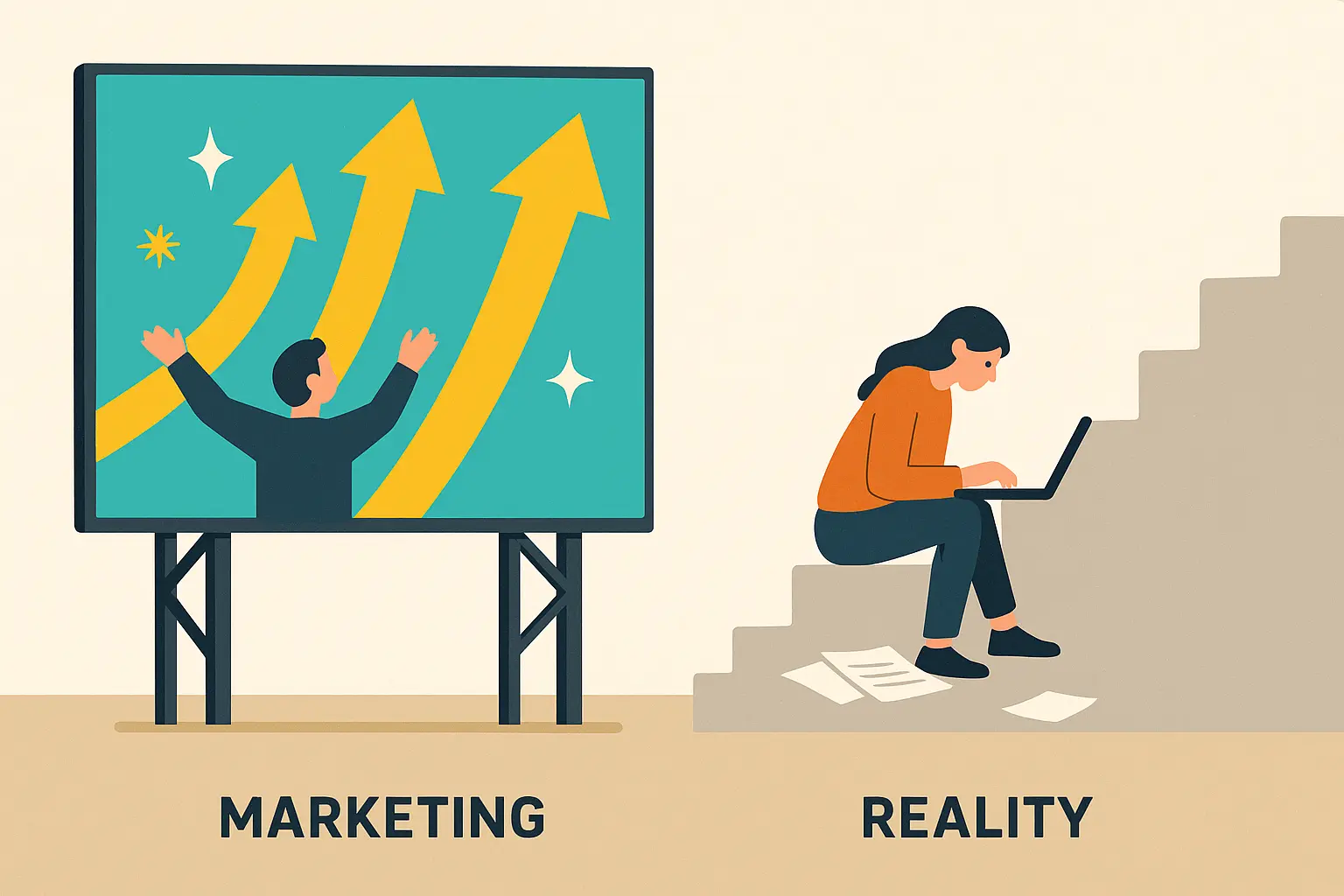
Social media and bootcamp marketing create unrealistic benchmarks that make you either rush through material or give up entirely when you don’t match those shiny success stories. Those “I got hired in 3 months!” posts don’t show you the full story of someone’s background, circumstances, or the quality of their preparation.
That success story you saw on LinkedIn? The person probably had a computer science degree, worked in tech support for two years, and had a friend who referred them to the company. But all you see is “Bootcamp graduate lands $80k job in 12 weeks!“
When Planning Your Timeline Becomes Procrastination
Some people become so focused on optimizing their learning timeline that they spend more time planning than actually coding. I’ve watched potential developers spend weeks researching the “perfect” certification path while never writing a single line of code.
If you currently have more tabs open researching bootcamps than you have actual lines of code written, this one’s for you. (Yes, I can see you frantically closing tabs right now.)
Why Faster Isn’t Always Better for Your Career
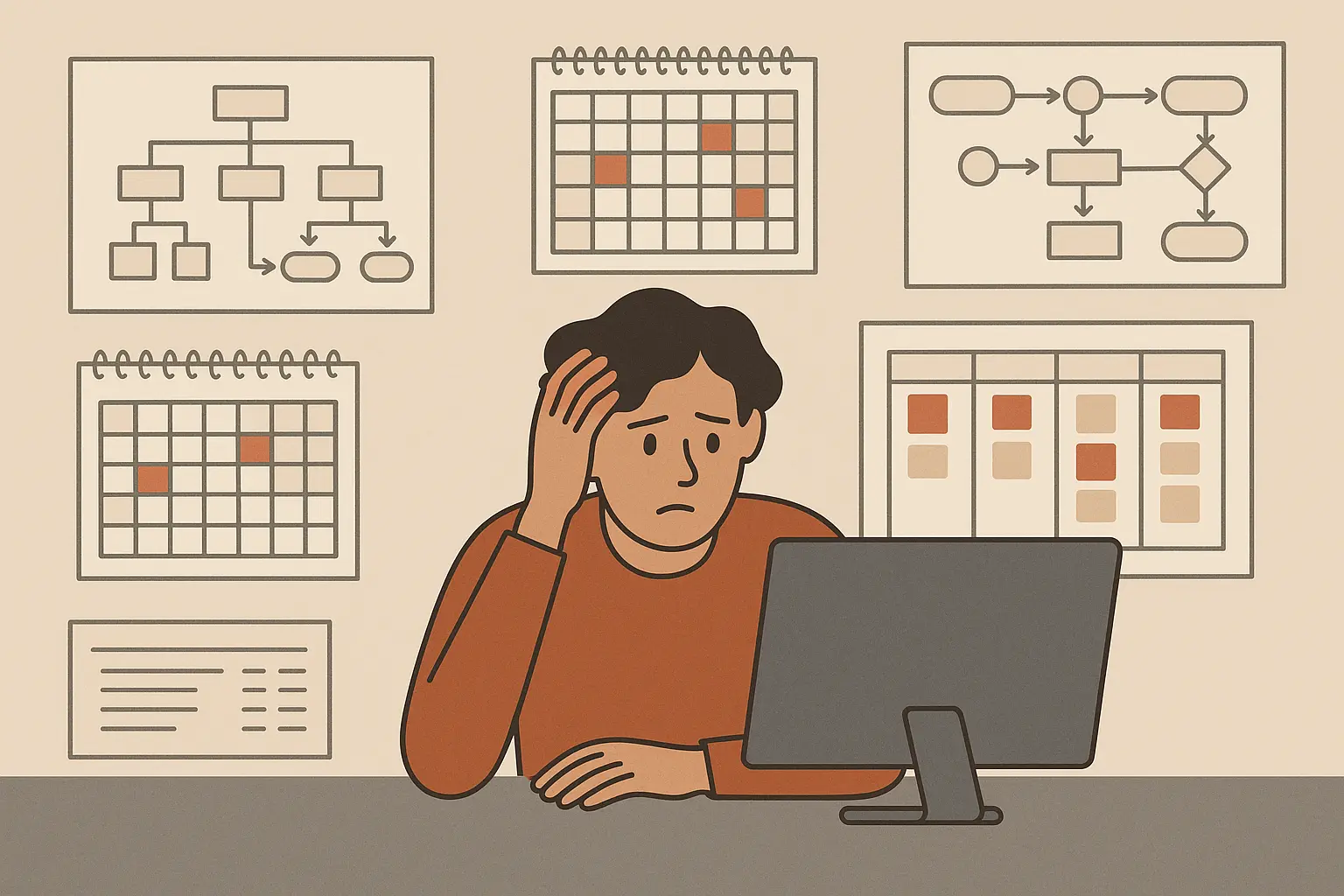
The belief that entering the job market faster always leads to better outcomes ignores how skill depth actually affects your career trajectory. Sometimes taking longer upfront saves you years of being stuck in roles that don’t challenge or advance your career.
The Junior Developer Trap Nobody Warns You About
Rushing to get certified often leads to being trapped in junior roles longer because those foundational knowledge gaps become really obvious in real-world applications. Companies can quickly spot developers who memorized syntax versus those who understand underlying principles.
This challenge mirrors what many professionals face when they need to replace lost credentials – the focus shifts from the actual skills to the documentation, when employers should prioritize demonstrable competencies over paperwork.
Take Sarah – she was so excited when she finished her bootcamp in 12 weeks. I remember her posting on LinkedIn about landing a job within a month. But six months later? She called me crying because she felt like a total fraud at work. Every debugging session was a nightmare, and she was terrified her boss would figure out she didn’t really know what she was doing. Meanwhile, her classmate Mike took 8 months to complete his certification but built several personal projects along the way. Two years later, Sarah was still stuck in the same junior role while Mike had already been promoted to senior developer at a different company.
Why Chasing Trendy Tech Can Backfire
Focusing on speed often means choosing whatever’s hot right now over fundamental skills, which bites you when tech stacks change. That trendy new framework everyone’s talking about might be irrelevant in two years, but solid programming fundamentals never go out of style.
I’ve seen developers constantly pivot from Angular to React to Vue to whatever’s next, always feeling behind because they never learned JavaScript deeply enough to adapt quickly.
Your Learning Style Matters More Than Generic Timelines
Standard certification timelines completely ignore how your brain works, your life circumstances, and your prior experience. What works for a 22-year-old college graduate living with parents won’t work for a 35-year-old career changer with kids and a mortgage.
Similar to how different degree types require varying timelines, coding certifications must account for individual learning preferences and life circumstances rather than one-size-fits-all approaches.
|
Learning Style |
Optimal Timeline |
Best Program Type |
Success Factors |
|---|---|---|---|
|
Visual/Sequential |
6-12 months |
Self-paced online |
Structured curriculum, visual aids |
|
Hands-on/Project-based |
3-8 months |
Bootcamp/intensive |
Real projects, immediate application |
|
Social/Collaborative |
4-10 months |
Cohort-based |
Peer interaction, group projects |
|
Research/Deep-dive |
8-18 months |
University/extended |
Theoretical foundation, comprehensive |
The Secret Advantage Career Changers Have
If you’re switching from another field, you often have transferable skills that can speed up certain aspects of coding while requiring more time for technical fundamentals. Your project management experience or customer service background might be more valuable than you realize.
That background in accounting? You already understand data relationships and logical thinking. Former teachers excel at breaking down complex problems. Sales professionals understand user needs better than most developers.
Why Your Brain Might Need a Different Approach
Your brain might work totally differently than your study buddy’s. Maybe you’re the type who needs to dive deep and obsess over every detail, or maybe you learn better when you can mess around with code for 20 minutes here and there between life stuff. There’s nothing wrong with needing more time – your brain just processes information differently.
Some brains need time to marinate on concepts. Others need immediate application. Neither approach is superior – they’re just different.

Why the Coding Education Industry Misleads You About Timelines
Here’s the uncomfortable truth: bootcamps are businesses first, schools second. They need to keep the lights on and pay their instructors, which means they can’t just let everyone learn at their own pace, even if that would be better for you. Understanding these economic realities helps you make better decisions about your certification path.
The Business Model Behind Those Timeline Promises
Educational providers structure their programs around staying profitable rather than what’s actually best for learning. When you understand why they make certain promises, you can better evaluate whether a program actually serves your needs.
Why Bootcamps Need You to Believe in Fixed Timelines
Bootcamps need consistent enrollment cycles, so they promote fixed timelines that may not work for individual students but ensure they can pay the bills. They can’t run a business if everyone takes different amounts of time to complete their programs.
Think about it from their perspective: they need to pay instructors, rent classroom space, and maintain consistent cash flow. Variable timelines would destroy their business model, even if they’d be better for students.
Recent analysis shows that “online medical billing and coding certificate programs prepare you for a career in a growing industry. These programs take between four and 15 months to complete, requiring 18-30 credits” BestColleges, highlighting how even adjacent technical certification programs struggle with timeline variability while trying to maintain business viability.
The Credential Arms Race That’s Extending Real Timelines
As the market becomes flooded with certificate holders, employers increasingly want additional qualifications, extending the real timeline to job readiness beyond just the certificate. That 12-week bootcamp certificate might just be the beginning of what you actually need.
This trend reflects broader questions about whether certificates equal degrees in terms of employer perception and career advancement potential, particularly in competitive tech markets.
The healthcare certification field demonstrates this trend, where “medical billing and coding specialists earn an average annual salary of $40,350 and work in one of the fastest growing professions” according to the Bureau of Labor Statistics, yet professionals often need multiple certifications and ongoing education to remain competitive.
The Hidden Costs Nobody Talks About
Most discussions about certification time ignore the hidden costs and alternative pathways that could give you better returns on your time investment. The real timeline to career success involves much more than just completing coursework.
The Portfolio Problem That Delays Job Offers
Certificates provide credentials but rarely give you enough time for building the substantial portfolio projects that actually get you hired. Employers want to see what you can build, not just what courses you’ve completed.
Consider Tom, who finished his coding bootcamp in 14 weeks but spent an additional 6 months building a portfolio of 5 substantial projects, including an e-commerce site, a mobile app, and contributions to open source projects. His “real” timeline to employment was 8.5 months, not the advertised 14 weeks, but his portfolio landed him a mid-level position instead of an entry-level role.
Why Networking Time Gets Overlooked
Building professional relationships, which is crucial for career advancement, takes time that’s often not factored into certification timeline discussions. The best job opportunities often come through connections, not job boards.
You can’t network effectively while you’re drowning in coursework. But those relationships you build during your learning journey often matter more than your final grade.
The Self-Learning Skills Gap
Fast-track certifications often fail to teach you how to keep learning on your own, which is absolutely essential for ongoing career development in tech. Learning how to learn might be more important than any specific technology you study.

The Underground Movement Changing How We Think About Credentials
More and more companies are starting to think, “Wait, do we actually care about this person’s certificate, or do we care if they can fix our broken website?” Spoiler alert: they usually care more about the website. This shift could make your timeline concerns way less relevant while opening up new pathways to career success.
How Progressive Companies Are Hiring Differently
Progressive companies are developing ways to evaluate what you can actually do rather than what credentials you have. They care more about whether you can solve their problems than where you learned to solve them.
This shift parallels broader discussions about whether college degrees are worth it in today’s market, as
This shift parallels broader discussions about whether college degrees are worth it in today’s market, as employers increasingly value practical skills over traditional educational credentials.
This shift mirrors trends in other technical fields, where “medical billing and coding courses can provide the industry knowledge you need to break into the field or upskill for your career. The skills you’ll learn can unlock new career opportunities and provide career advancement potential” Southern New Hampshire University, emphasizing skills over credentials.
The Rise of Live Problem-Solving Interviews
Real-time problem-solving evaluations are becoming more predictive of job performance than certificates. Can you think through a challenge and write working code? That matters more than your GPA.
I’ve seen developers with impressive certificates freeze up during technical interviews, while self-taught programmers with no formal credentials solve problems elegantly under pressure.
Why Your GitHub Profile Might Matter More Than Your Certificate
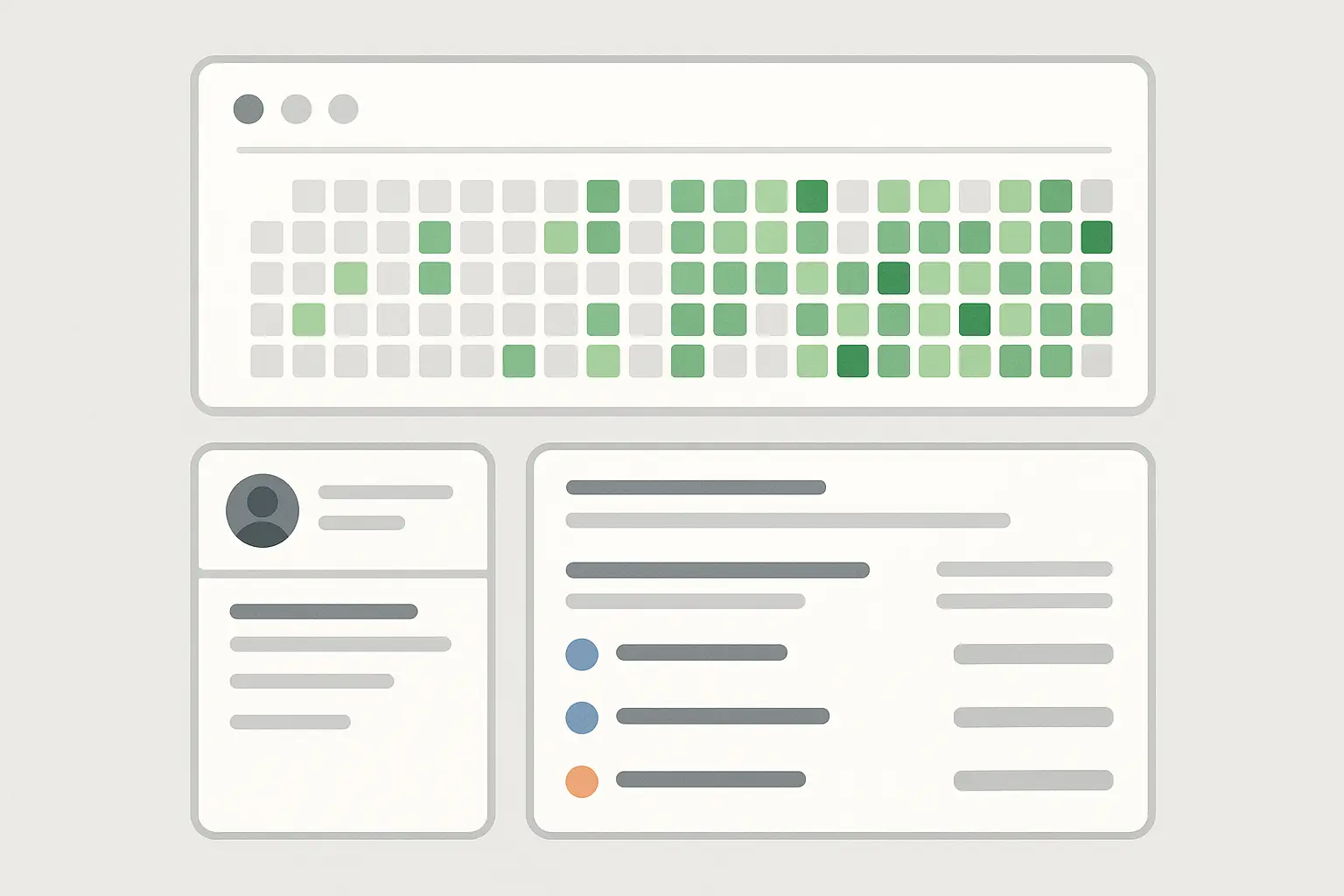
GitHub contributions and open source project involvement are becoming more valuable than certificates for showing long-term commitment and collaborative skills. Your commit history tells a story about your dedication and growth over time.
Employers can see how you write code, how you collaborate, how you handle feedback, and how consistently you work. That’s worth more than any certificate.
The Future of Micro-Learning
The future of coding credentials involves smaller, more specific certifications that you can earn continuously rather than one big program with a fixed timeline. Instead of one massive certification, you might earn dozens of smaller ones throughout your career.
Learning Just What You Need, When You Need It
Instead of front-loading all learning, professionals are increasingly earning targeted micro-credentials as specific project needs arise. Why spend months learning everything when you can learn exactly what your next project requires?
This approach eliminates the pressure of comprehensive timelines while keeping your skills current and relevant.
How Developer Communities Are Creating Their Own Recognition Systems
Professional communities are developing their own recognition systems based on peer review and collaborative problem-solving rather than formal certification bodies. Sometimes the respect of your peers matters more than any official certificate.
Stack Overflow reputation, GitHub stars, and community contributions often carry more weight than formal credentials in hiring decisions.
Building Your Personal Timeline Strategy That Actually Works
Okay, strategy time. But not the kind where I give you a one-size-fits-all plan that’ll work for exactly nobody. We’re talking about figuring out what actually makes sense for YOUR life. This requires honest self-assessment and strategic planning rather than following someone else’s predetermined path.

Start With the End Goal and Work Backward
Starting with career goals and working backward to determine necessary skills creates more realistic and effective certification timelines than following preset programs. What specific job do you want, and what exactly do those employers require?
Research Your Target Market Like Your Career Depends on It
Understanding specific job market demands in your target location and industry allows for strategic selection of certifications that provide the highest return on time investment. The tech scene in Austin is different from the one in Portland – make sure you’re preparing for the right market.
I know this sounds like a lot of work when you just want to start coding already, but spending a weekend doing this research could save you months of studying the wrong things.
Market Research Checklist:
-
Identify 10 target companies in your area
-
Analyze job postings for required vs preferred skills
-
Research salary ranges and advancement paths
-
Connect with current employees on LinkedIn
-
Attend local tech meetups and conferences
-
Review company tech stacks
Map Your Current Skills Against Your Dream Job
Systematically identifying your current abilities versus target role requirements helps prioritize which certifications will have the most impact on your timeline to employment. You might be closer to ready than you think, or you might need to focus on different skills than you assumed.
|
Current Skill Level |
Recommended Timeline |
Focus Areas |
Expected Outcome |
|---|---|---|---|
|
Complete Beginner |
8-12 months |
Fundamentals, syntax, basic projects |
Entry-level position |
|
Some Programming Experience |
4-8 months |
Framework specialization, portfolio |
Junior to mid-level |
|
Career Changer (Tech Adjacent) |
3-6 months |
Language transition, domain knowledge |
Mid-level position |
|
Experienced (New Stack) |
2-4 months |
Framework mastery, best practices |
Senior-level position |
Find a Mentor Who’s Been Where You Want to Go
Find someone who’s doing the job you want and buy them coffee. Seriously. Most developers love talking about their work, and 30 minutes with the right person will teach you more about what you actually need to know than weeks of googling “best programming language 2024.”
A good mentor will save you months of wandering down dead ends. They’ve already made the mistakes you’re about to make.
Create a Learning Path That Combines Multiple Approaches
Combining formal certification with self-directed projects, internships, and freelance work creates a more robust foundation than any single credential alone. The most successful developers I know didn’t follow just one path – they created their own hybrid approach.
Similar to how “ACC’s Medical Billing program, which blends online coursework with an in-person externship, can be completed in approximately 7 months” American Career College, successful coding education combines theoretical learning with practical application for optimal career preparation.
The Project-While-You-Learn Strategy
Simultaneously pursuing certification and real-world projects ensures that learning is immediately applicable and creates portfolio pieces that complement credentials. Here’s how to make this work:
This approach becomes especially valuable when you need to display your achievements professionally, as completed projects alongside certifications create a more compelling career narrative than credentials alone.
Maria started her coding bootcamp while simultaneously volunteering to build a simple website for her local animal shelter. By graduation, she had her certificate plus a live project that demonstrated her ability to work with clients, manage requirements, and deliver a functional solution. This real-world experience helped her land a job 3 weeks after graduation, while her classmates who only had coursework took an average of 4 months to find employment.
Project-While-Learning Implementation Template:
Month 1-2: Foundation + Planning
-
Choose your certification program
-
Identify 1-2 potential project opportunities
-
Set up development environment and version control
-
Create project timeline that aligns with coursework
Month 3-4: Development + Learning
-
Begin building first project using newly learned concepts
-
Document challenges and solutions in a development blog
-
Seek feedback from mentors or online communities
-
Apply classroom concepts to real-world problems
Month 5-6: Refinement + Portfolio
-
Complete and deploy first project
-
Start second project with more complex requirements
-
Prepare project presentations for job interviews
-
Gather testimonials from project stakeholders
How ValidGrad Can Help When Paperwork Delays Your Progress
Look, sometimes life happens and paperwork gets lost or delayed. If you’ve completed a coding bootcamp or certification program but are waiting for official documentation, or if you’ve misplaced your certificate, ValidGrad can help you get sorted so you can focus on the important stuff – like actually landing that job. This allows you to continue pursuing opportunities while navigating the administrative aspects of credential verification, ensuring that timing delays in paperwork don’t slow down your career progress during the critical post-certification job search period.
Ready to get the documentation you need? Contact ValidGrad today to learn how we can help you maintain your career momentum.
Final Thoughts
Here’s what I wish someone had told me when I started: there’s no such thing as being “behind” in coding. The person who lands their dream job in 6 months isn’t better than the person who takes 2 years while working full-time and raising kids. They just had different circumstances.
Your journey is going to be messy. You’ll have days where you feel unstoppable and days where you wonder if you’re cut out for this at all. Some days you’ll feel like a genius. Other days, you’ll stare at your screen for three hours trying to figure out why your code won’t work, only to realize you forgot a semicolon. Both feelings are totally normal. You’ll probably change directions at least once. You might even quit and come back (that’s totally normal too).
The developers I know who are happiest in their careers aren’t the ones who got there fastest – they’re the ones who built something sustainable. They learned how to learn, they’re not afraid to ask questions, and they remember that every expert was once a beginner who felt completely lost.
So take a deep breath. Close some of those research tabs. Write some code, even if it’s terrible. You’ve got this, and you don’t have to have it all figured out right now.