
The swim instruction industry offers unique opportunities for those willing to go beyond basic certification requirements. While the average swim instructor makes $12 per hour according to GymDesk, understanding the psychological and business complexities of aquatic education can transform your teaching from a simple hourly job into a thriving professional practice that commands premium rates and creates lasting impact.
Table of Contents
- The Brain Science Behind Teaching Swimming
- Building Your Swim Instruction Business Empire
- Cracking the Certification Code
- Understanding Student Psychology in Water
- Advanced Teaching Methods That Actually Work
- From Swim Teacher to Swimming Professional
- Final Thoughts
TL;DR
- Your brain processes water-based learning completely differently than land activities – understanding this changes everything about how you teach
- The swim instruction business involves complex liability issues and hidden market niches that can dramatically boost your income
- Not all certifications are created equal – there’s a strategic hierarchy that affects your career opportunities
- Water creates unique psychological challenges that require specialized trust-building and fear management techniques
- Advanced teaching methods go far beyond basic certification requirements and separate good instructors from great ones
- Professional success requires understanding business cycles, specialized populations, and technology integration
The Brain Science Behind Teaching Swimming
Most swim instructors jump into teaching without understanding how the human brain actually processes aquatic learning. This knowledge gap explains why some students struggle despite following traditional teaching methods. I’ve watched countless instructors get frustrated when their perfectly demonstrated techniques don’t translate to student success.
The truth is, your student’s brain is fighting against millions of years of evolution every time they enter the water. Understanding the neurological foundation of water-based learning transforms your approach from guesswork to science-based instruction that gets real results. When you know what’s happening inside your student’s head, you can work with their nervous system instead of against it.
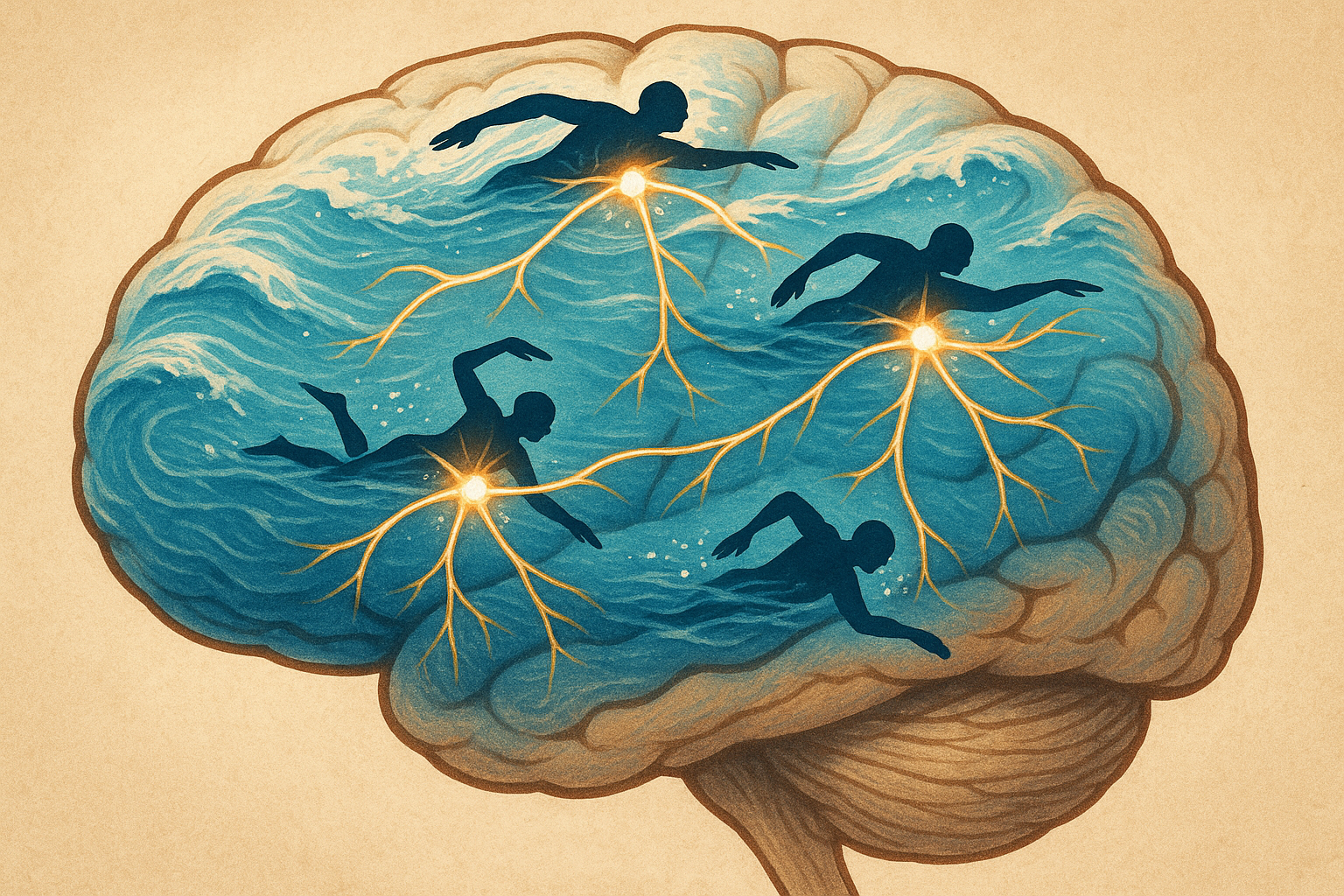
Your Student’s Inner Ear Is Running the Show
The vestibular system in your student’s inner ear controls their entire swimming experience, yet most instructors never learn about it. This balance system affects everything from how comfortable students feel in water to how quickly they pick up new skills. When you understand vestibular function, you can predict and prevent common learning obstacles.
I’ve seen this play out hundreds of times. A 7-year-old student consistently tilts their head to one side during freestyle breathing. Instead of repeatedly correcting head position, a knowledgeable instructor recognizes this as vestibular compensation and introduces specific balance exercises on deck before returning to stroke work. The head position corrects naturally once the inner ear adapts to the new spatial orientation.
Why Students Lose Their Sense of Direction Underwater
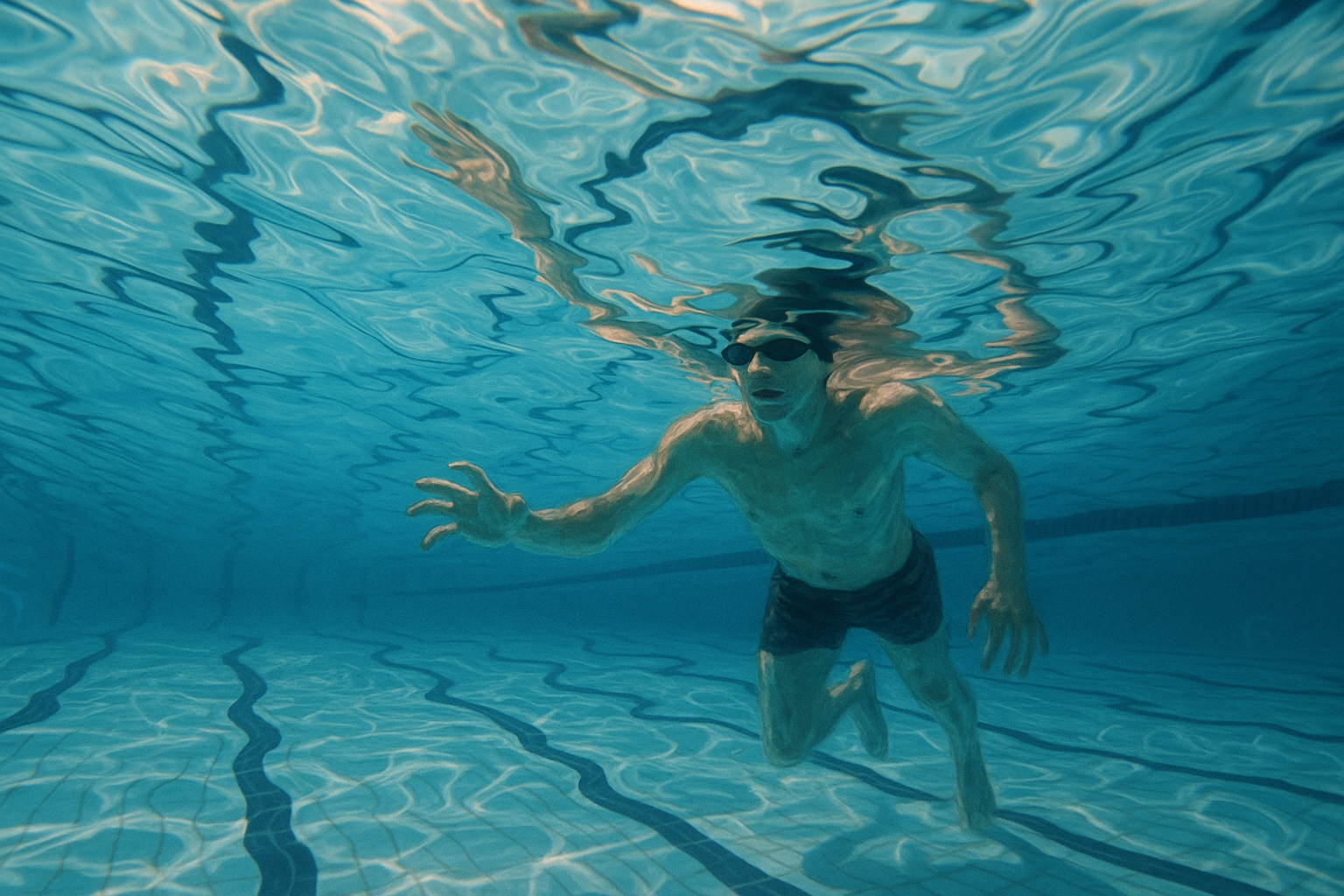
Water disrupts normal spatial reference points that students rely on for orientation. What feels like stubbornness or confusion is actually their brain struggling to process directional information in an environment that scrambles their usual navigation system. Smart instructors develop specific techniques to help students rebuild spatial awareness in aquatic environments.
Your students aren’t being difficult when they can’t figure out which way is up underwater. Their brains are literally receiving conflicting information from multiple sensory systems. The visual system sees distorted light patterns, the inner ear feels weightlessness, and proprioceptors can’t find familiar reference points.
The Fear Response That Blocks Learning
When students experience aquatic anxiety, their brains literally shut down learning pathways by flooding the system with stress hormones. Traditional “just relax” advice doesn’t work because you’re fighting neurochemistry. Understanding fear response patterns helps you recognize when to pause instruction and focus on nervous system regulation instead.
Checklist: Recognizing Fear-Based Learning Blocks
- ☐ Student’s breathing becomes shallow or rapid
- ☐ Muscle tension increases visibly in shoulders/neck
- ☐ Eye contact becomes minimal or avoidant
- ☐ Previously learned skills suddenly “disappear”
- ☐ Student becomes unusually quiet or overly talkative
- ☐ Physical resistance to entering deeper water
- ☐ Regression to earlier developmental behaviors
Mirror Neurons Work Differently in Water
The brain’s natural mimicry system that helps students learn from demonstrations operates under different rules in aquatic environments. Light refraction, reduced peripheral vision, and the three-dimensional nature of water movement all affect how students process visual information from your teaching demonstrations.
What Students Actually See During Underwater Demos
Students’ visual processing changes dramatically underwater due to physics and biology working against traditional teaching methods. Light refraction distorts movement, peripheral vision narrows, and depth perception shifts. Effective instructors adapt their demonstration techniques to work with these visual limitations rather than against them.
Have you ever wondered why your perfect underwater demonstration doesn’t translate to student understanding? The answer lies in how water changes visual perception. What looks clear and obvious to you appears distorted and confusing to your student watching from above or beside you.
Teaching Through Touch in a Weightless World
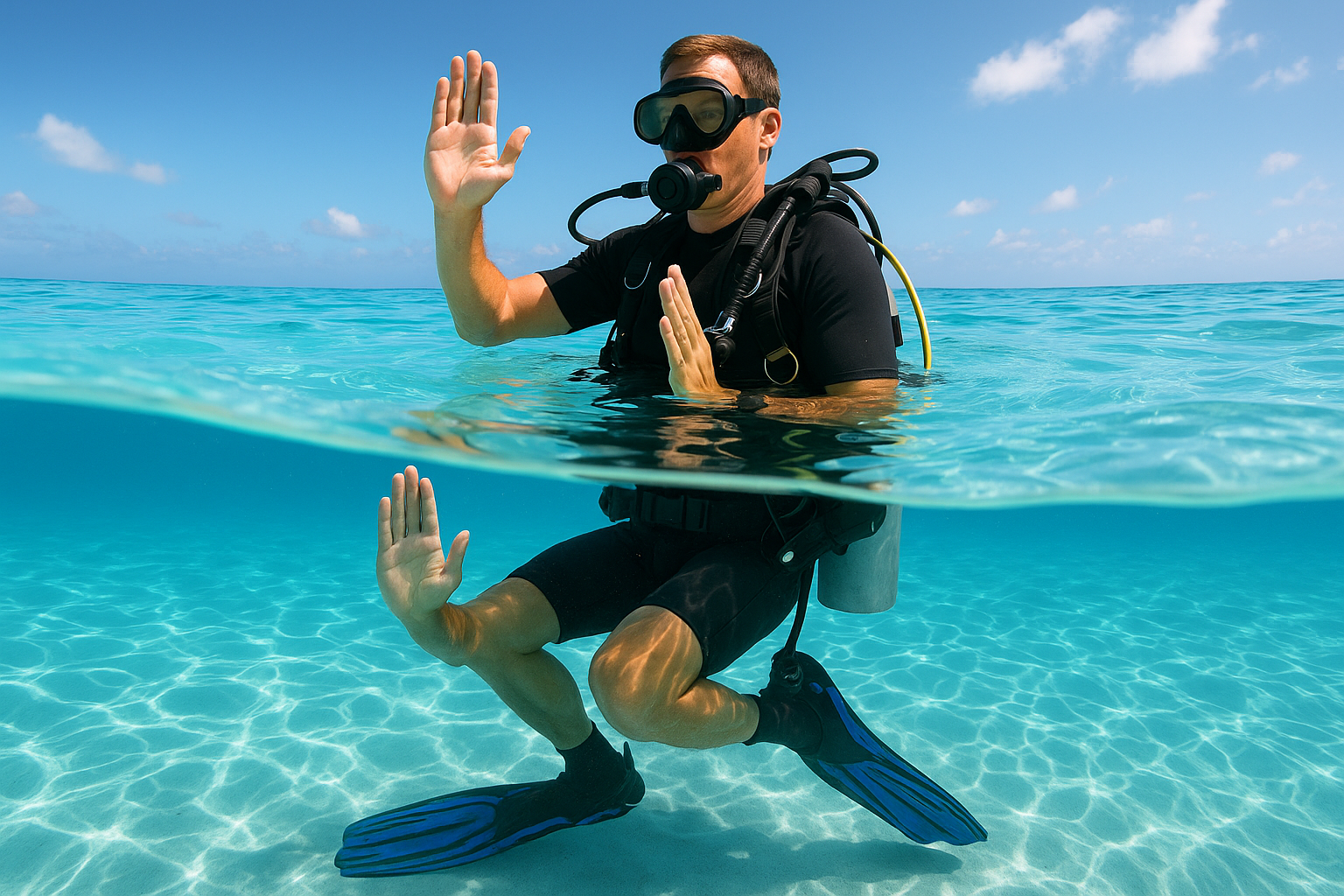
The reduced gravity environment of water creates unique opportunities for kinesthetic learning that you can’t replicate on land. Students can experience movement patterns and body positions that would be impossible in normal gravity, but only if you understand how to guide them through these sensations effectively.
Managing Cognitive Overload in the Pool
Students can only process limited information while their brain is focused on the complex task of staying alive in water. Cognitive load theory explains why information timing and delivery method can make or break a lesson. Strategic sequencing of instruction prevents mental overwhelm and accelerates skill acquisition.
| Cognitive Load Level | Signs to Watch For | Instruction Adjustments |
|---|---|---|
| Low Load | Relaxed body language, asks questions, maintains eye contact | Introduce new skills, complex demonstrations |
| Medium Load | Focused but tense, follows instructions slowly | Simplify language, break skills into smaller steps |
| High Load | Rigid posture, delayed responses, regression | Return to familiar skills, focus on breathing |
| Overload | Panic signs, inability to follow basic instructions | Exit water, calm nervous system, reassess readiness |
When Survival Instincts Override Learning
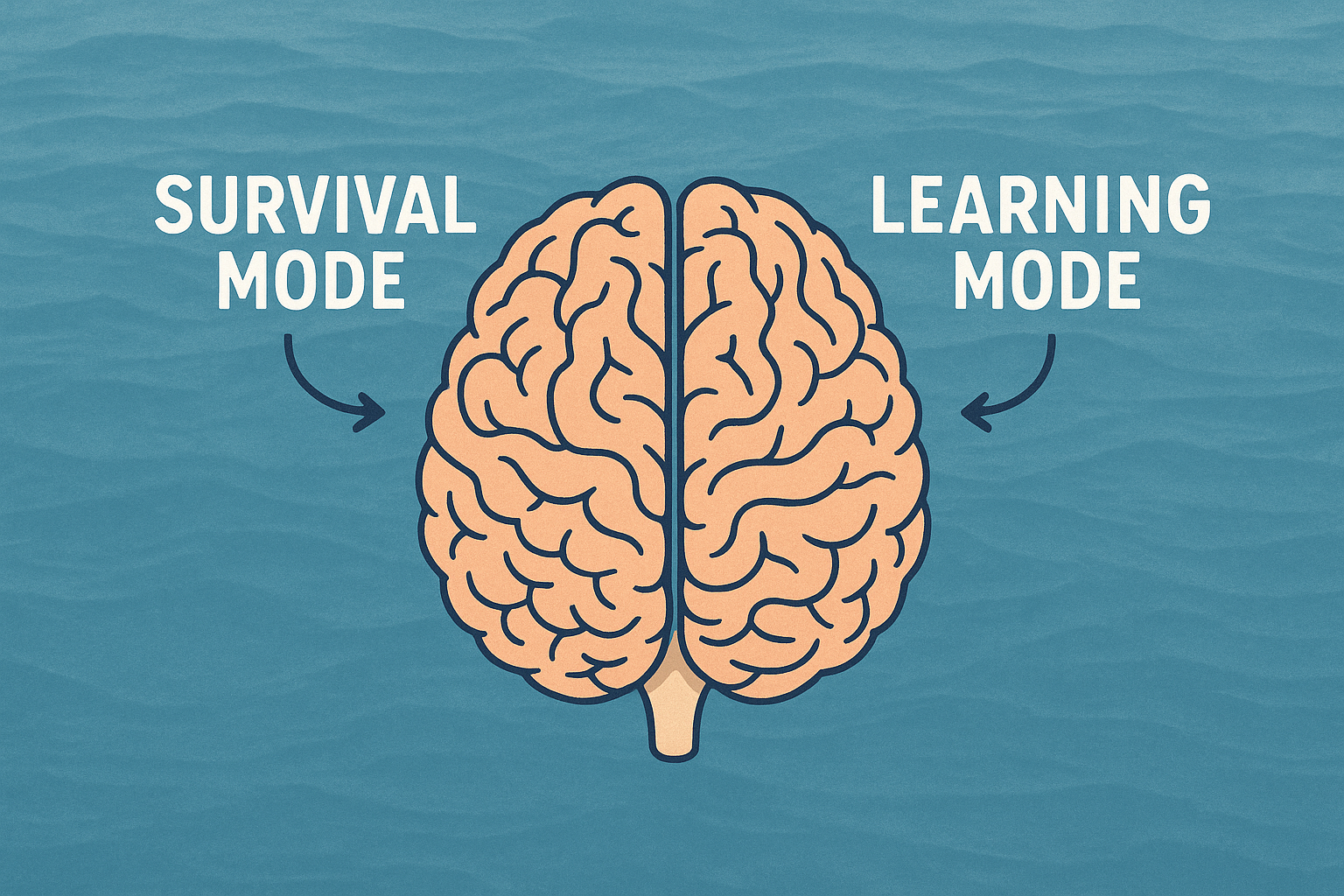
The brain’s capacity to absorb new information drops significantly when students are operating from survival mode. Recognizing the signs of cognitive overload helps you adjust your teaching pace and information delivery to match your student’s actual processing capacity rather than your lesson plan timeline.
I’ve learned to watch for that glazed look in a student’s eyes – it’s not boredom, it’s their brain hitting maximum capacity. When you see this happening, no amount of repetition or encouragement will help until you address the underlying stress response.
Building Your Swim Instruction Business Empire
The business side of swim instruction involves way more complexity than most certification programs reveal. Beyond basic liability insurance lies an ecosystem of legal considerations, market positioning strategies, and revenue opportunities that can transform your teaching from a side gig into a thriving professional practice.
Many municipalities are actively recruiting swim instructors through subsidized training programs. “Subsidies are available for Bronze Medallion, Bronze Cross, Swim Instructor and National Lifeguard courses for candidates who are interested in pursuing employment” with the RDCK, indicating strong demand for qualified instructors in the current market. This creates opportunities for new swim instructors to enter the field with financial support while meeting growing community needs.
Navigating the Legal Minefield
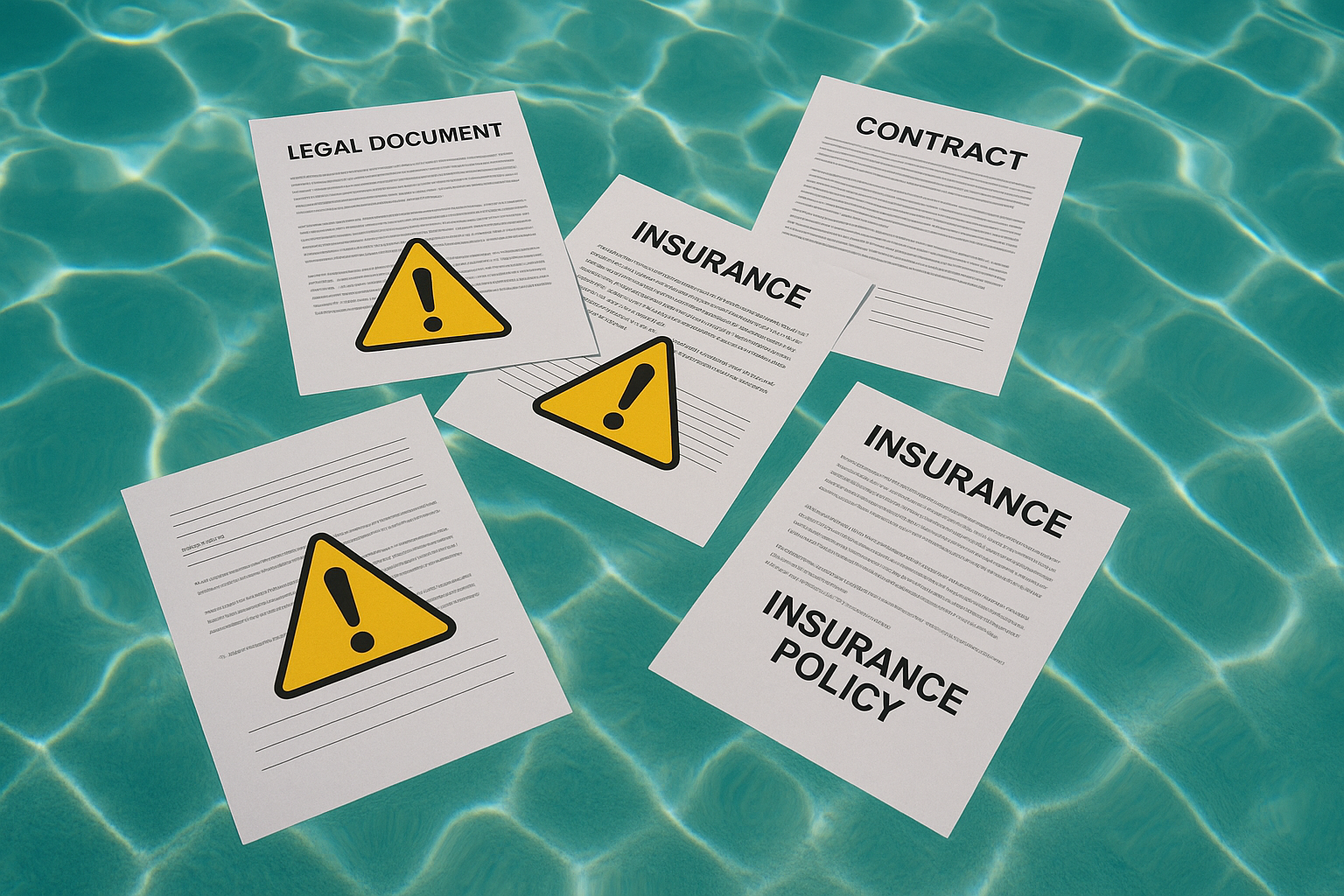
Swim instructors face unique liability challenges that differ significantly from other fitness professionals. The legal landscape includes multiple layers of responsibility, insurance overlaps, and duty of care extensions that most instructors discover only after problems arise. Understanding these dynamics protects both you and your students.
Professional Liability Beyond Basic Coverage
Standard liability insurance often doesn’t cover the specific risks swim instructors face, including water safety responsibilities and emergency response duties. The gap between what you think you’re covered for and what actually happens during an incident can be financially devastating without proper protection strategies.
Pool Facility Partnerships That Actually Work
The relationship between instructors and pool facilities involves complex insurance overlaps, emergency protocol coordination, and shared liability concerns that affect your daily operations. Understanding these dynamics helps you negotiate better agreements and avoid situations where you’re left holding responsibility without authority.
Template: Facility Partnership Agreement Checklist
- ☐ Insurance coverage boundaries clearly defined
- ☐ Emergency response protocol roles specified
- ☐ Equipment maintenance responsibilities outlined
- ☐ Scheduling and cancellation policies established
- ☐ Payment terms and commission structures documented
- ☐ Liability limitations for both parties clarified
- ☐ Termination procedures and notice requirements set
Finding Your Profitable Niche
The swim instruction market has hidden segments that command premium rates and offer more stable income than general lessons. These specialized populations require specific knowledge and approaches, but they also provide higher earning potential and more rewarding work for instructors willing to develop expertise.
Private swim lessons can cost $20-$60 per class according to GymDesk, with infant swim lessons offering particularly high earning potential since sessions last only 10-15 minutes, allowing instructors to complete many sessions in one day. This creates opportunities for swim instructors to maximize their hourly earnings through efficient scheduling and specialized skills.
High-Value Student Populations
Markets involving adult non-swimmers, special needs populations, and competitive stroke refinement offer significantly higher rates than basic children’s lessons. Each population requires understanding specific physiological and psychological considerations, but the investment in specialized knowledge pays off through premium pricing and referral opportunities.
| Population Segment | Typical Rate Range | Session Length | Special Requirements |
|---|---|---|---|
| Adult Non-Swimmers | $40-$80/hour | 45-60 minutes | Trauma-informed approach, privacy considerations |
| Special Needs | $50-$100/hour | 30-45 minutes | Adaptive equipment, specialized training |
| Competitive Stroke Analysis | $60-$120/hour | 60-90 minutes | Video analysis tools, sport-specific knowledge |
| Infant Swimming | $30-$50/session | 10-15 minutes | Parent education, developmental understanding |
| Senior Water Fitness | $35-$65/hour | 45 minutes | Medical considerations, mobility adaptations |
Technology Integration for Modern Instructors
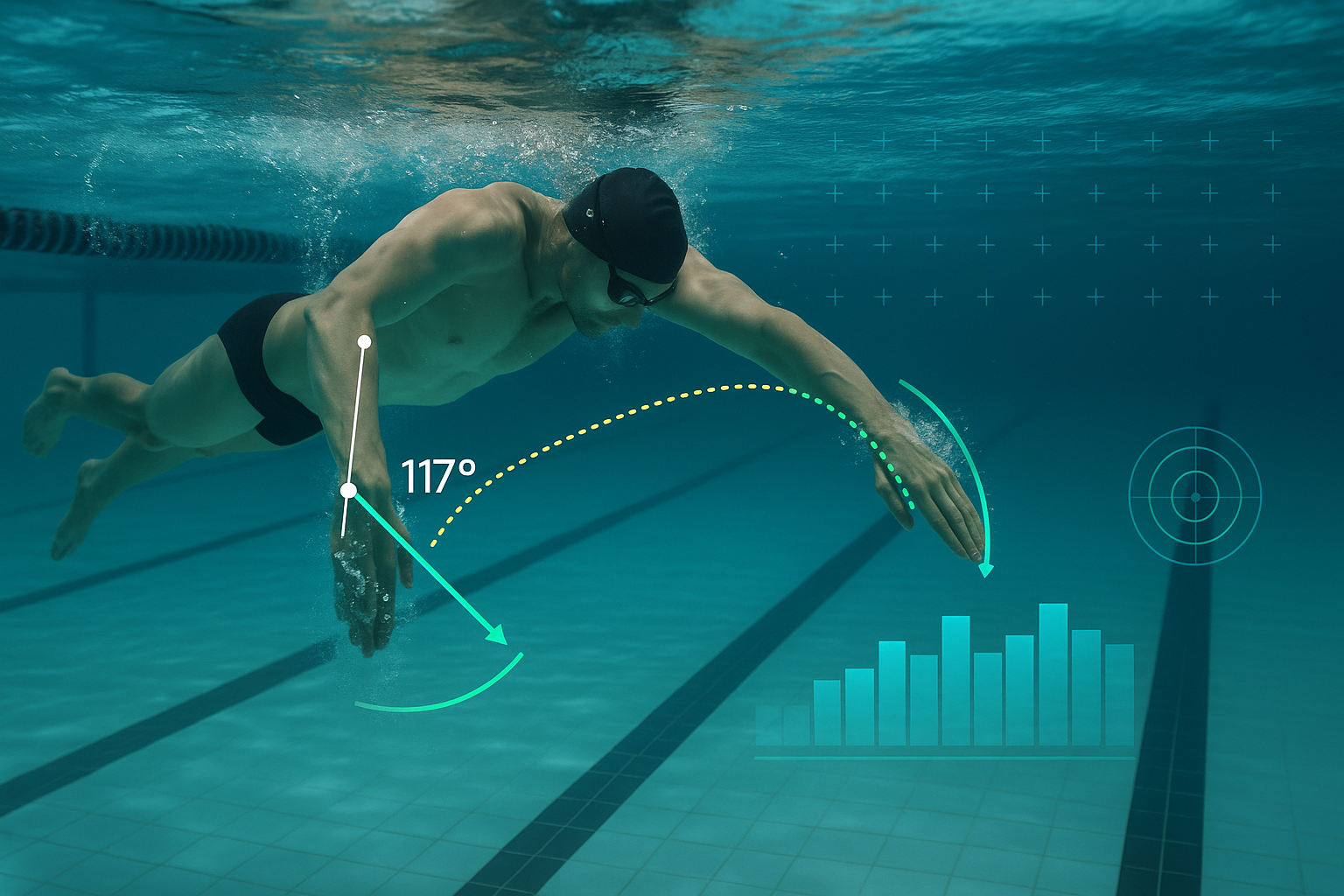
Modern swim instruction increasingly incorporates underwater cameras, stroke analysis software, and wearable technology that creates new service offerings and revenue streams. Early adopters of these tools can differentiate themselves in the market and justify higher rates through enhanced instruction quality.
Surviving Seasonal Income Swings
Understanding how to maintain income during off-peak seasons separates successful instructors from those who struggle financially. Smart business planning includes developing indoor programs, warm-weather destination teaching opportunities, and complementary services that smooth out seasonal revenue fluctuations.
A successful instructor in Minnesota develops a winter program teaching adults at an indoor facility while offering “swim vacation” intensive programs in Florida during spring break. This dual-season approach maintains year-round income while building a loyal client base that follows them between locations. The key is thinking beyond your local market and creating systems that work regardless of weather or season.
Cracking the Certification Code
The swim instructor certification landscape is more complex and strategic than most people realize. Not all certifications carry equal weight in the marketplace, and understanding the hidden hierarchy can save you time while maximizing career opportunities. Strategic certification planning affects everything from your earning potential to your geographic mobility.
Most swim instructor certification programs require participants to be at least 15-16 years old, with the American Red Cross setting the minimum age at 15 years by the end of the course according to Red Cross certification requirements. This early entry point makes swim instructor certification an attractive option for young people looking to start their careers in aquatic education.
The Certification Hierarchy Nobody Talks About
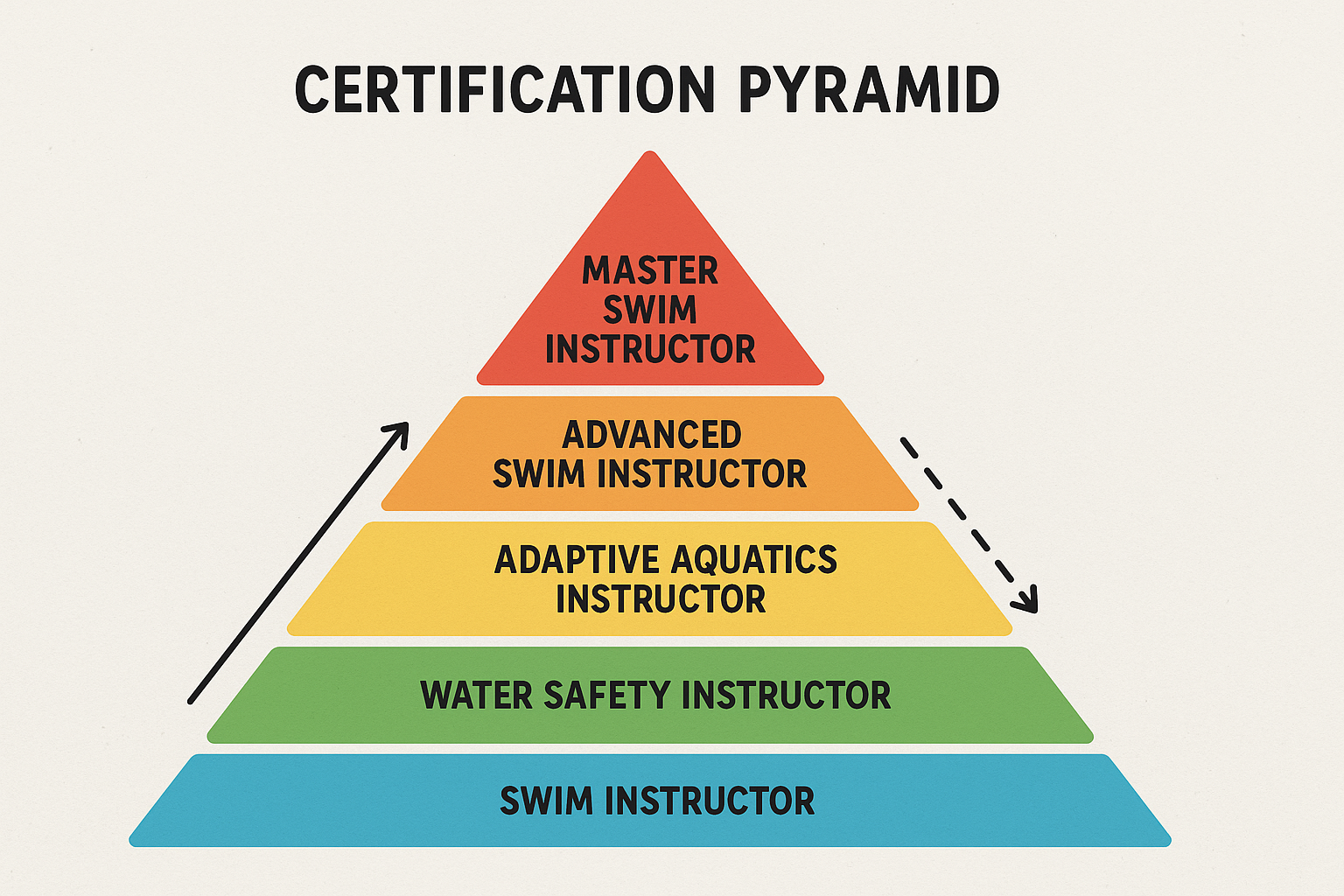
Different sectors of the aquatic industry value different certifications, and some carry significantly more market recognition than others. Understanding this hierarchy helps you make strategic choices about where to invest your time and money for maximum career impact.
The importance of maintaining proper certification documentation cannot be overstated, especially when considering that many professionals need to understand how to display certificates on wall to maintain professional credibility in their workspace. Proper presentation of your swim instructor certification demonstrates professionalism to potential employers and clients.
Industry-Specific Certification Values
Recreational facilities, competitive programs, therapeutic settings, and military contracts all prioritize different certifications. What opens doors in one sector might be irrelevant in another, making it crucial to align your certification strategy with your intended career path from the beginning.
Career opportunities in lifeguarding and swim instruction continue to expand, with programs stating “Career opportunities await! Train to be a lifeguard” and noting that lifeguard training qualifies for high school credits, making it an attractive option for young professionals entering the field. This creates pathways for those seeking how to become a certified swim instructor to build comprehensive aquatic safety credentials.
International Recognition Considerations
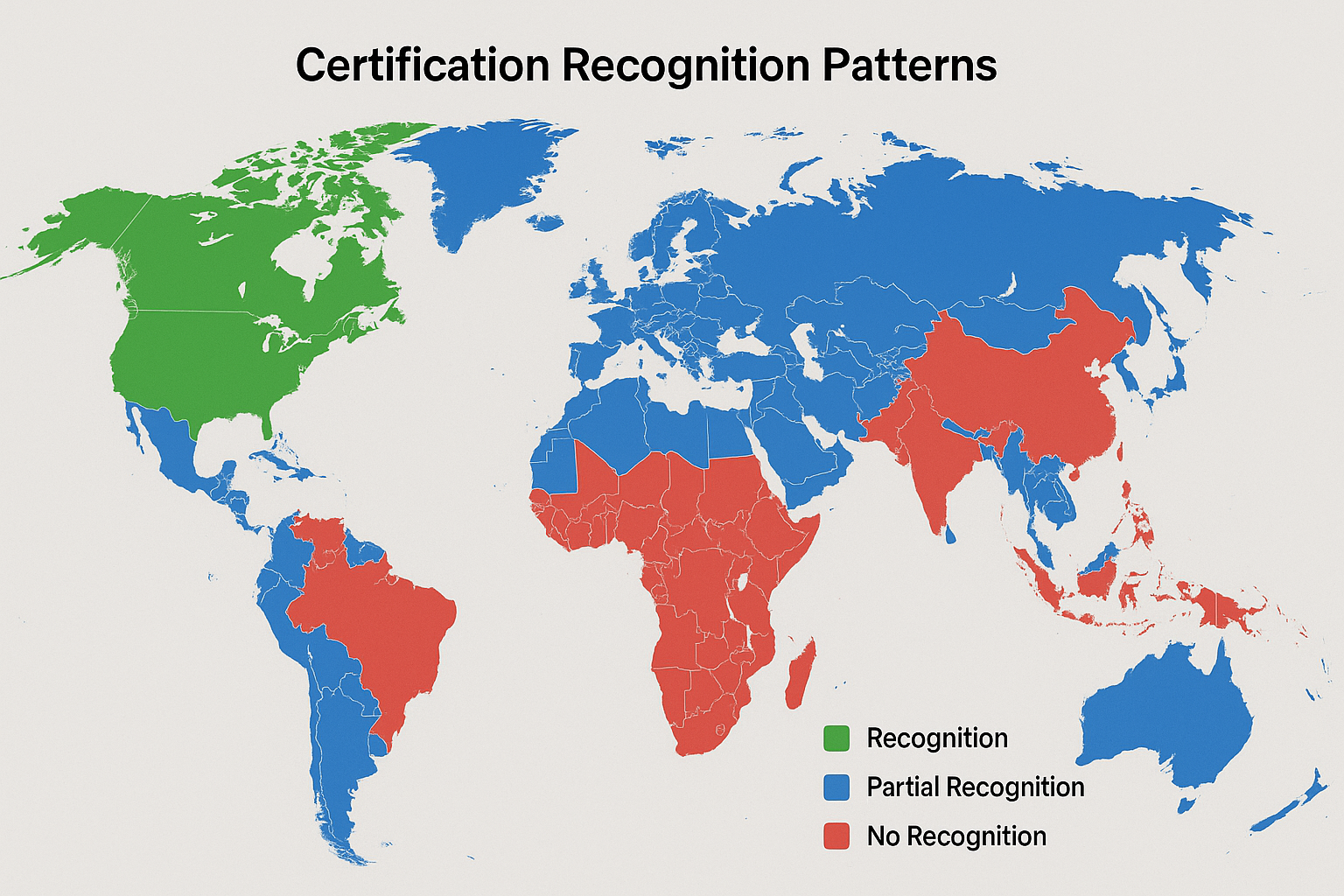
Some certifications transfer internationally while others don’t, which affects opportunities for travel-based instruction or relocation. If you’re considering working abroad or in different regions, understanding recognition patterns can prevent costly recertification requirements later.
Continuing Education as Your Competitive Edge
The most successful instructors understand that initial certification is just the beginning of a lifelong learning journey with serious strategic implications. Advanced certifications and specialized training create market differentiation and justify premium pricing in competitive markets.
Many swim instructors find that pursuing continuing education requires understanding business certification principles to effectively market their advanced qualifications and justify premium rates. This business knowledge becomes crucial for instructors who want to move beyond basic hourly work into professional practice.
Specialized Skills That Command Premium Rates
Advanced certifications in areas involving stroke technique analysis, special populations, or aquatic therapy can command significantly higher rates and create clear market differentiation. These specializations often have less competition and more stable demand than general instruction.
Checklist: High-Value Specialization Areas
- ☐ Aquatic therapy and rehabilitation
- ☐ Competitive stroke analysis and video review
- ☐ Special needs and adaptive swimming
- ☐ Infant and toddler water safety
- ☐ Adult anxiety and trauma-informed instruction
- ☐ Masters swimming and technique refinement
- ☐ Triathlon-specific swimming coaching
- ☐ Water fitness and aqua aerobics instruction
The swim lessons certification you choose should align with your long-term career goals and target market needs.
Understanding Student Psychology in Water
Water creates a uniquely vulnerable learning environment where traditional psychology and teaching methods often fail. Understanding the deep psychological dynamics of aquatic fear and trust gives instructors powerful tools for student success and business growth that go far beyond basic teaching techniques.
Every swim instructor encounters students whose fear responses seem completely disproportionate to the actual risk involved. What we’re witnessing isn’t irrational behavior – it’s the human nervous system responding to an environment that triggers deep evolutionary programming about survival and safety.
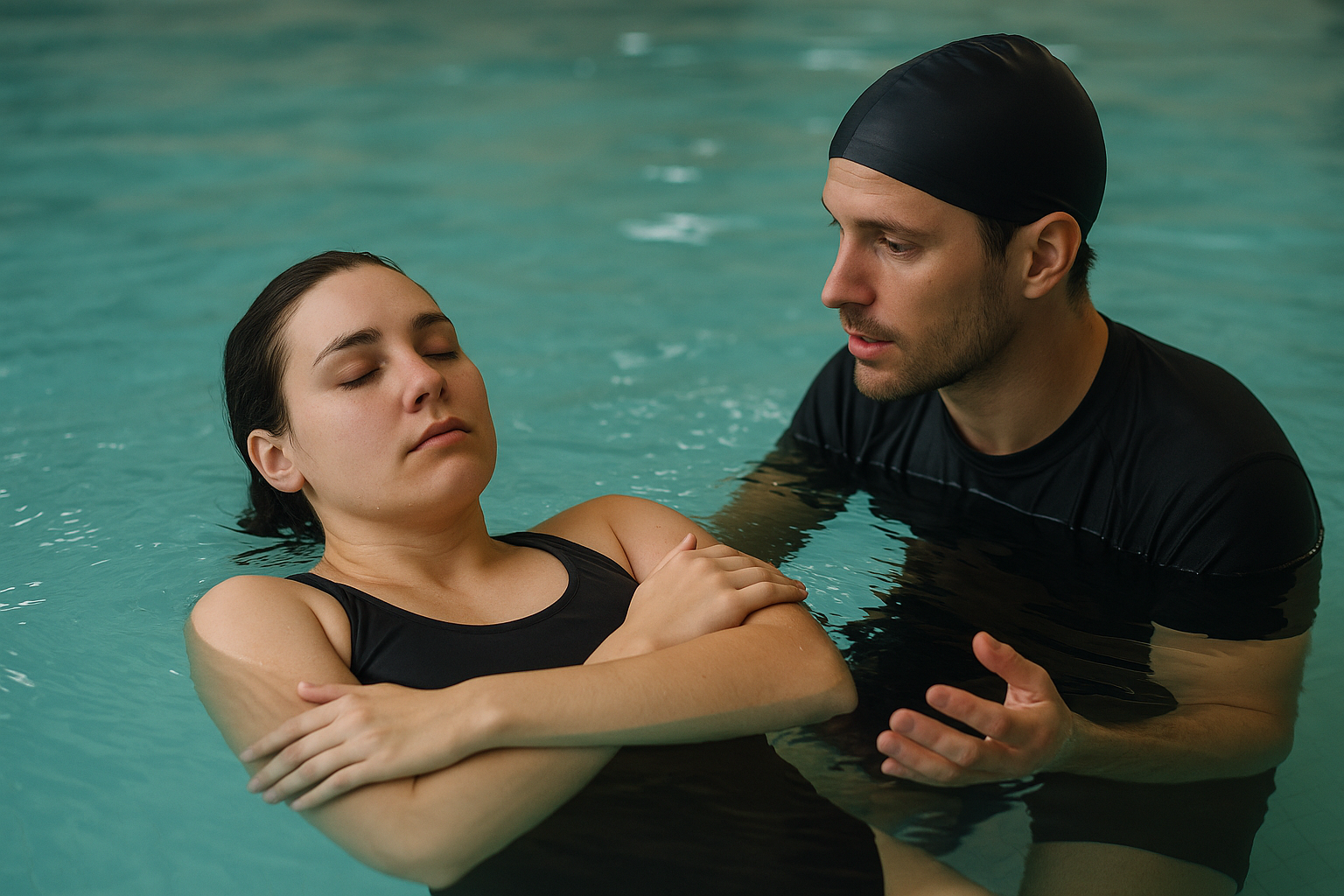
Building Trust When Students Feel Vulnerable
Water strips away many of the psychological defenses people use in normal situations, creating both challenges and opportunities for instructors. Traditional trust-building methods may not apply in aquatic environments, requiring specialized approaches that account for the heightened vulnerability students experience.
Managing Primal Fear Responses
Many students carry deep-seated evolutionary fears of water that manifest as learning blocks and resistance to instruction. These aren’t rational fears that respond to logical explanations – they’re primal responses that require trauma-informed teaching approaches and patience with the nervous system’s protective mechanisms.
An adult student freezes when asked to put their face in water, despite understanding the technique intellectually. Rather than pushing forward with the lesson plan, an experienced instructor recognizes this as a primal fear response and spends time helping the student practice controlled breathing on deck, gradually building tolerance through non-threatening exposure before returning to face-in-water activities. This approach respects the student’s nervous system while still making progress.
Cultural and Family Water Histories
Students bring complex cultural and family histories with water that profoundly affect their learning process. Some cultures have strong swimming traditions while others view water with suspicion or fear. Understanding these backgrounds helps you adapt your approach and avoid accidentally triggering negative associations.

Motivation Strategies That Work in Water
Traditional motivation techniques often fail in aquatic environments due to the unique physical and psychological challenges water presents. Students’ motivation sources change dramatically when they’re focused on survival and comfort, requiring instructors to understand how to tap into internal drive rather than external rewards.
Intrinsic vs. Extrinsic Motivation in Aquatic Learning
External rewards and pressure often backfire in water-based learning because students are already dealing with internal stress and vulnerability. The most effective motivation comes from helping students connect with their own reasons for learning and celebrating internal progress markers rather than external achievements.
Template: Motivation Assessment Questions
- What brought you to swimming lessons today?
- What would being comfortable in water mean for your life?
- Have you had any previous experiences with water that felt positive?
- What are your biggest concerns about learning to swim?
- How do you prefer to learn new skills in other areas of life?
- What would success look like to you in these lessons?
Advanced Teaching Methods That Actually Work
The gap between passing certification and becoming an effective instructor requires understanding advanced pedagogical techniques specific to aquatic environments. These methods go far beyond basic safety and stroke mechanics to address how learning actually happens in water.
Most swim instructor training programs focus heavily on what to teach but spend minimal time on how to teach effectively in aquatic environments. The difference between a certified instructor and a master teacher lies in understanding these advanced methodologies and knowing when to apply them.

Lesson Planning That Adapts to Reality
Effective swim lessons require understanding how to structure progressive skill development within the constraints of pool time, student attention spans, and safety requirements. Rigid lesson plans often fail because they don’t account for the unpredictable nature of aquatic learning.
Real-Time Assessment and Adaptation
The ability to instantly modify teaching approaches based on student response separates certified instructors from master teachers. This skill requires understanding multiple pathways to the same learning outcome and recognizing subtle signs that indicate when to shift strategies.
Template: Real-Time Lesson Adaptation Framework
- Baseline Assessment (First 5 minutes)
- Student’s current comfort level
- Physical capabilities and limitations
- Emotional state and readiness
- Primary Teaching Approach (Next 15-20 minutes)
- Planned skill introduction
- Standard progression sequence
- Expected learning outcomes
- Adaptation Triggers (Ongoing monitoring)
- Signs of cognitive overload
- Physical fatigue indicators
- Emotional stress responses
- Alternative Pathways (Ready to deploy)
- Simplified skill variations
- Different learning modalities
- Comfort-building activities
Specialized Teaching for Different Populations
The market increasingly demands specialized knowledge that goes beyond general swim instruction certification. Different age groups and populations require completely different approaches, safety protocols, and communication methods.
Age-Specific Teaching Methodologies
Teaching toddlers requires completely different approaches than teaching adults, with distinct safety protocols, communication methods, and skill progression timelines. Understanding developmental psychology and age-appropriate expectations prevents frustration for both instructor and student.
Adaptive Swimming Instruction
Students with physical or cognitive differences require specialized techniques that most basic certifications don’t address. This creates a high-value market niche for instructors willing to develop expertise in adaptive instruction methods and disability awareness.
Checklist: Adaptive Swimming Considerations
- ☐ Mobility aids and transfer techniques
- ☐ Communication adaptations for hearing/vision differences
- ☐ Sensory processing considerations
- ☐ Cognitive load adjustments
- ☐ Medication effects on performance
- ☐ Family/caregiver involvement protocols
- ☐ Emergency response modifications
- ☐ Equipment adaptations and safety gear
From Swim Teacher to Swimming Professional
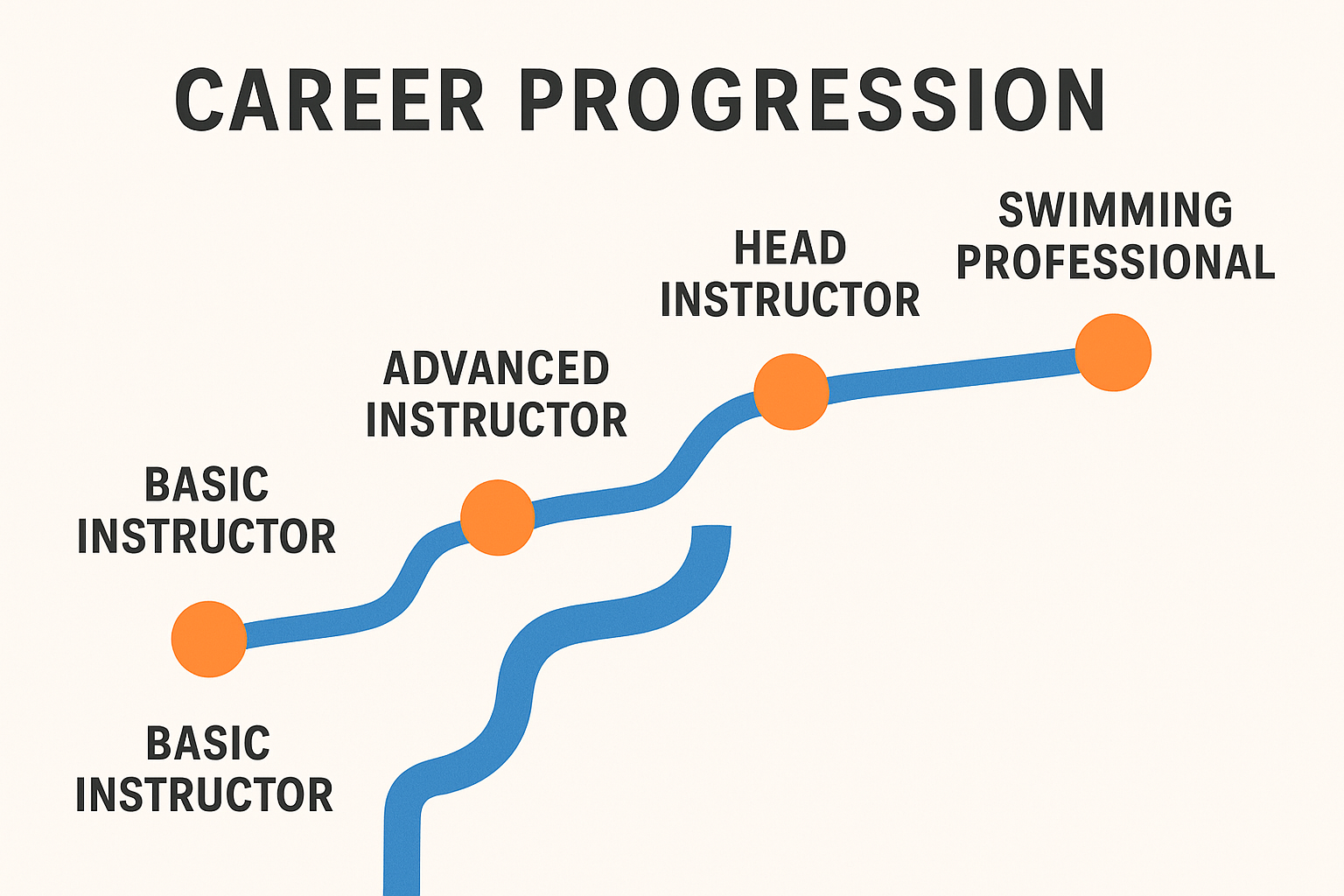
The transition from basic instruction to professional expertise involves understanding the broader aquatic education ecosystem and developing systems that support long-term career growth. Professional success requires strategic thinking about skill development, business relationships, and market positioning.
Many people start as a swim teacher thinking they’ll just help a few kids learn to swim, but the most successful professionals understand that this field offers genuine career advancement opportunities for those willing to invest in their development. The swimming teacher who thinks strategically about their growth can build a practice that provides both financial stability and personal fulfillment.
Professional Development Beyond Certification
Successful swimming professionals understand that career advancement requires strategic skill building that goes far beyond initial certification requirements. This includes mentorship relationships, research awareness, and continuous learning that keeps you ahead of industry trends.
For those wondering how to become a swim instructor or how to become a swimming teacher, the path involves much more than completing basic certification requirements. Professional development becomes an ongoing commitment that separates those who treat this as a temporary job from those who build lasting careers.
Learning from Master Instructors
Mentorship and apprenticeship models provide insights that no certification program can teach, including crisis management, parent communication, and business development. Observing expert instructors reveals advanced techniques and problem-solving approaches that transform your teaching effectiveness.

Building a Sustainable Teaching Practice
Long-term success requires understanding how to create systems that support consistent income and professional growth. This includes student retention strategies, referral network development, and business practices that create stability in a seasonal industry.
Professional swim instructors often find that maintaining proper documentation becomes crucial for career advancement, especially when they need to understand how to get a copy of your diploma or other credentials for employment verification. Having organized documentation ready demonstrates professionalism and preparedness to potential employers and clients.
Student Retention Strategies That Work
The economics of swim instruction favor long-term student relationships over constant new client acquisition. Understanding progression planning, relationship management, and value delivery helps you build a stable base of continuing students rather than constantly searching for new ones.
Template: Student Retention System
- Onboarding Process
- Clear expectation setting
- Goal establishment and documentation
- Progress tracking system introduction
- Ongoing Engagement
- Regular progress celebrations
- Skill milestone recognition
- Parent/student communication protocols
- Value Reinforcement
- Demonstrated skill improvements
- Safety confidence building
- Lifestyle benefit connections
- Transition Planning
- Natural progression pathways
- Advanced skill opportunities
- Referral to specialized programs
When you’re ready to take your swim instruction career seriously, having all your documentation in order becomes crucial. ValidGrad can help ensure you never miss opportunities due to replacing a lost diploma or credentials. Their quick turnaround time and professional-quality replacements give you confidence when presenting qualifications to potential employers or clients – something that’s particularly valuable in the swim instruction field where trust and professionalism are paramount to success.
Final Thoughts
Becoming a successful swim instructor involves way more than most people realize when they first consider this career path. The combination of neurological understanding, business acumen, psychological insight, and advanced teaching methods creates a complex but rewarding profession that can provide both personal satisfaction and financial success.
The instructors who thrive long-term are those who understand that initial certification is just the beginning. They invest in understanding how the brain processes aquatic learning, develop business systems that protect and sustain their practice, and continuously refine their teaching methods based on real student outcomes rather than theoretical approaches.
Most importantly, successful swim instructors recognize that they’re helping people overcome fears, build confidence, and develop a lifelong relationship with water. This deeper understanding of your role transforms both your effectiveness as a teacher and your satisfaction as a professional.
Key Takeaways:
- The swim instruction field rewards those who go beyond basic certification to understand the science and psychology behind aquatic learning
- Business success requires strategic thinking about liability, market positioning, and specialized populations
- Professional development is an ongoing process that separates good instructors from exceptional ones
- Understanding student psychology and fear management is as important as technical swimming knowledge
- Long-term career success depends on building systems and relationships rather than just teaching individual lessons