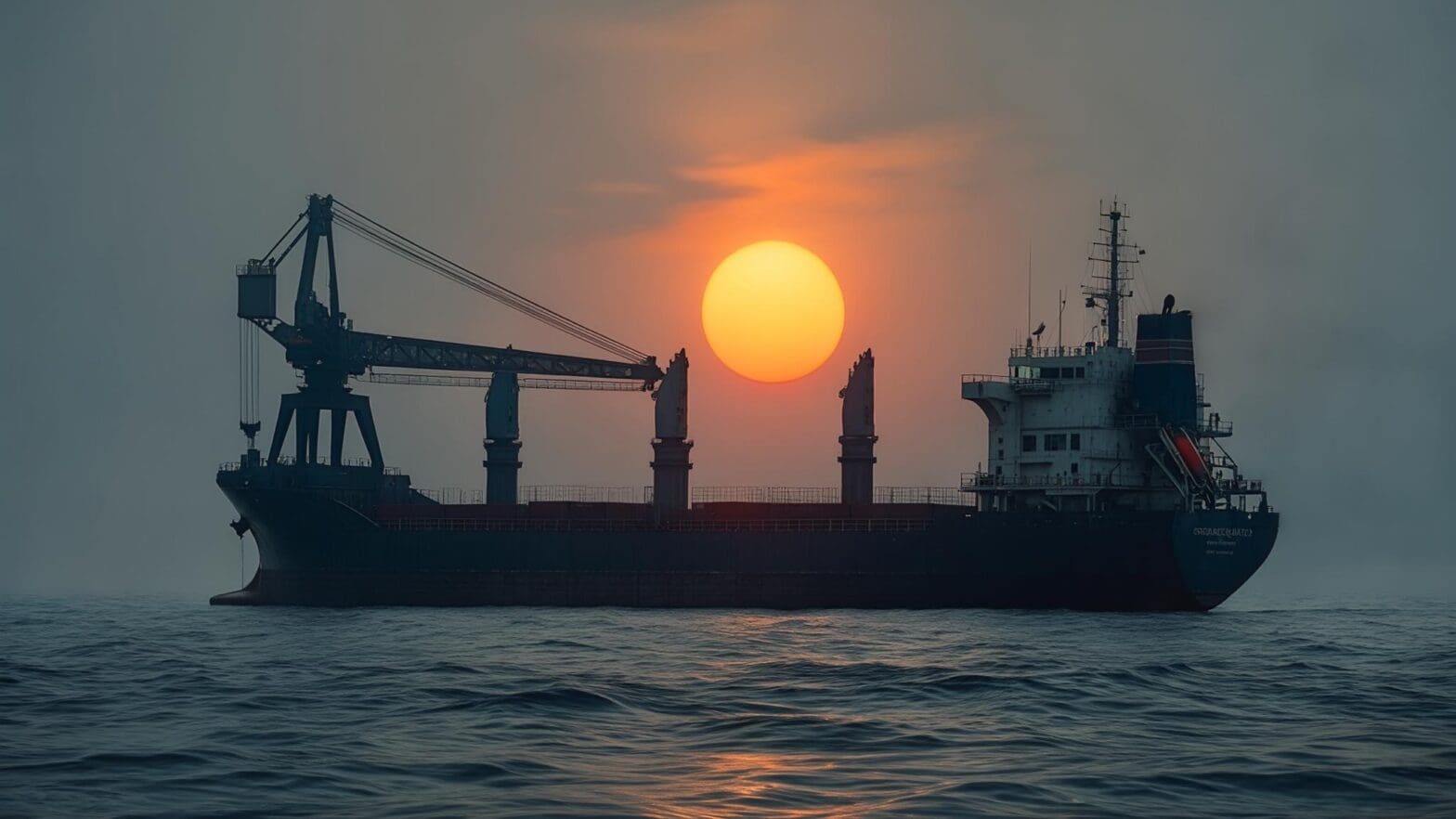
Thinking about working on ships? I get it – the whole process seems like a maze of paperwork and requirements. But here’s the thing: once you know the steps, it’s actually pretty straightforward. From understanding what it takes to get started to mapping out your career path, this guide covers the practical steps, requirements, and opportunities waiting for you in this essential profession. Whether you’re drawn to global travel, solid pay, or the unique lifestyle of working at sea, I’ll walk you through everything you need to know. According to the U.S. Department of Transportation’s Maritime Administration, the U.S. has a shortage of about 1,800 mariners needed for full mobilization during times of war or crisis, creating excellent opportunities for new people entering the field.
Table of Contents
-
Is This Career Actually For You?
-
Getting Your Paperwork and Health Requirements Sorted
-
Choosing Your Training Path (And What Each One Actually Costs)
-
Making Sense of All Those Licenses and Certificates
-
Picking Your Maritime Specialty Before You’re Stuck
-
What the Job Market Actually Looks Like Right Now
-
Your Step-by-Step Action Plan to Get Hired
-
Protecting Your Career Documentation
-
Final Thoughts
TL;DR – The Essential Takeaways
-
You’ll need a high school diploma, clean background check, TWIC card, and Coast Guard medical clearance before you can even start training
-
Training ranges from 4-year maritime academies (expensive but comprehensive) to company apprenticeships (paid while you learn)
-
Think of your Merchant Mariner Credential (MMC) like a driver’s license for ships – different stamps let you do different jobs and earn different paychecks
-
Entry-level positions start around $40-50K annually, but experienced officers can earn $75-150K+ with unique tax advantages
-
The work schedule involves extended time at sea followed by extended time off – it’s not for everyone, but those who love it really love it
-
Job security is solid since international shipping isn’t going anywhere, and there’s always room for advancement if you’re willing to put in the sea time
Is This Career Actually For You?
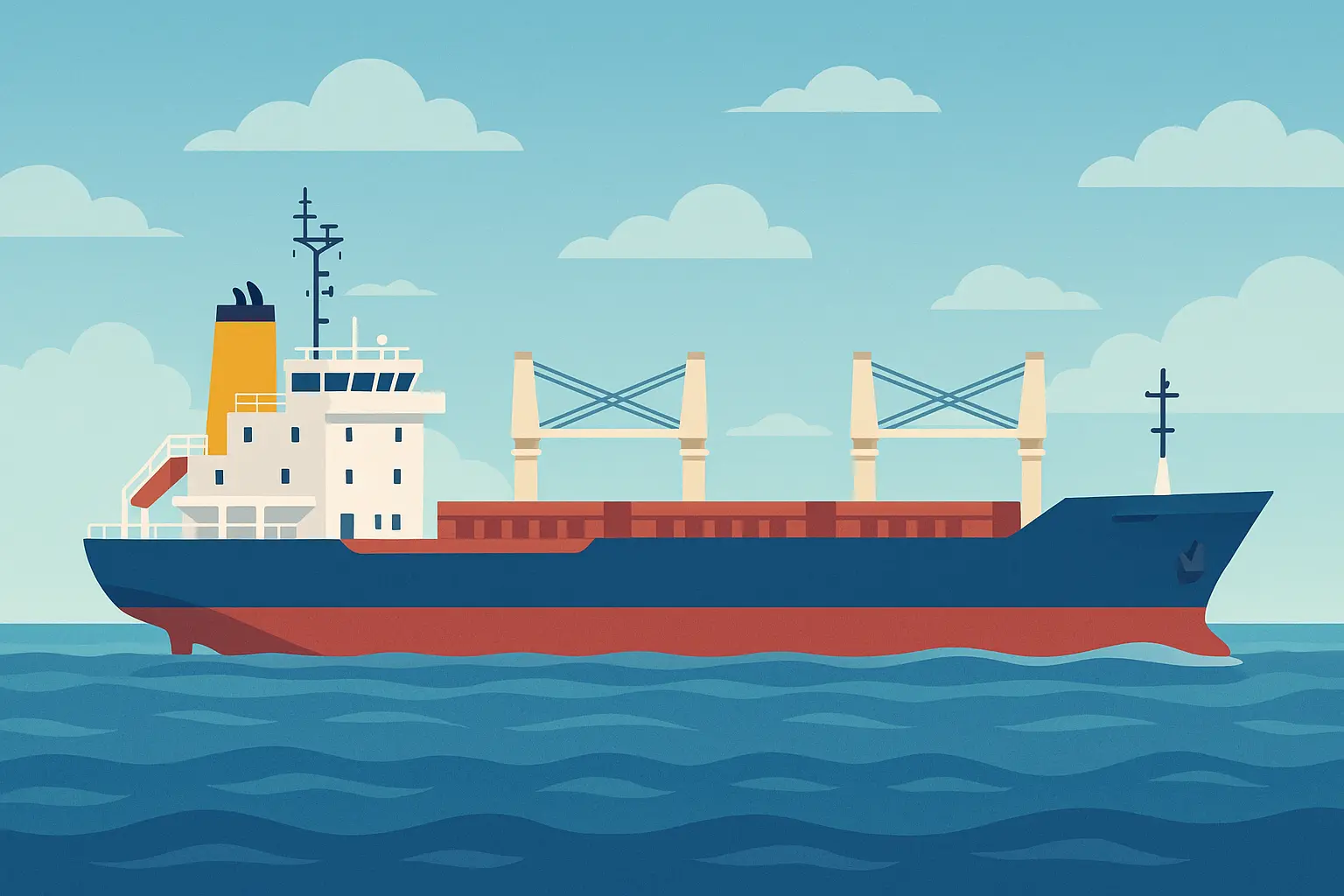
The merchant marine isn’t just about sailing around the world (though that’s definitely part of it). Modern merchant mariners are the backbone of global commerce, operating everything from massive container ships to specialized tankers carrying hazardous materials. You’ll need technical skills, physical stamina, and the ability to follow strict safety protocols while potentially spending months away from home.
This career offers incredible opportunities for those who can handle the demands, but you need to understand exactly what you’re signing up for. The merchant marine operates under strict international regulations, and safety protocols aren’t suggestions – they’re life-or-death requirements that could determine whether you and your crew make it home safely.
Working as a merchant mariner means embracing a lifestyle that most people can’t even imagine. You’ll be part of a small crew responsible for vessels worth millions of dollars, carrying cargo that keeps the global economy running. The responsibility is enormous, but so are the rewards for those who prove they can handle it.
The Reality Check – What This Job Actually Involves
Before you get caught up in the romance of life at sea, let’s talk about what this job actually involves day-to-day. You’ll be working in a highly regulated environment where safety protocols aren’t suggestions – they’re life-or-death requirements. The work can be physically demanding, the hours are long, and you’ll be living in close quarters with the same people for weeks or months at a time.
The isolation factor is real. You can’t just quit and go home if you’re having a bad day when you’re 1,000 miles from the nearest port. Internet connectivity has improved dramatically, but you’re still going to be away from family and friends for extended periods. Some people thrive in this environment and develop incredibly strong bonds with their shipmates. Others discover they’re not cut out for the maritime lifestyle after their first voyage.
But for those who thrive in this environment, the rewards go far beyond just the paycheck. You’ll see parts of the world that most people only dream about, develop skills that are genuinely valuable, and work in an industry that’s essential to global commerce.
The Physical and Mental Demands You Can’t Ignore
Working aboard commercial vessels requires genuine physical fitness and mental resilience. You’ll be standing watch for hours, handling heavy equipment, and potentially dealing with rough seas and extreme weather conditions. During rough weather, this could mean working in 30-foot swells while ensuring safety protocols are followed.
One mariner described it as “being in a moving office building that’s constantly tilting and swaying – you need strong sea legs and an even stronger stomach.” The physical demands vary by position, but even desk jobs aboard ships require more physical capability than typical shore-based work.
Mental resilience matters just as much as physical fitness. You’ll need to stay alert during long watches, make critical decisions under pressure, and maintain professional relationships with people you can’t get away from. The confined living spaces and limited privacy can be challenging for people who aren’t prepared for it.
However, many mariners find this challenging environment incredibly rewarding and develop strong bonds with their shipmates. The shared experience of working at sea creates relationships that often last entire careers.
What Modern Maritime Work Actually Looks Like
Forget the old stereotypes about sailors – today’s merchant mariners work with sophisticated technology, from GPS navigation systems to computerized cargo management. You’ll need to be comfortable with both high-tech equipment and traditional seamanship skills. Modern vessels are essentially floating computers that require operators who understand both the technology and the fundamental principles of seamanship.
The industry has evolved significantly, with modern vessels offering better living conditions and communication systems that help you stay connected with family during long voyages. Most ships now have internet access, though it can be expensive and sometimes unreliable depending on your location.
According to “Military to Mariner: Transitioning to a Rewarding Maritime Career after Service” from DVIDS, the U.S. Coast Guard’s Credentialing Assistance benefit now offers $4,500 per year for eligible service members pursuing merchant mariner credentials, making it easier than ever to transition into this field.
The work itself combines traditional maritime skills with modern technology. You might spend your morning updating electronic charts and your afternoon securing cargo with techniques that haven’t changed much in decades. This blend of old and new keeps the work interesting and ensures that experienced mariners remain valuable even as technology advances.
Getting Your Paperwork and Health Requirements Sorted
The bureaucratic side of becoming a merchant seaman can feel overwhelming, but I’ll break down exactly what you need and when you need it. Think of this phase as building your foundation – without the proper documentation and medical clearances, you can’t move forward with training or employment.
The good news is that most of these requirements are straightforward, though some can take several weeks to process, so planning ahead is essential. The industry takes security and safety seriously, which means thorough background checks and medical evaluations are mandatory.

Medical Clearance – More Than Just a Basic Physical
The Coast Guard medical is no joke. They’ll check your eyes, ears, heart – basically everything. Don’t panic if you wear glasses or take blood pressure meds. Plenty of mariners do. Just be honest about your health history.
They’re looking at your vision, hearing, cardiovascular health, and mental fitness because your health directly impacts not just your safety, but the safety of your entire crew. Many health conditions can be managed with proper documentation and sometimes a waiver process. The key is being honest about your medical history and working with qualified medical examiners who understand merchant marine requirements.
What the Coast Guard Medical Actually Tests
Your medical exam will include comprehensive vision and hearing tests, cardiovascular screening, and evaluation of any chronic conditions you might have. The examiner needs to ensure you can perform essential safety functions such as operating lifeboats, fighting fires, and responding to emergencies.
If you wear glasses or have controlled conditions such as diabetes, you can still qualify – the key is proper documentation and management. Having all your essential documents properly organized before your medical examination will streamline the entire process and prevent delays in your maritime career launch.
Here’s what you’re looking at:
Vision: Need 20/40 with contacts/glasses? You’re good.
Hearing: Basic hearing test – nothing crazy.
Blood pressure: Under 160/100 (controlled high BP usually works)
Diabetes: Controlled blood sugar with physician documentation
Color Vision: Need to distinguish red/green (required for deck officers)
Physical Fitness: Lift 50 lbs, climb stairs – basic functionality test
Getting Through the Background Check Process
The Transportation Worker Identification Credential (TWIC) background check looks at your criminal history, but it’s not necessarily a deal-breaker if you have some issues in your past. They’re primarily concerned with terrorism-related offenses, serious felonies, and recent drug-related convictions.
The process typically takes 2-12 weeks, so start this early. You’ll need to schedule an appointment at an enrollment center and bring specific documentation. Any criminal history doesn’t automatically disqualify you, but lying about it will definitely cause problems.
Be prepared to explain any issues in your background honestly and provide documentation if requested. The review process considers factors such as the nature of the offense, how long ago it occurred, and evidence of rehabilitation.
Choosing Your Training Path (And What Each One Actually Costs)
Here’s where things get interesting – there are several ways to break into the merchant marine, and your choice will significantly impact both your timeline and your wallet. I’ve seen people succeed through every path, from prestigious maritime academies to company-sponsored apprenticeships.
The key is matching your training choice to your financial situation, career goals, and how quickly you want to start earning money. Each path has distinct advantages and drawbacks that you need to understand before committing.
Your training decision will influence your entire career trajectory, so take time to research your options thoroughly. The industry respects competence regardless of how you acquired it, but different training paths open different doors initially.
Maritime Academies – The Traditional (and Expensive) Route
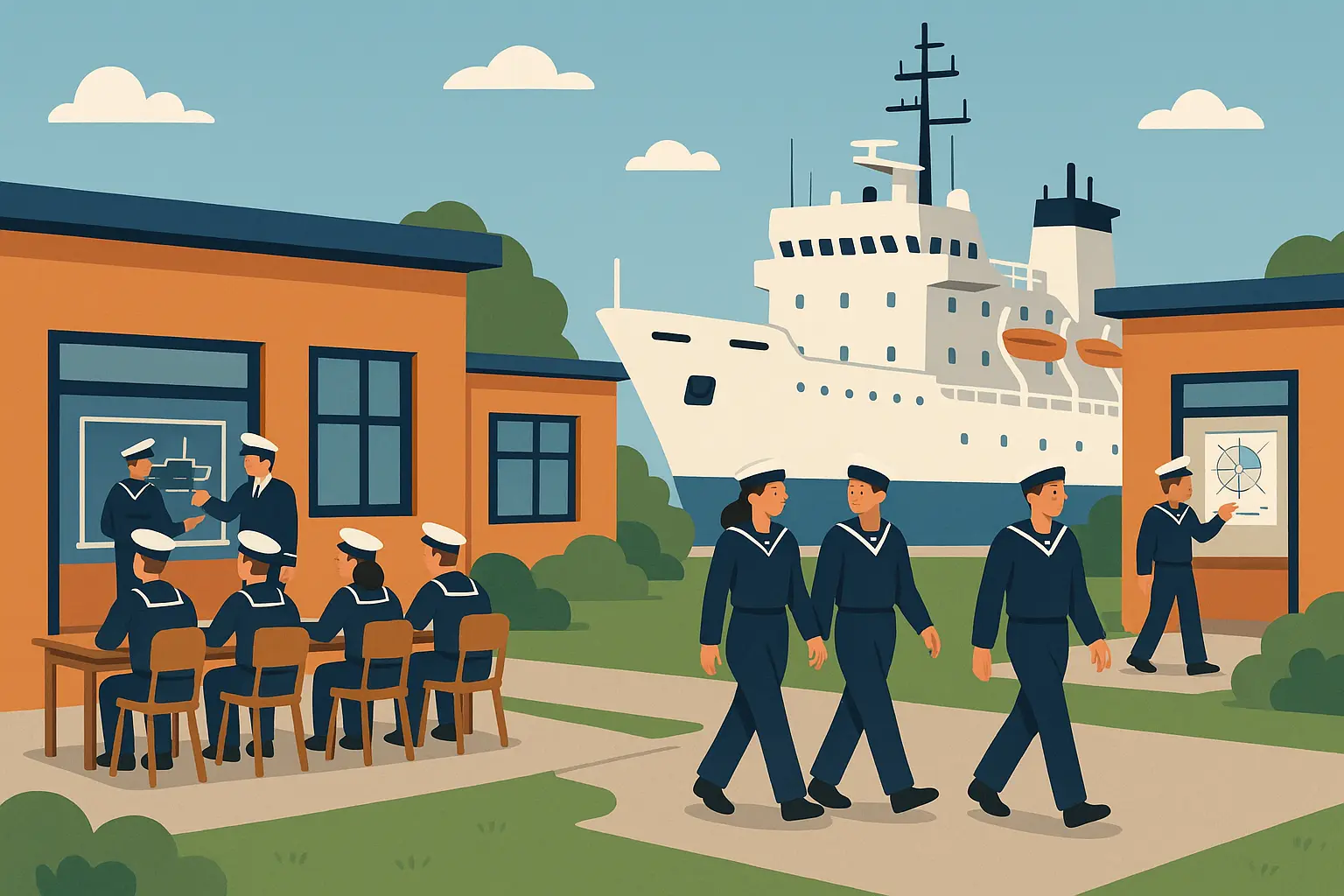
Four-year maritime academies offer the most comprehensive education, combining traditional college coursework with hands-on seamanship training. You’ll graduate with both a bachelor’s degree and officer credentials, but you’re looking at significant tuition costs and four years before you’re earning a full maritime salary.
This path typically leads to faster advancement and higher-paying positions, but it requires a substantial upfront investment. Maritime academy graduates often start as third mates or third engineers rather than working their way up from entry-level positions.
According to “Top 10 Maritime Colleges in the United States” from Marine Insight, institutions such as Maine Maritime Academy take approximately 950 students annually and provide international sea time aboard training vessels, while the Massachusetts Maritime Academy, founded in 1891, remains the second oldest state maritime academy in the U.S.
What You Actually Learn at Maritime School
Maritime academy programs cover everything from navigation and marine engineering to maritime law and business operations. You’ll spend time on training ships, learning to operate actual vessel systems and practicing emergency procedures.
The curriculum is designed to prepare you for officer positions right out of school, which explains why graduates often command higher starting salaries. You’ll study subjects such as celestial navigation, radar operation, cargo handling, and maritime regulations alongside traditional college courses.
The hands-on training component is invaluable. You’ll actually operate ship systems, practice emergency procedures, and gain sea time aboard training vessels. This practical experience gives academy graduates confidence and competence that employers recognize immediately.
The Real Cost Beyond Tuition
Tuition at maritime academies can range from $15,000-40,000 per year, but don’t forget about additional costs such as uniforms, books, and equipment. The total cost for a four-year program can easily exceed $100,000.
Some academies offer work-study programs or have connections with shipping companies that provide financial assistance in exchange for employment commitments after graduation. These programs can significantly reduce your out-of-pocket costs while guaranteeing employment after graduation.
Apprenticeships and Entry-Level Programs – Getting Paid While You Learn
Many shipping companies offer apprenticeship programs that allow you to start earning money immediately while learning the trade. You’ll begin in entry-level positions such as ordinary seaman or wiper, gaining practical experience while working toward your credentials.
This path takes longer to reach officer positions, but you’re earning money from day one and getting real-world experience that can’t be taught in a classroom. The industry has a strong tradition of promoting from within, so dedicated apprentices can advance to senior positions over time.
How Company Apprenticeships Actually Work
Company apprenticeship programs typically start you in entry-level positions with structured advancement opportunities. You’ll work under experienced mariners who serve as mentors, gradually taking on more responsibilities as you gain experience and complete required training modules.
Many companies will pay for your additional training and certification costs as part of the program. This removes the financial barrier that prevents many people from entering the field.
Maersk Line’s apprenticeship program starts new hires as ordinary seamen earning $45,000-$50,000 annually while at sea. After 18 months and completing required coursework, apprentices can advance to able seaman positions with a $10,000-$15,000 salary increase. The company covers all training costs and provides clear advancement pathways to officer positions for dedicated employees.
Community College and Specialized Training Centers
Community colleges and private maritime training facilities offer focused programs that can get you job-ready in months rather than years. These programs typically cost $5,000-15,000 and concentrate on specific skills such as radar operation, firefighting, or basic seamanship.
They’re perfect for getting your foot in the door quickly, though you’ll still need sea time for advancement. Many community college programs have partnerships with local shipping companies that help graduates find employment immediately after completing their training.
Making Sense of All Those Licenses and Certificates
The licensing system for merchant mariners can seem incredibly complex at first, but once you understand the basic structure, it makes perfect sense. Think of your Merchant Mariner Credential (MMC) like a driver’s license for ships – different stamps on it let you do different jobs and earn different paychecks.
Different endorsements on your MMC qualify you for specific positions, from entry-level ratings to ship captain. The endorsement you can obtain depends on your training, sea time, and examination results, so it’s important to understand the progression path for your chosen career track.
The Coast Guard issues these credentials and maintains strict standards for each endorsement level. This system ensures that merchant mariners have the knowledge and experience necessary for their positions, which is why maritime credentials are respected worldwide.

Understanding Your MMC – The Key to Everything
Your Merchant Mariner Credential is issued by the Coast Guard and serves as your primary qualification for working aboard commercial vessels. This document proves that you meet federal requirements for your specific position and have the training necessary to perform your duties safely.
The MMC system replaced the old “Z-card” system and consolidated various maritime documents into a single credential. This streamlined system makes it easier for employers to verify your qualifications and for you to demonstrate your capabilities.
Entry-Level Endorsements That Get You Started
Most people start with endorsements such as Ordinary Seaman (OS) or Wiper, which require minimal sea time but get you working immediately. These positions allow you to gain the experience needed for higher-level endorsements while earning money and learning the ropes.
You’ll need to document your sea time carefully because it’s required for advancement to able seaman and eventually officer positions. The Coast Guard has specific requirements for how sea time must be documented, so keep detailed records from day one.
You’ll start at the bottom, but that’s how everyone does it. Every successful merchant mariner started somewhere, and the experience you gain in these positions forms the foundation for your entire career.
The Officer Track – Where the Real Money Is
Officer endorsements (Third Mate, Second Mate, Chief Mate, and Master) require significant sea time, formal training, and passing comprehensive examinations. The progression typically takes several years, but officer positions offer substantially higher pay and greater responsibility.
Each level requires specific amounts of sea time in lower positions, so advancement follows a predictable timeline if you stay committed. Third Mate positions typically require 360 days of sea time as an able seaman, while Master positions require years of experience as a deck officer.
The examinations for officer positions are comprehensive and cover navigation, seamanship, maritime law, and emergency procedures. Many merchant mariners spend months studying for these exams, but passing them opens doors to significantly higher-paying positions.
STCW Certification – Your International Passport
The Standards of Training, Certification and Watchkeeping (STCW) Convention sets international standards for merchant mariners, an d these certifications are required for working on most commercial vessels. The basic STCW training covers essential safety skills such as survival techniques, firefighting, and first aid. Additional STCW endorsements are required for specific positions and vessel types.
Without STCW certification, you’re essentially locked out of most international maritime employment. This training isn’t just bureaucratic red tape – it’s practical preparation for situations where your life and the lives of your crewmates depend on your ability to respond correctly under extreme pressure.
Basic STCW Training – What You’ll Actually Do
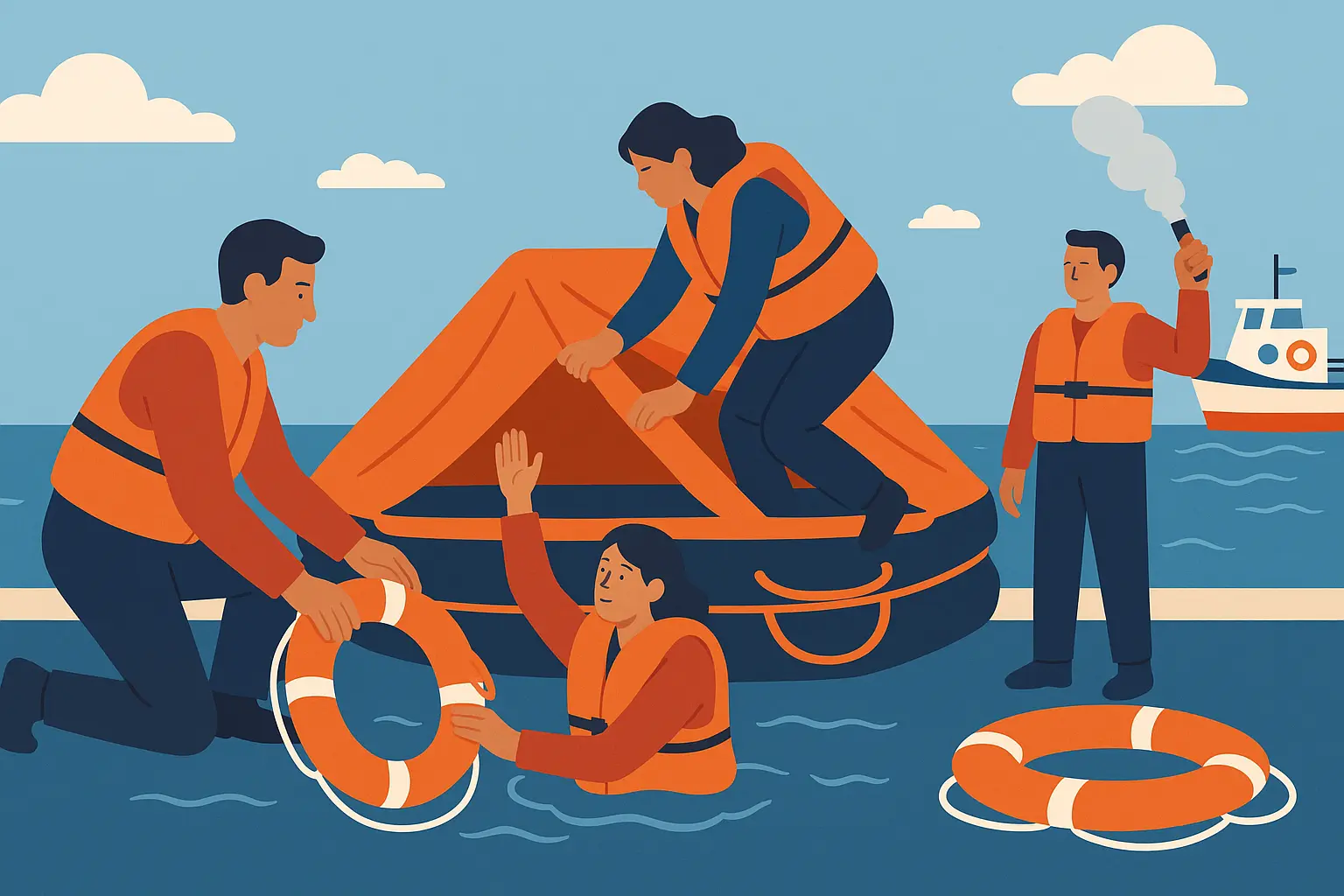
STCW training costs about $2,000 and takes a week. Yeah, it’s expensive, but every ship job requires it. The course covers personal survival techniques, fire prevention and firefighting, elementary first aid, and personal safety and social responsibilities. You’ll practice launching lifeboats, fighting actual fires, and performing CPR.
The training is hands-on and realistic. You’ll jump into pools wearing survival suits, crawl through smoke-filled compartments, and practice using firefighting equipment on real fires. It’s physically demanding training that could literally save your life or someone else’s, so take it seriously.
Most training centers use realistic simulators and actual emergency equipment to ensure you’re prepared for real emergencies. The instructors are typically experienced mariners who’ve dealt with actual emergencies at sea, so their stories and advice are invaluable.
Picking Your Maritime Specialty Before You’re Stuck
The merchant marine offers more career paths than most people realize, and your choice of specialty will significantly impact your daily work experience, earning potential, and lifestyle. Some mariners love the fast-paced world of container shipping, while others prefer the technical challenges of tanker operations or the customer service aspects of cruise work.
Understanding these differences early helps you make informed decisions about training and career development. Once you’ve established yourself in one specialty, switching to another often requires additional training and starting over at entry-level positions.
Deck Department – The Traditional Maritime Path
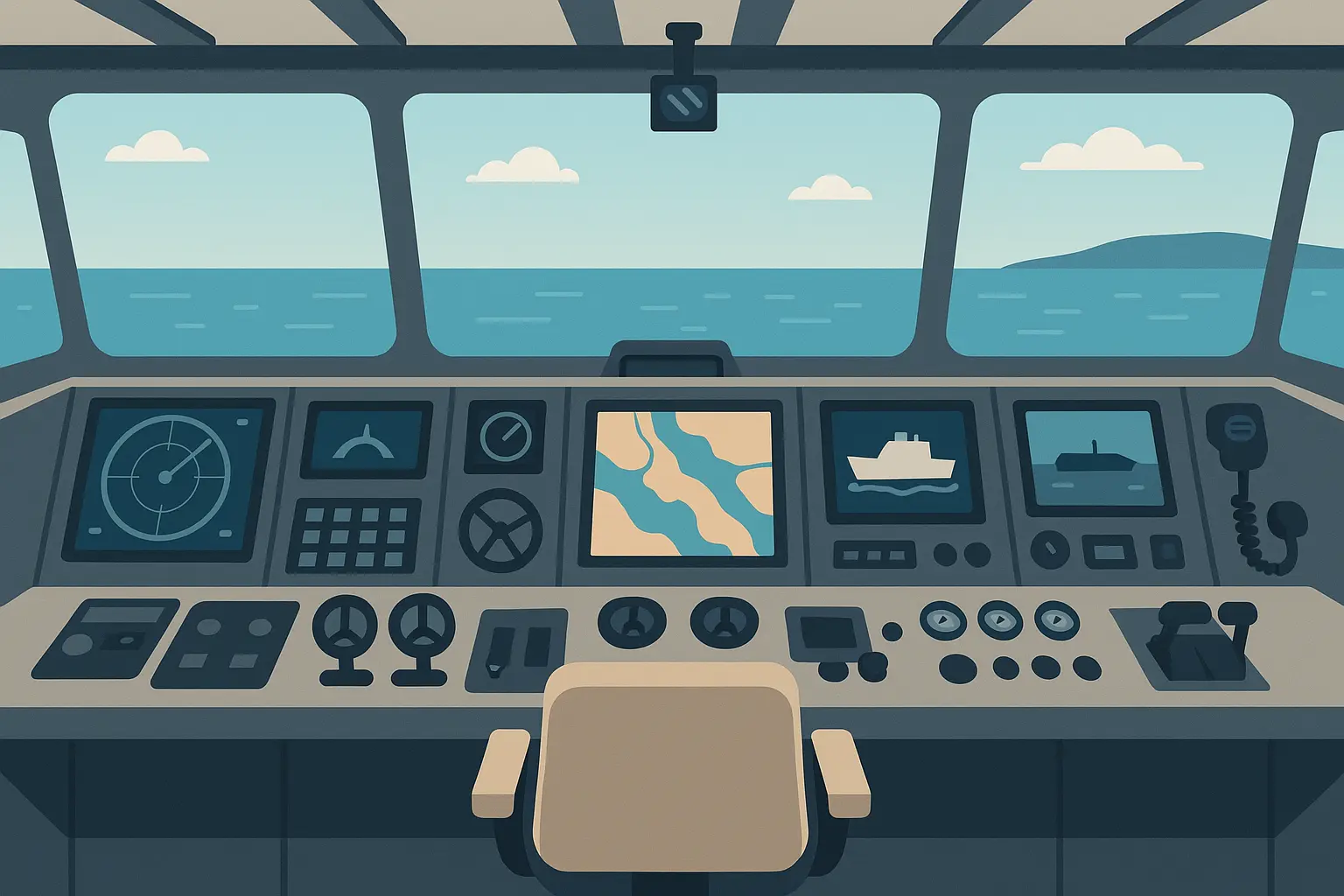
Deck department personnel handle navigation, cargo operations, and general vessel maintenance. This is what most people think of when they picture maritime careers – you’ll be involved in steering the ship, managing cargo loading and unloading, and maintaining the vessel’s exterior systems.
The advancement path is clear, progressing from ordinary seaman to able seaman, then through the officer ranks to potentially becoming a ship captain. Deck work combines traditional seamanship with modern technology, requiring both physical capability and technical knowledge.
Starting Out – Ordinary and Able Seaman Positions
Entry-level deck positions involve a lot of maintenance work, cargo handling, and standing watch. You’ll be painting, cleaning, operating cargo equipment, and learning navigation basics. It might not sound glamorous, but this hands-on experience is invaluable for understanding how ships actually work.
Standing watch means being responsible for the safety of the vessel and crew during your assigned hours. Even as an ordinary seaman, you’ll be learning to use radar, GPS, and other navigation equipment while gaining the sea time needed for advancement.
You’re gaining the sea time needed for advancement while earning a steady paycheck. The work teaches you the fundamentals of seamanship that you’ll use throughout your entire maritime career, regardless of how high you advance.
The Officer Track – Navigation and Command
Deck officers are responsible for navigation, cargo operations, and overall vessel safety. As you advance through Third Mate, Second Mate, and Chief Mate positions, you’ll take on increasing responsibility for ship operations.
Third Mates typically handle cargo operations and stand navigation watches under supervision. Second Mates are responsible for navigation equipment and chart corrections. Chief Mates oversee all deck operations and serve as the Captain’s primary assistant.
The ultimate goal for many deck officers is earning a Master’s license, which qualifies you to serve as ship captain – a position that commands significant respect and compensation. Ship captains are ultimately responsible for everything that happens aboard their vessels, making it one of the most challenging and rewarding positions in the industry.
Engineering Department – The Technical Side of Maritime
Marine engineers keep the complex mechanical systems running that power modern vessels. If you enjoy working with machinery and solving technical problems, the engineering track might be perfect for you.
The work is more specialized than deck operations, often leading to higher pay and more stable employment, since every vessel needs qualified engineers regardless of cargo type or route. Engineering positions also tend to have better job security because the skills are highly specialized and in constant demand.
Engine Room Basics – Where Everyone Starts
Entry-level engineering positions such as Wiper and Oiler involve maintaining machinery under supervision while learning the systems. You’ll be changing oil, cleaning equipment, and assisting licensed engineers with repairs and maintenance.
The work can be hot and dirty, but you’re learning skills that are in high demand throughout the industry. Engine rooms are complex environments with multiple systems that require constant attention and maintenance.
Modern engine rooms are highly automated, but they still require skilled personnel to monitor systems, perform maintenance, and respond to problems. The combination of traditional mechanical skills and modern computer-controlled systems makes marine engineering an intellectually challenging field.
Licensed Engineer Positions – The Real Technical Work
Licensed marine engineers hold credentials for specific horsepower ratings and are responsible for operating and maintaining propulsion and auxiliary systems. The progression through Third Engineer, Second Engineer, and Chief Engineer positions involves increasing responsibility for vessel mechanical systems.
Third Engineers typically handle auxiliary systems and stand engine room watches. Second Engineers are responsible for specific systems and assist with major maintenance. Chief Engineers oversee all engineering operations and are responsible for the vessel’s mechanical reliability.
Chief Engineers often earn as much as ship captains and have excellent job security. Their expertise is essential for vessel operations, and experienced chief engineers are highly sought after by shipping companies worldwide.

Specialized Roles – Beyond Traditional Departments
Modern vessels require specialists in areas such as communications, medical care, and specialized cargo handling. These positions often require additional training beyond basic maritime credentials, but they can offer unique career opportunities and sometimes better work-life balance than traditional seagoing positions.
Communications and Electronics – The High-Tech Side
Radio officers and electronics technicians maintain the sophisticated communication and navigation equipment that modern vessels depend on. This work requires additional technical training, but it’s often less physically demanding than traditional maritime roles and offers opportunities to work with cutting-edge technology.
Modern vessels rely heavily on satellite communications, GPS navigation, and computerized systems that require specialized knowledge to maintain and repair. Electronics specialists are essential for keeping these systems operational during long voyages.
What the Job Market Actually Looks Like Right Now
The maritime job market is more stable than many industries, but it’s not immune to economic fluctuations and industry changes. Right now, there’s strong demand for qualified mariners, particularly in specialized sectors such as tanker operations and offshore energy support.
However, the industry is also evolving with new technology and environmental regulations, creating both challenges and opportunities for new entrants. The merchant marine continues to be essential for global commerce, ensuring steady demand for qualified personnel.
Understanding current market conditions helps you make strategic decisions about specialization and career planning. Some sectors offer better opportunities than others, and knowing where demand is strongest can guide your training choices.
Where the Jobs Actually Are
Different maritime sectors offer varying levels of opportunity and job security. Container shipping remains the largest employer, but specialized sectors such as chemical tankers, offshore supply vessels, and cruise operations often offer better pay and working conditions.
Understanding where demand is strongest helps you make strategic decisions about training and career focus. The industry includes everything from massive container ships to specialized research vessels, each with different requirements and opportunities.
Commercial Cargo – The Bread and Butter
Container ships, bulk carriers, and general cargo vessels handle the majority of international trade and offer the most entry-level opportunities. The work is steady and predictable, with established routes and procedures.
While it might not be the most exciting maritime work, it provides solid employment and clear advancement opportunities. Commercial cargo operations are the foundation of the industry and offer the most stable career paths.
The schedules are typically regular, with vessels following established routes between major ports. This predictability makes it easier to plan your personal life around your maritime career.
Specialized Vessels – Higher Pay, Higher Requirements
Tanker operations, offshore supply vessels, and heavy-lift ships require additional training and certifications, but they typically offer higher compensation and more interesting technical challenges. These positions often have better crew-to-passenger ratios and more modern equipment.
Tanker work requires specialized training in handling hazardous materials and following strict safety protocols. The additional requirements mean higher pay and better job security for qualified personnel.
Offshore supply vessels support oil and gas operations and often work on rotating schedules that provide more time at home between assignments. The work can be more varied and interesting than traditional cargo operations.
Compensation Reality Check – What You’ll Actually Earn
Maritime salaries vary significantly based on position, vessel type, and company, but they’re generally competitive with shore-based careers when you factor in the unique benefits. Entry-level positions start around $40-50K annually, while experienced officers can earn $75-150K or more.
The tax advantages for time spent in international waters can significantly increase your take-home pay. According to Bureau of Labor Statistics May 2018 estimates, water transportation workers earn an average of $66,040 annually, with ship engineers averaging $75,710 annually, and ship captains, mates and pilots averaging $82,380 annually.
|
Position Level |
Annual Salary Range |
Sea Time Required |
Typical Schedule |
|---|---|---|---|
|
Ordinary Seaman |
$40,000-$50,000 |
0-6 months |
4 months on/2 months off |
|
Able Seaman |
$50,000-$65,000 |
6-18 months |
4 months on/2 months off |
|
Third Mate |
$65,000-$85,000 |
12-36 months |
3 months on/3 months off |
|
Second Mate |
$75,000-$95,000 |
24-48 months |
3 months on/3 months off |
|
Chief Mate |
$90,000-$120,000 |
36-60 months |
3 months on/3 months off |
|
Master/Captain |
$120,000-$200,000+ |
60+ months |
3 months on/3 months off |
Entry-Level Expectations vs. Reality
Starting salaries might seem modest, but remember that your room and board are provided while at sea, and you’re typically working a rotation schedule that gives you extended time off. When you calculate your effective hourly wage and consider the reduced living expenses, entry-level maritime positions often compare favorably to shore jobs requiring similar qualifications.
The rotation schedule means you’re essentially working half the year while earning a full-time salary. During your time off, you have no work responsibilities and can pursue other interests or spend extended time with family.
The Officer Premium – Where the Real Money Is
Officer positions command significantly higher salaries, often $75-150K annually or more for senior positions. Ship captains and chief engineers can earn $200K+ on some vessels.
The combination of high base salaries, overtime opportunities, and tax advantages makes officer positions extremely attractive financially. Many officers earn more than their shore-based counterparts while working fewer total days per year.
Your Step-by-Step Action Plan to Get Hired
Now that you understand the industry and requirements, let’s create a practical timeline for actually breaking into the merchant marine. This isn’t a process you can rush – there are mandatory waiting periods for background checks and medical certifications, plus training requirements that take time to complete.
However, with proper planning, you can be working aboard vessels within 6-12 months of starting the process. The key is understanding which steps can be done simultaneously and which must be completed in sequence.
Success in breaking into the merchant marine comes down to preparation and persistence. The industry needs qualified people, but you need to prove you’re serious about the career by completing all requirements properly.

Phase One – Getting Your Ducks in a Row (Months 1-3)
The first phase is all about paperwork and meeting basic requirements. Start by gathering essential documents such as your birth certificate, Social Security card, and passport (or apply for one if you don’t have it). Apply for your TWIC card immediately since this can take 2-12 weeks to process.
Schedule your Coast Guard medical examination with an approved physician – don’t wait on this since some medical issues might require additional documentation or waivers. Getting these foundational requirements completed early prevents delays later in the process.
Document Gathering – The Boring but Essential Stuff
You’ll need certified copies of your birth certificate, Social Security card, and any name change documents. If you don’t have a passport, apply for one now since many maritime positions require it.
Gather transcripts from high school or college, and if you have any military service records, get those organized too. Having everything ready speeds up later application processes significantly. If you need to obtain a copy of your high school diploma or transcripts for your maritime applications, starting this process early prevents delays in your career timeline.
Essential Documents Checklist:
– Certified birth certificate
– Social Security card
– Valid passport or passport application
– High school diploma/transcripts
– College transcripts (if applicable)
– Military service records (if applicable)
– Driver’s license
– Any name change documents
TWIC Application – Your Security Clearance
The Transportation Worker Identification Credential application requires an in-person appointment at an enrollment center. Bring all required documents and be prepared to answer questions about your background honestly.
Any criminal history doesn’t automatically disqualify you, but lying about it will. The background check looks primarily at terrorism-related offenses and serious crimes. Most minor offenses won’t prevent you from getting your TWIC card, but you need to be upfront about your history.
Phase Two – Training and Certification (Months 3-12)
Got your medical sorted? Time to figure out how you want to learn this stuff. This phase varies significantly depending on whether you choose a maritime academy, community college program, or company apprenticeship.
Regardless of your path, you’ll need to complete STCW basic safety training before you can work aboard most commercial vessels. This training is mandatory and provides essential safety skills that could save your life.
STCW Basic Training – Your Safety Foundation
Basic STCW training is mandatory for virtually all maritime positions and covers personal survival techniques, fire prevention and firefighting, elementary first aid, and personal safety responsibilities. The course typically takes 5-7 days and costs $1,500-2,500.
You’ll get hands-on experience with lifeboats, firefighting equipment, and emergency procedures that could save lives. The training is intensive and physically demanding, but it’s essential preparation for working at sea.
Don’t try to cut corners on STCW training by choosing the cheapest option. Quality training centers provide better instruction and more realistic practice scenarios that will serve you well in actual emergencies.
Choosing Your Training Program Strategically
Research training programs carefully, considering factors such as cost, duration, job placement assistance, and industry connections. Maritime academies offer the most comprehensive education but require significant time and money.
Community college programs provide focused training in 6-18 months. Company apprenticeships allow you to earn while learning but may limit your initial opportunities. Each path has advantages depending on your situation and goals.
Phase Three – Getting Your MMC and First Job (Months 6-18)
With training completed and sea time requirements met (even if minimal for entry-level positions), you can apply for your Merchant Mariner Credential. The application process takes 4-8 weeks, so plan accordingly.
While waiting for your MMC, start networking with maritime companies and applying for positions that match your qualifications. The industry relies heavily on personal connections and referrals, so building relationships is crucial.
MMC Application Process – Navigating the Bureaucracy
Submit your MMC application to the nearest Coast Guard Regional Examination Center with all required documentation, fees, and proof of training completion. Double-check everything before submitting since errors can delay processing significantly.
Consider applying for multiple endorsements if you qualify – it gives you more job options. The application fees are the same whether you apply for one endorsement or several, so maximize your opportunities.
Job Hunting Strategies That Actually Work
Maritime job hunting is different from typical employment searches. Many positions are filled through industry connections and word-of-mouth referrals. Attend maritime job fairs, join professional organizations, and connect with classmates and instructors who have industry contacts.
Don’t overlook smaller shipping companies – they often provide better training opportunities and faster advancement. Sarah Miller started her maritime career by attending a job fair in Houston where she met recruiters from three different shipping companies. She landed an entry-level position with Crowley Maritime within two weeks of the fair, largely because she had already completed her STCW training and could start immediately. The company’s recruiter told her that being “job-ready” with all certifications in hand made her stand out from other candidates.

Protecting Your Career Documentation
Here’s something most people don’t think about until it’s too late – protecting your important documents during a maritime career. You’ll be traveling internationally, living in cramped quarters, and potentially dealing with extreme weather conditions that can damage or destroy paperwork.
Losing your educational credentials or certifications while at sea can create serious problems for career advancement and job applications. The maritime lifestyle creates unique risks for important paperwork that shore-based workers never face.
Why Document Protection Matters More at Sea
Maritime careers create unique risks for important paperwork that shore-based workers never face. You might be away from home for months at a time, living in shared quarters where theft can occur, or dealing with flooding, fire, or other emergencies that destroy personal belongings.
Having backup copies of critical documents isn’t just smart – it’s essential for protecting your career investment. I’ve seen mariners miss promotion opportunities because they couldn’t provide required documentation while at sea.
The confined living spaces aboard ships mean you can’t store large amounts of paperwork safely. Salt air, humidity, and temperature fluctuations can damage documents even when they’re properly stored.
The ValidGrad Solution for Maritime Professionals
ValidGrad’s diploma replacement services offer an ideal solution for merchant mariners who need reliable backup copies of their educational credentials. Whether you’ve lost documents during deployment, need copies for job applications while at sea, or simply want to keep originals safely stored at home, ValidGrad provides high-quality replica diplomas that look professional and serve as excellent backup documentation.
For mariners who need replacement diplomas due to damage from sea conditions or international travel, having professional backup copies ensures your career advancement isn’t delayed by missing documentation.
This service is particularly valuable when you’re applying for advanced training programs or officer positions that require verification of your educational background. Instead of risking your original diploma during the application process, you can submit professional-looking copies while keeping your irreplaceable originals secure.
Document Protection Strategy:
– Scan all certificates and credentials to cloud storage
– Keep physical copies in waterproof containers
– Store originals in secure location at home
– Carry certified copies while traveling
– Use professional replica services for applications
– Update digital backups after each certification renewal
Final Thoughts
Breaking into the merchant marine isn’t the easiest career path, but it’s one of the most rewarding for people who are suited to it. The combination of good pay, job security, travel opportunities, and clear advancement paths makes it an attractive option for those willing to meet the requirements and handle the unique lifestyle demands.
Success in this industry comes down to proper preparation, choosing the right training path for your situation, and staying committed through the initial learning curve. The merchant marine needs qualified people, and there are genuine opportunities for those willing to put in the work.
Don’t let the bureaucratic requirements discourage you – every successful merchant mariner has navigated the same process you’re facing. Focus on one step at a time, get your documentation in order early, and choose training that aligns with your career goals and financial situation.
Understanding the specific careers that don’t require a college diploma can help you appreciate why the merchant marine offers such excellent opportunities for those willing to complete the necessary maritime training and certification requirements.
Remember that this career path offers something increasingly rare in today’s economy – the ability to earn a solid living without a four-year degree, combined with real job security and advancement opportunities based on merit and experience rather than office politics. If you’re drawn to the maritime lifestyle and willing to meet the industry’s standards, there’s a place for you in the merchant marines.
Take the first step by gathering your documents and researching training options in your area. The sooner you start the process, the sooner you’ll be earning money doing work that actually matters to the global economy. And don’t forget to protect your educational investments with proper documentation backup – your future self will thank you when you need those credentials for the next step in your maritime career.