
The American Heart Association’s network of authorized Training Centers and Instructors represents a vast professional infrastructure that most aspiring instructors never fully understand or leverage. Our network of authorized AHA Training Centers and Instructors offer in-person classroom training and skills sessions American Heart Association, highlighting the extensive support system available to those who know how to access it strategically.
Table of Contents
- The Mental Game: Why BLS Instruction Changes Everything About Your Career
- Building Your Instructor Identity (And Why It’s More Powerful Than You Think)
- The Money Side: Revenue Streams You Didn’t Know Existed
- Tech Integration: Staying Ahead of the Digital Curve
- Your Strategic Path to Certification Success
- Market Positioning: Standing Out in a Crowded Field
- Running Your BLS Business Like a Pro
- Protecting Your Professional Future
TL;DR
- Becoming a BLS instructor isn’t just about teaching CPR – it’s a complete psychological transformation that builds “mastery confidence” unlike any other certification
- The real money isn’t in individual students ($50-100 each) but in corporate contracts that can generate $5,000-$15,000 annually per client
- Your relationship with AHA regional coordinators is your most underutilized asset for accessing exclusive opportunities and insider knowledge
- Specializing in specific populations (healthcare workers, corporate clients, special needs groups) commands premium pricing and reduces competition
- Professional liability insurance designed for medical educators is non-negotiable – you’re teaching life-saving skills with unique legal exposures
- Hybrid learning models combining online theory with hands-on practice are the future – master this integration now to stay competitive
- Documentation of your educational background becomes crucial when bidding on corporate contracts or expanding into related safety training fields
The Mental Game: Why BLS Instruction Changes Everything About Your Career
When I first started exploring how to become a BLS instructor, I had no idea I was signing up for a complete identity overhaul. Most people think this certification is about learning to teach CPR techniques, but that’s missing the bigger picture entirely.
The transformation happens at a psychological level that goes far beyond technical skills. You develop what researchers call “mastery confidence” – a unique form of self-assurance that comes from knowing you can literally save lives. This isn’t your typical professional confidence that comes from mastering spreadsheets or giving presentations. We’re talking about the kind of confidence that emerges when you know you can remain calm while someone’s heart stops beating in front of you.
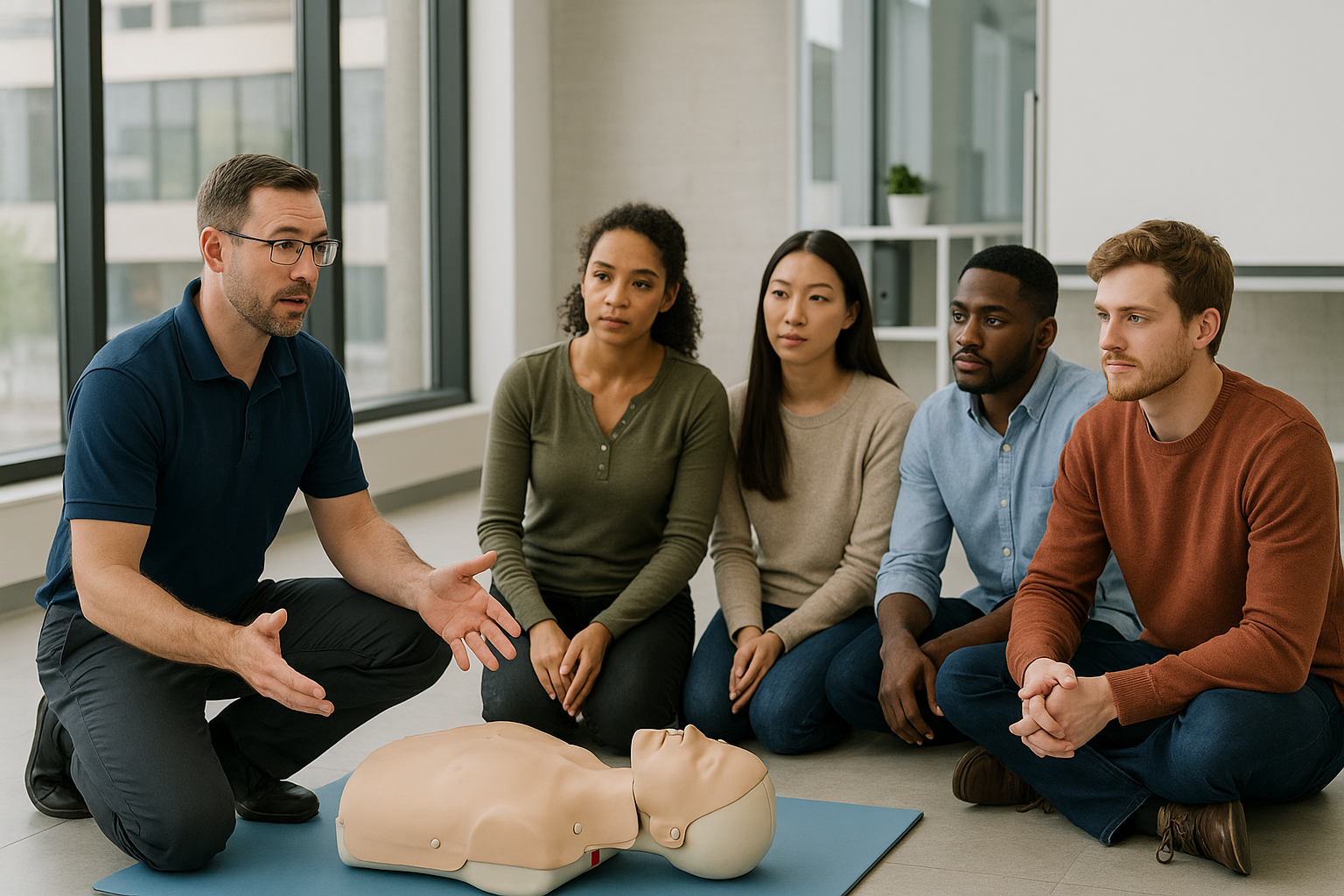
This psychological shift doesn’t stay confined to your teaching sessions. I’ve watched it transform how instructors handle workplace stress, make decisions under pressure, and present themselves in professional settings. When you’ve trained to manage life-or-death situations, quarterly budget meetings suddenly feel manageable.
From Student to Life-Saver: The Identity Revolution
The moment you transition from learning BLS to teaching it, you cross a threshold that changes how you see yourself professionally. You’re no longer just someone with a certification – you become someone others turn to in emergencies. This shift affects every professional interaction you have moving forward.
I remember talking to Maria, a corporate trainer who earned her instructor certification three years ago. She told me about walking into a client meeting where someone collapsed from a heart attack. While everyone else panicked, she immediately took charge, performed CPR, and saved the person’s life. That incident didn’t just make her a hero – it fundamentally changed how her clients viewed her expertise and leadership capabilities.
The Confidence That Actually Matters
Mastery confidence operates differently than regular professional confidence because it’s rooted in life-or-death competency. When you know you can perform effective chest compressions at 100-120 beats per minute while managing an airway and coordinating with emergency responders, other professional challenges feel less intimidating.
Sarah, a corporate trainer I know, noticed immediate changes in her professional demeanor after becoming certified. “During high-stress client presentations, I found myself naturally calmer and more decisive. When you’ve trained to handle cardiac emergencies, quarterly budget meetings don’t seem quite as intimidating,” she explains. Her confidence translated into a 30% increase in client retention and two promotions within 18 months of earning her instructor certification.
This confidence shows up in unexpected ways. You start speaking with more authority in meetings. You make decisions faster. You handle conflict more effectively. The skills you develop for emergency situations – clear communication, quick assessment, decisive action – become part of your professional toolkit.
Instant Authority in Any Room
BLS instructors occupy a unique position in professional hierarchies because they’re authorized to certify others in life-saving skills. This creates immediate credibility when networking in healthcare facilities, corporate wellness programs, and community safety initiatives.
Your certification becomes a conversation starter that opens doors you never expected. I’ve seen instructors land consulting opportunities, speaking engagements, and leadership roles simply because their BLS expertise demonstrated their commitment to safety and preparedness.
The authority extends beyond healthcare settings too. Corporate executives respect professionals who take initiative in emergency preparedness. School administrators value staff members who can handle medical emergencies. Community organizations seek leaders who bring practical life-saving skills to their programs.
Understanding Real Responsibility
Teaching life-saving skills comes with legal and ethical responsibilities that most other educators never face. This awareness of liability and the weight of your instruction creates a business acumen that extends far beyond CPR training.
You develop heightened attention to detail because you know your students might use these skills to save someone’s life. You become meticulous about documentation because you understand the legal implications. You focus intensely on quality control because substandard training could have fatal consequences.
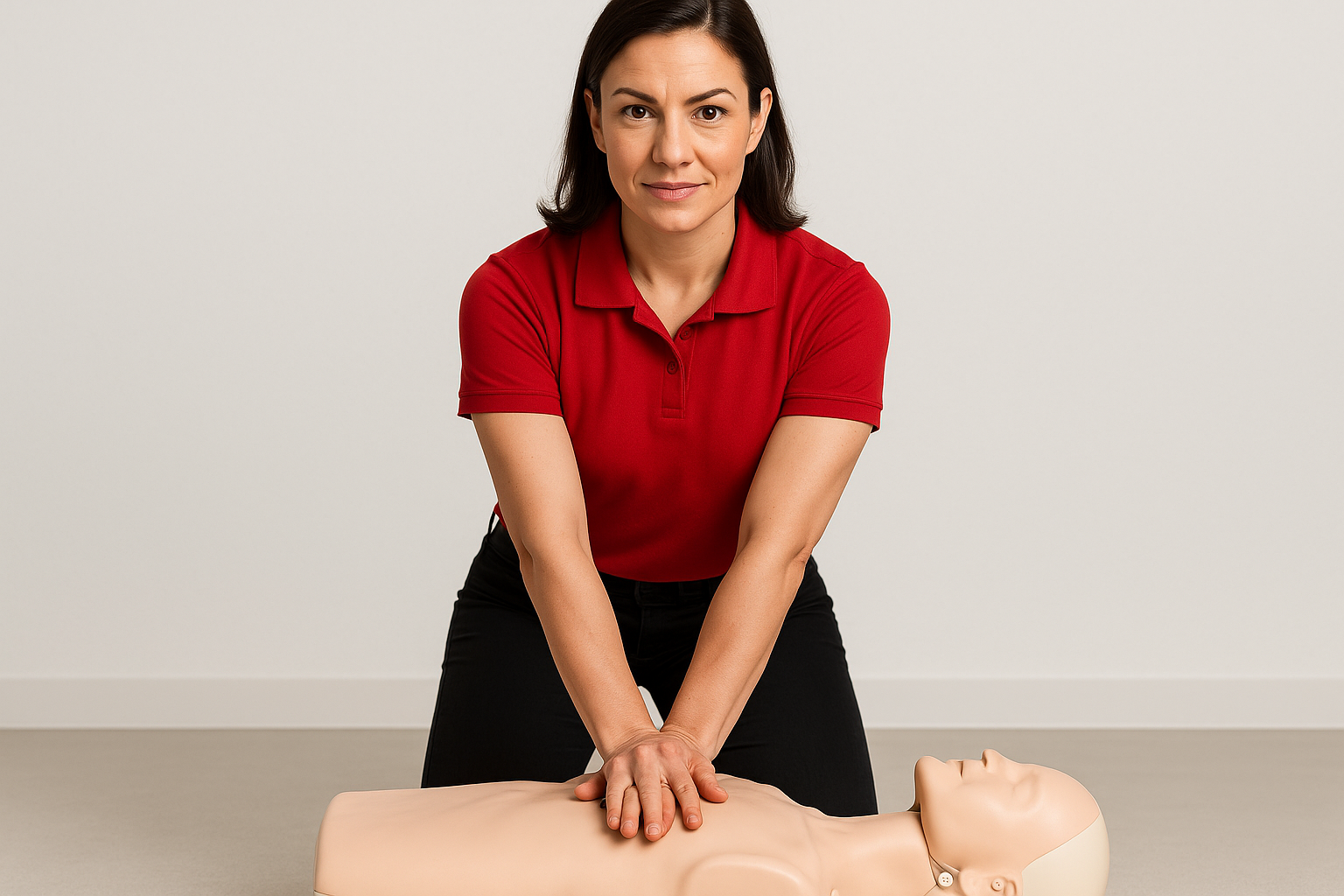
This responsibility mindset makes you valuable in any professional setting. Employers recognize that someone who takes life-saving instruction seriously will bring the same level of care and attention to other important responsibilities.
Building Your Instructor Identity (And Why It’s More Powerful Than You Think)
Your instructor identity becomes a powerful professional asset when you understand how to leverage it strategically. I’ve watched too many new instructors think of themselves as just someone who teaches CPR, completely missing the broader opportunities available to them.
The key is recognizing that when you become a CPR instructor, you’re positioning yourself as a specialist in crisis management, adult education, and emergency preparedness. This broader perspective opens up revenue streams and career opportunities that most new instructors completely overlook.
The growing emphasis on workplace safety and emergency preparedness has created unprecedented demand for qualified instructors. February is Heart Month. The goal is to empower people to take care of their heart health and reduce their risk of heart disease, which is the leading cause of death for both men and women TMJ4 News, demonstrating how public health initiatives create ongoing opportunities for BLS instructors to expand their impact and income.
The Corporate Wellness Goldmine Nobody Talks About
Most new instructors focus on individual certifications at $50-100 per student, but that’s thinking small. The real money lies in corporate contracts, and I’m talking about contracts that can generate $5,000-$15,000 annually compared to the small fees from individual students.
Companies increasingly need certified staff, especially in manufacturing, healthcare support, and customer service industries. The corporate wellness market is worth $15 billion, and BLS training represents a growing segment as companies prioritize employee safety and regulatory compliance.
Understanding the business side of certification training is crucial for success. Professional development in specialized fields often requires business certification to establish credibility with corporate clients and demonstrate your commitment to professional excellence.
Here’s what the revenue breakdown actually looks like:
| Revenue Stream | Individual Rate | Annual Potential | Time Investment | Profit Margin |
|---|---|---|---|---|
| Individual Certifications | $50-100 | $2,000-5,000 | High | Low |
| Corporate Contracts | $2,000-5,000 | $10,000-25,000 | Medium | High |
| Specialized Training | $150-300 | $8,000-15,000 | Medium | Very High |
| Consulting Services | $100-200/hour | $15,000-40,000 | Low | Highest |
Finding Your Corporate Sweet Spot
Different industries have different training needs, and understanding these nuances allows you to position yourself as more than just another instructor. Manufacturing facilities often need specialized training that addresses workplace-specific scenarios. Healthcare support companies require training that goes beyond basic BLS to include advanced techniques.
I know an instructor who specializes in training for senior living facilities. She developed scenarios specific to elderly patients, incorporated fall prevention techniques, and created protocols for working with residents who have cognitive impairments. This specialization allowed her to charge $200 per student instead of the standard $75, and she maintains contracts with twelve facilities in her area.
The Subscription Model Revolution
Smart instructors are moving beyond one-time training sessions to create recurring revenue through ongoing compliance training and recertification management services. This approach provides predictable income while building deeper relationships with corporate clients.
You become their go-to expert for all emergency preparedness needs. Instead of just calling you every two years for recertification, they rely on you for policy updates, equipment recommendations, and staff training on new protocols. This relationship-based approach can triple your annual revenue from each corporate client.
Niche Markets That Pay Premium Rates
While everyone fights over the same general market, huge opportunities exist in specialized populations that most instructors ignore. Fitness instructors, childcare providers, senior living facilities, and other specific groups have unique training needs and are willing to pay premium rates for instructors who understand their particular challenges.
These niche markets often have less competition and higher profit margins than general BLS instruction. The key is developing expertise that’s difficult for other instructors to replicate.
Healthcare Workers: The Premium Market
Healthcare workers need BLS certification for licensure renewal, but they also require training that goes beyond basic requirements. They need scenario-based training that reflects real clinical situations, advanced airway management techniques, and team-based resuscitation protocols.
This specialized knowledge commands higher fees and creates opportunities for ongoing consulting relationships with medical facilities. I’ve seen instructors develop partnerships with hospitals where they provide monthly skills refreshers, participate in code blue debriefings, and help develop facility-specific protocols.
The healthcare market pays premium rates because they understand the value of high-quality training. A nurse whose BLS skills are sharp could mean the difference between life and death for their patients, so healthcare facilities invest in the best instruction available.
Special Populations Expertise
Developing expertise in training specific groups creates a competitive advantage that’s difficult for other instructors to replicate. These specializations require additional training and cultural competency, but they also command premium pricing and create strong referral networks within these communities.
Maria specialized in training Spanish-speaking healthcare workers after noticing a gap in her local market. By developing bilingual training materials and partnering with community health centers, she increased her average class fee from $75 to $125 per student and maintains a waiting list of corporate clients. Her specialization led to consulting contracts with three major hospital systems, generating over $35,000 annually in additional revenue.
Working with elderly populations, individuals with disabilities, or non-English speakers requires patience, cultural sensitivity, and modified teaching techniques. But these populations are underserved by most instructors, creating opportunities for those willing to develop the necessary expertise.
The Money Side: Revenue Streams You Didn’t Know Existed
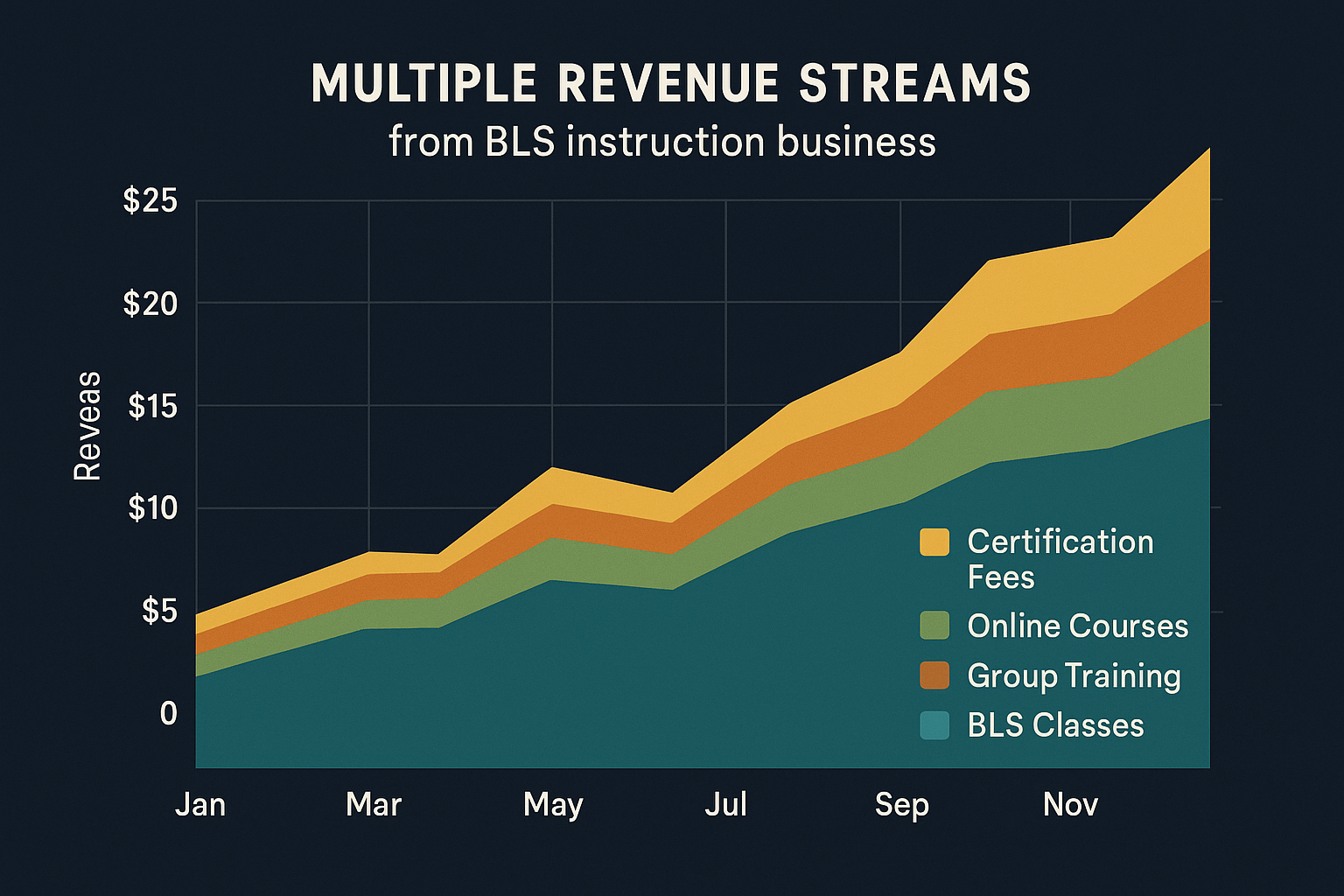
The financial potential of BLS instruction extends far beyond the obvious per-student fees that most people consider. I’ve seen instructors build six-figure businesses by understanding and developing multiple revenue streams that compound over time.
Your CPR instructor certification opens doors to consulting opportunities, corporate partnerships, and specialized training programs that can generate substantial recurring revenue. The key is thinking strategically about how to leverage your expertise in ways that scale beyond your time.
Beyond the Obvious: Hidden Revenue Opportunities
While most instructors focus on class fees, the real money comes from leveraging your expertise in ways that scale beyond your time. Consulting on emergency preparedness protocols, developing custom training materials, and creating ongoing compliance management services can generate significantly more income than traditional per-student instruction.
These revenue streams also position you as a strategic partner rather than just a service provider. When companies see you as someone who helps them solve complex safety challenges, they’re willing to pay consultant rates instead of instructor rates.
Emergency Preparedness Consulting
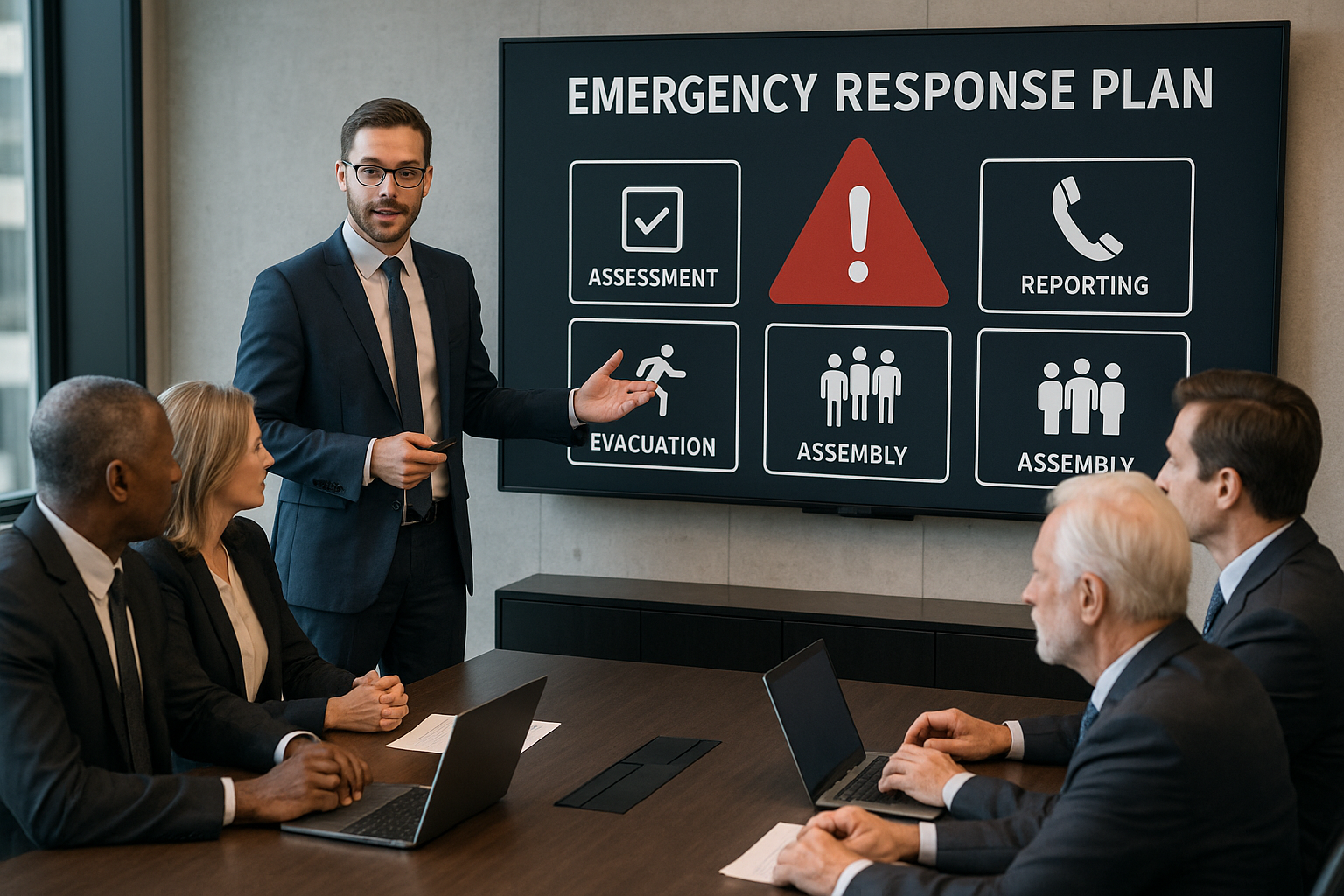
Organizations need comprehensive emergency response plans that go beyond basic BLS training. Your expertise in life-saving procedures makes you qualified to consult on workplace emergency protocols, evacuation procedures, and crisis response planning.
This consulting work typically pays $150-300 per hour and can lead to ongoing relationships worth thousands annually. I know an instructor who developed emergency response protocols for a manufacturing facility and now earns $25,000 annually helping them maintain and update their safety programs.
The consulting work is intellectually stimulating too. You’re solving complex problems, working with leadership teams, and making a real impact on workplace safety. It’s far more engaging than teaching the same certification class repeatedly.
Custom Training Material Development
Creating industry-specific training materials and scenarios allows you to license content to other instructors or training centers. Once developed, these materials generate passive income while establishing you as a thought leader in specialized training markets.
The initial investment in development pays dividends through ongoing licensing fees. I’ve seen instructors create specialized curriculum for industries like construction, hospitality, or education, then license those materials to training centers nationwide.
This approach also protects you from local competition. When you’ve developed proprietary training materials that address specific industry needs, other instructors can’t easily replicate your value proposition.
Scaling Through Technology and Systems
Technology enables instructors to reach more students without proportionally increasing time investment. Online components, automated scheduling systems, and digital certification tracking allow you to handle larger volumes while maintaining quality.
The key is implementing technology strategically to enhance rather than replace the personal connection that makes instruction effective. Students still need hands-on practice and personalized feedback, but technology can handle administrative tasks and theoretical components.
Hybrid Learning Revenue Models
Combining online theoretical components with focused hands-on sessions allows you to serve more students efficiently. Students complete knowledge portions independently, then attend shorter, more focused practical sessions.
This model increases your effective hourly rate while providing students with flexible learning options. Instead of spending four hours covering theory and practice, you might spend two hours on intensive hands-on training while students complete theory modules on their own time.
The efficiency gains are significant. You can potentially double your student capacity without doubling your time investment, dramatically improving your profitability per hour worked.
Tech Integration: Staying Ahead of the Digital Curve
Technology is revolutionizing BLS instruction delivery, and instructors who master these tools gain significant competitive advantages. The American Heart Association has embraced hybrid learning models that combine online theoretical components with hands-on skills sessions.
I’ve watched instructors who embrace technology build more efficient, profitable businesses while those who resist get left behind. This isn’t about becoming a tech expert – it’s about understanding how to use technology to enhance your instruction and streamline your operations.
Recent research shows that schoolchildren can effectively learn basic life support skills starting at age 10-12, with studies indicating that by 10 to 12 years of age, effective chest compression depths and ventilation volumes can be achieved on training manikins American Heart Association, demonstrating the broad age range that tech-enhanced instruction can effectively serve.
Mastering the Hybrid Learning Revolution
Hybrid learning isn’t going away – it’s becoming the standard. Students complete theoretical portions online, then attend focused hands-on sessions for practical skills. This model requires instructors to be tech-savvy facilitators who can bridge digital and physical learning environments.
The instructors who excel at this integration can handle larger class sizes more efficiently while providing personalized attention where it matters most. You’re not trying to replace human instruction – you’re using technology to make your human instruction more effective and efficient.
Students actually prefer this approach when it’s done well. They can learn theory at their own pace, review difficult concepts multiple times, and come to hands-on sessions better prepared for practical application.
Data-Driven Teaching That Actually Works
Learning analytics provide insights into student progress, common struggle points, and optimal pacing for different learning styles. Smart instructors use this data to customize their approach, improve pass rates, and build case studies that demonstrate their effectiveness to potential corporate clients.
This isn’t about becoming a data scientist – it’s about using simple metrics to prove your value and continuously improve your instruction. When you can show corporate clients that your students have a 98% pass rate compared to the industry average of 85%, you can justify premium pricing.
The data also helps you identify students who need additional support before they fail their practical exam. Early intervention improves outcomes and reduces the time you spend on remedial training.
Preparing for Virtual Reality Training
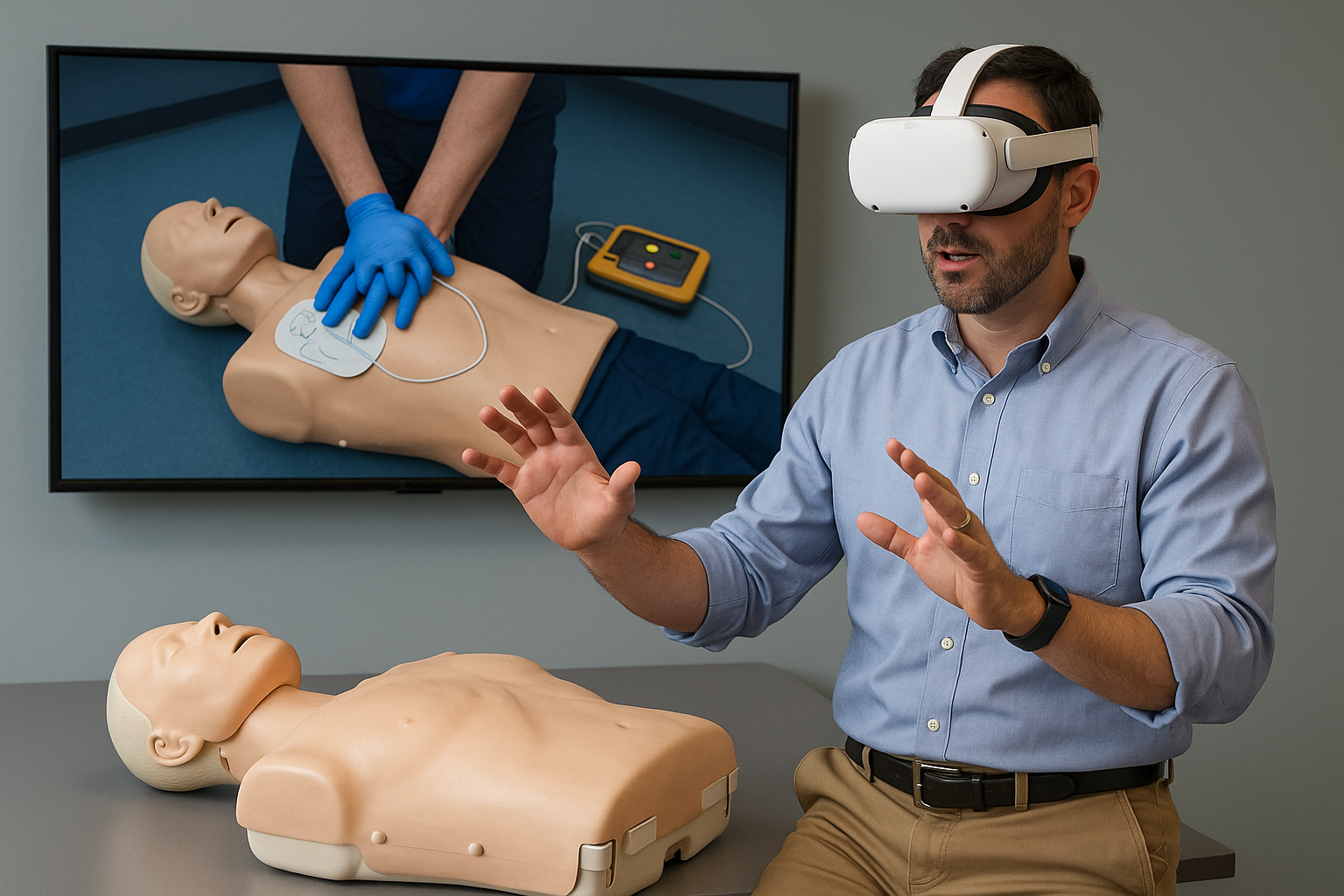
VR technology is beginning to enter emergency response training, allowing students to practice in realistic scenarios without real-world consequences. While still emerging, instructors who understand and prepare for these technologies will have advantages as they become mainstream.
This doesn’t mean you need to invest in expensive equipment now, but staying informed about developments keeps you ahead of the curve. I’ve seen early adopters use simple VR applications to help students visualize proper hand placement and compression depth, enhancing their traditional instruction methods.
Learning Management System Mastery
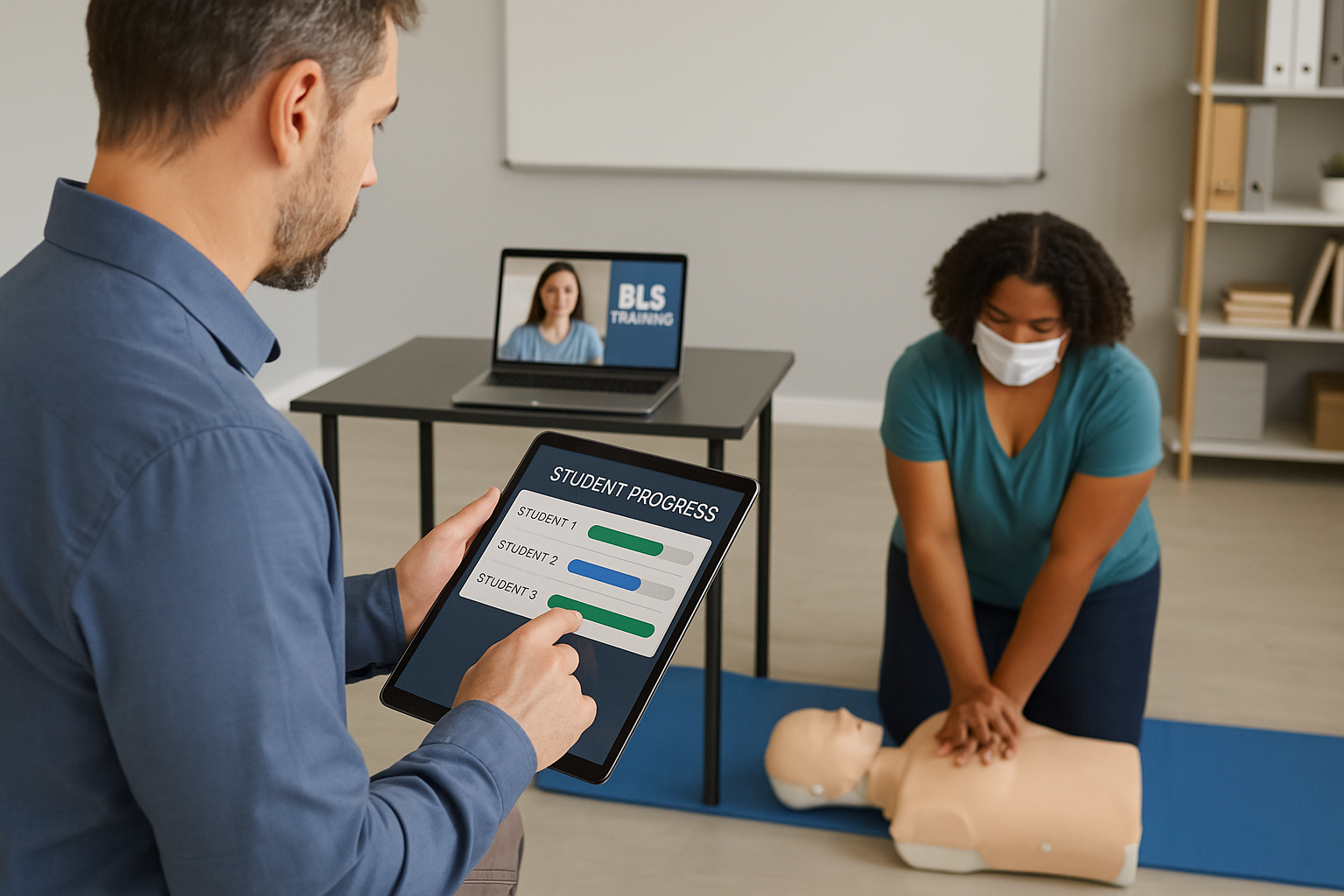
Modern BLS instruction increasingly relies on learning management systems that track student progress, manage certifications, and provide analytics on learning effectiveness. Instructors who master these platforms can offer superior service to corporate clients while streamlining their administrative workload.
The administrative benefits alone justify learning these systems. Automated certification tracking, progress monitoring, and compliance reporting save hours of manual work while reducing errors.
Student Progress Analytics
Understanding how students interact with online content helps identify common struggle points and optimize your instruction approach. This data allows you to customize your teaching methods and demonstrate measurable improvements in student outcomes to potential corporate clients.
When you can show that students who complete your online modules score 15% higher on practical exams, you’re providing measurable value that justifies premium pricing. Corporate clients especially appreciate instructors who can demonstrate effectiveness through data.
Certification Management Systems
Automated systems for tracking certification expiration dates and managing recertification schedules provide value to corporate clients while creating recurring revenue opportunities. Companies appreciate instructors who can manage compliance tracking, reducing their administrative burden.
This service alone can justify ongoing monthly fees from corporate clients. Instead of just providing training, you’re providing compliance management – a much more valuable service that commands higher rates.
Your Strategic Path to Certification Success
Navigating the BLS instructor certification process strategically means thinking beyond just meeting minimum requirements. Your choices about training center affiliation, regional coordinator relationships, and skill development pathway will determine whether you build a thriving instruction business or struggle to find students.
I’ve seen too many new instructors treat certification as a checkbox exercise, missing opportunities to build the relationships and systems that create long-term success. The certification process is actually your first opportunity to start building your professional network and reputation.
Cracking the AHA Network Code
The American Heart Association’s infrastructure offers resources and opportunities that most new instructors never fully utilize. Your relationship with regional coordinators, choice of training center affiliation, and understanding of AHA politics can make or break your success as an instructor.
The American Heart Association instructor network provides access to insider knowledge about upcoming corporate contracts, new program launches, and instructor shortage areas that create opportunities for prepared instructors. Most new instructors treat these relationships as purely administrative, missing out on valuable professional connections.
Professional certification success often depends on having proper documentation of your educational background. When expanding into specialized training fields, replacement certifications ensure you can quickly provide proof of your qualifications to potential clients and training centers.
Your Regional Coordinator Is Your Secret Weapon
Regional coordinators often have insider knowledge about upcoming corporate contracts, new program launches, and areas with instructor shortages. They can provide mentorship opportunities and connect you with established instructors looking for teaching partners.
I know instructors who’ve built their entire businesses around opportunities their regional coordinators shared with them. These coordinators understand the local market better than anyone and can guide you toward the most profitable opportunities in your area.
Building a genuine relationship with your regional coordinator requires more than just completing paperwork. Show up to instructor meetings, volunteer for special projects, and demonstrate your commitment to quality instruction. These relationships pay dividends throughout your career.
Choosing Your Training Center Like Your Career Depends on It
Different AHA training centers focus on different markets and provide different levels of instructor support. Some specialize in high-volume, low-margin individual certifications, while others focus on corporate contracts and premium services.
Research potential training centers by examining their client base, instructor support systems, and growth trajectory. The right affiliation provides marketing support, administrative assistance, and access to higher-paying opportunities.
| Training Center Type | Focus Area | Instructor Support | Income Potential | Best For |
|---|---|---|---|---|
| High-Volume Centers | Individual certifications | Minimal | $2,000-8,000/year | Part-time instructors |
| Corporate-Focused Centers | Business contracts | Moderate | $8,000-25,000/year | Full-time instructors |
| Specialized Centers | Niche markets | High | $15,000-50,000/year | Expert instructors |
| Hospital-Affiliated Centers | Healthcare workers | Very High | $20,000-60,000/year | Medical professionals |
Fast-Track Your Expertise Development
Moving beyond basic certification requirements to develop advanced skills that command premium pricing requires strategic planning. Understanding adult learning psychology, cultural competency, and specialized population needs separates professional instructors from those who just meet minimum standards.
This advanced competency development creates opportunities for higher fees, better clients, and more interesting work. The investment in additional training pays for itself quickly when you can charge premium rates for specialized expertise.
Adult Learning Psychology in Action
Adults learn differently than children, and effective BLS instruction requires understanding these differences. Adult learners bring experience, skepticism, and specific learning preferences that impact how they absorb and retain life-saving skills.
Instructors who understand and adapt to these differences see higher pass rates, better student satisfaction, and more referrals. Adult learners need to understand why they’re learning something, how it applies to their situation, and what the consequences of poor performance might be.
Practical application is crucial for adult learners. They need to practice skills in scenarios that reflect their actual work environment or life situation. Generic training scenarios don’t engage adult learners as effectively as customized, relevant situations.
Cultural Competency That Opens Markets
Developing skills to effectively train diverse populations expands your market reach and creates competitive advantages. This goes beyond language barriers to include understanding different cultural attitudes toward authority, medical intervention, and emergency response.
These skills are particularly valuable in diverse metropolitan areas and can lead to contracts with organizations serving specific cultural communities. Cultural competency isn’t just about being politically correct – it’s about being an effective instructor who can connect with all students.
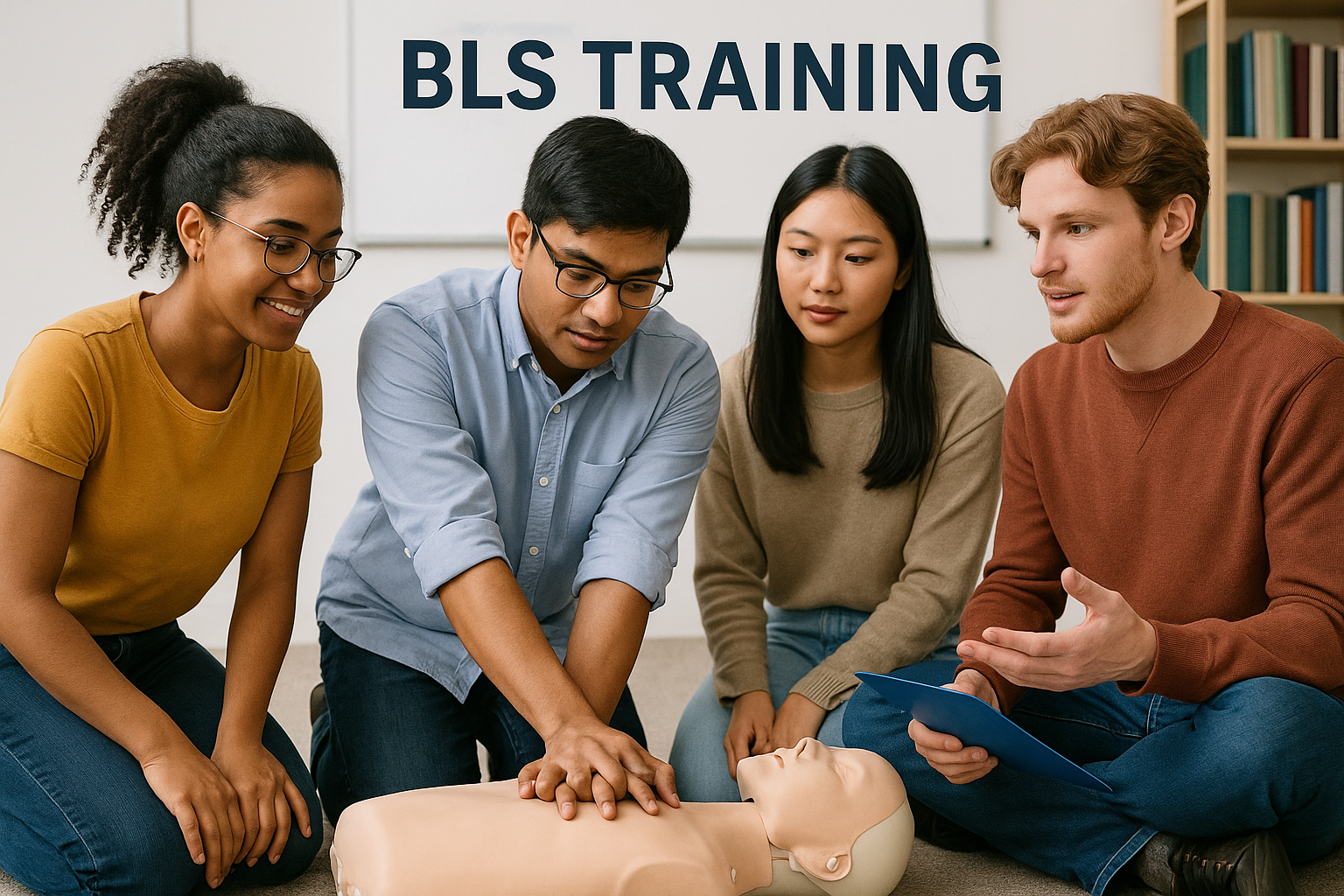
Understanding cultural differences in communication styles, learning preferences, and authority relationships helps you adapt your instruction methods for maximum effectiveness. This expertise is particularly valuable when working with international corporations or diverse healthcare facilities.
Market Positioning: Standing Out in a Crowded Field
Developing a unique value proposition differentiates you from other instructors and justifies premium pricing. This isn’t about being the cheapest option – it’s about being the best choice for specific types of clients. Whether you specialize in healthcare workers, corporate training, or community leadership, your positioning strategy determines your income potential and job satisfaction.
The key is choosing a specialization that aligns with your background, interests, and market opportunities. As a CPR certified trainer, you have the authority to create specialized programs that address unique client needs and command premium pricing.
Specialization Strategies That Actually Pay
Choosing a niche focus creates competitive advantages and higher profit margins. Instead of competing with every other instructor for general BLS students, specialization allows you to become the go-to expert for specific populations or industries.
This positioning strategy reduces price competition while increasing your perceived value and expertise. When you’re the only instructor in your area who specializes in training restaurant staff, you can charge whatever the market will bear because clients don’t have alternatives.
Healthcare Worker Specialization Pays Premium
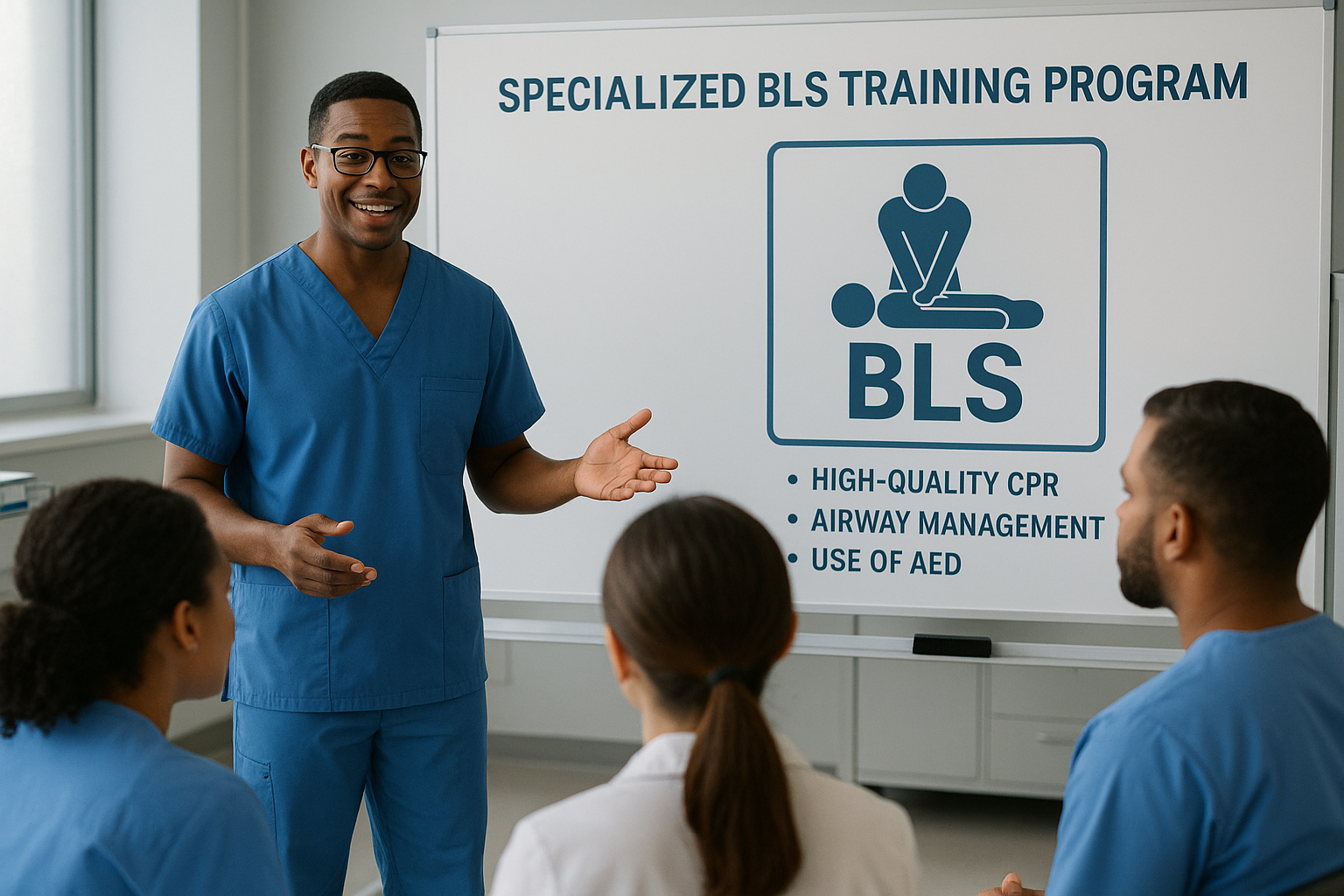
Healthcare workers represent a premium market because they need specialized training that goes beyond basic BLS requirements. They require scenario-based training reflecting real clinical situations, advanced airway management techniques, and team-based resuscitation protocols.
This specialized knowledge commands higher fees and creates opportunities for ongoing consulting relationships with medical facilities. Healthcare workers also appreciate instructors who understand their work environment and can provide relevant, practical training.
The medical community values expertise and credentials highly. When you can demonstrate deep understanding of clinical scenarios and hospital protocols, healthcare facilities will pay premium rates for your services.
Corporate Trainer Integration Strategy
Combining BLS instruction with broader workplace safety and wellness training services creates comprehensive packages that corporate clients prefer. Instead of hiring multiple vendors, companies can work with one instructor who handles CPR, first aid, workplace safety, and emergency preparedness.
This integration strategy increases contract values and creates stronger client relationships. You become their comprehensive safety expert rather than just someone they call for CPR training every two years.
Premium Service Development
Creating high-value service offerings that go beyond basic certification requirements allows you to charge premium rates while providing exceptional value. This might include customized curriculum development, executive-level training packages, or train-the-trainer programs.
These premium services often have higher profit margins and more interesting work than standard certification classes. Executive clients, in particular, value convenience and personalized attention enough to pay significantly higher rates.
Customized Curriculum Creation
Developing industry-specific training programs that address unique workplace hazards and requirements creates significant value for corporate clients. A manufacturing facility needs different scenarios than a daycare center, and clients will pay premium rates for training that directly addresses their specific challenges and regulatory requirements.
Custom curriculum development also creates intellectual property that you can license to other instructors or training centers. The initial investment in development generates ongoing revenue through licensing agreements.
Executive Training Packages
High-level professionals value convenience and personalized attention. Executive training packages might include private instruction, flexible scheduling, concierge-level service, and follow-up support.
David developed an executive BLS package for C-suite professionals at Fortune 500 companies, offering private instruction at their offices with flexible scheduling around board meetings. By charging $500 per executive (compared to $75 for group classes), he created a $40,000 annual revenue stream from just 15 clients. The relationships he built led to company-wide training contracts worth over $100,000 annually.
These services command premium pricing while building relationships with influential professionals who can provide referrals and additional opportunities. Executive clients often become advocates who recommend your services to their professional networks.
Running Your BLS Business Like a Pro
Building the infrastructure and systems needed to operate a successful BLS instruction business requires understanding unique risks, legal requirements, and operational challenges. This isn’t just about teaching skills – you’re running a business that involves liability exposure, regulatory compliance, and professional standards that don’t exist in most other industries.
Success requires treating your instruction work as a serious business venture with proper legal protection, marketing systems, and performance measurement. When you decide to become a CPR instructor, you’re launching a professional service business with all the responsibilities that entails.

Legal Protection That Actually Protects You
Teaching life-saving skills creates unique liability exposures that most other educators never face. Professional liability insurance specifically designed for medical educators is essential, but understanding the scope of coverage and situations it doesn’t cover is equally important.
Your business structure, contract terms, and risk management practices all play crucial roles in protecting your assets and reputation. The legal landscape for medical education is complex, and proper protection requires more than just buying insurance.
Professional Liability You Can’t Ignore
As a BLS instructor, you’re teaching skills that will be used in life-or-death situations. This creates liability exposures that require specialized insurance coverage. Understanding what your professional liability insurance covers, what it doesn’t, and how to minimize your risk exposure through proper documentation and instruction practices is crucial for long-term success.
Standard business insurance doesn’t cover the unique risks associated with medical education. You need coverage specifically designed for instructors who teach life-saving skills, and you need to understand the policy limitations and exclusions.
Documentation becomes critical for liability protection. Detailed records of your instruction methods, student performance, and any incidents or concerns provide legal protection if questions arise about your training quality.
Business Structure Optimization
Choosing the right legal structure protects your personal assets while maximizing tax advantages. Whether you operate as a sole proprietor, LLC, or corporation affects your liability exposure, tax obligations, and ability to scale your business.
These decisions should be made strategically based on your income goals and risk tolerance. An LLC might provide adequate protection for a part-time instructor, while a corporation might be necessary for someone building a large training business.
Professional credibility in healthcare education requires proper documentation of your qualifications. Understanding is a certificate a degree versus other credentials helps you position your expertise correctly when marketing to different client types.
Marketing and Client Acquisition Systems
Building sustainable methods for attracting and retaining students and corporate clients requires understanding your target markets and developing systematic approaches to reach them. This goes beyond posting flyers or creating a website – successful instructors develop referral networks, establish community partnerships, and use digital marketing strategically.
Effective marketing for BLS instruction requires building trust and demonstrating expertise before potential clients ever meet you. People need to believe you can teach them skills that might save someone’s life, which requires more credibility than most other services.
Digital Marketing Integration
Online platforms provide opportunities to reach potential students and establish your expertise, but they require strategic use rather than random posting. Successful instructors use social media, professional networks, and content marketing to demonstrate their knowledge and build trust with potential clients.
Content marketing works particularly well for BLS instructors because you can share valuable safety information that demonstrates your expertise while helping your community. Educational posts about emergency preparedness, CPR techniques, and safety tips establish you as a knowledgeable expert.
Video content is especially effective for BLS instruction marketing because you can demonstrate techniques and show your teaching style. Potential students can see your competence and communication skills before deciding to enroll in your classes.
Referral Network Development
Creating partnerships with healthcare facilities, schools, and other organizations that regularly need BLS training provides steady referral sources. These relationships require cultivation and maintenance, but they provide more reliable income than constantly seeking new individual students.
Professional relationships with physicians, nurses, and other healthcare providers create ongoing referral opportunities. When medical professionals trust your instruction quality, they recommend your services to colleagues and employers.

Performance Metrics and Analytics
Implementing measurement systems to track your success as an instructor helps identify areas for improvement and growth opportunities. This isn’t about complicated analytics – it’s about tracking simple metrics that help you understand what’s working, what isn’t, and where to focus your efforts for maximum impact.
Data-driven instruction improvement leads to better student outcomes, higher satisfaction rates, and more referrals. The metrics also help you demonstrate your effectiveness to potential corporate clients who want proof of training quality.
Student Success Tracking That Matters
Most instructors only track whether students pass their initial certification, but real success measurement includes skill retention, confidence levels, and real-world application. Following up with students 30 days post-training, conducting skill assessments, and collecting real-world application stories helps refine your teaching approach.
These follow-up activities also create opportunities for additional services. Students who struggle with skill retention might need refresher training, while those who excel might be interested in advanced certifications or instructor training.
Success stories from your students become powerful marketing tools. When you can share stories about students who used their training to save lives, potential clients understand the real value of quality instruction.
Business Growth Analytics
Using data to identify your most profitable services, best client types, and optimal pricing strategies helps you focus your efforts where they’ll have the greatest impact. Simple tracking of revenue per client type, time investment per service, and referral sources provides insights that guide business decisions.
Understanding which services generate the highest profit margins allows you to focus your marketing efforts on the most lucrative opportunities. If corporate contracts generate three times the profit of individual certifications, you should invest more time in corporate marketing.

Protecting Your Professional Future
Preparing for industry changes, economic downturns, and unexpected challenges that could impact your instruction business requires strategic thinking and proactive planning. The BLS instruction field continues evolving with new technologies, changing regulations, and shifting market demands.
Successful instructors don’t just react to these changes – they anticipate them and position themselves to benefit from industry evolution rather than being disrupted by it. Future-proofing your instruction business means staying ahead of trends and building resilience into your operations.
Research demonstrates that schoolchildren basic life support training has the potential to educate whole generations to respond to cardiac arrest and to increase survival after out-of-hospital cardiac arrest American Heart Association, indicating the long-term growth potential for instructors who position themselves in the expanding educational market.
Staying Ahead of Industry Changes
The American Heart Association updates guidelines approximately every five years, but interim changes can occur more frequently. Regulatory changes, technology disruptions, and economic shifts all impact the instruction business.
Successful instructors stay connected with research developments, participate in professional forums, and maintain relationships with industry leadership to anticipate changes before they’re officially announced. This preparation allows you to help your students adapt to changes while positioning yourself as a knowledgeable expert.
Regulatory Change Navigation
AHA guideline updates and industry regulation changes affect your certification requirements and business model. Proactive instructors prepare for these changes by staying connected with research developments and maintaining relationships with AHA leadership.
This preparation allows you to help your students adapt to changes before they’re officially announced, positioning you as a knowledgeable expert who stays current with best practices. Early awareness of changes also gives you time to update your training materials and methods.
Professional development opportunities through AHA conferences and continuing education programs provide insider knowledge about upcoming changes. The investment in staying current pays dividends through improved credibility and early market advantages.
Technology Disruption Preparation
New training technologies and delivery methods continue reshaping the industry. Virtual reality, artificial intelligence, and mobile learning platforms will likely play larger roles in future BLS instruction.
Understanding these trends and preparing for their integration helps you stay competitive rather than being displaced by technological advancement. Early adopters often gain significant market advantages by offering innovative training experiences.
Building Economic Resilience
Diversifying revenue streams and building financial reserves helps weather economic downturns and market changes. Instructors who rely solely on individual certifications are more vulnerable to economic disruption than those with multiple income sources.
The increasing focus on bridging instructor certifications between organizations creates new opportunities for experienced instructors. Do you or your Instructors, Instructor Trainers and/or Training Center Faculty hold a current Instructor certification from a comparable training organization such as the American Heart Association (AHA) or the Health & Safety Institute (HSI)? If so, it’s easy to bridge to American Red Cross training courses American Red Cross, demonstrating how cross-certification opportunities can expand your market reach and income potential.
Diversification Strategies
Multiple revenue streams provide stability when one market segment experiences challenges. Combining individual instruction, corporate contracts, specialized training, and consulting services creates a more resilient business model.
Each revenue stream may have different seasonal patterns and economic sensitivities, providing overall stability. Corporate contracts might remain stable during economic downturns while individual certifications decline, or vice versa.
Geographic diversification also provides protection. Instructors who serve multiple communities or regions are less vulnerable to local economic challenges than those dependent on a single area.
Competitive Response Strategy
Maintaining your market position as new instructors enter your area requires continuous improvement and strategic positioning. This might involve deepening your specialization, improving your service quality, or expanding into adjacent markets.
The key is staying proactive rather than reactive to competitive pressure. Building strong client relationships, developing unique expertise, and providing exceptional service creates competitive advantages that are difficult for new instructors to replicate.
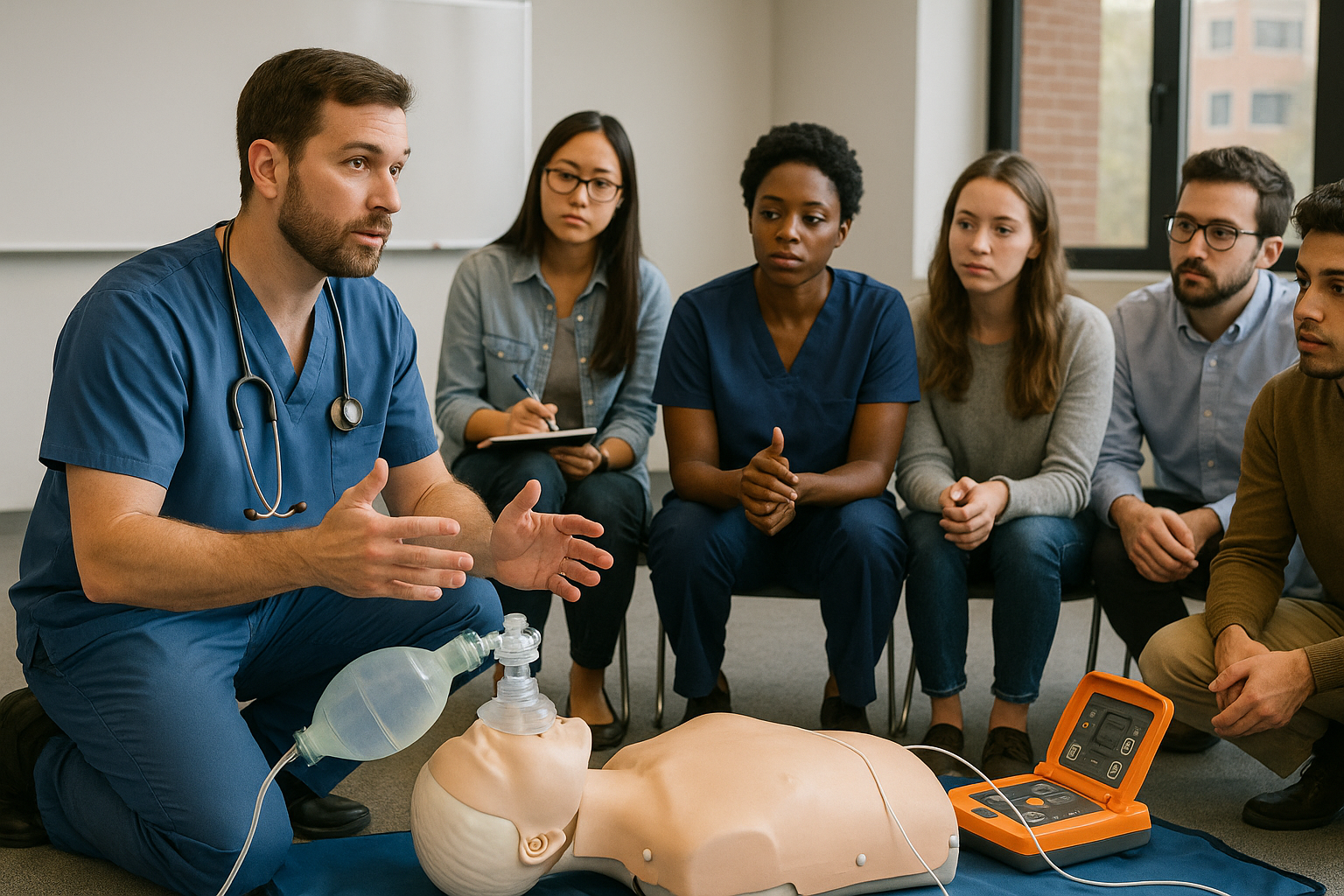
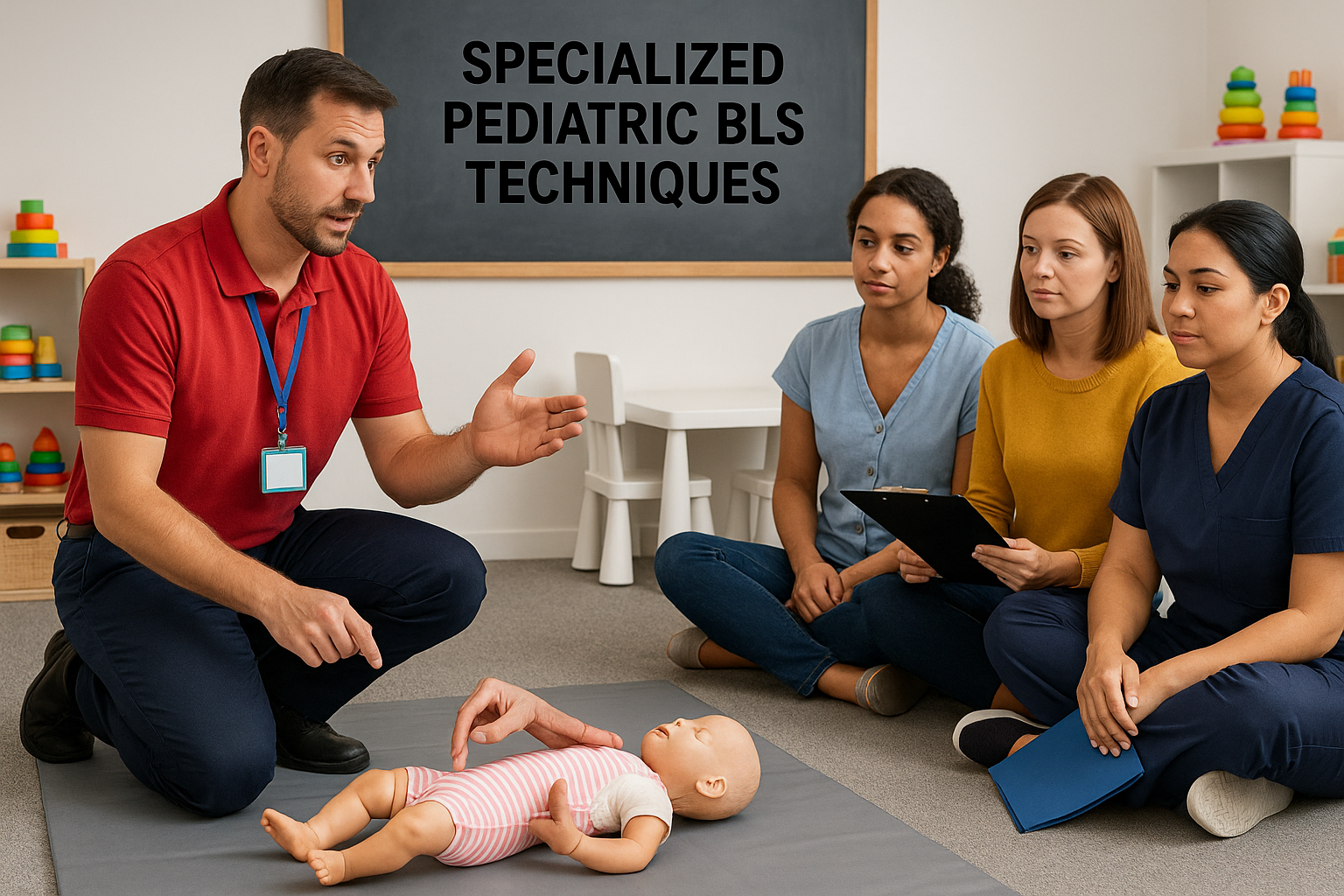
The effectiveness of schoolchildren BLS training programs is well-documented, with research showing that young children from 4 years of age are able to assess the first links in the chain of survival American Heart Association, highlighting the expanding market for instructors who can adapt their teaching methods to different age groups and skill levels.
When you’re building your career as a BLS instructor, having proper documentation of your educational background becomes crucial for professional credibility. Whether you’re applying to become an instructor with a training center, bidding on corporate contracts, or expanding into related safety training fields, readily available copies of your educational credentials can make the difference between landing an opportunity and missing out.
Professional documentation is essential for career advancement in healthcare education. Understanding academic documents requirements helps ensure you can quickly provide proof of your qualifications when opportunities arise.
ValidGrad’s document replacement services ensure you never miss a professional opportunity due to lost or damaged educational documents. Just as you understand the importance of being prepared for emergencies in your BLS instruction, the same principle applies to your professional documentation. Having backup copies of your diplomas, transcripts, and certifications allows you to respond quickly to opportunities and maintain the professional image that’s essential in the life-saving education field.
Career transitions often require quick access to educational credentials. Services for replacing a lost diploma ensure you can maintain professional momentum when pursuing instructor opportunities or expanding into specialized training markets.
Ready to secure your educational documentation? Visit ValidGrad today to get certified copies of your academic credentials and protect your professional future.

Final Thoughts
Becoming a BLS instructor represents far more than learning to teach CPR – it’s a complete transformation of your professional identity and earning potential. The psychological shift from student to life-saver creates unique confidence that translates across all career areas, while the business opportunities extend far beyond what most people imagine.
Success requires strategic thinking about specialization, relationship building, and business development rather than just meeting minimum certification requirements. The instructors who thrive understand they’re building businesses in the life-saving education field, not just teaching skills.
Your success depends on how well you leverage the unique positioning that comes with being authorized to teach others how to save lives. The opportunities are there for instructors who approach this field strategically and professionally.
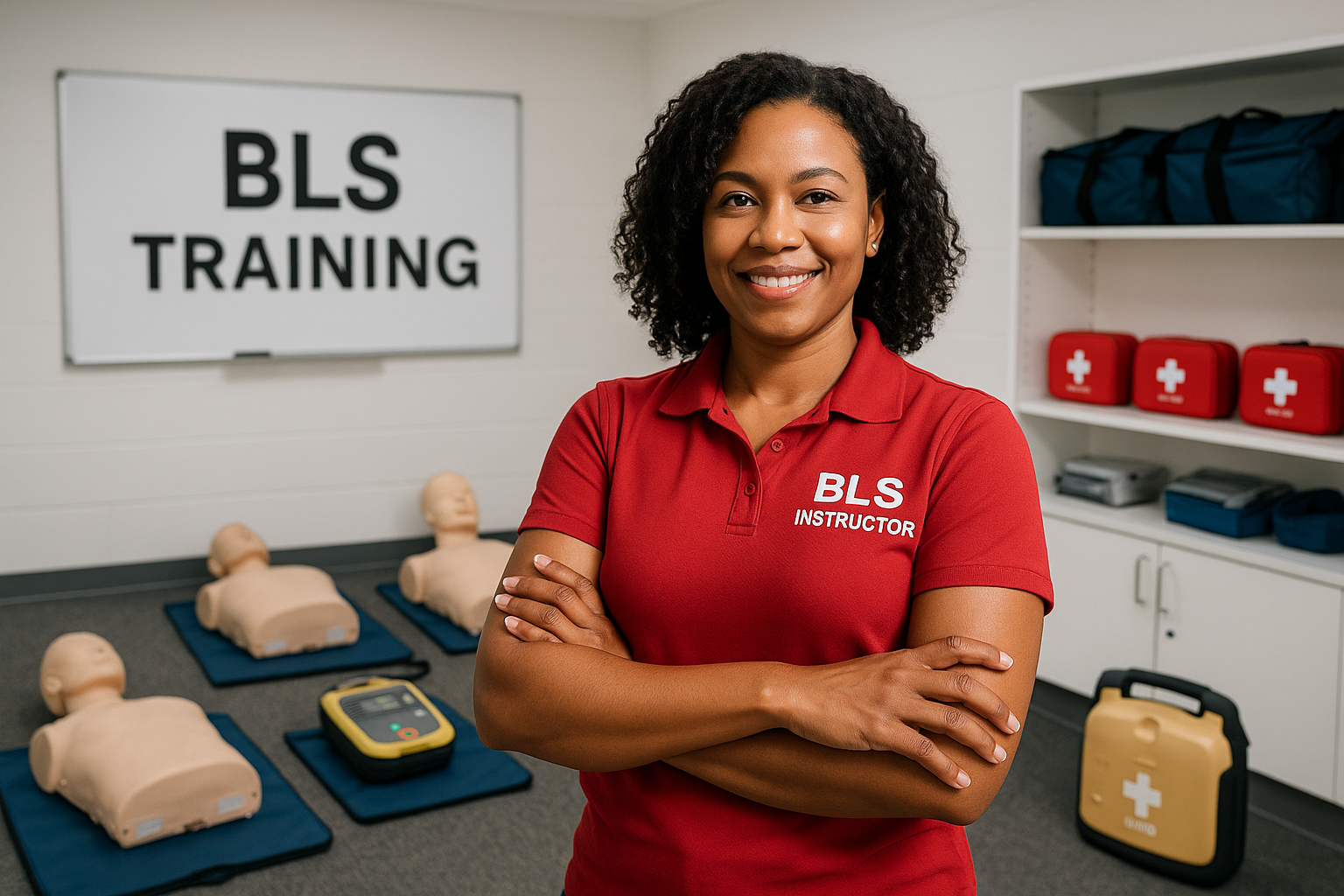
BLS Instructor Success Checklist
Pre-Certification Phase:
- Research and contact 3-5 AHA Training Centers in your area
- Verify current BLS provider certification is up to date
- Identify your target specialization (healthcare, corporate, community)
- Complete instructor application and required paperwork
- Schedule and complete online portion of instructor course
- Attend in-person skills session and monitoring requirement
Business Setup Phase:
- Obtain professional liability insurance for medical educators
- Choose appropriate business structure (LLC, Corporation, etc.)
- Set up business banking and accounting systems
- Create professional marketing materials and website
- Develop pricing strategy for different client types
- Establish relationships with local healthcare facilities and businesses
Ongoing Success Phase:
- Maintain continuing education requirements
- Track student pass rates and satisfaction scores
- Build referral network with other healthcare professionals
- Stay current with AHA guideline updates
- Diversify revenue streams beyond basic certification classes
- Document all training activities for liability protection
Corporate Client Proposal Template
Executive Summary:
- Company name and specific training needs
- Proposed solution overview
- Total investment and timeline
- Key benefits and ROI
Training Program Details:
- Customized curriculum based on workplace scenarios
- Number of employees to be trained
- Training schedule and location options
- Certification tracking and compliance management
Instructor Qualifications:
- Your certifications and specializations
- Years of experience and success metrics
- Industry-specific training background
- Client testimonials and case studies
Investment and Next Steps:
- Detailed pricing breakdown
- Payment terms and scheduling
- Implementation timeline
- Follow-up and recertification planning
Student Progress Tracking Template
Pre-Training Assessment:
- Previous CPR/BLS experience level
- Learning style preferences
- Physical limitations or accommodations needed
- Confidence level (1-10 scale)
During Training Observations:
- Skill demonstration quality
- Response to feedback
- Teamwork and communication
- Areas requiring additional practice
Post-Training Evaluation:
- Written exam score
- Practical skills assessment results
- Student confidence level improvement
- Follow-up training recommendations
30-Day Follow-up:
- Skill retention check
- Real-world application opportunities
- Additional training needs
- Referral potential assessment
Professional growth in healthcare education often requires additional certifications. Understanding types of degrees helps you plan your educational pathway for maximum career impact and credibility with clients.

Keywords to Include:
how to become a BLS instructor, CPR instructor, become a CPR instructor, CPR certified trainer, BLS instructor certification, American Heart Association instructor, CPR instructor training, BLS instructor course, CPR instructor requirements, how to become CPR certified instructor, BLS instructor application, CPR instructor license, emergency response training, life support instructor, cardiac arrest training, resuscitation instructor, medical training instructor, healthcare instructor certification, first aid instructor, CPR training business
Content Summary:
This comprehensive guide explores the complete journey of becoming a BLS instructor, covering psychological transformation, business opportunities, revenue streams, technology integration, certification pathways, market positioning, professional operations, and future-proofing strategies. The content emphasizes strategic thinking beyond basic certification requirements, highlighting corporate opportunities, specialization benefits, and the unique professional identity that comes with teaching life-saving skills.