
Before I got into this trade, I thought I knew what to expect. I was wrong.
Table of Contents
-
The Real Numbers Behind Elevator Mechanic Pay
-
Where You Work Changes Everything About Your Paycheck
-
Union vs. Non-Union: The Compensation Battle You Need to Know About
-
Skills That Actually Move the Salary Needle
-
Your Path from Apprentice to Six-Figure Earner
-
Why Location Makes or Breaks Your Income
-
The Hidden Money in Benefits and Overtime
-
Industry Growth That’s Creating New Opportunities
-
How ValidGrad Supports Your Career Documentation Needs
-
Final Thoughts
TL;DR
-
Most elevator mechanics earn $70,000-$95,000, with experienced pros hitting $120,000+ in big cities
-
Union jobs typically pay 15-25% more when you count everything
-
Specialize in the right areas and you can add $10-20k to your paycheck
-
Location matters more than you think – NYC pays 30% more than small towns
-
Benefits can be worth another 20-30% on top of your salary
-
The industry is booming thanks to old elevators needing upgrades
Look, I’ll be straight with you. When most people think about elevator mechanics, they picture some guy in coveralls making decent money but nothing spectacular. That’s not the whole story.
The Bureau of Labor Statistics projects 5% growth in this field through 2034 – faster than most jobs. And here’s what caught my attention: we’re talking about creating 2,000 new positions every year. In a trade where not many people even know it exists.
This growth, combined with the specialized nature of the work, creates significant opportunities for those willing to invest in proper training and skill development.
The Real Numbers Behind Elevator Mechanic Pay
Let me cut through the BS and give you actual numbers about what elevator mechanics really earn.
Understanding the true earning potential is crucial for anyone considering this career path. While many people wonder if it’s worth pursuing higher education, elevator mechanics can achieve substantial financial success through specialized training and certification programs without requiring a traditional four-year degree.
Starting out? You’re looking at $45,000-$55,000. Yeah, it’s not glamorous, but you’re getting paid to learn skills most people don’t have.
After 10+ years? Now we’re talking $90,000-$120,000.
Master level with supervisory duties? I’ve seen guys pulling $130,000+ in major cities.
Here’s what surprised me most: according to “Fortune”, elevator and escalator installers can earn $100,060 per year on average, making it the highest-paid trade job in the country according to Pro Tools analysis of Bureau of Labor Statistics wage data. The report highlights that despite significant stigma surrounding vocational careers, elevator mechanics are taking home just over $100,000 a year with only a high school diploma required to get started.
Experience Levels and What They Actually Mean for Your Wallet
Your earning potential grows substantially as you gain experience, but it’s not just about time served. The mechanics making the big bucks have developed expertise that goes beyond basic maintenance and repair.
During your apprenticeship (typically 4 years), you’ll start at 40-50% of journeyman wages with regular increases as you progress. It’s tough financially at first, but you’re essentially getting paid to learn a trade that’ll support you for decades.
Journeyman level is where things get interesting. You’ve got the skills to work independently, handle complex repairs, and take on specialized projects. This is where most mechanics settle into that $70,000-$95,000 range.
The real money comes when you develop specializations or move into leadership roles. Project management, emergency response expertise, or becoming the go-to person for specific types of systems – that’s what separates the $60,000 mechanics from the $120,000+ ones.
|
Experience Level |
Typical Salary Range |
Key Responsibilities |
Timeline |
|---|---|---|---|
|
Apprentice Year 1 |
$35,000 – $42,000 |
Basic maintenance, supervised repairs |
0-1 years |
|
Apprentice Year 2-3 |
$42,000 – $55,000 |
Independent basic repairs, system diagnostics |
1-3 years |
|
Journeyman |
$70,000 – $95,000 |
Complex repairs, modernization projects |
4-10 years |
|
Master Mechanic |
$95,000 – $130,000 |
Project leadership, specialized systems |
10+ years |
|
Supervisor/Manager |
$120,000 – $160,000+ |
Team management, client relations |
15+ years |

Where You Work Changes Everything About Your Paycheck
This might be the most important decision you’ll make. The type of employer you choose has a massive impact on both your immediate salary and long-term earning potential.
Government Jobs: Stability vs. Ceiling
Government positions give you something private companies often can’t: real job security and comprehensive benefits. The base salary might not hit the peaks you’d see in private sector, but the total compensation package tells a different story.
You’re looking at competitive base salaries with benefits that can add 20-30% to your total compensation value. Health insurance for your whole family, pension plans that actually mean something, and paid time off that you can actually use without worrying about job security.
The downside? Your salary ceiling might be lower than what you could achieve in the private sector. But for many mechanics, especially those with families, the predictability and security make up for potentially leaving some money on the table.
According to “Staten Island Live”, NYC elevator mechanics earn $64.60 per hour for a 40-hour week, which translates to approximately $134,000 annually. The same rate applies to CUNY elevator mechanics, demonstrating how government positions can offer competitive compensation in major metropolitan markets.
Private Contractors: Higher Risk, Higher Reward
Private contractors and smaller elevator service companies operate in a completely different world. Your income might be more variable, but the earning ceiling is potentially much higher.
These positions often require more than just technical skills. You might need to manage client relationships, handle administrative duties, or even develop your own book of business. It’s part mechanic, part entrepreneur.
The upside is significant – performance-based incentives, profit sharing, and the flexibility to take on side projects that can substantially boost your annual income. I’ve known contractors who’ve built six-figure incomes by developing expertise in niche areas and building strong client relationships.
Consider Mike, a private contractor in Dallas who started as a journeyman at $75,000 annually. By specializing in high-rise modernization projects and building relationships with three major property management companies, he now earns $140,000 annually plus bonuses. His success came from developing expertise in smart elevator systems and being available for emergency calls, which added an extra $20,000 in premium pay last year.
Union vs. Non-Union: The Compensation Battle You Need to Know About
This isn’t about politics – it’s about your paycheck. The union versus non-union debate isn’t just about politics – it’s about money, benefits, and career trajectory. The differences are substantial enough that your choice here could impact your lifetime earnings by hundreds of thousands of dollars.
Union Advantages That Actually Matter
Union positions typically pay 15-25% more when you factor in everything. We’re talking comprehensive health insurance, real pension plans, and wage scales where you know exactly what you’ll earn at each level. No guessing, no hoping your boss notices your good work.
The standardized wage scales mean you know exactly what you’ll earn at each level of experience. There’s no guessing about raises or hoping your boss notices your good work. You hit your milestones, you get your increases.
Union health insurance is often exceptional – family coverage, dental, vision, and prescription benefits that would cost you thousands annually if you had to buy them independently. The pension plans are real retirement security, not just a 401(k) that depends on market performance.
Non-Union Flexibility and Entrepreneurial Opportunities
Non-union shops offer different perks: faster advancement based on merit, performance bonuses, and more freedom to develop specialized skills. If you’re entrepreneurial and want to be rewarded directly for exceptional work, this might be your path.
Some non-union shops offer performance bonuses, profit sharing, or other incentives that can boost your income beyond what union scales provide. If you’re the type who wants to be rewarded directly for exceptional performance, this environment might suit you better.
The entrepreneurial opportunities are also greater in non-union environments. You might have more freedom to take on side projects, develop your own client relationships, or even transition into running your own elevator service business.
Union vs. Non-Union Decision Checklist:
-
Compare total compensation packages, not just base salary
-
Evaluate health insurance and retirement benefits
-
Consider job security vs. advancement flexibility
-
Assess local union strength and reputation
-
Review overtime and emergency call policies
-
Examine training and professional development opportunities
-
Factor in geographic location and market conditions
The Skills That Actually Pay
Not all elevator mechanic skills are created equal. Some can add $10,000-$20,000 to your annual income, while others are just table stakes for staying employed.
Technology Skills That Pay Premium Rates
Modern elevator systems aren’t the mechanical contraptions your grandfather might have worked on. Today’s elevators incorporate sophisticated computer-controlled systems, variable frequency drives, and advanced diagnostic equipment. Mechanics who master these technologies command premium compensation.
Technology skills are where the money is. Master programmable logic controllers (PLCs) and variable frequency drives (VFDs), and you’ll immediately become more valuable. These aren’t skills you pick up casually – they require dedicated learning and hands-on experience.
Computerized diagnostic systems are becoming standard across the industry. Mechanics who can quickly diagnose problems using these systems save companies time and money, which translates directly into higher compensation for those skills.

Modernization Projects: Where the Real Money Lives
Modernization expertise is the goldmine nobody talks about. These complex projects can span months and require both technical skills and project management abilities. Mechanics skilled in modernization often earn 10-20% more than maintenance-only guys.
The complexity of modernization work means higher hourly rates and often bonus compensation for successful project completion. You’re not just maintaining existing systems – you’re essentially rebuilding elevators while they remain in service, which requires advanced planning and execution skills.
Mechanics skilled in modernization often earn 10-20% more than those focused solely on maintenance and repair. The work requires knowledge of both legacy systems and cutting-edge technology, making these mechanics particularly valuable to employers.
Safety Certifications That Open Doors
Professional certifications play a crucial role in career advancement for elevator mechanics. Just as replacing lost educational documents is important for maintaining career credentials, keeping safety certifications current and properly documented ensures access to higher-paying opportunities and specialized roles within the industry.
Safety certifications open doors to inspection work, which can add $10,000-$20,000 annually to your income through additional services. Elevator mechanics must navigate complex safety regulations that vary by jurisdiction, and expertise in this area is highly valued.
OSHA compliance knowledge, local building codes, and industry safety standards are particularly important for positions involving inspection and certification responsibilities. These roles often come with additional compensation and can lead to consulting opportunities.
Certified elevator inspectors can earn additional income through inspection services, either as employees or independent contractors. These certifications require extensive training and continuing education, but they can add $10,000-$20,000 annually to your earning potential.
|
High-Value Skill |
Salary Premium |
Training Time |
Market Demand |
|---|---|---|---|
|
PLC Programming |
$8,000-$15,000 |
6-12 months |
Very High |
|
Modernization Expertise |
$10,000-$20,000 |
2-3 years |
High |
|
Safety Inspector Certification |
$10,000-$20,000 |
1-2 years |
High |
|
Emergency Response |
$5,000-$12,000 |
6 months |
Medium-High |
|
Smart Building Integration |
$12,000-$18,000 |
1-2 years |
Very High |
|
Historic Restoration |
$15,000-$25,000 |
3-5 years |
Medium |
Your Path from Apprentice to Six-Figure Earner
The mechanics earning six figures didn’t get there by accident. They made strategic decisions about education, specializations, and career moves.
Career advancement in the elevator industry requires strategic planning and proper documentation. Understanding careers that don’t require a college diploma helps position elevator mechanics among the highest-earning skilled trades, while maintaining complete educational records supports professional growth throughout your career.
Education and Training That Actually Matters
Start with solid fundamentals: Complete a formal apprenticeship program and pursue manufacturer-specific training. While many elevator installers and repairers enter through apprenticeships, those with formal technical education often advance faster and earn higher salaries. Community college programs in electronics, mechanical systems, or related fields provide valuable foundational knowledge.
The 4-year apprenticeship program is still the gold standard for entering the field. You’ll combine classroom instruction with hands-on experience, starting at 40-50% of journeyman wages with regular increases as you progress.
But your education doesn’t stop after apprenticeship. The elevator industry evolves rapidly, with manufacturers regularly introducing new technologies. Continuous learning through manufacturer training, safety certifications, and professional development programs is essential for maximizing your earning potential.
Building Specializations That Command Premium Pay
Build valuable specializations: Historic restoration, high-speed systems, or accessibility compliance work often command premium rates due to specialized knowledge requirements and limited competition.
Developing expertise in emerging technologies positions you for future growth opportunities. Smart elevator systems, energy-efficient retrofits, and IoT integration are becoming more common, and mechanics with these skills are in high demand.
Develop emergency response capabilities: Being available for emergency calls, especially nights and weekends, significantly boosts income through premium pay and on-call stipends. Mechanics available for emergency calls, especially those willing to work nights, weekends, and holidays, often receive premium pay rates, on-call stipends, and hazard pay for dangerous rescue situations.
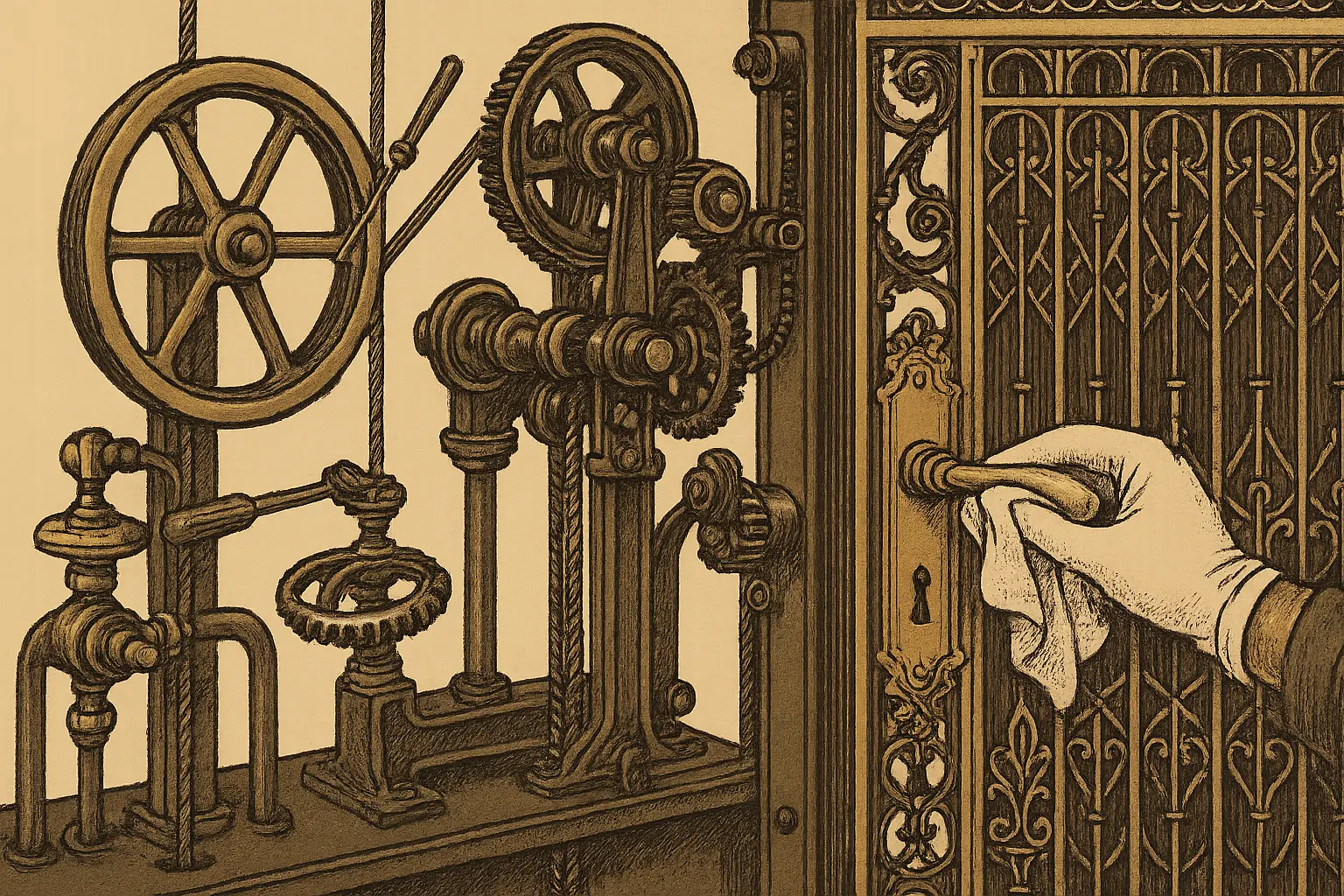
Take Sarah, who started as a standard maintenance mechanic earning $68,000 annually. She invested two years learning historic elevator restoration techniques and now specializes in maintaining vintage elevators in luxury hotels and historic buildings. Her niche expertise commands $95 per hour compared to the standard $45 per hour for regular maintenance, boosting her annual income to $125,000.
Networking and Professional Development Strategies
Network strategically: Many of the best jobs never make it to job boards. They’re filled through industry connections and relationships. Professional networking isn’t just corporate buzzword nonsense – it’s how many of the highest-paying positions get filled. Industry connections through professional associations, trade shows, and continuing education programs often lead to better opportunities.
Many of the best jobs never make it to public job boards. They’re filled through industry connections, referrals, and relationships built over years of professional interaction. Investing time in building these relationships pays dividends throughout your career.
Professional associations offer continuing education, certification programs, and networking opportunities that can directly impact your earning potential. The investment in membership fees and conference attendance often pays for itself through better job opportunities and higher compensation.
Career Advancement Checklist:
-
Complete formal apprenticeship program
-
Pursue manufacturer-specific training certifications
-
Join relevant professional associations
-
Attend industry trade shows and conferences
-
Develop expertise in emerging technologies
-
Build relationships with contractors and building managers
-
Consider safety inspector certification
-
Document all training and certifications properly
Why Location Makes or Breaks Your Income
Where you work can mean a $30,000+ difference in your paycheck. Understanding these geographic variations helps you make strategic decisions about where to build your career and maximize your earning potential.
Major Metropolitan Markets and Their Premium Pay
Major cities like NYC, San Francisco, and Chicago pay 25-40% above national averages. Yes, living costs are higher, but the premium often exceeds the cost difference. Cities like New York, San Francisco, and Chicago consistently offer the highest salaries, often 25-40% above national averages. The concentration of high-rise buildings, commercial developments, and complex elevator systems drives demand for skilled mechanics.
New York City mechanics can earn $100,000+ annually, but you’re also dealing with higher living costs and more competitive job markets. The premium pay often reflects both the cost of living and the complexity of working in dense urban environments.
Los Angeles and Washington D.C. also offer substantial salary premiums, particularly for mechanics with security clearances or specialized skills in government buildings and high-security installations.

Emerging Growth Markets Worth Considering
Emerging markets in the South and Southwest offer attractive salary-to-cost-of-living ratios. Austin, Nashville, Phoenix – these cities are growing fast with less competition for experienced mechanics. Secondary markets in the South and Southwest are experiencing rapid growth in both commercial and residential construction. Cities like Austin, Nashville, and Phoenix offer attractive salary-to-cost-of-living ratios with less competition for experienced mechanics.
These emerging markets often provide opportunities to get in on the ground floor of growing elevator service companies or to establish yourself as a specialist before the market becomes saturated with competitors.
The key is identifying markets with strong construction activity, growing populations, and limited numbers of experienced elevator mechanics. These conditions create opportunities for higher wages and faster career advancement.
Rural vs. Urban Trade-offs
Rural areas pay less but offer better work-life balance and lower living costs. Plus, you might be the only elevator expert in a 200-mile radius, which creates consulting opportunities. Rural areas typically offer lower base wages but potentially better work-life balance and significantly lower living costs. A $65,000 salary in rural Montana might provide a better quality of life than $85,000 in San Francisco.
Rural mechanics often develop broader skill sets since they might be the only elevator expert in a large geographic area. This can lead to consulting opportunities and the ability to command premium rates for specialized services.
The trade-off is fewer opportunities for advancement and potentially less exposure to cutting-edge elevator technologies. However, for mechanics who value work-life balance and lower stress, rural markets can be attractive options.
Consider the case of Tom, who moved from Chicago ($89,000 annually) to Boise, Idaho ($72,000 annually). While his salary dropped 19%, his housing costs fell by 45%, and he became the go-to elevator specialist for a 200-mile radius. By taking on consulting projects and emergency calls across the region, he now earns $95,000 annually with significantly better work-life balance.
The Hidden Money in Benefits and Overtime
Your base salary is just the beginning. Benefits, overtime, and premium pay opportunities can add substantial value to your annual earnings.
Benefits Packages That Add Real Value
Benefits packages often add 20-30% to your total compensation. Union health insurance alone can be worth $15,000-$20,000 annually for family coverage. Comprehensive benefits packages often add 20-30% to the total value of your compensation. Health insurance alone can be worth $15,000-$20,000 annually when you factor in family coverage, dental, and vision benefits.
Union positions typically offer the most comprehensive benefits, including defined benefit pension plans that provide real retirement security. These pensions can be worth hundreds of thousands of dollars over your career compared to basic 401(k) plans.
Professional development support from employers – manufacturer training, certification programs, and continuing education opportunities – adds both immediate and long-term value to your compensation package. This support enhances your earning potential while reducing your out-of-pocket training costs.

Overtime and Premium Pay Strategies
Overtime and premium pay can add serious money. Emergency calls pay time-and-a-half or double-time, especially nights and weekends. Weekend maintenance work pays premium rates. Modernization projects often require extended hours with substantial overtime pay.
Smart mechanics who make themselves available for emergency calls and volunteer for weekend work can easily add $15,000-$30,000 to their annual income. Many elevator mechanics substantially increase their annual earnings through strategic overtime work and premium pay opportunities. Understanding when and how to capitalize on these opportunities can add $15,000-$30,000 to your annual income.
Emergency service calls typically pay premium rates – often time-and-a-half or double-time – especially for nights, weekends, and holidays. Mechanics who make themselves available for these calls often receive on-call stipends even when they’re not called out.
Weekend and holiday maintenance work pays premium rates because buildings are less occupied, allowing for major repairs and modernization work. These shifts can significantly boost your annual earnings if you’re willing to work non-traditional schedules.
Project-based overtime during modernization jobs can be particularly lucrative. These projects often have tight deadlines and require extended hours, resulting in substantial overtime pay for the duration of the project.
Maximizing Overtime Income Strategy:
-
Sign up for emergency on-call rotations
-
Volunteer for weekend and holiday maintenance
-
Pursue modernization project assignments
-
Develop expertise in time-sensitive repairs
-
Build reputation for reliability and quick response
-
Negotiate on-call stipends with employers
-
Track and document all premium pay opportunities
Industry Growth That’s Creating New Opportunities
Here’s what most people don’t realize: the elevator industry is experiencing robust growth that directly translates into better job security and higher wages for qualified mechanics. Understanding these trends helps you position yourself for the best opportunities.
Infrastructure Modernization: The Goldmine Nobody Talks About
Millions of elevators across the US are reaching end-of-life and need major modernization. These aren’t simple repairs – they’re complex 6-12 month projects that pay premium rates. Millions of elevators across the United States are reaching the end of their useful life, creating a massive modernization market. These aren’t simple repair jobs – they’re complex projects that can take 6-12 months and require teams of specialized mechanics.
Modernization projects typically pay premium rates because of their complexity and the project management skills required. You’re essentially rebuilding elevators while keeping buildings operational, which demands advanced planning and execution abilities.
The modernization boom is just getting started. Buildings constructed during the 1970s-1990s building boom are now requiring major elevator updates, creating steady work for mechanics with modernization expertise.
New Construction and Smart Building Integration
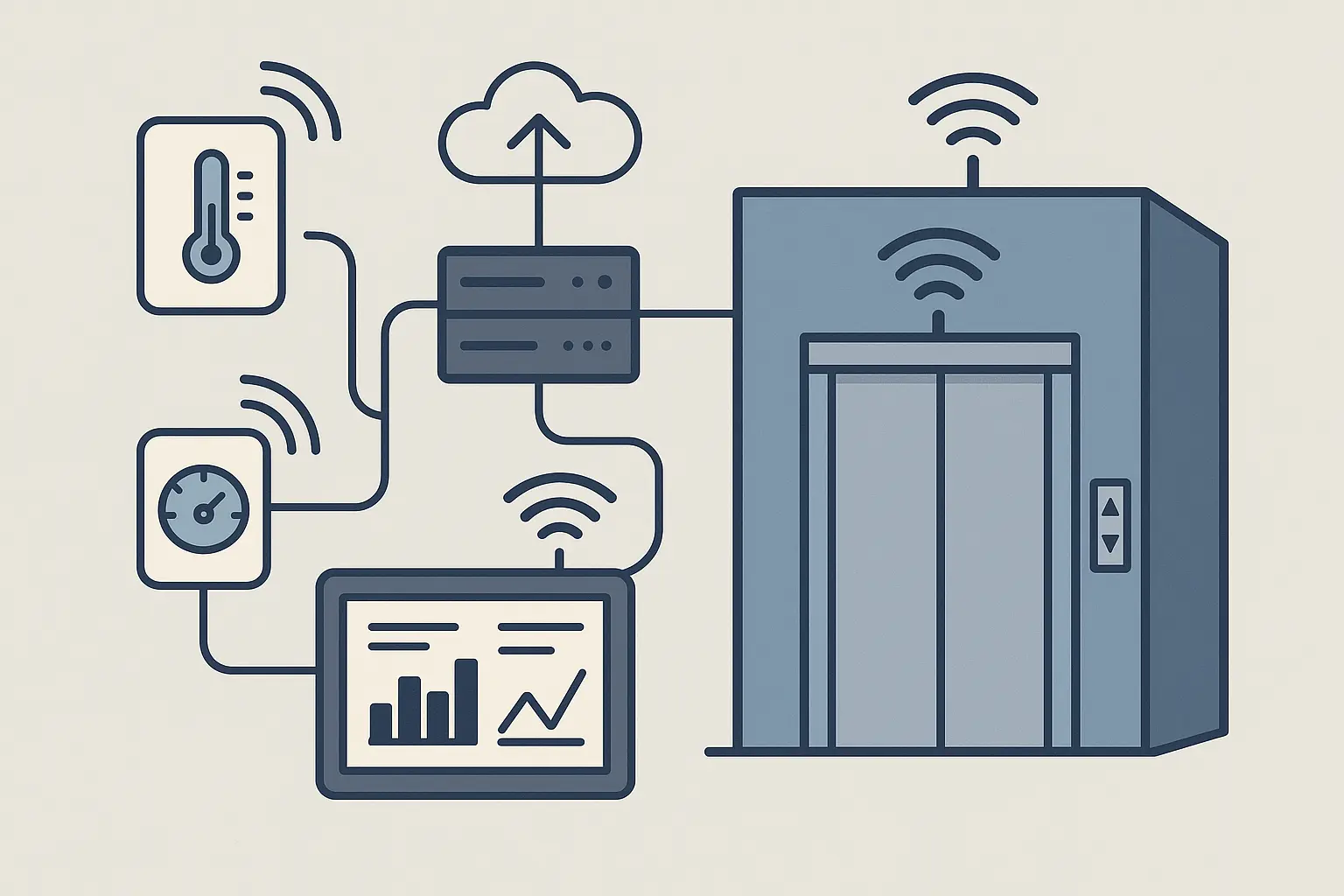
New construction is also driving demand, especially with smart building integration becoming standard. These projects require mechanics who understand IoT systems and building automation – skills that command premium compensation. New construction projects create steady demand for elevator installation services, often paying well due to project timelines and coordination requirements with other trades. These projects might involve more travel and variable scheduling, but the compensation often reflects these challenges.
Smart building integration is becoming standard in new construction, requiring mechanics who understand IoT systems, energy management, and advanced building automation. These skills are in high demand and command premium compensation.
The trend toward taller buildings and more sophisticated elevator systems means new construction work increasingly requires specialized knowledge that goes beyond traditional mechanical skills.
How ValidGrad Supports Your Career Documentation Needs
Here’s something nobody warns you about: you’ll need your paperwork. A lot.
Career advancement in the elevator industry often depends on having proper documentation of your training, certifications, and educational achievements. Whether you’re applying for higher-paying positions or pursuing additional certifications, complete professional portfolios are essential. ValidGrad provides professional replacement diploma services for lost or damaged educational documents that are crucial for elevator mechanics, and understanding proper academic document management ensures your credentials remain accessible throughout your career.
ValidGrad provides professional replacement services for lost or damaged educational documents that are crucial for elevator mechanics. From technical school diplomas to apprenticeship certificates, having these credentials properly documented and readily available supports salary negotiations and career advancement opportunities.
With instant digital delivery and high-quality physical copies, ValidGrad ensures your educational achievements are properly documented when pursuing higher-paying positions in the elevator industry. Don’t let missing paperwork hold back your earning potential.

Final Thoughts
The elevator mechanic profession isn’t just about decent money – it’s about building a career that can genuinely provide financial security without requiring a college degree.
The numbers don’t lie: $70,000-$95,000 nationally, with experienced professionals hitting $120,000+ in major markets. Union positions typically pay more when you count everything. Specialize in the right areas and you can add serious money to your paycheck.
But here’s what matters most: make smart decisions early. Choose your specialization carefully. Pick your location strategically. Decide between union and non-union based on what you actually value, not what sounds good.
Success in maximizing your elevator mechanic salary comes down to strategic decisions about specialization, location, and employer type. Whether you choose union or non-union positions, focus on modernization work or emergency services, or target major metropolitan markets versus emerging growth areas, each path offers distinct advantages for building a lucrative career.
The industry’s robust growth, driven by aging infrastructure and new construction, creates sustained demand for skilled mechanics. Those who stay current with emerging technologies and maintain proper documentation of their credentials will be best positioned to capitalize on the highest-paying opportunities in this essential trade.
The opportunity is real. The question is whether you’re willing to put in the work to capitalize on it.