
If you’re a dental hygienist wondering whether you’re being paid fairly, you’re not alone. Many of us entered this field with unclear expectations about earning potential, and the reality is more nuanced than most career guides suggest. With employment of dental hygienists projected to grow 7 percent from 2024 to 2034—much faster than the average for all occupations according to the Bureau of Labor Statistics—understanding how to maximize your earning potential has never been more crucial.
I’m going to walk you through what dental hygienist compensation actually looks like in the real world, beyond the generic salary surveys you’ve probably already seen. We’ll cover the factors that make the biggest difference in your paycheck and the strategic moves that can help you earn more throughout your career.
Table of Contents
-
What You Can Really Expect to Earn
-
Location: Your Biggest Salary Factor
-
Growing Your Income Over Time
-
Negotiating Your Worth
-
Beyond Traditional Practice
-
Protecting Your Professional Credentials
TL;DR
-
Dental hygienist salaries typically range from $58,000-$104,000 depending on experience, location, and work setting
-
Your location matters more than anything else – the same job can pay 40% more or less based on where you work
-
Specialized certifications like local anesthesia can boost your salary by $3,000-$8,000 annually
-
Corporate chains often provide clearer advancement paths than private practices
-
Alternative careers in teaching and public health offer different benefits and job security
-
Document your credentials properly to support career advancement and salary negotiations

What You Can Really Expect to Earn
Let’s start with the numbers everyone wants to know. The average dental hygienist salary sits around $77,000 nationally, but this number doesn’t tell the whole story. Your actual earning potential depends on several factors that can swing your income significantly in either direction.
Here’s what nobody tells you: the Bureau of Labor Statistics projects about 15,300 openings for dental hygienists each year, on average, over the decade. That sounds promising until you realize the competition varies wildly depending on where you work.
When I started as a hygienist, I accepted the first offer I received – $28/hour – because I didn’t know what questions to ask. Three years and two job changes later, I’m earning $38/hour at a practice 15 minutes from my original job. The difference? I learned to evaluate the complete package, not just the hourly rate.
Starting Salaries and What Affects Them
Entry-level positions typically pay between $28-35/hour, translating to about $58,000-$73,000 annually. But this range can vary dramatically based on your state’s requirements, the type of practice you choose, and how well you negotiate your first position.
|
Experience Level |
Hourly Range |
Annual Salary Range |
Key Factors |
|---|---|---|---|
|
Entry Level (0-2 years) |
$28-35/hour |
$58,000-$73,000 |
Location, practice type, certifications |
|
Mid-Level (3-7 years) |
$32-42/hour |
$67,000-$87,000 |
Specializations, performance, market demand |
|
Senior Level (8+ years) |
$38-50/hour |
$79,000-$104,000 |
Leadership roles, advanced skills, practice ownership |
Hourly vs. Salaried: Which Works Better?
The choice between hourly and salaried positions affects more than just your paycheck structure. Each comes with distinct advantages that impact your work-life balance and earning potential.
My friend Sarah learned this the hard way. She took a salaried job thinking it meant more stability, but when the practice got busy during wedding season, she watched the hourly hygienists earn an extra $300-400 per week while her paycheck stayed the same. Now she works hourly at $36/hour and strategically picks up extra shifts during busy periods, earning about $13,000 more annually than her previous salaried position.
Hourly positions give you flexibility to increase earnings through additional shifts, but they also mean no pay for sick days unless you have accrued benefits. Salaried positions provide income stability but can limit your ability to capitalize on busy periods.
Private Practice vs. Corporate Chains
While private practices might seem more personal, corporate dental chains often provide better structured compensation and advancement opportunities. The trade-offs are worth understanding as you plan your career.

Private practices typically offer more personalized work environments but limited advancement opportunities. You might work for the same dentist for years without significant salary growth beyond annual cost-of-living adjustments.
Corporate chains provide structured career paths with clear progression from staff hygienist ($32/hour) to senior hygienist ($36/hour) to lead hygienist ($40/hour). They often have better benefits packages and more formal performance review processes that lead to predictable salary increases.
Benefits That Make or Break Your Total Compensation
Your base salary tells only part of your compensation story. Health insurance, retirement contributions, continuing education allowances, and paid time off can add thousands to your effective annual income.
I’ve seen hygienists turn down positions with higher base pay because they didn’t calculate the value of comprehensive benefits. A position offering $2 less per hour but full health insurance coverage, 401(k) matching, and $2,000 in continuing education allowances often provides better total compensation.
Key Benefits to Evaluate:
-
Health insurance premium coverage percentage
-
401(k) matching and vesting schedule
-
Continuing education allowance amount
-
Paid time off accrual rate
-
Professional liability insurance coverage
-
Flexible scheduling options
Location: Your Biggest Salary Factor
Geographic location remains the single biggest factor affecting dental hygienist salaries, but it’s more complex than just high-paying states versus low-paying ones. Market saturation, cost of living, and regional demand create compensation landscapes that require strategic thinking to navigate successfully.
I’ve watched hygienists relocate for higher salaries only to discover their purchasing power actually decreased after factoring in housing costs and taxes. Smart career planning requires understanding the complete financial picture.
High-Paying States and the Reality Check
While California and Alaska top most salary lists, several unexpected states offer excellent earning potential when you factor in living costs and job availability.
|
State |
Average Annual Salary |
Cost of Living Index |
Real Purchasing Power |
|---|---|---|---|
|
California |
$93,000 |
138.5 |
Lower due to high costs |
|
Alaska |
$89,000 |
127.1 |
Moderate |
|
Nevada |
$81,000 |
104.5 |
Higher |
|
Oregon |
$80,000 |
115.4 |
Moderate |
|
Washington |
$82,000 |
118.7 |
Moderate |
|
Texas |
$74,000 |
93.9 |
Higher |
West Coast Premium: Worth the Cost?
California’s $90,000+ average salaries look impressive until you calculate housing costs and taxes. A $93,000 salary in California might sound amazing, but after state taxes, federal taxes, and housing costs that can exceed $3,000 monthly for a modest apartment, your take-home purchasing power often falls below what you’d have earning $74,000 in Texas.

Rural vs. Urban: The Hidden Opportunities
Rural practices often struggle to attract qualified hygienists, leading to signing bonuses, relocation assistance, and premium hourly rates. You might find yourself earning $42/hour in a small town where housing costs $800/month, compared to $38/hour in a city where rent starts at $2,200.
Understanding your local market’s supply and demand helps you time career moves strategically. When job postings stay active for weeks and employers mention “competitive salary” without listing specific numbers, you’re probably looking at an oversaturated market. Conversely, when practices offer signing bonuses or list specific hourly rates in job postings, they’re competing for limited candidates.
Performance-Based Pay That Boosts Your Income
Many practices offer production bonuses or commission structures that can increase your annual earnings by 10-25% above base salary. These systems reward hygienists who help patients accept treatments, maintain high patient retention rates, or exceed productivity targets.
Some practices pay bonuses when you exceed a daily production threshold, while others calculate monthly or quarterly bonuses based on total revenue generated. Understanding your practice’s specific formula helps you focus on activities that directly increase your compensation.
Growing Your Income Over Time
Career advancement in dental hygiene requires strategic skill development and positioning yourself for premium opportunities. The wages for dental hygienist positions increase most rapidly during the first five years, but only for professionals who approach their career development strategically.
Simply putting in time doesn’t guarantee salary growth—you need to develop the right skills and certifications that employers actually value and are willing to pay for.
Your First Five Years: Fastest Path to Growth
New graduates can expect rapid salary progression during their first five years if they approach career development strategically. Your first two years focus on building clinical competence and efficiency. Years three through five should emphasize specialized certifications and developing expertise in high-value services.

Certifications That Actually Pay Off
Certain additional certifications provide substantial returns on investment, while others may not justify the time and cost involved. Here are the certifications that consistently command premium compensation:
High-ROI Certification Priority List:
-
Local Anesthesia Administration (+$3,000-$5,000 annually)
-
Expanded Function Dental Hygienist (+$5,000-$8,000 annually)
-
Periodontal Therapy Certification (+$2,000-$4,000 annually)
-
Laser Therapy Training (+$1,500-$3,000 annually)
-
Nitrous Oxide Monitoring (+$1,000-$2,500 annually)
These certifications allow you to provide services that generate higher revenue for the practice, justifying increased compensation. The key is choosing certifications that align with your practice’s patient demographics and service offerings.
When pursuing advanced certifications, professionals should consider how to properly display their certificates to maximize their professional credibility during salary negotiations.
Proving Your Value with Data
Documenting your contributions to practice success—patient retention rates, positive reviews, and revenue generation—provides concrete justification for salary increases and positions you as an indispensable team member.
Marcus, a dental hygienist in Denver, tracked his patient retention rate (94%) and average treatment acceptance rate (68%) over 18 months. When negotiating his annual review, he presented data showing his patients generated 15% more revenue than the practice average, resulting in a $4,000 salary increase.
Most hygienists can’t quantify their value to the practice, putting them at a disadvantage when requesting raises. Start tracking these metrics early in your career.
Technology Skills That Command Premium Pay
Proficiency with digital radiography, intraoral cameras, laser therapy, and practice management software makes you more valuable to modern dental practices. These technical skills often justify higher hourly rates and make you a preferred candidate for better positions.
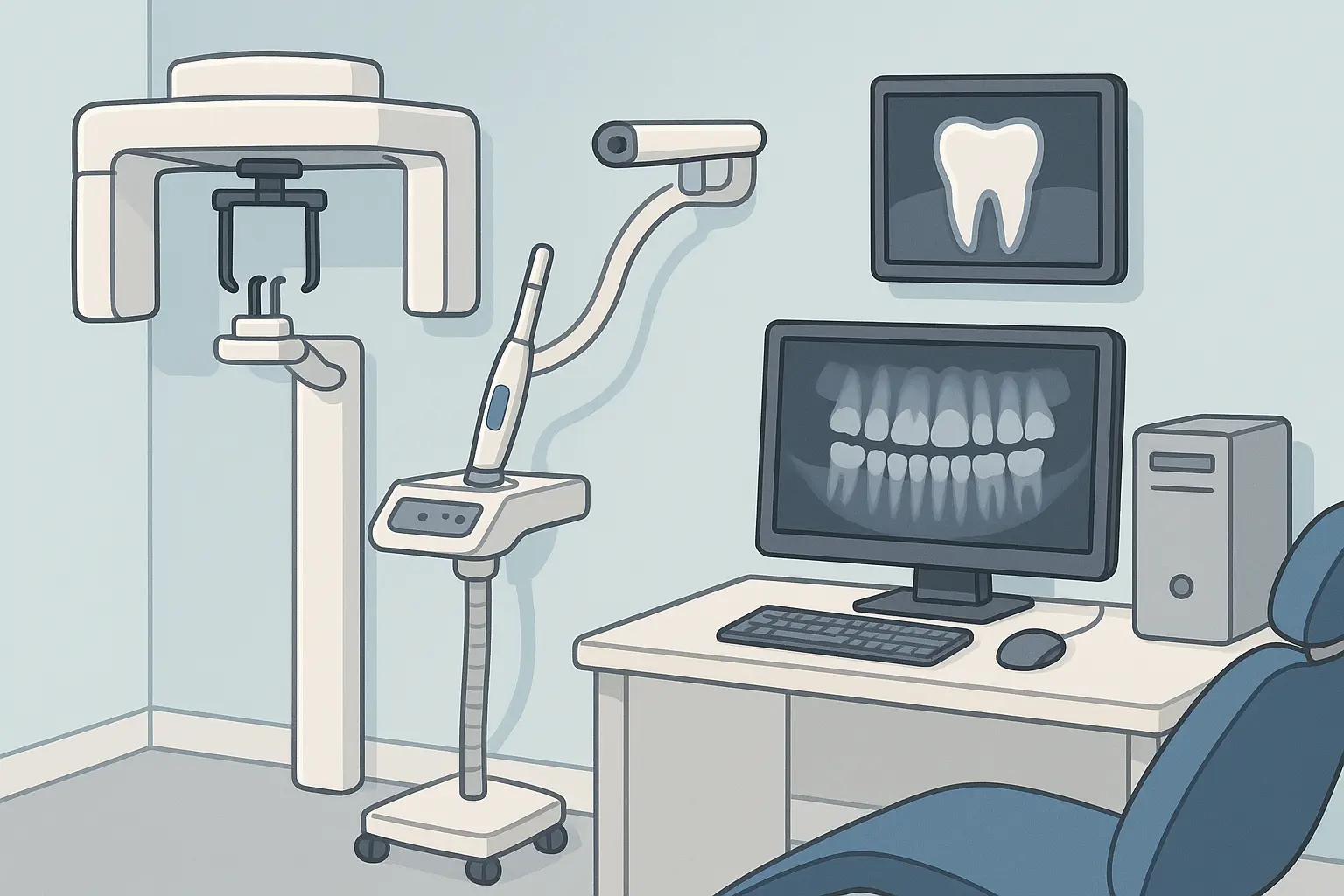
Practices investing heavily in technology need hygienists who can maximize their equipment investment. If you can efficiently operate expensive laser systems or digital imaging equipment, you become significantly more valuable than someone who requires extensive training.
Electronic health records, digital treatment planning software, and automated patient communication systems are becoming standard in modern practices. Hygienists who can seamlessly integrate these tools into patient care workflows often earn $3-5 more per hour than those who struggle with technology.
Negotiating Your Worth
Most dental hygienists accept whatever salary they’re offered because they don’t know how to negotiate effectively in healthcare settings. Successful negotiations require preparation, timing, and understanding your employer’s perspective.
The key isn’t just walking in demanding more money—you need to present a compelling case based on your value to the practice.
Research and Preparation
Successful salary negotiations start long before you sit down with your employer. Market research means more than looking up average salaries online. You need to understand what similar practices in your area pay, what benefits they offer, and how your qualifications compare to other candidates in the market.

Building Your Case
A well-organized portfolio showcasing your continuing education, patient testimonials, and measurable contributions to practice success provides concrete evidence of your value during salary negotiations.
When building your professional portfolio, ensure you have proper documentation of all your academic credentials to support your qualifications and justify higher compensation.
Professional Portfolio Essentials:
-
Current licenses and certifications
-
Continuing education certificates from past 2 years
-
Patient testimonials and positive reviews
-
Performance metrics and productivity data
-
Before/after patient case studies
-
Market salary research documentation
Timing Your Discussions
When you bring up salary matters as much as how you approach the conversation. Jennifer waited until her practice completed a successful quarter and had just hired two new associates before approaching her employer about a raise. She presented her case during their annual review cycle, highlighting how her patient retention contributed to the practice’s growth, and secured a 12% salary increase.
Avoid salary discussions during stressful periods, slow business cycles, or when the practice is dealing with major changes. Choose moments when your employer can focus on your request and has the financial flexibility to consider increases.
What to Actually Say
Instead of: “I think I deserve more money.”
Try: “Based on my research of similar positions in our area and my contribution to patient retention, I’d like to discuss adjusting my compensation to reflect my value to the practice.”
The difference is providing specific, data-backed reasons rather than making emotional appeals.
Beyond Traditional Practice
Traditional clinical practice isn’t the only path for dental hygienists seeking career growth and increased income. Teaching, public health, and corporate roles offer different reward structures that might align better with your long-term goals.
These alternative paths often provide better work-life balance, superior benefits, and different types of professional satisfaction that purely clinical roles might not offer.
Teaching and Training Opportunities
Teaching positions in dental hygiene programs and corporate training roles provide stable employment with unique benefits structures. While starting salaries might be lower, the long-term financial and professional rewards often exceed clinical practice.
According to the Bureau of Labor Statistics, dental hygienists typically need an associate’s degree in dental hygiene, with programs usually taking 3 years to complete, and all states require dental hygienists to be licensed with requirements varying by state.

Academic positions require advanced degrees but offer job security, comprehensive benefits, tenure opportunities, and summers off. Academic salaries might start lower than clinical positions, but they include research funding opportunities and retirement benefits that often exceed private practice offerings when you factor in job security and benefits.
Public Health and Government Roles
Government positions and public health roles provide excellent benefits, job security, and opportunities to impact community health while earning competitive salaries. These careers often include superior retirement benefits compared to private practice.

Federal and state positions offer structured pay scales, regular advancement opportunities, and comprehensive benefits packages that include health insurance, retirement contributions, and paid time off that often exceed private sector offerings. Public health roles often involve community outreach, program development, and policy work that provides professional satisfaction beyond traditional clinical practice.
Corporate Training and Management
Corporate dental chains provide advancement opportunities from staff hygienist to senior positions and management tracks. These structured environments can offer faster advancement for ambitious professionals willing to take on additional responsibilities.
The progression might look like: Staff Hygienist → Senior Hygienist → Lead Hygienist → Regional Trainer
Protecting Your Professional Credentials for Career Growth
As you advance in your dental hygiene career and pursue higher-paying opportunities, having proper documentation of your educational achievements becomes increasingly important. Whether you’re applying for teaching positions, seeking promotions, or displaying credentials in multiple office locations, protecting and properly presenting your qualifications supports your professional image and salary negotiations.
Many professionals need to replace lost diplomas when transitioning to higher-paying positions that require credential verification. Additionally, understanding what constitutes proper diploma display can enhance your professional credibility during salary negotiations and career advancement discussions.
ValidGrad understands that dental hygienists often need to display their credentials in multiple professional settings while keeping original diplomas safely stored. Our high-quality diploma replacement services allow you to confidently showcase your educational accomplishments in your primary workplace, satellite offices, or home office without risking damage to your original documents. This practical solution ensures you can always present your qualifications professionally, supporting the credibility that’s essential for career advancement and successful salary negotiations in the competitive dental hygiene field.

Professional Credential Management:
-
Secure original diplomas in fireproof safe or safety deposit box
-
Obtain certified copies for workplace display
-
Digitize all certificates for online applications
-
Maintain updated license verification records
-
Document all continuing education credits
-
Keep professional liability insurance current
Proper credential management becomes more important as you advance in your career and pursue positions that require extensive background verification. Having organized, accessible documentation of your qualifications streamlines application processes and demonstrates professionalism to potential employers.
Making Smart Career Decisions
Maximizing your dental hygienist salary requires strategic thinking about location, specialization, and career development. The professionals who earn the highest salaries understand that compensation is influenced by market dynamics, specialized skills, and how effectively they communicate their value to employers.
Whether you choose traditional clinical practice or explore alternative career paths, success comes from making informed decisions based on real data rather than assumptions. Your earning potential in dental hygiene is ultimately determined by how well you position yourself in the market and advocate for your professional worth.
The field offers excellent opportunities for those willing to invest in their professional development and approach their careers strategically. With projected job growth exceeding most other occupations, dental hygienists who understand these compensation realities will be well-positioned to maximize their earning potential throughout their careers.
The key is being realistic about what affects your paycheck while staying proactive about the factors you can control. Focus on developing valuable skills, choosing your location strategically, and learning to articulate your value to employers. These fundamentals will serve you well regardless of how the job market evolves.
