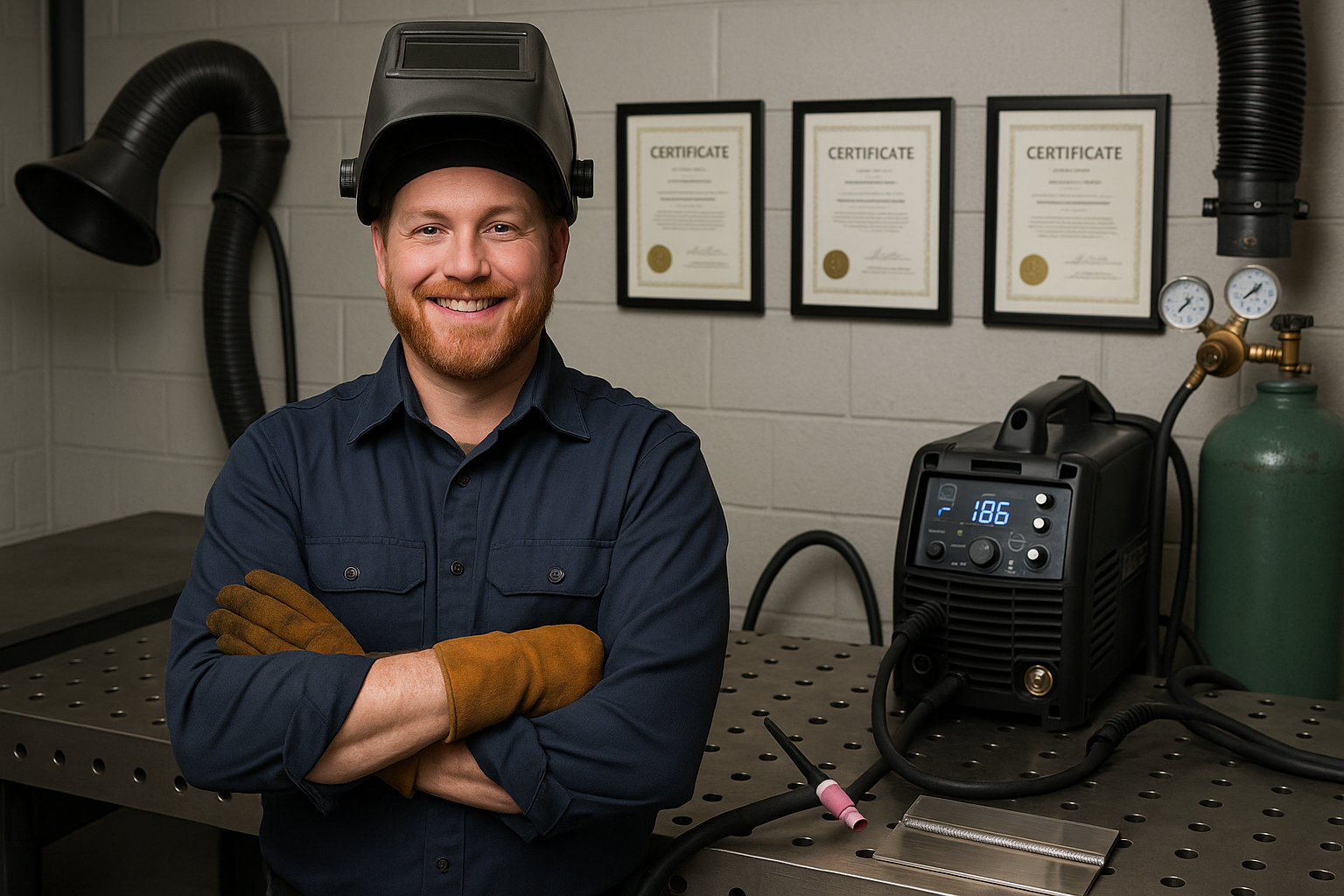
The welding industry faces a significant shortage that’s creating unprecedented opportunities for skilled professionals. The American Welding Society believes that the U.S. industry will have a shortage of more than 450,000 skilled welders by 2022 according to The Fabricator. This shortage, combined with strategic career positioning, means TIG welders who understand the market dynamics can significantly outperform their peers in terms of compensation.
Understanding the complete welder qualification process is crucial for maximizing your earning potential in today’s competitive market.
Table of Contents
- The Geographic Money Game: Where Location Determines Your Paycheck
- Maritime Welding: The Ocean Premium Nobody Talks About
- Energy Sector Gold Rush: Pipeline and Renewable Premiums
- Urban vs Rural: The Cost-of-Living Hack
- The Certification Ladder: Your Ticket to Six Figures
- Aerospace Certifications: The Ultimate ROI Play
- Nuclear Welding: The Highest-Paying Gig in the Game
- Skills That Multiply Your Income Beyond Basic Welding
- Going Solo: The Entrepreneurial Path to Unlimited Earnings
- Hidden Compensation: The Money You’re Not Counting
- How ValidGrad Supports Your Career Documentation Needs
- Final Thoughts
TL;DR
- Geographic location can increase your TIG welder salary by 40-60%, especially in maritime and energy corridors
- Strategic certifications in aerospace and nuclear sectors can double your earning potential
- Maritime TIG welders earn $15-25 more per hour than inland counterparts due to union negotiations
- Mobile welding services can charge $150-300 per hour for emergency repairs
- Per diem and travel compensation often exceed base hourly rates for traveling welders
- Nuclear facility maintenance pays $100+ per hour during scheduled outages
- Complementary skills like CNC programming significantly boost earning potential
- Benefits packages can add 30-50% to total compensation value
The Geographic Money Game: Where Location Determines Your Paycheck
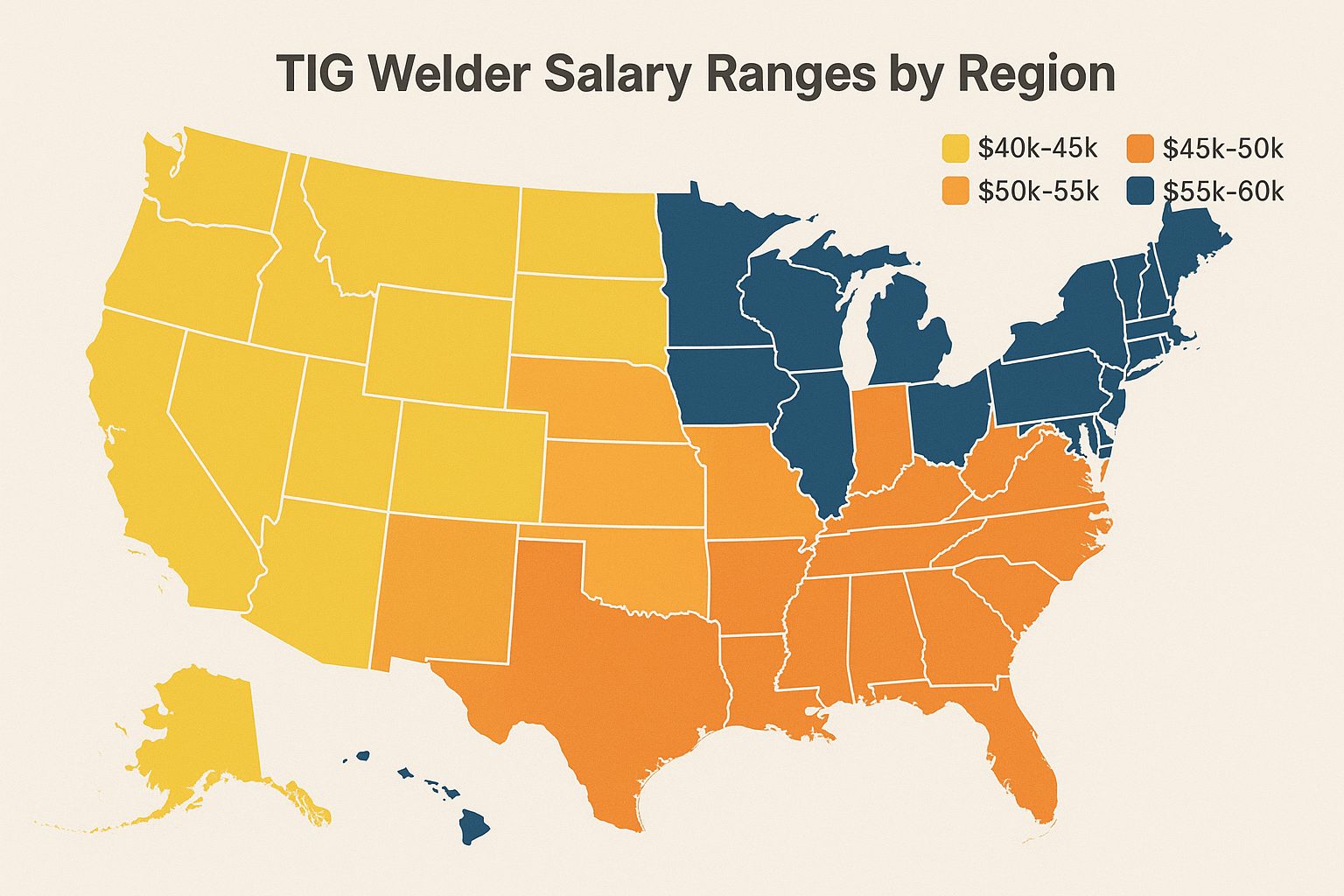
Most TIG welders don’t realize that their zip code might be costing them thousands of dollars annually. I’ve discovered that understanding geographic wage differences isn’t just about finding higher-paying jobs—it’s about strategic career positioning that can optimize your income potential.
The concept of geographic arbitrage in welding means you can earn significantly more by targeting specific regions while potentially enjoying lower living costs. This isn’t about chasing every high-paying job across the country, but rather understanding which locations offer the best combination of wages, opportunities, and lifestyle factors that align with your career goals.
In metropolitan areas like San Francisco, TIG Welders can earn $25 – $40+/hour, while cities like Dallas offer salaries ranging from $20 – $35+/hour, and regions like Kansas City see wages ranging from $18 – $30+/hour according to Total Aviation Staffing. These differences in welding pay create substantial opportunities for welders willing to relocate strategically.
| Region Type | Hourly Rate Range | Annual Salary Range | Cost of Living Factor |
|---|---|---|---|
| High-Cost Cities (SF, NYC) | $25-$40+ | $52,000-$83,200+ | Very High |
| Mid-Cost Regions (Dallas, Denver) | $20-$35+ | $41,600-$72,800+ | Moderate |
| Lower-Cost Areas (Kansas City, Midwest) | $18-$30+ | $37,440-$62,400+ | Low |
Maritime Welding: The Ocean Premium Nobody Talks About
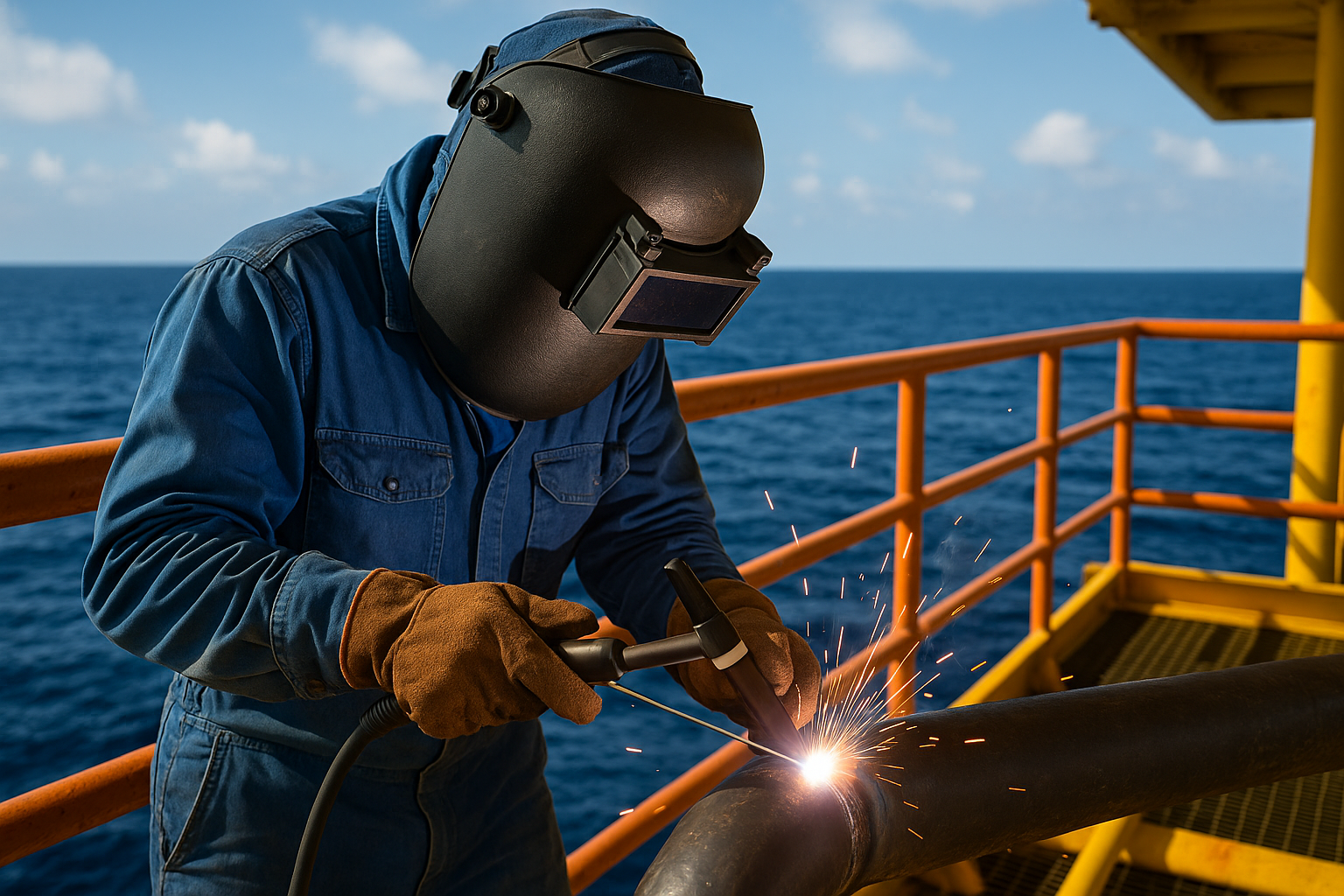
Coastal TIG welding positions command premium wages that most inland welders never hear about. Working near saltwater environments requires specialized knowledge of corrosion-resistant techniques and materials, which translates directly into higher compensation.
The maritime industry recognizes that TIG welders working on ships, offshore platforms, and coastal facilities face unique challenges that warrant substantial pay increases. These positions aren’t just about higher hourly rates—they often include additional compensation for environmental hazards and specialized skill requirements.
The average salary of a welder in maritime environments significantly exceeds inland rates due to these specialized demands.
Salt Air Means More Money in Your Pocket
TIG welders working in maritime environments earn 40-60% more than their inland counterparts, and there’s solid reasoning behind these premiums. The salt air creates corrosive conditions that demand expertise in specialized materials and techniques.
Offshore platforms, shipyards, and coastal facilities require welders who understand how to work with marine-grade alloys and protective coatings. This specialized knowledge doesn’t come free—employers pay premium rates because finding qualified maritime TIG welders is challenging, and the consequences of poor welding in these environments can be catastrophic.
A TIG welder with five years of experience working at a shipyard in Norfolk, Virginia, can earn $32-38 per hour plus hazard pay, while the same welder in an inland manufacturing facility might earn $22-26 per hour. The maritime welder also receives additional compensation for working with specialized marine alloys and corrosion-resistant materials.
For welders considering maritime careers, understanding underwater welding salary secrets provides insight into the most lucrative marine welding opportunities.
Union Power at the Harbor
Maritime unions have negotiated some of the most favorable TIG welder rates in the industry, often securing wages that exceed standard industrial rates by $15-25 per hour. These unions understand the specialized nature of maritime welding and leverage their collective bargaining power to secure premium compensation packages.
Harbor union positions often come with additional benefits like guaranteed overtime opportunities, comprehensive health coverage, and pension contributions that significantly boost total compensation value.
Vessel Certification: Your Golden Ticket
TIG welders with marine vessel certifications access an exclusive market where daily rates can reach $800-1,200 for specialized repair work. These certifications aren’t easy to obtain, but they open doors to high-paying contract work on commercial vessels, military ships, and luxury yachts.
The specialized nature of vessel welding means that certified welders can command premium rates for emergency repairs, scheduled maintenance, and new construction projects.
Energy Sector Gold Rush: Pipeline and Renewable Premiums
Energy-producing regions offer TIG welders some of the most lucrative opportunities in the field, with compensation structures that go far beyond standard hourly wages. The energy sector operates on project-based timelines with significant financial stakes, creating an environment where skilled TIG welders can earn exceptional compensation.
Whether it’s traditional oil and gas infrastructure or renewable energy installations, these industries recognize that precision welding is critical to their operations and pay accordingly.
A Spanish company is getting ready to open a new wind tower production plant east of Amarillo later this year, and it will have a major impact on the number of welders who are working in the Texas Panhandle according to Amarillo.com, demonstrating the growing demand for welders in renewable energy sectors.
Pipeline Boom Cycles: Timing Your Career Right
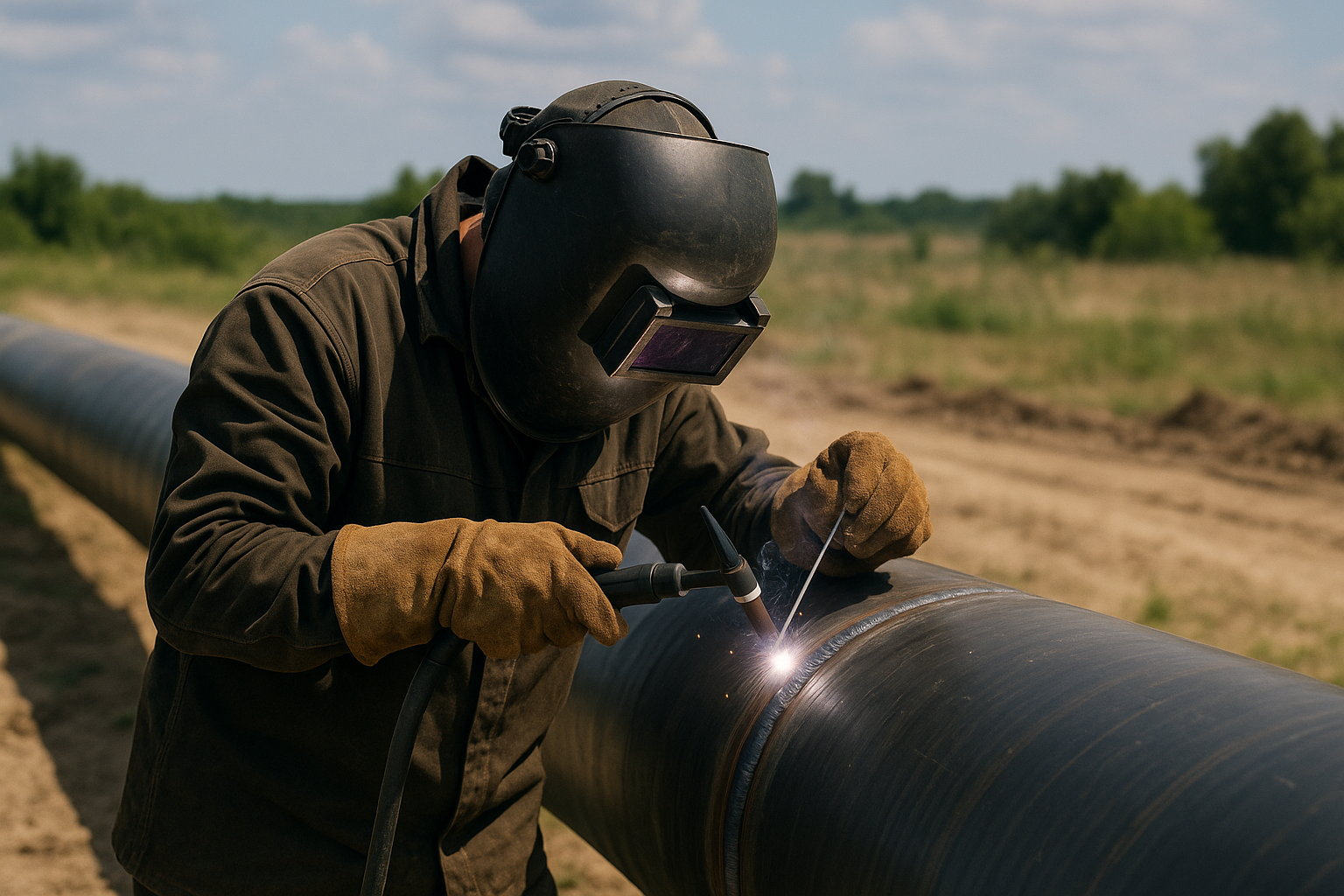
During pipeline construction booms, TIG welders can earn 2-3 times their standard rates through strategic positioning and per-diem arrangements. These boom cycles create temporary but highly lucrative opportunities where welders can earn substantial income in compressed timeframes.
The combination of overtime multipliers, per-diem allowances, and completion bonuses can result in annual earnings that rival white-collar professions, especially for welders willing to travel and work extended schedules.
Renewable Energy: The New Frontier
Wind and solar installation projects command premium TIG welding rates due to precision requirements and challenging working conditions. The renewable energy sector demands high-quality welds that can withstand decades of environmental exposure, creating opportunities for skilled TIG welders to earn premium compensation.
Working at height on wind turbines or in remote solar installations often includes hazard pay and specialized certifications that boost earning potential significantly.
Urban vs Rural: The Cost-of-Living Hack
The most overlooked opportunity in TIG welding careers might be the rural advantage—where competitive wages meet significantly lower living costs. Many welders automatically assume that urban markets offer better opportunities, but the math often favors rural positions with major industrial facilities.
Small manufacturing cities frequently offer TIG welders competitive wages while providing housing costs that are 50-70% lower than metropolitan areas, resulting in superior purchasing power and quality of life. The average welder salary in these areas often provides better real-world buying power than higher urban wages.
Manufacturing Hub Sweet Spots
Small cities with major manufacturing facilities represent some of the best-kept secrets in TIG welding careers. These locations offer the perfect storm of competitive industrial wages without the crushing cost of living found in major metropolitan areas.
Manufacturing hubs often have multiple facilities competing for skilled welders, driving up wages while maintaining reasonable housing and living costs. The result is often superior take-home pay and lifestyle compared to urban markets.
Rural Manufacturing Opportunity Checklist:
- Research manufacturing facilities within 50 miles of small cities
- Compare local housing costs to metropolitan areas
- Identify multiple employers in the same region for job security
- Calculate total compensation including benefits and cost of living
- Evaluate commute times and transportation costs
- Research local amenities and quality of life factors
The Certification Ladder: Your Ticket to Six Figures
Strategic certification acquisition creates exponential income growth rather than the linear increases most TIG welders expect. I’ve learned that certain certifications unlock premium market segments that can transform your earning potential overnight.
The key isn’t collecting every available certification—it’s identifying which ones provide the highest return on investment and align with your career goals. Smart welders treat certifications as investments, calculating the cost of training and testing against potential income increases to make strategic decisions about their professional development.
Entry-Level TIG Welders with limited experience can earn around $18 – $25 per hour according to Total Aviation Staffing, but strategic certifications can dramatically increase these rates.
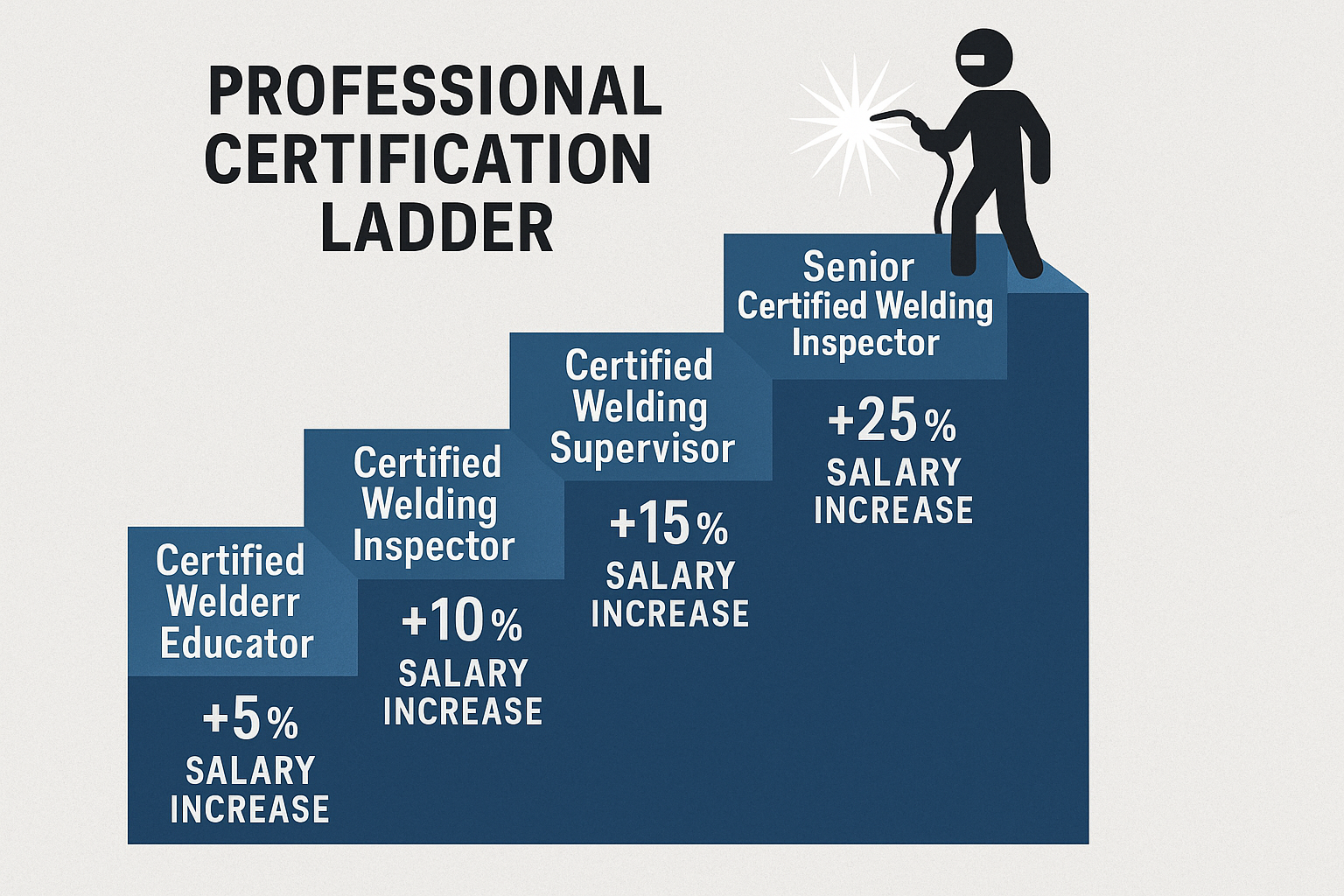
Professional documentation becomes critical when pursuing advanced certifications, and understanding replacement certifications ensures you never lose access to career opportunities due to missing credentials.
Aerospace Certifications: The Ultimate ROI Play
Aerospace TIG welding certifications represent the highest return on investment in the welding field, often doubling base earning potential within months of completion. The aerospace industry demands perfection in every weld, and they’re willing to pay premium rates for welders who can meet their exacting standards.
These certifications require significant time and financial investment upfront, but the long-term earning potential makes them worthwhile for serious welders looking to maximize their income. The average salary of a welder with aerospace certifications far exceeds standard industrial rates.
NASA and Space Industry: Where Precision Pays
TIG welders with space-grade certifications access contracts paying $75-120 per hour for critical aerospace applications. The space industry operates with zero tolerance for welding defects, creating a premium market for certified welders who can work with exotic materials under strict quality requirements.
These positions often include security clearance requirements and extensive documentation protocols, but the compensation reflects the critical nature of the work.
Military Aviation: Security Clearance Premiums
Defense contractor TIG welding positions with security clearances command premium rates plus comprehensive benefits packages that significantly boost total compensation. Military aviation welding requires technical expertise and the ability to obtain and maintain security clearances.
The combination of specialized skills and security requirements creates a limited pool of qualified welders, driving up compensation rates substantially.
Nuclear Welding: The Highest-Paying Gig in the Game
Nuclear industry TIG welding certifications create access to the highest-paying welding positions in the market, with compensation that reflects the critical nature of nuclear facility operations. The nuclear industry’s strict safety requirements and regulatory oversight mean that certified welders are in constant demand for maintenance, repairs, and new construction projects.
The earning potential in nuclear welding often exceeds what many college graduates earn in their first decade of work.

Power Plant Maintenance: Scheduled Goldmines
Nuclear facility maintenance creates predictable high-income periods where certified TIG welders earn $100+ per hour during scheduled outages. These maintenance windows are carefully planned events where facilities shut down for essential repairs and upgrades.
The time-sensitive nature of these outages means that qualified welders can command premium rates, often working extensive overtime hours at elevated pay scales.
A TIG welder working nuclear plant maintenance during a scheduled outage can earn $105 per hour for a 12-hour shift, plus $85 per diem, plus overtime after 8 hours at time-and-a-half. This results in daily earnings of $1,890 ($105 × 8 hours + $157.50 × 4 overtime hours + $85 per diem) for work that requires precise documentation and adherence to strict safety protocols.
Regulatory Compliance: Premium for Perfection
TIG welders qualified for nuclear work earn premiums for maintaining strict documentation and quality standards that exceed typical industrial requirements. Nuclear welding involves extensive paperwork, quality control procedures, and regulatory compliance that many welders find challenging.
However, those who master these requirements earn significant premiums because facilities need welders who can work within their strict operational frameworks.
Skills That Multiply Your Income Beyond Basic Welding
TIG welders who develop complementary technical skills create multiple income streams and command significantly higher compensation than pure welding specialists. The most successful welders I know don’t just focus on perfecting their welding technique—they build skill sets that make them indispensable to employers.
These complementary skills often pay dividends that far exceed the time invested in learning them, creating career opportunities that wouldn’t exist for traditional welders.
Multi-Process Mastery: Becoming the Swiss Army Knife
TIG welders who master multiple welding processes become more valuable and command higher rates across diverse projects. Employers prefer welders who can switch between TIG, MIG, and stick welding as project requirements change, reducing their need to hire multiple specialists.
This versatility often translates into steady work and premium pay rates because you become a problem-solver rather than just a specialist. The average salary of a welder with multi-process capabilities typically exceeds single-process specialists by 20-30%.

Exotic Materials: The Niche That Pays
TIG welders specializing in titanium, inconel, and other exotic materials access niche markets with premium pricing that most welders never see. These materials require specialized knowledge, equipment, and techniques that create barriers to entry for most welders.
The limited pool of qualified exotic material welders means that those who develop these skills can command premium rates across aerospace, medical device, and high-performance automotive applications.
A TIG welder certified in titanium welding for medical device manufacturing can earn $45-65 per hour, compared to $25-35 per hour for standard stainless steel work. The specialized knowledge required for working with biocompatible materials and meeting FDA requirements creates a premium market with limited competition.
Digital Integration: Future-Proofing Your Career
TIG welders who understand automated systems and digital welding technologies position themselves for the industry’s technological evolution while earning premium wages today. The welding industry is increasingly incorporating digital controls, automated systems, and computer-integrated manufacturing.
Welders who embrace these technologies rather than resist them find themselves in high demand and command premium compensation.
CNC Integration: Programming Your Way to Higher Pay
TIG welders who can program and operate CNC welding systems earn significantly more than traditional manual welders because they bridge the gap between traditional craftsmanship and modern manufacturing. CNC welding systems require operators who understand both welding fundamentals and computer programming concepts.
This combination of skills is rare and valuable, often resulting in supervisory roles and premium compensation packages.
Going Solo: The Entrepreneurial Path to Unlimited Earnings
TIG welders have unique opportunities to transition from hourly wages to business ownership, creating unlimited income potential through strategic business development. The entrepreneurial path isn’t for everyone, but welders who take this route often find that their technical skills translate well into business success.
The key is identifying market opportunities where your welding expertise can solve problems that customers are willing to pay premium prices to address.
Mobile Welding: Taking Your Skills on the Road
TIG welders can build profitable mobile services targeting specific market niches with minimal startup investment compared to traditional brick-and-mortar businesses. Mobile welding services offer flexibility and the ability to charge premium rates for convenience and specialized services.
The overhead costs are relatively low, and the ability to serve customers at their location often justifies higher hourly rates than shop-based work.
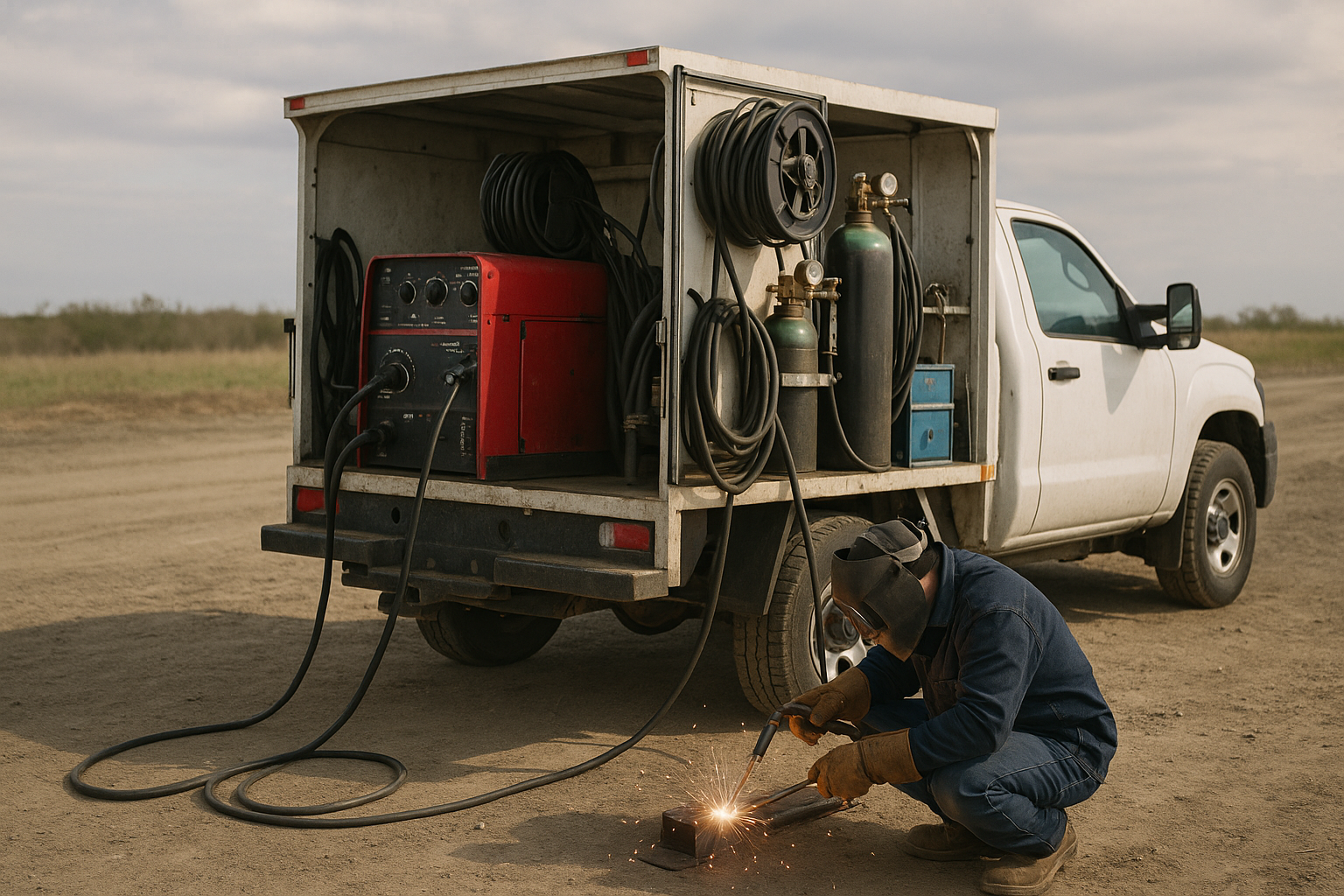
Successful mobile welding businesses often require business certification to establish credibility with commercial clients and insurance providers.
Emergency Repairs: Premium Rates for Urgent Needs
Mobile TIG welding services command premium rates for emergency repairs, often charging $150-300 per hour for urgent industrial needs that can’t wait for regular business hours. Emergency welding services capitalize on the fact that equipment downtime costs businesses far more than premium welding rates.
When a critical piece of equipment fails, companies are willing to pay premium rates to get back online quickly.
Mobile Welding Business Startup Checklist:
- Obtain necessary business licenses and insurance
- Invest in portable welding equipment and truck/trailer
- Develop emergency response protocols and pricing structure
- Build relationships with local businesses and manufacturers
- Create marketing materials emphasizing convenience and reliability
- Establish payment processing and invoicing systems
- Set up safety protocols for various work environments
Fabrication Shop Development: Building Your Empire
TIG welders can transition to shop ownership by identifying underserved market segments and building specialized capabilities that larger shops overlook. Starting a fabrication shop requires more capital than mobile services, but it offers the potential for higher profit margins and the ability to take on larger projects.
The key is finding a niche where your expertise can command premium pricing.
Custom Fabrication Niches: Where Specialization Pays
Specialized TIG welding shops serving motorcycle, automotive, or architectural markets achieve higher profit margins than general fabrication because customers value expertise and quality over low prices. Custom fabrication allows you to work with clients who appreciate craftsmanship and are willing to pay for quality work.
These markets often have less price competition because the work requires specialized knowledge and artistic skill.
A TIG welder who specializes in custom motorcycle exhaust systems can charge $1,200-2,500 per system, with material costs typically representing only 20-30% of the total price. The premium comes from specialized knowledge of performance tuning, aesthetic design, and working with high-temperature alloys.
Training Revenue: Teaching What You Know
Experienced TIG welders can generate additional income through training programs and certification services, creating passive income streams that complement their primary welding work. Teaching welding allows you to leverage your expertise in new ways while helping develop the next generation of welders.
Training programs can provide steady income during slow periods and establish you as an expert in your field.
Hidden Compensation: The Money You’re Not Counting
Beyond base hourly rates, TIG welders access multiple compensation layers that significantly impact total earnings but remain largely undiscussed in salary surveys. Most welders focus solely on their hourly rate when evaluating opportunities, but the real money often lies in these additional compensation streams.
Understanding and maximizing these hidden income sources can dramatically increase your total annual earnings without changing your base pay rate.
Over the past five years, the number of shops paying welders at least $17 per hour has risen dramatically, with 43% of companies now paying more than $17 per hour compared to just 26% in 2015 according to The Fabricator, showing the upward trend in welder compensation.
The average salary for a welder becomes much more attractive when these hidden compensation elements are factored into the total package.
Per Diem and Travel: The Untaxed Goldmine
Mobile TIG welders often earn more from per diem and travel allowances than their base hourly rate, creating substantial untaxed income streams that dramatically improve take-home pay. Per diem payments cover meals and incidental expenses while traveling for work, and these payments are typically tax-free when they don’t exceed federal guidelines.
Smart welders factor these payments into their total compensation calculations when evaluating job opportunities.

Government Rate Leverage: Playing by Federal Rules
TIG welders on government contracts receive GSA per diem rates that can add $50-150 per day to total compensation, often exceeding what many workers earn in base pay. Government contracts follow standardized per diem rates that are typically generous and non-negotiable.
These rates vary by location but are always substantial enough to significantly impact your total earnings.
Extended Assignment Bonuses: Long-Term Payoffs
Multi-week TIG welding assignments often include housing allowances and completion bonuses that can double effective hourly rates for welders willing to commit to longer projects. Extended assignments reward welders who can commit to projects lasting weeks or months.
The combination of per diem, housing allowances, and completion bonuses often results in total compensation that far exceeds what the base hourly rate would suggest.
Performance Bonuses: Getting Paid for Excellence
Advanced TIG welding positions increasingly offer performance bonuses based on quality metrics, productivity, and project completion timelines, rewarding welders who consistently exceed expectations. Performance-based compensation aligns welder incentives with company goals, creating win-win situations where excellent work translates directly into higher pay.
These bonus structures often reward consistency and quality over pure speed.
Quality Premiums: Perfect Welds Pay More
TIG welders who consistently pass X-ray and ultrasonic testing earn quality bonuses ranging from $2-10 per hour above base rates, making precision a profitable skill. Quality bonuses reward welders who take pride in their work and consistently produce welds that meet or exceed specifications.
These premiums recognize that high-quality work reduces rework costs and project delays.
Benefits: The 30-50% You’re Not Seeing
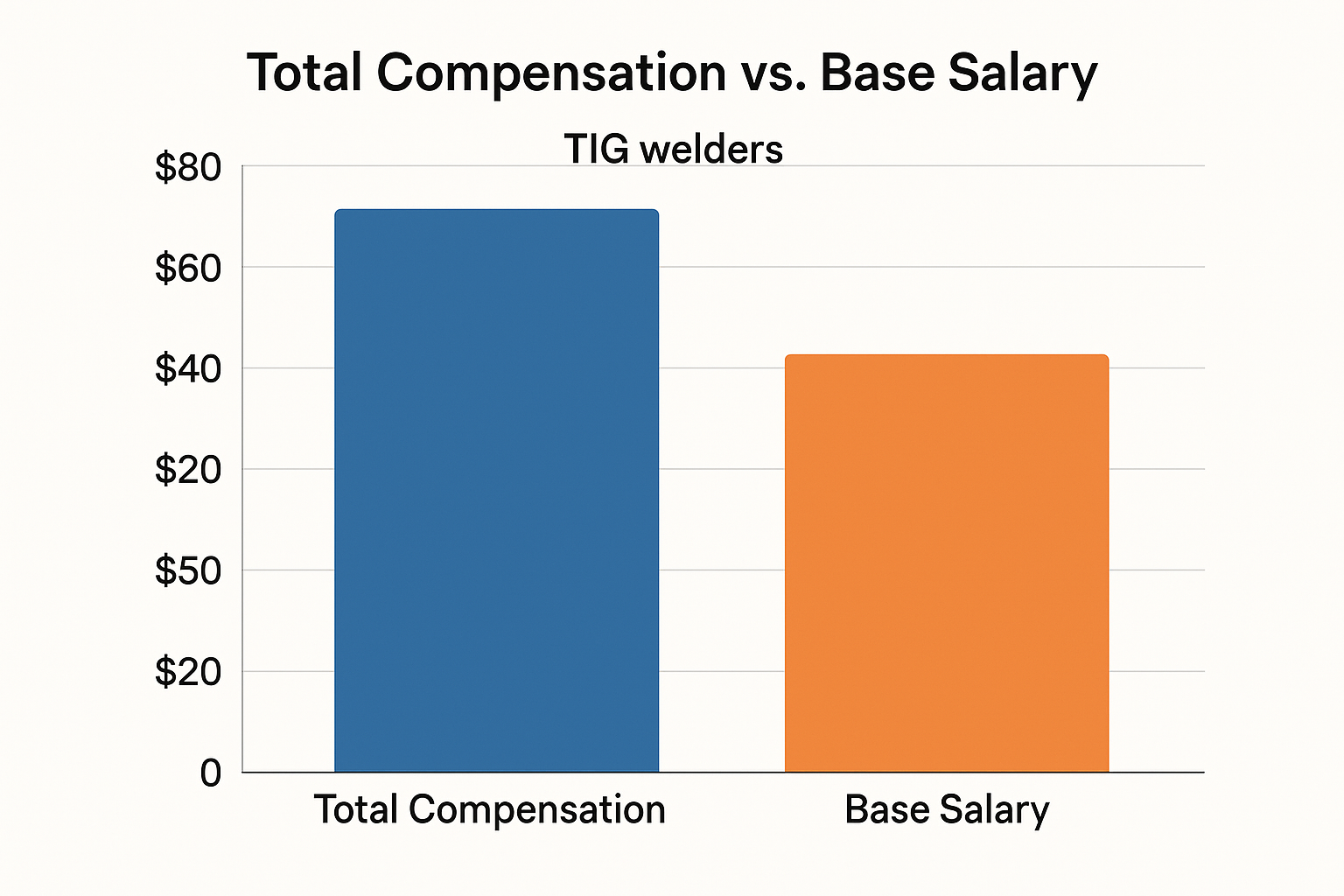
The true value of TIG welder compensation includes often-overlooked benefits that can add 30-50% to total compensation value, making some positions far more valuable than their base pay suggests. Benefits packages vary widely between employers, but premium positions often include health insurance, retirement contributions, and tool allowances that represent substantial value.
Smart welders evaluate total compensation packages rather than just hourly rates when making career decisions.
Specialized Welders working in high-demand industries like underwater welding or pipeline welding can make significantly more, sometimes earning over $100,000 annually according to Career Village, demonstrating the income potential for welders who pursue specialized skills.
| Benefit Type | Typical Value | Annual Impact | Tax Advantage |
|---|---|---|---|
| Health Insurance | $8,000-15,000 | $667-1,250/month | Pre-tax |
| Retirement Match | 3-6% of salary | $1,500-3,600 | Tax-deferred |
| Tool Allowance | $500-2,000 | $42-167/month | Often tax-free |
| Overtime Premium | 1.5x base rate | Variable | Taxable |
| Per Diem | $50-150/day | $13,000-39,000 | Tax-free |
How ValidGrad Supports Your Career Documentation Needs
While pursuing high-paying TIG welding opportunities through certifications and specializations, having proper documentation of your educational achievements becomes crucial for career advancement. Many welders complete vocational training, apprenticeship programs, or additional technical education to qualify for premium positions, but lost or damaged certificates can create barriers to employment opportunities.
ValidGrad addresses this critical need by providing replacement educational documents for display purposes, backup copies, or when original documents are damaged. Whether you’ve completed welding school, earned industry certifications, or pursued additional education to qualify for aerospace, nuclear, or maritime welding positions, ValidGrad ensures you have the documentation needed to showcase your qualifications to potential employers in high-paying sectors.
Professional welders often need to maintain multiple credentials, and how to display certificates on wall becomes important when establishing credibility with clients and employers.
Final Thoughts
Maximizing your TIG welder salary isn’t just about becoming a better welder—it’s about understanding the business side of welding and positioning yourself strategically in the market. The welders earning the highest incomes combine technical excellence with business savvy, whether that means pursuing strategic certifications, relocating to high-paying regions, or developing entrepreneurial ventures.
The opportunities exist for welders willing to think beyond traditional employment models and invest in their professional development. Your earning potential as a TIG welder is limited only by your willingness to pursue opportunities that most welders overlook or avoid due to additional requirements or challenges.
For welders considering career advancement, understanding is it worth it to get a college degree can help determine whether formal education complements your welding expertise for maximum earning potential.